Official degree
Madrid
At UAX, you have the opportunity to become one of the sector’s best-prepared and most sought-after physiotherapists. You’ll receive rigorous theoretical, practical and technological training. You’ll gain four additional certifications in Therapeutic Technologies. You’ll have the chance to specialise in the most in-demand clinical areas typically associated with postgraduate degrees, and you’ll distinguish yourself with training in sports physiotherapy alongside Rafa Nadal’s team. Top clinics seek out our physiotherapists. Will you join us? DIFFERENT GROUPS OF SPANIARDS AND FRENCH. Study at Spain’s No. 1 university for employability (U-Ranking 2023, BBVA Foundation).
In collaboration with:


Are you interested in working as a physiotherapist in medical settings, clinics, rehabilitation centres or even establishing your own practice? In our Physiotherapy Degree in Madrid, you’ll receive top-level preparation, with practical and comprehensive training across various fields of physiotherapy, aligned with the high-quality standards of physiotherapist education set by World Physiotherapy.
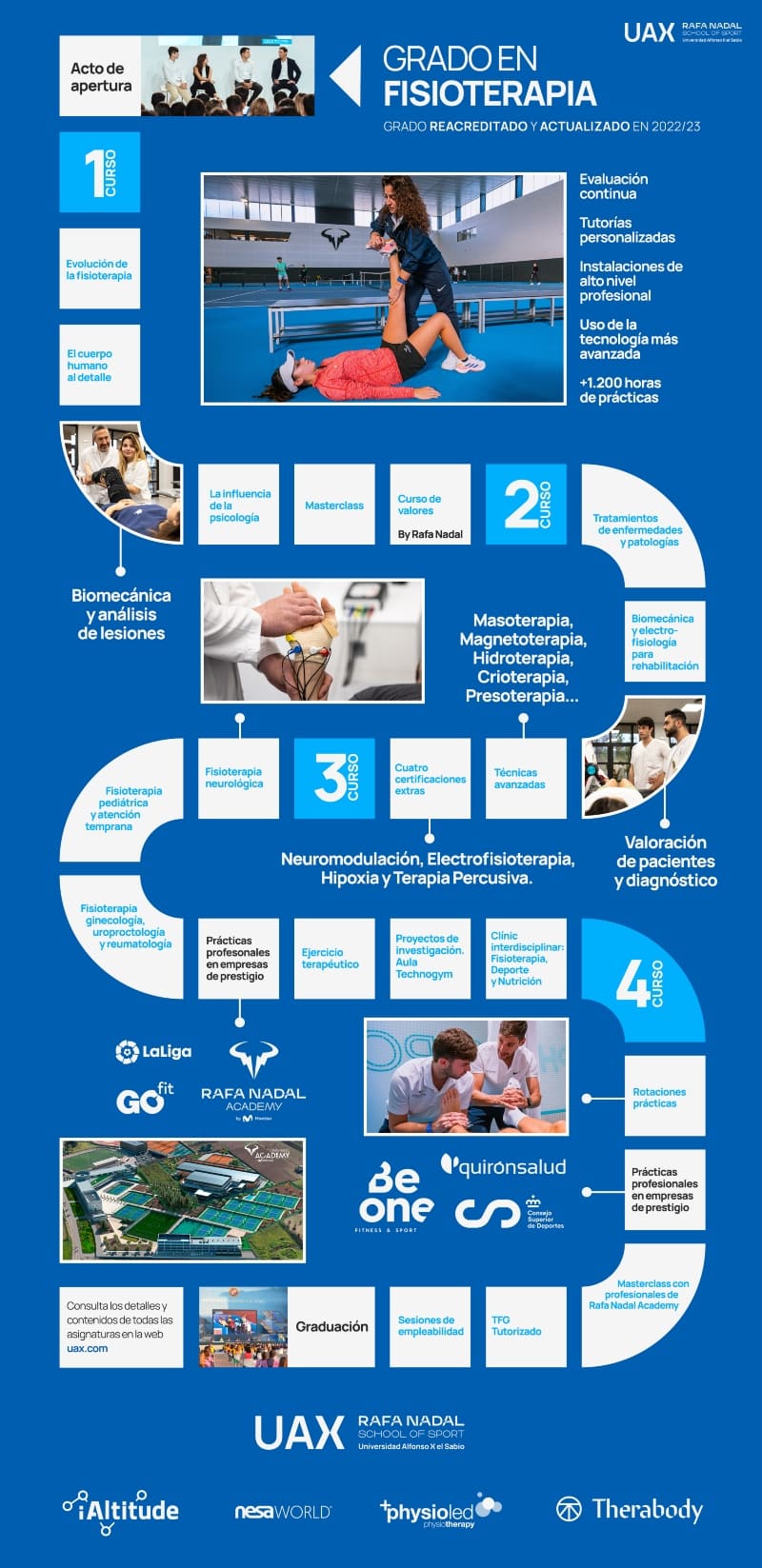
You will obtain certified training in some of the most requested therapeutic techniques in the clinic:



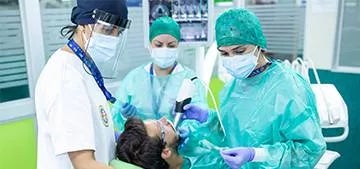
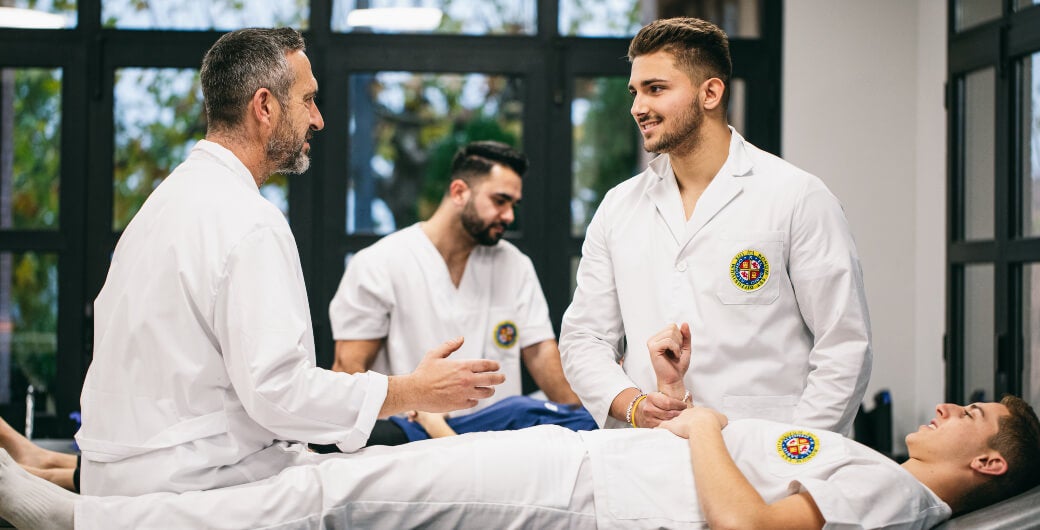
The Physiotherapy Degree involves a practice-focused programme, designed for students to obtain a comprehensive and versatile training that allows them to rigorously approach different therapeutic areas, from physiotherapy in neurological or respiratory rehabilitation, paediatrics or geriatrics, to the amateur and high-performance sporting fields.
From the first year, training is focused from a practical perspective. Students can develop professional skills in clinical reasoning and operating in order to perform professionally, confidently and effectively in real practice. They also develop transversal skills, such as a sense of ethics, time management, problem solving, decision making, teamwork, leadership and entrepreneurship.
In addition, the students must have C-1 Spanish level at the beginning of the third year of their studies to be able to pass ‘Clinical Specialities I‘ where they will be participating in company trainings such as health centers, hospitals, and other care centers. This is an essential condition and mandatory.
The Physiotherapy Degree involves a practice-focused programme, designed for students to obtain a comprehensive and versatile training that allows them to rigorously approach different therapeutic areas, from physiotherapy in neurological or respiratory rehabilitation, paediatrics or geriatrics, to the amateur and high-performance sporting fields.
From the first year, training is focused from a practical perspective. Students can develop professional skills in clinical reasoning and operating in order to perform professionally, confidently and effectively in real practice. They also develop transversal skills, such as a sense of ethics, time management, problem solving, decision making, teamwork, leadership and entrepreneurship.
In addition, the students must have C-1 Spanish level at the beginning of the third year of their studies to be able to pass ‘Clinical Specialities I‘ where they will be participating in company trainings such as health centers, hospitals, and other care centers. This is an essential condition and mandatory.
Bachelor’s Degree in Physiotherapy
First Year
ANNUAL SUBJECTS
| Code | Subjects | Character* | ECTS |
|---|---|---|---|
| E0130612 | Clinical healthcare communication skills | FB | 6 |
| TOTAL: | 6 | ||
FIRST FOUR-MONTH PERIOD
| Code | Subjects | Character* | ECTS |
|---|---|---|---|
| E0130608 | Human anatomy | FB | 9 |
| E0130609 | Locomotor System | FB | 6 |
| E0130613 | Statistics | FB | 6 |
| E0130614 | General Procedures in Physiotherapy I | OB | 6 |
| TOTAL: | 27 | ||
SECOND QUARTER
| Code | Subjects | Character* | ECTS |
|---|---|---|---|
| E0130610 | Applied biophysics | FB | 6 |
| E0130611 | Psychology | FB | 6 |
| E0130615 | General Procedures in Physiotherapy II | OB | 9 |
| E0130616 | Human Physiology | OB | 6 |
| TOTAL: | 27 | ||
Second Year
ANNUAL SUBJECTS
| Code | Subjects | Character* | ECTS |
|---|---|---|---|
| E0230609 | Medical and Surgical Conditions I | OB | 9 |
| E0230613 | Digital resources in physiotherapy | FB | 6 |
| E0230616 | Biomechanics | FB | 9 |
| TOTAL: | 24 | ||
FIRST FOUR-MONTH PERIOD
| Code | Subjects | Character* | ECTS |
|---|---|---|---|
| E0230608 | Physiotherapy | OB | 6 |
| E0230610 | Introduction to Research. Critical Analysis | FB | 6 |
| E0230611 | Human kinematics and kinetics | OB | 3 |
| E0230615 | Health and women | OB | 3 |
| TOTAL: | 18 | ||
SECOND FOUR-MONTH PERIOD
| Code | Subjects | Character* | ECTS |
|---|---|---|---|
| E0230612 | Integrated Physiotherapy I | OB | 6 |
| E0230614 | Modern Language I | FB | 6 |
| E0230617 | Physical Agents | OB | 6 |
| TOTAL: | 18 | ||
Third Year
ANNUAL SUBJECTS
| Code | Subjects | Character* | ECTS |
|---|---|---|---|
| E0330608 | External Academic Internships I | OB | 8 |
| E0330610 | Medical and Surgical Conditions II | OB | 8 |
| E0330617 | Physiotherapy in traumatology | OB | 8 |
| TOTAL: | 24 | ||
FIRST FOUR-MONTH PERIOD
| Code | Subjects | Character* | ECTS |
|---|---|---|---|
| E0330609 | Cardiorespiratory rehabilitation | OB | 6 |
| E0330613 | Public Health | OB | 3 |
| E0330614 | Legislation and Ethics | OB | 3 |
| E0330615 | Therapeutic exercise | OB | 6 |
| TOTAL: | 18 | ||
SECOND FOUR-MONTH PERIOD
| Code | Subjects | Character* | ECTS |
|---|---|---|---|
| E0330611 | Physiotherapy in paediatric neurology | OB | 3 |
| E0330612 | Physiotherapy in Rheumatology | OB | 3 |
| E0330616 | Neurorehabilitation in adult patients | OB | 6 |
| E0330618 | Integrated Physiotherapy II | OB | 6 |
| TOTAL: | 18 | ||
Year 4
ANNUAL SUBJECTS
| Code | Subjects | Character* | ECTS |
|---|---|---|---|
| E0430604 | External Academic Internships II | OB | 32 |
| TOTAL: | 32 | ||
FIRST FOUR-MONTH PERIOD
| Code | Subjects | Character* | ECTS |
|---|---|---|---|
| E0430605 | Continuity of care and health. Palliative care | OB | 5 |
| E0430606 | Geriatric physiotherapy and oncology | OB | 6 |
| E0430607 | Pharmacology | OB | 3 |
| TOTAL: | 14 | ||
SECOND FOUR-MONTH TERM
| Code | Subjects | Character* | ECTS |
|---|---|---|---|
| E0430608 | End-of-Degree Project | OB | 8 |
| TOTAL: | 8 | ||
OPTIONAL SUBJECTS
| Code | Subjects | Character* | ECTS |
|---|---|---|---|
| N/A | Elective | OP | 6 |
| TOTAL: | 6 | ||
List of Elective Modules
FIRST FOUR-MONTH TERM
| Code | Subjects | Character* | ECTS |
|---|---|---|---|
| 2ENB2 | English – Level B2 | OP | 0 |
| E0430639 | Health Emergencies | OP | 3 |
| E0430640 | A complement to physiotherapy treatments | OP | 3 |
| E0430641 | Modern Language II | OP | 6 |
| E0430642 | Orthotics and Prosthetics: Robotics | OP | 3 |
| E0430643 | Sports Physiotherapy | OP | 3 |
| E0430644 | Osteopathy | OP | 3 |
| E0430645 | Digital Health | OP | 3 |
| TOTAL: | 24 | ||
*Character: BT: Basic Training, Ob: Required, Op: Optional
Solid and rigorous theoretical foundation
The UAX Physiotherapy Degree programme focuses on acquiring the theoretical-practical knowledge necessary for students to address various therapeutic scenarios rigorously in their professional lives within the fields of physiotherapy and rehabilitation. This covers areas of specialisation such as neurological, respiratory, oncological, orthopaedic or sports physiotherapy.
Practical sessions in small groups for comprehensive learning
More than 80% of the teaching comprises practical classes in groups with a maximum of 12 students per teacher, ensuring that your learning and guidance are as thorough and personalised as possible.
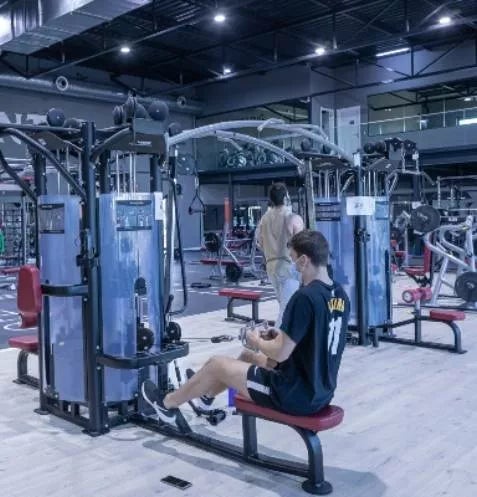
You will become familiar with the most commonly used clinical technology
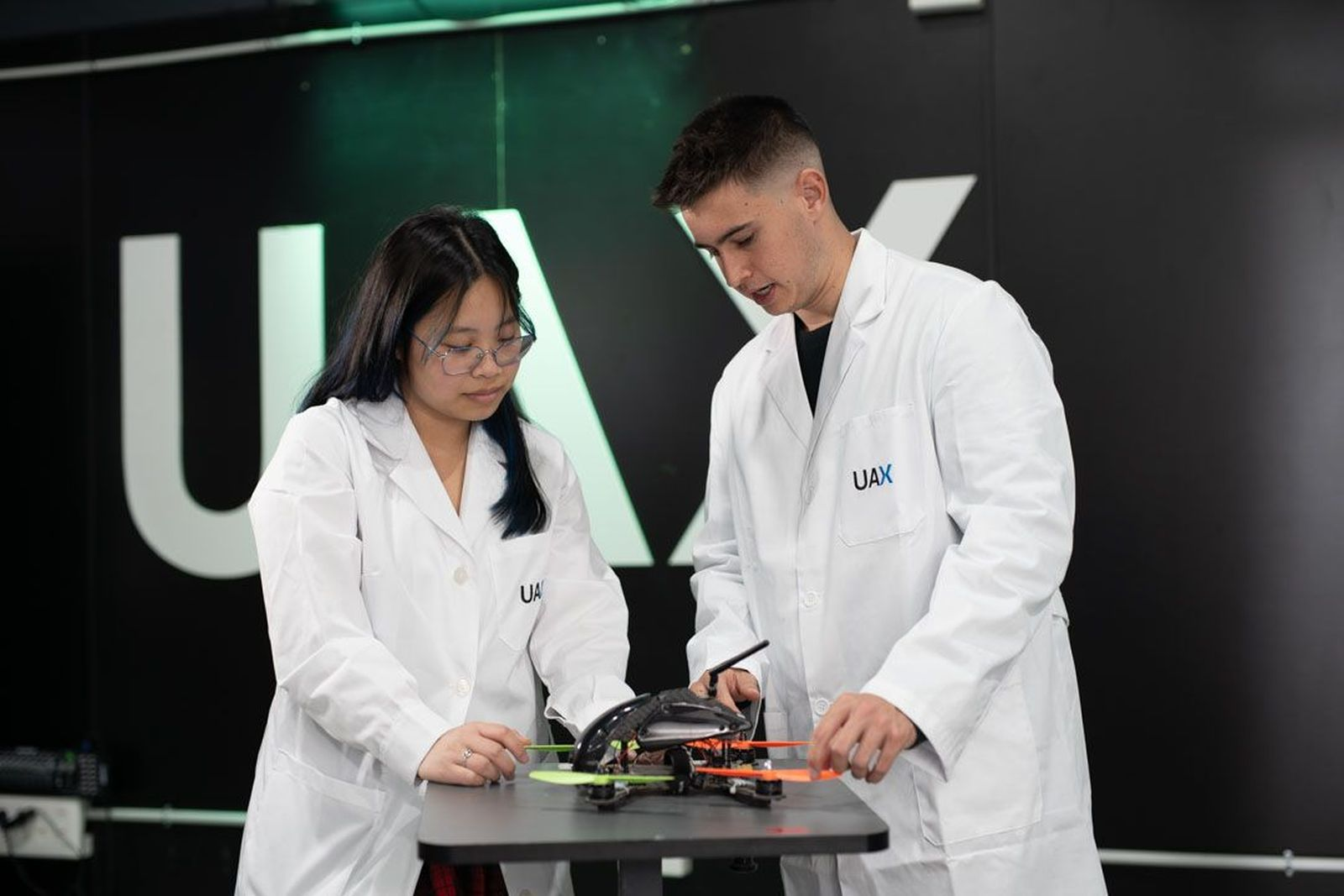
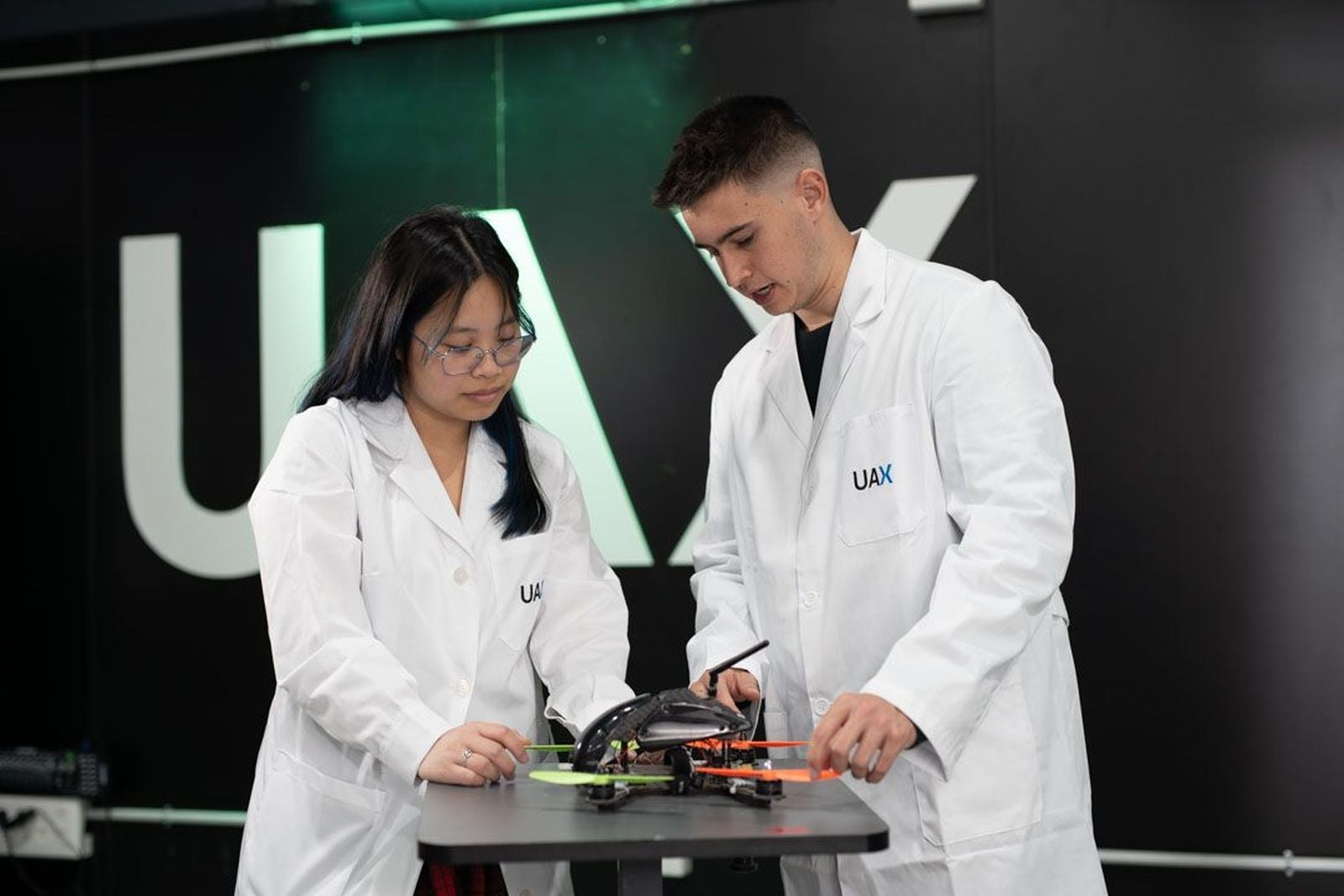
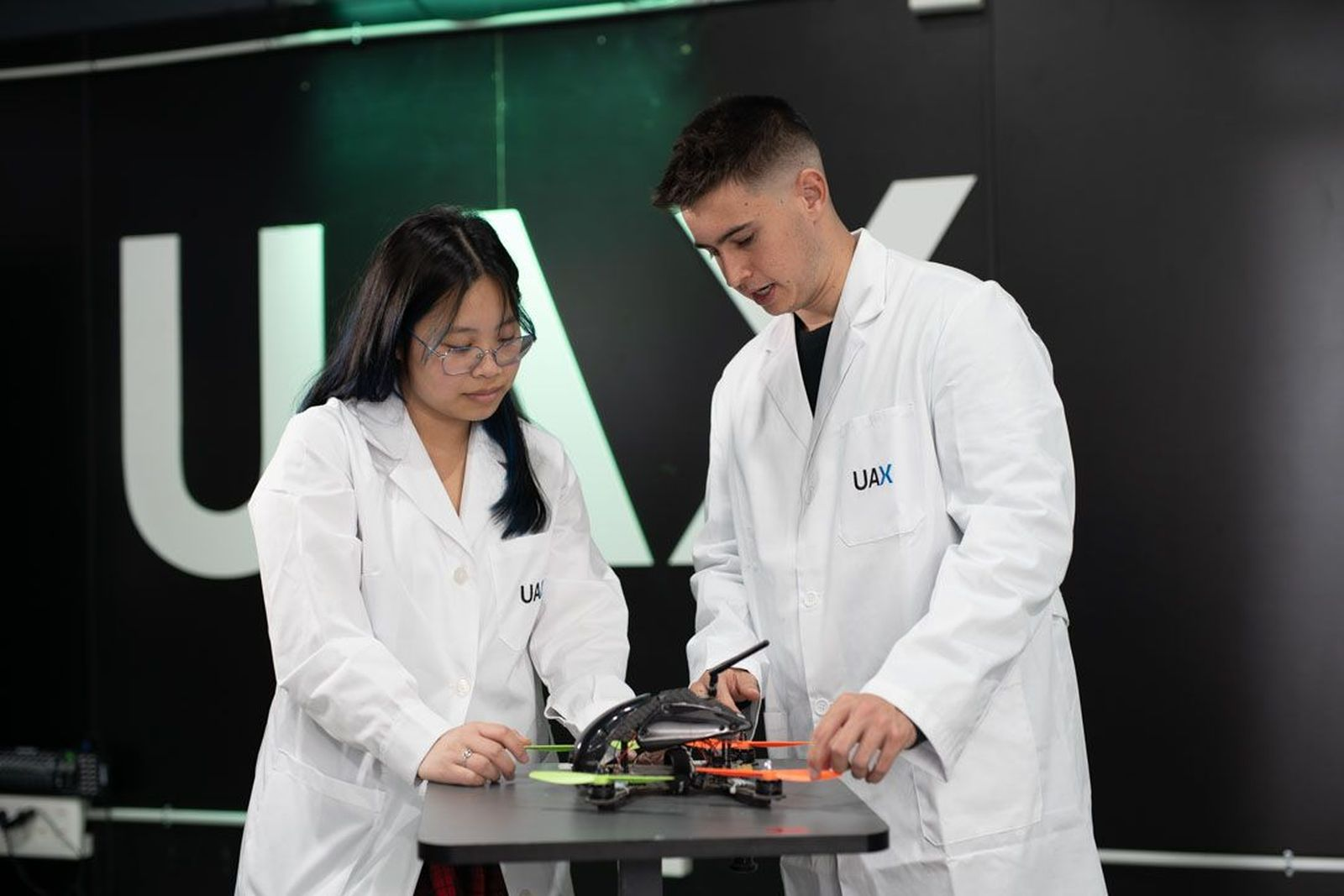
You'll participate in R&D+i projects with professional technology
You’ll have the opportunity to get involved in R&D+i projects and stay connected to the latest technology applied to therapy.
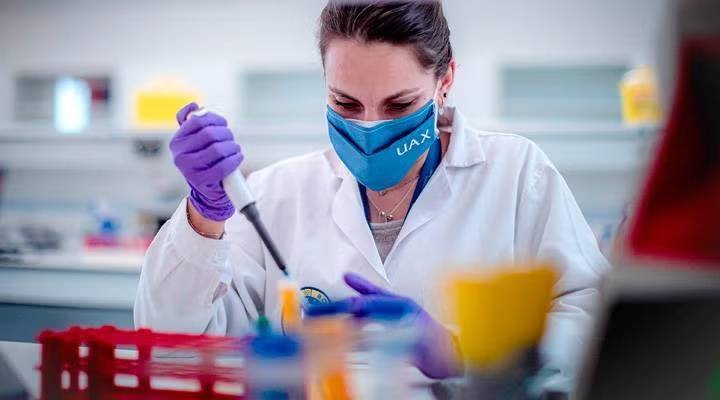
Through our scientific and academic collaboration agreement with NESA, our students have access to an electrophysiology laboratory, ensuring they remain at the forefront of non-invasive neuromodulation.
UAX Makers projects and challenges
You’ll learn to solve real problems and challenges posed by companies, collaborating interdisciplinary with students from other faculties, aiming to find integrative solutions from various disciplinary perspectives. A valuable approach for your future professional growth. Explore one of the Makers projects here.
Certified training in soft skills by UAX Skill School Professional Certificate
Throughout your degree, you’ll gain certifications in the most sought-after soft skills by companies: analytical thinking, leadership and ethics, working with agility and diverse teams, storytelling and disruptive thinking.
Sports specialisation with UAX Rafa Nadal School of Sport
Alongside the esteemed faculty at UAX, you’ll learn from healthcare and sports professionals who are part of the Rafa Nadal team. Guided by them, and through a unique university programme aimed at achieving 100% employability and international professional prospects, you’ll gain essential knowledge and skills for your career:
Cutting-edge facilities on campus
The Physiotherapy Degree includes the Career Services, which offers everything you need to do your internships at institutions, encouraging contact with the professional world from the very beginning.
As part of the UAX Physiotherapy Degree, our students carry out 1,950 hours of internships at leading companies. We have collaboration agreements with over 100 public and private hospitals, clinics, fitness centres and sports clubs, with treatment spaces and facilities covering all specialities. These include:
Your lecturers are highly specialised working professionals with extensive experience in physiotherapy practice.
Physiotherapy Degree Teaching Staff:
Route and admission requirements:
Applicant’s profile: Students who preferably studied biomedical science subjects in their sixth-form studies or equivalent.
Language: Students taking the degree in Spanish who do not speak Spanish as their first language must demonstrate at least a B2 level of Spanish proficiency to pursue the degree in this language of instruction and a C1 level of Spanish proficiency before starting their work placement. Alternatively, they can take the internal language level tests described above if necessary.
Admission tests for the Bachelor's Degree in Physiotherapy can be taken in person, on the University's campuses, or online, via the University's Admissions Portal, as well as at various national or international locations affiliated with the University for this purpose.
The following evaluation criteria will be applied:
Assessment of the academic record (70%)
General admission tests have an approximate duration of 1.5 hours and consist of:
TCAP© Competency Test – Academic and Personal Competencies Test (20%)
Competency assessment through a battery of standardized and scientifically validated psychometric and personality tests.
Language test (non-exclusive) (10%)
The following will be considered for the admission of applicants:
Academic record
Admission tests (as outlined above)
In the case of students with specific educational needs due to a disability, Alfonso X el Sabio University will provide appropriate support and advisory services to assess the need for possible curricular adaptations, alternative pathways, or study plans.
University entrance exams regulated by the competent public administration.
Credit recognition:
Number of new entry places offered
Learn with the best professionals
PhD in Physiotherapy. Professor, researcher, and clinical physiotherapist with over 25 years of professional experience.
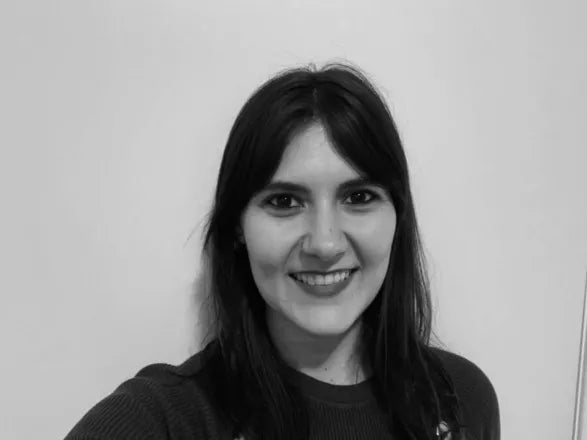
Doctor in pediatrics, specialised in neuropediatrics, neurological pathology, robotics and respiratory physiotherapy.

Physiotherapist. PhD (Cum Laude) in Health Sciences. MsC in Physiotherapy and Return to Sport.
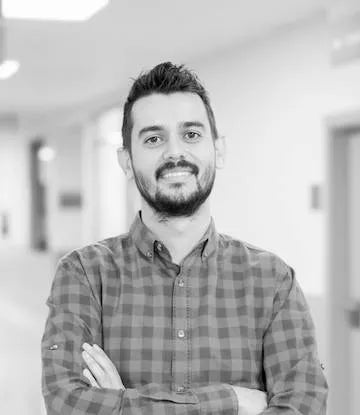
Doctoral candidate in Health Sciences, specializing in Pain Research. Master's Degree in Advanced Manual Physiotherapy in Pain Management (UAM).
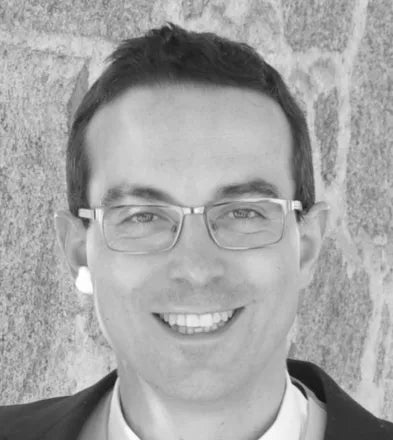
Master's Degree in Nuclear Physics, B.Sc. in Physics, Technical Engineer in Computer Systems
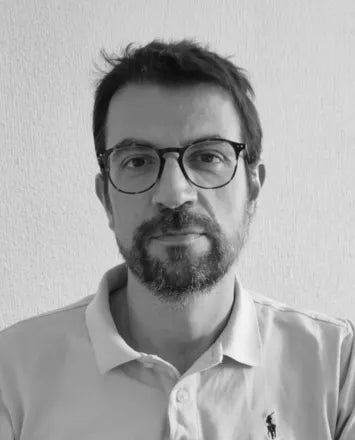
B. Sc. in Physics. Co-founder of Aelis, a consulting company with 20 years of experience specialized in CRMs, AI and data mining in educational environments.






We need to know a little bit about you so that we can offer you a personalised response
All fields are required
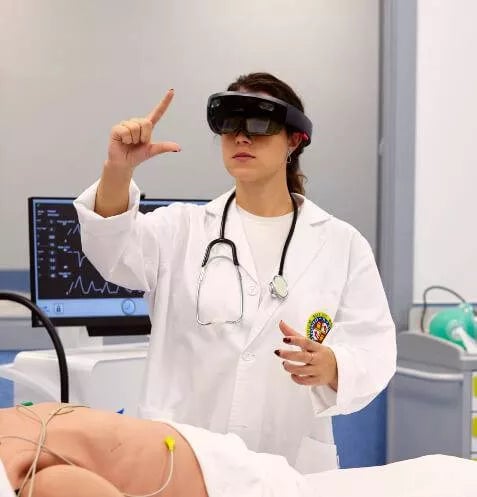
A unique centre in Spain to complete your training in the most innovative, well-rounded way. Find out more

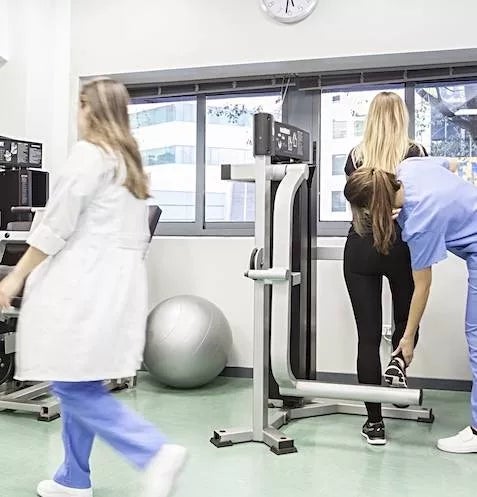
State-of-the-art sports facilities where you can do your internships. Find out more
Using the most innovative medical resources, it aims to offer the best diagnosis and treatment of real patients. Find out more
What our UAX students say
You might also be interested in
We offer a diverse range of academic programmes, ensuring you’ll find a programme that suits you perfectly.
The Committee for Monitoring and Improving the Degree consists of a president, one or more representatives from the degree teaching staff, student representatives and the University Head of Quality. Additionally, there may be invited members to discuss specific topics that are identified for monitoring.
Members of the IQAS:
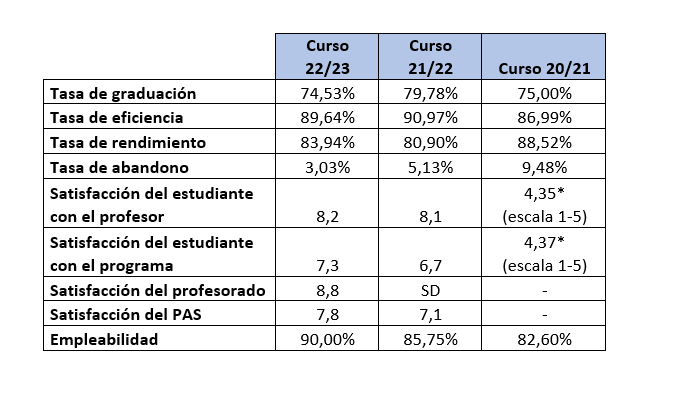
Action plans for the degree: