See all Online Master's Degrees in Health
See all Master's Degrees in Engineering
Most searched curriculums
Official qualification
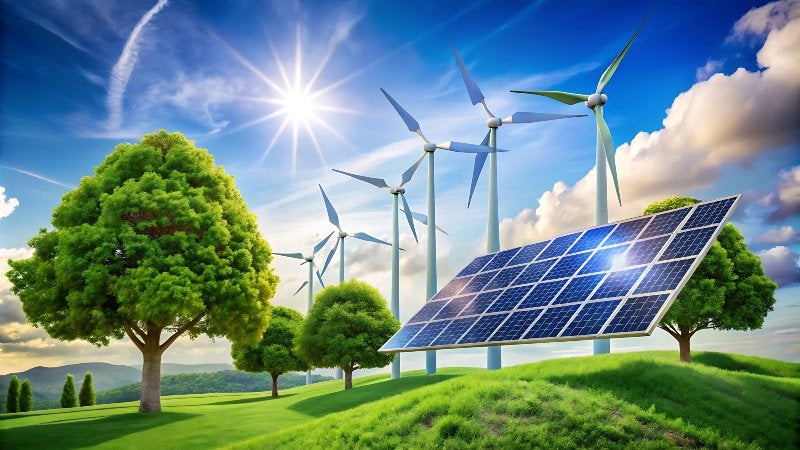
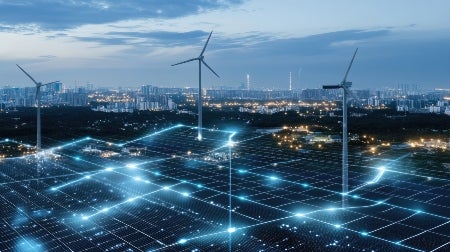
Specialise in resource management with the master's degree in renewable energies with 100% employability and a business management focus. A sector that creates more than 2,000 jobs per day. Stand out with a digitalised profile, expert in project management and in line with the needs of leading companies. UAX, top 2 private universities best valued by companies (Forbes, 2025)
Designs and models solar thermal and photovoltaic installations with PVsyst, PV Watts and Solar CCP.
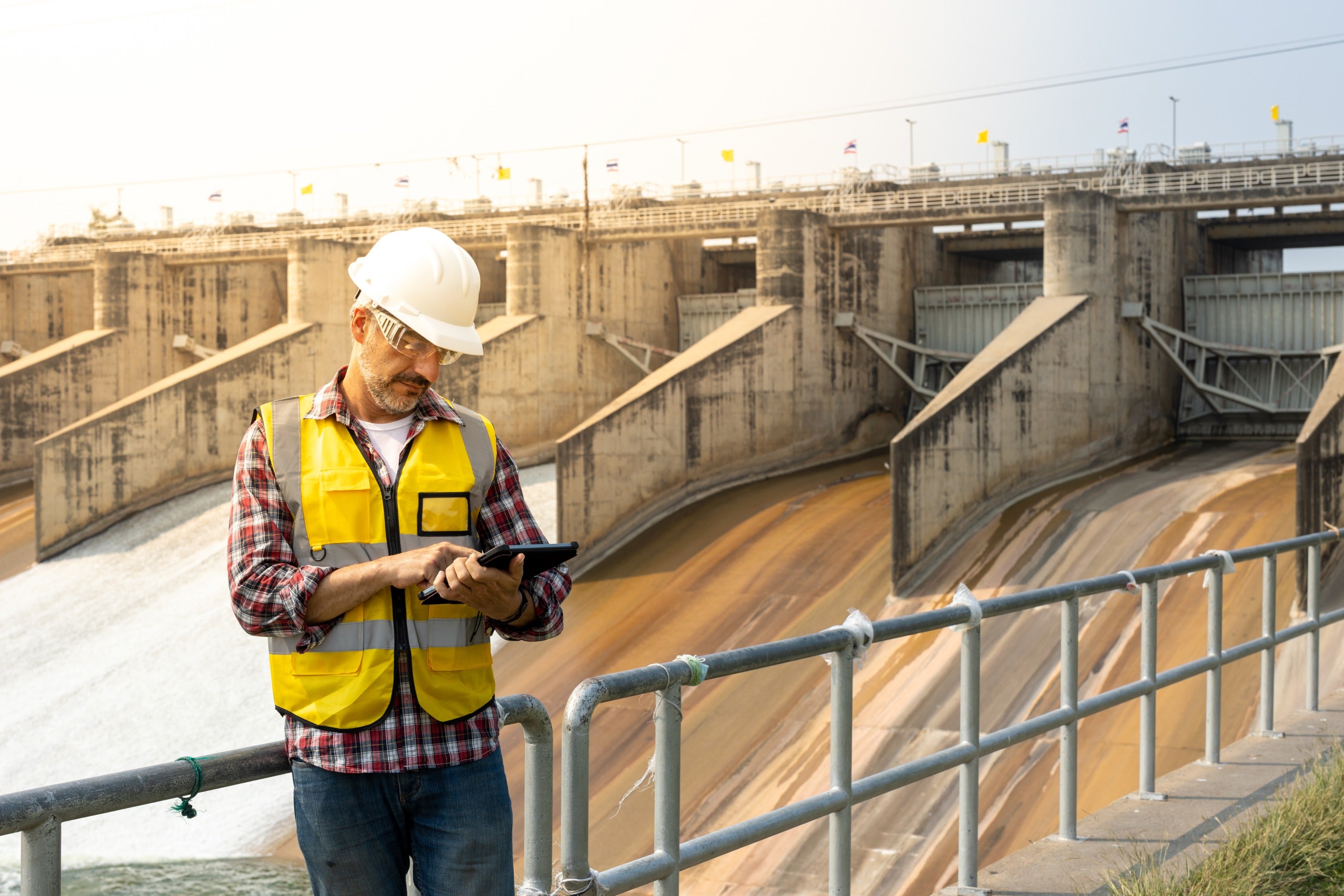
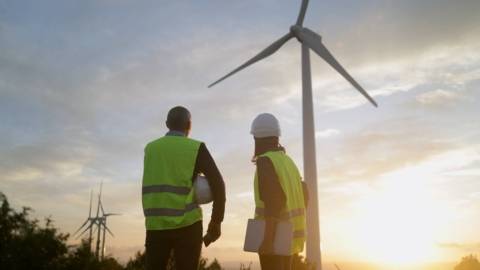
Optimises wind farms and hydroelectric plants using Windographer, WasP and Atlas.
He is proficient in tools such as NREL, HULC and System Advisor Model for analysis and simulation.
It implements energy saving solutions and manages installations in industrial environments.
He participates in workshops with companies and develops real projects for Iberdrola, Acciona and Endesa.
Apply agile methodologies and SDG 2030 to lead energy efficiency projects.
Master's Degree in Renewable Energies
Year 1
FIRST FOUR-MONTH PERIOD
| Code | Subjects | Character* | ECTS | ||||
|---|---|---|---|---|---|---|---|
| SM141900 | Biomasa y biocombustibles | OB | 6 | ||||
Biomasa y biocombustiblesCódigo: SM141900 Imprimir Curso 1 Asignatura Primer cuatrimestre. Obligatoria. 6 Créditos. Profesores
Objetivos A través de las 6 unidades didácticas de la asignatura, se pretenden desarrollar las siguientes competencias y resultados de aprendizaje: § Competencias básicas: o Capacidad de gestión de la información científica y técnica, y para emplear los sistemas básicos de información existentes en la red. o Destrezas lingüísticas, tales como la capacidad de comunicación verbal y escrita para transmitir ideas y decisiones con claridad y rigor en la exposición. o Capacidad de análisis y síntesis. o Razonamiento crítico y deductivo. o Aprendizaje autónomo. o Fomentar la creatividad, la iniciativa y la proactividad. § Competencias específicas: o Capacidad para manejar y analizar bibliografía relevante sobre la biomasa y los biocombustibles, publicada en fuentes en español y en inglés. o Capacidad para interpretar de manera adecuada el potencial de la biomasa y los biocombustibles para luchar contra el deterioro del medio ambiente y el cambio climático, así como realizar discusiones técnicas y opiniones críticas sobre aspectos energéticos del desarrollo sostenible de biocombustibles. o Capacidad para determinar la aplicación de la biomasa que mejor se ajusta a una determinada necesidad energética. o Capacidad para integrar la biomasa como fuente de energía renovable en el mix energético nacional, regional o comarcal. o Capacidad para analizar las distintas tecnologías y fabricantes disponibles y seleccionar de forma crítica en función de los costes y su aplicación real. § Resultados de aprendizaje: Para alcanzar los objetivos de este módulo, necesitamos que participes en los debates que proponemos, pues de esta manera, conseguirás un aprendizaje más completo y enriquecedor. No queremos alumnos pasivos que reciba una información y que la procesen, queremos alumnos con opinión y con ganas de aprender y aportar otros puntos de vista. De esta forma, de todos nuestros alumnos esperamos: § Participación en los foros de manera activa y aportando conocimiento y experiencias. § Trabajo en las actividades propuestas y entregas en el plazo de tiempo estimado. § Consulta de dudas para entender y profundizar en los contenidos. § Aprendizaje de tecnologías innovadoras en el campo de la fabricación y uso de la biomasa y los biocombustibles. § Análisis de las ventajas e inconvenientes de las distintas tecnologías y procesos disponibles para crear sistemas de explotación de biomasa. § Planteamiento de soluciones a los problemas ambientales, tanto globales como locales, derivados de la explotación, transporte y consumo de biomasa. Descripción de los contenidos Este módulo se divide en 6 Unidades didácticas. Para el estudio de cada una de ellas deberás leer, estudiar y superar con éxito todos los materiales que la componen. Son los siguientes: § Contenidos teóricos y ejercicios de autocomprobación: En cada unidad didáctica encontrarás contenidos de carácter más teórico (enriquecido con enlaces, bibliografía y vídeos) donde el profesor explicará y aclarará partes específicas del temario. Intercalados con el contenido teórico podrás encontrar foros, cuestionarios y tareas que te servirán para que afiances conocimientos aplicándolos a la práctica. § Actividades individuales y/o grupales: En esta asignatura/módulo están planificadas varias actividades individuales y/o grupales. Deberás resolverlas y enviarlas al profesor, mediante el buzón de entrega de la tarea habilitado en el aula virtual de la asignatura/módulo, para que pueda evaluarlas y darte un feedback personalizado. Estas actividades puntuarán en la nota final. § Clases virtuales: esta asignatura/módulo cuenta con 60 horas de clases virtuales que se realizarán de manera síncrona en las fechas y horarios publicados por el profesor, utilizando la herramienta de videoconferencia del aula virtual. Aunque las clases se graban y pueden consultarse de manera asíncrona, es recomendable asistir ya que son sesiones interactivas y participativas que te ayudarán a comprender y aplicar los conceptos de la asignatura/módulo. § Deberás superar el examen final de todos los módulos. Sistema y criterios de evaluación En el aula virtual de la asignatura/módulo podrás consultar en detalle las actividades que debes realizar, así como las fechas de entrega, los criterios de evaluación y las rúbricas de cada una de ellas. Tu calificación final, estará en función del siguiente sistema de evaluación: El 30% de la nota será la que obtengas en la evaluación continua, a través de las actividades individuales que se entregarán a lo largo del curso: 15 % cada una. El examen final de la asignatura/módulo supondrá el: 70 % de la nota final. Convocatoria ordinaria Para superar la asignatura/módulo en convocatoria ordinaria deberás obtener una calificación mayor o igual que 5,0 sobre 10,0 en la calificación final (media ponderada) de la asignatura y además: La nota media de todas las actividades en cada asignatura / módulo deberá ser igual o mayor de 5,0 sobre 10,0 para promediar con el examen. Al igual que la nota del examen deberá ser igual o mayor de 5,0 sobre 10,0 para promediar con las actividades. Convocatoria extraordinaria Para superar la asignatura en convocatoria extraordinaria es necesario obtener una calificación mayor o igual que 5,0 sobre 10,0 en la calificación final (media ponderada) de la asignatura. Se deben entregar las actividades no superadas en convocatoria ordinaria, tras haber recibido el feedback correspondiente a las mismas por parte del profesor, o bien aquellas que no fueron entregadas. |
|||||||
| SM141901 | Contexto actual de la energía y sostenibilidad energética | OB | 6 | ||||
Contexto actual de la energía y sostenibilidad energéticaCódigo: SM141901 Imprimir Curso 1 Asignatura Primer cuatrimestre. Obligatoria. 6 Créditos. Profesores
|
|||||||
| SM141902 | Energía fotovoltaica | OB | 6 | ||||
Energía fotovoltaicaCódigo: SM141902 Imprimir Curso 1 Asignatura Primer cuatrimestre. Obligatoria. 6 Créditos. Profesores
|
|||||||
| SM141903 | Energía hidráulica | OB | 6 | ||||
Energía hidráulicaCódigo: SM141903 Imprimir Curso 1 Asignatura Primer cuatrimestre. Obligatoria. 6 Créditos. Profesores
|
|||||||
| SM141904 | Energía solar térmica y termoeléctrica | OB | 6 | ||||
Energía solar térmica y termoeléctricaCódigo: SM141904 Imprimir Curso 1 Asignatura Primer cuatrimestre. Obligatoria. 6 Créditos. Profesores
|
|||||||
| SM141950 | Mecánica de fluidos | CM | 4 | ||||
Mecánica de fluidosCódigo: SM141950 Imprimir Curso 1 Asignatura Primer cuatrimestre. Complemento for. máster. 4 Créditos. Profesores
|
|||||||
| SM141951 | Tecnología eléctrica | CM | 4 | ||||
Tecnología eléctricaCódigo: SM141951 Imprimir Curso 1 Asignatura Primer cuatrimestre. Complemento for. máster. 4 Créditos. Profesores
|
|||||||
| SM141952 | Termodinámica y transmisión del calor | CM | 4 | ||||
Termodinámica y transmisión del calorCódigo: SM141952 Imprimir Curso 1 Asignatura Primer cuatrimestre. Complemento for. máster. 4 Créditos. Profesores
Objetivos La asignatura de Termodinámica y Transmisión de calor ayuda al estudiante a asentar las bases previas de cualquier proceso relacionado con la energía. Aporta los conocimientos básicos sobre las variables, procesos, ciclos y principios que gobiernan los procesos termodinámicos y se analizan los diferentes mecanismos de transmisión de calor. Esta asignatura es un complemento formativo de 4 créditos (3 de ellos de la parte de termodinámica y 1 de la parte de transmisión de calor), que se impartirá en el primer semestre para todo aquel estudiante que no la haya cursado en su titulación de procedencia o no lo haya hecho con suficiente nivel de profundidad. Al finalizar el curso, el alumno debería de tener el grado de conocimiento suficiente para poder analizar cualquier proceso que involucre algún tipo de energía, entender sus principios y valorar el diseño de cualquier instalación energética. Descripción de los contenidos Bloque 1: Principios de la Termodinámica. - Principio cero de la termodinámica. - Primer principio de la termodinámica. - Segundo principio de la termodinámica. Entropía. - Sistemas abiertos. Bloque 2: Ciclos de potencia. Motores térmicos. - Motores de combustión interna alternativos (M.C.I.A.) - Turbina de Gas. Ciclo Brayton. - Turbina de vapor. Centrales térmicas. Ciclo Rankine. - Ciclos combinados. - Cogeneración. Bloque 3: Ciclos inversos. Calor y frío industrial. - Ciclo inverso por compresión de vapor. - Modificaciones del ciclo de compresión de vapor. - Bomba de calor. Aerotermia. - Ciclo por absorción - Ciclo Brayton inverso Bloque 4: Transmisión de calor. - Conducción. - Convección. - Radiación. - Aplicaciones en la industria: intercambiadores de calor. Sistema y criterios de evaluación Trabajo Final de Asignatura (TFA) Bibliografía Otros: 1.- Cengel, Yunus A. Termodinámica 5 ed.. : McGraw-Hill. 2006. ISBN: 970-10-5611-6 |
|||||||
| TOTAL: | 42 | ||||||
SECOND FOUR-MONTH PERIOD
| Code | Subjects | Character* | ECTS | ||||||
|---|---|---|---|---|---|---|---|---|---|
| SM141905 | Energía eólica | OB | 6 | ||||||
Energía eólicaCódigo: SM141905 Imprimir Curso 1 Asignatura Segundo cuatrimestre. Obligatoria. 6 Créditos. Profesores
|
|||||||||
| SM141906 | Energías renovables emergentes y almacenamiento | OB | 6 | ||||||
Energías renovables emergentes y almacenamientoCódigo: SM141906 Imprimir Curso 1 Asignatura Segundo cuatrimestre. Obligatoria. 6 Créditos. Profesores
|
|||||||||
| SM141907 | Gestión y desarrollo de proyectos en energías renovables | OB | 6 | ||||||
Gestión y desarrollo de proyectos en energías renovablesCódigo: SM141907 Imprimir Curso 1 Asignatura Segundo cuatrimestre. Obligatoria. 6 Créditos. Profesores
|
|||||||||
| SM141908 | Prácticas externas | OB | 6 | ||||||
Prácticas externasCódigo: SM141908 Imprimir Curso 1 Asignatura Segundo cuatrimestre. Obligatoria. 6 Créditos. Profesores
|
|||||||||
| SM141909 | Trabajo Fin de Máster | OB | 6 | ||||||
Trabajo Fin de MásterCódigo: SM141909 Imprimir Curso 1 Asignatura Segundo cuatrimestre. Obligatoria. 6 Créditos. Profesores
|
|||||||||
| TOTAL: | 30 | ||||||||
*Character: BT: Basic Training, Ob: Required, Op: Optional
The main reason why at UAX there are students like you is the possibility of making your personal, professional and academic life compatible. Our differential value is a methodology without barriers, focused on you and your desire to learn.
How is our methodology?
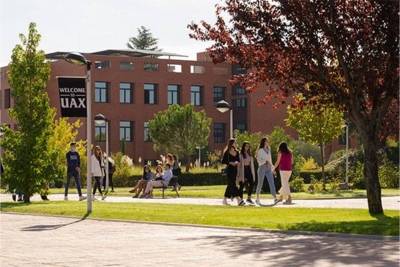
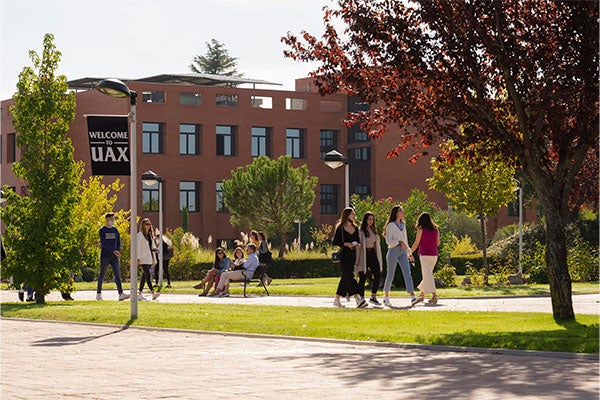
In addition, you will have the complete availability of our campus in Madrid, to carry out your formalities, solve your doubts and enjoy the facilities it offers.
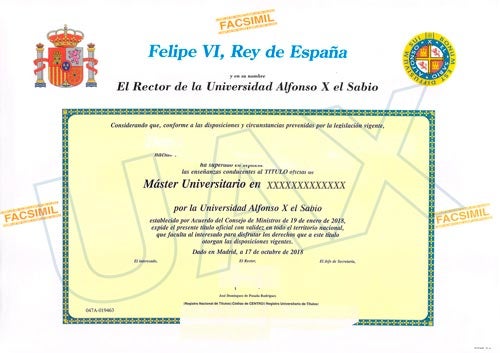
Our degree is official, verified by the Council of Universities and fully valid in Spain, as well as in the European Higher Education Area.
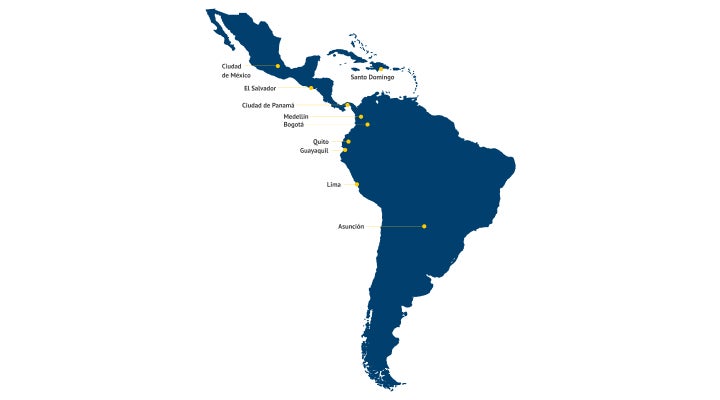
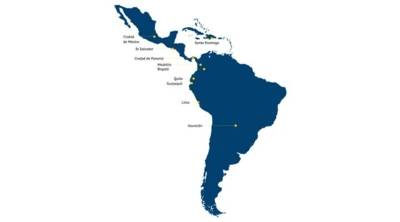
It is recognised by the Education Systems of Latin America, being recognised and approved by the different Ministries of Education in Latin America:
SENESCYT, MEN (MinEducation), SEP, Mescyt, among others, automatically.
*The recognition of credits for professional experience will require a personalised and detailed study by the degree validation committee and the UAX admissions department.
Join this enriching optional experience, to be held in June 2026, the days prior to the graduation of your Online Master, where you will have the opportunity to immerse yourself in the business world of Madrid. You will be able to enjoy lectures given by leading companies from various sectors, participate in leadership talks with a practical focus and connect with influential professionals and managers. At the end, you can enjoy an exclusive networking event, where you can expand your network of contacts and explore new professional opportunities. This unique face-to-face experience is designed as a meeting point between technology, business and student and will take place at the UAX Chamberí campus, in the heart of Madrid.
Complete our form, give us a call or request a visit to UAX. We’re excited to show you everything we’ve prepared for you.
A professional from our university will offer guidance and help you select the path that aligns best with your interests.
Apply for admission to our university and take an admission test, either in person or online, whichever suits you best!
We recognise your potential and believe you have the right skills to thrive as a UAX student. Now, proceed with the necessary formalities—reserve your spot!
Enrol in your courses, meet the deadlines and follow the payment procedures to secure your place and fulfil the legal admission requirements.
You’re now part of UAX! Prepare to embark on a unique educational journey where you’ll take centre stage. Welcome to your university!
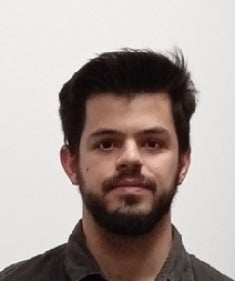
PhD in Civil Engineering, ITOP, Member of SPANCOLD and Collaborating Member of several technical committees. Director of the Area of Sanitary Engineering at the UAX for 18 years, professor in the Master's Degree in Civil Engineering. Engineer with 25 years of experience in construction companies, engineering companies and administrations. Author of several published scientific articles.
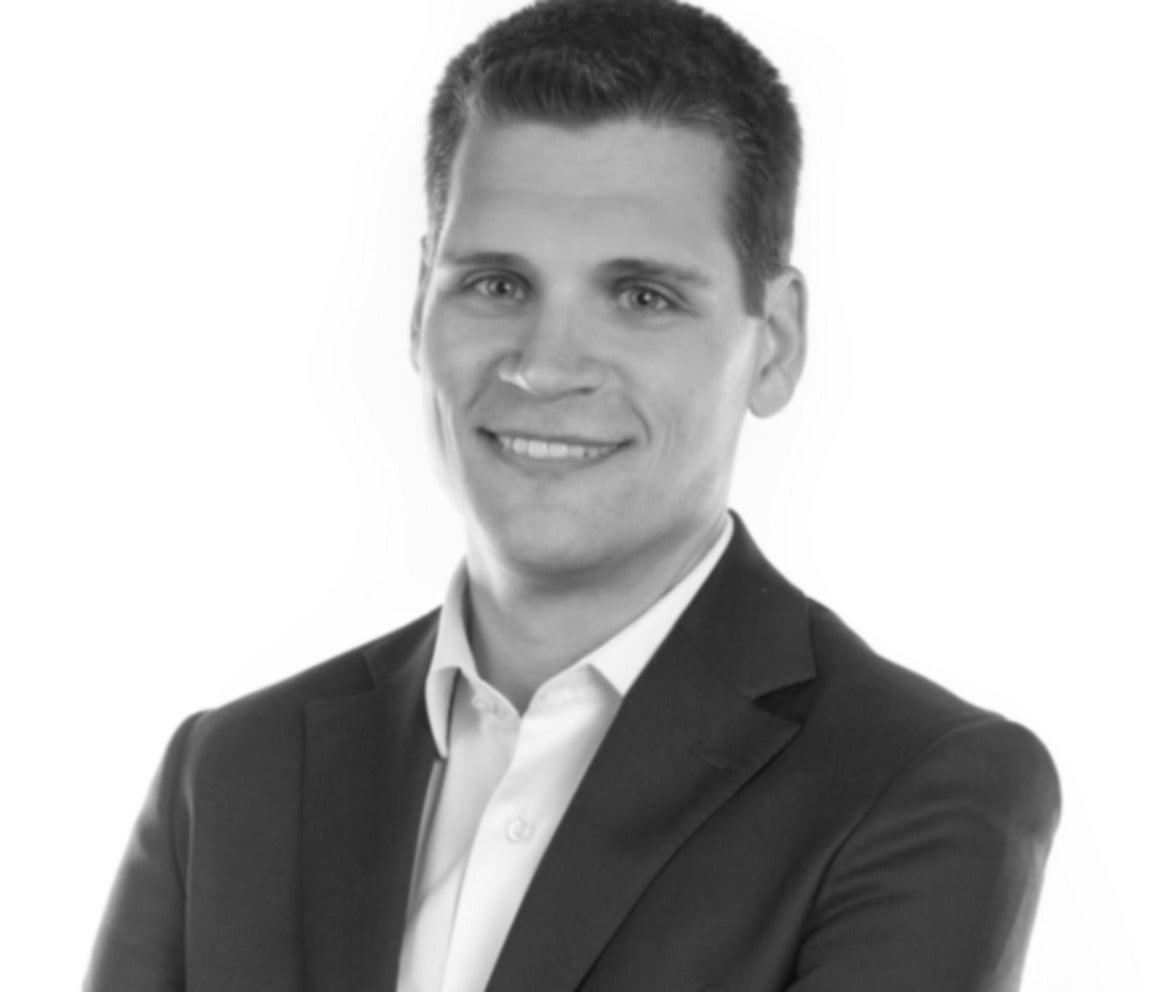
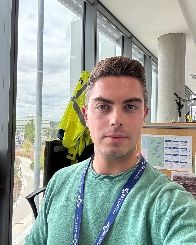
Dr. Ingeniero de Caminos, Canales y Puertos, Ingeniero Técnico de Obras Públicas, Master in Soil Mechanics and Geotechnical Engineering, Master in Professional Development. With more than 15 years of professional experience. Author of several published scientific articles. Collaborating member of SPANCOLD.

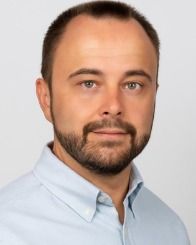
Mechanical Engineer graduated from the National University of Lomas de Zamora (Buenos Aires, Argentina). Lecturer in Project Design at the National University Almirante Brown. Former teacher, director of thesis of Industrial Engineering and coordinator of the renewable energy laboratory at the National University of Lomas de Zamora. Researcher with publications in several congresses.
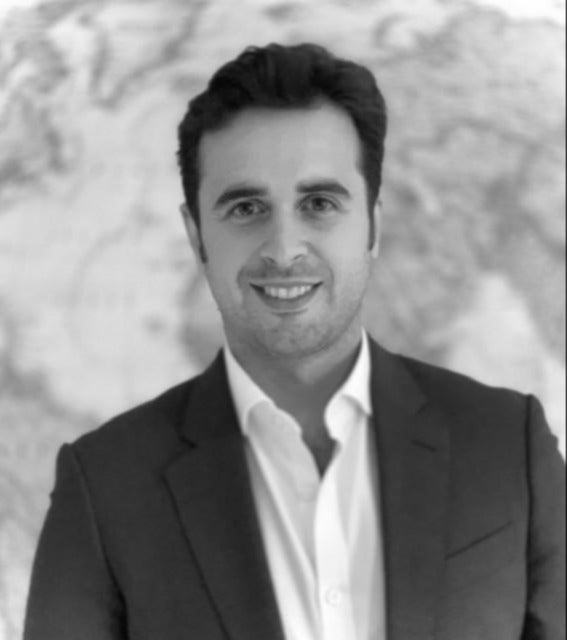
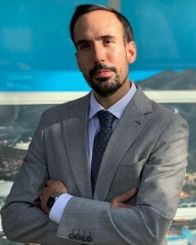
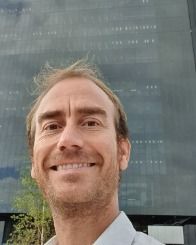
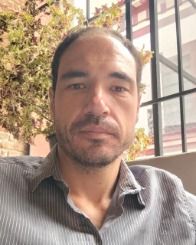
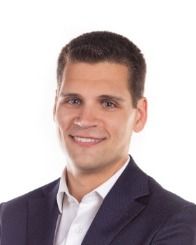
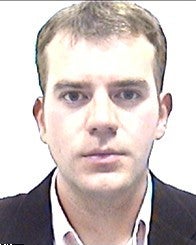
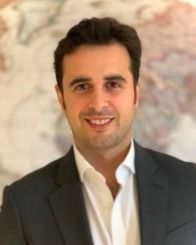
Industrial Engineer from the Alfonso X el Sabio University and Official Certificate in Business Management Keys from the IESE Business School. He has 10 years of experience in the energy and Oil & Gas sector, and currently works at Siemens Energy as head of business development for power generation projects at national and international level.
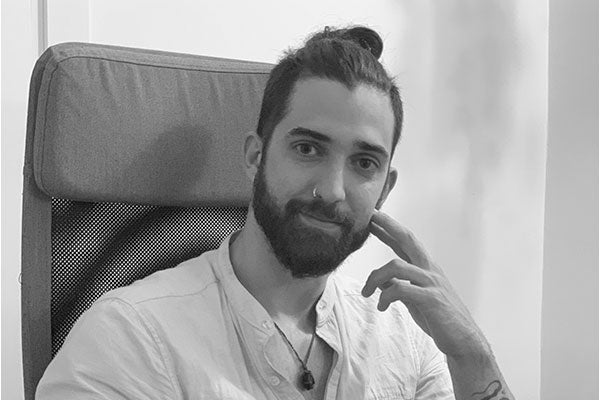
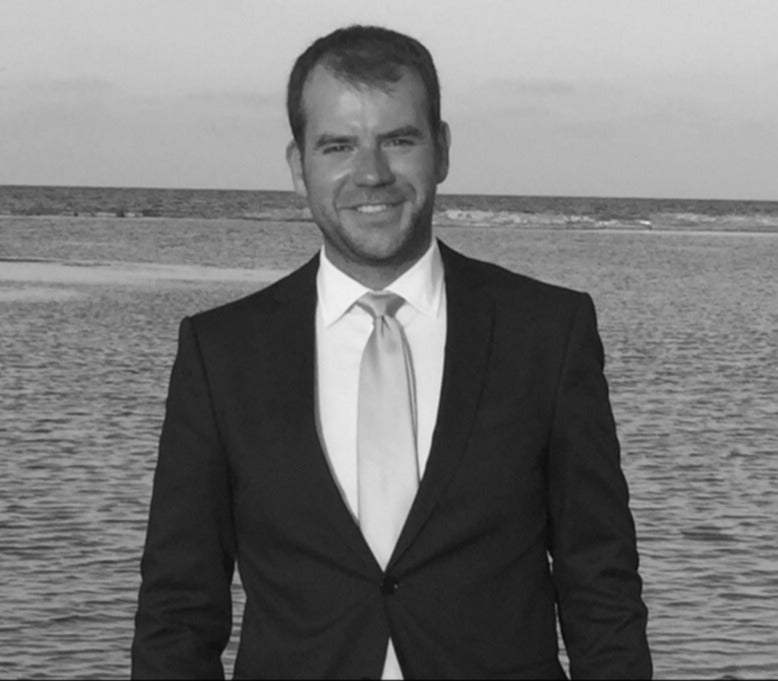
Graduate in Nanoscience and Nanotechnology, Msc. in solar energy engineering at Dalarna University, Borlänge, Sweden. With more than 4 years of experience in the context of power generation and distribution and more than 3 years in photovoltaic generation. Expert in solar resource calculation and evaluation, energy assessment and design of large-scale PV plants. Leader of the solar excellence department in Iberia in a renowned international electricity company.
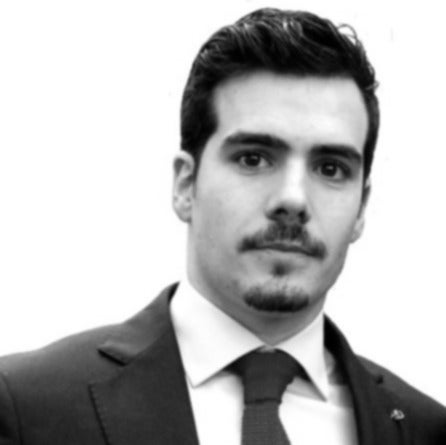
Degree in Civil Engineering from the UAX. Master's Degree in International Project Management from UDIMA. Technical Manager of Onshore Wind at BayWa r.e. for Iberia and internal trainer. With 10 years of experience in the energy sector, he has held management positions in companies such as DF, Elecnor or Capital Energy throughout the entire value chain of project development.

PhD in Industrial Engineering from the ETSII-UPM in Thermodynamics in the field of energy. FPI grant in R&D project at INSIA, and stay at the INRETS research centre (France). Lecturer in Master's and Degree courses in Thermal Engineering related to energy and combustion engines. Lecturer in the Master's Degree in Renewable Energies in Thermodynamics and Heat Transmission and Emerging Renewable Energies and Storage.
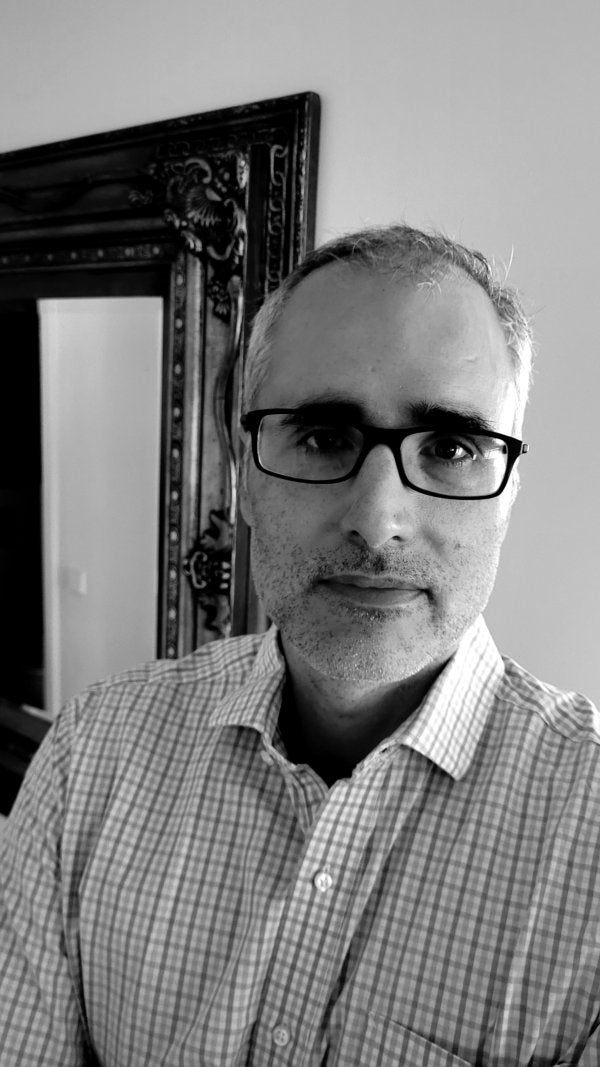
Senior Mining Engineer from the Polytechnic University of Madrid and Executive MBA from the EAE Business School. He currently works as Project Site Manager at Acciona with more than 18 years of experience in the development of large international industrial projects in different countries.
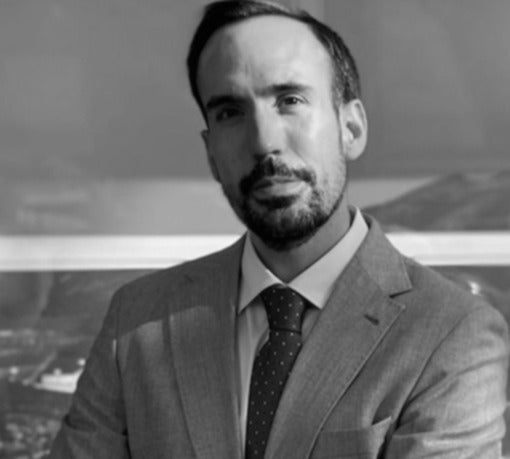
PhD in Chemical Engineering from the Complutense University of Madrid. University lecturer at UCM and UAX in Chemical Engineering and Industrial Engineering. Process Engineer with experience in petrochemical, fertilizer and power generation projects, in the phases of Design, Commissioning, Start-up and Warranty Testing, with more than 2 years of international experience in Saudi Arabia and 1 year in the UK.
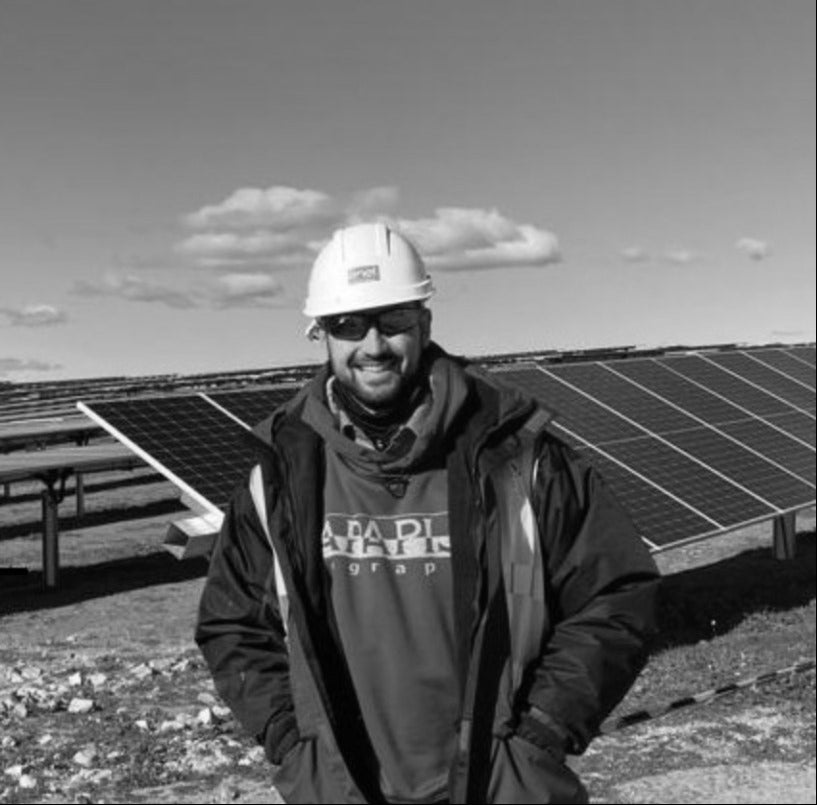
Graduated in Energy Engineering, Javier has three years of experience as Project Engineer in the development and execution of large-scale PV plants at Enel Green Power. He has been involved not only in the design of PV plants but also in the management and coordination of the PV, BESS, and high voltage engineering team for hybrid plants.
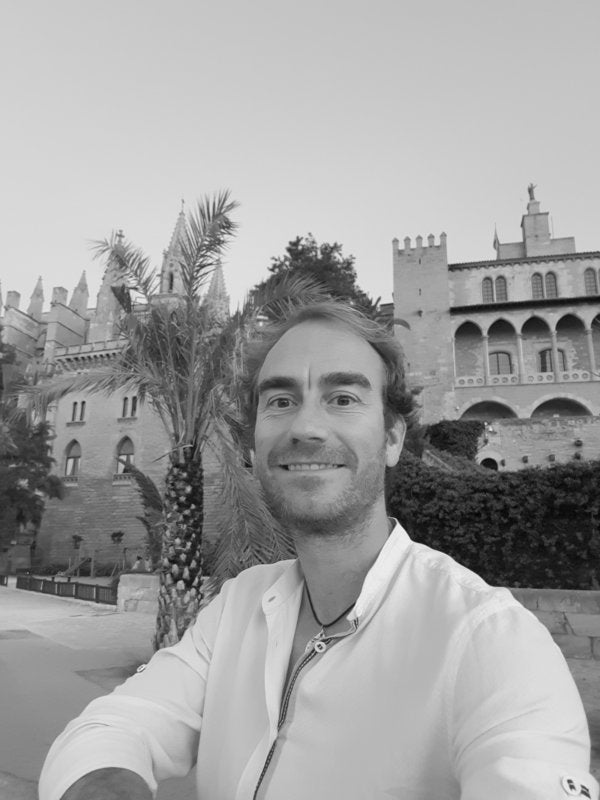
Industrial Engineer by the Polytechnic University of Madrid (Spain) and by the RWTH Aachen University (Germany) with more than 15 years of international experience in Spain, Germany and South America, working in multinationals in the energy sector, with special focus on turbines and generators, both in their design, manufacture, sale, operation and maintenance.
At UAX we know that studying is an investment, which is why we give you the resources to access our qualifications. Learn about some of our scholarships and grants:
Under the objectives of this Master's Degree in Renewable Energies, graduates will be able to perform qualified positions with an increasing degree of responsibility, such as:

Access to the master's degree is open to graduates with the following degrees:
Students coming from the following degrees, not considered as preferential, may also access the Master's programme in Renewable Energies, being obliged to take complementary training courses:
A renewable energy engineer is responsible for the rational management of available resources to reduce the impact on the environment.
Find out more in our blog article:"Environment-related careers: studies and professions ".
A Renewable Energy Engineer is able to perform qualified positions with an increasing degree of responsibility, such as:
In the University Master's Degree in Renewable Energies
Master's Degree in Occupational Risk Prevention (online)
In collaboration with:
Start:
October
Length:
9 meses
Master's Degree in Integrated Management Systems - GIS (online)
In collaboration with:
Start:
October
Length:
9 meses
Online Master's Degree in Cybersecurity
Start:
October
Length:
9 meses
Online University Master's Degree in Big Data for Business
Start:
October
Length:
9 meses
All fields are required
Queries, complaints and claims
We listen to the real demands of our students and employees, because we believe in the continuous improvement of results. Therefore, we always want to listen to everything you want to tell us.
If you already belong to UAX, through the virtual campus in the section Customer service: complaints, suggestions and congratulations, entering your username and password.
Telephone: 91 810 94 00
E-mail: paramejorar@uax.es
Opening hours: Monday to Friday from 9:00 am to 6:00 pm