Official qualification
Madrid
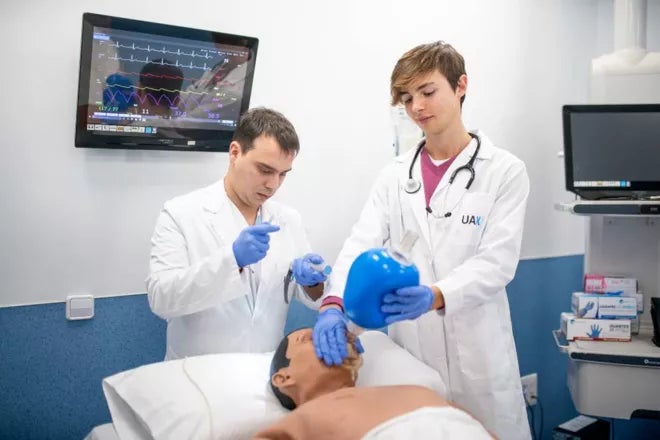
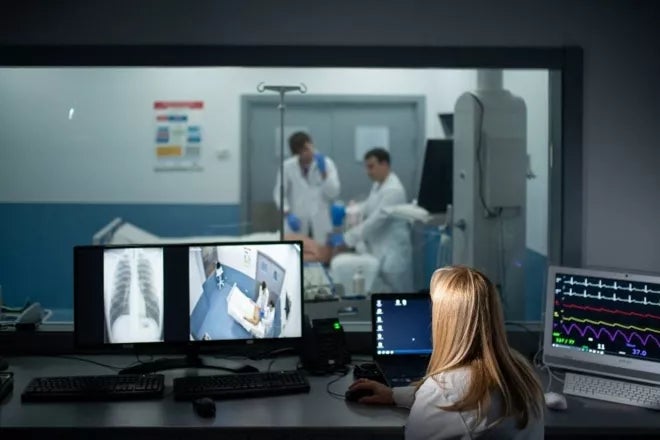
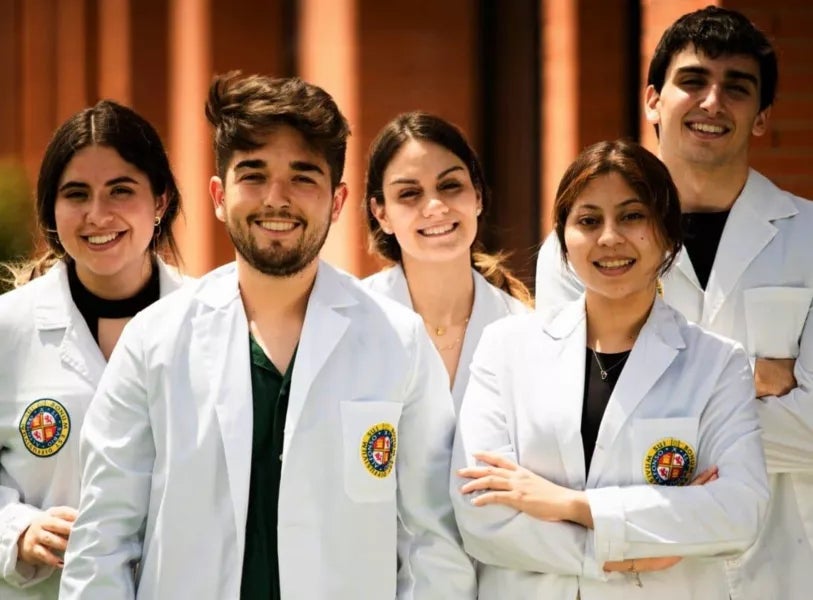
Get ready to practise the medicine of the future with the first university to offer high-level training in Digital Health. At UAX, you’ll learn at Europe’s largest Virtual Simulation Hospital using real-life cases, undertake clinical placements across more than 38 departments in prestigious hospitals, and have access to a specific training programme for the MIR in the final years of your degree.

In collaboration with:

Study with an innovative curriculum, so that the training you receive today won’t be left behind tomorrow. The UAX Faculty of Medicine is the first in Spain to include training in Digital Medicine: telemedicine, patient care via apps and wearables, data analysis, predictive and preventive medicine, digital management of waiting lists, etc.
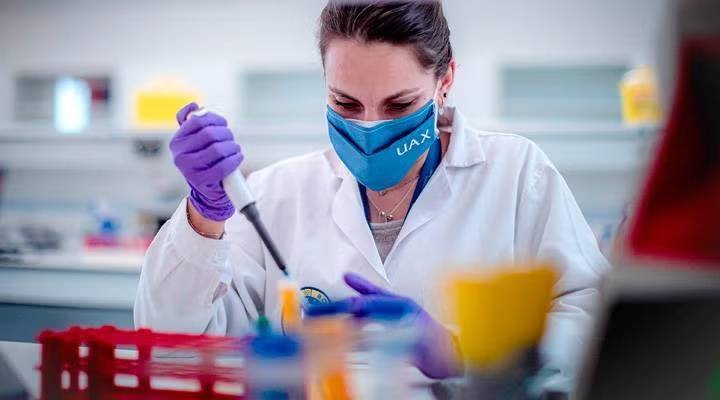
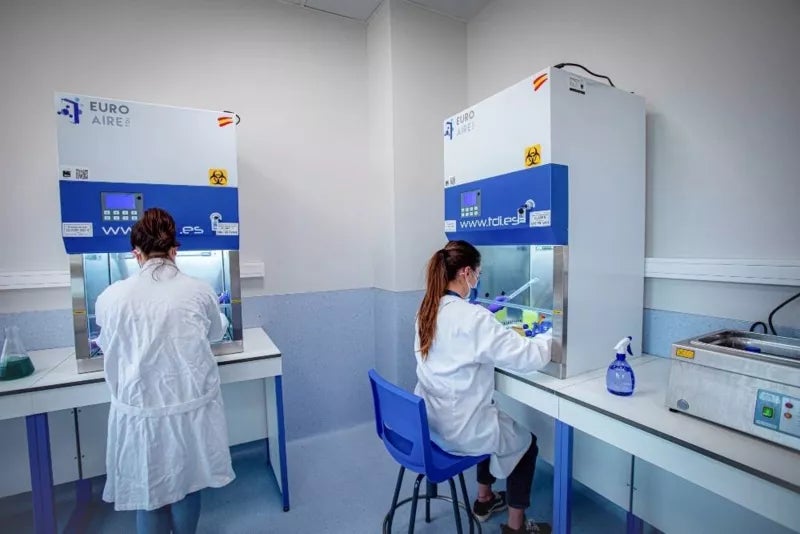
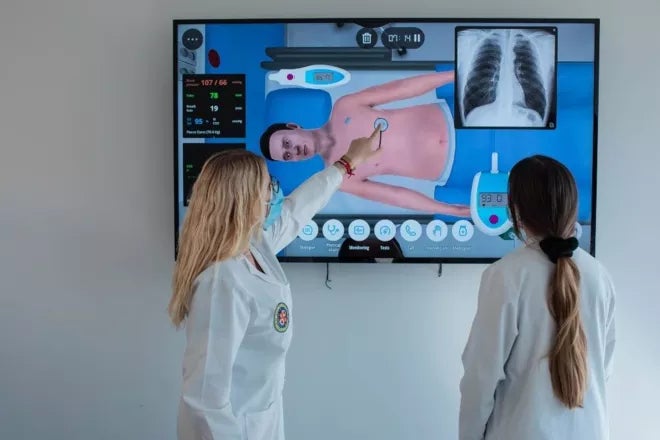
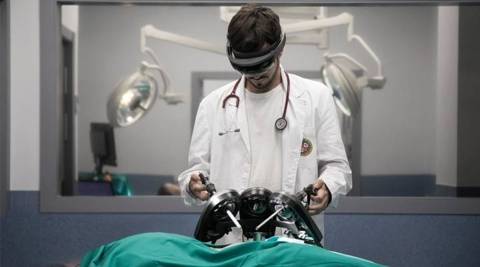
You’ll practise using the latest systems in clinical simulation, surgical training, clinical reasoning, decision-making software, advanced laboratories, and more.
Throughout your degree, you’ll be able to prepare for the MIR exam by taking part in workshops, tests and mock exams, giving you a head start. At our UAX Faculty of Medicine, we have trained over 400 medical professionals, and more than 90 per cent are currently undertaking their MIR specialisation at the best hospitals in Spain.
At UAX, you’ll be able to undertake rotations across almost all hospital departments and specialisms, as well as in healthcare centres, to round out your training and discover the area you’re most passionate about . We have agreements with some of the country’s most prestigious and iconic hospitals, both public and private: Severo Ochoa University Hospital, San Francisco de Asís Hospital, Tajo University Hospital, Jiménez Díaz Foundation, Red Cross Hospital, etc.
You’ll work alongside students from other degree programmes to tackle real-world challenges set by hospitals using an interdisciplinary approach. Discover the project analysing the impact of music on Red Cross patients.
- Among the top 5 private universities in Spain for studying Medicine: These are the five best private universities in Spain for studying Medicine | ConSalud
-Best universities for studying medicine in the world and in Spain: Here is the ranking of the best universities for studying medicine in the world and in Spain | ConSalud
At UAX, you will acquire the skills most in demand by hospitals and leading organisations in the healthcare sector, gaining certifications in: Analytical Thinking, Leadership & Ethics, Working in Agility & Diverse Teams, Storytelling, Prompt Engineering for ChatGPT and Disruptive Thinking.
.png)
Our students undertake their clinical placements in hospitals, health centres and leading healthcare organisations, where they are integrated into real-world patient care settings and work alongside practising professionals.










The new curriculum is based on an innovative, highly practical academic programme, which integrates subjects that will prepare students for the future of medicine.
• What skills will you acquire?
You will develop skills in professional and cross-cutting values, the scientific foundations of medicine, clinical skills, critical analysis and research, communication skills and the doctor-patient relationship, public health and health systems, humanities, digital health, and more. All of this is delivered through a humanised approach to medicine.
The table below sets out the timetable for the implementation of the new curriculum (2026 curriculum), which is currently awaiting approval, as well as the timetable for the phasing out of the curriculum in force until then (2009 curriculum).
Curriculum | Academic Year 26/27 | Academic Year 27/28 | Academic Year 28/29 | Academic year 29/30 | Academic Year 30/31 | Academic Year 31/32 |
2009 | Year 2, Year 3, Year 4, Year 5 and Year 6 | Year 3, 4, 5 and 6 | Year 4, 5 and 6 | Year 5 and 6 | Year 6 |
|
2026 | Year 1 | Year 1 and Year 2 | 1st, 2nd and 3rd | 1st, 2nd, 3rd and 4th | Year 1, Year 2, Year 3, Year 4 and Year 5 | 1st, 2nd, 3rd, 4th, 5th and 6th |
Degree in Medicine
First Year
ANNUAL SUBJECTS
| Code | Subjects | Character* | ECTS |
|---|---|---|---|
| 0130110 | Morphology, Structure and Function of Organs and Systems I | FB | 9 |
| 0130111 | Morphology, Structure and Function of Organs and Systems II | FB | 12 |
| 0130112 | Biology | FB | 6 |
| TOTAL: | 27 | ||
FIRST FOUR-MONTH PERIOD
| Code | Subjects | Character* | ECTS |
|---|---|---|---|
| 0130113 | Biochemistry I | FB | 6 |
| 0130114 | Statistics | FB | 7 |
| TOTAL: | 13 | ||
SECOND FOUR-MONTH TERM
| Code | Subjects | Character* | ECTS |
|---|---|---|---|
| 0130115 | Bioethics | OB | 4 |
| 0130116 | Genetics | FB | 6 |
| 0130117 | Immunology | FB | 6 |
| 0130118 | History of Medicine | OB | 4 |
| TOTAL: | 20 | ||
Second Year
ANNUAL SUBJECTS
| Code | Subjects | Character* | ECTS |
|---|---|---|---|
| 0230108 | Morphology, Structure and Function of Organs and Systems III | FB | 16 |
| 0230109 | Morphology, Structure and Function of Organs and Systems IV | FB | 10 |
| 0230110 | Microbiology | FB | 10 |
| TOTAL: | 36 | ||
FIRST FOUR-MONTH PERIOD
| Code | Subjects | Character* | ECTS |
|---|---|---|---|
| 0230111 | Biochemistry II | FB | 6 |
| TOTAL: | 6 | ||
SECOND FOUR-MONTH TERM
| Code | Subjects | Character* | ECTS |
|---|---|---|---|
| 0230112 | Biophysics and Basic Radiology | OB | 6 |
| 0230113 | Medical Psychology | OB | 6 |
| TOTAL: | 12 | ||
ELECTIVE SUBJECTS
| Code | Subjects | Character* | ECTS |
|---|---|---|---|
| N/A | Elective | OP | 6 |
| TOTAL: | 6 | ||
Third Year
ANNUAL SUBJECTS
| Code | Subjects | Character* | ECTS |
|---|---|---|---|
| 0330110 | Pathological Anatomy | OB | 12 |
| 0330111 | Pharmacology | OB | 9 |
| 0330112 | General Medical and Surgical Procedures | OB | 18 |
| TOTAL: | 39 | ||
FIRST FOUR-MONTH TERM
| Code | Subjects | Character* | ECTS |
|---|---|---|---|
| 0330113 | The legal foundations of medicine | OB | 5 |
| 0330114 | Epidemiology | OB | 4 |
| TOTAL: | 9 | ||
SECOND FOUR-MONTH TERM
| Code | Subjects | Character* | ECTS |
|---|---|---|---|
| 0330115 | Digital health | OB | 5 |
| 0330116 | Physical Medicine and Rehabilitation | OB | 3 |
| 0330117 | Preventive Medicine and Public Health | OB | 4 |
| TOTAL: | 12 | ||
Year 4
ANNUAL SUBJECTS
| Code | Subjects | Character* | ECTS |
|---|---|---|---|
| 0430108 | Practical Clinic I | OB | 6 |
| 0430109 | Obstetrics and Gynaecology | OB | 10 |
| 0430110 | Cardiovascular Medical and Surgical Pathology | OB | 7 |
| 0430111 | Medical and Surgical Pathology Pulmonary Medicine | OB | 6 |
| 0430112 | Medical and surgical neurological pathology | OB | 7 |
| 0430113 | Dermatology | OB | 5 |
| 0430114 | Infectious diseases | OB | 7 |
| TOTAL: | 48 | ||
SECOND FOUR-MONTH TERM
| Code | Subjects | Character* | ECTS |
|---|---|---|---|
| 0430115 | Ophthalmology | OB | 6 |
| 0430116 | Ear, Nose and Throat Medicine | OB | 6 |
| TOTAL: | 12 | ||
Year 5
ANNUAL SUBJECTS
| Code | Subjects | Character* | ECTS |
|---|---|---|---|
| 0530108 | Practical Clinic II | OB | 12 |
| 0530109 | Paediatrics | OB | 10 |
| 0530110 | Medical and Surgical Pathology of the Digestive System | OB | 6 |
| 0530111 | Rheumatology and Orthopaedics | OB | 6 |
| 0530112 | Medical and Surgical Pathology Endocrinology and Nutrition | OB | 7 |
| 0530113 | Medical and Surgical Pathology: Uro-nephrological | OB | 7 |
| 0530114 | Psychiatry | OB | 6 |
| 0530115 | Onco-haematology and clinical genetics | OB | 6 |
| TOTAL: | 60 | ||
Year 6
ANNUAL SUBJECTS
| Code | Subjects | Character* | ECTS |
|---|---|---|---|
| 0630107 | Clinical Practice III | OB | 36 |
| 0630110 | Final Year Project | OB | 6 |
| TOTAL: | 42 | ||
FIRST FOUR-MONTH PERIOD
| Code | Subjects | Character* | ECTS |
|---|---|---|---|
| 0630108 | Clinical pharmacology and toxicology | OB | 7 |
| 0630109 | Primary care and geriatrics | OB | 5 |
| TOTAL: | 12 | ||
OPTIONAL SUBJECTS
| Code | Subjects | Character* | ECTS |
|---|---|---|---|
| N/A | Elective | OP | 6 |
| TOTAL: | 6 | ||
List of Elective Modules
FIRST FOUR-MONTH PERIOD
| Code | Subjects | Character* | ECTS |
|---|---|---|---|
| 0230130 | Precision medicine | OP | 6 |
| 0230131 | English for Medicine | OP | 6 |
| 0230132 | Functional Assessment of the Human Body | OP | 6 |
| 0630138 | Urgent and emergency cases | OP | 6 |
| 0630139 | Critics | OP | 6 |
| 0630140 | Health Management and Economics | OP | 6 |
| TOTAL: | 36 | ||
*Character: BT: Basic Training, Ob: Required, Op: Optional
You can consult the 2009 Syllabus for the Bachelor's Degree in Medicine at the following link:
The lecturers on the UAX Bachelor’s Degree in Medicine practise at leading healthcare centres. In addition, we have simulation experts trained at technology schools in Boston. They will work closely with you to guide you through a process of trial, reflection, learning and constant development. Some of them are:
In addition, we have the heads of department from the medical and surgical specialities at the hospitals with which we have agreements. These experts will provide personalised training to each student during their clinical rotations.
You can view the full list of coordinators for the Bachelor’s degree in Medicine via the following link.
To support your learning, you’ll have access to first-class facilities:
- Body Interact: an interactive table for tackling real clinical situations with virtual patients.
- Practicum Script: a programme to train your clinical reasoning and build confidence in decision-making.
- SECTRA Portal: this will give you a better understanding of anatomy by tackling real-life cases and studying
high-resolution radiological and histological images.
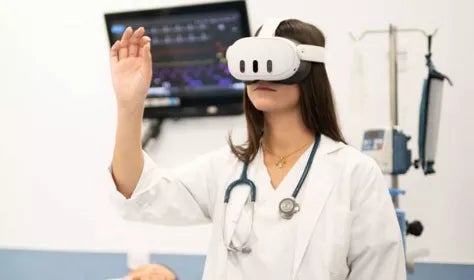
- Microsoft HoloLens: for immersive, augmented-reality-based learning.
- Learning Space: your digital learning platform where all the hospital’s simulation environments are connected, making it easier to track your progress and improvement in skills acquisition.
- Highly interactive human manikins: adult patient, infant patient and pregnant woman.
Students of the Degree in Medicine at the Alfonso X el Sabio University carry out their studies in a series of hospital teaching units, each with its own characteristics that enrich their academic and professional training from the third year until the end of the degree. In addition, from the 5th and 6th year onwards, they undertake clinical training linked to Family and Community Medicine in different Primary Care Centres throughout the Community of Madrid.
Located in the north of the Community of Madrid, the General University Hospital of Villalba is renowned for its modern infrastructure and innovative approach to healthcare. Here, students receive theoretical and practical training in the same centre, which facilitates full integration into hospital life from the very beginning. The rotations offered include Anaesthesia and Resuscitation, Cardiology, General and Digestive Surgery, Dermatology, Endocrinology, Traumatology, Geriatrics, Gynaecology, Neurology, Ophthalmology, Paediatrics, Psychiatry, Radiology, Urology, Oncology, Intensive Care Unit, Neurosurgery and Maxillofacial Surgery, among other services.
Located in the heart of Madrid, this teaching unit stands out for the accessibility of its hospitals and for combining historic centres with modern medical resources. The theoretical part takes place at both the Hospital Universitario San Francisco de Asís and the Hospital Universitario Cruz Roja, while the practical part is carried out in all the hospitals that make up this unit. The specialities available include Allergology, Vascular Surgery, Plastic Surgery, Psychiatry, as well as all the fundamental medical and surgical specialities such as Cardiology, Neurology, Dermatology and Traumatology, among others.
The south of the region offers students an exceptional diversity in terms of clinical settings and training possibilities. Lectures are given in the lecture hall of the Severo Ochoa University Hospital, while practicals are distributed among the various hospitals and health centres in the area. Rotations in services such as Psychiatry (at the José Germain Hospital), Pathological Anatomy, Internal Medicine, Physical Medicine and Rehabilitation, Pneumology, Urology, Rheumatology, Oncology, and other key specialties, providing a broad and varied view of professional practice.
Linked to the urban campus of Arapiles, right in the centre of Madrid, this hospital enjoys great national and international prestige thanks to its recognised healthcare and research work. Theoretical training is given at the University's campus at Arapiles 13, while practical training takes place entirely at the Fundación Jiménez Díaz. This centre offers outstanding specialities such as Cardiology, General and Digestive Surgery, Haematology, Nephrology, Ophthalmology, Otorhinolaryngology, Psychiatry, Emergency Medicine, Preventive Medicine and Occupational Medicine, guaranteeing a complete and specialised training.
The choice of teaching unit is made through a rigorous process based on the preferences expressed by the students and their academic records, thus ensuring that each student can develop their clinical skills and interests to the maximum in an optimal environment. Once assigned to a unit, students remain in that unit for the duration of their clinical training, facilitating deep immersion and educational continuity essential for their professional future.
The Medicine degree programme at UAX includes clinical placements in every year of study, enabling students to tackle clinical situations of increasing complexity as their training progresses.
Clinical placements take place at leading healthcare centres. Our students undertake clinical rotations across almost all departments (they rotate through 38 of the 44 specialisms within Medicine).
At UAX, we have agreements with more than 20 healthcare centres and some of the country’s most prestigious and iconic hospitals and centres:
Public and private hospitals
Agreements for further training
The Universities with which the UAX Degree in Medicine currently has agreements within the Erasmus programme are:
In addition, the UAX Degree in Medicine has closed numerous bilateral agreements with prestigious universities in Central and South America (Terra+ Programme):
Students of the Medicine degree will also be able to access the SICUE Mobility Programme and there is a collaboration agreement for the academic year 2023-2024 with the Rovira i Virgili University of Tarragona.
The Bachelor’s Degree in Medicine is aimed at students holding a Baccalaureate, Vocational Training qualification or equivalent, who have passed the University Entrance Examinations (PAU) and are interested in developing their careers as doctors. The Bachelor’s Degree in Medicine at UAX has 240 places available for new students.
SPECIFIC ENTRANCE EXAMINATION FOR THE BACHELOR’S DEGREE IN MEDICINE
It consists of two parts:
SCORING CRITERIA FOR THE ADMISSION PROCESS
The marking criteria for the admissions process will be as follows:
You can consult the admissions guide via the following link.
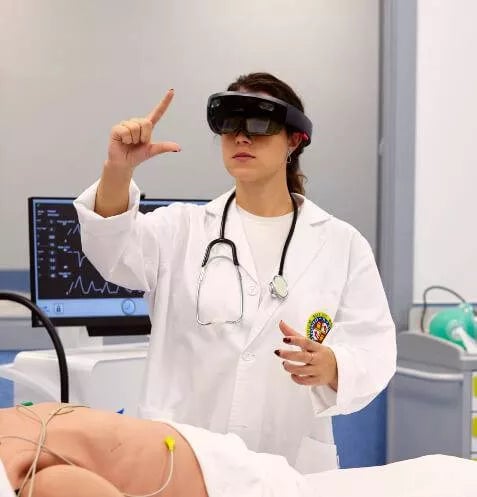
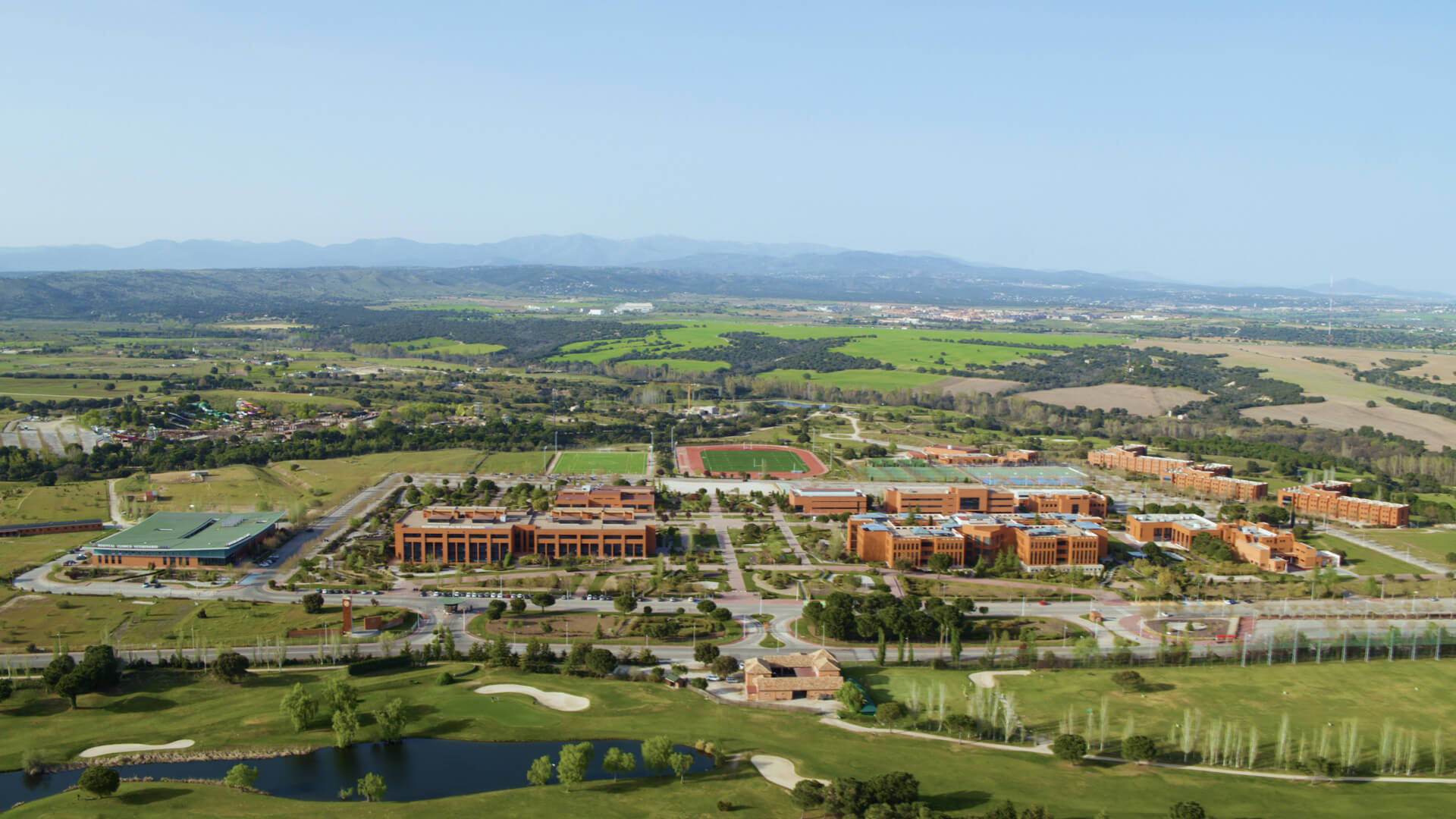
A unique centre in Spain to complete your training in the most innovative, well-rounded way. Find out more

Learn with our new professional laboratory equipped with the latest technology. Find out more
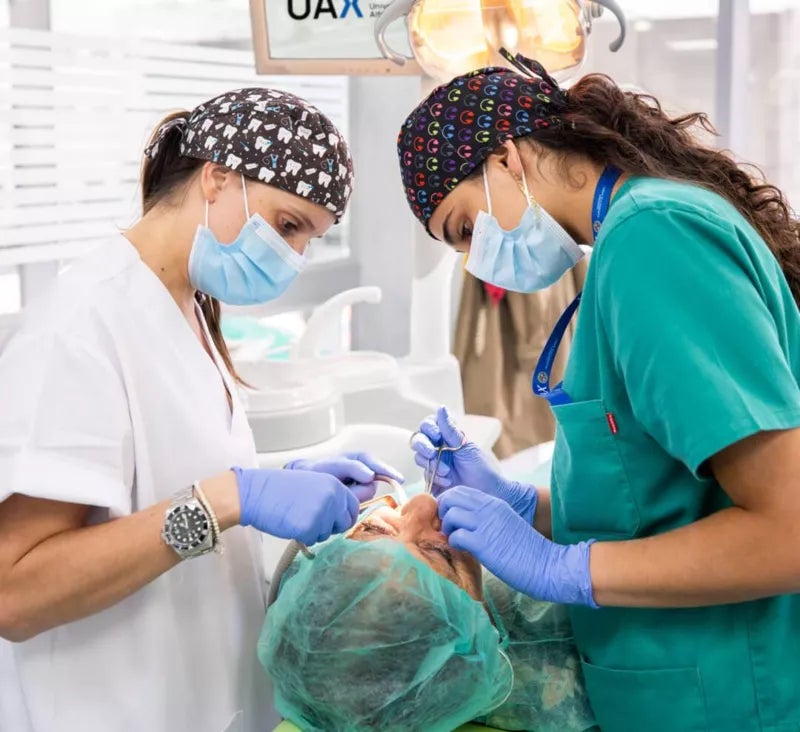
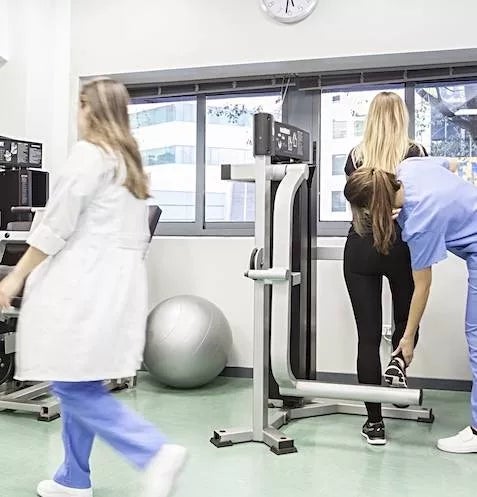
First healthcare facility created by UAX to provide you with the most comprehensive training focused on real-world practice. Find out more


We need to know a little bit about you so that we can provide you with a personalised service.
All fields are required
Our Bachelor’s Degree in Medicine is among the best in Spain, and Alfonso X el Sabio University (UAX) is among the best universities in Spain according to the leading rankings






Real-world projects with companies
Our students made it happen – will you join us?
Feedback from our UAX students
If you wish to study for a degree in medicine, you should know that the duration of this degree is 6 years and 360 ECTS credits.
After completing your medical degree, you can opt for the following career opportunities without the MIR: in the private sector, such as nursing homes, sporting events, private medical centres, research or military health care.
However, one of the most common doubts is whether the MIR is compulsory. The Medical Internship Residency Examination (MIR) is a test required to gain access to a position as a specialist doctor, and this training as a resident lasts an estimated 4-5 years. Once this time has elapsed, you will be able to practise your profession as a doctor in the National Health System.
Therefore, if your intention in studying medicine is to access the National Health System, the MIR is a mandatory requirement.
By studying medicine at the Alfonso X el Sabio University you will be able to learn about the different specialties and find the one you are passionate about. In Spain there are 49 medical specialties divided into clinical, surgical, medical-surgical and laboratory specialties. Some of them are:
We advise you to inform yourself in detail about all the available medical specialties in order to decide which one you want to pursue after studying medicine.
The recommended entry profile to study medicine is the Baccalaureate student, preferably in Health Sciences, with a passed EVAU.
When studying the UAX medicine degree you will have to carry out increasingly complex internships from 1st to 6th year in the UAX Virtual Simulation Hospital. Beginning in the first years with basic examinations, interpretation of X-rays, auscultations, etc... until the 6th year, when you tackle highly complex multidisciplinary clinical cases.
In the 1st, 2nd and 3rd years, practical sessions are carried out in the laboratory and in the dissection room (Anatomy subject). Visits are made to the Forensic Anatomical Institute, the National Court and the Higher Sports Centre. At the HVS they will carry out procedural training as many times as they need to train skills and abilities. They will also have online practice with Practicum Script (Clinical Reasoning software to train decision-making). Up to 49 practical workshops
From 3rd year onwards, you will choose a Teaching Unit in a hospital to carry out your clinical placements. You will be able to do rotations in more than 38 specialities and services, to discover the area you like best.

30 / 09 / 2026

30 / 09 / 2026
Other related degree programmes
We offer a wide range of courses, so you’re sure to find a programme that suits you.
Examination Periods | |
| 1st year students | - January (ordinary): 19-31 January 2026 - June (ordinary): 25 May-6 June 2026 - July (extraordinary): 22 June to 4 July. |
| 2nd, 3rd, 4th, 4th, 5th and 6th year students | - January (ordinary): 12-31 January 2026 - June (ordinary): 18 May-6 June 2026 - July (extraordinary): 22 June to 4 July. |
The Degree Monitoring and Improvement Committee is made up of:
You can consult the different indicators in the following links:
Action plans for the degree:
Access for queries, complaints and claims
We listen to the real demands of our students and employees, because we believe in the continuous improvement of results. Therefore, we always want to hear what you want to tell us.
If you already belong to UAX, through the virtual campus in the section Customer Service: complaints, suggestions and congratulations, entering your username and password.
Telephone: 91 810 94 00
E-mail: paramejorar@uax.es
Opening hours: Monday to Friday from 9:00h to 18:00h
You might also like
Do you know which degree programme offers the widest range of medical subjects? Discover the UAX Bachelor’s Degree in Biomedicine.