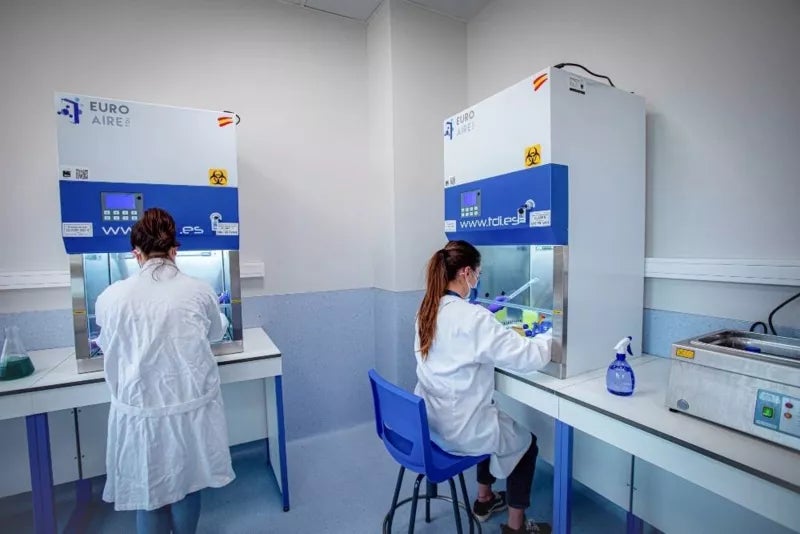
See all Online Master's Degrees in Health
See all Master's Degrees in Engineering
Most searched curriculums
Study the Dentistry Access Programme to acquire the knowledge and skills necessary to secure your place on the Degree in Dentistry. Alfonso X el Sabio University is firmly committed to providing students with excellent training in Dentistry.
To this end, you will receive practical training from day one, the best facilities and lecturers who are active professionals and researchers. In return, we look for a high level of demand from our students. That is why we have designed this programme with the aim of facilitating your access to the degree with guaranteed success.
During this course, you will take part in different activities in order to get closer to your vocation from the very first day:
If you are an international student, you will be reinforced in the language you will have to use during your university years and in the specific terminology of the degree. Mastering this language to a good level is an essential requirement, it will help you to pass your exams, it will open the doors to work experience in hospitals and clinics and it will also allow you to communicate with your future patients fluently.
Alfonso X el Sabio University is firmly committed to providing students with the excellent training required to gain access to the degree. In return, we seek a level of demand from our students that is in line with the practice of dentistry.
You will gain the necessary knowledge to face your first year at university. If you successfully complete this course we guarantee you access to the Degree in Dentistry.
Access to Dentistry Programme
Year 1
ANNUAL SUBJECTS
| Code | Subjects | Character* | ECTS | ||
|---|---|---|---|---|---|
| 80574 | Anatomía Humana | OB | 12 | ||
Anatomía HumanaCódigo: 80574 Imprimir Curso 1 Asignatura Anual. Obligatoria. 12 Créditos. Profesores
|
|||||
| 80576 | Técnicas de Estudio | OB | 2 | ||
Técnicas de EstudioCódigo: 80576 Imprimir Curso 1 Asignatura Anual. Obligatoria. 2 Créditos. Profesores
|
|||||
| 80577 | English | OB | 8 | ||
EnglishCódigo: 80577 Imprimir Course 1 Annual subject. Compulsory. 8 credits. Profesores
Objectives -Learning and practice of the different linguistic skills in Spanish: grammar, oral expression and comprehension, written expression and reading comprehension. -Expansion of vocabulary and acquisition of expressions and idioms. -Mastery of formal and informal registers. -Knowledge of the cultural aspects necessary for good communication in Spanish. -Writing texts. Evaluation Criteria -Class attendance and participation. -Exercises to do in class and at home. -Continuous assessment tests. Teaching Methodology Use of the MANDATORY manual and expansion of topics through material that will be provided through the Virtual Campus. It is compulsory to bring the manual to the first class of the course. David Isa and Amelia Guerrero. New Prisma. Level B1. Libro del alumno, Madrid: Edinumen, 2015. ISBN 978-84-9848-636-0 David Isa and Amelia Guerrero. Nuevo Prisma. Level B1. Libro de ejercicios, Madrid: Edinumen, 2015. ISBN 9788498486391. All students who purchase the manuals through the publisher's website will receive a 10% discount. How to do it: 1. Go to the website, select the level and the material: https://edinumen.es/metodos-jovenes-y-adultos/nuevo-prisma 2. Once the books have been selected, in the payment section, you must enter the following promotional code: UAX2022NPB1B2C1 -Audiovisual material support. -Oral presentations by the student. Contents of the Calendar Presentation Being-being Review of past tenses Simple future Simple conditional Present Subjunctive Expressing agreement and disagreement Imperative Giving advice or recommendations Prepositions Expressing wishes and requests To like, charm, annoy Expressing feelings Temporal sentences Causal sentences Expressing thanks and apologies Independent sentences Expressing certainty Past perfect subjunctive By and for Final sentences Verbal periphrases Pre-requisites -Foreign students whose mother tongue is not Spanish. Requirements -Foreign students whose mother tongue is not Spanish. Evaluation -In order to pass the course, the student will have the following options: -Continuous assessment: it is compulsory that students take ALL the tests corresponding to the continuous assessment and that the sum of the results obtained in these tests is equal to or higher than 5 (for this it will be ESSENTIAL to achieve the minimum mark established for tests 2 and 3). In order to be eligible for continuous assessment, students must not exceed 20% of unexcused absences during the term. Continuous assessment (100%) -Test 1 (20%): listening comprehension and reading comprehension. -Test 2 (40%): oral expression. MINIMUM MARK: 5 -Test 3 (40%): grammatical competence and written expression. MINIMUM MARK: 5 If the student does not achieve a 5 or does not take any of the tests, he/she will have to take the oral exam and the written exam of the ordinary exam. Likewise, students with more than 20% of absences will lose the right to continuous assessment and must sit the ordinary exam. -Ordinary examination (students who have not passed the continuous assessment, have not taken all the tests or have exceeded 20% of absences). Final written exam (60%) MINIMUM MARK: 5 Final oral exam (40%) MINIMUM GRADE: 5 -Extraordinary exam (students who have failed in the ordinary exam) Final written exam (60%) MINIMUM GRADE: 5 Final oral exam (40%) MINIMUM MARK: 5 |
|||||
| 80578 | Scientific English | OB | 8 | ||
Scientific EnglishCódigo: 80578 Imprimir Course 1 Annual subject. Compulsory. 8 credits. Profesores
|
|||||
| TOTAL: | 30 | ||||
FIRST FOUR-MONTH PERIOD
| Code | Subjects | Character* | ECTS | ||
|---|---|---|---|---|---|
| 80579 | Biología | OB | 6 | ||
BiologíaCódigo: 80579 Imprimir Curso 1 Asignatura Primer cuatrimestre. Obligatoria. 6 Créditos. Profesores
|
|||||
| 80580 | Estadística | OB | 6 | ||
EstadísticaCódigo: 80580 Imprimir Curso 1 Asignatura Primer cuatrimestre. Obligatoria. 6 Créditos. Profesores
|
|||||
| 80583 | Inmunología | OB | 6 | ||
InmunologíaCódigo: 80583 Imprimir Curso 1 Asignatura Primer cuatrimestre. Obligatoria. 6 Créditos. Profesores
Objetivos El objetivo general que persigue la asignatura es integrar la información relativa al campo de la Inmunología en el ámbito del curso preuniversitario del grado de Veterinaria. Para ello, se han estructurado 3 bloques temáticos, cuyos objetivos son: - Familiarizar al alumno con los elementos constituyentes del sistema inmune y su interacción en el desarrollo de una respuesta inmunológica. - Adquirir un conocimiento de la base molecular y celular de las patologías inmunológicas de mayor relevancia en el mundo animal. - Analizar los métodos más eficaces de prevención (inmunización pasiva, vacunas) y tratamiento (inmunomodulación) de enfermedades. Criterios de Evaluación Calificación global de convocatoria ordinaria: - La calificación final de la asignatura, obtenida durante la evaluación continua, se plantea de la siguiente manera: Exámenes de teoría: dos exámenes parciales liberatorios (nota superior a 5 para liberar), que cuentan un total del 65% de la nota final (cada examen de teoría representa el 50% de la nota de teoría) Nota de seminarios: 30% de la nota final: 15% trabajo de investigación grupal, 15% ejercicios de evaluación continua, 5% asistencia. Es necesario sacar al menos un 4 en la parte de teoría para que la evaluación continua cuente. - Examen de convocatoria ordinaria de enero: en caso de no liberar la materia en cualquiera de los parciales, el estudiante deberá presentarse a la ordinaria de enero para examinarse de las partes no liberadas. - Convocatoria extraordinaria: Aquellos alumnos que no hayan aprobado en convocatoria ordinaria, deberán realizar un examen de las partes de teoría no aprobadas. Metodología Docente La asignatura está dividida en dos partes: Clases magistrales: Durante las clases magistrales, se impartirá la docencia teórica del temario de la asignatura (ver siguiente apartado). Para la impartición de las clases magistrales se emplearán medios audiovisuales, utilizándose diversos programas (Microsoft Office, programas de visionado de videos, wooclap) Seminarios: Durante esta parte de la asignatura, los alumnos quedarán divididos en grupos de trabajo, donde desarrollarán un tema relacionado con la asignatura. Estos trabajos serán expuestos al resto de alumnos. Contenidos del Calendario FISIOLOGIA DE LA RESPUESTA INMUNE Tema 1 INTRODUCCION A LA INMUNOLOGIA. Conceptos básicos en Inmunología. Concepto de antigenicidad, inmunogenicidad y especificidad. Células y tejidos del sistema inmune. Inmunidad innata: fagocitos y complemento. Inmunidad adaptativa: los linfocitos. Tema 2 COMPOSICIÓN DEL SISTEMA INMUNE. Células que componen el sistema inmune: células responsables de la inmunidad innata y de la inmunidad adaptativa. Órganos que componen el sistema inmune: primarios y secundarios. Bases de la respuesta inmune. Tema 3 y 4 LA RESPUESTA INMUNE INNATA. Características de la respuesta inmune innata. Componentes fundamentales de la respuesta inmune innata: fagocitos y complemento. Características y función de las células fagocíticas. Características y mecanismos de activación del complemento: Vía clásica, vía alternativa, vía de las lectinas. Funciones del sistema del complemento. Regulación del sistema del complemento. Respuesta inflamatoria: características, componentes y función dentro de la respuesta inmune innata. Concepto de opsonización. Tema 5 LAS MOLECULAS DE HISTOCOMPATIBILIDAD. Tipos de antígenos de histocompatibilidad: Clase I y II. Estructura de las moléculas MHC. Expresión tisular de las moléculas MHC Características genéticas: organización y polimorfismo. Función: concepto de restricción de MHC. Procesamiento de antígenos exógenos y endógenos. Tema 6 LOS LINFOCITOS B Y T Y SUS RECEPTORES DE ANTÍGENO. Origen y desarrollo: cambios fenotípicos durante el desarrollo. Fenotipo: los receptores para antígeno de linfocitos T y B y otros marcadores de diferenciación. Generación del receptores BCR y TCR: mecanismos de reordenamiento y expresión de los genes del receptor para antígeno. Diferenciación: selección negativa y positiva de linfocitos. Función de linfocitos T y B. Tema 7 ANTICUERPOS Y SUS RECEPTORES. Estructura de los anticuerpos: tipo y función de los distintos dominios. Variaciones estructurales de la molécula de inmunoglobulina: isotipos, alotipos e idiotipos. Clases de inmunoglobulinas: función, caracteres y distribución de cada clase. Síntesis de anticuerpos: generación de la diversidad del repertorio de anticuerpos. Receptores de las inmunoglobulinas: estructura y función. Tema 8 ACTIVACION LINFOCITARIA Y RESPUESTA INMUNE ADAPTATIVA. Reconocimiento y mecanismos efectores de la inmunidad adaptativa. Activación del linfocito T. Señales de activación para linfocito B: generación de células plasmáticas y de memoria. Superantígenos. Inmunidad celular: Tipos y desarrollo de la citotoxicidad: papel de los linfocitos T y de las células NK. Apoptosis. Tráfico leucocitario. Tema 9 CITOQUINAS Y QUIMIOQUINAS. Concepto de citoquinas. Efecto de las Citoquinas en la activación de la respuesta inmune innata y adaptativa. Clasificación de las citoquinas y función de las diferentes familias. Concepto de quimioquina y de atracción quimiotáxica. Papel de la quimiotaxis en el desarrollo de la respuesta inmune. Papel de la quimiotaxis en el desarrollo de enfermedades inmunes. INMUNOPATOLOGIA: BASES CELULARES Y MOLECULARES Tema 10 ERRORES DE LA INMUNIDAD: LA AUTOINMUNIDAD. Concepto de tolerancia inmunológica. Adquisición de la autotolerancia. Concepto de autoinmunidad: características generales. Tipos de autoinmunidad. Modelos animales. Tema 11 EXCESOS DE LA INMUNIDAD: HIPERSENSIBILIDADES. Hipersensibilidad. Concepto, y clasificación. Hipersensibilidad inmediata (Tipo I). Concepto de anafilaxis y alergia atópica. Hipersensibilidad de tipo II: citotoxicidad dependiente de anticuerpo. Hipersensibilidad de tipo III: formación de inmunocomplejos y reacción de Arthus. Hipersensibilidad de tipo IV: Hipersensibilidad retardada. Tema 12. INMUNIZACION Y CONTROL DE ENFERMEDADES: INMUNIZACIÓN PASIVA Y VACUNAS. Concepto y características de la inmunización pasiva. Generación de antisueros terapéuticos. Preparación, conservación y administración de antisueros. Concepto de vacuna. Naturaleza de las vacunas. Vacunas bacterianas y de toxinas. Autovacunas. Adyuvantes. Preparación, valoración y control de vacunas. Vacunas víricas. Vacunas vivas atenuadas. Métodos de atenuación. Producción y control de vacunas vivas. Potencia y seguridad. Vacunas inactivadas. Producción y métodos de inactivación. Vacunas de nueva generación: vacunas sintéticas y vacunas de ADN Requisitos previos Conocimientos de biología de 2º de bachillerato. Requisitos La asistencia mínima será de un 80% para puntuar el apartado de asistencia. Evaluación Se realizarán 2 exámenes parciales liberatorios (examen tipo test de 30 preguntas). Las fechas de los exámenes están prevista para el 13/11/23 (1er parcial) y para el 18/12/23 (2º parcial). Estos exámenes se realizarán en horario de la clase magistral, y se aprueban con una nota igual o superior a 5. Aquellos alumnos que hayan aprobado estos exámenes parciales no se examinarán de la parte aprobada en la convocatoria de enero. A su vez, los alumnos deberán preparar un trabajo de investigación que presentarán en clase y realizarán ejercicios en casa como parte de la evaluación continua. |
|||||
| TOTAL: | 18 | ||||
SECOND FOUR-MONTH PERIOD
| Code | Subjects | Character* | ECTS | ||||
|---|---|---|---|---|---|---|---|
| 80581 | Bioquímica | OB | 6 | ||||
BioquímicaCódigo: 80581 Imprimir Curso 1 Asignatura Segundo cuatrimestre. Obligatoria. 6 Créditos. Profesores
|
|||||||
| 80582 | Microbiología | OB | 6 | ||||
MicrobiologíaCódigo: 80582 Imprimir Curso 1 Asignatura Segundo cuatrimestre. Obligatoria. 6 Créditos. Profesores
Criterios de Evaluación Para superar esta asignatura es necesario: 1. Haber obtenido una nota mínima de 5 en los exámenes teóricos. 2. Obtener una nota igual o superior a cinco puntos sumando los porcentajes que se exponen a continuación: a) Examen de los contenidos teóricos: 80% de la nota final (Adquisición de conocimientos: examen escrito). b) Actividades del curso: 20% de la nota final (Trabajos de búsqueda bibliográfica, exposiciones orales, resolución de casos prácticos, controles de clase, asistencia, implicación y colaboración en clase). Contenidos del Calendario DÍA 1-> Tema 1: Introducción e historia de la historia de la microbiología DÍA 2-> Tema 2: Mundo microbiano DÍA 2-> Tema 3.1: Estructura bacteriana I DÍA 3-> Tema 3.2: Estructura bacteriana II DÍA 3, DÍA 4 -> Tema 4: Fisiología bacteriana I DÍA 4-> Tema 5: Fisiología bacteriana II DÍA 5-> Tema 6: Desinfección y esterilización DÍA 6-> Tema 7.a: Genética bacteriana (generalidades) DÍA 6-> Tema 7.b: Variabilidad genética en bacterias DÍA 7-> PRIMER EXAMEN DE EVALUACIÓN CONTINUA. Tema 8: Antimicrobianos I (definición y clasificación) DÍA 7, DÍA 8-> Tema 9: Antimicrobianos II (mecanismos de acción) DÍA 8-> Tema 10: Antimicrobianos III (sensibilidad y resistencia; mecanismos de resistencia: base del uso de antimicrobianos) DÍA 9->Tema 11:Relación huésped-parásito DÍA 9, DÍA 10->Tema 12: Factores determinantes de la acción patógena DÍA 11->Tema 13: Virología general DÍA 12>Tema 14: Micología general DÍA 13->Tema 15: Los priones DÍA 14->Tema 16: Los parásitos DÍA 15-> SEGUNDO EXAMEN DE EVALUACIÓN CONTINUA |
|||||||
| 80584 | Human Pathology | OB | 8 | ||||
Human PathologyCódigo: 80584 Imprimir Course 1 Subject Second four-month period. Compulsory. 8 credits. Profesores
|
|||||||
| TOTAL: | 20 | ||||||
*Character: BT: Basic Training, Ob: Required, Op: Optional
The aim of the Access to Dentistry Programme is to guarantee the necessary training to be able to take the degree. Through the subjects we have designed for your training, in addition to acquiring knowledge, you will begin to live the university experience. During the course, you will constantly receive guidance from the teaching and professional team of the UAX.
If your mother tongue is Spanish, you will have the subject of Scientific English, which will allow you to reach the appropriate level for the analysis of technical texts in your future professional field in this language.
On the other hand, if your mother tongue is not Spanish, in addition to the training hours of all the subjects in this language, you will have Spanish as an additional subject. The aim is for you to achieve a communicative level that will enable you to get by in the theory classes and in the external internships of your future degree.
Complete our form, give us a call or request a visit to UAX. We’re excited to show you everything we’ve prepared for you.
A professional from our university will offer guidance and help you select the path that aligns best with your interests.
Enrol in your courses, meet the deadlines and follow the payment procedures to secure your place and fulfil the legal admission requirements.
You’re now part of UAX! Prepare to embark on a unique educational journey where you’ll take centre stage. Welcome to your university!
We need to know a little about you so that we can give you a personalised service.
All fields are required
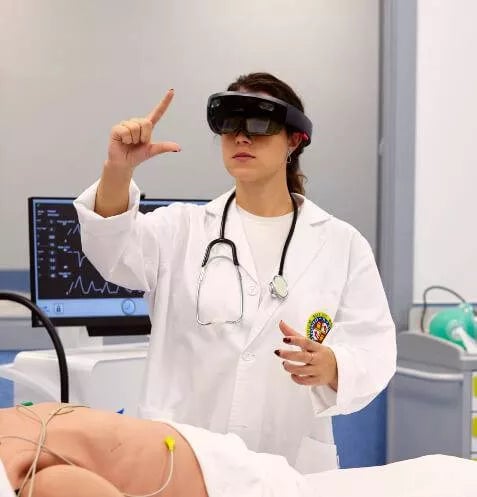
At UAX we know that studying is an investment, which is why we give you the resources to access our qualifications. Learn about some of our scholarships and grants:
A unique centre in Spain to complete your training in the most innovative, well-rounded way. Find out more
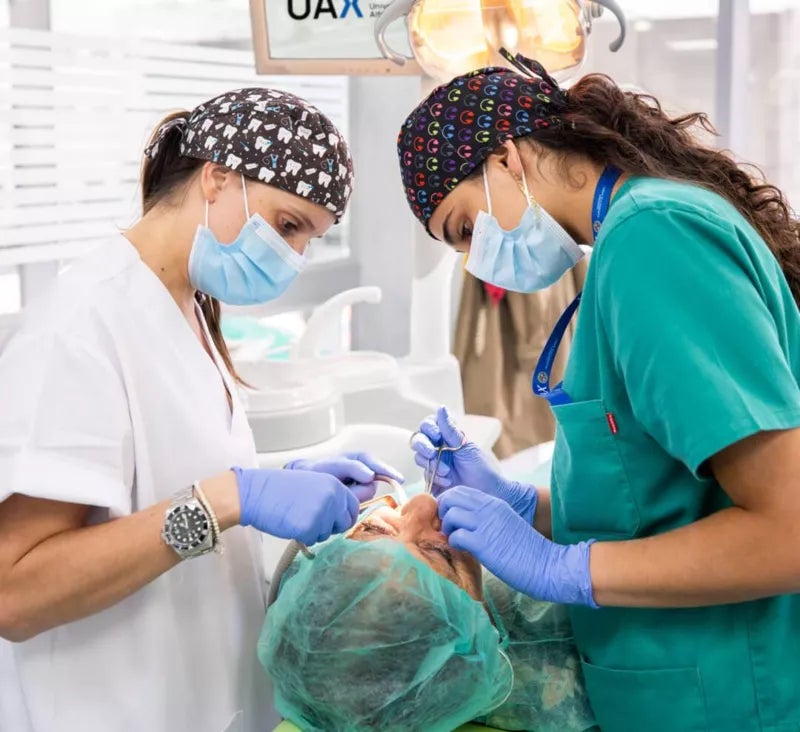
First healthcare facility created by UAX to provide you with the most comprehensive training focused on real-world practice. Find out more
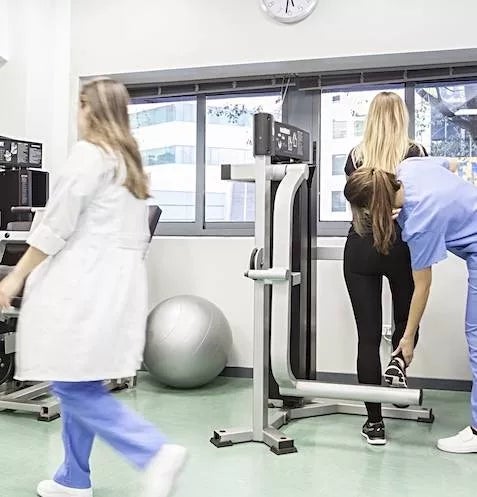
Using the most innovative medical resources, it aims to offer the best diagnosis and treatment of real patients. Find out more