

See all Online Master's Degrees in Health





See all Master's Degrees in Engineering
Most searched curriculums
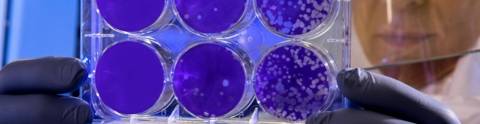
Study one of the degrees with the best future prospects, employability and levels of demand in the health sector. Be a part of the next scientific breakthroughs in genetics, sustainability, immunology, biology, biochemistry, technology and Big Data. This programme of study will cultivate your research talent, develop your international career prospects, and give you access to top-rate research centres: CSIC (Spanish National Research Council), ISCIII (Carlos III Health Institute), etc.
Choose to study the Bachelor’s Degree in Biotechnology in Madrid, and you’ll gain access to a qualification with outstanding future prospects, which offers a wide range of professional opportunities. From your first day at UAX, you’ll learn how to practise your profession in leading research centres and companies from the biotechnology sector, located across the globe. With our practical programme, you’ll acquire technical skills and become proficient in using equipment correctly from the first year of study. You will receive 20% of your training in English, enabling you to acquire the skills you need to develop your career overseas.
You will become familiar with cellular and molecular structure and function, and develop the ability to manipulate live cells and their components to create products that can be used in the diagnosis and treatment of human diseases or in industrial processes.
The BS in Biotechnolog will prepare you to enter the job market and develop your professional career in research centres and companies within the biotechnology sector.
Bachelor’s Degree in Biotechnology
First Year
FIRST FOUR-MONTH PERIOD
| Code | Subjects | Character* | ECTS | ||||||||||||||||||||||||||||||||||||||||||||||||||||||||||||||||||||||||||||||||||||||||||||||||||||||||||||||||||||||||||||||||||||||||||||||||||||||||||||||||||||||||||||||||||||||||||||||||||||||||||||||||||||||||||||||||||||||||||||||||||||||||||||||||||||||||||||||||||||||
|---|---|---|---|---|---|---|---|---|---|---|---|---|---|---|---|---|---|---|---|---|---|---|---|---|---|---|---|---|---|---|---|---|---|---|---|---|---|---|---|---|---|---|---|---|---|---|---|---|---|---|---|---|---|---|---|---|---|---|---|---|---|---|---|---|---|---|---|---|---|---|---|---|---|---|---|---|---|---|---|---|---|---|---|---|---|---|---|---|---|---|---|---|---|---|---|---|---|---|---|---|---|---|---|---|---|---|---|---|---|---|---|---|---|---|---|---|---|---|---|---|---|---|---|---|---|---|---|---|---|---|---|---|---|---|---|---|---|---|---|---|---|---|---|---|---|---|---|---|---|---|---|---|---|---|---|---|---|---|---|---|---|---|---|---|---|---|---|---|---|---|---|---|---|---|---|---|---|---|---|---|---|---|---|---|---|---|---|---|---|---|---|---|---|---|---|---|---|---|---|---|---|---|---|---|---|---|---|---|---|---|---|---|---|---|---|---|---|---|---|---|---|---|---|---|---|---|---|---|---|---|---|---|---|---|---|---|---|---|---|---|---|---|---|---|---|---|---|---|---|---|---|---|---|---|---|---|---|---|---|---|---|---|---|---|---|---|---|---|---|---|---|---|---|---|---|---|---|---|---|---|---|
| 0131200 | Biophysics | FB | 6 | ||||||||||||||||||||||||||||||||||||||||||||||||||||||||||||||||||||||||||||||||||||||||||||||||||||||||||||||||||||||||||||||||||||||||||||||||||||||||||||||||||||||||||||||||||||||||||||||||||||||||||||||||||||||||||||||||||||||||||||||||||||||||||||||||||||||||||||||||||||||
BiophysicsCódigo: 0131200 Imprimir Course 1: First-semester module. Foundation course. 6 credits. Profesores
Objectives 1. For students to acquire fundamental knowledge of biophysics, both theoretical and practical, which will serve as a basis for the study of other modules on the Biotechnology degree programme. 2. To familiarise students with the basic mathematical concepts used in physics. 3. To understand the characteristics and properties of motion. 4. To understand the properties and interactions of different types of fluids. 5. To learn the fundamental principles of thermodynamics. 6. To understand the properties and characteristics of waves and radiation. 7. To understand the basic concepts and applications of electromagnetism and electricity. 8. To deepen one’s understanding of radioactivity and its implications for human beings. 9. To understand transport phenomena in biological systems. Competencies BASIC COMPETENCIES CB1: Students should have demonstrated that they possess and understand knowledge in a field of study building on the foundations of general secondary education; this is typically at a level which, whilst drawing on advanced textbooks, also includes some aspects requiring knowledge from the cutting edge of their field of study. CB2: Students should be able to apply their knowledge to their work or profession in a professional manner and possess the skills typically demonstrated through the formulation and defence of arguments and the resolution of problems within their field of study. CB3: Students should be able to gather and interpret relevant data (usually within their field of study) in order to make judgements that include reflection on relevant social, scientific or ethical issues. CB4: Students should be able to communicate information, ideas, problems and solutions to both specialist and non-specialist audiences. CB5: Students should have developed the learning skills necessary to undertake further study with a high degree of autonomy. GENERAL COMPETENCIES CG1 – To think in an integrated manner, reason critically and approach problems from different perspectives. CG2 – Be able to obtain, process, interpret, analyse and synthesise relevant information and results, and draw conclusions on topics related to biotechnology. CG4 – Interpret experimental results and identify consistent and inconsistent elements. GC5 – Apply the theoretical and practical knowledge acquired to problem-solving and seek solutions effectively and creatively in both professional and academic contexts. CG6 – Study and learn independently, organising and planning one’s work, and develop the ability to work in a team and build self-confidence. SPECIFIC COMPETENCIES: CE1. – To know and understand the basic concepts of Mathematics, Physics, Chemistry and Biology, as well as the main tools used in these disciplines for the research and development of biotechnological processes. CE6. – Be able to apply the essential mathematical, statistical and computational methods required for the study, interpretation and control of biotechnological experiments or processes. Learning outcomes - Be able to apply basic knowledge of Physics to Biotechnology. - Solve problems relating to electric fields and understand their relationship with biological systems and measurement systems. - Practical applications of fluid statics and dynamics. - Apply the basic concepts and laws of fluid mechanics to the study of biological fluids. -Apply basic knowledge relating to the concept of a field: gravitational, electric and magnetic fields, as well as the associated forces and potentials. -Identify the electrical properties of materials and their application to the study of biological phenomena. - Analyse the response of matter to electromagnetic fields and their spectroscopic applications. -Identify the processes of radioactive decay and their biological applications. -Carry out simple experiments on the phenomena covered in the course content: handling the appropriate equipment, analysing data and results. Description of the course content INTRODUCTION TOPIC 1. THE LANGUAGE OF PHYSICS: Orders of magnitude and scales. Units and systems of measurement. Scalar and vector quantities. Vectors. TOPIC 2. MECHANICS: KINEMATICS: MRU, MRUA, MC and MAS. DYNAMICS: Forces and Newton’s laws. Linear and angular momentum of a force. Impulse. Work and energy. Conservation laws. TOPIC 3. FLUID DYNAMICS: HYDROSTATICS: Hydrostatic, atmospheric and manometric pressure. Fundamental principle of hydrostatics. Pascal’s principle. Archimedes’ principle. HYDRODYNAMICS: Laminar and turbulent flow. Volume flow. Law of Continuity. Bernoulli’s theorem. Biological membranes and osmotic pressure. TOPIC 4. THERMODYNAMICS: States of matter. Properties of solids, liquids and gases. Conduction, convection and radiation. Zeroth Law. Temperature and temperature scales. First Law of Thermodynamics. Thermodynamic processes. Potentials. Internal energy and enthalpy. Heat and Thermal Energy. Work and Physical Energy. Heating, cooling and changes of state. Heat capacity, specific heat and latent heat. Second Law of Thermodynamics. Entropy. Third Law of Thermodynamics. Absolute Zero. TOPIC 5. FIELDS AND WAVES: Mechanical and electromagnetic waves. Acoustics and optics. Oscillations. Kinematics and dynamics of a rigid body. Coupling of rigid bodies. Resonance. TOPIC 6. ELECTRICITY, CIRCUITS AND MAGNETISM: ELECTROSTATICS AND MAGNETISM: Electric charges and field lines. Potential, field and Coulomb’s force. Magnetism. Magnetic dipoles and induction. ELECTRICITY: Active and passive circuit components. Resistors, capacitors, inductors. RC and RLC circuits. Optoelectronics. TOPIC 7. BIOPHYSICS OF RADIATION: Quantum physics. Wave-particle duality. Radiation-matter interaction. Spectroscopy. Natural and artificial radioactivity. Effects of radioactivity and protection against it. TOPIC 8. TRANSPORT PHENOMENA: Transport across membranes. Transport of matter. Fick’s laws. Heat transport. Electrical transport. Nerve cells and potentials. Learning activities Lecture/Sessions (SESSION in the timetable) Laboratories (LB in the timetable) Seminars/Assignments (TRAB in the timetable) Tutorials/Consultations/Supplementary material for lectures (CN in the timetable) Assessment (EV on the timetable) Independent study Assessment system and criteria Without prejudice to any other requirements that may be specified in the relevant course syllabus, as a general rule, failure to attend more than 70 per cent of the course’s teaching activities—which require the student’s physical or virtual presence—will result in the loss of the right to continuous assessment in the standard examination session. In this case, the examination to be held during the official period set by the University will be the sole assessment criterion, with the weighting specified in the course syllabus. ---- 1. TYPES OF CLASSES: 1.1. The module is divided into two parts: Theory and Laboratory. 1.2. Students must pass both parts independently with a mark of 5 or above out of a total of 10. 1.3. Once both parts have been passed, the final mark for the module is calculated as follows: - 60 per cent theory (LECTURES + ASSIGNMENTS), - 20% from the laboratory (LB), - 20 per cent from applied work, self-assessments and class participation. 2. COURSE ASSESSMENT: 2.1. The module may be passed during the academic year either through Continuous Assessment or in the Ordinary/Supplementary Final Exams, in accordance with the weighted average of the following parameters: 2.2. CONTINUOUS ASSESSMENT: The final course mark is the result of several components: EXAMS: Exam sessions (30% first mid-term + 30% second mid-term) + Practical sessions (20%): 80% SELF-ASSESSMENTS and APPLIED ASSIGNMENTS: discussions and theoretical/practical presentations (assignments): 15% PARTICIPATION, DISCUSSION AND PROPOSALS: 5% 2.3. REGULAR FINAL EXAM: If a student does NOT keep up with the course regularly, or fails to pass the mid-term exams, they must sit the Ordinary Final Exam. - Date: The final exam will take place on the dates published by UAX, for both the ordinary and supplementary sessions, which you can find in your exam timetable. - Format: The exam format will be similar to that of the mid-term exams (see below). - Content: The entire course syllabus. 2.4. LABORATORY PRACTICALS: The laboratory practicals consist of FIVE SESSIONS. Attendance at the practicals and sitting the laboratory exams is COMPULSORY FOR ALL STUDENTS. Each instance of unexcused absence during the practicals results in a 25 per cent deduction from the laboratory mark. Failure to complete the practicals will result in a fail for the laboratory module and the course. Students who have attended the practicals but have not passed the exam must retake the multiple-choice laboratory exam during the Ordinary Examination Period. Failing the Ordinary Examination Session will result in the student having to retake the laboratory multiple-choice exam in the Extraordinary Examination Session. 2.5. APPLIED PROJECT: The topic is open, provided that the course content is explicitly applied (formal presentation in RÚBRICA). This will be carried out in pairs, with a copy to be uploaded to the platform. The mark will be added to the average of the marks obtained in the weekly SELF-ASSESSMENTS. Students may add up to 15% of the EC to their theory mark, provided that the mark obtained in the theory is 4 or above. 2.6. PARTICIPATION: This will be assessed during the WORKSHOP sessions. Students may add up to 5% of the EC to their theory mark. 3. EXAM FORMAT - Exams will be held in person, using a single digital device in accordance with UAX regulations. - The exam will consist of two parts, both multiple-choice: one on theory and the other on solving numerical exercises. A) THEORY: 20 multiple-choice questions on THEORY or APPLIED THEORY (1 mark each), with multiple-choice answers, of which ONLY ONE is CORRECT (+1 mark/10 marks) and INCORRECT answers will result in a deduction of one third (-0.33 marks) B) EXERCISES: 3 numerical exercises (10 marks), similar to those completed in the session classes. They will be presented as a multiple-choice test, in the same way as the theory questions. They must be worked out in writing, EXPLICITLY, on the paper provided. If the exercise is NOT worked out, it will NOT be marked positively, even if the answer option marked on the answer sheet is correct. Timetable Click on this link to view the detailed timetable in Excel
Bibliography Essential: 1. Sears, Francis W. University Physics 6th ed.: Addison Wesley. 1988. ISBN: 0201640139 2. Villar, R., López, C., Cussó, F. Physical Fundamentals of Biological Processes Club Universitario. 2012. ISBN: 9788415941385 |
|||||||||||||||||||||||||||||||||||||||||||||||||||||||||||||||||||||||||||||||||||||||||||||||||||||||||||||||||||||||||||||||||||||||||||||||||||||||||||||||||||||||||||||||||||||||||||||||||||||||||||||||||||||||||||||||||||||||||||||||||||||||||||||||||||||||||||||||||||||||||
| 0131201 | Structural biochemistry | FB | 6 | ||||||||||||||||||||||||||||||||||||||||||||||||||||||||||||||||||||||||||||||||||||||||||||||||||||||||||||||||||||||||||||||||||||||||||||||||||||||||||||||||||||||||||||||||||||||||||||||||||||||||||||||||||||||||||||||||||||||||||||||||||||||||||||||||||||||||||||||||||||||
Structural biochemistryCódigo: 0131201 Imprimir Course 1: First-term module. Foundation course. 6 credits. Profesores
Objectives 1. To understand and explain the main structural characteristics of biomolecules. 2. To understand and be able to carry out the basic experimental techniques used in a biochemistry laboratory. 3. To practise, under supervision, techniques for the isolation and purification of proteins. 4. To practise, under supervision, techniques for isolating and purifying nucleic acids. Competencies BASIC COMPETENCIES: CB1 – Students have demonstrated that they possess and understand knowledge in an area of study which builds on the foundations of general secondary education, and is typically at a level which, whilst drawing on advanced textbooks, also includes certain aspects involving knowledge drawn from the cutting edge of their field of study. CB2 – Students should be able to apply their knowledge to their work or profession in a professional manner and possess the skills typically demonstrated through the formulation and defence of arguments and the resolution of problems within their field of study. CB3 – Students should be able to gather and interpret relevant data (usually within their field of study) in order to make judgements that include reflection on relevant social, scientific or ethical issues. CB4 – Students should be able to communicate information, ideas, problems and solutions to both specialist and non-specialist . CB5 – Students should have developed the learning skills necessary to undertake further study with a high degree of autonomy. GENERAL COMPETENCIES: CG1 - To think in an integrated manner, reason critically and approach problems from different perspectives. CG2 – Be able to obtain, process, interpret, analyse and synthesise relevant information and results, and draw conclusions on topics related to biotechnology. CG3 – Use information in a foreign language CG4 – Interpret experimental results and identify consistent and inconsistent elements. CG5 - Apply the theoretical and practical knowledge acquired to problem-solving and seek solutions effectively and creatively in both professional and academic contexts. CG6 - Study and learn independently, organising and planning one’s work, and develop the ability to work in a team and build self-confidence. SPECIFIC COMPETENCIES: CE2 - Work appropriately in a laboratory by applying the basic principles of safety, handling and waste disposal, and by keeping a detailed record of activities. CE12 – Identify the types of biomolecules and relate their structure to their function, as well as understand metabolic pathways and their regulatory mechanisms, enzyme kinetics and mechanisms of action. Learning outcomes Become familiar with the use of the main equipment and consumables commonly found in a biochemistry laboratory · Identify the fundamental organic functional groups that characterise different biomolecules. · Interpret the results obtained from basic structural studies of proteins and nucleic acids. · Retrieve protein and nucleic acid structures from structural databases and use appropriate software to visualise and understand the structure-function relationships of macromolecules. · Identify conserved motifs and domains in proteins. · Interpret the relationship between the structure and function of biological membranes, identify transport mechanisms and describe their properties at the molecular level. Course content 1. MOLECULAR BASICS 2. CARBOHYDRATES 3. LIPIDS 4. NUCLEOTIDES AND NUCLEIC ACIDS 5. AMINO ACIDS AND PROTEINS Training activities Lecture/Sessions (SESSION in the timetable) Laboratory sessions (LB on the timetable) Seminars/Assignments (TRAB on the timetable) Tutorials/Consultations/Complements to lectures (CN in the timetable) Assessment Independent study Assessment system and criteria Without prejudice to any other requirements that may be specified in the relevant course syllabus, as a general rule, failure to attend more than 70 per cent of the course’s teaching activities—which require the student’s physical or virtual presence—will result in the loss of the right to continuous assessment in the standard examination session. In this case, the examination to be held during the official period set by the University will be the sole assessment criterion, with the weighting specified in the course syllabus. ---- SUMMARY OF THE ASSESSMENT BY COMPONENT OF THE COURSE 1. THEORY exams (SESSION and ASSIGNMENT): 60% of the mark. 2. LABORATORY PRACTICALS (LB): 30% of the mark. 3. CONTINUOUS ASSESSMENT (SESSION, ASSIGNMENT and LAB): 10 per cent of the mark for each part of the module (THEORY and LABORATORY). Theory and laboratory tests and examinations, as well as attendance at laboratory sessions, are COMPULSORY. Failure to sit these tests and examinations or absence from laboratory sessions will result in a fail for the module. ASSESSMENT OF THEORETICAL CONTENT 1. During the academic year, there will be two eliminatory mid-term examinations. 2. The dates, times and lecture theatres for the mid-term exams will be announced via a notice and on the course’s online platform. 3. The exams will consist of 20 multiple-choice questions with four options, only one of which is correct (incorrect answers will result in a 33 per cent deduction from the mark for that question), and will also include essay-type questions similar to those in the TRAB exercises, which will be completed on paper. 4. A pass is achieved with a mark of 5 out of 10. 5. The theory mark will be the average of the two mid-term exams, provided that the mark for both mid-term exams is at least 3 out of 10. 6. If the average mark for the mid-term exams is below 5, if any one mid-term exam has a mark below 3, or if a student is marked ‘NP’ (did not sit the exam), they will have to retake the failed mid-term exam(s) in the Ordinary Examination Period (January). 7. If, following the Ordinary Examination Period (January), the mark is still below 5, the student will be required to retake the failed mid-term exam(s) during the Extraordinary Examination Period (May/June).
ASSESSMENT OF PRACTICAL CONTENT 1. The laboratory practicals consist of FIVE SESSIONS. During four sessions, students will receive a theoretical explanation and practise various laboratory techniques; in the fifth session, queries will be addressed and an exam will be held on the techniques and concepts covered. 2. The exam will consist of multiple-choice and/or short-answer questions. Multiple-choice questions will have four options (incorrect answers will result in a 33 per cent deduction from the mark for that question). A pass is achieved with a mark of 5 out of 10. 3. Attendance at and sitting of the laboratory examinations IS COMPULSORY FOR ALL STUDENTS. Each instance of unexcused absence during the practical sessions will result in a deduction of 25 per cent from the laboratory mark. 4. Failure to undertake the practical sessions will result in a fail for the laboratory module and the course. 5. Students who have attended the practical sessions but have not passed the exam must retake the laboratory multiple-choice exam during the Ordinary Examination Period. 6. Failing the exam in the Ordinary Examination Period means that students must retake the laboratory multiple-choice exam in the Supplementary Examination Period. CONTINUOUS ASSESSMENT (CA) Regarding the CONTINUOUS ASSESSMENT for THEORY: This will consist of an online test for each topic comprising 10 multiple-choice questions with four or five options, of which only one is correct. Incorrect answers do not result in marks being deducted. Each correctly answered question is worth 1 mark. Regarding LABORATORY continuous assessment: This will consist of completing an online self-assessment exercise for each practical session. Timetable Click on this link to view the detailed timetable in Excel
Bibliography Core: 1. Feduchi Canosa E, Romero Magdalena C, Yáñez Conde E, García-Hoz Jiménez C. Biochemistry. Essential Concepts. 3rd ed. Médica Panamericana. 2025. ISBN: 9788491106807 Supplementary: 2. Lehninger AL, Nelson DL, Cox MM and Cuchillo Foix CM. Lehninger. Principles of Biochemistry 7th ed. Omega. 2018. ISBN: 9788428216678 Other: 3. John W. Baynes; Marek H. Dominiczak Medical Biochemistry Elsevier. 2024. ISBN: 978-841382582 4. Meisenberg, Simmons Principles of Medical Biochemistry 4th ed. Elsevier. 2018. ISBN: 9788491132974 |
|||||||||||||||||||||||||||||||||||||||||||||||||||||||||||||||||||||||||||||||||||||||||||||||||||||||||||||||||||||||||||||||||||||||||||||||||||||||||||||||||||||||||||||||||||||||||||||||||||||||||||||||||||||||||||||||||||||||||||||||||||||||||||||||||||||||||||||||||||||||||
| 0131202 | Introduction to Cell Biology | FB | 6 | ||||||||||||||||||||||||||||||||||||||||||||||||||||||||||||||||||||||||||||||||||||||||||||||||||||||||||||||||||||||||||||||||||||||||||||||||||||||||||||||||||||||||||||||||||||||||||||||||||||||||||||||||||||||||||||||||||||||||||||||||||||||||||||||||||||||||||||||||||||||
Introduction to Cell BiologyCódigo: 0131202 Imprimir Course 1: First-term module. Foundation course. 6 credits. Profesores
Objectives • To be able to identify animal and plant cells and their organelles. • Understand the structure and function of cellular organelles. • Identify the structure and function of the plasma membrane and cellular transport mechanisms. • Understand the relationships between cells and their environment. • Understand the basic concepts of DNA structure and organisation, as well as its replication, transcription and translation mechanisms. Competencies CORE COMPETENCES CB1: Students should have demonstrated that they possess and understand knowledge in an area of study building on the foundations of general secondary education; this is typically at a level which, whilst drawing on advanced textbooks, also includes some aspects requiring knowledge from the cutting edge of their field of study. CB2: Students should be able to apply their knowledge to their work or profession in a professional manner and possess the skills typically demonstrated through the formulation and defence of arguments and the resolution of problems within their field of study. CB3: Students should be able to gather and interpret relevant data (usually within their field of study) in order to form judgements that include reflection on relevant social, scientific or ethical issues. CB4: Students should be able to communicate information, ideas, problems and solutions to both specialist and non-specialist audiences. CB5: Students should have developed the learning skills necessary to undertake further study with a high degree of autonomy. GENERAL COMPETENCES CG1 – Ability to think in an integrated manner, to reason critically and to approach problems from different perspectives. /GC1 – Ability to think in a multi-level way, to develop critical questioning and to tackle problems from different perspectives. CG2 – Ability to gather, process, interpret, analyse and synthesise relevant information and results, and draw conclusions on topics related to biotechnology. / Being able to gather, process, interpret, analyse and synthesise relevant information and results, as well as to draw conclusions on issues relating to biotechnology. CG3 - The ability to use international information sources and to communicate in a second language of international relevance./ Ability to access and use international information sources and to communicate in a relevant foreign language. CG4 – Interpreting experimental results and identifying consistent and inconsistent elements./ Capacity to interpret experimental results and to identify consistent and inconsistent elements. CG5 – Apply the theoretical and practical knowledge acquired to problem-solving and seek solutions in an effectively and creatively in both professional and academic contexts. / Capacity to apply the acquired theoretical and practical knowledge to problems, and to find effective and creative solutions in both professional and academic contexts. CG6 – Ability to assimilate new concepts and learn independently, whilst organising and planning one’s work and develop the ability to work in a team and build self-confidence. / Capability to assimilate new concepts and learn independently, to organise and plan their own work, as well as to be a self-confident team player. SPECIFIC COMPETENCIES CE1 – To know and understand the basic concepts of Mathematics, Physics, Chemistry and Biology, as well as the main tools used in these disciplines in the research and development of biotechnological processes./ To learn and understand the basic concepts of Mathematics, Physics, Chemistry and Biology, as well as the main tools used in these disciplines for the research and development of biotechnological processes. CE2 - The ability to work appropriately in a laboratory, applying the basic principles of safety, handling and waste disposal, whilst keeping a detailed record of activities./ Being able to work in a laboratory in a proper manner, i.e., applying the basic principles of handling and waste disposal, safety, whilst always keeping a record of activities. CE9 – Understanding the structure and function of the cell, including both metabolism and gene expression, and describing the molecular mechanisms of transport and signal transduction./ To understand the structure and function of the cell, covering both its metabolism and gene expression; to describe the molecular mechanisms of transport and signal transduction. Learning outcomes • To be able to identify animal and plant cells and their organelles. • To understand the structure and function of cellular organelles. • To identify the structure and function of the plasma membrane and the mechanisms of cellular transport. • To understand the relationships between cells and their environment. • To understand the basics of DNA structure and organisation, and its mechanisms of replication, transcription and translation. Course description PROGRAMME: INTRODUCTION TO CELL BIOLOGY. Chapter 1. The cell. Prokaryotic and eukaryotic cells. Chapter 2. Membrane structure. Chapter 3. Membrane Transport. Chapter 4. Electrical Properties of Membranes. Chapter 5. The cytoskeleton. Intermediate filaments. Chapter 6. The cytoskeleton. Microtubules. Chapter 7. The Cytoskeleton. Microfilaments. Chapter 8. The Nucleus. Chapter 9. Intracellular Compartments and Protein Sorting. Chapter 10. Intracellular Membrane Transport. Chapter 11. Mitochondria and Chloroplasts. Learning activities Lectures/Sessions (SESSION in the timetable) Laboratory sessions (LB on the timetable) Seminars/Assignments (TRAB on the timetable) Tutorials/Consultations/Lecture supplements (CN in the timetable) Assessment (EV on the timetable) Independent study Assessment system and criteria Without prejudice to the possibility of establishing another requirement in the relevant course syllabus, as a general rule, failure to attend more than 70 per cent of the course’s learning activities that require the student’s physical or virtual presence will result in the loss of the right to continuous assessment in the ordinary examination session. In this case, the examination to be held during the official period set by the University will be the sole assessment criterion, with the weighting assigned to it in accordance with the course syllabus. ---- CONTINUOUS ASSESSMENT • Two compulsory tests, one halfway through the semester and the other at the end. This component accounts for 65 per cent of the final mark. A minimum mark of 4.5 is required to pass the exams in all examination sessions • Completion of assignments, attitude and attendance: 15 per cent of the final mark. • Laboratory sessions: 20 per cent of the final mark. o Laboratory sessions take place on consecutive days, totalling 15 hours. Attendance is compulsory. o A test will be set at the end of the laboratory sessions. A minimum mark of 4.5 is required to pass the test. REGULAR EXAM SESSION • Exam during the ordinary examination period for those parts of the course not assessed via tests, and for the content of the laboratory sessions, should the exam not have been passed during the practical sessions. This takes place at the end of the semester. A minimum mark of 4.5 in each part is required to pass the exams. SUPPLEMENTARY EXAM • Exam held during the supplementary examination period for those parts of the course not passed via tests, and for the content of the laboratory practicals, should the exam not have been passed during the practical period. This takes place at the end of the academic year. A minimum mark of 4.5 in each part is required to pass the exams. Timetable Click on this link to view the detailed timetable in Excel
Bibliography Essential: 1. Alberts et al. Molecular Biology of the Cell 6th ed. Garland Science. 2014. ISBN: 9780815344322 Supplementary: 2. Alberts et al. Introduction to Cell Biology 5th ed. Panamericana. 2021. ISBN: 9786078546442 |
|||||||||||||||||||||||||||||||||||||||||||||||||||||||||||||||||||||||||||||||||||||||||||||||||||||||||||||||||||||||||||||||||||||||||||||||||||||||||||||||||||||||||||||||||||||||||||||||||||||||||||||||||||||||||||||||||||||||||||||||||||||||||||||||||||||||||||||||||||||||||
| 0131203 | Applied mathematics | FB | 6 | ||||||||||||||||||||||||||||||||||||||||||||||||||||||||||||||||||||||||||||||||||||||||||||||||||||||||||||||||||||||||||||||||||||||||||||||||||||||||||||||||||||||||||||||||||||||||||||||||||||||||||||||||||||||||||||||||||||||||||||||||||||||||||||||||||||||||||||||||||||||
Applied mathematicsCódigo: 0131203 Imprimir Course 1: First-semester module. Foundation course. 6 credits. Profesores
Objectives The aim of this module is to provide the necessary mathematical foundations for a graduate in Biotechnology, so that they can apply them as an essential tool in technological developments and scientific models relating to biotechnological processes. It aims to help students master the mathematics required to understand other subjects in the fields of physics, chemistry and biology. Competencies BASIC COMPETENCIES CB1: Students should have demonstrated that they possess and understand knowledge in a field of study building on the foundations of general secondary education; this is typically at a level which, whilst drawing on advanced textbooks, also includes certain aspects requiring knowledge from the cutting edge of their field of study. CB2: Students should be able to apply their knowledge to their work or profession in a professional manner and possess the competences typically demonstrated through the formulation and defence of arguments and the resolution of problems within their field of study. CB3: Students should be able to gather and interpret relevant data (usually within their field of study) in order to form judgements that include reflection on relevant social, scientific or ethical issues. CB4: Students should be able to communicate information, ideas, problems and solutions to both specialist and non-specialist audiences. CB5: Students should have developed the learning skills necessary to undertake further study with a high degree of autonomy. GENERAL COMPETENCIES CG1 – To think in an integrated manner, reason critically and approach problems from different perspectives. CG2 – Be able to obtain, process, interpret, analyse and synthesise relevant information and results, and draw conclusions on topics related to biotechnology. CG4 – Interpret experimental results and identify consistent and inconsistent elements. GC5 – Apply the theoretical and practical knowledge acquired to problem-solving and seek solutions effectively and creatively in both professional and academic contexts. CG6 – Study and learn independently, organising and planning one’s work, and develop the ability to work in a team and build self-confidence. SPECIFIC COMPETENCIES CE1. – To know and understand the basic concepts of Mathematics, Physics, Chemistry and Biology, as well as the main tools used in these disciplines for the research and development of biotechnological processes. Learning outcomes - To understand mathematics as an essential tool for the development of scientific and technological knowledge. - Formulate and solve problems using the language of mathematics. - Identify mathematical models relevant to biotechnology. Course description 1. DIFFERENTIAL CALCULUS Revision of elementary real functions. Derivative of a real function of a real variable. Rules of differentiation. Higher-order derivatives. Taylor’s polynomial. Derivative of a real function of several real variables. Partial derivatives. Applications of differential calculus. 2. INTEGRAL CALCULUS Concept of the indefinite integral and its properties. Calculation of antiderivatives of a real function of a real variable: methods of integration. The definite integral: the fundamental theorem of calculus. Barrow’s rule. Concept of the multiple integral. Integration of functions of several variables. Applications of integral calculus. 3. DIFFERENTIAL EQUATIONS The concept of a differential equation and its solution. Ordinary differential equations. Integration of differential equations. Applications of ordinary differential equations. 4. LINEAR ALGEBRA Types of matrices and operations on matrices. Calculation of determinants of square matrices. Rank and inverse of a matrix. Systems of linear equations and their matrix representation. Rouché–Frobenius theorem. Cramer’s rule. Gauss’s method for solving systems of equations. Applications of linear algebra. Learning activities Lectures/Sessions (SESSION in the timetable) Laboratories (LB in the timetable) Seminars/Assignments (TRAB in the timetable) Tutorials/Consultations/Supplementary material for lectures (CN in the timetable) Assessment (EV on the timetable) Independent study Assessment system and criteria Without prejudice to any other requirements that may be specified in the relevant course syllabus, as a general rule, failure to attend more than 70 per cent of the course’s teaching activities—which require the student’s physical or virtual presence—will result in the loss of the right to continuous assessment in the standard examination session. In this case, the examination to be held during the official period set by the University will be the sole assessment criterion, with the weighting specified in the course syllabus. ---- The assessment process will consist of verifying and evaluating the student’s acquisition of the learning outcomes. To this end, the following assessment activities will be used to determine the extent to which each of the listed learning outcomes has been mastered, and these will consist of: - Final face-to-face assessment tests, consisting of written examinations covering the content covered in the teaching activities. -Face-to-face assessment tests designed to put into practice the concepts studied in the module, consisting of problem-solving and the preparation and presentation of projects based on case studies. -Activities submitted by students via the virtual classroom (assignments, set exercises), as well as in-class presentations. The results obtained by the student in the module will be marked according to the following numerical scale from 0 to 10, expressed to one decimal place, to which the corresponding qualitative grade may be added: a. 0–4.9: Fail (SS). b. 5.0–6.9: Pass (AP). c. 7.0–8.9: Good (NT). d. 9.0–10: Very Good (SB). The distinction ‘Honours’ shall be awarded to students who have obtained a mark of 9.0 or higher. The number of students awarded this distinction may not exceed five per cent of those enrolled on the course in the relevant academic year, unless the number of enrolled students is fewer than 20, in which case only one ‘First Class Honours’ may be awarded. The course is divided into two parts: Part 1 covers Differential Calculus and Integral Calculus; Part 2 covers Differential Equations and Linear Algebra. Throughout the four-month term, there will be two mid-term examinations, one for each part, in which students’ competencies will be assessed in a way that reflects the learning activities undertaken. In addition, a series of assignments and activities covering both parts will be set for completion both inside and outside the classroom. The criteria for continuous assessment are as follows: • Mid-term Exam 1 is the first mid-term exam for the course. (34%). It covers Part 1, relating to Differential and Integral Calculus. • Mid-term Exam 2: this is the second mid-term exam for the module. (34 per cent). Covers Part 2, relating to Differential Equations and Linear Algebra. • Online assignment submissions (15 per cent). Covering Part 1 and Part 2. • Practical assignments and presentations (17 per cent). Covering Part 1 and Part 2. The final continuous assessment mark is calculated using the marks from the two mid-term exams, which account for 68 per cent (34 per cent each), and the marks from the remaining activities, which account for 32 per cent (15 per cent for online assignments and 17 per cent for practical work). Students may PASS THROUGH CONTINUOUS ASSESSMENT if they achieve a mark of 5 out of 10 or higher when the percentages indicated are applied, that is, taking into account the weighted scores of the various assessments listed above. However, this is subject to achieving a minimum mark of 4 out of 10 in both mid-term exams; otherwise, students cannot pass via continuous assessment. The final course mark based on continuous assessment will be published before the official exam date for the ordinary examination session. Students who do not pass the module through continuous assessment may sit the exam in the ordinary examination session. FEBRUARY REGULAR EXAMINATION SESSION: This consists of an examination which assesses students’ competencies in line with the learning activities undertaken. It comprises two parts, corresponding to each of the two mid-term exams: Part 1 corresponds to the first mid-term exam, and Part 2 corresponds to the second mid-term exam. These two parts will be marked separately. Students may choose to sit the entire exam or just one of the two parts if they wish to retain the mark obtained in the other part (in this case, they will be examined only on mid-term exam 1 or mid-term exam 2). Only students who have achieved a mark of 4.0 or above in either the first or second mid-term exam may be exempted from that part and not sit it in the ordinary examination session. To pass the module, the overall average mark must be 5.0 or above. If students choose to sit the exam for the full module, in order to pass the module the total exam mark must be 5.0 or above, and the mark recorded on their academic transcript will be that obtained in that exam, as marks from continuous assessment will not be taken into account. Under no circumstances will any part of the course be exempted or carried over from the ordinary examination session to the supplementary session. Therefore, students who have not passed the course in the ordinary examination session will have the entire course outstanding and may sit the supplementary examination. JULY EXTRAORDINARY EXAMINATION SESSION: A single examination will be held covering the full syllabus of the module, without two separate parts, in which the learning outcomes will be assessed in a way that reflects the learning activities undertaken. The final mark will be that obtained in this exam (accounting for 100 per cent of the mark), and this mark will be recorded in the academic transcripts. To pass the module, the mark in the supplementary exam must be 5.0 or higher. Timetable Click on this link to view the detailed timetable in Excel
Bibliography Core: 1. Guervos Sánchez, Esther Fundamentals of Mathematics: Theoretical Concepts and Problems Bellisco. 2005. ISBN: 8496486141 2. Guervós Sánchez, Esther Introduction to Calculus García-Maroto Editores. 2008. ISBN: 9788493629984 Supplementary: 3.- Guevós, E; García, M.B.; González, A. Applied Mathematics García-Moroto Publishers. 2008. ISBN: 9788493629991 4. Nakos, George Linear Algebra with Applications Madrid: Thomson, 1999. 1999. ISBN: 9687529865 5. Pedro de Mingo Calculus Madrid: Bellisco. 2006. ISBN: 8448117700 |
|||||||||||||||||||||||||||||||||||||||||||||||||||||||||||||||||||||||||||||||||||||||||||||||||||||||||||||||||||||||||||||||||||||||||||||||||||||||||||||||||||||||||||||||||||||||||||||||||||||||||||||||||||||||||||||||||||||||||||||||||||||||||||||||||||||||||||||||||||||||||
| 0131204 | General Chemistry | FB | 6 | ||||||||||||||||||||||||||||||||||||||||||||||||||||||||||||||||||||||||||||||||||||||||||||||||||||||||||||||||||||||||||||||||||||||||||||||||||||||||||||||||||||||||||||||||||||||||||||||||||||||||||||||||||||||||||||||||||||||||||||||||||||||||||||||||||||||||||||||||||||||
General ChemistryCódigo: 0131204 Imprimir Course 1: First-term module. Basic training. 6 credits. Profesores
Objectives Biotechnology is based on the production of chemical compounds through technological processes that utilise living organisms. It requires a sound grasp of basic biological and chemical knowledge to enable students to understand these processes. The main objective of this module is to introduce students to the world of chemistry so that they can apply it in their professional practice. To this end, students will be taught to: Understand the basic principles of chemistry. Be able to apply this knowledge to solving practical problems. Develop practical laboratory skills. Work as part of a team and achieve a common goal by putting the theoretical concepts learnt into practice. Competencies BASIC COMPETENCIES CB1: Students have demonstrated that they possess and understand knowledge in a field of study building on the foundations of general secondary education; this is typically at a level which, whilst drawing on advanced textbooks, also includes some aspects requiring knowledge from the cutting edge of their field of study. CB2: Students should be able to apply their knowledge to their work or profession in a professional manner and possess the skills typically demonstrated through the development and defence of arguments and the resolution of problems within their field of study. CB3: Students should be able to gather and interpret relevant data (usually within their field of study) in order to form judgements that include reflection on relevant social, scientific or ethical issues. CB4: Students should be able to communicate information, ideas, problems and solutions to both specialist and non-specialist audiences. CB5: Students should have developed the learning skills necessary to undertake further study with a high degree of autonomy. GENERAL COMPETENCIES CG1 – To think in an integrated manner, reason critically and approach problems from different perspectives. CG2 – Be able to obtain, process, interpret, analyse and synthesise relevant information and results, and draw conclusions on topics related to biotechnology. CG4 – Interpret experimental results and identify consistent and inconsistent elements. GC5 – Apply the theoretical and practical knowledge acquired to problem-solving and seek solutions effectively and creatively in both professional and academic contexts. CG6 – Study and learn independently, organising and planning one’s work, and develop the ability to work in a team and build self-confidence. SPECIFIC COMPETENCIES CE1. – To know and understand the basic concepts of Mathematics, Physics, Chemistry and Biology, as well as the main tools used in these disciplines for the research and development of biotechnological processes. CE2. – Work appropriately in a laboratory by applying the basic principles of safety, handling and waste disposal, and by keeping a detailed record of activities. Learning outcomes - To understand the composition of matter and its physical and chemical changes. - Recognise the types of chemical bonds in a compound and the reactivity based on them. -To use chemical nomenclature and representation accurately, and to understand the concept of the mole and stoichiometry in chemical processes. -Understand basic concepts relating to solutions and chemical equilibria. -Describe and analyse the chemical principles applicable to biotechnology. -Demonstrate skill and proficiency in an experimental laboratory, including the use of scientific equipment. -Know how to handle chemicals and assess the risks associated with their use in the laboratory. - Produce reports on the practical sessions carried out in the various laboratories. -Apply theoretical knowledge to practice: problem-solving. Course content Topic 1: The composition of matter. 1.1 Classification of matter: Pure substances and mixtures. Methods of separation. Extensive and intensive properties. 1.2 Chemical elements. Atomic number. Mass number. Atomic mass. 1.3 Chemical compounds. Atoms, molecules and ions. 1.4. Periodic table. Periodic properties of the elements: Atomic radius , ionisation energy, electron affinity, electronegativity. 1.5 Moles and molar mass. Empirical and molecular formulae. Topic 2 – Nomenclature in Inorganic Chemistry. Topic 3. – Chemical bonding 3.1 Ionic bonding. 3.2 Covalent Bond. Lewis Structures. Dipole Moment. Molecular Geometry . Orbital theory. Molecular orbitals. Hybridisation. 3.3 Metallic Bonding. Topic 4. – Liquid and solid states. Changes of state. 4.1 Intermolecular forces. 4.2 Amorphous and crystalline solids. Types of crystals. 4.3 Liquid–vapour equilibrium 4.3.1 Vapour pressure. Boiling point. 4.3.2 Liquefaction of gases. Critical point 4.4 Solid–liquid equilibrium: melting point 4.5 Solid–vapour equilibrium: sublimation. 4.6 Phase diagrams. Triple point. Topic 5. Solutions. 5.1 Types of solutions. Measures of concentration. 5.2 Stoichiometry of chemical reactions in solution. 5.3 Saturation and solubility. 5.4 Factors affecting solubility: 5.5 Colligative properties of solutions. Ideal solutions. van’t van’t Hoff factor. Topic 6 – Chemical reactions. Stoichiometry. 6.1 Chemical equations. 6.2 Types of chemical reactions: 6.2.1 Acid-base reactions. 6.2.2 Precipitation reactions. 6.2.3 Redox reactions. Balancing redox reactions. 6.3 Stoichiometric calculations based on chemical equations. 6.4 Limiting reactant. Reaction yield. Topic 7. Chemical equilibrium. 7.1 Reactions at equilibrium. 7.2 Equilibrium constant. Homogeneous equilibrium. Heterogeneous equilibrium. 7.3 Equilibrium calculations. 7.4 Factors affecting chemical equilibrium. Le Chatelier’s principle. 7.5 Free energy and chemical equilibrium. Topic 8. Acid-base equilibria. 8.1 Definitions of acids and bases. 8.2 Ionisation constant. Strength of acids and bases. 8.3 Autoionisation of water. pH scale. 8.4 Calculating the pH of acid and base solutions. Polyprotic acids. 8.5 Calculating the pH of salt solutions. Acid and base ions. 8.6 Mixed solutions: the common-ion effect. Buffers. Topic 9. Electrochemistry. 9.1 Electrochemical cells. Types of cells. 9.2 Cell potential. Standard electrode potential. Spontaneity of redox reactions. 9.3 Dependence of cell potential on concentration. The Nernst equation. Concentration cells. 9.4 Electrolytic cells. Faraday’s law Learning activities Lecture/Sessions (SESSION in the timetable) Laboratory sessions (LB on the timetable) Seminars/Assignments (TRAB on the timetable) Tutorials/Consultations/Lecture supplements (CN in the timetable) Assessment (EV on the timetable) Independent study Assessment system and criteria Without prejudice to any other requirements that may be specified in the relevant course syllabus, as a general rule, failure to attend more than 70 per cent of the course’s teaching activities—which require the student’s physical or virtual presence—will result in the loss of the right to continuous assessment in the standard examination session. In this case, the examination to be held during the official period set by the University will be the sole assessment criterion, with the weighting specified in the course syllabus. ---- To pass this module, students must: 1. Have completed ALL the laboratory practicals. 2. Achieve a mark of five points or higher by adding together the percentages set out below: CONTINUOUS ASSESSMENT: - Inorganic Formulation and Nomenclature exam (10% of the final mark). YOU MUST PASS THIS WITH A MARK OF 5 OR HIGHER. - Mid-term exam 1: Topics 1 and 3 to 5 (25% of the final mark) - Mid-term exam 2: Topics 6 to 9 (25 per cent of the final mark) These three assessments will count towards the final mark provided a mark of 5 or above is achieved. The two mid-term exams may be offset if a mark of 4 or above is achieved. If a student fails or is unable to offset the marks, they must sit the exam for the failed component(s) during the ordinary and/or supplementary examination sessions. - Laboratory practicals: 20% + 5%. ATTENDANCE AT THE PRACTICALS IS COMPULSORY * Practical work will be assessed via a final exam (20 per cent). Minimum mark required to be included in the average: 4. * 5 per cent: Completion of laboratory reports and exercises. - Student work: 15% * 5% Jove platform test * 10% Class activities (handing in problems, working at the blackboard, etc.) TO QUALIFY FOR CONTINUOUS ASSESSMENT, STUDENTS MUST ACHIEVE A MINIMUM AVERAGE MARK OF 5 POINTS ACROSS THE TWO MID-TERM EXAMS. The maximum final mark will be 10 marks. To pass the module, the final mark must be 5 marks or higher. REGULAR EXAM SESSION: If a student does not meet the requirements for the continuous assessment criteria to apply, they must sit the ordinary examination for any failed components, whether the written assignment, mid-term exam(s) and/or any part of the practical work, with the percentages described above being applied to calculate their final mark. To pass, students must achieve a final mark of 5 out of 10. EXTRAORDINARY EXAMINATION SESSION: If a student fails the ordinary examination session, they must sit the extraordinary examination session for those parts in which they have failed – the written assignment, mid-term exam or exams, and/or the part of the practicals in which they have failed – with the percentages described above being applied to calculate their final mark. To pass, students must achieve a final mark of 5 out of 10. Exam format: - Mid-term exams: These will consist of a section of short-answer/multiple-choice questions and a section of problems. - Practical examination: The practicals will be assessed through the preparation of a buffer solution in groups in the laboratory and through an individual examination on the LAST DAY of the practicals. This examination will consist of a test and problems relating to the practicals carried out. Attendance at practical sessions is compulsory. Students are not permitted to miss any practical sessions unless there is a very valid reason. Timetable Click on this link to view the detailed timetable in Excel
Bibliography Core: 1. Atkins, Jones Principles of Chemistry Panamericana. 2012. ISBN: 9789500602822 2. Chang, Goldsby Chemistry McGraw-Hill Interamericana de España S.L. 2017. ISBN: 9786071513939 3. J. M. TEIJÓN, J. A. GARCÍA, Y. JIMÉNEZ and Y. GUERRERO Chemistry through Problems Tebar. 2006. ISBN: 9788473602266 4. López Cancio, José Antonio Chemistry Problems Madrid [etc.]: Prentice-Hall, 2000. 2000. ISBN: 9788420529950 5. Mahan, Bruce M. Chemistry: A University Course Argentina [etc.]: Addison Wesley, 1990. 1990. ISBN: 0201644193 6. Petrucci, R. General Chemistry Pearson. 2017. ISBN: 9788490355336 |
|||||||||||||||||||||||||||||||||||||||||||||||||||||||||||||||||||||||||||||||||||||||||||||||||||||||||||||||||||||||||||||||||||||||||||||||||||||||||||||||||||||||||||||||||||||||||||||||||||||||||||||||||||||||||||||||||||||||||||||||||||||||||||||||||||||||||||||||||||||||||
| TOTAL: | 30 | ||||||||||||||||||||||||||||||||||||||||||||||||||||||||||||||||||||||||||||||||||||||||||||||||||||||||||||||||||||||||||||||||||||||||||||||||||||||||||||||||||||||||||||||||||||||||||||||||||||||||||||||||||||||||||||||||||||||||||||||||||||||||||||||||||||||||||||||||||||||||
SECOND FOUR-MONTH TERM
| Code | Subjects | Character* | ECTS | ||||||||||||||||||||||||||||||||||||||||||||||||||||||||||||||||||||||||||||||||||||||||||||||||||||||||||||||||||||||||||||||||||||||||||||||||||||||||||||||||||||||||||||||||||||||||||||||||||||||||||||||||||||||||||||||||||||||||||||||||||||||||||||||||||||||||||||||||||
|---|---|---|---|---|---|---|---|---|---|---|---|---|---|---|---|---|---|---|---|---|---|---|---|---|---|---|---|---|---|---|---|---|---|---|---|---|---|---|---|---|---|---|---|---|---|---|---|---|---|---|---|---|---|---|---|---|---|---|---|---|---|---|---|---|---|---|---|---|---|---|---|---|---|---|---|---|---|---|---|---|---|---|---|---|---|---|---|---|---|---|---|---|---|---|---|---|---|---|---|---|---|---|---|---|---|---|---|---|---|---|---|---|---|---|---|---|---|---|---|---|---|---|---|---|---|---|---|---|---|---|---|---|---|---|---|---|---|---|---|---|---|---|---|---|---|---|---|---|---|---|---|---|---|---|---|---|---|---|---|---|---|---|---|---|---|---|---|---|---|---|---|---|---|---|---|---|---|---|---|---|---|---|---|---|---|---|---|---|---|---|---|---|---|---|---|---|---|---|---|---|---|---|---|---|---|---|---|---|---|---|---|---|---|---|---|---|---|---|---|---|---|---|---|---|---|---|---|---|---|---|---|---|---|---|---|---|---|---|---|---|---|---|---|---|---|---|---|---|---|---|---|---|---|---|---|---|---|---|---|---|---|---|---|---|---|---|---|---|---|---|---|---|---|---|---|---|---|
| 0131205 | Biostatistics | FB | 6 | ||||||||||||||||||||||||||||||||||||||||||||||||||||||||||||||||||||||||||||||||||||||||||||||||||||||||||||||||||||||||||||||||||||||||||||||||||||||||||||||||||||||||||||||||||||||||||||||||||||||||||||||||||||||||||||||||||||||||||||||||||||||||||||||||||||||||||||||||||
BiostatisticsCódigo: 0131205 Imprimir Course 1. Second-term module. Foundation course. 6 credits. Profesores
Objectives Students will learn the main techniques of descriptive statistics, how to model the uncertainty associated with random phenomena using probability models, and how to estimate and test hypotheses regarding the parameters of one or more populations. Competencies BASIC COMPETENCIES CB1: Students should have demonstrated that they possess and understand knowledge in a field of study building on the foundations of general secondary education; this is typically at a level which, whilst drawing on advanced textbooks, also includes some aspects requiring knowledge from the cutting edge of their field of study. CB2: Students should be able to apply their knowledge to their work or profession in a professional manner and possess the competences typically demonstrated through the formulation and defence of arguments and the resolution of problems within their field of study. CB3: Students should be able to gather and interpret relevant data (usually within their field of study) in order to form judgements that include reflection on relevant social, scientific or ethical issues. CB4: Students should be able to communicate information, ideas, problems and solutions to both specialist and non-specialist audiences. CB5: Students should have developed the learning skills necessary to undertake further study with a high degree of autonomy. GENERAL COMPETENCIES CG1 – To think in an integrated manner, reason critically and approach problems from different perspectives. CG2 – Be able to obtain, process, interpret, analyse and synthesise relevant information and results, and draw conclusions on topics related to biotechnology. CG4 – Interpret experimental results and identify consistent and inconsistent elements. GC5 – Apply the theoretical and practical knowledge acquired to problem-solving and seek solutions effectively and creatively in both professional and academic contexts. CG6 – Study and learn independently, organising and planning one’s work, and develop the ability to work in a team and build self-confidence. SPECIFIC COMPETENCIES CE1. – To know and understand the basic concepts of Mathematics, Physics, Chemistry and Biology, as well as the main tools used in these disciplines for research and the development of biotechnological processes. CE6. – Be able to apply the essential mathematical, statistical and computational methods required for the study, interpretation and control of biotechnological experiments or processes. Learning outcomes Interpret the levels of precision, confidence and error in the conclusions of a statistical study. Use a statistical software package at a user level. Analyse data descriptively. Calculate confidence intervals for means and proportions, determining the appropriate sample size. Understand the relationship between confidence intervals and hypothesis testing. Interpret the p-value and draw conclusions. Distinguish between independent and paired samples. Distinguish between parametric and non-parametric methods. Compare one or two means or proportions depending on the type and number of data points. Understand the concepts of risk factor, relative risk and odds ratio Description of the content • T1: Descriptive statistics. Types of experiments, types of variables, organisation and coding of data, summarisation of qualitative variables (frequencies, odds ratio, relative risk) and quantitative variables (measures of central tendency, quantiles, dispersion and skewness), graphs of qualitative and quantitative variables. • T2: Probability. Events, set theory, definitions of probability, Venn diagrams, conditional probability, independence of events, the total probability theorem, Bayes’ theorem. • T3: Probability distributions. Random variables; binomial, Poisson, uniform and normal distributions; typification; approximations between distributions. • T4: Statistical inference (I). Sources of error, sampling distribution, central limit theorem, standard error, point estimates and confidence intervals for means and proportions. • T5: Statistical inference (II). Hypothesis testing, types of error, power, significance level, p-value, one-tailed and two-tailed tests, statistical tests for comparing means and proportions, z (standard normal distribution), Student’s t-test, Fisher–Snedecor test, chi-squared test, confidence intervals for differences in means and proportions, correlation, parametric and non-parametric tests Learning activities Lecture/Sessions (SESSION in the timetable) Laboratories (LB in the timetable) Seminars/Assignments (TRAB on the timetable) Tutorials/Consultations/Complements to lectures (CN in the timetable) Assessment (EV on the timetable) Independent study Assessment system and criteria Without prejudice to any other requirements that may be specified in the relevant course syllabus, as a general rule, failure to attend more than 70 per cent of the course’s teaching activities—which require the student’s physical or virtual presence—will result in the loss of the right to continuous assessment in the standard examination session. In this case, the examination to be held during the official period set by the University will be the sole assessment criterion, with the weighting specified in the course syllabus. ---- - Assessment of the content covered in the sessions and in the assignments: This accounts for 60 per cent of the final mark for the module. Two examinations will be held throughout the semester; these will be ‘pseudo-exemption’ examinations, with a mark of 5 or above required to pass (students cannot attempt the calculations in the second part without knowing how to perform those in the first part). The first exam will account for 15 per cent of the final mark and the second for 45 per cent. Should a student obtain a mark below 5, they must sit the exam during the ordinary and/or supplementary examination period. - Practical assessment: designed to put into practice the concepts studied in each module. This assessment is conducted in person. It accounts for 25 per cent of the final mark for the module. - Oral presentation in pairs, in which students will explain the mathematical aspects of the design and analysis of a hypothetical experiment (15 per cent). Timetable Click on this link to view the detailed timetable in Excel
Bibliography Core: 1. Geoffrey R. Norman Biostatistics: the bare essentials PMPH-USA Limited. 2014. ISBN: 1607951789 2. Marc Triola Biostatistics for the Biological and Health Sciences Financial Times Prentice Hall. 2017. ISBN: 9780134039015 |
|||||||||||||||||||||||||||||||||||||||||||||||||||||||||||||||||||||||||||||||||||||||||||||||||||||||||||||||||||||||||||||||||||||||||||||||||||||||||||||||||||||||||||||||||||||||||||||||||||||||||||||||||||||||||||||||||||||||||||||||||||||||||||||||||||||||||||||||||||||
| 0131206 | Genetics | FB | 6 | ||||||||||||||||||||||||||||||||||||||||||||||||||||||||||||||||||||||||||||||||||||||||||||||||||||||||||||||||||||||||||||||||||||||||||||||||||||||||||||||||||||||||||||||||||||||||||||||||||||||||||||||||||||||||||||||||||||||||||||||||||||||||||||||||||||||||||||||||||
GeneticsCódigo: 0131206 Imprimir Course 1. Second-term module. Foundation course. 6 credits. Profesores
Objectives - To understand the fundamental concepts relating to the nature, organisation, function and transmission of genetic material. To understand the principles of Mendelian inheritance and their implications. - To acquire knowledge of the structure of genetic material, its transmission and expression in different organisms. - To identify the sources of genetic variation and the different types of mutations, as well as to understand techniques for genetic analysis and manipulation. - To acquire knowledge of general aspects of genomes. - To master the basic scientific terminology of the subject. - To be familiar with the bibliographic sources related to the subject and how to access them. - To develop skills and abilities in genetics with a view to future professional practice. Competencies BASIC COMPETENCIES CB1: Students should have demonstrated that they possess and understand knowledge in an area of study building on the foundations of general secondary education; this is typically at a level which, whilst drawing on advanced textbooks, also includes some aspects requiring knowledge from the cutting edge of their field of study. CB2: Students should be able to apply their knowledge to their work or vocation in a professional manner and possess the competences typically demonstrated through the formulation and defence of arguments and the resolution of problems within their field of study. CB3: Students should be able to gather and interpret relevant data (usually within their field of study) in order to form judgements that include reflection on relevant social, scientific or ethical issues. CB4: Students should be able to communicate information, ideas, problems and solutions to both specialist and non-specialist audiences. CB5: Students should have developed the learning skills necessary to undertake further study with a high degree of autonomy. GENERAL COMPETENCIES CG1 – To think in an integrated manner, reason critically and approach problems from different perspectives. CG2 – Be able to obtain, process, interpret, analyse and synthesise relevant information and results, and draw conclusions on topics related to biotechnology. CG3 – Be able to use international sources of information, as well as to communicate in a second language of international relevance. CG4 – Interpret experimental results and identify consistent and inconsistent elements. CG5 – Apply the theoretical and practical knowledge acquired to problem-solving and seek solutions effectively and creatively in both professional and academic contexts. CG6. – Study and learn independently, organising and planning one’s work, and develop the ability to work in a team and build self-confidence. SPECIFIC COMPETENCIES CE2. – Work appropriately in a laboratory by applying the basic principles of safety, handling and waste disposal, and by keeping a detailed record of activities. CE11. – Understand the structure, organisation and regulation of gene expression, as well as the molecular basis of genetic and epigenetic variation. Learning outcomes • Understand the importance and use of mutants in genetic analysis. • Calculate the different possible gametic types – as well as their frequencies – based on a genotype. • Distinguish between and analyse the different types of Mendelian segregation based on the allelic and/or genetic relationships involved. • Correctly apply the allelicity test and the concept of gene complementation. • To understand the structure and function of the eukaryotic chromosome. • Construct genetic maps • Recognise the different types of chromosomal mutations and their effect on the phenotype. • Understand the genetic implications of the DNA double helix model. • Understand the molecular basis of DNA mutation and repair. • Understand the function and inheritance of additive genes. Description of the content TRANSMISSION OF HEREDITARY MATERIAL TOPIC 1: MENDELIAN GENETICS. Mendel’s experiments. Phenotype and genotype. Mendelian inheritance in humans. TOPIC 2: EXTENSIONS OF MENDELIAN GENETIC ANALYSIS. Multiple alleles. Modifications of the dominance relationship. Gene interactions. Penetrance and expressivity. TOPIC 3: CHROMOSOMAL BASES OF INHERITANCE. The chromosomal theory of inheritance. Prokaryotic and eukaryotic chromosomes. Cell division: mitosis and meiosis. Linkage and recombination. Genetic maps. TOPIC 4: PATTERNS OF INHERITANCE. Pedigrees. The genetic basis of human diseases. STRUCTURE OF HEREDITARY MATERIAL TOPIC 5. GENETIC MATERIAL. DNA as genetic material. RNA as genetic material. Composition and structure of nucleic acids. Structure of DNA. Structure of chromosomes. TOPIC 6. REPLICATION OF HEREDITARY MATERIAL. General characteristics in prokaryotes and eukaryotes. EXPRESSION AND VARIATION OF GENETIC MATERIAL TOPIC 7. EXPRESSION OF GENETIC INFORMATION. The gene-enzyme relationship. Transcription. Processing. Translation. The genetic code. TOPIC 8. REGULATION OF GENE ACTIVITY IN EUKARYOTES. Transcriptional and post-transcriptional regulation. Epigenetics. microRNAs. TOPIC 9. MUTATION AND GENETIC VARIATION. Molecular basis. Gene mutations. Repair. Mutagenesis. Transposition. Mutation and adaptation. TOPIC 10. STRUCTURAL AND NUMERICAL CHROMOSOMAL MUTATIONS. Types. Origins. Genetic consequences. TOPIC 11. IDENTIFICATION OF THE GENETIC BASIS OF DISEASES. Linkage analysis. Association analysis. Direct genome sequencing. TOPIC 12. CANCER GENETICS. Oncogenes and tumour suppressor genes. Instability GENETIC ENGINEERING AND GENOMICS TOPIC 13. GENETIC ANALYSIS AND MANIPULATION. Recombinant DNA technology. Polymerase chain reaction (PCR). Hybridisation. Sequencing. Transgenesis. Gene editing. TOPIC 14. STRUCTURAL, FUNCTIONAL AND COMPARATIVE GENOMICS. Genome composition. Genomic databases. Transcriptomics. Teaching activities Lectures/Sessions (SESSION in the timetable) Laboratory sessions (LB in the timetable) Seminars/Assignments (TRAB in the timetable) Tutorials/Consultations/Lecture supplements (CN in the timetable) Assessment (EV on the timetable) Independent study Assessment system and criteria Without prejudice to any other requirements that may be specified in the relevant course syllabus, as a general rule, failure to attend more than 70 per cent of the course’s teaching activities—which require the student’s physical or virtual presence—will result in the loss of the right to continuous assessment during the standard examination period. In this case, the examination to be held during the official period set by the University will be the sole assessment criterion, with the weighting specified in the course syllabus. ---- Final face-to-face assessment Participation in forums and other participatory activities: assessed on the basis of the student’s use of and participation in face-to-face and virtual sessions, workshops, forums, etc. Practical assessment: designed to put into practice the concepts studied in each module. The assessment of this knowledge takes place at the end of the module in person. Assignments: this criterion assesses the work students submit via the virtual classroom (assignments, projects, case studies) as well as in-class presentations. Student assessment will be based not only on examinations but also on practical work and the submission of assignments throughout the term, in accordance with the following criteria: 1. Having completed the laboratory practicals. 2. Achieving a mark of five points or higher by adding together the percentages set out below: a) Theory. This accounts for 70 per cent of the final mark. - Mid-term exam 1: Topics 1 to 6. - Mid-term exam 2: Topics 7 to 13. These exams may be averaged provided that a mark of at least 4 is obtained and provided that the average of the two mid-term exams is 5 or above. If a student fails or is unable to make up for the marks through the mid-term exams, they must sit the examination for the failed module during the ordinary and/or supplementary examination sessions. b) Laboratory practicals: 20% of the final mark. c) Student-produced assignments: 10 per cent. To pass the module, a mark of 5/10 is required. Ordinary examination session: students who do not achieve 5/10 points for the course must sit the exam for the mid-term exam or exams they have failed. Extraordinary examination session: Students who do not pass the module in the ordinary examination session must sit the exam(s) for the mid-term exam(s) they have failed during the extraordinary examination session in July. Timetable Click on this link to view the detailed timetable in Excel
Bibliography Basic: 1. Benito Jiménez, César 360 Problems in Genetics: : Síntesis. 1999. ISBN: 8477385327 2. Benito, Espino Genetics: Essential Concepts Panamericana. 2013. ISBN: 9788498354072 3. Griffiths, A.J. Genetics 7th ed. Madrid [etc.]: McGraw-Hill Interamericana, 2002. 2002. ISBN: 8448603680 4. Klug WS Concepts of Genetics 8th ed. Pearson. 2006. ISBN: 8420550140 5. Ménsua Fernández, José Luis Genetics : Pearson Educación. 2003. ISBN: 8420533416 6. Pierce BA Genetics: A Conceptual Approach PANAMERICANA (3rd ed.). 2009. ISBN: 9788498352160 |
|||||||||||||||||||||||||||||||||||||||||||||||||||||||||||||||||||||||||||||||||||||||||||||||||||||||||||||||||||||||||||||||||||||||||||||||||||||||||||||||||||||||||||||||||||||||||||||||||||||||||||||||||||||||||||||||||||||||||||||||||||||||||||||||||||||||||||||||||||||
| 0131207 | Immunology | OB | 6 | ||||||||||||||||||||||||||||||||||||||||||||||||||||||||||||||||||||||||||||||||||||||||||||||||||||||||||||||||||||||||||||||||||||||||||||||||||||||||||||||||||||||||||||||||||||||||||||||||||||||||||||||||||||||||||||||||||||||||||||||||||||||||||||||||||||||||||||||||||
ImmunologyCódigo: 0131207 Imprimir Course 1: Second-term module. Compulsory. 6 credits. Profesores
Objectives The main objective of the course is to integrate knowledge relating to the field of immunology within the field of biotechnology. To this end, the specific objectives are: - To familiarise students with the constituent elements of the immune system and how they interact in the development of an immune response. - To acquire knowledge of the molecular and cellular basis of the most relevant human immunological disorders. - To provide knowledge of the most effective methods of prevention (passive immunisation, vaccines) and treatment (immunomodulation) of diseases. - To acquire knowledge and understanding of the principles underlying immunological techniques for the detection and characterisation of pathologies, as carried out in clinical/immunological laboratories in hospitals, pharmaceutical laboratories or research centres. - Students should be able to handle immunology laboratory equipment skilfully. - Students should learn to use the main bibliographic sources. Competencies BASIC COMPETENCIES: CB1: Students should have demonstrated that they possess and understand knowledge in an area of study building on the foundations of general secondary education; this is typically at a level which, whilst drawing on advanced textbooks, also includes some aspects requiring knowledge from the cutting edge of their field of study. CB2: Students should be able to apply their knowledge to their work or profession in a professional manner and possess the competences typically demonstrated through the formulation and defence of arguments and the resolution of problems within their field of study. CB3: Students should be able to gather and interpret relevant data (usually within their field of study) in order to form judgements that include reflection on relevant social, scientific or ethical issues. CB4: Students should be able to communicate information, ideas, problems and solutions to both specialist and non-specialist audiences. CB5: Students should have developed the learning skills necessary to undertake further study with a high degree of autonomy. GENERAL COMPETENCIES: CG1 – Ability to think in an integrated manner, to reason critically and to approach problems from different perspectives. / GC1 – Ability to think in a multi-level way, to develop critical questioning and to tackle problems from different perspectives. CG2 – Ability to gather, process, interpret, analyse and synthesise relevant information and results, and to draw conclusions on topics related to biotechnology. / GC2 – Ability to gather, process, interpret, analyse and synthesise relevant information and results, as well as to draw conclusions on biotechnology issues. CG3 – The ability to access and use international information sources, as well as to communicate in a foreign language of international relevance. / GC3 – Ability to access and use international information sources and to communicate in a relevant foreign language. CG4 – Interpret experimental results and identify consistent and inconsistent elements. / GC4 – Capacity to interpret experimental results and to identify consistent and inconsistent elements. CG5 – Apply the theoretical and practical knowledge acquired to problem-solving and seek solutions effectively and creatively in both professional and academic contexts. / GC5 – Ability to apply the acquired theoretical and practical knowledge to problems and to find effective and creative solutions in both professional and academic contexts. CG6. – Ability to assimilate new concepts and learn independently, to organise and plan one’s work, and to develop the ability to work as part of a team and build self-confidence. / GC6 - Capability to assimilate new concepts and learn independently, to organise and plan one’s own work, and to be a self-confident team player. SPECIFIC COMPETENCIES: CE2. – Ability to work appropriately in a laboratory by applying the basic principles of safety, handling and waste disposal, and by keeping a detailed record of activities. / SC2 – Being able to work in a laboratory in a proper manner, i.e. applying the basic principles of handling and waste disposal, safety, and always keeping a record of activities. CE15.- To distinguish between the types of immune response and the function of the cells involved; to be able to carry out basic immunological techniques and interpret the results obtained, as well as to understand the biotechnological applications based on the use of antibodies. / SC15 - Being able to identify the different types of immune response and the function of the cells involved; knowing how to perform basic immunological techniques and interpret their results, as well as being familiar with biotechnological applications based on the use of antibodies. Learning outcomes • To acquire theoretical and practical knowledge of the genetic and molecular basis of the immune system. • To identify immune cells and correlate their functions with immune responses. • To distinguish between innate and adaptive immune responses. • To identify the organs involved in the immune response and their functions. Course description SYLLABUS FOR MASTER CLASSES: PHYSIOLOGY OF THE IMMUNE SYSTEM Lesson 1. INTRODUCTION TO IMMUNOLOGY Lesson 2. COMPONENTS OF THE IMMUNE SYSTEM Lesson 3. Innate Immunity against Extracellular and Intracellular Pathogens Lesson 4. Adaptive Immunity I: Antigen Recognition Lesson 5. Adaptive Immunity II: Generation and Maturation of T and B Cells Lesson 6. ADAPTIVE IMMUNITY III: ACTIVATION AND FUNCTION OF LYMPHOID CELLS IMMUNOPATHOLOGY: CELLULAR AND MOLECULAR BASES Lesson 7. DEFECTS OF THE IMMUNE SYSTEM: IMMUNODEFICIENCIES Lesson 8. EXCESSIVE RESPONSE: HYPERSENSITIVITY AND ALLERGY Lesson 9. ERRORS OF THE IMMUNE SYSTEM: AUTOIMMUNITY Lesson 10. IMMUNE RESPONSE AGAINST TUMOURS IMMUNOLOGICAL TECHNIQUES AND BIOTECHNOLOGY Lesson 11. ARTIFICIAL IMMUNISATION: PASSIVE IMMUNISATION AND VACCINES. Lesson 12. IMMUNE SYSTEM MODULATION: TRANSPLANTS SUPPLEMENT TO MASTER CLASSES: Various sessions on specific topics relating to the immune system: - Cytokines and immune modulation - Inflammation: a central role in various immune responses - SARS-CoV-2 and the immune system - Pathogens’ defence mechanisms against the immune system - Modulation of the immune system during pregnancy SEMINARS: Work carried out by students on various aspects of the immune system The work will be divided into three parts: Oral presentation (using PowerPoint/Prezi/Keynote, etc.) Brief summary of the talk (4–5-page Word document) 2 multiple-choice questions (similar to the mid-term exam) The mark obtained by the student in the seminar accounts for 15 per cent of the final mark for the module PRACTICAL CLASSES: Laboratory sessions will take place once a week Two different groups/timetables: 14:30–17:30 and 17:30–20:30 4 laboratory sessions (Monday to Thursday): Assessment of haemolytic complement activity (CH50) Leukocyte isolation Antigen determination by ELISA Antibody detection by indirect immunofluorescence (IIF) 1 laboratory test (Friday): This mark accounts for 15 per cent of the final mark for the module Teaching activities Lectures/Sessions (SESSION in the timetable) Laboratory sessions (LB on the timetable) Seminars/Assignments (TRAB on the timetable) Tutorials/Consultations/Lecture supplements (CN on the timetable) Assessment (EV on the timetable) Independent study Assessment system and criteria Without prejudice to any other requirements that may be specified in the relevant course syllabus, as a general rule, failure to attend more than 70 per cent of the course’s teaching activities—which require the student’s physical or virtual presence—will result in the loss of the right to continuous assessment in the standard examination session. In this case, the examination to be held during the official period set by the University will be the sole assessment criterion, with the weighting specified in the course syllabus. ---- A) 2 mid-term tests to be taken online in the classroom Characteristics of the mid-term test: - Multiple-choice test - 30 questions (5 options, 1 correct answer per question) 20 correct answers are required to pass the exam. Once a test has been passed, the corresponding topic is excluded from the ordinary assessment B) Regular examination: To be taken online in the classroom Features: Multiple-choice test 30 questions (5 options, 1 correct answer per question) for students who have taken only one mid-term test. 20 correct answers are required to pass the exam 50 questions (5 options, 1 correct answer per question) for students covering the full syllabus; 30 correct answers are required to pass the exam The final mark for the subject, provided that the theoretical part has been passed, is calculated as follows: 70 per cent of the mark obtained in the theoretical part + 15 per cent from the practical exam + 15 per cent from the seminar mark Timetable Click on this link to view the detailed timetable in Excel
Reading list Core: 1. Abbas MBBS, Abul K.; Lichtman MD PhD, Andrew H Cellular and Molecular Immunology (10th Edition) Elsevier. 2021. ISBN: 9780323757485 2. Murphy, K. — Weaver, C. Janeway’s Immunobiology NORTON MEDICAL BOOKS. 2017. ISBN: 9780815345510 3. Peter J. Delves, Seamus J. Martin, Dennis R. Burton, Ivan M. Roitt Roitt’s Essential Immunology 13th ed. Wiley. 2017. ISBN: 9781118415771 |
|||||||||||||||||||||||||||||||||||||||||||||||||||||||||||||||||||||||||||||||||||||||||||||||||||||||||||||||||||||||||||||||||||||||||||||||||||||||||||||||||||||||||||||||||||||||||||||||||||||||||||||||||||||||||||||||||||||||||||||||||||||||||||||||||||||||||||||||||||||
| 0131208 | Organic chemistry | FB | 6 | ||||||||||||||||||||||||||||||||||||||||||||||||||||||||||||||||||||||||||||||||||||||||||||||||||||||||||||||||||||||||||||||||||||||||||||||||||||||||||||||||||||||||||||||||||||||||||||||||||||||||||||||||||||||||||||||||||||||||||||||||||||||||||||||||||||||||||||||||||
Organic chemistryCódigo: 0131208 Imprimir Course 1. Second-term module. Foundation course. 6 credits. Profesores
Objectives An introduction to the structural study of organic compounds, their nomenclature systems and basic concepts of biochemistry, with a view to acquiring the following: KNOWLEDGE • A thorough understanding of the nomenclature and symbols used in organic chemistry. • To understand the structure, nomenclature and reactivity of the main organic compounds. • To have a good understanding of the concept of chirality and the conformation of organic molecules. • To understand the basic principles of the mechanisms of organic reactions. • Have a thorough understanding of the fundamentals of the structure and reactivity of the main biomolecules. SKILLS • Write chemical formulae for biologically relevant organic compounds and evaluate their main reactivity characteristics by relating them to their structural properties. • Apply the concepts of stereochemistry and chirality to simple biomolecules. • Relate the various mechanisms of organic reactions to biological processes Competencies BASIC COMPETENCIES CB1: Students should have demonstrated that they possess and understand knowledge in an area of study building on the foundations of general secondary education; this is typically at a level which, whilst drawing on advanced textbooks, also includes some aspects requiring knowledge from the cutting edge of their field of study. CB2: Students should be able to apply their knowledge to their work or profession in a professional manner and possess the competences typically demonstrated through the formulation and defence of arguments and the resolution of problems within their field of study. CB3: Students should be able to gather and interpret relevant data (usually within their field of study) in order to form judgements that include reflection on relevant social, scientific or ethical issues. CB4: Students should be able to communicate information, ideas, problems and solutions to both specialist and non-specialist audiences. CB5: Students should have developed the learning skills necessary to undertake further study with a high degree of autonomy. GENERAL COMPETENCIES CG1 – To think in an integrated manner, reason critically and approach problems from different perspectives. CG2 – Be able to obtain, process, interpret, analyse and synthesise relevant information and results, and draw conclusions on topics related to biotechnology. CG4 – Interpret experimental results and identify consistent and inconsistent elements. GC5 – Apply the theoretical and practical knowledge acquired to problem-solving and seek solutions effectively and creatively in both professional and academic contexts. CG6 – Study and learn independently, organising and planning one’s work, and develop the ability to work in a team and build self-confidence. SPECIFIC COMPETENCIES CE1. – To know and understand the basic concepts of Mathematics, Physics, Chemistry and Biology, as well as the main tools used in these disciplines for the research and development of biotechnological processes. CE2. – Work appropriately in a laboratory by applying the basic principles of safety, handling and waste disposal, and by keeping a detailed record of activities. CE3 – To be familiar with the main transformations of biomolecules, both in natural products and in their industrial derivatives, and to know how to carry out chemical reactions of biotechnological interest on a laboratory or industrial scale. Learning outcomes - Be able to recognise the functional groups of an organic compound or biochemical molecule. - Understand the three-dimensional structure of molecules and its implications. -Ability to design and interpret chemical transformations of organic compounds of interest in biotechnology. - Be able to correlate the structure of organic and biochemical compounds with their physical properties, reactivity and stability. -Understand the structure-activity relationship (SAR) of organic compounds of biochemical, pharmacological and/or environmental interest. -Be familiar with the laboratory processes required for the transformation, separation, isolation and purification of organic compounds, whilst assessing the potential associated risks. -Ability to apply the knowledge acquired in theory and laboratory practicals to the resolution of problems and issues relating to organic compounds. -Preparing reports, summaries and presentations on bibliographic or experimental work, applying critical and self-critical thinking. Description of the content TOPIC 1. Introduction and general concepts. TOPIC 2. NOMENCLATURE OF HYDROCARBONS 2.1. Nomenclature of alkanes and cycloalkanes. 2.2. Nomenclature of alkenes and alkynes. 2.3. Nomenclature of aromatic hydrocarbons: benzene and derivatives. TOPIC 3. ISOMERY. STEREOCHEMISTRY 3.1. Structural isomers. 3.2. Spatial isomers. Stereoisomerism. 3.2.1. Diastereoisomers. 3.2.1.1. Cis-trans and E-Z geometric isomers. 3.2.2. Enantiomers or optical isomers. TOPIC 4. NOMENCLATURE OF FUNCTIONAL GROUPS. 4.1. Nomenclature of alcohols, phenols and ethers. 4.2. Nomenclature of aldehydes and ketones. 4.3. Nomenclature of carboxylic acids and derivatives. 4.4. Nomenclature of nitrogen-containing compounds. TOPIC 5. BASIC REACTIONS OF FUNCTIONAL GROUPS AND THEIR MECHANISMS. 5.1. General concepts. 5.2. Reactions of alkanes 5.3. Reactions of alkenes. 5.4. Cycloaddition reactions. Allylic systems and conjugated dienes. 5.5. Reactions of alkyne. 5.6. Reactions of halogenated derivatives. Substitution and elimination reactions. 5.7. Reactions of the carbonyl group. 5.8. Reactions of the carboxyl group. 5.9. Nucleophilic reactions of enolate anions. TOPIC 6. AROMATIC ELECTROPHILIC SUBSTITUTION REACTIONS. 6.1. Basic substitution reactions. 6.2. Reaction mechanisms. 6.3. Reactivity and orientation in substituted benzenes. 6.4. Nucleophilic aromatic substitution reactions. TOPIC 7. PROTECTIVE GROUPS FOR THE MAIN FUNCTIONAL GROUPS. 7.1. Protecting groups for alcohols and diols. 7.2. Protecting groups for aldehydes and ketones. 7.3. Protecting groups for carboxylic acids. 7.4. Protecting groups for amines. Training activities Lecture/Sessions (SESSION in the timetable) Laboratory sessions (LB on the timetable) Seminars/Assignments (TRAB on the timetable) Tutorials/Consultations/Lecture supplements (CN in the timetable) Assessment (EV on the timetable) Independent study Assessment system and criteria Without prejudice to any other requirements that may be specified in the relevant course syllabus, as a general rule, failure to attend more than 70 per cent of the course’s teaching activities—which require the student’s physical or virtual presence—will result in the loss of the right to continuous assessment in the standard examination period. In this case, the examination to be held during the official period set by the University will be the sole assessment criterion, with the weighting specified in the course syllabus. ---- Final face-to-face assessment Participation in forums and other participatory activities: assessed on the basis of the student’s use of and participation in face-to-face and virtual sessions, workshops, forums, etc. Practical assessment: designed to put into practice the concepts studied in each module. The assessment of this knowledge takes place at the end of the module in person. Seminars: this criterion assesses the work students submit via the virtual classroom (assignments, projects, case studies) as well as in-class presentations Timetable Click on this link to view the detailed timetable in Excel
Bibliography Core: 1. David Klein Organic Chemistry Panamericana. 2014. ISBN: 9788498351699 2. Ege Organic Chemistry Reverté. 2000. ISBN: 8429170650 3. García, F. and Dobado, J. A. Solved Problems in Organic Chemistry Paraninfo. 2007. ISBN: 8497324587 4. McMurry, John General Chemistry Mexico: Pearson Educación, 2009. 2009. ISBN: 9780131993235 5. Quiñoá Cabana, Emilio Organic Chemistry Questions and Exercises: A Study Guide Madrid: McGraw-Hill Interamericana de España, 200. 2004. ISBN: 844814015X 6. Quiñoá, Emilio Nomenclature and Formulation of Inorganic Compounds: U Madrid [etc.]: McGraw-Hill, 2006. 2006. ISBN: 8448146255 7. Solomons, T. W. Graham Organic Chemistry Mexico City: Limusa Wiley, 2000. 2000. ISBN: 9681852176 8. Solomons, T. W. Graham Organic Chemistry: Study Guide and Answers Mexico City: Limusa Wiley, 1999. 1999. ISBN: 9681845609 9. Vollhardt, K. Peter C. Organic Chemistry: Structure and Function Barcelona: Omega, 2000. 2000. ISBN: 8428211728 Supplementary: 10.- Carey, Francis A. Organic Chemistry Madrid [etc.]: McGraw-Hill, 1999. 1999. ISBN: 844812426X 11.- Isac-García Experimental Organic Chemistry Elsevier. 2015. ISBN: 9780128038932 12. Wade, L.G. Organic Chemistry Pearson Prentice Hall. 2004. ISBN: 8420541028 13. Warren, Stuart Solution Manual to Accompany Organic Chemistry Oxford: Oxford University Press, 2001. 2001. ISBN: 0198700385 |
|||||||||||||||||||||||||||||||||||||||||||||||||||||||||||||||||||||||||||||||||||||||||||||||||||||||||||||||||||||||||||||||||||||||||||||||||||||||||||||||||||||||||||||||||||||||||||||||||||||||||||||||||||||||||||||||||||||||||||||||||||||||||||||||||||||||||||||||||||||
| 0131209 | Instrumental Techniques I | OB | 6 | ||||||||||||||||||||||||||||||||||||||||||||||||||||||||||||||||||||||||||||||||||||||||||||||||||||||||||||||||||||||||||||||||||||||||||||||||||||||||||||||||||||||||||||||||||||||||||||||||||||||||||||||||||||||||||||||||||||||||||||||||||||||||||||||||||||||||||||||||||
Instrumental Techniques ICódigo: 0131209 Imprimir Course 1. Second-term module. Compulsory. 6 credits. Profesores
Objectives - To learn about and understand the various basic principles underlying instrumental techniques. - To demonstrate knowledge of how basic analytical instrumentation works. - To acquire the ability to operate the various instruments and adjust instrumental variables, as well as to extract the greatest amount of reliable information from experimental data. - To develop proficiency in the instrumental techniques most commonly used in biotechnology and to be able to select the most suitable ones for a specific biotechnological process. - To understand biolabelling techniques. Competencies BASIC COMPETENCIES: CB1: Students should have demonstrated that they possess and understand knowledge in a field of study building on the foundations of general secondary education; this is typically at a level which, whilst drawing on advanced textbooks, also includes certain aspects requiring knowledge from the cutting edge of their field of study. CB2: Students should be able to apply their knowledge to their work or profession in a professional manner and possess the skills typically demonstrated through the formulation and defence of arguments and the resolution of problems within their field of study. CB3: Students should be able to gather and interpret relevant data (usually within their field of study) in order to form judgements that include reflection on relevant social, scientific or ethical issues. CB4: Students should be able to communicate information, ideas, problems and solutions to both specialist and non-specialist audiences. CB5: Students should have developed the learning skills necessary to undertake further study with a high degree of autonomy. GENERAL COMPETENCIES: CG1: To think in an integrated manner, reason critically and approach problems from different perspectives. CG2: Be able to obtain, process, interpret, analyse and synthesise relevant information and results, and draw conclusions on topics related to biotechnology. CG4: To interpret experimental results and identify consistent and inconsistent elements. CG5: Apply the theoretical and practical knowledge acquired to problem-solving and seek solutions effectively and creatively in both professional and academic contexts. CG6: Study and learn independently, organising and planning one’s work, and develop the ability to work in a team and build self-confidence. SPECIFIC COMPETENCIES: CE2: Work appropriately in a laboratory by applying the basic principles of safety, handling and waste disposal, and by keeping a detailed record of activities. CE8: Understand and be able to apply instrumental techniques and working protocols in biotechnology laboratories, as well as acquire skills in the handling of equipment. Learning outcomes • To know and understand the various basic principles underpinning instrumental techniques. • Demonstrate knowledge of how basic analytical instruments operate. • Acquire the ability to operate the various instruments and adjust instrumental variables, as well as to extract the greatest amount of reliable information from experimental data. • To acquire proficiency in the instrumental techniques most commonly used in biotechnology and to know how to select the most suitable ones for a specific biotechnological process. • To describe the theoretical foundations of the basic techniques for the isolation and characterisation of biomolecules. Course content 1. Introduction to Instrumental Techniques 2. Optical Techniques - Flame spectroscopy. ICP-OES - UV-Vis absorption spectroscopy - Fluorescence and phosphorescence spectroscopy - Turbidimetry - Other non-spectroscopic techniques 3. Enzymatic assays 4. Radioactive labelling of biomolecules 5. Electrochemistry - Potentiometry - Voltammetry 6. Sensors and biosensors 7. Centrifugation - Ultracentrifugation LABORATORIES: - UV-Vis spectroscopy - Potentiometry - Centrifugation Training activities Lecture/Sessions (SESSION in the timetable) Laboratory sessions (LB on the timetable) Seminars/Assignments (TRAB on the timetable) Tutorials/Consultations/Lecture supplements (CN on the timetable) Assessment (EV on the timetable) Independent study Assessment system and criteria Without prejudice to any other requirements that may be specified in the relevant course syllabus, as a general rule, failure to attend more than 70 per cent of the course’s teaching activities—which require the student’s physical or virtual presence—will result in the loss of the right to continuous assessment in the standard examination period. In this case, the examination to be held during the official period set by the University will be the sole assessment criterion, with the weighting specified in the course syllabus. ---- 1. Mid-term exams – 70% - First mid-term exam: 35% (counts towards a pass mark of 5.0 and exempts from the second mid-term exam with a mark of 6.5) - Second mid-term exam: 35% (covers a mark of 5.0 and exempts a mark of 6.5) 2. Laboratory work – 15% 3. Assignments – 15% Timetable Click on this link to view the detailed timetable in Excel
Bibliography Basic: 1. Skoog, Douglas A. Principles of Instrumental Analysis Madrid [etc.]: McGraw-Hill, 2000. 2000. ISBN: 8448127757 |
|||||||||||||||||||||||||||||||||||||||||||||||||||||||||||||||||||||||||||||||||||||||||||||||||||||||||||||||||||||||||||||||||||||||||||||||||||||||||||||||||||||||||||||||||||||||||||||||||||||||||||||||||||||||||||||||||||||||||||||||||||||||||||||||||||||||||||||||||||||
| TOTAL: | 30 | ||||||||||||||||||||||||||||||||||||||||||||||||||||||||||||||||||||||||||||||||||||||||||||||||||||||||||||||||||||||||||||||||||||||||||||||||||||||||||||||||||||||||||||||||||||||||||||||||||||||||||||||||||||||||||||||||||||||||||||||||||||||||||||||||||||||||||||||||||||
Second Year
FIRST FOUR-MONTH PERIOD
| Code | Subjects | Character* | ECTS | ||||||||||||||||||||||||||||||||||||||||||||||||||||||||||||||||||||||||||||||||||||||||||||||||||||||||||||||||||||||||||||||||||||||||||||||||||||||||||||||||||||||||||||||||||||||||||||||||||||||||||||||||||||||||||||||||||||||||||||||||||||||||||||||||||||||||||||||||||||||||
|---|---|---|---|---|---|---|---|---|---|---|---|---|---|---|---|---|---|---|---|---|---|---|---|---|---|---|---|---|---|---|---|---|---|---|---|---|---|---|---|---|---|---|---|---|---|---|---|---|---|---|---|---|---|---|---|---|---|---|---|---|---|---|---|---|---|---|---|---|---|---|---|---|---|---|---|---|---|---|---|---|---|---|---|---|---|---|---|---|---|---|---|---|---|---|---|---|---|---|---|---|---|---|---|---|---|---|---|---|---|---|---|---|---|---|---|---|---|---|---|---|---|---|---|---|---|---|---|---|---|---|---|---|---|---|---|---|---|---|---|---|---|---|---|---|---|---|---|---|---|---|---|---|---|---|---|---|---|---|---|---|---|---|---|---|---|---|---|---|---|---|---|---|---|---|---|---|---|---|---|---|---|---|---|---|---|---|---|---|---|---|---|---|---|---|---|---|---|---|---|---|---|---|---|---|---|---|---|---|---|---|---|---|---|---|---|---|---|---|---|---|---|---|---|---|---|---|---|---|---|---|---|---|---|---|---|---|---|---|---|---|---|---|---|---|---|---|---|---|---|---|---|---|---|---|---|---|---|---|---|---|---|---|---|---|---|---|---|---|---|---|---|---|---|---|---|---|---|---|---|---|---|---|---|
| 0231200 | Developmental and tissue biology | OB | 6 | ||||||||||||||||||||||||||||||||||||||||||||||||||||||||||||||||||||||||||||||||||||||||||||||||||||||||||||||||||||||||||||||||||||||||||||||||||||||||||||||||||||||||||||||||||||||||||||||||||||||||||||||||||||||||||||||||||||||||||||||||||||||||||||||||||||||||||||||||||||||||
Developmental and tissue biologyCódigo: 0231200 Imprimir Year 2, Course 2. First term. Compulsory. 6 credits. Profesores
Objectives 1. To understand the origins of Developmental Biology and the main conceptual and experimental tools available for its study. 2. To understand and explain the main signalling pathways involved in developmental processes. 3. To understand the stages and factors involved in the processes of gametogenesis and sporogenesis. 4. To understand the stages and factors involved in the processes of fertilisation and implantation. 5. To understand the processes involved in early embryonic development. 6. To understand the processes involved in the formation of the body plan during development, morphogenesis and organogenesis. 7. To understand the mechanisms involved in tissue regeneration. 8. To understand the characteristics and functions of animal and plant tissues. 9. To identify different plant and animal tissues under a microscope. 10. Recognise embryonic structures by observing samples under a microscope. 11. To practise, under supervision, basic techniques for handling chicken embryos (Gallus domesticus). Competencies CORE COMPETENCIES: CB1 – Students have demonstrated that they possess and understand knowledge in a field of study building on the foundations of general secondary education; this is typically at a level which, whilst drawing on advanced textbooks, also includes some aspects requiring knowledge from the cutting edge of their field of study. CB2 – Students should be able to apply their knowledge to their work or profession in a professional manner and possess the skills typically demonstrated through the development and defence of arguments and the resolution of problems within their field of study. CB3 – Students should be able to gather and interpret relevant data (usually within their field of study) in order to form judgements that include reflection on relevant social, scientific or ethical issues. CB4 – Students should be able to communicate information, ideas, problems and solutions to both specialist and non-specialist audiences. CB5 – Students should have developed the learning skills necessary to undertake further study with a high degree of autonomy. GENERAL COMPETENCIES: CG1 - To think in an integrated manner, reason critically and approach problems from different perspectives. CG2 – Be able to obtain, process, interpret, analyse and synthesise relevant information and results, and draw conclusions on topics related to biotechnology. CG3 – Be able to use international sources of information and to communicate in a second language of international relevance. CG4 – Interpret experimental results and identify consistent and inconsistent elements. CG5 - Apply the theoretical and practical knowledge acquired to problem-solving and seek solutions effectively and creatively in both professional and academic contexts. CG6 - Study and learn independently, organising and planning one’s work, and develop the ability to work in a team and build self-confidence. SPECIFIC COMPETENCIES: CE1 - To know and understand the basic concepts of Mathematics, Physics, Chemistry and Biology, as well as the main tools used in these disciplines for research and the development of biotechnological processes. CE2 – Work appropriately in a laboratory, applying the basic principles of safety, handling and waste disposal, and keeping a detailed record of activities. CE10 – To understand the processes of morphogenesis and cell communication that regulate the development, differentiation and proliferation of plant and animal tissues Learning outcomes - Be able to identify and describe the stages and factors involved in the processes of sporogenesis, gametogenesis, fertilisation and early embryonic development. - Be able to identify and describe the processes that determine the morphogenesis of tissues and body structures, the formation of the body plan and the capacity for regeneration. - List the characteristics and functions of the various plant and animal tissues. - Identify the different plant and animal tissues under an optical microscope. Description of the content 1. INTRODUCTION TO DEVELOPMENTAL BIOLOGY 2. CONCEPTUAL TOOLS 3. BASIC CONCEPTS OF MOLECULAR SIGNALLING IN DEVELOPMENT 4. GAMETOGENESIS 5. FERTILISATION, SEGMENTATION AND BLASTOGENESIS 6. ESTABLISHMENT OF THE BODY PLAN IN VERTEBRATES 7. MORPHOGENESIS: CHANGES IN THE SHAPE OF THE EARLY EMBRYO 8. ORGANOGENESIS 9. TISSUE REGENERATION 10. PLANT DEVELOPMENTAL BIOLOGY Training activities Lecture/Sessions (SESSION in the timetable) Laboratories (LB on the timetable) Seminars/Assignments (TRAB on the timetable) Tutorials/Consultations/Lecture supplements (CN in the timetable) Assessment (EV on the timetable) Independent study Assessment system and criteria Without prejudice to any other requirements that may be specified in the relevant course syllabus, as a general rule, failure to attend more than 70 per cent of the course’s teaching activities—which require the student’s physical or virtual presence—will result in the loss of the right to continuous assessment in the standard examination period. In this case, the examination to be held during the official period set by the University will be the sole assessment criterion, with the weighting specified in the course syllabus. ---- ASSESSMENT CRITERIA ASSESSMENT SYSTEM 1. THEORY (LECTURES + ASSIGNMENTS): 60% 2. LABORATORY PRACTICALS: 30% 3. CONTINUOUS ASSESSMENT: 10% added to the mark for each exam THEORY ASSESSMENT 1. During the course, there will be two eliminatory mid-term examinations. 2. These exams will also include questions from the seminars. 3. The exams are multiple-choice. They will consist of 30 questions, each with four options, only one of which is correct. Incorrect answers result in a deduction of 0.11. A pass is achieved with a mark of 5 out of 10. 4. The theory mark will be the average of the two mid-term exams, provided that the mark for both mid-term exams is at least 4 out of 10. 5. If the average mark for the mid-term exams is below 5, if any mid-term exam has a mark below 4, or if a student is marked ‘NP’ (did not sit the exam), they will have to retake the failed mid-term exam(s) in the Ordinary Examination Period (January). 6. If, following the Ordinary Examination Period, the mark is still below 5, the student will be required to retake the failed mid-term exam(s) during the Extraordinary Examination Period (May/June). LABORATORY ASSESSMENT 1. The laboratory practicals consist of FIVE SESSIONS. 2. The exam will be a multiple-choice test comprising 30 questions, each with four options, only one of which is correct. Incorrect answers result in a deduction of 0.11. A pass is achieved with a mark of 5 out of 10. 3. Attendance at and sitting of the laboratory examinations IS COMPULSORY FOR ALL STUDENTS. Each instance of unexcused absence during the practical sessions results in a deduction of 25 per cent from the laboratory mark. 4. Failure to undertake the practical sessions will result in a fail for the laboratory module and the course. 5. Students who have attended the practical sessions but have not passed the exam must retake the laboratory multiple-choice exam in the Ordinary Examination Period. 6. Failing the exam in the Ordinary Examination Period means that students must retake the laboratory multiple-choice exam in the Extraordinary Examination Period. CONTINUOUS ASSESSMENT 1. This will consist of the submission of TWO ASSIGNMENTS via the course platform and the student’s participation. 2. Students may add up to 10 per cent of the continuous assessment to their theory mark, provided that the mark obtained in the theory component is 4 or above. Timetable Click on this link to view the detailed timetable in Excel
Bibliography Basic: 1. Arteaga Martinez Human Embryology and Developmental Biology Panamericana. 2021. ISBN: 6078546465 2. Keith L. Moore Clinical Embryology Elsevier. 2014. ISBN: 8480869763 3. Scott F. Gilbert Developmental Biology SINAUER. 2003. ISBN: 0197574610 4. Wolpert Principles of Development Panamericana. 2010. ISBN: 8498352061 |
|||||||||||||||||||||||||||||||||||||||||||||||||||||||||||||||||||||||||||||||||||||||||||||||||||||||||||||||||||||||||||||||||||||||||||||||||||||||||||||||||||||||||||||||||||||||||||||||||||||||||||||||||||||||||||||||||||||||||||||||||||||||||||||||||||||||||||||||||||||||||||
| 0231201 | Molecular biology and molecular techniques | OB | 6 | ||||||||||||||||||||||||||||||||||||||||||||||||||||||||||||||||||||||||||||||||||||||||||||||||||||||||||||||||||||||||||||||||||||||||||||||||||||||||||||||||||||||||||||||||||||||||||||||||||||||||||||||||||||||||||||||||||||||||||||||||||||||||||||||||||||||||||||||||||||||||
Molecular biology and molecular techniquesCódigo: 0231201 Imprimir Year 2, Course 2. First term. Compulsory. 6 credits. Profesores
Objectives Students will study the properties of biomolecules and their behaviour in different environments, and will gain an understanding of both the molecular basis of the processes of replication, recombination, transcription and translation, and the techniques associated with these processes for their application in research and industry. They will study the working protocols in a molecular biology laboratory, understanding the importance of working with the utmost rigour. They will work cooperatively with their peers, a vital aspect of day-to-day work in a molecular biology laboratory, where numerous fields of biology (genomics, proteomics, etc.) are currently involved. Students will understand how the knowledge acquired has direct applications in research in fields such as cancer and ageing. Competencies BASIC COMPETENCIES: CB1 – Students must have demonstrated that they possess and understand knowledge in a field of study building on the foundations of general secondary education; this is typically at a level which, whilst drawing on advanced textbooks, also includes certain aspects requiring knowledge from the cutting edge of their field of study. CB2 – Students should be able to apply their knowledge to their work or profession in a professional manner and possess the skills typically demonstrated through the formulation and defence of arguments and the resolution of problems within their field of study. CB3 – Students should be able to gather and interpret relevant data (usually within their field of study) in order to form judgements that include reflection on relevant social, scientific or ethical issues. CB4 – Students should be able to communicate information, ideas, problems and solutions to both specialist and non-specialist audiences. CB5 – Students should have developed the learning skills necessary to undertake further study with a high degree of autonomy. GENERAL COMPETENCIES: CG1 - To think in an integrated manner, reason critically and approach problems from different perspectives. CG2 - Be able to obtain, process, interpret, analyse and synthesise relevant information and results, and draw conclusions on topics related to biotechnology. CG3 – Be able to use international sources of information, as well as to communicate in a second language of international relevance. CG4 – Interpret experimental results and identify consistent and inconsistent elements. CG5 - Apply the theoretical and practical knowledge acquired to problem-solving and seek solutions effectively and creatively in both professional and academic contexts. CG6 - Study and learn independently, organising and planning one’s work, and develop the ability to work in a team and build self-confidence. SPECIFIC COMPETENCIES: CE2 – Work appropriately in a laboratory by applying the basic principles of safety, handling and waste disposal, and by keeping a detailed record of activities. CE13 – Understand the molecular basis of nucleic acid manipulation, as well as how to correctly apply the range of techniques and methodologies that enable the study of gene expression and function and their application in various fields of biotechnology. Learning outcomes • Identify the methods and applications of recombinant DNA technology. • Identify the most commonly used techniques and strategies for the production of recombinant proteins. • List gene-editing technologies. • Identify and apply experimental protocols for the handling and analysis of nucleic acids. • Be able to clone and express recombinant proteins. Course content description The attached timetable sets out in detail the subject matter to be taught and the schedule for delivery. Broadly speaking, the content is divided into a series of SESSIONS in which students will study both the nature of biomolecules and their role in life processes (replication, recombination, transcription, translation), and a set of ASSIGNMENTS, in which students, following an explanation of a highly topical issue—one that raises an ethical dilemma or involves a novel application in industry and/or research—will discuss that topic in teams with their classmates, in an atmosphere of the utmost respect for others’ opinions, and compulsory laboratory practicals in which students will apply the knowledge acquired, focusing on the technique of cloning into a vector and the subsequent recovery of the recombinant plasmid. Learning activities Lecture/Sessions (SESSION in the timetable) Laboratory sessions (LB on the timetable) Seminars/Assignments (TRAB on the timetable) Tutorials/Consultations/Complements to lectures (CN in the timetable) Assessment (EV on the timetable) Independent study Assessment system and criteria The assessment criteria are published on the virtual campus at the start of the course so that all students are aware of them from the outset of the course. Essentially, they consist of two eliminatory mid-term exams; in other words, if a student passes a mid-term exam, they will not have to sit the corresponding part of the course in the Ordinary Examination Period. If they pass the failed part(s) in the Ordinary Examination Period, an average will be calculated with the parts previously passed to obtain the overall mark. Otherwise, if a student fails the section corresponding to one or both mid-term exams in the Ordinary Examination Period, they must sit the failed section(s) in the Extraordinary Examination Period. The mark required to pass each mid-term exam, in all examination periods, is 5.0 or above. Given that this module is practical in nature and that students are expected to work in research or in a pharmaceutical or other scientific laboratory, the assessment of practical classes is of the utmost priority. Therefore, if a student fails the laboratory practicals examination, they must sit the examination for the ENTIRE course during the Ordinary Examination Period, regardless of whether they have passed one or both mid-term examinations. During that examination period, they will sit a practicals assessment examination. Should you also fail this assessment during the Ordinary Examination Period, you must sit the entire module during the Extraordinary Examination Period. In the first mid-term exam, the written exam will account for 65 per cent of the overall mark, supplemented by 25 per cent for assignments, presentations, etc., and 10 per cent for attitude, cooperation and attendance. The second mid-term is marked on the basis of the exam (65 per cent of the mark), the practical assessment (25 per cent) and up to 10 per cent based on attitude, attendance, collaboration, etc. Timetable Click on this link to view the detailed timetable in Excel
Bibliography Supplementary: 1. Marta Izquierdo Rojo Course on Molecular Genetics and Genetic Engineering Pirámide (Grupo Anaya S.A). 2014. ISBN: 978-84-368-31 2. Perera J, Tormo A, García JL Genetic Engineering. Volume I: Preparation, Analysis, Manipulation and Cloning of DNA Síntesis. 2012. ISBN: 978-84-7738-9 |
|||||||||||||||||||||||||||||||||||||||||||||||||||||||||||||||||||||||||||||||||||||||||||||||||||||||||||||||||||||||||||||||||||||||||||||||||||||||||||||||||||||||||||||||||||||||||||||||||||||||||||||||||||||||||||||||||||||||||||||||||||||||||||||||||||||||||||||||||||||||||||
| 0231202 | Metabolic biochemistry | FB | 6 | ||||||||||||||||||||||||||||||||||||||||||||||||||||||||||||||||||||||||||||||||||||||||||||||||||||||||||||||||||||||||||||||||||||||||||||||||||||||||||||||||||||||||||||||||||||||||||||||||||||||||||||||||||||||||||||||||||||||||||||||||||||||||||||||||||||||||||||||||||||||||
Metabolic biochemistryCódigo: 0231202 Imprimir Year 2, Course 2. First term. Foundation module. 6 credits. Profesores
Objectives 1. To understand the fundamentals of enzyme regulation. 2. To understand the fundamentals of enzyme action. 3. To understand the thermodynamic principles of metabolic processes. 4. To understand the main catabolic and anabolic pathways. 5. To understand and be able to carry out the basic experimental techniques used in a biochemistry laboratory. Competencies CORE COMPETENCIES: CB1 – Students should have demonstrated that they possess and understand knowledge in a field of study building on the foundations of general secondary education; this is typically at a level which, whilst drawing on advanced textbooks, also includes some aspects requiring knowledge from the cutting edge of their field of study. CB2 – Students should be able to apply their knowledge to their work or profession in a professional manner and possess the competences typically demonstrated through the formulation and defence of arguments and the resolution of problems within their field of study. CB3 – Students should be able to gather and interpret relevant data (usually within their field of study) in order to form judgements that include reflection on relevant social, scientific or ethical issues. CB4 – Students should be able to communicate information, ideas, problems and solutions to both specialist and non-specialist audiences. CB5 – Students should have developed the learning skills necessary to undertake further study with a high degree of autonomy. GENERAL COMPETENCIES: CG1 - To think in an integrated manner, reason critically and approach problems from different perspectives. CG2 – Be able to obtain, process, interpret, analyse and synthesise relevant information and results, and draw conclusions on topics related to biotechnology. CG3 – Use information in a foreign language CG4 - Interpret experimental results and identify consistent and inconsistent elements. CG5 - Apply the theoretical and practical knowledge acquired to problem-solving and seek solutions effectively and creatively in both professional and academic contexts. CG6 – Study and learn independently, organising and planning one’s work, and develop the ability to work in a team and build self-confidence. SPECIFIC COMPETENCIES: CE2 - Work appropriately in a laboratory by applying the basic principles of safety, handling and waste disposal, and by keeping a detailed record of activities. CE12 – Identify the types of biomolecules and relate their structure to their function, as well as understand metabolic pathways and their regulatory mechanisms, enzyme kinetics and mechanisms of action. Learning outcomes - Understand the metabolic pathways involved in the synthesis and breakdown of carbohydrates and the regulatory mechanisms involved, as well as the diseases associated with them. - Understand the metabolic pathways involved in the synthesis and breakdown of lipids and their regulatory mechanisms, as well as the diseases associated with them. - To understand the metabolic pathways involved in the synthesis and breakdown of the main nitrogen-containing compounds and the regulatory mechanisms involved, as well as the diseases associated with them. - Be able to explain the mechanisms of interrelation between the main anabolic and catabolic pathways of metabolism. - Be able to integrate metabolic pathways across the body’s different tissues - To know and understand the mechanisms of enzyme action. Course content Enzymatic catalysis and its regulation. Carbohydrate metabolism. Lipid metabolism. Amino acid metabolism. Nitrogenous base metabolism. Regulation of metabolism. Teaching activities Lectures/Sessions (SESSION in the timetable) Laboratory sessions (LB on the timetable) Seminars/Assignments (TRAB in the timetable) Tutorials/Consultations/Lecture supplements (CN in the timetable) Assessment (EV on the timetable) Independent study Assessment system and criteria Without prejudice to any other requirements that may be specified in the relevant course syllabus, as a general rule, failure to attend more than 70 per cent of the course’s teaching activities—which require the student’s physical or virtual presence—will result in the loss of the right to continuous assessment in the standard examination period. In this case, the examination to be held during the official period set by the University will be the sole assessment criterion, with the weighting specified in the course syllabus. ---- GENERAL DESCRIPTION OF ASSESSMENT CRITERIA: 1. THEORY EXAMS: 50% of the mark. 2. LABORATORY PRACTICALS: 20% of the mark. 3. U-Lab: 20 per cent of the mark. 4. CONTINUOUS ASSESSMENT: 10%. ASSESSMENT OF THEORETICAL CONTENT: 1. During the course, there will be two eliminatory mid-term exams. 2. The dates, times and lecture theatres for the mid-term exams will be announced via a notice and on the course’s online platform. 3. The exams will consist of 20 multiple-choice questions, each with four options and only one correct answer (incorrect answers will result in a 33 per cent deduction from the mark for that question), and will also include essay-style questions similar to those in the TRAB exercises. 4. A pass is achieved with a mark of 5 out of 10 5. The theory mark will be the average of the two mid-term exams, provided that the mark for both exams is at least 3 out of 10. 6. If the average mark for the mid-term exams is below 5, if any mid-term exam has a mark below 3, or if a student is marked ‘NP’ (did not sit the exam), they will have to retake the failed mid-term exam(s) in the Ordinary Examination Period (January). 7. If, following the Ordinary Examination Period, the mark is still below 5, the student will be required to retake the failed mid-term exam(s) during the Extraordinary Examination Period (May/June). ASSESSMENT OF PRACTICAL CONTENT: 1. The laboratory practicals consist of FIVE SESSIONS. During four sessions, students will receive a theoretical explanation and practise various laboratory techniques; in the fifth session, queries will be addressed and an examination will be held on the techniques and concepts covered. 2. The exam will consist of multiple-choice and/or short-answer questions. Multiple-choice questions will have four options (incorrect answers will result in a 33 per cent deduction from the mark for that question). A pass is achieved with a mark of 5 out of 10 3. Attendance at and sitting of the laboratory examinations IS COMPULSORY FOR ALL STUDENTS. Each instance of unexcused absence during the practical sessions will result in a deduction of 25 per cent from the laboratory mark. 4. Failure to attend the practical sessions will result in a fail for the laboratory module and the course. 5. Students who have attended the practical sessions but have not passed the exam must retake the laboratory multiple-choice exam during the Ordinary Examination Period. 6. Failing the exam in the Ordinary Examination Period means that students must retake the laboratory multiple-choice exam in the Supplementary Examination Period. U-LAB: This is a collaborative, multidisciplinary activity involving students from different faculties and a partner company. During the course, students must develop a project proposal which they must present to the company. This activity is compulsory. Both group and individual work will be assessed. CONTINUOUS ASSESSMENT CRITERIA: Regarding the CONTINUOUS ASSESSMENT for THEORY: This will consist of an online self-assessment exercise for each topic, comprising 10 multiple-choice questions with four or five options, of which only one is correct. Incorrect answers do not result in marks being deducted. Each correctly answered question is worth 1 mark. Regarding LABORATORY continuous assessment: This will consist of an online self-assessment exercise for each practical session, comprising 10 multiple-choice questions with four or five options, of of which only one is correct. No marks are deducted for incorrect answers. Each correctly answered question is worth 1 point. 10 per cent of the average mark for these exercises will be added to the calculation of the final mark for the module, provided that the student’s attendance is 70 per cent or higher. Timetable Click on this link to view the detailed timetable in Excel
Bibliography Essential: 1. Feduchi Canosa E, Romero Magdalena C, Yáñez Conde E, García-Hoz Jiménez C. Biochemistry. Essential Concepts. 3rd ed. Médica Panamericana. 2025. ISBN: 9788491106807 Supplementary: 2. Lehninger AL, Nelson DL, Cox MM and Cuchillo Foix CM. Lehninger. Principles of Biochemistry 7th ed. Omega. 2018. ISBN: 9788428216678 Other: 3. John W. Baynes; Marek H. Dominiczak Medical Biochemistry Elsevier. 2024. ISBN: 978-841382582 4. Meisenberg, Simmons Principles of Medical Biochemistry 4th ed. Elsevier. 2018. ISBN: 9788491132974 |
|||||||||||||||||||||||||||||||||||||||||||||||||||||||||||||||||||||||||||||||||||||||||||||||||||||||||||||||||||||||||||||||||||||||||||||||||||||||||||||||||||||||||||||||||||||||||||||||||||||||||||||||||||||||||||||||||||||||||||||||||||||||||||||||||||||||||||||||||||||||||||
| 0231203 | Cell Biology | FB | 6 | ||||||||||||||||||||||||||||||||||||||||||||||||||||||||||||||||||||||||||||||||||||||||||||||||||||||||||||||||||||||||||||||||||||||||||||||||||||||||||||||||||||||||||||||||||||||||||||||||||||||||||||||||||||||||||||||||||||||||||||||||||||||||||||||||||||||||||||||||||||||||
Cell BiologyCódigo: 0231203 Imprimir Year 2, Subject: First semester. Foundation module. 6 credits. Profesores
Objectives • To identify the different phases of the cell cycle and understand the mechanisms of cell division, differentiation, proliferation and death. • To understand the fundamentals of autophagy and cell senescence. • To understand the basic concepts of stem cell proliferation and function. • To understand the overall aspects of cell signalling. • To understand the key aspects of ageing and cancer-related conditions. Competencies CORE COMPETENCES CB1: Students should have demonstrated that they possess and understand knowledge in a field of study building on the foundations of general secondary education; this is typically at a level which, whilst drawing on advanced textbooks, also includes some aspects requiring knowledge from the cutting edge of their field of study. CB2: Students should be able to apply their knowledge to their work or profession in a professional manner and possess the skills typically demonstrated through the formulation and defence of arguments and the resolution of problems within their field of study. CB3: Students should be able to gather and interpret relevant data (usually within their field of study) in order to form judgements that include reflection on relevant social, scientific or ethical issues. CB4: Students should be able to communicate information, ideas, problems and solutions to both specialist and non-specialist audiences. CB5: Students should have developed the learning skills necessary to undertake further study with a high degree of autonomy. GENERAL COMPETENCES CG1 – Ability to think in an integrated manner, to reason critically and to approach problems from different perspectives. / GC1 – Ability to think in a multi-level way, to develop critical questioning and to tackle problems from different perspectives. CG2 – Ability to gather, process, interpret, analyse and synthesise relevant information and results, and to draw conclusions on topics related to biotechnology. / GC2 – Ability to gather, process, interpret, analyse and synthesise relevant information and results, as well as to draw conclusions on biotechnology issues. CG3 – The ability to access and use international information sources, as well as to communicate in a foreign language of international relevance. / GC3 – Ability to access and use international information sources and to communicate in a relevant foreign language. CG4 – Interpret experimental results and identify consistent and inconsistent elements. / GC4 – Capacity to interpret experimental results and to identify consistent and inconsistent elements. CG5 – Apply the theoretical and practical knowledge acquired to problem-solving and seek solutions effectively and creatively in both professional and academic contexts. / GC5 – Ability to apply the acquired theoretical and practical knowledge to problems and to find effective and creative solutions in both professional and academic contexts. CG6. – Ability to assimilate new concepts and learn independently, to organise and plan one’s work, and to develop the ability to work as part of a team and build self-confidence. / GC6 - Capability to assimilate new concepts and learn independently, to organise and plan one’s own work, as well as to be a self-confident team player. SPECIFIC COMPETENCES CE1. – To know and understand the basic concepts of Mathematics, Physics, Chemistry and Biology, as well as the main tools used in these disciplines for the research and development of biotechnological processes. / SC1 – To learn and understand the basic concepts of Mathematics, Physics, Chemistry and Biology, as well as the main tools used in these disciplines for the research and development of biotechnological processes. CE2.- The ability to work appropriately in a laboratory, applying the basic principles of safety, handling and waste disposal, and keeping a detailed record of activities. / SC2 – Ability to work properly in a laboratory, i.e. by applying the basic principles of handling and waste disposal, safety, and always keeping a record of activities. CE9.- Understanding the structure and function of the cell, covering both metabolism and gene expression, and describing the molecular mechanisms of transport and signal transduction. / SC9 - To understand the structure and function of the cell, covering both its metabolism and gene expression; to describe the molecular mechanisms of transport and signal transduction. Learning outcomes - To identify the different phases of the cell cycle and understand the mechanisms of cell division, differentiation, proliferation and death. - To understand the fundamentals of autophagy and cell senescence. - To understand the basic concepts of stem cell proliferation and function. -To understand the overall aspects of cell signalling. -To understand the key aspects of ageing and cancer-related conditions. Course description Chapter 1. Cell Signalling -Introduction to principles -Signalling via G-protein-coupled receptors -Signalling via enzyme-coupled receptors -Alternative signalling pathways in gene regulation: Notch, Wnt, Hedgehog, NF-κB, nuclear receptors -Signalling in plants Chapter 2. The Cell Cycle. -Overview of the cell cycle. -The cell cycle control system. -S phase. -Mitosis. -Cytokinesis. -Meiosis. -Control of cell division and cell growth. Chapter 3. Cell Death: Cell death, autophagy and senescence -Cell stress -Apoptosis -Autophagy -Senescence Chapter 4. Cell Junctions and the Extracellular Matrix. -Cell-cell junctions. -The extracellular matrix in animals. -Cell-matrix junctions. -The plant cell wall. Chapter 5. Cancer and ageing -Cancer as a microevolutionary process -Cancer-critical genes: how they are identified and what they do -Cancer prevention and treatment: present and future Chapter 6. Differentiation and cell fate - Intrinsic and extrinsic mechanisms of cell fate specification Chapter 7. Stem cells and tissue regeneration -Stem cells and renewal in epithelial tissues - Regeneration and repair - Cell reprogramming and pluripotent stem cells Training activities Lectures and Interactive Sessions (Masterclasses, MG, as per the timetable) Seminars (SM, as per the timetable) Laboratory sessions Consultations and Q&A sessions Independent study Assessment Assessment system and criteria Without prejudice to any other requirements that may be specified in the relevant course syllabus, as a general rule, failure to attend more than 70 per cent of the course’s teaching activities—which require the student’s physical or virtual presence—will result in the loss of the right to continuous assessment during the standard examination period. In this case, the examination to be held during the official period set by the University will be the sole assessment criterion, carrying the weighting specified in the course syllabus. ---- 65% Master Classes: Graded on the basis of two exams, one halfway through and one at the end of the semester - The exams may include multiple-choice questions and short or long-answer questions and problems. 20% Laboratory training: A week of intensive laboratory work - The exam will take place at the end of the week 15% Attitude, participation, attendance, assignments and online courses: - 5% compulsory exercises - 5 per cent: attitude, effort and interest in the oral presentation of a chosen paper - 5% for successfully completing the Coursera course ‘Introduction to Public Speaking’ Timetable Click on this link to view the detailed timetable in Excel
Bibliography Essential: 1. Alberts Molecular Biology of the Cell Garland Science. 2015. ISBN: 9780815344643 |
|||||||||||||||||||||||||||||||||||||||||||||||||||||||||||||||||||||||||||||||||||||||||||||||||||||||||||||||||||||||||||||||||||||||||||||||||||||||||||||||||||||||||||||||||||||||||||||||||||||||||||||||||||||||||||||||||||||||||||||||||||||||||||||||||||||||||||||||||||||||||||
| 0231204 | Instrumental Techniques II | OB | 6 | ||||||||||||||||||||||||||||||||||||||||||||||||||||||||||||||||||||||||||||||||||||||||||||||||||||||||||||||||||||||||||||||||||||||||||||||||||||||||||||||||||||||||||||||||||||||||||||||||||||||||||||||||||||||||||||||||||||||||||||||||||||||||||||||||||||||||||||||||||||||||
Instrumental Techniques IICódigo: 0231204 Imprimir Year 2, Course 2. First term. Compulsory. 6 credits. Profesores
Objectives - To learn about and understand the various basic principles underpinning instrumental techniques. -To demonstrate knowledge of how basic analytical instrumentation works. -To acquire the ability to operate the various instruments and adjust instrumental variables, as well as to obtain the greatest amount of reliable information from experimental data. -To develop proficiency in the instrumental techniques most commonly used in biotechnology and to be able to select the most suitable ones for a specific biotechnological process. -To describe the theoretical foundations of the basic techniques for the isolation and characterisation of biomolecules. -Understand the principles and applications of advanced microscopy. Competencies BASIC COMPETENCIES CB1: Students should have demonstrated that they possess and understand knowledge in an area of study building on the foundations of general secondary education; this is typically at a level which, whilst drawing on advanced textbooks, also includes certain aspects requiring knowledge from the cutting edge of their field of study. CB2: Students should be able to apply their knowledge to their work or profession in a professional manner and possess the skills typically demonstrated through the development and defence of arguments and the resolution of problems within their field of study. CB3: Students should be able to gather and interpret relevant data (usually within their field of study) in order to form judgements that include reflection on relevant social, scientific or ethical issues. CB4: Students should be able to communicate information, ideas, problems and solutions to both specialist and non-specialist audiences. CB5: Students should have developed the learning skills necessary to undertake further study with a high degree of autonomy. GENERAL COMPETENCIES CG1 – To think in an integrated manner, reason critically and approach problems from different perspectives. CG2: Be able to obtain, process, interpret, analyse and synthesise relevant information and results, and draw conclusions on topics related to biotechnology. CG4 – Interpret experimental results and identify consistent and inconsistent elements. GC5 – Apply the theoretical and practical knowledge acquired to problem-solving and seek solutions effectively and creatively in both professional and academic contexts. CG6. – Study and learn independently, organising and planning one’s work, and develop the ability to work in a team and build self-confidence. SPECIFIC COMPETENCIES CE2. – Work appropriately in a laboratory by applying the basic principles of safety, handling and waste disposal, and by keeping a detailed record of activities. CE8 - Understand and be able to apply instrumental techniques and working protocols in biotechnology laboratories, as well as acquire skills in the handling of equipment. Learning outcomes • To acquire proficiency in the instrumental techniques most commonly used in biotechnology and to know how to select the most suitable ones for a specific biotechnological process. • To describe the theoretical foundations of advanced techniques for the isolation and characterisation of biomolecules. • Understand the principles and applications of advanced microscopy. • Understand the theoretical basis and main principles of the various techniques used in biotechnology. • To understand biolabelling techniques. Course content Mass spectrometry. Chromatographic techniques. Fluorescence and confocal microscopy. Electron microscopy. Isotopes: Radioactive labelling of biomolecules. Enzymatic assays. Flow cytometry. Chemiluminescence scanner and infrared scanner. Tissue analysis techniques: vibratome, microtome, cryostat. Microinjection. Training activities Lecture/Sessions (SESSION in the timetable) Laboratory sessions (LB on the timetable) Seminars/Assignments (TRAB in the timetable) Tutorials/Consultations/Complements to lectures (CN in the timetable) Assessment (EV on the timetable) Independent study Assessment system and criteria Without prejudice to any other requirements that may be specified in the relevant course syllabus, as a general rule, failure to attend more than 70 per cent of the course’s teaching activities—which require the student’s physical or virtual presence—will result in the loss of the right to continuous assessment in the standard examination session. In this case, the examination to be held during the official period set by the University will be the sole assessment criterion, with the weighting specified in the course syllabus. ---- Exam: 70% • First mid-term exam: 35% (pass mark: 5.0, pass with distinction: 6.0) • Second mid-term exam: 35% (pass mark: 5.0, exemption mark: 6.0) Practical work: 20% (compulsory) Assignment: 10% Timetable Click on this link to view the detailed timetable in Excel
Bibliography Basic: 1. Skoog, Douglas A. Principles of Instrumental Analysis Madrid [etc.]: McGraw-Hill, 2000. 2000. ISBN: 8448127757 |
|||||||||||||||||||||||||||||||||||||||||||||||||||||||||||||||||||||||||||||||||||||||||||||||||||||||||||||||||||||||||||||||||||||||||||||||||||||||||||||||||||||||||||||||||||||||||||||||||||||||||||||||||||||||||||||||||||||||||||||||||||||||||||||||||||||||||||||||||||||||||||
| TOTAL: | 30 | ||||||||||||||||||||||||||||||||||||||||||||||||||||||||||||||||||||||||||||||||||||||||||||||||||||||||||||||||||||||||||||||||||||||||||||||||||||||||||||||||||||||||||||||||||||||||||||||||||||||||||||||||||||||||||||||||||||||||||||||||||||||||||||||||||||||||||||||||||||||||||
SECOND FOUR-MONTH TERM
| Code | Subjects | Character* | ECTS | ||||||||||||||||||||||||||||||||||||||||||||||||||||||||||||||||||||||||||||||||||||||||||||||||||||||||||||||||||||||||||||||||||||||||||||||||||||||||||||||||||||||||||||||||||||||||||||||||||||||||||||||||||||||||||||||||||||||||||||||||||||||||||||||||||||||||||||||||||||||||||||||||||||||||||||||||||||||||||
|---|---|---|---|---|---|---|---|---|---|---|---|---|---|---|---|---|---|---|---|---|---|---|---|---|---|---|---|---|---|---|---|---|---|---|---|---|---|---|---|---|---|---|---|---|---|---|---|---|---|---|---|---|---|---|---|---|---|---|---|---|---|---|---|---|---|---|---|---|---|---|---|---|---|---|---|---|---|---|---|---|---|---|---|---|---|---|---|---|---|---|---|---|---|---|---|---|---|---|---|---|---|---|---|---|---|---|---|---|---|---|---|---|---|---|---|---|---|---|---|---|---|---|---|---|---|---|---|---|---|---|---|---|---|---|---|---|---|---|---|---|---|---|---|---|---|---|---|---|---|---|---|---|---|---|---|---|---|---|---|---|---|---|---|---|---|---|---|---|---|---|---|---|---|---|---|---|---|---|---|---|---|---|---|---|---|---|---|---|---|---|---|---|---|---|---|---|---|---|---|---|---|---|---|---|---|---|---|---|---|---|---|---|---|---|---|---|---|---|---|---|---|---|---|---|---|---|---|---|---|---|---|---|---|---|---|---|---|---|---|---|---|---|---|---|---|---|---|---|---|---|---|---|---|---|---|---|---|---|---|---|---|---|---|---|---|---|---|---|---|---|---|---|---|---|---|---|---|---|---|---|---|---|---|---|---|---|---|---|---|---|---|---|---|---|---|---|---|---|---|---|---|---|---|---|---|---|---|---|---|---|---|---|---|---|---|---|---|
| 0231205 | Biosecurity | OB | 3 | ||||||||||||||||||||||||||||||||||||||||||||||||||||||||||||||||||||||||||||||||||||||||||||||||||||||||||||||||||||||||||||||||||||||||||||||||||||||||||||||||||||||||||||||||||||||||||||||||||||||||||||||||||||||||||||||||||||||||||||||||||||||||||||||||||||||||||||||||||||||||||||||||||||||||||||||||||||||||||
BiosecurityCódigo: 0231205 Imprimir Year 2, Course 2. Second term. Compulsory. 3 credits. Profesores
Objectives The programme aims to provide specific, up-to-date and practical training for professional and research practice in various fields of biosafety, in both the public and private sectors. This course covers a range of subjects in line with the specific content set out in various international biosafety standards, in particular ISO 35001 on Biological Risk Management. Main objectives: - To understand the concept of biosafety, - To familiarise oneself with national and international legislation, standards and guidelines on biosafety, - To familiarise oneself with the classification of biological pathogens affecting humans and zoonotic agents: Risk Groups - To familiarise oneself with potential occupational infections that have led to the development of current biosafety practices; -To provide the knowledge required to identify and analyse risks and hazards associated with biosafety and occupational safety in the laboratory. -To provide training to enable participation in biological risk analysis and, consequently, to understand the content and process of a biological risk assessment as a whole and to be able to interpret preventive measures, -To understand and be able to distinguish the details of the different types of containment and their limitations, - To understand the risks associated with the use of biological material and to be aware of other hazards in the workplace, - To understand the types of existing biosafety containment barriers; -To provide training on Good Laboratory Practice to enable its implementation, -To be familiar with the methods for dispatching biological material, -To learn how to design appropriate measures to prevent the release of biological material into the environment, -Distinguish between the different levels of biocontainment for research and diagnostic laboratories, -To distinguish between the different levels of biosafety for animal experimentation facilities involving small and large animals, -To provide tools to facilitate participation in the design and development of facilities with different levels of biosafety, -To identify the design and construction aspects of facilities necessary for biological risk management, as established in the risk assessment process, including physical security aspects, -To provide and strengthen knowledge of laboratory waste, in order to contribute to the development and implementation of waste management plans in biosafety laboratories, -To understand air treatment and filtration systems -Understand the different methodologies for treating highly bio-contaminated effluents, - To be familiar with, understand and distinguish between decontamination or sterilisation treatment systems for solids, whether reusable or disposable, - To understand the technical and microbiological qualification of barrier equipment, - To distinguish between and be able to select from the available chemical decontaminants -To be familiar with and distinguish between the types and uses of personal protective equipment required in a given situation, - To understand current methods of disinfection, decontamination and sterilisation, -To provide the knowledge required to participate in the development and implementation of emergency, evacuation or contingency plans in the laboratory. -Be able to take part in, carry out or defend biosafety and biosecurity audits and inspections. Prerequisites Be enrolled on a degree course in biomedical sciences (Biology, Pharmacy, Medicine, Veterinary Science, Genetics, Microbiology, Environmental Sciences, Biotechnology, Biomedicine, Biochemistry, etc.), engineering or architecture. Skills GENERAL SKILLS CG1 – Think in an integrated manner, reason critically and approach problems from different perspectives. CG2 – Be able to obtain, process, interpret, analyse and synthesise relevant information and results, and draw conclusions on topics related to biotechnology. CG3 – Be able to use international sources of information, as well as to communicate in a second language of international relevance. CG6 – To study and learn independently, organising and planning one’s work, and to develop the ability to work in a team and build self-confidence. CG8. – To be committed to ethics and responsibility as a citizen and as a professional. CE2. – Work appropriately in a laboratory by applying the basic principles of safety, handling and waste disposal, and by keeping a detailed record of activities. Learning outcomes • Understand the concept of biosafety and recognise its importance in the laboratory • Understand the systems and mechanisms for personal and facility protection • Understand the main biosafety measures to be adopted to prevent the entry and/or spread of pathogens in laboratories and facilities Description of the content FUNDAMENTALS AND GENERAL PRINCIPLES Topic 1: Disease-causing agents - The virosphere - Emerging and re-emerging diseases, - Pathogenic agents. Topic 2: Principles of biosafety. - Basic concepts. - Risk groups - Containment barriers Topic 3. Legislation To know, understand and apply the legislative and regulatory framework. - Legislation applicable to facilities - Legislation relating to biological agents: wild agents and GMOs - National regulations applicable to the design of facilities - International guidelines and standards: WHO, OIE, CDC - UNE 171400. Design of NCB3 Facilities Topic 4. Biological risk management, - Biological risk management: ISO 35001 Topic 5. Biological Risk Assessment Risk Assessment as an integral part of Biological Risk Management Gathering relevant facts, assessing them and proposing corrective measures to prevent or mitigate recurring accidents or incidents. - Risk Assessment: Methodology - Hazard Identification: the biosafety checklist - Workplace analysis - Notification and authorisation of activities involving biological risk Topic 6. Industrial hygiene - The concept of contamination (physical, chemical and biological contaminants) - Classification of chemical contaminants (classification according to chemical structure and physical properties) - Classification of biological contaminants (viruses, bacteria, fungi and protozoa) - Micro-organisms and work-related infections - Toxins and allergens - Allergens and hypersensitivity; - Routes of transmission - Risk group classification systems (World Health Organisation (WHO)) - Sources and origins of contaminants - Infectious dose - Classification of physical pollutants (noise, vibrations, heat, and ionising and non-ionising radiation) - Identification and assessment of risks - Detection of pollutants and prevention Topic 7. Transmission of pathogens - Routes, - Surface transmission, - Airborne transmission. Transmission via bioaerosols - Application to SARS-CoV-2 Topic 8. Fire safety in biocontainment facilities - Fire chemistry - Detection, - Extinguishing agents, - Mass panic, - Evacuation of the biocontainment area, - Meeting points BIOSAFETY FACILITIES Topic 1. Design of a Biocontainment Laboratory. Design and operation of biocontainment facilities for ‘in vivo’ and ‘in vitro’ diagnosis and research - Containment Level 2, - Containment Level 3, - Containment Level 4 Topic 2. Design of an experimental area. Design and operation of biocontainment facilities for small and large animals - Containment Level 2, - Containment Level 3, - Containment Level 4 - Situation in the NCB3 zone - Legislation. - Building materials. Walls, floors, doors and windows - Access and exit corridors. Flow of people, materials, animals and waste. Topic 3. General principles of construction and engineering in biological containment. Understanding construction processes and having knowledge of basic design characteristics. - Design team (architects and engineers, researchers, safety, maintenance); - Doors and windows - Plumbing and vacuum systems; - Access control systems; - Building materials and finishes; Topic 4. Ventilation, Negative Pressure and Air Filtration. - Airflow and differential pressures; - Generation of negative pressure. - Pressure steps. - Types of filter housings - Physical mechanisms of filtration - Filtration and ventilation requirements. Redundancy - The HEPA filter: its installation and removal. Topic 5. Treatment of highly bio-contaminated effluents. - Effluent treatment. General principles - Situation in the biocontainment area - Chemical system, - Thermal system, - Thermochemical system, - Solcher - Solid waste treatment. General overview Topic 6. Solid waste treatment. - Solid waste management - Solid waste treatment. General overview - The autoclave, - Incineration, - Plasma BIOSAFETY BARRIERS Topic 1. Management of the entry and exit of people, materials, waste, animals and plants. - Soiled and clean changing rooms - Access to laboratories, - Access points to animal facilities, - Access to post-mortem rooms, - Exits - Water and air decontamination showers Topic 2. Barrier elements for materials. Impact on biosafety and biosecurity when using infrastructure equipment. Selection, installation, validation, certification and maintenance. - Autoclaves, - Dunk tanks - Airlocks, - Pastrough (SAS) Topic 3. Biological Safety Cabinets - Types, - Selection, - Installation - Location - Operating and safety procedures APPLIED BIOSAFETY Topic 1. Validation, certification and maintenance of equipment. - Biological safety cabinets and isolators, - Autoclaves, Topic 2. Infection control, disinfection, decontamination and sterilisation. Validation of disinfection, decontamination and sterilisation processes. - Cleaning plan - Fundamentals of infection control, disinfection, decontamination and sterilisation; - Methods of disinfection, decontamination and sterilisation; - Principles and methods of validation, - Monitoring Topic 3. Packaging, dispatch, transport, import and export of biological material. Identify relevant requirements and restrictions for transport, import and export, and determine when an export or import permit (licence) is required and how to obtain it. Correct packaging, labelling and means of transport. - National and international regulations on transport, import and export, - Modes of transport (air, road, rail and water), - Types of packaging and transport, - Training requirements. Topic 4. Emergency preparedness and response. Emergency preparedness and response plan for a given situation. Potential threats arising from such situations and how to mitigate them. Bioterrorism ;;;; Classification of pathogens in bioterrorism ;;;; Crisis management; Risk communication; ;;;; The anthrax crisis in Spain. ;;;; The Ebola crisis in Spain ;;;; National response to biothreats. Topic 5. Personal protective equipment (PPE). Appropriate types of personal protection required for a given situation, based on theoretical and practical experience, and discussion of potential problems and solutions when the equipment is introduced and used. - Fundamentals of PPE, - Clothing, - Gloves (laboratory, heat/cold protection, animal handling, chemicals, etc.), - Face and eye protection, - Shoes and boots, - Respiratory protection (types, medical clearance, fit testing, maintenance, training), - Body protection. Topic 6. SARS-CoV-2 ;;;; Classification ;;;; Sending and receiving samples, ;;;; Management of samples for PCR, ;;;; Personal protection in the laboratory, ;;;; Animal experimentation, ;;;; Personal protection. Topic 7. Errors in NCB3 facilities Examples of errors made in various biocontainment facilities Training activities Lectures and Interactive Sessions (Keynote lectures, MG, as per the timetable) Practical work (Seminars, SM, as per the timetable) Laboratory sessions Consultations and clarification of queries Self-study Assessment Assessment system and criteria Without prejudice to any other requirements that may be set out in the relevant course syllabus, as a general rule, failure to attend more than 70 per cent of the course’s teaching activities—which require the student’s physical or virtual presence—will result in the loss of the right to continuous assessment during the standard examination period. In this case, the examination to be held during the official period set by the University will be the sole assessment criterion, with the weighting specified in the course syllabus. ---- 1. During the academic year, a qualifying test or examination will be held. 2. The exam will consist of multiple-choice questions and short-answer questions. 3. The date, time and lecture theatre for the test will be announced in the lecture theatre and via a notice on the course’s virtual campus. 4. If the mark for the test is below 5 or is NP (Did Not Attend), the test must be retaken in the Ordinary Examination Period (May). 5. If, following the Ordinary Examination Period, the mark is still below 5, the student will be required to sit the exam during the Extraordinary Examination Period (May/June). Tests and examinations, as well as attendance at laboratory sessions, are COMPULSORY. Failure to sit these tests and examinations or to attend laboratory sessions will result in a fail for the module. |
|||||||||||||||||||||||||||||||||||||||||||||||||||||||||||||||||||||||||||||||||||||||||||||||||||||||||||||||||||||||||||||||||||||||||||||||||||||||||||||||||||||||||||||||||||||||||||||||||||||||||||||||||||||||||||||||||||||||||||||||||||||||||||||||||||||||||||||||||||||||||||||||||||||||||||||||||||||||||||||
| 0231206 | Cell cultures | OB | 6 | ||||||||||||||||||||||||||||||||||||||||||||||||||||||||||||||||||||||||||||||||||||||||||||||||||||||||||||||||||||||||||||||||||||||||||||||||||||||||||||||||||||||||||||||||||||||||||||||||||||||||||||||||||||||||||||||||||||||||||||||||||||||||||||||||||||||||||||||||||||||||||||||||||||||||||||||||||||||||||
Cell culturesCódigo: 0231206 Imprimir Year 2, Second Term. Compulsory. 6 credits. Profesores
Objectives · To be able to describe the layout and equipment of the cell culture laboratory. · To understand the different types of cell culture and their biotechnological applications. · To understand the principles and applications of cell therapy and tissue engineering. · To understand the principles of the culture, isolation and manipulation of stem cells. · To understand the concept, generation and applications of induced pluripotent stem cells (iPSCs). · To be able to describe cell transplantation techniques and to evaluate the efficiency of transplants. Prerequisites There are no prerequisites. It is recommended that students have taken and passed the modules ‘Introduction to Cellular Biology’ and ‘Cellular Biology’ Competencies BASIC COMPETENCES: CB1: Students have demonstrated that they possess and understand knowledge in a field of study building on the foundations of general secondary education; this is typically at a level which, whilst drawing on advanced textbooks, also includes some aspects requiring knowledge from the cutting edge of their field of study. CB2: Students should be able to apply their knowledge to their work or vocation in a professional manner and possess the skills typically demonstrated through the formulation and defence of arguments and the resolution of problems within their field of study. CB3: Students should be able to gather and interpret relevant data (usually within their field of study) in order to form judgements that include reflection on relevant social, scientific or ethical issues. CB4: Students should be able to communicate information, ideas, problems and solutions to both specialist and non-specialist audiences. CB5: Students should have developed the learning skills necessary to undertake further study with a high degree of autonomy. GENERAL COMPETENCIES: CG1 – Ability to think in an integrated manner, to reason critically and to approach problems from different perspectives. / GC1 – Ability to think in a multi-level way, to develop critical questioning and to tackle problems from different perspectives. CG2 – Ability to gather, process, interpret, analyse and synthesise relevant information and results, and to draw conclusions on topics related to biotechnology. / GC2 – Ability to gather, process, interpret, analyse and synthesise relevant information and results, as well as to draw conclusions on biotechnology issues. CG3 – Ability to access and use international information sources and to communicate in a relevant foreign language. / GC3 – Ability to access and use international information sources and to communicate in a relevant foreign language. CG4 – Interpreting experimental results and identifying consistent and inconsistent elements. / GC4 – Capacity to interpret experimental results and to identify consistent and inconsistent elements. CG5 – Apply the theoretical and practical knowledge acquired to problem-solving and seek solutions effectively and creatively in both professional and academic contexts. / GC5 – Ability to apply the acquired theoretical and practical knowledge to problems and find effective and creative solutions in both professional and academic contexts. CG6. – Ability to assimilate new concepts and learn independently, to organise and plan one’s work, and to develop the ability to work as part of a team and build self-confidence. / GC6 – Ability to assimilate new concepts and learn independently, to organise and plan one’s own work, and to be a self-confident team player. CG7 – To be familiar with the most important concepts, methods and applications in the various fields of biotechnology. / GC7 – To learn the most important concepts, methods and applications of the different areas of biotechnology. CG8 – To be committed to ethics and responsibility as a citizen and as a professional. / GC8 – To be an ethically committed and responsible citizen and professional. CG9 – To be able to convey information both in writing and orally, and to discuss ideas, problems and solutions relating to biotechnology before a general or specialist audience. / GC9 – To be able to convey both written and oral information and to discuss ideas, problems and solutions related to biotechnology before a general or expert audience. SPECIFIC COMPETENCIES: CE2.- Ability to work appropriately in a laboratory, applying the basic principles of safety, handling and waste disposal, and keeping a detailed record of activities. / SC2 – Ability to work properly in a laboratory, i.e. by applying the basic principles of handling and waste disposal, safety, and always keeping a record of activities. CE14.- Understanding the fundamentals of cell and tissue bioengineering and its applications in various fields of biotechnology, as well as knowing how to carry out cell cultures. / SC14 – To understand the fundamentals of cell and tissue bioengineering and its applications in various fields of biotechnology, as well as to learn how to carry out cell cultures. Learning outcomes To be able to describe the design and equipment of the cell culture laboratory. To be familiar with the types of cell culture and their biotechnological applications. To understand the principles and applications of cell therapy and tissue engineering. To understand the principles of the culture, isolation and manipulation of stem cells. To understand the concept, generation and applications of induced pluripotent stem cells (iPSCs). To be able to describe cell transplantation techniques and to evaluate the efficiency of transplants. Course description CONTENTS: - Chapter 1: Introduction to cell culture. - Chapter 2: The cell culture laboratory. - Chapter 3: Cell requirements. Media and culture conditions. - Chapter 4: Types of cell culture. - Chapter 5: Primary culture and isolation methods. - Chapter 6: Mechanisms for immortalising cells. - Chapter 7: Cell lines. Subculturing cells. - Chapter 8: Characterisation and validation of cell lines. - Chapter 9: Cryopreservation. - Chapter 10: Organoids. - Chapter 11: Stem cells and iPSCs. - Chapter 12: Applications of cell culture. Cell therapy and regenerative medicine. SEMINARS - How to run a journal club. Analysis of scientific literature. - Cell lines. Where to find them, requirements, useful information. - COSMIC: Catalogue of Somatic Mutations in Cancer. - Basic calculations in cell culture. - Journal clubs: 1. Generation of conditional immortal cell lines from transgenic mice 2. Transgenic cultured epidermal stem cells in gene therapy for junctional epidermolysis bullosa 3. Cell cultures for the production of spider silk 4. Snake venom gland organoids 5. Organoid-derived bronchioalveolar model for SARS-CoV-2 infection 6. Generation of vascularised and functional human liver 7. Tubuloids derived from human adult kidney for personalised disease modelling 8. Induction of pluripotent stem cells from mouse embryonic fibroblasts LABORATORIES - Spheroid formation assay using the hanging drop method. - Evaluation of drug cytotoxicity in cell lines: growth curve, morphology assays, toluidine blue staining, lysosome staining, mitochondria staining, and immunofluorescence of microtubules and actin. Training activities Masterclass Laboratory training Seminars Tutorials Self-study Assessment MD1: Master classes, in which the teacher explains the concepts specific to the subject with the aid of audiovisual and IT resources. These may take different forms: theory, problems and/or general examples, or general guidelines for the subject. These methods promote learning through understanding, foster the need for ongoing learning, engage the student and empower them to take responsibility for and play a leading role in their own learning. / TT1: Master classes in which the teacher explains the subject’s contents using audiovisual and IT resources. It may include theory, problem-solving and/or general examples, or broad guidelines for the subject. These methods aim to foster learning through understanding, encourage a desire for ongoing learning, engage students and empower them to take responsibility for their own learning. MD2: Methods focused on discussion, group work, team management and the development of protocols: collaborative work, practical laboratories, the use of digital tools, forums, etc. These methods promote social skills (group dynamics, problem-solving, etc.), increase levels of motivation, commitment and responsibility, and provide training in professional skills, etc. / TT2: The teaching approach includes discussion, teamwork, team management and protocol development; collaborative work, practical laboratory sessions, the use of digital tools, discussion forums, etc. These enhance social skills (group dynamics, problem-solving, etc.), encourage motivation, commitment and responsibility, and provide training in professional skills, etc. MD3: Methods based on individual learning: self-study, reading supplementary material, etc. These methods enable students to set their own pace of study, set their own learning objectives, and plan and organise their work. / TT3: Teaching methods based on individual learning: self-study, reading supplementary material, etc. This enables students to work at their own pace, set their own learning goals, and plan and organise their study. Assessment system and criteria Without prejudice to any other requirements that may be specified in the relevant course syllabus, as a general rule, failure to attend more than 70 per cent of the course’s teaching activities—which require the student’s physical or virtual presence—will result in the loss of the right to continuous assessment during the standard examination period. In this case, the examination to be held during the official period set by the University will be the sole assessment criterion, with the weighting specified in the course syllabus. ---- a) THEORY (65%) • Two mid-term exams will be held throughout the semester. • These two exams will count towards the final mark, provided a mark of 4.5 or higher is achieved. • The two mid-term exams may be compensated if a mark of 4.5 or higher is obtained. • If a student fails or is unable to make up a mark, they must sit the examination in the ordinary and/or extraordinary sitting for the part not passed b) Laboratory practicals (20%). Attendance is compulsory. • 10%. Oral presentation on the practical sessions carried out and interpretation of the data collected. • 10 per cent: Exam on the practical sessions carried out. The minimum mark for the practicals required to be included in the average with the other continuous assessment marks is 4.5. If this mark is not achieved, the student must sit the examination in the ordinary and/or extraordinary sitting for the part of the practicals that was failed. c) Student work (15%). • Class participation, attendance at classes, journal club. To pass the module, students must achieve 5/10 marks. REGULAR EXAM SESSION: Students who do not achieve 5/10 marks for the course must sit an exam for the failed components during the regular exam session in June. EXTRAORDINARY EXAMINATION PERIOD: Students who do not pass the module in the June examination period must sit an examination for the parts they have failed during the extraordinary examination period in July. STUDENTS WITH ACADEMIC EXEMPTION: Students with academic exemption who do not opt for continuous assessment must sit an examination in the ordinary and/or extraordinary examination period covering the entire subject, which will account for 80 per cent of the mark. Timetable Click on this link to view the detailed timetable in Excel
Bibliography Primary: 1. R. Ian Freshney Culture of Animal Cells: A Manual of Basic Techniques and Specialised Applications Wiley-Blackwell. 2021. ISBN: 978-111951301 |
|||||||||||||||||||||||||||||||||||||||||||||||||||||||||||||||||||||||||||||||||||||||||||||||||||||||||||||||||||||||||||||||||||||||||||||||||||||||||||||||||||||||||||||||||||||||||||||||||||||||||||||||||||||||||||||||||||||||||||||||||||||||||||||||||||||||||||||||||||||||||||||||||||||||||||||||||||||||||||||
| 0231207 | Genetic engineering | OB | 6 | ||||||||||||||||||||||||||||||||||||||||||||||||||||||||||||||||||||||||||||||||||||||||||||||||||||||||||||||||||||||||||||||||||||||||||||||||||||||||||||||||||||||||||||||||||||||||||||||||||||||||||||||||||||||||||||||||||||||||||||||||||||||||||||||||||||||||||||||||||||||||||||||||||||||||||||||||||||||||||
Genetic engineeringCódigo: 0231207 Imprimir Year 2, Second Term. Compulsory. 6 credits. Profesores
Objectives To learn about and understand current practices and techniques in genetic manipulation and modification Skills BASIC AND GENERAL SKILLS CB1–CB5 CG1 – To think in an integrated manner, reason critically and approach problems from different perspectives. CG2 – Be able to obtain, process, interpret, analyse and synthesise relevant information and results, and draw conclusions on topics related to biotechnology. CG3 – Be able to use international sources of information, as well as to communicate in a second language of international relevance. CG4 – Interpret experimental results and identify consistent and inconsistent findings. CG5 – Apply the theoretical and practical knowledge acquired to problem-solving and seek solutions effectively and creatively in both professional and academic contexts. CG6 – Study and learn independently, organising and planning one’s work, and develop the ability to work in a team and build self-confidence. CG7 – Understand the most important concepts, methods and applications in the various fields of biotechnology. CG8. – Commit to ethics and responsibility as a citizen and as a professional. CG9 – Be able to communicate information both in writing and orally, and to discuss ideas, problems and solutions relating to biotechnology, before a general or specialist audience. CE2 – Work appropriately in a laboratory by applying the basic principles of safety, handling and waste disposal, and by keeping a detailed record of activities. CE13. Understand the molecular basis of nucleic acid manipulation and be able to correctly apply the range of techniques and methodologies that enable the study of gene expression and function, and their application in various fields of biotechnology. Learning outcomes - Identify the methods and applications of recombinant DNA technology. - Identify the most commonly used techniques and strategies for the production of recombinant proteins. - List gene-editing technologies. - Identify and apply experimental protocols for the handling and analysis of nucleic acids. -Be able to clone and express recombinant proteins. Course content 1. General preparative and analytical procedures for nucleic acids. 2. Basic techniques for the fragmentation and manipulation of nucleic acids. 3. Nucleic acid hybridisation and microarrays. 4. Gene libraries. 5. In vitro transcription. 6. Cloning and expression of recombinant DNA in different cell types and their biotechnological applications. 7. Recombinant DNA expression in bacteria. 8. DNA mutagenesis. 9. MicroRNA. Non-coding RNA. 10. The CRISPR system. Training activities Lecture/Sessions (SESSION in the timetable) Laboratory sessions (LB on the timetable) Seminars/Assignments (TRAB on the timetable) Tutorials/Consultations/Complements to lectures (CN in the timetable) Assessment (EV on the timetable) Independent study Assessment system and criteria Without prejudice to any other requirements that may be specified in the relevant course syllabus, as a general rule, failure to attend more than 70 per cent of the course’s teaching activities—which require the student’s physical or virtual presence—will result in the loss of the right to continuous assessment in the standard examination session. In this case, the examination to be held during the official period set by the University will be the sole assessment criterion, with the weighting specified in the course syllabus. ---- Theory (40 per cent): 2 qualifying exams. Multiple-choice qualifying exams, 10 questions per topic, 4 possible answers and only one correct answer; incorrect answers deduct 1/3 of the mark for that question. Seminars (30%): A group assignment and presentation (maximum 5 participants per group) on a theoretical genetic engineering project to be developed by the group members will be assessed. Laboratory (20 per cent): Practical application of current techniques in genetic engineering. Attendance is compulsory. Final multiple-choice exam in the same format as the previous ones Complementary UAX Skill School activities, similar to Coursera, each accounting for 5 per cent of the final mark for the module: Creative Thinking: Techniques and Tools for Success: to be completed outside of teaching hours during the course Getting started with ImageJ: to be completed in the laboratory during practical sessions Timetable Click on this link to view the detailed timetable in Excel
Bibliography Core: 1. Desmond S. T. Nicholl An Introduction to Genetic Engineering Cambridge University Press. 2023. ISBN: 1009180592 2. Marta Izquierdo Rojo Course in Molecular Genetics and Genetic Engineering (Science and Technology) Pirámide. 2014. ISBN: 8436831233 3. Terry A. Brown Genomes 5 CRC Press. 2023. ISBN: 0367674076 |
|||||||||||||||||||||||||||||||||||||||||||||||||||||||||||||||||||||||||||||||||||||||||||||||||||||||||||||||||||||||||||||||||||||||||||||||||||||||||||||||||||||||||||||||||||||||||||||||||||||||||||||||||||||||||||||||||||||||||||||||||||||||||||||||||||||||||||||||||||||||||||||||||||||||||||||||||||||||||||||
| 0231208 | Immunotechnology | OB | 6 | ||||||||||||||||||||||||||||||||||||||||||||||||||||||||||||||||||||||||||||||||||||||||||||||||||||||||||||||||||||||||||||||||||||||||||||||||||||||||||||||||||||||||||||||||||||||||||||||||||||||||||||||||||||||||||||||||||||||||||||||||||||||||||||||||||||||||||||||||||||||||||||||||||||||||||||||||||||||||||
ImmunotechnologyCódigo: 0231208 Imprimir Year 2 Course. Second term module. Compulsory. 6 credits. Profesores
Objectives To gain an understanding of the fundamentals of immunological techniques, including antibody production systems, new vaccines that enhance immunogenicity, as well as genetic, microbial and recombinant vaccines. To understand potential improvements in vaccine administration, as well as the most common efficacy tests, and systems for antibody conjugation and humanisation. To learn about the various in vitro assays of immune function. To understand the fundamentals and the utility of the various types of immunotherapy: the use of TILs, the generation of CAR-T cells, scAb molecules, and the use and applications of synthetic and biological nanoparticles. Competencies BASIC COMPETENCIES: CB1: Students have demonstrated that they possess and understand knowledge in an area of study building on the foundations of general secondary education; this is typically at a level which, whilst drawing on advanced textbooks, also includes certain aspects requiring knowledge from the cutting edge of their field of study. CB2: Students should be able to apply their knowledge to their work or profession in a professional manner and possess the skills typically demonstrated through the formulation and defence of arguments and the resolution of problems within their field of study. CB3: Students should be able to gather and interpret relevant data (usually within their field of study) in order to form judgements that include reflection on relevant social, scientific or ethical issues. CB4: Students should be able to communicate information, ideas, problems and solutions to both specialist and non-specialist audiences. CB5: Students should have developed the learning skills necessary to undertake further study with a high degree of autonomy. GENERAL COMPETENCIES: CG1 – To think in an integrated manner, reason critically and approach problems from different perspectives. CG2 – Be able to obtain, process, interpret, analyse and synthesise relevant information and results, and draw conclusions on topics related to biotechnology. CG3 – Be able to use international sources of information and to communicate in a second language of international relevance. CG4 – Interpret experimental results and identify consistent and inconsistent elements. CG5 – Apply the theoretical and practical knowledge acquired to problem-solving and seek solutions effectively and creatively in both professional and academic contexts. CG6 – Study and learn independently, organising and planning one’s work, and develop the ability to work in a team and build self-confidence. CG7 – Understand the most important concepts, methods and applications in the various fields of biotechnology. CG8. – Demonstrate a commitment to ethics and responsibility as a citizen and as a professional. CG9 – Be able to communicate information both in writing and orally, and to discuss ideas, problems and solutions relating to biotechnology with a general or specialist audience. SPECIFIC COMPETENCIES: CE2 – Work effectively in a laboratory by applying the basic principles of safety, handling and waste disposal, and by keeping a detailed record of activities. CE15.- Distinguish between the types of immune response and the function of the cells involved; be able to carry out basic immunological techniques and interpret the results obtained, as well as understand biotechnological applications based on the use of antibodies. Learning outcomes Analyse the cellular response to different types of vaccines, immunosuppressive agents and immunostimulants. Be able to design and carry out experiments to analyse the cellular response to immunosuppressive and immunostimulatory substances. Design, using appropriate software, a peptide for the production of specific antibodies against a protein and understand its limitations. Design, carry out and interpret the results of basic immunochemical techniques (production and purification of monoclonal and polyclonal antibodies, immunodiffusion, ELISA, immunoblotting, immunohistochemistry and immunocytochemistry). Course content 1-Fundamental concepts of the immune system. 2-Historical introduction to immunotechnology. 3-Prediction of B- and T-cell epitopes in proteins. 4-The flow cytometer as an analytical tool. 5-Immune-associated cell separation. 6-Oncolytic viruses as anti-tumour therapy. 7-Humoral immunotherapy. 8-Cellular immunotherapy. Training activities Lecture/Sessions (SESSION in the timetable) Laboratory sessions (LB on the timetable) Seminars/Assignments (TRAB on the timetable) Tutorials/Consultations/Lecture supplements (CN in the timetable) Assessment (EV on the timetable) Independent study Assessment system and criteria Without prejudice to any other requirements that may be specified in the relevant course syllabus, as a general rule, failure to attend more than 70 per cent of the course’s teaching activities—which require the student’s physical or virtual presence—will result in the loss of the right to continuous assessment in the standard examination period. In this case, the examination to be held during the official period set by the University will be the sole assessment criterion, with the weighting specified in the course syllabus. ---- - Weighting of the final course mark: LECTURE SESSION exams (theory): 60% of the mark. LABORATORY PRACTICALS: 20% of the mark. Group ASSIGNMENTS: 20% of the mark. - Theory and laboratory tests and examinations, as well as attendance at laboratory sessions, are COMPULSORY. Failure to sit these tests and examinations or absence from laboratory sessions will result in a fail for the module. LECTURE SESSIONS: - During the course, there will be two eliminatory mid-term exams covering the syllabus of the LECTURES. - The theory mark will be the average of the two mid-term exams, provided that the mark for both mid-term exams is at least 3 out of 10. If the average mark for the mid-term exams is below 5, or if any mid-term exam has a mark below 3 or is marked NP (did not sit the exam), the student will have to retake the failed mid-term exam(s) in the Ordinary Examination Period. If, following the Ordinary Examination Period, the mark remains below 5 or is marked as NP, the student will be required to retake the failed mid-term exam(s) during the Extraordinary Examination Period. PRACTICAL SESSIONS: - Failure to undertake the practicals will result in a fail for the laboratory module and the course. - Students who have attended the practical sessions but have not passed the exam must retake the laboratory multiple-choice exam during the Ordinary Examination Period. Failure during the Ordinary Examination Period means the laboratory multiple-choice exam must be retaken during the Extraordinary Examination Period. ASSIGNMENTS: - Submission of the seminar paper is COMPULSORY in order to pass the module. Failure to complete the paper and present it will result in a fail for the module. - Students must submit and give an oral presentation in class on topics related to immunotechnology. - The assignment must be carried out in groups; however, marks will be awarded individually. EXAMINATION FORMAT: The examination will be taken on students’ own computers; therefore, students must bring a laptop with a fully charged battery and ensure that their computer supports the Respondus LockDown Browser. The examinations will be multiple-choice, with four possible answers, of which only one is correct. Incorrect answers will be penalised by deducting 0.33 marks. LECTURE SESSION EXAM: A multiple-choice test comprising 30 questions, with 30 minutes allowed to complete the exam. PRACTICAL EXAM: Multiple-choice test with 20 questions; 20 minutes to complete the exam. Timetable Click on this link to view the detailed timetable in Excel
Bibliography Other: 1. Abul K. Abbas, Andrew H. Lichtman, Shiv Pillai Cellular and Molecular Immunology Elsevier. 2021. ISBN: 978-032375748 https://shop.elsevier.com/books/cellular-and-molecular-immunology/abbas/978-0-323-75748-5 2.- Ivan Roitt Roitt’s Essential Immunology Elsevier. 2017. ISBN: 978-111841577 3. Kenneth Murphy & Casey Weaver Janeway’s Immunobiology Garland Science. 2016. ISBN: 978-081534505 # |
|||||||||||||||||||||||||||||||||||||||||||||||||||||||||||||||||||||||||||||||||||||||||||||||||||||||||||||||||||||||||||||||||||||||||||||||||||||||||||||||||||||||||||||||||||||||||||||||||||||||||||||||||||||||||||||||||||||||||||||||||||||||||||||||||||||||||||||||||||||||||||||||||||||||||||||||||||||||||||||
| 0231209 | Microbiology and Virology | OB | 9 | ||||||||||||||||||||||||||||||||||||||||||||||||||||||||||||||||||||||||||||||||||||||||||||||||||||||||||||||||||||||||||||||||||||||||||||||||||||||||||||||||||||||||||||||||||||||||||||||||||||||||||||||||||||||||||||||||||||||||||||||||||||||||||||||||||||||||||||||||||||||||||||||||||||||||||||||||||||||||||
Microbiology and VirologyCódigo: 0231209 Imprimir Year 2 Course. Second term module. Compulsory. 9 credits. Profesores
Objectives 1. To train professionals who are equipped to meet the demands of biotechnology companies and to progress to postgraduate study in the field. 2. To provide training in the applications of biotechnology for the sustainability of production systems and environmental bioremediation. 3. To provide training and skills for the development of biotechnology research (cutting-edge technologies and strategies), with a view to its subsequent application. 4. To provide training in the basic aspects of legislation, management and commercialisation of biotechnology products and services. 5. To provide training in entrepreneurship, knowledge transfer and patent development. 6. To familiarise students with management methods and techniques at both the research and business levels (development and management of R&D&I projects). 7. To encourage adherence to safe laboratory practices and to promote awareness of the ethical and bioethical aspects of the field. Competencies BASIC AND GENERAL COMPETENCIES CB1–CB5 CG1 – To think in an integrated manner, reason critically and approach problems from different perspectives. CG2 – Be able to obtain, process, interpret, analyse and synthesise relevant information and results, and draw conclusions on topics related to biotechnology. CG3 – Be able to use international sources of information and to communicate in a second language of international relevance. CG4 – Interpret experimental results and identify consistent and inconsistent elements. CG5 – Apply the theoretical and practical knowledge acquired to problem-solving and seek solutions effectively and creatively in both professional and academic contexts. CG6 – Study and learn independently, organising and planning one’s work, and develop the ability to work in a team and build self-confidence. CG7 – Understand the most important concepts, methods and applications in the various fields of biotechnology. CG8. – Commit to ethics and responsibility as a citizen and as a professional. CG9 – Be able to communicate information both in writing and orally, and to discuss ideas, problems and solutions relating to biotechnology with a general or specialist audience. SPECIFIC COMPETENCIES CE2. Work appropriately in a laboratory by applying the basic principles of safety, handling and waste disposal, and by keeping a detailed record of activities. CE16.- Describe and distinguish between microorganisms (bacteria, fungi and viruses); understand the techniques for their cultivation and identification in the laboratory; and recognise their importance in numerous biotechnological processes involving plants, animals, industry, the environment and healthcare. Learning outcomes Understand the structure and physiology of prokaryotic and eukaryotic microorganisms Understand the basis for the classification of prokaryotic and eukaryotic microorganisms Understand microbial diversity, and the appropriate media and conditions for the cultivation of microorganisms Understand the techniques used in microbiology laboratories, and recognise the importance of working under safe, aseptic and sterile conditions Understand the factors that affect the growth of microorganisms To understand the methods for obtaining axenic, batch and continuous cultures Understand the interrelationships between microorganisms and their environment To have knowledge of genetic processes in microorganisms, and of the applications of genetic engineering in the production of substances of biotechnological interest To understand the concepts of taxonomy, phylogeny and the identification of microorganisms To understand the classification, structure and replication of viruses Understand the methods for viral isolation and culture Understand the use of viruses in biotechnology Understand the main infectious diseases Course content SESSIONS (THEORY) Block I. Introduction to Microbiology Topic 1. Historical background. The theory of spontaneous generation. Theories of the germ of fermentation and the germ of disease. Koch’s postulates. Distribution and classification of microorganisms. Block II. Bacteria Topic 2. Morphology of bacteria. Primary and secondary morphological characteristics. Size, shape and arrangement (cocci, bacilli and spirilli). Bacterial groupings. Bacterial biofilms Topic 3. Structure of bacteria I. Bacterial cell wall. Composition, structure and function. Gram staining. Gram-positive and Gram-negative bacteria, and acid-alcohol-resistant bacteria. Modifications of the bacterial cell wall (L-forms, protoplasts and spheroplasts). Bacteria lacking a cell wall (Mycoplasmas) Topic 4. Structure of bacteria II. Plasma membrane. Composition, structure and functions. Types of transport across the membrane. Periplasmic space. Cytoplasm and intracellular structures (nucleoid, inclusion bodies, ribosomes, plasmids and cytoskeleton). Other bacterial structures: Glycocalyx (capsule, mucilaginous layer or slime), flagella, fimbriae, pili and spores (exospores and endospores). Sporulation and germination. Topic 5. Bacterial metabolism. Bacterial enzymes. Fundamental reactions. Function of the main classes of enzymes. Inhibition of enzymatic reactions. Catabolism (fermentation and respiration). Catabolism of carbohydrates, proteins and lipids. Anabolism (precursor metabolites and peptidoglycan synthesis) Topic 6. Nutrition (autotrophic and heterotrophic bacteria), nutrients (macro- and micronutrients). Bacterial culture media. Topic 7. Bacterial reproduction and development. Conditions for bacterial growth: physicochemical (pH, light/sources of radiation and temperature), osmotic pressure, redox potential, carbon dioxide, oxygen (aerobic and anaerobic bacteria) and humidity. Topic 8. Bacterial genetics. DNA and RNA. Phenotypic and genotypic variations. Genetic recombination (transformation, conjugation and transduction) Topic 9. Bacteria of major biosanitary and biotechnological importance: Mycobacterium tuberculosis (tuberculosis) Topic 10. Archaea. Importance, composition and morphology of archaea. Classification. Reproduction, physiology and nutrition. Block III. Viruses Topic 11. Historical background. General characteristics of viruses: composition, replication, morphology, structure and various classifications. The concept of satellites, viroids and prions. Topic 12. Viruses and their interaction with cells I: viral attachment and entry of their genetic material into cells. Infection of animal cells. Infection of plant cells. Infection of bacteria (bacteriophages). Topic 13. Viruses and their interaction with cells II: Replication of single-stranded and double-stranded DNA viruses. Replication of positive- and negative-sense single-stranded RNA viruses. Replication of retrotranscribed double-stranded DNA viruses (Hepadnaviruses). Replication of double-stranded RNA viruses (Reoviruses). Topic 14. Viruses and their interaction with cells III: Replication of retroviruses (reverse-transcribed single-stranded RNA). Reverse transcription and integration into the cellular genome. Assembly of viral particles. Topic 15. Viruses and their relationship with the host I: The immune system (innate and adaptive immunity) and viral neutralisation. Interactions between animal viruses and cells. Interactions between animal viruses and the host. Topic 16. Viruses and their relationship with the host II: Mechanisms of viral latency. Modes of viral transmission (horizontal, vertical and zoonotic). Viral evolution. Topic 17. Viruses and disease I: Important factors in the incidence and severity of infections. Major human pathogenic viruses. Carcinogenesis and tumour-inducing viruses. Topic 18. Viruses of major public health and biotechnological importance I: Emerging viruses Topic 19. Viruses of major public health and biotechnological importance II: Haemorrhagic viruses Topic 20. Viruses of major public health and biotechnological importance III: Human Immunodeficiency Virus (HIV) (AIDS) Topic 21. Viruses of major public health and biotechnological importance IV: Coronaviruses. SARS-CoV-2 (COVID-19) Block IV. Fungi Topic 22. Composition and morphology of fungi. Classification. Unicellular fungi (yeasts) and multicellular fungi (moulds). The importance of yeasts in biotechnology. Topic 23. Reproduction, physiology, nutrition and culture media of fungi. Major fungi pathogenic to humans Block V. Parasites Topic 24. Origin, characteristics and classification of parasites Topic 25. Arthropods and protozoa (rhizopods, ciliates, flagellates and sporozoans) Topic 26. Helminths. Nematodes and flatworms. Major parasites pathogenic to humans Topic 27. Parasites of major biosanitary and biotechnological importance I: Plasmodium spp. (malaria) Topic 28. Parasites of major public health and biotechnological importance II: Toxoplasma spp. (toxoplasmosis), Anisakis spp. (anisakiasis) and Trichinella spp. (trichinosis) ASSIGNMENTS (THEORY) 1. Prions 2. Bacterial taxonomy and nomenclature. 3. Microbiota 4. Infection: general concepts 5: Mechanisms of bacterial pathogenicity I 6: Mechanisms of bacterial pathogenicity II 7. Major bacteria of public health importance I 8. Major bacteria of public health importance II 9. Antibacterial agents: mechanisms of action 10. Antibacterial agents: Mechanisms of resistance 11. Antivirals: mechanisms of action and mechanisms of resistance 12. Antifungals: mechanisms of action and mechanisms of resistance 13: Bacteriophages 14: Class I activities 15: Class II activities LABORATORY PRACTICALS First week: DAY 1 Practical 1: Sample collection and transport. Culture media. Inoculation techniques. The importance of obtaining pure cultures. Practical 2: Microbiological identification: Gram staining DAY 2 Practical 1: Observation of cultures. Practical 2: Microbiological identification: Biochemical tests Day 3 Practical 2: Interpreting biochemical tests Practical 3: Antimicrobial susceptibility testing: diffusion and macrodilution DAY 4 Practical 3: Reading and interpreting antimicrobial susceptibility tests . Practical 4: Sterilisation. DAY 5 Practical 4: Interpreting sterilisation test results Exam Second week: DAY 1 Practical 1: Microbiological analysis of food Practical 2: Microscopic observation of parasites DAY 2 Practical 1: Microbiological analysis of food (continued) Practical 3: Microbiological analysis of the environment Practical 4: Identification of Candida albicans using the filamentation test Day 3 Practical 1: Microbiological analysis of food. Results Practical 3: Analysis of microorganisms in the environment. Results. Practical 5: Diagnosis of Streptococcus agalactiae: CAMP test Practical 6: Measurement of bacterial growth (culture inoculation) DAY 4 Practical 4: Identification of Candida albicans using the filamentation test (microscopic observation microscope) Practical 5: Diagnosis of Streptococcus agalactiae: CAMP test (interpreting the CAMP test) Practical 6: Measuring bacterial growth (growth curve) DAY 5 Exam Training activities Lecture/Sessions (SESSION in the timetable) Laboratories (LB on the timetable) Seminars/Assignments (TRAB in the timetable) Tutorials/Consultations/Supplementary material for lectures (CN in the timetable) Assessment (EV on the timetable) Independent study Assessment system and criteria Without prejudice to any other requirements that may be specified in the relevant course syllabus, as a general rule, failure to attend more than 70 per cent of the course’s teaching activities—which require the student’s physical or virtual presence—will result in the loss of the right to continuous assessment in the standard examination session. In this case, the examination to be held during the official period set by the University will be the sole assessment criterion, with the weighting specified in the course syllabus. ---- To pass the module, the assessment criteria are: Summary of the assessment by course component 1. THEORY exams: 70% of the mark. 2. LABORATORY PRACTICALS: 30% of the mark. Theory and laboratory tests and examinations, as well as attendance at laboratory sessions, are COMPULSORY. Failure to sit these tests and examinations or absence from laboratory sessions will result in a fail for the module. Theory Assessment 1. During the course, there will be two eliminatory mid-term exams. 2. The dates, times and classrooms for the mid-term exams will be announced via a notice and on the course’s online platform. 3. The exams are multiple-choice. They will consist of 40 questions, each with four options, only one of which is correct. Each correct answer will be worth one mark, and each incorrect answer will result in a deduction of 0.33 marks. A minimum of 20 questions must be answered correctly to pass. 4. The theory mark will be the average of the two mid-term exams, provided that the mark for both exams is at least 3 out of 10. 5. If the average mark for the mid-term exams is below 5, if any mid-term exam has a mark below 3, or if it is marked ‘NP’ (not taken), the student must retake the failed mid-term exam(s) in the Ordinary Examination Period (June). 6. If, following the Ordinary Examination Period, the mark is still below 5, the student will be required to retake the failed mid-term exam(s) during the Extraordinary Examination Period (July). Laboratory assessment 1. The laboratory practicals consist of FIVE SESSIONS per week (10 sessions in total). Each week, over the course of four sessions, students will receive a theoretical explanation and practise various laboratory techniques; during the fifth session, queries will be addressed and an exam will be held on the techniques and concepts covered. There will be an exam at the end of each week. 2. Each exam will consist of 20 multiple-choice questions with four possible answers. Each correct answer will be worth one mark, and each incorrect answer will result in a deduction of 0.33 marks. A minimum of 10 questions must be answered correctly to pass. 3. The mark will be the average of the two exams, provided that the mark for both is at least 3 out of 10. 4. If the average mark for the exams is below 5, if any exam has a mark below 3, or if it is marked as ‘NP’ (did not sit the exam), the student will have to retake the failed exam(s) in the Ordinary Examination Session (June). 5. If, following the Ordinary Examination Session, the mark is still below 5, the student will be required to retake the failed examination(s) in the Extraordinary Examination Session (July). 6. Attendance at and sitting of the laboratory examinations is COMPULSORY FOR ALL FIRST-YEAR STUDENTS. Students repeating the course who have already completed the practicals in previous years are only required to sit the laboratory examinations. 7. Each instance of unexcused absence during the practical sessions results in a deduction of 25 per cent from the laboratory mark. Timetable Click on this link to view the detailed timetable in Excel
Bibliography Essential: 1. Collier, Leslie Human Virology : McGraw-Hill. 2008. ISBN: 9789701065457 2. Glick, Bernard R. Medical Biotechnology / ASM Press. 2014. 3. Jawetz, Ernest Medical Microbiology : McGraw Hill. 2011. ISBN: 9780071624961 4. Patrick R. Murray, PhD, Ken S. Rosenthal, PhD, George S. Kobayashi, PhD, Michael A. Pfaller, MD MEDICAL MICROBIOLOGY Mosby. 2017. ISBN: 9788491132745 5. Tortora, Gerard J. Introduction to Microbiology Buenos Aires: Médica Panamericana, 2007. 2007. ISBN: 9789500607407 6. Willey, Joanne M. Microbiology by Prescott, Harley and Klein Madrid: McGraw-Hill, 2008. 2008. ISBN: 97884168278 |
|||||||||||||||||||||||||||||||||||||||||||||||||||||||||||||||||||||||||||||||||||||||||||||||||||||||||||||||||||||||||||||||||||||||||||||||||||||||||||||||||||||||||||||||||||||||||||||||||||||||||||||||||||||||||||||||||||||||||||||||||||||||||||||||||||||||||||||||||||||||||||||||||||||||||||||||||||||||||||||
| TOTAL: | 30 | ||||||||||||||||||||||||||||||||||||||||||||||||||||||||||||||||||||||||||||||||||||||||||||||||||||||||||||||||||||||||||||||||||||||||||||||||||||||||||||||||||||||||||||||||||||||||||||||||||||||||||||||||||||||||||||||||||||||||||||||||||||||||||||||||||||||||||||||||||||||||||||||||||||||||||||||||||||||||||||
Third Year
FIRST FOUR-MONTH PERIOD
| Code | Subjects | Character* | ECTS | ||||||||||||||||||||||||||||||||||||||||||||||||||||||||||||||||||||||||||||||||||||||||||||||||||||||||||||||||||||||||||||||||||||||||||||||||||||||||||||||||||||||||||||||||||||||||||||||||||||||||||||||||||||||||||||||||||||||||||||||||||||||||||||||||||||||||||||||||||||||||||||||||||||||||||||||||||||||||||||||||||||||||||||||||||||||||||||||||||||||||||||||||||||||||||||||||||||||||
|---|---|---|---|---|---|---|---|---|---|---|---|---|---|---|---|---|---|---|---|---|---|---|---|---|---|---|---|---|---|---|---|---|---|---|---|---|---|---|---|---|---|---|---|---|---|---|---|---|---|---|---|---|---|---|---|---|---|---|---|---|---|---|---|---|---|---|---|---|---|---|---|---|---|---|---|---|---|---|---|---|---|---|---|---|---|---|---|---|---|---|---|---|---|---|---|---|---|---|---|---|---|---|---|---|---|---|---|---|---|---|---|---|---|---|---|---|---|---|---|---|---|---|---|---|---|---|---|---|---|---|---|---|---|---|---|---|---|---|---|---|---|---|---|---|---|---|---|---|---|---|---|---|---|---|---|---|---|---|---|---|---|---|---|---|---|---|---|---|---|---|---|---|---|---|---|---|---|---|---|---|---|---|---|---|---|---|---|---|---|---|---|---|---|---|---|---|---|---|---|---|---|---|---|---|---|---|---|---|---|---|---|---|---|---|---|---|---|---|---|---|---|---|---|---|---|---|---|---|---|---|---|---|---|---|---|---|---|---|---|---|---|---|---|---|---|---|---|---|---|---|---|---|---|---|---|---|---|---|---|---|---|---|---|---|---|---|---|---|---|---|---|---|---|---|---|---|---|---|---|---|---|---|---|---|---|---|---|---|---|---|---|---|---|---|---|---|---|---|---|---|---|---|---|---|---|---|---|---|---|---|---|---|---|---|---|---|---|---|---|---|---|---|---|---|---|---|---|---|---|---|---|---|---|---|---|---|---|---|---|---|---|---|---|---|---|---|---|---|---|---|---|---|---|---|---|---|---|---|---|---|---|---|---|---|---|---|---|---|---|---|---|---|---|---|---|---|---|---|---|---|---|---|---|---|---|---|---|---|---|---|---|---|---|---|---|
| 0331200 | Bioinformatics and bioprocess simulation | OB | 6 | ||||||||||||||||||||||||||||||||||||||||||||||||||||||||||||||||||||||||||||||||||||||||||||||||||||||||||||||||||||||||||||||||||||||||||||||||||||||||||||||||||||||||||||||||||||||||||||||||||||||||||||||||||||||||||||||||||||||||||||||||||||||||||||||||||||||||||||||||||||||||||||||||||||||||||||||||||||||||||||||||||||||||||||||||||||||||||||||||||||||||||||||||||||||||||||||||||||||||
Bioinformatics and bioprocess simulationCódigo: 0331200 Imprimir Year 3, First-term module. Compulsory. 6 credits. Profesores
Objectives • To be able to use the most commonly used databases and tools in bioinformatics, and to interpret the information obtained with sufficient judgement to determine its relevance and biological significance. • To be familiar with the resources available on the main bioinformatics portals (NCBI, EBI) and be able to extract all the information that may be required quickly and efficiently. • To understand the structural and functional complexity of DNA, RNA and protein sequences, and the need to use bioinformatics tools to analyse them. • Analyse protein or nucleic acid sequences to extract as much information as possible from them. • To be familiar with and use the statistical software R at an intermediate level as a programming language and, in particular, to learn how to use R libraries associated with biological data analysis. • To be familiar with ‘omics’ technologies and understand their biological applications. Competencies BASIC COMPETENCIES CB1: Students should have demonstrated that they possess and understand knowledge in a field of study building on the foundations of general secondary education; this is typically at a level which, whilst drawing on advanced textbooks, also includes some aspects requiring knowledge from the cutting edge of their field of study. CB2: Students should be able to apply their knowledge to their work or profession in a professional manner and possess the skills typically demonstrated through the formulation and defence of arguments and the resolution of problems within their field of study. CB3: Students should be able to gather and interpret relevant data (usually within their field of study) in order to form judgements that include reflection on relevant social, scientific or ethical issues. CB4: Students should be able to communicate information, ideas, problems and solutions to both specialist and non-specialist audiences. CB5: Students should have developed the learning skills necessary to undertake further study with a high degree of autonomy. GENERAL COMPETENCIES CG1 – To think in an integrated manner, reason critically and approach problems from different perspectives. CG2 – Be able to obtain, process, interpret, analyse and synthesise relevant information and results, and draw conclusions on topics related to biotechnology. CG3 – Be able to use international sources of information and to communicate in a second language of international relevance. GC5 – Apply the theoretical and practical knowledge acquired to problem-solving and seek solutions effectively and creatively in both professional and academic contexts. CG6. – Study and learn independently, organising and planning one’s work, and develop the ability to work in a team and build self-confidence. CG7. – Understand the most important concepts, methods and applications in the various areas of biotechnology. SPECIFIC COMPETENCIES SC1. – To be familiar with and understand the basic concepts of Mathematics, Physics, Chemistry and Biology, as well as the main tools used in these disciplines for the research and development of biotechnological processes. SC6.— Be able to apply the essential mathematical, statistical and computational methods required for the study, interpretation and control of biotechnological experiments or processes. SC7. – Be able to search for and obtain information, interpret results and make appropriate use of the main databases and bioinformatics programmes (biological, omics, predictive, bioprocess simulation, etc.) as well as basic IT tools. Learning outcomes - Be able to access and manage the information contained in the main bioinformatics databases. - Be able to analyse and handle nucleotide and amino acid sequences. - Be able to perform alignments, assemblies and phylogenetic analyses of sequences. -Understand and be able to use methods for analysing gene expression. -Use bioinformatics tools for the structural and functional analysis of molecules. -Understand and be able to use process simulation software. Course content TOPIC 1: Introduction to Bioinformatics Definition. The context of biological data. Data structures and types. Introduction to data analysis and statistical challenges. Introduction to Linux and the command line. Programming languages. TOPIC 2: Data sources and bioinformatics tools. Types of databases, tool platforms and an overview. Access to molecular and sequence databases. The R language: working environment, basic concepts, variable types, functions, vectors and logical operators, lists. Bioconductor and R libraries for bioinformatics. TOPIC 3: DNA and RNA sequences. Annotation of DNA sequences. Analysis strategies. Sequence alignment. BLAST, open-source software. Algorithms for aligning sequence pairs. Sequence localisation. Discovery of conserved sequence motifs. Gene expression analysis: DNA chips, microarrays: Affymetrix and cDNA. RNA-Seq and ChIP-Seq. Transcriptomics. Methods for studying transcriptomics. TOPIC 4: Protein sequences Alignment, open-source software. Multiple sequence alignment. Multiple sequence alignment algorithms. Predictive methods using protein sequences. Three-dimensional structure databases. TOPIC 5: Introduction to the ‘omics’. Introduction to the ‘omics’. Genomes: The Human Genome Project. Basic concepts of proteomics, metabolomics and metagenomics. TOPIC 6: Translational bioinformatics Computing and precision medicine. Integration of data sources. Training activities Lecture/Sessions (SESSION in the timetable) Laboratories (LB in the timetable) Seminars/Assignments (TRAB on the timetable) Tutorials/Consultations/Lecture supplements (CN on the timetable) Assessment (EV on the timetable) Independent study Assessment system and criteria Without prejudice to any other requirements that may be specified in the relevant course syllabus, as a general rule, failure to attend more than 70 per cent of the course’s teaching activities—which require the student’s physical or virtual presence—will result in the loss of the right to continuous assessment in the standard examination period. In this case, the examination to be held during the official period set by the University will be the sole assessment criterion, with the weighting specified in the course syllabus. ---- Summary of the course assessment: THEORY EXAMS: 50% of the mark (45% from 2 mid-term exams + 5% from theory continuous assessment) LABORATORY PRACTICALS: 50% of the mark (30% final assessment + 20% laboratory EC) Theory and laboratory tests and examinations, as well as attendance at laboratory sessions, are COMPULSORY. Failure to sit these tests and examinations or absence from laboratory sessions will result in a fail for the module. Theory Assessment: 1. During the course, there will be two eliminatory mid-term exams. 2. These exams will also include questions similar to those in the seminar exercises. 3. The theory mark will be the average of the two mid-term exams, provided that the mark for both mid-term exams is at least 3 out of 10. 4. If the average mark for the mid-term exams is below 5, if any mid-term exam has a mark below 3, or if it is marked NP (did not sit the exam), the student will have to retake the failed mid-term exam(s) in the Ordinary Examination Period (January). 5. If, following the Ordinary Examination Period, the mark is still below 5, the student will be required to retake the failed mid-term exam(s) during the Extraordinary Examination Period (May/June). Practical Assessment: 1. The laboratory practicals consist of FIVE SESSIONS. During four sessions, students will receive a theoretical explanation and practise various laboratory techniques; in the fifth session, queries will be addressed and an exam will be held on the techniques and concepts covered. 2. The exam will involve solving a bioinformatics problem using the tools learnt during the course. 3. Attendance at and sitting of the laboratory examinations IS COMPULSORY FOR ALL STUDENTS. Each instance of unauthorised absence during the practical sessions will result in a 25 per cent deduction from the laboratory mark. 5. Failure to complete the practical sessions will result in a fail for the laboratory module and the course. 6. Students who have attended the practical sessions but have not passed the exam must retake the laboratory exam during the Ordinary Examination Period. 7. Failing the Ordinary Examination session means the laboratory exam must be retaken in the Extraordinary Examination session. Continuous Assessment for Theory: 1. This will consist of completing online exercises/assignments for each seminar session. 2. The average mark for these exercises will account for 5 per cent of the theory mark. Continuous Assessment for the Laboratory: 1. This will consist of completing one online exercise or assignment for each practical session. 2. The average mark for these exercises will account for 20 per cent of the laboratory mark. Timetable Click on this link to view the detailed timetable in Excel
Bibliography Core: 1. Baxevanis, A. D., Bader, G. D., & Wishart, D. S. Bioinformatics John Wiley & Sons. 2020. ISBN: 978-1-119-335 2. Jonathan Pevsner Bioinformatics and Functional Genomics Wiley-Blackwell. 2015. ISBN: 978-111858178 Supplementary: 3.- Robert Gentleman (Editor), Vincent Carey (Editor), Wolfgang Huber (Editor), Rafael Irizarry (Editor), Sandrine Dudoit (Editor) Bioinformatics and Computational Biology Solutions Using R and Bioconductor. Springer. 2005. ISBN: 978-038725146 |
|||||||||||||||||||||||||||||||||||||||||||||||||||||||||||||||||||||||||||||||||||||||||||||||||||||||||||||||||||||||||||||||||||||||||||||||||||||||||||||||||||||||||||||||||||||||||||||||||||||||||||||||||||||||||||||||||||||||||||||||||||||||||||||||||||||||||||||||||||||||||||||||||||||||||||||||||||||||||||||||||||||||||||||||||||||||||||||||||||||||||||||||||||||||||||||||||||||||||||
| 0331201 | Plant physiology | OB | 6 | ||||||||||||||||||||||||||||||||||||||||||||||||||||||||||||||||||||||||||||||||||||||||||||||||||||||||||||||||||||||||||||||||||||||||||||||||||||||||||||||||||||||||||||||||||||||||||||||||||||||||||||||||||||||||||||||||||||||||||||||||||||||||||||||||||||||||||||||||||||||||||||||||||||||||||||||||||||||||||||||||||||||||||||||||||||||||||||||||||||||||||||||||||||||||||||||||||||||||
Plant physiologyCódigo: 0331201 Imprimir Year 3, First-term module. Compulsory. 6 credits. Profesores
Objectives Plant Physiology studies the functioning of plants, that is, the processes that enable nutrition, metabolism, growth, development, the ability to interact with the environment, reproduction and senescence in plants. The overall aim of this module is to introduce the basic concepts underlying the functioning of plant cells and plants, as well as their response to changes in environmental factors. 1. To understand the processes that enable plants to obtain substrates and energy. 2. To understand the mechanisms used by plants to form organic compounds essential for plant cell function. 3. To understand plant development, the transition from cell to organism, and the stages of the plant life cycle. 4. To learn some experimental techniques for studying plant function. 5. To apply the scientific method to the study of plants, developing a critical and reflective approach. 6. To use and search for sources of information relating to plant physiology. Competencies BASIC COMPETENCIES CB1: Students should have demonstrated that they possess and understand knowledge in an area of study building on the foundations of general secondary education; this is typically at a level which, whilst drawing on advanced textbooks, also includes some aspects requiring knowledge from the cutting edge of their field of study. CB2: Students should be able to apply their knowledge to their work or profession in a professional manner and possess the competences typically demonstrated through the formulation and defence of arguments and the resolution of problems within their field of study. CB3: Students should be able to gather and interpret relevant data (usually within their field of study) in order to form judgements that include reflection on relevant social, scientific or ethical issues. CB4: Students should be able to communicate information, ideas, problems and solutions to both specialist and non-specialist audiences. CB5: Students should have developed the learning skills necessary to undertake further study with a high degree of autonomy. GENERAL COMPETENCIES CG1 – To think in an integrated manner, reason critically and approach problems from different perspectives. CG2 – Be able to obtain, process, interpret, analyse and synthesise relevant information and results, and draw conclusions on topics related to biotechnology. CG3 – Be able to use international sources of information, as well as to communicate in a second language of international relevance. GC4 – Interpret experimental results and identify consistent and inconsistent elements. CG5 – Apply the theoretical and practical knowledge acquired to problem-solving and seek solutions effectively and creatively in both professional and academic contexts. CG6. – Study and learn independently, organising and planning one’s work, and develop the ability to work in a team and build self-confidence. CG8 – Commit to ethics and responsibility as a citizen and as a professional. CG9 – Be able to convey information both in writing and orally, and to discuss ideas, problems and solutions relating to biotechnology with a general or specialist audience. SPECIFIC COMPETENCIES CE2. – Work appropriately in a laboratory by applying the basic principles of safety, handling and waste disposal, and by keeping a detailed record of activities. CE17. – Have an in-depth understanding of the structural and functional organisation of animal and plant tissues, organs and systems, as well as the experimental strategies and methods used in research involving animals and plants. Learning outcomes • Understand and analyse the basic principles governing the functioning of plants. • To study the integration of metabolic processes with plant development. • Correctly identify the leaf structure of plants and the components of a cross-section of the stem of monocotyledons and dicotyledons. • Experimentally determine the osmotic potential of cell contents, measure the water potential of a tissue, and interpret the results. • Determine the effect of temperature on the rate of aerobic respiration; and the effect of temperature and substrate on the rate of anaerobic respiration • Isolate and purify chloroplasts. • Analyse and interpret the effects of phytohormones on plants. Description of the content Course content: BLOCK 1: 1.1. Light and the photosynthetic apparatus. Definition and importance of photosynthesis. The photosynthetic apparatus. Photosynthetic pigments. Utilisation of light energy in photosynthesis. Photosynthetic electron transport. Photolysis of water. Formation of reducing power and photophosphorylation. Control of light reactions. Photoinhibition. 1.2. Utilisation of energy in the assimilation of carbon, nitrogen and sulphur. The Calvin cycle. Photorespiration. Types of photosynthesis: CO₂ concentration mechanisms. C4 plants and CAM plants. Accumulation and distribution of photoassimilates. Reduction and assimilation of nitrate and sulphate. 1.3. Respiration in plants. Distinctive features of respiration in plants. Metabolic pathways. Regulation of respiration in plants. 1.4. Influence of the environment on photosynthesis and respiration. Environmental factors: adaptations and responses. Photosynthesis and climate change. BLOCK 2: 2.1. Mineral nutrition. Essential elements and criteria for essentiality. Macronutrients and micronutrients. 2.2. Nutritional diagnosis. Analysis of nutritional status. Methods for studying mineral nutrition: hydroponics. Limiting factors and the law of the minimum. 2.3 Nutrients in the soil. Soil particles. pH and nutrient availability. Salinity. Oxygen deficiency or absence. 2.4. Mechanisms of nutrient uptake. Nutrient uptake by roots: root interception, mass flow and diffusion. Synergism and antagonism. 2.5 The role of symbiotic associations. Biological nitrogen fixation. Mycorrhizae. SECTION 3: 3.1. Distribution and transport of nutrients. Water potential. Water uptake by roots. Structure of the xylem and transport via the xylem. 3.2. Transpiration and stomata. Mechanism of transpiration. Structure of the stomatal complex. Mechanism and regulation of stomatal opening and closing. 3.3. Transport of assimilates via the phloem. Structure of the phloem. Mechanism of transport via the phloem. Distribution of photoassimilates. Nature of the substances transported. The phloem as a signalling pathway. BLOCK 4: 4.1. Plant development and its regulation. The concept of plant development. The life cycle of plants. Functions and types of meristems. Embryogenesis: establishment of polarity. Formation of lateral roots and lateral organs. Control of cell differentiation. 4.2. Mechanisms of signal perception and transduction as the basis of regulation. Stages in signalling. Types of signal receptors. Elements involved in signalling. Mechanisms that switch off or attenuate signalling. Spatio-temporal signalling. 4.3. Plant hormones and other growth regulators. Auxins. Gibberellins. Cytokinins. Ethylene. Abscisic acid. Brassinosteroids. Strigogalactones. Other growth regulators: jasmonates and salicylates. Systemic resistance. 4.4. Photomorphogenesis. Light as a regulator of development. Photoreceptors and photomorphogenic processes. Ecological significance. 4.5. Other plant movements. Dependent on the direction of a stimulus: gravitropism, thigmotropism, hydrotropism and chemotropism. Independent of the direction of a stimulus: nastic movements. Nyctinasty. Seismonasty. Sun-tracking. BLOCK 5: 5.1. Plant development and its regulation. Concept of plant development. Life cycle of plants. Functions and types of meristems. Embryogenesis: establishment of polarity. Control of cell differentiation. 5.2. Reproductive physiology of plants. Flowering. Environmental regulation: photoperiodism and vernalisation. Flower development and its molecular regulation. 5.3. Fruit formation, growth and ripening. Types of fruit. Regulation of fruit development. Fruit composition. Changes during ripening. Climacteric and non-climacteric fruits. Regulation of fruit ripening. 5.4. Seed development and germination. Pollination and fertilisation. Seed formation and maturation. Seed dormancy. Seed germination. Regulation of germination. 5.5. Senescence and abscission. Types of senescence. Factors involved and hormonal control of senescence. Genetic and epigenetic changes occurring during senescence. Biological significance of abscission. Regulation of abscission. Further reading: TAIZ, L., ZEIGER, E., Moller, I.A., Murphy, A. (2014). Plant Physiology and Development. Sinauer Associates, Sunderland, MA, USA. NICOLÁS RODRIGO, G.; SABATER GARCÍA, B. and SÁNCHEZ TAMÉS, R. (2001). Plant Physiology. Ed. Pirámide, Madrid. GARCÍA, F.J.; ROSELLO, J. and SANTAMARÍA, M.P. (2001). Introduction to Plant Physiology. Editorial Foro Europa. SALISBURY, F.B. and ROSS, C.W. (2000). Plant Physiology. International Thompson Editores Spain – Paraninfo, S.A., Madrid. AZCÓN-BIETO AND TALÓN (2008) Fundamentals of Plant Physiology (2nd ed.) Interamericana-McGraw-Hill, UBe, Madrid AIZ, L. and ZEIGER, E. (2006). Plant Physiology, 2 volumes (Translation of the 3rd ed., Jaume I University, Communications and Publications Service) EPSTEIN, E. and BLOOM, A.J. (2005) Mineral Nutrition of Plants: Principles and Perspectives. Sinauer Associates, Inc. Publishers. BUCHANAN, B. B., GRUISSEN, W. and JONES, R.L. (2017): Biochemistry and Molecular Biology of Plants. Second Edition. American Society of Plant Physiologists. Wiley Blackwell. JONES, R., OUGHAM, H., THOMAS, H., and WAALAND, S. (20213). The Molecular Life of Plants. American Society of Plant Biologists. Wiley-Blackwell. HOPKINS, W. G. and HÜNER, N. P. A. (2009): Introduction to Plant Physiology. Wiley & Sons, Inc. Hoboken, NJ, USA SLATER, A., SCOTT, N.W. and FOWLER, M.R. (2008): Plant Biotechnology: The Genetic Manipulation of Plants. (2nd ed.). Oxford University Press, 2008 TAIZ, L. and ZEIGER, E. (2010): Plant Physiology (5th ed.). Sinauer Associates, Sunderland, MA, USA Training activities Lecture/Sessions (SESSION in the timetable) Laboratory sessions (LB on the timetable) Seminars/Assignments (TRAB on the timetable) Tutorials/Consultations/Lecture supplements (CN on the timetable) Assessment (EV on the timetable) Independent study Assessment system and criteria The Assessment Criteria are described below: 1. THEORY exams: 60 per cent of the final mark. 2. LABORATORY PRACTICALS: 20% of the final mark. 3. CONTINUOUS ASSESSMENT/ASSIGNMENTS: 20% of the final mark. * Students’ active participation in class may account for up to 5 per cent of the final mark.
* Attendance at laboratory practicals is COMPULSORY.
Assessment Details: 1. Theory exams: - During the course, there will be two eliminatory mid-term exams. - The dates, times and classrooms for the mid-term exams will be announced in class and via a notice on the Virtual Campus. - All exams will be essay-based, with a small proportion of short-answer or multiple-choice questions. - The final theory mark (60% of the final mark) will be the average of the two mid-term exams, provided that the mark for both mid-term exams is at least 4 out of 10. If the average mark for the mid-term exams is below 5 or is marked as NP (did not sit the exam), students will have to retake the failed mid-term exam(s) in the Ordinary Examination Period (January). - If, following the Ordinary Examination Period, the mark is still below 5, the student will be required to retake the failed mid-term exam(s) during the Extraordinary Examination Period (May/June).
2. Laboratory Practical Sessions:
- The laboratory practicals consist of FIVE SESSIONS. During four sessions, students will receive a theoretical explanation and practise various laboratory techniques; in the fifth session, they will sit a multiple-choice exam on the material covered. This exam will consist of 30 multiple-choice questions, each with four options, only one of which is correct. Each incorrect answer will result in a deduction of 0.11 marks. A pass is achieved with a mark of 5 out of 10. - Attendance at and sitting of the laboratory examinations is compulsory. Each instance of unexcused absence during the practical sessions results in a deduction of 25 per cent from the laboratory mark. Failure to undertake the practical sessions will result in a fail for the laboratory module and the course. - Students who have attended the practical sessions but have not passed the exam must retake the laboratory multiple-choice exam during the Ordinary Examination Period. - Failing the Ordinary Examination session means that the laboratory multiple-choice exam must be retaken in the Extraordinary Examination session.
3. Continuous assessment: This will consist of an online test for each module comprising 10 multiple-choice questions, each with five options, of which only one is correct. Incorrect answers do not result in marks being deducted. Each correctly answered question is worth 1 mark. The mark for these online tests accounts for 5 per cent of the final mark for continuous assessment. In addition, two group presentations are carried out during the academic year. These presentations account for 15 per cent of the continuous assessment mark (0.75 per cent for each presentation). The final mark for these continuous assessment tests will be the average of all of them. Failure to complete any of the group projects or the online tests will result in the loss of the continuous assessment mark for the module; in other words, all activities (5 online tests plus two group projects) must be completed for this 20 per cent to be included in the final mark. However, this 20 per cent will not be taken into account if the theoretical and/or practical part of the module has NOT been passed. Timetable Click on this link to view the detailed timetable in Excel
Bibliography Essential: 1. Adrian Slater, Nigel Scott, Mark Fowler Plant Biotechnology: The genetic manipulation of plants OUP Oxford. 2008. ISBN: 0199282617 2. AZCÓN-BIETO AND TALÓN Fundamentals of Plant Physiology McGraw-Hill Interamericana de España S.L.. 2008. ISBN: 9788448151683 3. BUCHANAN, B. B., GRUISSEN, W. AND JONES, R.L. Biochemistry and Molecular Biology of Plants John Wiley & Sons Inc. 2017. ISBN: 9780470714218 4. JONES, R., OUGHAM, H., THOMAS, H., and WAALAND, S. Molecular Life of Plants MEDTECH. 2017. ISBN: 978-812656769 5. TAIZ, L., ZEIGER, E., Moller, I.A., Murphy, A Plant Physiology and Development Sinauer Associates Inc., U.S. 2014. ISBN: 1605353264 |
|||||||||||||||||||||||||||||||||||||||||||||||||||||||||||||||||||||||||||||||||||||||||||||||||||||||||||||||||||||||||||||||||||||||||||||||||||||||||||||||||||||||||||||||||||||||||||||||||||||||||||||||||||||||||||||||||||||||||||||||||||||||||||||||||||||||||||||||||||||||||||||||||||||||||||||||||||||||||||||||||||||||||||||||||||||||||||||||||||||||||||||||||||||||||||||||||||||||||||
| 0331202 | Human physiology and pathophysiology | OB | 9 | ||||||||||||||||||||||||||||||||||||||||||||||||||||||||||||||||||||||||||||||||||||||||||||||||||||||||||||||||||||||||||||||||||||||||||||||||||||||||||||||||||||||||||||||||||||||||||||||||||||||||||||||||||||||||||||||||||||||||||||||||||||||||||||||||||||||||||||||||||||||||||||||||||||||||||||||||||||||||||||||||||||||||||||||||||||||||||||||||||||||||||||||||||||||||||||||||||||||||
Human physiology and pathophysiologyCódigo: 0331202 Imprimir Year 3 Course. First term. Compulsory. 9 credits. Profesores
Objectives To understand the fundamental principles of human physiology that underpin the functioning, maintenance and adaptation of the body throughout life. To identify the normal structure and function of the organs, tissues and systems of the human body, distinguishing the regulatory and control mechanisms that enable the maintenance of homeostasis. To analyse the mechanisms of physiological adaptation to internal and external changes, as well as the processes of communication and integration that coordinate bodily functions. To recognise the aetiological agents and risk factors involved in the onset of diseases, and to understand the pathophysiological mechanisms that lead to the development and progression of various pathological processes. Relate structural and functional alterations in organs and systems to their clinical manifestations and consequences for health. To be familiar with the diagnostic and therapeutic tools used in clinical practice for the prevention, detection, monitoring and treatment of the main pathologies studied. Integrate knowledge of physiology and pathophysiology to interpret clinical situations and understand their application within the field of health sciences. Competencies BASIC COMPETENCIES: CB1 – Students have demonstrated that they possess and understand knowledge in an area of study that builds on the foundations of general secondary education, and is typically at a level which, whilst drawing on advanced textbooks, also includes some aspects requiring knowledge from the cutting edge of their field of study CB2 – Students are able to apply their knowledge to their work or vocation in a professional manner and possess the skills typically demonstrated through the formulation and defence of arguments and the resolution of problems within their field of study CB3 – Students should be able to gather and interpret relevant data (usually within their field of study) in order to make judgements that include reflection on relevant social, scientific or ethical issues CB4 - Students should be able to communicate information, ideas, problems and solutions to both specialist and non-specialist specialist CB5 – Students should have developed the learning skills necessary to undertake further study with a high degree of autonomy GENERAL COMPETENCIES: CG1 – To think in an integrated manner, reason critically and approach problems from different perspectives. CG2 – Be able to obtain, process, interpret, analyse and synthesise relevant information and results, and draw conclusions on topics related to biotechnology. CG3 – Be able to use international sources of information, as well as to communicate in a second language of international relevance. CG4 – Interpret experimental results and identify consistent and inconsistent findings. CG5 – Apply the theoretical and practical knowledge acquired to problem-solving and seek solutions effectively and creatively in both professional and academic contexts. CG6. – Study and learn independently, organising and planning one’s work, and develop the ability to work in a team and build self-confidence. CG8 – Commit to ethics and responsibility as a citizen and as a professional. CG9 – Be able to convey information both in writing and orally, and to discuss ideas, problems and solutions relating to biotechnology with a general or specialist audience. SPECIFIC COMPETENCIES: CE2. – Work appropriately in a laboratory, applying the basic principles of safety, handling and waste disposal, and keeping a detailed record of activities. CE4: Understand the main human diseases, the molecular basis of disease and therapies that utilise biotechnological resources. CE17: To have an in-depth understanding of the structural and functional organisation of animal and plant tissues, organs and systems, as well as the management of experimental strategies and methods used in research involving animals and plants. Learning outcomes • Identify the normal structure and function of the organism, • Distinguish the mechanisms of adaptation and regulation of these functions and recognise the flow of information that enables such regulation. • List and recognise the causative agents and risk factors that determine health status and the development of disease, as well as the mechanisms leading to disease. Course content • Introduction to human physiology and pathophysiology • Physiology and pathophysiology of the nervous system • Physiology and pathophysiology of the endocrine system • Physiology and pathophysiology of the reproductive system • Physiology and pathophysiology of skeletal muscle • Cardiovascular physiology and pathophysiology • Physiology and pathophysiology of the blood system • Physiology and pathophysiology of the respiratory system • Renal physiology and pathophysiology • Digestive physiology and pathophysiology Training activities Lectures/Sessions (SESSION in the timetable) Laboratory sessions (LB on the timetable) Seminars/Assignments (TRAB on the timetable) Tutorials/Consultations/Lecture supplements (CN on the timetable) Assessment (EV on the timetable) Independent study Assessment system and criteria ASSESSMENT CRITERIA To pass this module, you must: 1. Achieve a mark of 5 points or higher by adding together the percentages set out below: THEORY Exams: 70 per cent of the mark. Laboratory practicals (COMPULSORY): 15 per cent of the final mark. Completion of the U-lab assignment and project: 15 per cent of the final mark. Assignment (oral presentation and summary, 10 per cent) and class activities (5 per cent). 2. Achieve a mark of 5 points or higher in each theory exam. CONTINUOUS ASSESSMENT To be eligible for the continuous assessment system, students must demonstrate a minimum attendance rate of 70 per cent of face-to-face sessions. The final mark for the module will be based on the following assessment components: 1. Assessment of theoretical content (70%) There will be two eliminatory mid-term exams; a minimum mark of 5 out of 10 must be obtained in each to progress to the next stage. • Each mid-term exam will account for 35 per cent of the final mark for the module. • Any parts not passed may be retaken in the main examination. Characteristics of the theoretical examinations: • Format: multiple-choice. • Number of questions: 30. • Each question will have four answer options, of which only one will be correct. • Incorrect answers are penalised according to the following formula: three incorrect answers deduct the value of one correct answer (or the corresponding proportion). • The ‘Leave blank’ option will have no effect on the final mark; that is, it neither adds to nor deducts from the total. 2. Assessment of laboratory practicals (15%) The acquisition of practical skills will be assessed through an examination on the content covered in the laboratory sessions, accounting for 15 per cent of the final mark. 3. Supplementary assignment (15%) Students must prepare and submit an assignment related to the course content. The assessment of this assignment will account for 10 per cent of the final mark. 4. Course monitoring activities (5%) Throughout the semester, various learning and follow-up activities linked to the course content will be set. Completing and submitting these activities will account for 5 per cent of the final mark. REGULAR JANUARY EXAM SESSION Mid-term exam(s) not exempted through continuous assessment and/or seminars. These will be assessed using the same weightings and criteria as mentioned above. The marks for supplementary work and course activities (which cannot be retaken) will be retained. JULY SUPPLEMENTARY EXAM SESSION Exam(s) for mid-term assessments not covered by continuous assessment and/or seminars. The same weightings and criteria apply for passing the module. The marks for supplementary work and course activities will be retained; neither of these can be retaken. Bibliography Essential: 1. Costanzo, Linda S. Physiology: 4th ed.: Elsevier. ISBN: 9788480868242 2. Hall J.E. Guyton. Textbook of Medical Physiology: 12th ed.: Elsevier. ISBN: 9788480868198 3. Porth. Pathophysiology: Health and Disease. Basic Concepts. TL Norris. Wolters Kluwer, 10th ed. 2019. 4. Kumar, V., Abbas, A. (2018) Structural and Functional Pathology. Elsevier. 10th edition. Timetable Click on this link to view the detailed timetable in Excel
Bibliography Core: 1. Ganong Medical Physiology LANGE. 2020. ISBN: 9781456275693 2. Guyton and Hall Textbook of Medical Physiology, Elsevier. 2021. ISBN: 9788413820132 3. Pastrana Delgado, Juan Basic Pathophysiology and General Pathology for Health Sciences. Elsevier. 2023. ISBN: 978-84-1382-1 4. Robbins and Cotran. Structural and Functional Pathology Elsevier. 2023. ISBN: 9788491139119 5. Tortora & Derrickson Principles of Anatomy and Physiology Pan-American Medical Publishing House. 2018. ISBN: 9788411060264 |
|||||||||||||||||||||||||||||||||||||||||||||||||||||||||||||||||||||||||||||||||||||||||||||||||||||||||||||||||||||||||||||||||||||||||||||||||||||||||||||||||||||||||||||||||||||||||||||||||||||||||||||||||||||||||||||||||||||||||||||||||||||||||||||||||||||||||||||||||||||||||||||||||||||||||||||||||||||||||||||||||||||||||||||||||||||||||||||||||||||||||||||||||||||||||||||||||||||||||||
| 0331203 | Protein engineering | OB | 3 | ||||||||||||||||||||||||||||||||||||||||||||||||||||||||||||||||||||||||||||||||||||||||||||||||||||||||||||||||||||||||||||||||||||||||||||||||||||||||||||||||||||||||||||||||||||||||||||||||||||||||||||||||||||||||||||||||||||||||||||||||||||||||||||||||||||||||||||||||||||||||||||||||||||||||||||||||||||||||||||||||||||||||||||||||||||||||||||||||||||||||||||||||||||||||||||||||||||||||
Protein engineeringCódigo: 0331203 Imprimir Year 3 Course. First term. Compulsory. 3 credits. Profesores
Objectives The main objective of the course is to integrate knowledge relating to the field of protein engineering within the field of biotechnology. To this end, the specific objectives are: - To familiarise students with the most common strategies and methods in protein engineering. - To acquire knowledge of the practical applications of protein engineering in biotechnology. - To understand the methods used to represent the structures of biomolecules and to know how to use the software for their analysis. - To understand and identify the factors that influence protein folding. - Students should be able to handle biochemistry laboratory equipment skilfully. - To enable students to use the main bibliographic sources. Competencies CORE COMPETENCES CB1: Students should have demonstrated that they possess and understand knowledge in an area of study building on the foundations of general secondary education; this is typically at a level which, whilst drawing on advanced textbooks, also includes some aspects requiring knowledge from the cutting edge of their field of study. CB2: Students should be able to apply their knowledge to their work or profession in a professional manner and possess the skills typically demonstrated through the formulation and defence of arguments and the resolution of problems within their field of study. CB3: Students should be able to gather and interpret relevant data (usually within their field of study) in order to form judgements that include reflection on relevant social, scientific or ethical issues. CB4: Students should be able to communicate information, ideas, problems and solutions to both specialist and non-specialist audiences. CB5: Students should have developed the learning skills necessary to undertake further study with a high degree of autonomy. GENERAL COMPETENCES CG1 – Ability to think in an integrated manner, to reason critically and to approach problems from different perspectives. / GC1 – Ability to think in a multi-level way, to develop critical questioning and to tackle problems from different perspectives. CG2 – Ability to gather, process, interpret, analyse and synthesise relevant information and results, and to draw conclusions on topics related to biotechnology. / GC2 – Ability to gather, process, interpret, analyse and synthesise relevant information and results, as well as to draw conclusions on biotechnology issues. CG3 – The ability to access and use international information sources, as well as to communicate in a foreign language of international relevance. / GC3 – Ability to access and use international information sources and to communicate in a relevant foreign language. CG4 – Interpret experimental results and identify consistent and inconsistent elements. / GC4 – Capacity to interpret experimental results and to identify consistent and inconsistent elements. CG5 – Apply the theoretical and practical knowledge acquired to problem-solving and seek solutions effectively and creatively in both professional and academic contexts. / GC5 – Ability to apply the acquired theoretical and practical knowledge to problems and to find effective and creative solutions in both professional and academic contexts. CG6. – Ability to assimilate new concepts and learn independently, to organise and plan one’s work, and to develop the ability to work as part of a team and build self-confidence. / GC6 – Ability to assimilate new concepts and learn independently, to organise and plan one’s own work, and to be a self-confident team player. CG7 – To be familiar with the most important concepts, methods and applications in the various fields of biotechnology. / GC7 – To learn the most important concepts, methods and applications of the different areas of biotechnology. CG8 – To be committed to ethics and responsibility as a citizen and as a professional. / GC8 – To be an ethically committed and responsible citizen and professional. CG9 – To be able to convey information both in writing and orally, and to discuss ideas, problems and solutions relating to biotechnology before a general or specialist audience. / GC9 – To be able to convey both written and oral information and to discuss ideas, problems and solutions related to biotechnology before a general or expert audience. SPECIFIC COMPETENCIES CE7: To be able to search for and obtain information, interpret the results and use the main bioinformatics databases and software (biological, omics, predictive, bioprocess simulation, etc.) as well as basic IT tools. / SC7: Being able to search for and find information, interpret the results obtained and use the main bioinformatics software and databases (biological, omics, predictive, bioprocess simulation, etc.) as well as basic IT tools. CE22: To be familiar with the techniques used to determine the properties of proteins and to be able to analyse and manipulate their structure in accordance with their application in biotechnology. / SC22: To learn the techniques for determining the properties of proteins and to be able to analyse and manipulate their structure in accordance with their application in biotechnology. Learning outcomes - To list the most common strategies and methods in protein engineering. - To identify the practical applications of protein engineering in biotechnology. -To identify the methods used to represent the structures of biomolecules and to know how to use the software for their analysis. -To identify the factors that affect protein folding. Course description Applications of protein engineering: medical, environmental, food industry, detergents, biopolymers, nanobiotechnology, etc. Thermodynamics and folding kinetics of proteins. Methods for determining protein structures. Structural databases and software for representing biomolecular structures. Design and synthesis of de novo proteins. Representative cases of bioconjugation involving modified proteins. Oxidation-resistant proteases, insulins, TPA, GFP, FDH, etc. Teaching activities Lectures/Sessions (SESSION in the timetable) Laboratory sessions (LB in the timetable) Seminars/Assignments (TRAB in the timetable) Tutorials/Consultations/Supplementary lectures (CN in the timetable) Assessment (EV on the timetable) Independent study Assessment system and criteria Without prejudice to any other requirements that may be specified in the relevant course syllabus, as a general rule, failure to attend more than 70 per cent of the course’s teaching activities—which require the student’s physical or virtual presence—will result in the loss of the right to continuous assessment in the standard examination session. In this case, the examination to be held during the official period set by the University will be the sole assessment criterion, with the weighting specified in the course syllabus. ---- Assessment Criteria for the Protein Engineering Course ➢ Multiple-Choice Theoretical Examination (60% of mark) ➢ Practical Exercises in Protein Structure Modelling and Prediction (20%) ➢ Seminar on Practical Applications of Protein Engineering in Biotechnology (20%) ➢ Passing the theoretical examination with a mark higher than 4 is a prerequisite for the other components to be included in the final mark. Timetable Click on this link to view the detailed timetable in Excel
Bibliography Supplementary: 1. David Whitford Proteins: Structure and Function Wiley. 2025. ISBN: 0471498947 2. David L. Nelson, Michael M. Cox Lehninger. Principles of Biochemistry Ediciones Omega, S.A. 2014. ISBN: 8428216037 Others: 3.- Jeffrey L. Cleland (Editor), Charles S. Craik (Editor) Protein Engineering: Principles and Practice Wiley-Liss. 1996. ISBN: 0471103543 4. Lars Backman Protein Chemistry De Gruyter. 2019. ISBN: 3110566168 |
|||||||||||||||||||||||||||||||||||||||||||||||||||||||||||||||||||||||||||||||||||||||||||||||||||||||||||||||||||||||||||||||||||||||||||||||||||||||||||||||||||||||||||||||||||||||||||||||||||||||||||||||||||||||||||||||||||||||||||||||||||||||||||||||||||||||||||||||||||||||||||||||||||||||||||||||||||||||||||||||||||||||||||||||||||||||||||||||||||||||||||||||||||||||||||||||||||||||||||
| 0331204 | Thermodynamics and chemical kinetics | OB | 6 | ||||||||||||||||||||||||||||||||||||||||||||||||||||||||||||||||||||||||||||||||||||||||||||||||||||||||||||||||||||||||||||||||||||||||||||||||||||||||||||||||||||||||||||||||||||||||||||||||||||||||||||||||||||||||||||||||||||||||||||||||||||||||||||||||||||||||||||||||||||||||||||||||||||||||||||||||||||||||||||||||||||||||||||||||||||||||||||||||||||||||||||||||||||||||||||||||||||||||
Thermodynamics and chemical kineticsCódigo: 0331204 Imprimir Year 3, First-term module. Compulsory. 6 credits. Profesores
Objectives A biotechnologist’s training as a scientist would not be complete without a basic understanding of the natural sciences. That is why this module will examine the physico-chemical phenomena applied to the biological world and the natural phenomena we observe every day. By the end of this course, students will have gained an understanding of the thermal and kinetic processes at work in nature and will be able to explain and describe the natural processes on which life is based. Through the theoretical content covered in lectures and supplementary sessions, and put into practice in seminars and laboratory sessions, students will acquire the essential knowledge required to understand the content of other modules they will undertake as part of the Biotechnology degree programme. Competencies BASIC COMPETENCIES CB1: Students should have demonstrated that they possess and understand knowledge in a field of study building on the foundations of general secondary education; this is typically at a level which, whilst drawing on advanced textbooks, also includes certain aspects requiring knowledge from the cutting edge of their field of study. CB2: Students should be able to apply their knowledge to their work or profession in a professional manner and possess the competences typically demonstrated through the formulation and defence of arguments and the resolution of problems within their field of study. CB3: Students should be able to gather and interpret relevant data (usually within their field of study) in order to form judgements that include reflection on relevant social, scientific or ethical issues. CB4: Students should be able to communicate information, ideas, problems and solutions to both specialist and non-specialist audiences. CB5: Students should have developed the learning skills necessary to undertake further study with a high degree of autonomy. GENERAL COMPETENCIES CG1 – To think in an integrated manner, reason critically and approach problems from different perspectives. CG2 – Be able to obtain, process, interpret, analyse and synthesise relevant information and results, and draw conclusions on topics related to biotechnology. CG4 – Interpret experimental results and identify consistent and inconsistent elements. GC5 – Apply the theoretical and practical knowledge acquired to problem-solving and seek solutions effectively and creatively in both professional and academic contexts. CG6 – Study and learn independently, organising and planning one’s work, and develop the ability to work in a team and build self-confidence. SPECIFIC COMPETENCIES CE1. – To know and understand the basic concepts of Mathematics, Physics, Chemistry and Biology, as well as the main tools used in these disciplines for the research and development of biotechnological processes. CE2. – Work appropriately in a laboratory, applying the basic principles of safety, handling and waste disposal, and keeping a detailed record of activities. SC5.- Be able to carry out basic calculations on the relevant parameters in transport phenomena and the material and energy balances in bioindustrial processes. Learning outcomes • Apply the principles of thermodynamics to physical and chemical transformations in open systems. • Understand the thermodynamic concept of chemical equilibrium in gas-phase and solution-phase reactions for the calculation of equilibrium constants, and recognise the factors on which these depend. • Be able to distinguish between and work with the different types of solutions: ideal, real and electrolyte solutions. • Be able to describe proton and electron transfer reactions and apply thermodynamic concepts to their behaviour. Equilibria in ionic solutions. • Be able to apply the basic principles of formal kinetics to chemical and biochemical reactions. • Have a thorough understanding of the concepts of reaction rate and rate constant. Be able to identify the parameters that affect the reaction rate. Develop simple reaction mechanisms. Enzymatic kinetics. Catalysis. • Demonstrate proficiency in problem-solving, information management and decision-making. • Analyse the nature of natural or man-made processes; estimate and discuss the states of equilibrium – whether physical or chemical – towards which processes tend; and formulate and solve problems relating to chemical equilibrium in systems exhibiting both ideal and real behaviour. • Phase equilibria; solid–liquid, liquid–liquid and solid–solid equilibria. Liquid–vapour equilibrium and solid–vapour equilibrium. • Understand the thermodynamics of colloidal surfaces, gels and micelles. • Develop, understand and apply methods for estimating equilibrium diagrams of binary and multicomponent mixtures; all of this as a basis for the development and implementation of processes for the transfer and separation of biochemical substances. • Demonstrate the ability to work safely in a laboratory environment and understand the risks associated with it and with chemical substances. Course content Students will acquire a basic understanding of thermodynamics and chemical kinetics, both theoretical and practical, which will enable them to understand the fundamental processes of the discipline of biotechnology, as well as providing a foundation for the study of other modules within the Biotechnology degree programme. Specific topics will be covered relating to the biological realm as a set of thermodynamic systems and the kinetics of the processes that occur within it. The basic principles of their mathematical description, fundamental formulations, principles, cycles, diagrams and kinetic theories will be studied, enabling students to quantitatively estimate an expected outcome. TOPIC 1. PRINCIPLES OF THERMODYNAMICS I Introduction. Basic concepts: Internal energy, work and heat First law of thermodynamics: Enthalpy and heat capacity Changes in the internal energy and enthalpy of a system. Standard states. Thermochemistry. Reaction, combustion and formation enthalpies. Experimental determination of reaction heats. Calorimetry. TOPIC 2. PRINCIPLES OF THERMODYNAMICS II The second law of thermodynamics. Entropy Changes in entropy Third Law of Thermodynamics. Standard entropies. Conditions for equilibrium and spontaneity. Gibbs energy. TOPIC 3. PHASE EQUILIBRIUMS AND SOLUTIONS Phase changes. Phase diagrams. Mixtures. Chemical potential. Ideal and real solutions. Colligative properties Osmosis. Solutions of macromolecules Ionic solutions TOPIC 4. CHEMICAL EQUILIBRIUM Systems of variable composition. Spontaneity of reactions and chemical equilibrium. Standard Gibbs reaction energies. The equilibrium constant. Response of chemical equilibrium to changes in conditions. Ionic equilibria. Ion transport across membranes TOPIC 5. PHYSICAL CHEMISTRY OF SURFACES The interface. Surface thermodynamics Colloids, gels, micelles. TOPIC 6. CHEMICAL KINETICS Introduction to chemical kinetics. Reaction rate Experimental methods for determining kinetic equations Rate equations Effect of temperature on kinetic constants TOPIC 7. REACTION MECHANISMS AND CATALYSIS Reaction mechanisms. Complex reactions. Transition state theory General mechanism of catalysis. Adsorption. Homogeneous and heterogeneous catalysis. Introduction to enzymatic catalysis. TOPIC 8. TRANSPORT PHENOMENA Transport across membranes. Mass transport. Fick’s laws. Heat transport. Electrical transport: fundamentals. Nerve cells, potentials. Teaching activities Lectures/Sessions (SESSION in the timetable) Laboratories (LB on the timetable) Seminars/Assignments (TRAB on the timetable) Tutorials/Consultations/Lecture supplements (CN on the timetable) Assessment (EV on the timetable) Independent study Assessment system and criteria Without prejudice to any other requirements that may be specified in the relevant course syllabus, as a general rule, failure to attend 70 per cent of the course’s compulsory teaching activities—which require the student’s physical or virtual presence—will result in the loss of the right to continuous assessment during the standard examination period. In this case, the examination to be held during the official period set by the University will be the sole assessment criterion, with the weighting specified in the course syllabus. ---- 1. TYPES OF CLASSES. Classroom-based sessions: Theory and exercises will be covered in the MG/CM classes We will work in teams in SM/LB. 2. COURSE ASSESSMENT. 2.1 The final course mark is the result of several components: MID-TERM EXAMS (MG/CM): 60% (30% for the first mid-term exam (which must be passed) + 30% for the second mid-term exam). To pass the first mid-term exam, a mark of at least 5 is required. PRACTICAL ASSESSMENT: 20% APPLIED ASSIGNMENTS, APPLIED READINGS, DISCUSSIONS AND THEORETICAL/PRACTICAL PRESENTATION: 15% PARTICIPATION, DISCUSSION AND PROPOSALS: 5% 2.2 The course is passed with a FINAL GRADE of 5 or above, calculated as the weighted average of the marks in section 2.1 and in accordance with the rules set out in the following section, 2.3. Grades will be based on: 0–4.99 marks. Fail 5–6.99 points. Pass 7–8.99 marks. Good 9–9.99 points. Very Good 9–10 marks. First Class Honours. 2.3 The course may be passed during the academic year through continuous assessment or in the final examination. 2.3.1 CONTINUOUS ASSESSMENT: -The final course mark is the arithmetic mean of all assessment marks, weighted according to the following formula: MARK = MG/CM EXAMS (30% + 30%) + LB EXAM (20%) + SM ASSIGNMENT (15%) + ATTENDANCE/PARTICIPATION (5%) 2.3.2 SINGLE FINAL EXAMINATION. If a student fails the mid-term exams, they must sit the Single Final Exam. -Date: The final exam will take place on the dates published by the university, for both the ordinary and supplementary examination sessions, which can be found in your exam timetable. -Format: The exam format will be similar to that of the mid-term exams (see below). -Content: The entire course syllabus. -If you have completed the coursework during the course, the exam will account for 60% of the mark. If you have not completed the coursework during the course, the exam will account for 100% of the final mark. 3. Type of exam. -Exams will be held in person using a single digital device, in accordance with university regulations. -The exam will consist of two parts, both multiple-choice: one on theory and the other on solving numerical exercises. --THEORY: 10 multiple-choice questions on THEORY or APPLIED THEORY (3 marks), with several answer options, of which ONLY ONE is CORRECT. --PROBLEM-SOLVING: 3 or 4 numerical exercises (7 marks). The answers are presented in multiple-choice format, in the same way as the theory questions, and you must explicitly work out the numerical exercises in writing on paper. At the end of each exam, you must upload a photo of your workings as an ASSIGNMENT: this will be the material on which the exam is marked. If the exercise is not worked out, it will not be marked favourably even if the option you have selected is correct. Timetable Click on this link to view the detailed timetable in Excel
Bibliography Basic: 1. Atkins, P.; De Paula, J. Physical Chemistry Editorial Médica Panamericana S.A.. 2020. ISBN: 978-950-06-96 2. C. Bissonnette, F.G. Herring, J.D. Madura and R.H. Petrucci General Chemistry Prentice Hall. 2017. ISBN: 9788490355336 3. Chang, R. Chemistry McGraw-Hill. 2020. ISBN: 978-1-4562-77 4. Levine, I.N. Principles of Physical Chemistry LUIV4. 2014. ISBN: 978-607150988 Supplementary: 5.- Haynie, D. T. Biological Thermodynamics Cambridge University Press. 2012. ISBN: 9780511802690 |
|||||||||||||||||||||||||||||||||||||||||||||||||||||||||||||||||||||||||||||||||||||||||||||||||||||||||||||||||||||||||||||||||||||||||||||||||||||||||||||||||||||||||||||||||||||||||||||||||||||||||||||||||||||||||||||||||||||||||||||||||||||||||||||||||||||||||||||||||||||||||||||||||||||||||||||||||||||||||||||||||||||||||||||||||||||||||||||||||||||||||||||||||||||||||||||||||||||||||||
| TOTAL: | 30 | ||||||||||||||||||||||||||||||||||||||||||||||||||||||||||||||||||||||||||||||||||||||||||||||||||||||||||||||||||||||||||||||||||||||||||||||||||||||||||||||||||||||||||||||||||||||||||||||||||||||||||||||||||||||||||||||||||||||||||||||||||||||||||||||||||||||||||||||||||||||||||||||||||||||||||||||||||||||||||||||||||||||||||||||||||||||||||||||||||||||||||||||||||||||||||||||||||||||||||
SECOND FOUR-MONTH TERM
| Code | Subjects | Character* | ECTS | ||||||||||||||||||||||||||||||||||||||||||||||||||||||||||||||||||||||||||||||||||||||||||||||||||||||||||||||||||||||||||||||||||||||||||||||||||||||||||||||||||||||||||||||||||||||||||||||||||||||||||||||||||||||||||||||||||||||||||||||||||
|---|---|---|---|---|---|---|---|---|---|---|---|---|---|---|---|---|---|---|---|---|---|---|---|---|---|---|---|---|---|---|---|---|---|---|---|---|---|---|---|---|---|---|---|---|---|---|---|---|---|---|---|---|---|---|---|---|---|---|---|---|---|---|---|---|---|---|---|---|---|---|---|---|---|---|---|---|---|---|---|---|---|---|---|---|---|---|---|---|---|---|---|---|---|---|---|---|---|---|---|---|---|---|---|---|---|---|---|---|---|---|---|---|---|---|---|---|---|---|---|---|---|---|---|---|---|---|---|---|---|---|---|---|---|---|---|---|---|---|---|---|---|---|---|---|---|---|---|---|---|---|---|---|---|---|---|---|---|---|---|---|---|---|---|---|---|---|---|---|---|---|---|---|---|---|---|---|---|---|---|---|---|---|---|---|---|---|---|---|---|---|---|---|---|---|---|---|---|---|---|---|---|---|---|---|---|---|---|---|---|---|---|---|---|---|---|---|---|---|---|---|---|---|---|---|---|---|---|---|---|---|---|---|---|---|---|---|---|---|---|---|---|---|---|---|---|
| 0331205 | Biotechnology and animal experimentation | OB | 6 | ||||||||||||||||||||||||||||||||||||||||||||||||||||||||||||||||||||||||||||||||||||||||||||||||||||||||||||||||||||||||||||||||||||||||||||||||||||||||||||||||||||||||||||||||||||||||||||||||||||||||||||||||||||||||||||||||||||||||||||||||||
Biotechnology and animal experimentationCódigo: 0331205 Imprimir Year 3, Second Term. Compulsory. 6 credits. Profesores
Objectives To understand and identify the main techniques currently used for the genetic modification of animals and their practical applications. To study and distinguish between the existing approaches to animal phenotyping. To understand the importance of using genetically modified animal models to address a specific biomedical and/or biotechnological problem. To understand and be able to handle and work with the main animals used in experimentation. Competencies BASIC COMPETENCIES CB1: Students should have demonstrated that they possess and understand knowledge in a field of study building on the foundations of general secondary education; this is typically at a level which, whilst drawing on advanced textbooks, also includes certain aspects requiring knowledge from the cutting edge of their field of study. CB2: Students should be able to apply their knowledge to their work or profession in a professional manner and possess the skills typically demonstrated through the formulation and defence of arguments and the resolution of problems within their field of study. CB3: Students should be able to gather and interpret relevant data (usually within their field of study) in order to form judgements that include reflection on relevant social, scientific or ethical issues. CB4: Students should be able to communicate information, ideas, problems and solutions to both specialist and non-specialist audiences. CB5: Students should have developed the learning skills necessary to undertake further study with a high degree of autonomy. GENERAL COMPETENCIES CG1 – To think in an integrated manner, reason critically and approach problems from different perspectives. CG2 – Be able to obtain, process, interpret, analyse and synthesise relevant information and results, and draw conclusions on topics related to biotechnology. CG3 – Be able to use international sources of information, as well as to communicate in a second language of international relevance. CG4 – Interpret experimental results and identify consistent and inconsistent elements. CG5 – Apply the theoretical and practical knowledge acquired to problem-solving and seek solutions effectively and creatively in both professional and academic contexts. CG6 – Study and learn independently, organising and planning one’s work, and develop the ability to work in a team and build self-confidence. CG7 – Understand the most important concepts, methods and applications in the various fields of biotechnology. CG8. – Commit to ethics and responsibility as a citizen and as a professional. CG9 – Be able to communicate information both in writing and orally, and to discuss ideas, problems and solutions relating to biotechnology, before a general or specialist audience. SPECIFIC COMPETENCIES CE2. – Work effectively in a laboratory by applying the basic principles of safety, handling and waste disposal, and by keeping a detailed record of activities. CE7. – Know how to search for and obtain information, interpret results and use the main databases and bioinformatics programmes (biological, omics, predictive, bioprocess simulation, etc.) as well as basic IT tools. CE8 – Understand and be able to apply instrumental techniques and working protocols in biotechnology laboratories, as well as acquire skills in the operation of equipment. CE13. – Understand the molecular basis of nucleic acid manipulation and be able to correctly apply the range of techniques and methodologies that enable the study of gene expression and function, and their application in various fields of biotechnology. CE16. To describe and distinguish between microorganisms (bacteria, fungi and viruses); to understand the techniques for their cultivation and identification in the laboratory; and to recognise their importance in numerous biotechnological processes relating to plants, animals, industry, the environment and health. CE18.- Understand the methods and be able to carry out the protocol for a specific biotechnological process, including the practical requirements necessary for its implementation and its evaluation parameters, and be able to apply this knowledge to develop a biotechnological product for use in the plant, animal, environmental, food or biomedical sectors. CE23.- To be familiar with the main animal models currently used in experimentation, and to be able to identify the possibilities they offer and their limitations, as well as how to handle and care for them in accordance with ethical and legal requirements. Learning outcomes Identify the main existing techniques for the genetic modification of animals and their practical applications. Distinguish between the existing approaches to animal phenotyping. Understand the importance of using genetically modified animal models to address a specific biomedical and/or biotechnological problem. Be familiar with, and know how to handle and work with, the main animals used in experimentation. Course content Genetically modified mice (GMM). Transgenic mice. Generation of transgenic mice. Generation of knockout mice. Use of RNAi technology in the generation of GMM: knockdown mice. Maintenance of GMM colonies. Specific health requirements. Impact of the use of GMMs on experimental design. Phenotypic characterisation of animal models. Approaches to phenotypic analysis. Prenatal and postnatal effects. Influence of genetic background on the phenotype. Techniques and examples of system phenotyping. Animal experimentation. Basic biology and maintenance of the main species used as animal models for experimental purposes. Facilities, equipment, care and handling. Routines and zootechnical practices (breeding). Animal models in rats and mice. Experimentation with invertebrates: nematodes (Caenorhabditis elegans) and arthropods (Drosophila melanogaster). Monitoring and recording of relevant physiological parameters. Minimally invasive procedures without anaesthesia. Anaesthesia techniques. Humane methods of euthanasia. Training activities Lecture/Sessions (SESSION in the timetable) Laboratory sessions (LB on the timetable) Seminars/Assignments (TRAB in the timetable) Tutorials/Consultations/Complements to lectures (CN in the timetable) Assessment (EV on the timetable) Independent study Assessment system and criteria 1. THEORY exams: 50% of the mark. 2. LABORATORY PRACTICALS: 20% of the mark. 3. CONTINUOUS ASSESSMENT: an additional 10 per cent of the mark for each exam. 4. Collaborative Project: 20% of the mark Theory and laboratory tests and examinations, as well as attendance at laboratory sessions, are COMPULSORY. Failure to sit these tests and examinations or to attend laboratory sessions will result in a fail for the module. Bibliography Core: 1. Fernando J. Benavides and Jean-Louis Guénet Manual of Laboratory Rodent Genetics: Basic Principles and Applications. University of Alcalá de Henares and SECAL. 2003. ISBN: 9788481385847 https://secal.es/publicaciones/libros-de-experimentacion-animal/ 2.- Rodríguez Lara, Avilene; Martín Zúñiga, Jesús; Orellana Muriana, José María Science and Technology in Animal Research University of Alcalá Press. 2022. ISBN: 978-84-18979- 3.- Shree Ram Singh, Robert M. Hoffman, Amit Singh Mouse Genetics: Methods and Protocols Springer. 2021. ISBN: 978-107161007 |
|||||||||||||||||||||||||||||||||||||||||||||||||||||||||||||||||||||||||||||||||||||||||||||||||||||||||||||||||||||||||||||||||||||||||||||||||||||||||||||||||||||||||||||||||||||||||||||||||||||||||||||||||||||||||||||||||||||||||||||||||||||
| 0331206 | Plant biotechnology | OB | 6 | ||||||||||||||||||||||||||||||||||||||||||||||||||||||||||||||||||||||||||||||||||||||||||||||||||||||||||||||||||||||||||||||||||||||||||||||||||||||||||||||||||||||||||||||||||||||||||||||||||||||||||||||||||||||||||||||||||||||||||||||||||
Plant biotechnologyCódigo: 0331206 Imprimir Year 3, Second Term. Compulsory. 6 credits. Profesores
Objectives The objectives of the course are to provide students with knowledge of plant cell immobilisation procedures and plant genetic transformation techniques, and to enable them to apply these to the improvement and productivity of plants, at both the cellular and whole-organism levels. Students will learn about the practical applications of morphogenesis and embryogenesis processes, as well as ‘in vitro’ culture techniques, and will be able to apply them. They will also gain an understanding of the environmental and legal aspects associated with the production of transgenic plants. Competencies BASIC COMPETENCIES CB1: Students have demonstrated that they possess and understand knowledge in a field of study building on the foundations of general secondary education; this is typically at a level which, whilst drawing on advanced textbooks, also includes some aspects requiring knowledge from the cutting edge of their field of study. CB2: Students should be able to apply their knowledge to their work or profession in a professional manner and possess the skills typically demonstrated through the formulation and defence of arguments and the resolution of problems within their field of study. CB3: Students should be able to gather and interpret relevant data (usually within their field of study) in order to form judgements that include reflection on relevant social, scientific or ethical issues. CB4: Students should be able to communicate information, ideas, problems and solutions to both specialist and non-specialist audiences. CB5: Students should have developed the learning skills necessary to undertake further study with a high degree of autonomy. GENERAL COMPETENCIES CG1 – To think in an integrated manner, reason critically and approach problems from different perspectives. CG2 – Be able to obtain, process, interpret, analyse and synthesise relevant information and results, and draw conclusions on topics related to biotechnology. CG3 – Be able to use international sources of information, as well as to communicate in a second language of international relevance. CG4 – Interpret experimental results and identify consistent and inconsistent elements. CG5 – Apply the theoretical and practical knowledge acquired to problem-solving and seek solutions effectively and creatively in both professional and academic contexts. CG6 – Study and learn independently, organising and planning one’s work, and develop the ability to work in a team and build self-confidence. CG7 – Understand the most important concepts, methods and applications in the various fields of biotechnology. CG8. – Commit to ethics and responsibility as a citizen and as a professional. CG9 – Be able to communicate information both in writing and orally, and to discuss ideas, problems and solutions relating to biotechnology with a general or specialist audience. SPECIFIC COMPETENCIES CE2. – Work effectively in a laboratory by applying the basic principles of safety, handling and waste disposal, and by keeping a detailed record of activities. CE7. – Know how to search for and obtain information, interpret results and use the main databases and bioinformatics programmes (biological, omics, predictive, bioprocess simulation, etc.) as well as basic IT tools. CE8 – Understand and be able to apply instrumental techniques and working protocols in biotechnology laboratories, as well as acquire skills in the operation of equipment. CE13. – Understand the molecular basis of nucleic acid manipulation and be able to correctly apply the range of techniques and methodologies that enable the study of gene expression and function, and their application in various fields of biotechnology. CE16. To describe and distinguish between microorganisms (bacteria, fungi and viruses), to be familiar with the techniques for their cultivation and identification in the laboratory, and to understand their importance in numerous biotechnological processes relating to plants, animals, industry, the environment and health. CE18.- Understand the methods and be able to carry out the protocol for a specific biotechnological process, including the practical requirements necessary for its implementation and its evaluation parameters, and be able to apply this knowledge to develop a biotechnological product for use in the plant, animal, environmental, food or biomedical sectors. Learning outcomes Understand the procedures for plant cell immobilisation Understand genetic transformation techniques in plants and be able to apply them to improve plant productivity, at both the cellular and whole-organism levels. Understand the practical applications of morphogenesis and embryogenesis processes, as well as ‘in vitro’ culture techniques, and be able to apply them. Understand and be able to apply the methodology required to carry out biotechnological processes involving plants and microalgae. To understand the environmental and legal aspects associated with the production of transgenic plants. Course content 1. Science in agriculture over the last century. Fertilisers. Hybrid vigour. The Green Revolution. Genetically modified organisms. Agrobacterium. Gene editing: CRISPR. 2. Plant development. Meristems. Calli. Totipotency. In vitro culture techniques. Hairy roots. Micropropagation. Production of secondary metabolites. Protoplast fusion. Grafting. Production of antibodies and vaccines in plants. 3. Gateway cloning. The origins of photosynthesis: photosynthetic prokaryotes. Cyanobacteria and algae. Microalgae cultivation. 4. Chloroplasts. Light capture in the antennae. Photochemistry in the reaction centres and electron transport. Strategies for improving photosynthesis. Photoprotection. Photorespiration. 5. The xylem: the vulnerable conduit. Stomata and gas exchange. Water stress in the context of climate change. 6. Adaptation to cold temperatures. Adaptation to hot temperatures. Heat stress in the context of climate change. 7. Nutrient uptake. Potassium. Phosphorus. 8. Micronutrients. Hyperaccumulators. Nitrogen uptake. 9. Symbiotic interactions with microorganisms. Mycorrhizae and nitrogen-fixing bacteria. Engineering of nitrogen symbiosis. 10. Interaction with pathogenic microorganisms. Resistance mechanisms. 11. Conventional breeding. Hybrids, clones, apomixis, double haploids, male sterility Teaching activities Lectures/Sessions (SESSION in the timetable) Laboratory sessions (LB on the timetable) Seminars/Assignments (TRAB in the timetable) Tutorials/Consultations/Complements to lectures (CN in the timetable) Assessment (EV on the timetable) Independent study Assessment system and criteria Without prejudice to any other requirements that may be specified in the relevant course syllabus, as a general rule, failure to attend more than 70 per cent of the course’s teaching activities—which require the student’s physical or virtual presence—will result in the loss of the right to continuous assessment in the standard examination session. In this case, the examination to be held during the official period set by the University will be the sole assessment criterion, with the weighting specified in the course syllabus. ---- 15% article submission 15% laboratory practicals 35% eliminatory mid-term exam 35% eliminatory mid-term exam Students will only be exempted from the course if they pass both mid-term exams. Bibliography Supplementary: 1. Lincoln Taiz, Ian Max Møller, Angus Murphy, Eduardo Zeiger Plant Physiology and Development OUP USA. 2022. ISBN: 978-019757724 2. Luis F García del Moral Plant Biotechnology: Fundamentals and Applications University of Granada. 2021. ISBN: 978-843386896 |
|||||||||||||||||||||||||||||||||||||||||||||||||||||||||||||||||||||||||||||||||||||||||||||||||||||||||||||||||||||||||||||||||||||||||||||||||||||||||||||||||||||||||||||||||||||||||||||||||||||||||||||||||||||||||||||||||||||||||||||||||||||
| 0331207 | Bioreactors | OB | 6 | ||||||||||||||||||||||||||||||||||||||||||||||||||||||||||||||||||||||||||||||||||||||||||||||||||||||||||||||||||||||||||||||||||||||||||||||||||||||||||||||||||||||||||||||||||||||||||||||||||||||||||||||||||||||||||||||||||||||||||||||||||
BioreactorsCódigo: 0331207 Imprimir Year 3, Second Term. Compulsory. 6 credits. Profesores
Objectives To learn how to design and implement a complete protocol for the production of biotechnological products in a bioreactor. To be able to make a reasoned choice as to which are the best alternatives for the production of a biotechnological product in the laboratory or in industry. To learn how to operate laboratory-scale bioreactors Skills BASIC COMPETENCIES CB1: Students have demonstrated that they possess and understand knowledge in a field of study building on the foundations of general secondary education; this is typically at a level which, whilst drawing on advanced textbooks, also includes certain aspects requiring knowledge from the cutting edge of their field of study. CB2: Students should be able to apply their knowledge to their work or profession in a professional manner and possess the skills typically demonstrated through the formulation and defence of arguments and the resolution of problems within their field of study. CB3: Students should be able to gather and interpret relevant data (usually within their field of study) in order to form judgements that include reflection on relevant social, scientific or ethical issues. CB4: Students should be able to communicate information, ideas, problems and solutions to both specialist and non-specialist audiences. CB5: Students should have developed the learning skills necessary to undertake further study with a high degree of autonomy. GENERAL COMPETENCIES CG1 – To think in an integrated manner, reason critically and approach problems from different perspectives. CG2 – Be able to obtain, process, interpret, analyse and synthesise relevant information and results, and draw conclusions on topics related to biotechnology. CG3 – Be able to use international sources of information, as well as to communicate in a second language of international relevance. CG4 – Interpret experimental results and identify consistent and inconsistent elements. CG5 – Apply the theoretical and practical knowledge acquired to problem-solving and seek solutions effectively and creatively in both professional and academic contexts. CG6 – Study and learn independently, organising and planning one’s work, and develop the ability to work in a team and build self-confidence. CG7 – Understand the most important concepts, methods and applications in the various fields of biotechnology. CG8. – Commit to ethics and responsibility as a citizen and as a professional. CG9 – Be able to communicate information both in writing and orally, and to discuss ideas, problems and solutions relating to biotechnology with a general or specialist audience. SPECIFIC COMPETENCIES CE1. To know and understand the basic concepts of Mathematics, Physics, Chemistry and Biology, as well as the main tools used in these disciplines for the research and development of biotechnological processes. CE2. – Work appropriately in a laboratory, applying the basic principles of safety, handling and waste disposal, and keeping a detailed record of activities. SC3 – To be familiar with the main transformations of biomolecules, both in natural products and in their industrial derivatives, and to be able to carry out chemical reactions of biotechnological interest on a laboratory or industrial scale. CE5. – Be able to carry out basic calculations on the relevant parameters in transport phenomena and the mass and energy balances in bioindustrial processes. CE8 – Understand and be able to apply instrumental techniques and working protocols in biotechnology laboratories, as well as acquire skills in the handling of equipment. CE18.- Understand the methods and be able to implement the protocol for a specific biotechnological process, including the practical requirements necessary for its execution and its evaluation parameters, and be able to apply this knowledge to develop a biotechnological product for use in the plant, animal, environmental, food or biomedical sectors. CE19.- To develop and determine parameters for kinetic models of enzymatic and microbiological processes; to describe the principles underlying the design and operation of bioreactors; and to be able to use experimental data to formulate kinetic models applicable to a bioreactor. Learning outcomes Design reactors using free and immobilised enzymes in their various functional forms, Propose kinetic models of microbial systems, as well as the design of fermenters under their various operating conditions Calculate and interpret the most relevant parameters in transport phenomena and energy balances in bioindustrial processes, applying them to the design and operation of bioreactors. Design and carry out a protocol for the extraction and purification of biomolecules or biotechnological products, including proteins with or without enzymatic activity and nucleic acids, determining the yield of each step and the final purity of the preparation. Operate laboratory-scale bioreactors. Use bioprocess instrumentation. Use biotechnology production equipment appropriately. Course content Topic 1: Bioreactors. Basic principles and classification. Topic 2: Biochemical reactions and transport phenomena. Topic 3: Bioprocesses and biotransformations. Biological growth. Cell-based processes. Topic 4: Bioreactor design. Enzyme kinetics. Topic 5: Stoichiometry of reactions. Yields. Mass and energy balances. Topic 6: Sterilisation Learning activities Lecture/Sessions (SESSION in the timetable) Laboratory sessions (LB on the timetable) Seminars/Assignments (TRAB in the timetable) Tutorials/Consultations/Lecture supplements (CN in the timetable) Assessment (EV on the timetable) Independent study Assessment system and criteria Without prejudice to any other requirements that may be specified in the relevant course syllabus, as a general rule, failure to attend more than 70 per cent of the course’s teaching activities—which require the student’s physical or virtual presence—will result in the loss of the right to continuous assessment in the standard examination session. In this case, the examination to be held during the official period set by the University will be the sole assessment criterion, with the weighting specified in the course syllabus. ---- 1. EXAMS: 60% of the mark is based on two mid-term exams. If the arithmetic mean of the two mid-term exams results in a PASS, there will be no need to sit the final exam. 2. LABORATORY PRACTICALS: 20 per cent of the mark. 3. CONTINUOUS ASSESSMENT: 20 per cent of the mark. Class seminars and homework assignments. 4. In addition: 5 per cent for class participation. 5 per cent for written work. Theory and laboratory tests and examinations, as well as attendance at laboratory sessions, are COMPULSORY. Failure to sit these tests and examinations or absence from laboratory sessions will result in a fail for the module. Timetable Click on this link to view the detailed timetable in Excel
Further reading Supplementary: 1. Robert H. Perry THE CHEMICAL ENGINEER’S HANDBOOK McGraw-Hill. 2001. ISBN: 9788448130084 |
|||||||||||||||||||||||||||||||||||||||||||||||||||||||||||||||||||||||||||||||||||||||||||||||||||||||||||||||||||||||||||||||||||||||||||||||||||||||||||||||||||||||||||||||||||||||||||||||||||||||||||||||||||||||||||||||||||||||||||||||||||||
| 0331208 | Omic Sciences | OB | 6 | ||||||||||||||||||||||||||||||||||||||||||||||||||||||||||||||||||||||||||||||||||||||||||||||||||||||||||||||||||||||||||||||||||||||||||||||||||||||||||||||||||||||||||||||||||||||||||||||||||||||||||||||||||||||||||||||||||||||||||||||||||
Omic SciencesCódigo: 0331208 Imprimir Year 3, Second Term. Compulsory. 6 credits. Profesores
Objectives • Basic knowledge of -Omics and Systems Biology -> The big picture • Basic knowledge of sample preparation and instrumental techniques used in –Omics research. • Computational and statistical/machine learning tools and techniques used to interpret –omics experiments (Systems Biology) • To understand the impact of modern –omics techniques on biology and biotechnology. Competencies BASIC/CORE COMPETENCES CB1: Students should have demonstrated that they possess and understand knowledge in an area of study building on the foundations of general secondary education; this is typically at a level which, whilst drawing on advanced textbooks, also includes some aspects requiring knowledge from the cutting edge of their field of study. CB2: Students should be able to apply their knowledge to their work or profession in a professional manner and possess the skills typically demonstrated through the development and defence of arguments and problem-solving within their field of study. CB3: Students should be able to gather and interpret relevant data (usually within their field of study) in order to form judgements that include reflection on relevant social, scientific or ethical issues. CB4: Students should be able to communicate information, ideas, problems and solutions to both specialist and non-specialist audiences. CB5: Students should have developed the learning skills necessary to undertake further study with a high degree of autonomy. GENERAL COMPETENCES CG1 – Ability to think in an integrated manner, to reason critically and to approach problems from different perspectives. / GC1 – Ability to think in a multi-level way, to develop critical questioning and to tackle problems from different perspectives. CG2 – Ability to gather, process, interpret, analyse and synthesise relevant information and results, and to draw conclusions on topics related to biotechnology. / GC2 – Ability to gather, process, interpret, analyse and synthesise relevant information and results, as well as to draw conclusions on biotechnology issues. CG3 – The ability to access and use international information sources, as well as to communicate in a foreign language of international relevance. / GC3 – Ability to access and use international information sources and to communicate in a relevant foreign language. CG4 – Interpret experimental results and identify consistent and inconsistent elements. / GC4 – Capacity to interpret experimental results and to identify consistent and inconsistent elements. CG5 – Apply the theoretical and practical knowledge acquired to problem-solving and seek solutions effectively and creatively in both professional and academic contexts. / GC5 – Ability to apply the acquired theoretical and practical knowledge to problems and to find effective and creative solutions in both professional and academic contexts. CG6. – Ability to assimilate new concepts and learn independently, to organise and plan one’s work, and to develop the ability to work as part of a team and build self-confidence. / GC6 – Ability to assimilate new concepts and learn independently, to organise and plan one’s own work, and to be a self-confident team player. CG7 – To be familiar with the most important concepts, methods and applications in the various fields of biotechnology. / GC7 – To learn the most important concepts, methods and applications of the different areas of biotechnology. CG8 – To be committed to ethics and responsibility as a citizen and as a professional. / GC8 – To be an ethically committed and responsible citizen and professional. CG9 – To be able to convey information both in writing and orally, and to discuss ideas, problems and solutions relating to biotechnology before a general or specialist audience. / GC9 – To be able to convey both written and oral information and to discuss ideas, problems and solutions related to biotechnology before a general or expert audience. SPECIFIC COMPETENCES CE6 – Being able to use the essential mathematical, statistical and IT methods required for the study, interpretation and control of biotechnological experiments or processes. / SC6 – Being able to use the required mathematical, statistical and IT methods for the study, interpretation and control of biotechnological experiments or processes. CE7: Be able to search for and obtain information, interpret the results and use the main bioinformatics databases and software (biological, omics, predictive, bioprocess simulation, etc.) as well as basic IT tools. / SC7: Being able to search for and find information, interpret the results obtained and properly manage the main bioinformatics software and databases (biological, omics, predictive, bioprocess simulation, etc.) as well as basic IT tools. CE8 – To understand and be able to apply instrumental techniques and working protocols in biotechnology laboratories, as well as to acquire skills in the operation of equipment. / SC8 – To learn and properly use the instrumental methods and SOPs (Standard Operating Protocols) in biotechnology laboratories, as well as to develop the required skills to operate the equipment. Learning outcomes To be able to explain and apply genome analysis and annotation methods. To describe and apply the analysis methods used in proteomics, genomics and functional proteomics. To use the techniques and bioinformatics tools that enable the description and analysis of the human genome. To explain how the combined use of high-performance technologies for the study of genetic variation, bioinformatics resources and statistical methods enables the comprehensive cataloguing of genetic variants that affect the phenotype. To be able to discuss the importance of advances in the generation and interpretation of data at the genomic scale for the understanding and technological manipulation of organisms. To know how to gather and interpret results from the most common databases of transcriptomes, proteomes, interactomes, etc. in genomics, transcriptomics, proteomics, glycomics, lipidomics and metabolomics. To be able to gather and interpret results from databases relating to protein modification, the prediction of post-translational modifications and subcellular localisation. To solve problems by designing basic experiments using proteomic and metabolomic tools. To be able to integrate the knowledge and tools acquired from the ‘omics’ sciences within the framework of biotechnology, in order to apply them to the various industrial sectors that use, develop or produce biotechnological products or processes. Course content Introduction to genomics. Genome mapping. Genome sequencing. Gene expression and transcriptome analysis. Functional genomics. Introduction to proteomics. Identification and characterisation of proteins by mass spectrometry. Protein sequencing. Proteomic analysis by two-dimensional electrophoresis. Proteomic analysis by liquid chromatography coupled with mass spectrometry. Functional proteomics. Interactomics. Protein arrays. Clinical proteomics. Lipidomics. The role of metabolomics in systems biology. Acquisition and analysis of the metabolome. Applications of metabolomics. Training activities Masterclass Laboratory sessions / Laboratory training Seminars Tutorials Self-study Assessment Assessment system and criteria Without prejudice to any other requirements that may be set out in the relevant course syllabus, as a general rule, failure to attend more than 70 per cent of the course’s teaching activities—which require the student’s physical or virtual presence—will result in the loss of the right to continuous assessment during the standard examination period. In this case, the examination to be held during the official period set by the University will be the sole assessment criterion, with the weighting specified in the course syllabus. ---- -Assignments: the initial plan is for 5 assignments, one per topic, but we will assess how this progresses. All assignments are compulsory to pass the e-course: 40% -UAX Skill School: Introduction to data analysis: 10% -Theoretical exam: 50% Bibliography Other: 1. Andreas D. Baxevanis (Editor), Gary D. Bader (Editor), David S. Wishart (Editor) Bioinformatics Wiley. 2020. ISBN: 1119335582 2. Ann Finney Batiza, Ph.D. Bioinformatics, Genomics, and Proteomics: Getting the Big Picture (Biotechnology in the 21st Century) Chelsea House Pub. 2005. ISBN: 0791085171 3. Josip Lovric Introducing Proteomics: From Concepts to Sample Separation, Mass Spectrometry and Data Analysis Wiley. 2011. ISBN: 9780470035245 |
|||||||||||||||||||||||||||||||||||||||||||||||||||||||||||||||||||||||||||||||||||||||||||||||||||||||||||||||||||||||||||||||||||||||||||||||||||||||||||||||||||||||||||||||||||||||||||||||||||||||||||||||||||||||||||||||||||||||||||||||||||||
| TOTAL: | 24 | ||||||||||||||||||||||||||||||||||||||||||||||||||||||||||||||||||||||||||||||||||||||||||||||||||||||||||||||||||||||||||||||||||||||||||||||||||||||||||||||||||||||||||||||||||||||||||||||||||||||||||||||||||||||||||||||||||||||||||||||||||||
OPTIONAL SUBJECTS
| Code | Subjects | Character* | ECTS |
|---|---|---|---|
| N/A | Elective | OP | 6 |
| TOTAL: | 6 | ||
Year 4
FIRST FOUR-MONTH PERIOD
| Code | Subjects | Character* | ECTS | ||||||||||||||||||||||||||||||||||||||||||||||||||||||||||||||||||||||||||||||||||||||||||||||||||||||||||||||||||||||||||||||||||||||||||||||||||||||||||||||||||||||||||||||||||||||||||||||||||||||||||||||||||||||||||||||||||||||||||||||||||||||||||||||||||||||||||||||||||||
|---|---|---|---|---|---|---|---|---|---|---|---|---|---|---|---|---|---|---|---|---|---|---|---|---|---|---|---|---|---|---|---|---|---|---|---|---|---|---|---|---|---|---|---|---|---|---|---|---|---|---|---|---|---|---|---|---|---|---|---|---|---|---|---|---|---|---|---|---|---|---|---|---|---|---|---|---|---|---|---|---|---|---|---|---|---|---|---|---|---|---|---|---|---|---|---|---|---|---|---|---|---|---|---|---|---|---|---|---|---|---|---|---|---|---|---|---|---|---|---|---|---|---|---|---|---|---|---|---|---|---|---|---|---|---|---|---|---|---|---|---|---|---|---|---|---|---|---|---|---|---|---|---|---|---|---|---|---|---|---|---|---|---|---|---|---|---|---|---|---|---|---|---|---|---|---|---|---|---|---|---|---|---|---|---|---|---|---|---|---|---|---|---|---|---|---|---|---|---|---|---|---|---|---|---|---|---|---|---|---|---|---|---|---|---|---|---|---|---|---|---|---|---|---|---|---|---|---|---|---|---|---|---|---|---|---|---|---|---|---|---|---|---|---|---|---|---|---|---|---|---|---|---|---|---|---|---|---|---|---|---|---|---|---|---|---|---|---|---|---|---|---|---|---|---|---|---|---|---|---|
| 0431200 | Legal, ethical and social aspects of biotechnology | OB | 6 | ||||||||||||||||||||||||||||||||||||||||||||||||||||||||||||||||||||||||||||||||||||||||||||||||||||||||||||||||||||||||||||||||||||||||||||||||||||||||||||||||||||||||||||||||||||||||||||||||||||||||||||||||||||||||||||||||||||||||||||||||||||||||||||||||||||||||||||||||||||
Legal, ethical and social aspects of biotechnologyCódigo: 0431200 Imprimir Course 4. First-semester module. Compulsory. 6 credits. Profesores
Objectives -To train biotechnology professionals capable of understanding and applying the legal, ethical and social principles governing research, innovation and professional practice in this field, promoting responsible and critical practice adapted to a constantly evolving regulatory environment. -To analyse the legal and social aspects relating to the various applications of biotechnology, including quality control, research and experimentation. -To identify and distinguish the main national and international bodies responsible for regulations on quality, clinical research, patents and biosafety. -To understand the legal and social framework surrounding professional practice in biotechnology and its ethical implications for scientific research. -To develop the ability to critically interpret new situations arising from rapid legislative changes and to adapt proactively to them. -To identify the ethical principles and current legislation relating to genetic manipulation and animal experimentation. -Apply, in practice, techniques and regulatory criteria relating to quality control, regulation and data protection within the field of biotechnology. Competencies BASIC COMPETENCIES CB1: Students should have demonstrated that they possess and understand knowledge in an area of study building on the foundations of general secondary education; this is typically at a level which, whilst drawing on advanced textbooks, also includes some aspects requiring knowledge from the cutting edge of their field of study. CB2: Students should be able to apply their knowledge to their work or profession in a professional manner and possess the skills typically demonstrated through the formulation and defence of arguments and the resolution of problems within their field of study. CB3: Students should be able to gather and interpret relevant data (usually within their field of study) in order to form judgements that include reflection on relevant social, scientific or ethical issues. CB4: Students should be able to communicate information, ideas, problems and solutions to both specialist and non-specialist audiences. CB5: Students should have developed the learning skills necessary to undertake further study with a high degree of autonomy. GENERAL COMPETENCIES CG1 – To think in an integrated manner, reason critically and approach problems from different perspectives. CG2 – Be able to obtain, process, interpret, analyse and synthesise relevant information and results, and draw conclusions on topics related to biotechnology. CG6 – To study and learn independently, organising and planning one’s work, and to develop the ability to work in a team and build self-confidence. CG8 – Demonstrate a commitment to ethics and responsibility as a citizen and as a professional CG9 – Be able to convey information both in writing and orally, and to discuss ideas, problems and solutions relating to biotechnology, before a general or specialist audience. SPECIFIC COMPETENCIES CE20. – To appreciate the ethical, social, economic and environmental implications of one’s professional activity, as well as to understand and apply criteria for assessing biotechnological risks. Learning outcomes - To understand the social and legal aspects relating to the various applications of biotechnology, quality control, and biotechnological experimentation and research. - Be familiar with the national and international bodies involved in quality standards, clinical research and patents - Understand the social and legal aspects surrounding biotechnology research, as well as the main organisations involved - To understand the legal and social context in which they will practise their profession and the fundamentals of ethics in scientific research, so that they can proactively interpret new situations and adapt their actions to a rapidly evolving legal framework. -To list the ethical principles and current legislation relating to genetic manipulation and animal experimentation. -Apply the techniques used in quality control, regulation and data protection Course content 1. General legal concepts. 2. Biotechnology and Law: National, EU and international legal frameworks. 3. Legal status of biotechnologists. 4. Patents and biotechnology. 5. Legal framework governing the use of animals for scientific purposes, including teaching. 6. Introduction to biotechnological medicines. 7. Basic concepts, classification and regulatory framework. 8. Bioethics: Originating at the intersection of philosophy, biology and medicine. Areas of focus in the biological and medical fields. Ethical principles and bioethical principles. Training activities Lectures/Sessions (SESSION in the timetable) Laboratory sessions (LB on the timetable) Seminars/Assignments (TRAB in the timetable) Tutorials/Consultations/Supplementary lectures (CN on the timetable) Assessment (EV on the timetable) Independent study Assessment system and criteria Without prejudice to any other requirements that may be specified in the relevant course syllabus, as a general rule, failure to attend more than 70 per cent of the course’s teaching activities—which require the student’s physical or virtual presence—will result in the loss of the right to continuous assessment in the standard examination session. In this case, the examination to be held during the official period set by the University will be the sole assessment criterion, with the weighting specified in the course syllabus. ---- I. CONTINUOUS ASSESSMENT (CA) The module may be passed through continuous assessment provided that class attendance is no less than 70 per cent and all the following activities are successfully completed: I.1. ASSESSMENT 1: o Counts towards the final mark and is exempting if the mark is 5 or above. o Weighting: 30 per cent of the total CA mark. o Content: course materials, lectures (MG) and supplementary sessions (CM). o Scheduled date: last week of October (the exact date will be specified). o The conditions will be set out in the exam notice. I.2. ASSESSMENT 2: o Assessed and counts towards the final mark if the mark is 5 or above. o Weighting: 30% of the total EC mark. o Content: course materials, lectures (MG) and supplementary sessions (CM). o Scheduled date: in the last two weeks of December. o The conditions will be set out in the exam notice. I.3. SEMINARS: o Submission, by the set deadline, of all the activities set in the seminar classes, completed; these are assessed and count towards the final mark if a mark of 5 or above is achieved in each activity. o Calculation of the average mark for all seminars: 30 per cent of the total EC mark. I.4. ASSESSMENT BY THE LECTURER: o Weighting: 5% of the total EC mark (STUDENT PARTICIPATION IN CLASS, FORUMS, ACTIVITIES, ETC.) II. REGULAR EXAM SESSION (CO) - Assessment exam covering the entire course syllabus (MG, SM). - Students who have not passed the course through Continuous Assessment may sit the Ordinary Examination. - To pass the exam, a minimum mark of 5 must be obtained. - Weighting: 100% of the final mark. The mark obtained in the Ordinary Examination constitutes the final mark for the module. - Details of the exam session will be published on the course’s online platform. III. SUPPLEMENTARY EXAMINATION (CE) - Exam covering the entire syllabus of the module (MG, SM). - Only students who have not passed the course through either Continuous Assessment or the Ordinary Examination may sit the Ordinary Examination. - To pass the exam, a minimum mark of 5 must be obtained. - Weighting: 100 per cent of the final mark. The mark obtained in the Extraordinary Examination corresponds to the final mark for the module. - Details of the exam session will be published on the course’s online platform. UAX SKILL SCHOOL The assessment system includes completion of the activity set out in the ‘UAX SKILL SCHOOL’ section of the course’s virtual campus. Students who complete the activity and submit the certificate to the lecturer via instant messaging or email will receive 0.5 marks towards the final mark for the module. Bibliography Supplementary: 1. Atienza, Manuel Genetic Justice and Humanist Ethics Eolas Ediciones. 2023. ISBN: 9788412737837 2. Cayón de las Cuevas, Joaquín Health Law and Policy from East to West: Analytical Perspectives and Comparative Case Studies. Thomson Reuters Civitas. 2023. ISBN: 9788413081373 3. Marí Bauset, Salvador An approach to bioethics from the perspective of Leonardo Polo’s epistemology, ethics and anthropology Sindéresis. 2023. ISBN: 9788410120037 4. Pascucci de Ponte, Enrico; López de Goicoechea Zabala, Javier Current Issues in Biohealth Law Aranzadi. 2023. ISBN: 9788411258449 5. Romeo Casabona, Carlos María HANDBOOK OF BIOLEGALITY Dykinson. 2022. ISBN: 978-84-1122-2 Others: 6. Wall, Steven Enforcing Morality Cambridge University Press. 2023. ISBN: 9781009363761 |
|||||||||||||||||||||||||||||||||||||||||||||||||||||||||||||||||||||||||||||||||||||||||||||||||||||||||||||||||||||||||||||||||||||||||||||||||||||||||||||||||||||||||||||||||||||||||||||||||||||||||||||||||||||||||||||||||||||||||||||||||||||||||||||||||||||||||||||||||||||||
| 0431201 | Agri-food biotechnology | OB | 6 | ||||||||||||||||||||||||||||||||||||||||||||||||||||||||||||||||||||||||||||||||||||||||||||||||||||||||||||||||||||||||||||||||||||||||||||||||||||||||||||||||||||||||||||||||||||||||||||||||||||||||||||||||||||||||||||||||||||||||||||||||||||||||||||||||||||||||||||||||||||
Agri-food biotechnologyCódigo: 0431201 Imprimir Course 4. First-semester module. Compulsory. 6 credits. Profesores
Objectives -To train students in the scientific and technological fundamentals of biotechnology as applied to the food sector, enabling them to understand, analyse and evaluate current processes, products and applications, as well as their implications in terms of quality, safety and industrial development. -To describe the applications and current state of food biotechnology, recognising its main contributions and limitations. -To assess the advantages and disadvantages of new products obtained through biotechnological techniques, taking into account aspects of quality, safety and social acceptance. -To identify the parameters that determine food quality and the role of the agents responsible for its deterioration. -Understand the characteristics of the raw materials used in the food industry and the biotechnological principles underlying the most relevant fermentation processes. -To analyse the role of enzymes in food, describing the most important enzymatic transformations in the food industry. -To deduce and propose improvement objectives for microbial strains and enzymes of industrial interest, applying criteria for innovation and process optimisation. -To examine the characteristics of the most relevant genetically modified foods, assessing their technological, nutritional and social implications. Prerequisites Not applicable Competencies BASIC COMPETENCES CB1: Students must have demonstrated that they possess and understand knowledge in a field of study building on the foundations of general secondary education; this is typically at a level which, whilst drawing on advanced textbooks, also includes some aspects requiring knowledge from the cutting edge of their field of study. CB2: Students should be able to apply their knowledge to their work or profession in a professional manner and possess the skills typically demonstrated through the formulation and defence of arguments and the resolution of problems within their field of study. CB3: Students should be able to gather and interpret relevant data (usually within their field of study) in order to form judgements that include reflection on relevant social, scientific or ethical issues. CB4: Students should be able to communicate information, ideas, problems and solutions to both specialist and non-specialist audiences. CB5: Students should have developed the learning skills necessary to undertake further study with a high degree of autonomy. GENERAL COMPETENCIES CG1 – To think in an integrated manner, reason critically and approach problems from different perspectives. CG2 – Be able to obtain, process, interpret, analyse and synthesise relevant information and results, and draw conclusions on topics related to biotechnology. CG3 – Be able to use international sources of information, as well as to communicate in a second language of international relevance. CG4 – Interpret experimental results and identify consistent and inconsistent elements. CG5 – Apply the theoretical and practical knowledge acquired to problem-solving and seek solutions effectively and creatively in both professional and academic contexts. CG6 – Study and learn independently, organising and planning one’s work, and develop the ability to work in a team and build self-confidence. CG7 – Understand the most important concepts, methods and applications in the various fields of biotechnology. CG8. – Commit to ethics and responsibility as a citizen and as a professional. CG9 – Be able to communicate information both in writing and orally, and to discuss ideas, problems and solutions relating to biotechnology, before a general or specialist audience. SPECIFIC COMPETENCIES CE2. – Work appropriately in a laboratory by applying the basic principles of safety, handling and waste disposal, and by keeping a detailed record of activities. CE7. – Be able to search for and obtain information, interpret results and use the main databases and bioinformatics programmes (biological, omics, predictive, bioprocess simulation, etc.) as well as basic IT tools. CE8 – Understand and be able to apply instrumental techniques and working protocols in biotechnology laboratories, as well as acquire skills in the handling of equipment. CE13. – Understand the molecular basis of nucleic acid manipulation and be able to correctly apply the range of techniques and methodologies that enable the study of gene expression and function, and their application in various fields of biotechnology. CE18.- To understand the methods and be able to carry out the protocol for a specific biotechnology process, including the practical requirements necessary for its implementation and its evaluation parameters, and to apply this knowledge to develop a biotechnology product for use in the plant, animal, environmental, food or biomedical sectors. Learning outcomes - Describe the applications and current state of biotechnology in the food sector and assess the advantages and limitations of new products obtained through biotechnological methods. - Identify the parameters that define food quality, and the role of the various spoilage agents present in food. -Understand the characteristics of raw materials and the fundamentals of the manufacturing processes for the most important fermented foods. - Describe the role of enzymes in food and the most important enzymatic transformations in the food industry. -Deduce the objectives for improving microbial strains and enzymes of interest in the food industry. -To analyse the characteristics of the most important genetically modified foods. Course description General aspects of food biotechnology and the agri-food industry. Genetically modified organisms for the production of foods with improved properties. Oenology. Dairy industry. Brewing industry. Bakery industry. Pickling industry. Functional foods. Nutraceuticals. Genetically modified foods. Production of raw materials, food additives and processing aids. Applications of biotechnology in quality control within the food industry. Legislation on food biotechnology. Training activities Lectures and Interactive Sessions (Keynote Lectures, MG, as per the timetable) Assignments (ASS) Laboratory sessions Consultations and clarification of queries Independent study Assessment Assessment system and criteria Without prejudice to any other requirements that may be set out in the relevant course syllabus, as a general rule, failure to attend more than 70 per cent of the course’s teaching activities—which require the student’s physical or virtual presence—will result in the loss of the right to continuous assessment during the standard examination period. In this case, the examination to be held during the official period set by the University will be the sole assessment criterion, with the weighting specified in the course syllabus. ---- Throughout the academic year, there will be ongoing and regular assessment via mini-tests (which cannot be resat), and students must complete at least 80 per cent of these mini-tests. Class participation will also be assessed. This assessment accounts for 5 per cent of the final mark. There will be two mid-term exams throughout the course, each accounting for 35 per cent of the final course mark. Each mid-term exam will allow students to clear material from their assessment record from 5 marks (out of 10) upwards. Final exam: January (to calculate the average across the two blocks, a minimum mark of 4 out of 10 is required) Assignments account for 15 per cent of the final course mark (written submission (7.5 per cent) and oral presentation (7.5 per cent)), and are compulsory. Laboratory practicals: Students must complete and submit a report summarising their understanding of the practical, which will account for 15 per cent of the final course mark. Timetable Click on this link to view the detailed timetable in Excel
Bibliography Core: 1. A.M. Holban and A.M. Grunezcu Advances in Biotechnology for the Food Industry Academic Press-Elsevier. 2018. ISBN: 978-0-1281144 Other: 2. García Garibay, Quintero Ramírez, López Mungía Food Biotechnology Ed-Limusa-Grupo Noriega. 2004. ISBN: 968-18-4522-6 |
|||||||||||||||||||||||||||||||||||||||||||||||||||||||||||||||||||||||||||||||||||||||||||||||||||||||||||||||||||||||||||||||||||||||||||||||||||||||||||||||||||||||||||||||||||||||||||||||||||||||||||||||||||||||||||||||||||||||||||||||||||||||||||||||||||||||||||||||||||||||
| 0431202 | Environmental biotechnology | OB | 6 | ||||||||||||||||||||||||||||||||||||||||||||||||||||||||||||||||||||||||||||||||||||||||||||||||||||||||||||||||||||||||||||||||||||||||||||||||||||||||||||||||||||||||||||||||||||||||||||||||||||||||||||||||||||||||||||||||||||||||||||||||||||||||||||||||||||||||||||||||||||
Environmental biotechnologyCódigo: 0431202 Imprimir Course 4. First-semester module. Compulsory. 6 credits. Profesores
Objectives Learning objectives: To understand and assimilate the concepts and specific terminology of Environmental Biotechnology. To become familiar with environmental problems affecting water, soil and air, and with traditional and emerging environmental pollutants. To learn about microbiological indicators of environmental pollution. To understand the role of microorganisms as biogeochemical agents. To understand the tools, applications and technological advances in Environmental Biotechnology for the protection and improvement of the environment, and the preservation of natural resources. Understand and apply microbiological knowledge for the use of microorganisms in water biopurification and soil and air bioremediation. To understand the strategies for the selection and application of microorganisms in the degradation of oil and xenobiotics. To understand the applications of microorganisms in the recovery of metals and radioisotopes. To understand the applications of microorganisms in the control of plant pests and diseases To be able to work in the laboratory, including safety procedures, handling of materials, waste disposal, keeping a detailed record of activities, and the preparation and discussion of results. Be able to work in a group to prepare, present and defend seminar papers in class. To participate in the seminars delivered, developing critical thinking skills. Competencies BASIC COMPETENCIES: CB1 – Students have demonstrated that they possess and understand knowledge in a field of study building on the foundations of general secondary education; this is typically at a level which, whilst drawing on advanced textbooks, also includes some aspects requiring knowledge from the cutting edge of their field of study CB2 – Students should be able to apply their knowledge to their work or profession in a professional manner and possess the competences typically demonstrated through the formulation and defence of arguments and the resolution of problems within their field of study CB3 – Students should be able to gather and interpret relevant data (usually within their field of study) in order to form judgements that include reflection on relevant social, scientific or ethical issues CB4 – Students should be able to communicate information, ideas, problems and solutions to both specialist and non-specialist audiences CB5 – Students should have developed the learning skills necessary to undertake further study with a high degree of autonomy GENERAL COMPETENCIES: CG1 – To think in an integrated manner, reason critically and approach problems from different perspectives. CG2 – Be able to obtain, process, interpret, analyse and synthesise relevant information and results, and draw conclusions on topics related to biotechnology. CG3 – Be able to use international sources of information, as well as to communicate in a second language of international relevance. CG4 – Interpret experimental results and identify consistent and inconsistent elements. CG5 – Apply the theoretical and practical knowledge acquired to problem-solving and seek solutions effectively and creatively in both professional and academic contexts. CG6 – Study and learn independently, organising and planning one’s work, and develop the ability to work in a team and build self-confidence. CG7 – Understand the most important concepts, methods and applications in the various fields of biotechnology. CG8. – Commit to ethics and responsibility as a citizen and as a professional. CG9 – Be able to communicate information both in writing and orally, and to discuss ideas, problems and solutions relating to biotechnology with a general or specialist audience. SPECIFIC COMPETENCIES: CE2. – Work effectively in a laboratory by applying the basic principles of safety, handling and waste disposal, and by keeping a detailed record of activities. CE7. – Be able to search for and obtain information, interpret results and use the main databases and bioinformatics programmes (biological, omics, predictive, bioprocess simulation, etc.) as well as basic IT tools. CE8 – Understand and be able to apply instrumental techniques and working protocols in biotechnology laboratories, as well as acquire skills in the operation of equipment. CE13. – Understand the molecular basis of nucleic acid manipulation and be able to correctly apply the range of techniques and methodologies that enable the study of gene expression and function, and their application in various fields of biotechnology. CE18.- To understand the methods and be able to carry out the protocol for a specific biotechnology process, including the practical requirements necessary for its implementation and its evaluation parameters, and to be able to apply this knowledge to develop a biotechnology product for use in the plant, animal, environmental, food or biomedical sectors. Learning outcomes - Understand the application of biotechnology in the field of environmental engineering - Understand the issues involved and interpret the basic parameters for characterising wastewater, solid waste and atmospheric emissions from wastewater, solid waste and atmospheric emissions. -Acquire a basic understanding of the treatment processes used in wastewater treatment works and solid waste treatment facilities. -Understand the main biotechnological tools for solving environmental problems. Course content Course content: Topic 1. Introduction to Environmental Biotechnology. Environmental Biotechnology. Basic concepts. Microorganisms in environmental biotechnology. Microbial habitats, metabolic spectrum and biogeochemical cycles. Microbial ecology techniques. Environmental pollution. Xenobiotic compounds. Biotransformation and biodegradation. Biosensors. EC: Familiarisation with the ENCHE project. Seminar 1 presentation. Topic 2. Waste treatment and recycling: environmental protection and resource recovery. Types of waste and main characteristics. Waste management and treatment operations. Biodegradation of solid waste. Aerobic composting: compost as a microbial habitat. Anaerobic composting: biomethanisation and anaerobic co-digestion. Key environmental factors and microorganisms involved. Topic 3. Bioenergy and biofuels. Cultivation of plant species as a source of alternative energy. Production of bioethanol from biomass. Biogas generation on livestock farms. Carbon dioxide (CO₂) sequestration using microalgae: relevance to biodiesel production. Topic 4. Biological treatment of wastewater. Microbiological processes for wastewater treatment. Biological oxygen demand (BOD) and chemical oxygen demand (COD). Primary treatment. Secondary treatments (aerobic and anaerobic). Tertiary treatments. Quality parameters. Key environmental factors and microorganisms involved. Contaminants in wastewater. Issues relating to nitrogen compounds and biocides. EC: Participation in a scientific seminar. Presentation at Seminar 2. Topic 5. Bioremediation of contaminated environments. Bioremediation: definition and types. Design and implementation of a bioremediation programme. Techniques for the bioremediation of contamination by organic compounds. In situ and ex situ treatments. TOL catabolic plasmids. Biodegradation of xenobiotic compounds. Biodegradation, persistence and recalcitrance. Biodegradation of chlorinated dioxins, chlorodibenzofurans and polychlorinated biphenyls (PCBs). Biological treatment of natural disasters: in situ remediation of oil spills. Techniques for the bioremediation of contamination by metals and radioisotopes. Topic 6. Biological pest control. Methods for pest control. Environmental implications of pesticides. Biological pest control. Use of antibiotics. Bacterial and fungal antagonists: antibiosis and mycoparasitism. Bacterial bioinsecticides, entomopathogenic fungi and viral pesticides. EC: Participation in a scientific seminar. Presentation: Seminar 3. Learning activities Lecture/Sessions (SESSION in the timetable) Laboratories (LB in the timetable) Seminars/Assignments (TRAB in the timetable) Tutorials/Consultations/Supplementary material for lectures (CN in the timetable) Assessment (EV on the timetable) Independent study Assessment system and criteria The Assessment Criteria are described below: 1. THEORY exams: 50 per cent of the final mark. 2. LABORATORY PRACTICALS: 20% of the final mark. 3. CONTINUOUS ASSESSMENT: 30% of the final mark. * Students’ active participation in class may account for up to 5 per cent of the final mark.
* Sitting the theory exams and attending the laboratory practicals are COMPULSORY. Failure to sit the exams will result in a fail for the module. Absence from practical sessions will result in a 5% deduction from the final mark for each day missed.
Assessment Description: 1. Theory examinations: - Two eliminatory mid-term exams will be held during the course. - The dates, times and lecture theatres for the mid-term exams will be announced in class and via a notice on the Virtual Campus. - All examinations will consist of essay questions with a multiple-choice section. - The final theory mark (50% of the final mark) will be the average of the two mid-term exams, provided that the mark for both mid-term exams is at least 4 out of 10. If the average mark for the mid-term exams is below 5, if any one mid-term exam has a mark below 4, or if a student is marked ‘NP’ (did not sit the exam), they will have to retake the failed mid-term exams in the Ordinary Examination Period (January). - If, following the Ordinary Examination Period, the mark is still below 5, the student will be required to retake the failed mid-term exam(s) during the Extraordinary Examination Period (May/June).
2. Laboratory Practical Sessions:
- Laboratory practicals consist of five sessions during which students will receive a theoretical explanation and practise various laboratory techniques. - Assessment will be based on the submission of a laboratory notebook, which must be completed in pairs. - Attendance at practical sessions IS COMPULSORY FOR ALL STUDENTS. Each unjustified absence will result in a 20 per cent deduction from the final mark awarded for the laboratory notebook.
3. Continuous assessment (CA): - This consists of attendance and participation in scientific seminars and the completion of assignments (three in total). Attendance and participation are assessed at 0.2 and the presentation at 0.8 for each seminar (1 point in total for each, accounting for 30 per cent of the course’s overall mark across the three seminars) - The CA mark is not taken into account if the student has failed the theoretical and/or practical component. Timetable Click on this link to view the detailed timetable in Excel
Bibliography Essential: 1.- Atlas R.M. Bioremediation: Applied Microbial Solutions for Real-World Environmental Cleanup ASM Press. 2005. ISBN: 1-55581-239-2 2. Atlas R.M. & R. Bartha Microbial Ecology and Environmental Microbiology 4th ed. Addison Wesley. 2002. ISBN: 9788478290390 3. Conrado Moreno-Vivián Environmental Biotechnology Tébar. 2018. ISBN: 978-847360211 4. Lee, Y.K. Microbial Biotechnology: Principles and Applications. World Scientific Publishing. 2013. ISBN: 978-981436681 5. Marín, I., J.L. Sanz & R. Amils Biotechnology and the Environment Ephemera. 2005. ISBN: 84-609-7344-1 6. Ratledge, C. & Kristiansen, B. Basic Biotechnology Cambridge University Press. 2010. ISBN: 978-0-521-840 7. Rittmann, B.E. & P.L. McMarty Environmental Biotechnology: Principles and Applications McGraw-Hill-Interamericana. 2001. ISBN: 9788448132804 |
|||||||||||||||||||||||||||||||||||||||||||||||||||||||||||||||||||||||||||||||||||||||||||||||||||||||||||||||||||||||||||||||||||||||||||||||||||||||||||||||||||||||||||||||||||||||||||||||||||||||||||||||||||||||||||||||||||||||||||||||||||||||||||||||||||||||||||||||||||||||
| 0431203 | Biotechnology applied to human and animal health | OB | 6 | ||||||||||||||||||||||||||||||||||||||||||||||||||||||||||||||||||||||||||||||||||||||||||||||||||||||||||||||||||||||||||||||||||||||||||||||||||||||||||||||||||||||||||||||||||||||||||||||||||||||||||||||||||||||||||||||||||||||||||||||||||||||||||||||||||||||||||||||||||||
Biotechnology applied to human and animal healthCódigo: 0431203 Imprimir Course 4. First-semester module. Compulsory. 6 credits. Profesores
Objectives To understand human and animal diseases and biotechnological therapies. Apply instrumental methods and laboratory protocols. Demonstrate ethical responsibility in professional conduct and decision-making. Competencies BASIC COMPETENCIES: CB1: Demonstrate possession and understanding of knowledge in an area of study that builds on the foundations of general secondary education, typically at a level which, whilst supported by advanced textbooks, also includes some aspects involving knowledge from the cutting edge of their field of study. CB2: Apply their knowledge to their work or vocation in a professional manner and possess the skills typically demonstrated through the development and defence of arguments and problem-solving within their field of study. CB3: Have the ability to gather and interpret relevant data (typically within their field of study) to make judgements that include reflection on relevant social, scientific or ethical issues. CB4: Be able to convey information, ideas, problems and solutions to both specialist and non-specialist audiences. CB5: Have developed the learning skills necessary to undertake further studies with a high degree of autonomy. GENERAL COMPETENCIES: CG1: The ability to think at multiple levels, to develop critical questioning, and to tackle problems from different perspectives. CG2: The ability to gather, process, interpret, analyse and synthesise relevant information and results, as well as to draw conclusions on biotechnology issues. CG3: Ability to access and use international information sources and to communicate in a relevant foreign language. CG4: The ability to interpret experimental results and to identify consistent and inconsistent elements. CG5: The ability to apply acquired theoretical and practical knowledge to problems, and to find effective and creative solutions in both professional and academic contexts. CG6: The ability to assimilate new concepts and learn independently, to organise and plan one’s own work, and to be a self-assured team player. CG7: To learn the most important concepts, methods and applications of the various fields of biotechnology. CG8: To be an ethically committed and responsible citizen and professional. CG9: To be able to convey information both in writing and orally, and to discuss ideas, problems and solutions relating to biotechnology before a general or specialist audience. SPECIFIC COMPETENCIES: CE4: To learn about the main human pathologies, the molecular basis of disease and therapies that utilise biotechnological resources. CE7: To be able to search for and find information, interpret the results obtained and use the main bioinformatics software and databases (biological, omics, predictive, bioprocess simulation, etc.) as well as basic IT tools. SC8: To learn and correctly use instrumental methods and SOPs (Standard Operating Protocols) in biotechnology laboratories, as well as to develop the necessary skills to operate the equipment. CE13: To be familiar with the molecular tools for nucleic acid manipulation and the correct use of various techniques and methodologies that enable the study of gene expression and function, and their application across various branches of biotechnology. CE18: To learn the methods and be able to implement a specific biotechnological process protocol, applying its practical requirements and evaluation parameters, and to be able to apply previously acquired knowledge to develop a biotechnological product for use in the plant, animal, environmental, food or biomedical sectors. Learning outcomes - To understand and be familiar with recent advances in biotechnology applied to medicine and veterinary science. - To understand innovative drugs and design strategies for the production of biotechnological drugs. - To recognise the advantages of precision/personalised medicine in the search for treatments. Course Content Climate Change and the Health Sector. Bee Health. Molecular biology techniques for studying bee health. Health in Horses and Cattle. Fertility and Diseases in Animal Production. Routes of administration and applications in human treatment. Pluripotent stem cells. Sources of cells for cell therapies. Biotechnological drugs. Pharmacokinetics, pharmacodynamics and LADME. Phases of drug development: preclinical and clinical stages. Drug discovery. Strategies for identifying new therapeutic targets. First- and second-generation biopharmaceuticals. Biopharmaceuticals targeting a pharmacological target and used in replacement therapies: monoclonal antibodies, hormones, growth factors. Pharmacology of Oncological Diseases Training activities Masterclass Laboratory sessions / Laboratory training Seminars Tutorials Self-study Assessment Assessment system and criteria Without prejudice to any other requirements that may be set out in the relevant course syllabus, as a general rule, failure to attend more than 70 per cent of the course’s teaching activities—which require the student’s physical or virtual presence—will result in the loss of the right to continuous assessment during the standard examination period. In this case, the examination to be held during the official period set by the University will be the sole assessment criterion, with the weighting specified in the course syllabus. ---- Grading criteria and requirements: THEORY Exams: 50 per cent of the mark. LABORATORY Practical sessions: 15% of the mark. SEMINAR assessments: 30% of the mark. FORUM Participation: 5% of the mark. CONTINUOUS ASSESSMENT To pass the course, students must: Attend and actively participate in course lectures, seminars, forum and laboratory sessions. Submit the lab reports Pass the written examination. Theory exams, seminar presentations, laboratory reports and attendance at laboratory sessions are MANDATORY. Failure to sit these exams, submit reports or attend laboratory sessions will result in a fail for the module. Theory Assessment Criteria: Throughout the course, two elimination exams will be held. These exams will cover all the topics addressed in the theory sessions, seminars and discussions with specialists, as well as questions similar to those worked through in class. Provisional date for mid-term exam 1: October Provisional date for final exam 2: December The exams will consist of a multiple-choice test (with only one correct answer) and practical exercises, such as those covered in the seminars and laboratory guide. Each incorrect answer results in a deduction of 0.33 marks. The theory mark accounts for 50 per cent of the mark for each multiple-choice exam. The theory mark will be the average of both exams, provided that the mark for both exams is at least 3 out of 10. If the average mark for the exams is below 5, if any exam has a mark lower than 3, or if the student is marked NP (not presented), the student will have to retake the failed exam in the Ordinary Exam. If, after the Ordinary Exam, the mark is still below 5, the student will be required to retake the failed part in the Extraordinary Exam (January) Laboratory sessions: Laboratory practicals will consist of FIVE SESSIONS. In the first session, students will receive theoretical explanations and then carry out experiments on the antimicrobial effects of chitosan against infections in bees and enzymatic measurements. Students will also receive theoretical explanations on the in vitro rearing of bee larvae. Finally, students will carry out exercises on the identification and use of molecular markers in cattle. Attendance is COMPULSORY FOR ALL STUDENTS. Each unauthorised absence during the practical sessions will result in a 25 per cent deduction from the laboratory mark. Failure to complete the laboratory practicals will result in a fail for both the laboratory module and the course. Students may make up for the laboratory module by completing the practicals for an equivalent module from another degree programme, where possible. Students who, despite attending the practical sessions, have not passed the report, must submit it during the ordinary examination Timetable Click on this link to view the detailed timetable in Excel
Reading list Core: 1. Gary Walsh BIOPHARMACEUTICALS: BIOCHEMISTRY AND BIOTECHNOLOGY WILEY. 2003. ISBN: 0 470 84326 8 2. Honghui Zhou, Frank-Peter Theil ADME and Translational Pharmacokinetics / Pharmacodynamics of Therapeutic Proteins: Applications in Drug Discovery and Development WILEY. 2015. ISBN: 978-1-118-898 |
|||||||||||||||||||||||||||||||||||||||||||||||||||||||||||||||||||||||||||||||||||||||||||||||||||||||||||||||||||||||||||||||||||||||||||||||||||||||||||||||||||||||||||||||||||||||||||||||||||||||||||||||||||||||||||||||||||||||||||||||||||||||||||||||||||||||||||||||||||||||
| TOTAL: | 24 | ||||||||||||||||||||||||||||||||||||||||||||||||||||||||||||||||||||||||||||||||||||||||||||||||||||||||||||||||||||||||||||||||||||||||||||||||||||||||||||||||||||||||||||||||||||||||||||||||||||||||||||||||||||||||||||||||||||||||||||||||||||||||||||||||||||||||||||||||||||||
SECOND FOUR-MONTH TERM
| Code | Subjects | Character* | ECTS | ||||||||||||||||||||||||||||||||||||||||||||||||||||||||||||||||||||||||||||||||||||||||||||||||||||||||||||||||||||||||||||||||||||||||||||||||||||||||||||||||||||||||||||||||||||||||||||||||||||||||||||||||||
|---|---|---|---|---|---|---|---|---|---|---|---|---|---|---|---|---|---|---|---|---|---|---|---|---|---|---|---|---|---|---|---|---|---|---|---|---|---|---|---|---|---|---|---|---|---|---|---|---|---|---|---|---|---|---|---|---|---|---|---|---|---|---|---|---|---|---|---|---|---|---|---|---|---|---|---|---|---|---|---|---|---|---|---|---|---|---|---|---|---|---|---|---|---|---|---|---|---|---|---|---|---|---|---|---|---|---|---|---|---|---|---|---|---|---|---|---|---|---|---|---|---|---|---|---|---|---|---|---|---|---|---|---|---|---|---|---|---|---|---|---|---|---|---|---|---|---|---|---|---|---|---|---|---|---|---|---|---|---|---|---|---|---|---|---|---|---|---|---|---|---|---|---|---|---|---|---|---|---|---|---|---|---|---|---|---|---|---|---|---|---|---|---|---|---|---|---|---|---|---|---|---|---|---|---|---|---|---|---|---|---|---|---|---|
| 0431204 | Fundamentals of the Biotechnology Industry and Project Development | OB | 6 | ||||||||||||||||||||||||||||||||||||||||||||||||||||||||||||||||||||||||||||||||||||||||||||||||||||||||||||||||||||||||||||||||||||||||||||||||||||||||||||||||||||||||||||||||||||||||||||||||||||||||||||||||||
Fundamentals of the Biotechnology Industry and Project DevelopmentCódigo: 0431204 Imprimir Course 4. Second-term module. Compulsory. 6 credits. Profesores
Objectives 1. To understand the key aspects and distinguishing features of the biotechnology sector in both the public and private spheres, as well as the importance of technology transfer in business start-ups. 2. To address business management and organisational issues relating to biotechnology-based knowledge using technical criteria, and to make both analytical and professional decisions. 3. To assess competitors’ capacity for innovation in order to foster innovation; to identify the competitive model best suited to the strategic behaviour of market players. 4. Conduct an empirical and/or experimental study of sector trends to determine the key variables that shape the behaviour of market players. Analyse real-world case studies of different business models. 5. To understand management methods and techniques geared towards both research and business (development and management of R&D&I projects). Competencies BASIC COMPETENCIES: CB1 – Students have demonstrated that they possess and understand knowledge in a field of study building on the foundations of general secondary education; this is typically at a level which, whilst drawing on advanced textbooks, also includes certain aspects requiring knowledge from the cutting edge of their field of study CB2 – Students are able to apply their knowledge to their work or profession in a professional manner and possess the skills typically demonstrated through the formulation and defence of arguments and the resolution of problems within their field of study CB3 – Students should be able to gather and interpret relevant data (usually within their field of study) in order to form judgements that include reflection on relevant social, scientific or ethical issues CB4 – Students should be able to communicate information, ideas, problems and solutions to both specialist and non-specialist audiences CB5 – Students should have developed the learning skills necessary to undertake further study with a high degree of autonomy GENERAL COMPETENCIES: CG1 – To think in an integrated manner, reason critically and approach problems from different perspectives. CG2 – Be able to obtain, process, interpret, analyse and synthesise relevant information and results, and draw conclusions on topics related to biotechnology. CG3 – Be able to use international sources of information, as well as to communicate in a second language of international relevance. CG6 – Study and learn independently, organising and planning one’s work, and develop the ability to work in a team and build self-confidence. CG8 – Be committed to ethics and responsibility as a citizen and as a professional. CG9 – Be able to convey information both in writing and orally, and to discuss ideas, problems and solutions relating to biotechnology, before a general or specialist audience. SPECIFIC COMPETENCIES CE21. – Have an integrated understanding of the R&D&I process and be able to describe basic business concepts as they apply to biotechnology companies. Learning outcomes Understand the relevant and distinctive aspects of the biotechnology sector at both public and private levels, as well as the importance of technology transfer in business start-ups. To address business management and organisational problems related to biotechnology-based knowledge using technical criteria, as well as to make both analytical and professional decisions. To assess competitors’ capacity for innovation in order to foster innovation; to identify the competitive model best suited to the strategic behaviour of market players. Conduct an empirical and/or experimental study of sector trends to determine the key variables that shape the behaviour of market players. Analyse real-world cases of different business models. To understand management methods and techniques geared towards both research and business (development and management of R&D&I projects). Course content 1. Introduction to the biotechnology sector 2. Science and Innovation 3. Setting up a biotechnology company 4. Cross-functional departments in biotech companies 5. Business Development and Commercialisation in Biotechnology 6. Management of biotechnology projects Training activities Lectures/Sessions (SESSION in the timetable) Laboratory sessions (LB on the timetable) Seminars/Assignments (TRAB on the timetable) Tutorials/Consultations/Lecture supplements (CN in the timetable) Assessment (EV on the timetable) Independent study Assessment system and criteria Without prejudice to any other requirements that may be specified in the relevant course syllabus, as a general rule, failure to attend more than 70 per cent of the course’s teaching activities—which require the student’s physical or virtual presence—will result in the loss of the right to continuous assessment in the standard examination session. In this case, the examination to be held during the official period set by the University will be the sole assessment criterion, with the weighting specified in the course syllabus. ---- To be determined at the start of the term. In general: Exam: 40–70% Assignments: 15–30 per cent. Class participation: up to 5% Timetable Click on this link for the detailed timetable in Excel
|
|||||||||||||||||||||||||||||||||||||||||||||||||||||||||||||||||||||||||||||||||||||||||||||||||||||||||||||||||||||||||||||||||||||||||||||||||||||||||||||||||||||||||||||||||||||||||||||||||||||||||||||||||||||
| 0431205 | Nanobiotechnology | OB | 6 | ||||||||||||||||||||||||||||||||||||||||||||||||||||||||||||||||||||||||||||||||||||||||||||||||||||||||||||||||||||||||||||||||||||||||||||||||||||||||||||||||||||||||||||||||||||||||||||||||||||||||||||||||||
NanobiotechnologyCódigo: 0431205 Imprimir Course 4. Second-term module. Compulsory. 6 credits. Profesores
Objectives 1. To identify the main types of nanomaterials and understand their properties 2. To understand how nanomaterials are synthesised and characterised 3. To become familiar with the applications of nanomaterials in health and the environment Competencies BASIC COMPETENCIES: CB1: Demonstrate possession and understanding of knowledge in an area of study that builds on the foundations of general secondary education, typically at a level which, whilst supported by advanced textbooks, also includes some aspects involving knowledge from the cutting edge of their field of study. CB2: Apply their knowledge to their work or vocation in a professional manner and possess the skills typically demonstrated through the development and defence of arguments and problem-solving within their field of study. CB3: Have the ability to gather and interpret relevant data (typically within their field of study) to make judgements that include reflection on relevant social, scientific or ethical issues. CB4: Be able to convey information, ideas, problems and solutions to both specialist and non-specialist audiences. CB5: Have developed the learning skills necessary to undertake further studies with a high degree of autonomy. GENERAL COMPETENCIES: CG1: The ability to think at multiple levels, to develop critical questioning, and to tackle problems from different perspectives. CG2: The ability to gather, process, interpret, analyse and synthesise relevant information and results, as well as to draw conclusions on biotechnology issues. CG3: Ability to access and use international information sources and to communicate in a relevant foreign language. CG4: The ability to interpret experimental results and to identify consistent and inconsistent elements. CG5: The ability to apply acquired theoretical and practical knowledge to problems, and to find effective and creative solutions in both professional and academic contexts. CG6: The ability to assimilate new concepts and learn independently, to organise and plan one’s own work, and to be a self-assured team player. CG7: To learn the most important concepts, methods and applications of the various fields of biotechnology. CG8: To be an ethically committed and responsible citizen and professional. CG9: To be able to convey information both in writing and orally, and to discuss ideas, problems and solutions relating to biotechnology before a general or specialist audience. SPECIFIC COMPETENCIES CE2: To be able to work in a laboratory correctly, i.e. by applying the basic principles of handling and waste disposal, safety, and always keeping a record of activities. CE8: To learn and correctly use instrumental methods and SOPs (Standard Operating Protocols) in biotechnology laboratories, as well as to develop the necessary skills to operate the equipment. CE13: To understand the molecular tools for nucleic acid manipulation and the correct use of various techniques and methodologies that enable the study of gene expression and function, and their application in various branches of biotechnology. CE18: To learn the methods and be able to implement a specific biotechnological process protocol by applying its practical requirements and evaluation parameters, and to be able to apply previously acquired knowledge to develop a biotechnological product for use in the plant, animal, environmental, food or biomedical sectors. CE24: To learn the basic principles of nanotechnology, its applications, the main techniques for the synthesis and characterisation of the most common nanomaterials, the design of devices based on nanotechnologies and the preparation of nanoparticles. Learning outcomes To be able to list the types of nanomaterials and nanoparticles and to understand their synthesis and manufacturing processes. To identify the different types of nanostructures based on proteins and DNA. To be able to list the health applications of nanobiotechnology and identify their potential risks. To know how to synthesise and characterise nanoparticles. Course description Topic 1: Introduction to Nanobiotechnology. Topic 2: Unique properties of nanomaterials, classification and general applications. Topic 3: Manufacturing and synthesis of nanomaterials. Topic 4: Characterisation of nanomaterials. Topic 5: Functionalisation of nanomaterials. Topic 6: Biomedical and biotechnological applications of nanomaterials. Topic 7: Research methods in nanobiotechnology. Topic 8: Toxicity, safety and regulation. RECOMMENDED BIBLIOGRAPHY: - Quantum nanoscience. Nat. Nanotechnol. 16, 1293 (2021). https://doi.org/10.1038/s41565-021-01058-0 - Quantum Dots and Their Multimodal Applications: A Review. Materials 2010, 3, 2260–2345. https://doi.org/10.3390/ma3042260 - Applications of dip-pen nanolithography. Nature Nanotechnology 2, 145–155 (2007). https://doi.org/10.1038/nnano.2007.39 - Lipid Nanoparticles—From Liposomes to mRNA Vaccine Delivery: A Landscape of Research Diversity and Advancement. ACS Nano 2021, 15(11), 16982–17015 - Polymeric micelles in drug delivery: An insight into the techniques for their characterisation and assessment under biologically relevant conditions. J Control Release, 2021, 332, 312–336 - Nanomaterials: Classification, properties, and environmental toxicities. 2020, 20, 101067 - Frontiers in Nanofabrication via Self-Assembly of Hybrid Materials into Low-Dimensional Nanostructures. In: Kalia, S., Haldorai, Y. (eds) Organic-Inorganic Hybrid Nanomaterials. Advances in Polymer Science, vol. 267. Springer, Cham. https://doi.org/10.1007/12_2014_291 - Bouloudenine, M. & Bououdina, M. (2016). Toxic Effects of Engineered Nanoparticles on Living Cells. In M. Bououdina (Ed.), Emerging Research on Bioinspired Materials Engineering (pp. 35–68) - Jenkins, J., Mantell, J., Neal, C. et al. Antibacterial effects of nanopillar surfaces are mediated by cell impedance, penetration and induction of oxidative stress. Nat Commun 11, 1626 (2020) - C. Steinbach. Coatings for Nanomaterials. DECHEMA e.V., Frankfurt am Main (2014). - Mohammad, Z.H., Ahmad, F., Ibrahim, S.A. et al. Application of nanotechnology in different aspects of the food industry. Discov Food 2, 12 (2022) - Chen, X., Zhang, Y., Zhang, H. et al. A non-invasive nanoparticle for multimodal imaging of ischaemic myocardium in rats. J Nanobiotechnol (2021) Training activities Lecture/Sessions (SESSION in the timetable) Laboratories (LB on the timetable) Seminars/Assignments (TRAB on the timetable) Tutorials/Consultations/Complements to lectures (CN on the timetable) Assessment (EV on the timetable) Independent study Assessment system and criteria Without prejudice to any other requirements that may be specified in the relevant course syllabus, as a general rule, failure to attend more than 70 per cent of the course’s teaching activities—which require the student’s physical or virtual presence—will result in the loss of the right to continuous assessment during the standard examination period. In this case, the examination to be held during the official period set by the University will be the sole assessment criterion, with the weighting specified in the course syllabus. ---- Students will be kept informed at all times regarding the procedures for assessments, the publication of marks and appeals. Information on these matters is posted on the course portal. The assessment criteria are as follows: Summary of assessment by course component: 1. Theory exams: 60 per cent of the mark. 2. Seminars (assignments): 20 per cent of the mark. 3. Laboratory practicals: 15% of the mark. 4. Participation: 5 per cent. Theory and laboratory tests and exams, as well as attendance at laboratory sessions, are COMPULSORY. Failure to complete these tests and exams or absence from laboratory sessions will result in a fail for the module. Theory assessment: 1. During the course, two elimination mid-term exams will be held. 2. These exams may also include questions similar to those in the assignments. 3. The dates, times and classrooms for the mid-term exams will be communicated to students well in advance. 4. Each part/partial consists of: a test comprising 15 questions, each with four options, of which only one is correct; 0.25 points are deducted for each incorrect answer; and a section comprising three short-answer questions. 5. The multiple-choice section accounts for 50 per cent of the exam mark, and the short-answer section accounts for the remaining 50 per cent. If the mark for each partial is 5 or above, the corresponding EC mark for that partial will be taken into account. 6. If the mark for each partial is 5 or above, and the average of the mid-term exams and the laboratory mark is 5 or above, the final mark is calculated by adding 60 per cent of the average of the mid-term exams (for the course or for this examination session), plus 15 per cent of the laboratory mark, plus 20 per cent for assignments, and 5 per cent for participation. 7. The theory mark will be the average of the two mid-term exams, provided that the mark for both mid-term exams is at least 5 out of 10. 8. If the mark for any mid-term exam is below 5 or NP (student not present), the student will be required to sit a final exam in the Ordinary Examination Period (May). 9. If, after the Ordinary Examination Period, the mark remains below 5, the student will be required to sit the final exam again during the Extraordinary Examination Period (June/July). Laboratory assessment: 1. Laboratory sessions comprise FOUR SESSIONS. During these sessions, students will receive theoretical instruction and will practise various laboratory techniques. 2. Practical work will be assessed on the basis of: i) attendance and participation, and ii) the laboratory report. 3. Attendance and submission of the laboratory report ARE MANDATORY FOR ALL STUDENTS. 4. Each unexcused absence during the practical sessions results in a 25 per cent deduction from the laboratory mark. 5. Failure to complete the practical sessions will result in a fail for the laboratory module and the course. 6. Students who have attended the practical sessions but have not passed the laboratory report must sit a multiple-choice test in the Ordinary Examination. 7. Failure in the Ordinary Examination requires students to retake the multiple-choice test in the Supplementary Examination. Timetable Click on this link to view the detailed timetable in Excel
|
|||||||||||||||||||||||||||||||||||||||||||||||||||||||||||||||||||||||||||||||||||||||||||||||||||||||||||||||||||||||||||||||||||||||||||||||||||||||||||||||||||||||||||||||||||||||||||||||||||||||||||||||||||||
| 0431206 | Work placements | OB | 12 | ||||||||||||||||||||||||||||||||||||||||||||||||||||||||||||||||||||||||||||||||||||||||||||||||||||||||||||||||||||||||||||||||||||||||||||||||||||||||||||||||||||||||||||||||||||||||||||||||||||||||||||||||||
Work placementsCódigo: 0431206 Imprimir Course 4. Second-term module. Compulsory. 12 credits. Profesores
Objectives To apply the knowledge, skills and attitudes that students have developed throughout their course of study, which will consist of undertaking pre-professional work placements, followed by a final assessment of competences, in biotechnology industries and research centres (OPIS and hospital-based research groups), enabling students to incorporate the professional values and competences specific to the industrial, clinical and research sectors related to biotechnology. Prerequisites - Be enrolled in the second term of the 4th year - Students must have previously been enrolled in all the modules required to complete their degree. Competencies BASIC AND GENERAL COMPETENCIES CB1–CB5 CG1 – Think in an integrated manner, reason critically and approach problems from different perspectives. CG2 – Be able to obtain, process, interpret, analyse and synthesise relevant information and results, and draw conclusions on topics related to biotechnology. CG3 – Be able to use international sources of information, as well as to communicate in a second language of international relevance. CG4 – Interpret experimental results and identify consistent and inconsistent elements. CG5 – Apply the theoretical and practical knowledge acquired to problem-solving and seek solutions effectively and creatively in both professional and academic contexts. CG6 – Study and learn independently, organising and planning one’s work, and develop the ability to work in a team and build self-confidence. CG7 – Understand the most important concepts, methods and applications in the various fields of biotechnology. CG8. – Commit to ethics and responsibility as a citizen and as a professional. CG9 – Be able to communicate information both in writing and orally, and to discuss ideas, problems and solutions relating to biotechnology, before a general or specialist audience. SPECIFIC COMPETENCIES CE25. – Undertake pre-professional work placements that enable students to incorporate the professional values and skills specific to the field of biotechnology. Learning outcomes - Be able to apply and integrate the knowledge, abilities, competences and skills developed during the Biotechnology degree programme in one of the discipline’s professional fields. -To become familiar with the world of work. Description of the content Work placements in companies or public bodies relevant to the training of a biotechnologist. The student will undertake work placement under the supervision of an external tutor, during which they will apply the content covered in the degree programme. In this module, students will apply the knowledge and skills they have developed throughout their studies, which will consist of undertaking pre-professional external work placements, with a final assessment of competencies, in biotechnology industries and research centres (OPIS and hospital-based research groups), enabling them to incorporate and the skills specific to the industrial, clinical and research sectors related to biotechnology. The external work placements will take place in public and private departments or centres that have been selected both for their relevance and for the professional calibre of the staff who will supervise these placements. The necessary agreements have been established with the relevant organisations and centres to facilitate these placements. The timetables for the placements will be drawn up in accordance with the nature of the placements and the availability of the partner institution. In all cases, the timetables will be compatible with the student’s academic, training, representative and participatory activities at the University. Training activities TRAB Tutorials Time spent at the placement centre Preparation of the final placement report Assessment Assessment system and criteria -Assessment by the placement supervisor and certificate of attendance: 40% of the final mark -Internship report prepared by the student: 55% of the final mark -UAX Skills School course on the Coursera platform: ‘High Performance Collaboration: Leadership, Teamwork, and Negotiation’: 5% of the final mark |
|||||||||||||||||||||||||||||||||||||||||||||||||||||||||||||||||||||||||||||||||||||||||||||||||||||||||||||||||||||||||||||||||||||||||||||||||||||||||||||||||||||||||||||||||||||||||||||||||||||||||||||||||||||
| 0431207 | Final Year Project | OB | 6 | ||||||||||||||||||||||||||||||||||||||||||||||||||||||||||||||||||||||||||||||||||||||||||||||||||||||||||||||||||||||||||||||||||||||||||||||||||||||||||||||||||||||||||||||||||||||||||||||||||||||||||||||||||
Final Year ProjectCódigo: 0431207 Imprimir Course 4. Second-term module. Compulsory. 6 credits. Profesores
Objectives -To enable students to independently design, develop, present and defend an academic or research project in the field of biotechnology, integrating the knowledge, competences and skills acquired throughout the degree programme and applying them to a problem or topic related to their professional profile. -To produce an original piece of work in the field of biotechnology, demonstrating initiative, scientific rigour and the ability to synthesise information. -To acquire and apply knowledge of the use of bibliographic and documentary sources, utilising appropriate tools for searching, managing and citing them. - To critically analyse the information and results obtained, producing a written report that reflects methodological consistency and the soundness of the conclusions. - To present and defend the work carried out in public, demonstrating the ability to communicate scientifically, present arguments and respond to questions or criticism. -Participate in academic and scientific debate, sharing ideas and impressions with members of the research and professional community. -Integrate and apply the knowledge, skills and competences acquired during the degree programme to address a topic of biotechnological interest from a global and multidisciplinary perspective. Competencies BASIC AND GENERAL COMPETENCIES CB1–CB5 CG1 – Think in an integrated manner, reason critically and approach problems from different perspectives. CG2 – Be able to obtain, process, interpret, analyse and synthesise relevant information and results, and draw conclusions on topics related to biotechnology. CG3 – Be able to use international sources of information, as well as to communicate in a second language of international relevance. CG4 – Interpret experimental results and identify consistent and inconsistent elements. CG5 – Apply the theoretical and practical knowledge acquired to problem-solving and seek solutions effectively and creatively in both professional and academic contexts. CG6 – Study and learn independently, organising and planning one’s work, and develop the ability to work in a team and build self-confidence. CG7 – Understand the most important concepts, methods and applications in the various fields of biotechnology. CG8. – Commit to ethics and responsibility as a citizen and as a professional. CG9 – Be able to communicate information both in writing and orally, and to discuss ideas, problems and solutions relating to biotechnology, before a general or specialist audience. SPECIFIC COMPETENCIES CE26: The ability to carry out and present, in the final-year project, the results obtained from an experimental study or a literature review related to biotechnology, describing the materials and methods used, the working hypothesis, the proposed objectives, whilst carrying out an exhaustive review of the topic for the introduction and discussion, and finally describing the conclusions reached. Learning Outcomes To develop, present and defend a project related to the professional profile. Acquire the necessary knowledge regarding the use and application of different bibliographic and documentary source systems. Carry out a critical analysis of the results obtained, such that this analysis enables the preparation of a report. Discuss ideas with members of the academic and research community to exchange views on the chosen research topic. Be able to apply and integrate the knowledge, abilities, competencies and skills developed during the Bachelor’s degree in Biotechnology. Course description Experimental work carried out in a biotechnology company, biotechnology laboratory, research laboratory, or a literature review, undertaken under the supervision of a academic tutor, in which the content covered in the degree programme will be applied, with an emphasis on the general competencies that need to be acquired. Techniques for writing scientific documentation. Techniques for preparing technical presentations, presenting documentation, etc. The value and usefulness of documentary sources in the research process. Problem formulation and hypotheses. Critical methodology and textual hermeneutics. Handling of sources. Methods of citing bibliographic sources. Training activities Seminar Tutorials Preparation of the Final Year Project Assessment Assessment system and criteria The Final Year Project (FYP) must be an unpublished document, for which the student bears full responsibility as the sole author. The use of artificial intelligence (AI)-based tools in its preparation is restricted to auxiliary functions such as grammar checking, the generation of outlines or the search for general information. Any use of AI must be properly cited, specifying the tool used, its specific function and when it was applied. The use of AI to draft substantial content, carry out critical analysis or interpret results compromises the originality and authorship of the work. Checks for plagiarism and/or the use of AI will be carried out using the tool provided on the virtual campus and will be assessed by the tutor to verify the integrity of the work submitted. Tutor’s assessment of the content of the work 40% Tutor’s assessment of the written dissertation, adherence to deadlines for interim submissions and attendance at meetings 30% Assessment by the Examination Board of the presentation and defence of the project 30% |
|||||||||||||||||||||||||||||||||||||||||||||||||||||||||||||||||||||||||||||||||||||||||||||||||||||||||||||||||||||||||||||||||||||||||||||||||||||||||||||||||||||||||||||||||||||||||||||||||||||||||||||||||||||
| TOTAL: | 30 | ||||||||||||||||||||||||||||||||||||||||||||||||||||||||||||||||||||||||||||||||||||||||||||||||||||||||||||||||||||||||||||||||||||||||||||||||||||||||||||||||||||||||||||||||||||||||||||||||||||||||||||||||||||
OPTIONAL SUBJECTS
| Code | Subjects | Character* | ECTS |
|---|---|---|---|
| N/A | Elective | OP | 6 |
| TOTAL: | 6 | ||
List of Elective Modules
FIRST FOUR-MONTH PERIOD
| Code | Subjects | Character* | ECTS | ||||||||||||||||||||||||||||||||||||||||||||||||||||||||||||||||||||||||||||||||||||||||||||||||||||||||||||||||||||||||||||||||||||||||||||||||||
|---|---|---|---|---|---|---|---|---|---|---|---|---|---|---|---|---|---|---|---|---|---|---|---|---|---|---|---|---|---|---|---|---|---|---|---|---|---|---|---|---|---|---|---|---|---|---|---|---|---|---|---|---|---|---|---|---|---|---|---|---|---|---|---|---|---|---|---|---|---|---|---|---|---|---|---|---|---|---|---|---|---|---|---|---|---|---|---|---|---|---|---|---|---|---|---|---|---|---|---|---|---|---|---|---|---|---|---|---|---|---|---|---|---|---|---|---|---|---|---|---|---|---|---|---|---|---|---|---|---|---|---|---|---|---|---|---|---|---|---|---|---|---|---|---|---|---|---|---|---|
| 0431230 | Big Data Analysis and Systems Biology | OP | 3 | ||||||||||||||||||||||||||||||||||||||||||||||||||||||||||||||||||||||||||||||||||||||||||||||||||||||||||||||||||||||||||||||||||||||||||||||||||
| 0431231 | Advances in biotechnology and new biotechnological applications | OP | 3 | ||||||||||||||||||||||||||||||||||||||||||||||||||||||||||||||||||||||||||||||||||||||||||||||||||||||||||||||||||||||||||||||||||||||||||||||||||
Advances in biotechnology and new biotechnological applicationsCódigo: 0431231 Imprimir Course 4. First-term module. Elective. 3 credits. Profesores
Objectives The aim of the module is to bring students up to date with the latest advances and developments in biotechnology. This includes advances in the development of new technologies, improvements to existing ones, as well as providing an overview of the social impact of biotechnology and its applications. Competencies CORE COMPETENCES: CB1: Students should have demonstrated that they possess and understand knowledge in a field of study building on the foundations of general secondary education; this is typically at a level which, whilst drawing on advanced textbooks, also includes some aspects requiring knowledge from the cutting edge of their field of study. CB2: Students should be able to apply their knowledge to their work or profession in a professional manner and possess the skills typically demonstrated through the formulation and defence of arguments and the resolution of problems within their field of study. CB3: Students should be able to gather and interpret relevant data (usually within their field of study) in order to form judgements that include reflection on relevant social, scientific or ethical issues. CB4: Students should be able to communicate information, ideas, problems and solutions to both specialist and non-specialist audiences. CB5: Students should have developed the learning skills necessary to undertake further study with a high degree of autonomy. GENERAL COMPETENCIES: CG1 – To think in an integrated manner, reason critically and approach problems from different perspectives. CG2 – Be able to obtain, process, interpret, analyse and synthesise relevant information and results, and draw conclusions on topics related to biotechnology. CG3 – Be able to use international sources of information and to communicate in a second language of international relevance. CG4 – Interpret experimental results and identify consistent and inconsistent elements. CG5 – Apply the theoretical and practical knowledge acquired to problem-solving and seek solutions effectively and creatively in both professional and academic contexts. CG6 – Study and learn independently, organising and planning one’s work, and develop the ability to work in a team and build self-confidence. CG7 – Understand the most important concepts, methods and applications in the various fields of biotechnology. CG8. – Commit to ethics and responsibility as a citizen and as a professional. CG9 – Be able to communicate information both in writing and orally, and to discuss ideas, problems and solutions relating to biotechnology with a general or specialist audience. SPECIFIC COMPETENCIES: CE27: Acquire a basic understanding of the subject and its relevance and applications within the field of biotechnology. Learning outcomes Be familiar with the latest advances in biotechnology and its applications. Course content New biotechnological tools and innovative applications of biotechnology in the biomedical, veterinary, industrial, agri-food and environmental sectors Teaching activities Lectures and interactive sessions Assignments Consultations and Q&A sessions Self-study Assessment Assessment system and criteria Without prejudice to any other requirements that may be set out in the relevant course syllabus, as a general rule, failure to attend more than 70 per cent of the course’s teaching activities—which require the student’s physical or virtual presence—will result in the loss of the right to continuous assessment during the standard examination period. In this case, the examination to be held during the official period set by the University will be the sole assessment criterion, with the weighting specified in the course syllabus. ---- Students will be assessed through the submission of assignments and/or presentations on selected topics, as well as through their participation in class discussions and debates. There will also be written assessments in the form of short-answer questions and/or multiple-choice tests. Bibliography Core: 1. William J. Thieman and Michael A. Palladino Introduction to Biotechnology, second edition PEARSON EDUCACIÓN, S.A. 2010. ISBN: 978-84-7829-1 |
|||||||||||||||||||||||||||||||||||||||||||||||||||||||||||||||||||||||||||||||||||||||||||||||||||||||||||||||||||||||||||||||||||||||||||||||||||||
| 0431234 | Biomaterials | OP | 3 | ||||||||||||||||||||||||||||||||||||||||||||||||||||||||||||||||||||||||||||||||||||||||||||||||||||||||||||||||||||||||||||||||||||||||||||||||||
BiomaterialsCódigo: 0431234 Imprimir Course 4. First-term module. Elective. 3 credits. Profesores
Objectives To define biomaterials, their types, design criteria and applications. To analyse biocompatibility and bioactivity using laboratory techniques. To understand the properties and applications of ceramic, metallic and polymeric biomaterials. To study biomaterial-tissue interaction, including the foreign body response. To explore strategies for improving the integration of implantable biomaterials. Apply concepts of biomaterials to the design of artificial organs and nanomedicine. Competencies CORE COMPETENCIES: CB1: Students should have demonstrated that they possess and understand knowledge in an area of study building on the foundations of general secondary education, typically at a level which, whilst drawing on advanced textbooks, also includes some aspects requiring knowledge from the cutting edge of their field of study. CB2: Students should be able to apply their knowledge to their work or profession in a professional manner and possess the competences typically demonstrated through the formulation and defence of arguments and the resolution of problems within their field of study. CB3: Students should be able to gather and interpret relevant data (usually within their field of study) in order to form judgements that include reflection on relevant social, scientific or ethical issues. CB4: Students should be able to communicate information, ideas, problems and solutions to both specialist and non-specialist audiences. CB5: Students should have developed the learning skills necessary to undertake further study with a high degree of autonomy. GENERAL COMPETENCIES: CG1 – To think in an integrated manner, reason critically and approach problems from different perspectives. CG2 – Be able to obtain, process, interpret, analyse and synthesise relevant information and results, and draw conclusions on topics related to biotechnology. CG3 – Be able to use international sources of information and to communicate in a second language of international relevance. CG4 – Interpret experimental results and identify consistent and inconsistent elements. CG5 – Apply the theoretical and practical knowledge acquired to problem-solving and seek solutions effectively and creatively in both professional and academic contexts. CG6 – Study and learn independently, organising and planning one’s work, and develop the ability to work in a team and build self-confidence. CG7 – Understand the most important concepts, methods and applications in the various fields of biotechnology. CG8. – Commit to ethics and responsibility as a citizen and as a professional. CG9 – Be able to communicate information both in writing and orally, and to discuss ideas, problems and solutions relating to biotechnology with a general or specialist audience. SPECIFIC COMPETENCIES: CE27: Acquire a basic understanding of the subject and its relevance and applications within the field of biotechnology. Learning outcomes Biomaterials (3 ECTS): • Understand the types of biomaterials, their characteristics and properties. • Understand the biotechnological applications of biomaterials. Course description The biomaterials module will cover various aspects relating to the use of materials with biomedical applications, with a focus on visual and interactive content. The proposed syllabus is as follows: 1. Introduction to biomaterials: Definition of biomaterials, design criteria for biomaterials, types of biomaterials and their applications 2. Biocompatibility and bioactivity: Definition and methodology for analysing cell viability and functionality. We will focus on methods used in the laboratory (Live/Dead assay, MMT assay, Alamar blue), learning how to interpret the results. 3. Ceramic and metallic biomaterials: Types, properties and applications. During the seminars and practical sessions, we will analyse research papers to understand how these materials are used in research and clinical practice. 4. Polymeric biomaterials: Types, properties and applications. We will examine different types of polymeric materials, with a particular focus on ‘scaffolds’ for tissue engineering, materials designed to replicate the extracellular matrix, and biomaterials as ‘drug delivery’ platforms. During the seminars and workshops, we will analyse research papers to understand how these materials are used in research and clinical practice. 5. Interaction between biomaterials and tissues/organs: Bioactive, bioinert and biodegradable materials. We will also seek to understand the ‘foreign body response’ that occurs with implantable biomaterials 6. Methodologies to overcome the ‘Foreign Body Response’: We will analyse different methods to increase the success of biomaterial transplants/implants and prevent immune rejection. Where possible, expert scientists in the field will be invited to deliver seminars. 7. Specific applications of biomaterials: Design of artificial organs and nanomedicine: In this section, we will focus on specific cases involving the creation of bioartificial organs (pancreas, heart, etc.). We will also cover aspects of nanomedicine, including cancer therapies. Training activities Lectures and Interactive Sessions Assignments Consultations and Q&A sessions Independent study Assessment Assessment system and criteria The assessment method will consist of the following: Exams: 60 per cent. There will be two mid-term exams (P1 and P2). To pass, the average of the two mid-term exams must be greater than 5, and the mark for each individual mid-term exam must not be less than 4. For example: (6+4)/2=5 – Pass. (7+3)/2=5 – Fail. If a student does not pass the module through the mid-term examinations, a final examination will be held. The format of the assessment tests may include multiple-choice questions, short-answer questions, essay questions, problem-solving, case studies, laboratory tests or workshops, or the design of prototypes, products or models, to be completed in writing or orally. Where applicable, the course coordinator will provide details of the assessment format to be used prior to the assessments taking place Class participation and campus activities: 20 per cent. Class participation and initiative will be assessed, as well as the submission of workshop assignments involving practical case studies carried out throughout the semester. Projects and seminars (assignments): 20 per cent. Students will undertake a project involving the development of biomaterials to address a specific application within the field of biotechnology. Each student or group of students must propose and design an innovative biomaterial; the aim is to foster critical and innovative thinking amongst students. Assessment will be based on a report and a presentation, endeavouring to follow the principles of the scientific method in an interactive manner. Timetable Click on this link to view the detailed timetable in Excel
Bibliography Essential: 1. José Pérez Rigueiro BIOLOGICAL MATERIALS AND BIOMATERIALS 2nd ed. 2020. ISBN: 9788417969929 2. William R Wagner, Shelly E. Sakiyama-Elbert, Guigen Zhang, Michael J. Yaszemski. Biomaterials Science: An Introduction to Materials in Medicine Academic Press. 2020. ISBN: 978-0-12-8161 |
|||||||||||||||||||||||||||||||||||||||||||||||||||||||||||||||||||||||||||||||||||||||||||||||||||||||||||||||||||||||||||||||||||||||||||||||||||||
| 0431235 | Reproductive biotechnology | OP | 3 | ||||||||||||||||||||||||||||||||||||||||||||||||||||||||||||||||||||||||||||||||||||||||||||||||||||||||||||||||||||||||||||||||||||||||||||||||||
Reproductive biotechnologyCódigo: 0431235 Imprimir Course 4. Subject. First term. Elective. 3 credits. Profesores
Objectives To define infertility, sterility and assisted reproduction techniques. To understand the biology of human reproduction. To identify reproductive disorders and diagnostic techniques. To understand laboratory techniques (IUI, IVF, ICSI). Apply new technologies: genetic diagnosis, AI, omics and microbiota. Competencies CORE COMPETENCIES: CB1: Students have demonstrated that they possess and understand knowledge in a field of study building on the foundations of general secondary education; this is typically at a level which, whilst drawing on advanced textbooks, also includes certain aspects requiring knowledge from the cutting edge of their field of study. CB2: Students should be able to apply their knowledge to their work or profession in a professional manner and possess the skills typically demonstrated through the formulation and defence of arguments and the resolution of problems within their field of study. CB3: Students should be able to gather and interpret relevant data (usually within their field of study) in order to form judgements that include reflection on relevant social, scientific or ethical issues. CB4: Students should be able to communicate information, ideas, problems and solutions to both specialist and non-specialist audiences. CB5: Students should have developed the learning skills necessary to undertake further study with a high degree of autonomy. GENERAL COMPETENCIES: CG1 – To think in an integrated manner, reason critically and approach problems from different perspectives. CG2 – Be able to obtain, process, interpret, analyse and synthesise relevant information and results, and draw conclusions on topics related to biotechnology. CG3 – Be able to use international sources of information, as well as to communicate in a second language of international relevance. CG4 – Interpret experimental results and identify consistent and inconsistent elements. CG5 – Apply the theoretical and practical knowledge acquired to problem-solving and seek solutions effectively and creatively in both professional and academic contexts. CG6 – Study and learn independently, organising and planning one’s work, and develop the ability to work in a team and build self-confidence. CG7 – Understand the most important concepts, methods and applications in the various fields of biotechnology. CG8. – Commit to ethics and responsibility as a citizen and as a professional. CG9 – Be able to communicate information both in writing and orally, and to discuss ideas, problems and solutions relating to biotechnology, before a general or specialist audience. SPECIFIC COMPETENCIES: CE27: Acquire a basic understanding of the subject and its relevance and applications within the field of biotechnology. Learning outcomes • Understand the basic methods of gamete and embryo manipulation. • Identify the mammalian germ cell stage and its reproductive potential. • Interpret images of early mammalian development. Course content Topic 1. Introduction to reproductive biotechnology. General concepts: Infertility, sterility. General characteristics of assisted reproduction Topic 2. The biological basis of human reproduction. Formation and generation of female gametes and folliculogenesis. Formation and generation of male gametes. The process of fertilisation, implantation and early embryonic development. Topic 3. Reproductive disorders. Most common female disorders: endometriosis, polycystic ovary syndrome, premature ovarian failure. Most common male disorders: varicocele, azoospermia, cryptorchidism. Topic 4. Diagnosis of infertile couples. Diagnostics for women: ultrasound, endoscopy, ovarian reserve, genetic testing, immunology. Diagnostics for men: semen analysis, fragmentation test, genetic testing. Topic 5. The assisted reproduction laboratory. Andrology laboratory. In vitro fertilisation laboratory. Topic 6. Controlled ovarian stimulation. Types of drugs used in assisted reproduction. Stimulation protocols. Topic 7. Assisted reproduction techniques. Intrauterine insemination. Conventional in vitro fertilisation. Intracytoplasmic sperm injection. Topic 8. Pre-implantation genetic diagnosis. Main indications. Techniques used. Topic 9. Gamete donation. Management of the donor sperm bank. Management of the oocyte bank. Topic 10. Diagnostic biotechnology techniques under development. Endometrial receptivity studies. The role of the microbiota in human reproduction. The function of the immune system in reproduction. Nuclear, mitochondrial and cytoplasmic transfer. Topic 11. Development of artificial intelligence (AI) techniques in assisted reproduction. AI in the diagnosis of infertile couples. AI in the IVF and andrology laboratory. Topic 12. Application of the ‘-omics’ in assisted reproduction. Proteomics. Genomics. Metabolomics. Training activities Face-to-face classes: Lectures (MG) Assignments (TRAB) Supplementary Lectures (CM): Clarification of queries, revision Assessment system and criteria THEORY EXAMS 1. Continuous assessment: There will be two mid-term exams (consisting of 30 multiple-choice questions) throughout the course; a mark of 5 or above is required to pass. The mid-term exams will take place during lecture times. The provisional date for the first mid-term exam is 21 October, and for the second mid-term exam is 9 December (subject to confirmation by the Head of Studies during the academic year). Should a mark below 5 be obtained in either of them, students must sit the examination for the part not passed during the ordinary and/or supplementary examination sessions. Each passed exam will account for 50 per cent of the Theory mark. 2. Ordinary examination session: - This exam covers the mid-term exam or exams not passed during continuous assessment and will be weighted in the same proportions as in the continuous assessment. If students have to sit the exam for both mid-term assessments in this sitting (this exam will then consist of 50 multiple-choice questions, 25 from each part or mid-term assessment of the module), the exam mark will account for 100 per cent of the Theory mark. 3. Supplementary examination session: - Exam covering the mid-term exam(s) not passed as part of the continuous assessment; this will carry the same weighting as in the continuous assessment. To pass this module, you must: - Achieve a mark higher than 5 in each of the theory sections of the module. - Achieve a mark of five or above by adding together the percentages set out below: Seminar mark – 30% of the final mark Theory mark – 70% of the final mark Bibliography Core: 1. JOSE REMOHI GIMENEZ PRACTICAL HANDBOOK ON INFERTILITY AND HUMAN REPRODUCTION (5th ed.) Panamericana. 2017. ISBN: 9788491101512 2. Matorras, R. — Remohí, J. Clinical Cases in Assisted Reproduction and Infertility Panamericana. 2014. ISBN: 9788498358179 3. Pérez De La Blanca, E. — Domínguez-Arroyo, J. — Rodríguez-Tabernero, L. — Mijares, J. TREATISE ON HUMAN STERILITY AND INFERTILITY Panamericana. 2023. ISBN: 9788491108726 |
|||||||||||||||||||||||||||||||||||||||||||||||||||||||||||||||||||||||||||||||||||||||||||||||||||||||||||||||||||||||||||||||||||||||||||||||||||||
| 0431236 | Quality control | OP | 3 | ||||||||||||||||||||||||||||||||||||||||||||||||||||||||||||||||||||||||||||||||||||||||||||||||||||||||||||||||||||||||||||||||||||||||||||||||||
Quality controlCódigo: 0431236 Imprimir Course 4. First-term module. Elective. 3 credits. Skills BASIC COMPETENCIES: CB1: Students should have demonstrated that they possess and understand knowledge in a field of study building on the foundations of general secondary education; this is typically at a level which, whilst drawing on advanced textbooks, also includes some aspects requiring knowledge from the cutting edge of their field of study. CB2: Students should be able to apply their knowledge to their work or vocation in a professional manner and possess the competences typically demonstrated through the formulation and defence of arguments and the resolution of problems within their field of study. CB3: Students should be able to gather and interpret relevant data (usually within their field of study) in order to form judgements that include reflection on relevant social, scientific or ethical issues. CB4: Students should be able to communicate information, ideas, problems and solutions to both specialist and non-specialist audiences. CB5: Students should have developed the learning skills necessary to undertake further study with a high degree of autonomy. GENERAL COMPETENCIES: CG1 – To think in an integrated manner, reason critically and approach problems from different perspectives. CG2 – Be able to obtain, process, interpret, analyse and synthesise relevant information and results, and draw conclusions on topics related to biotechnology. CG3 – Be able to use international sources of information and to communicate in a second language of international relevance. CG4 – Interpret experimental results and identify consistent and inconsistent elements. CG5 – Apply the theoretical and practical knowledge acquired to problem-solving and seek solutions effectively and creatively in both professional and academic contexts. CG6 – Study and learn independently, organising and planning one’s work, and develop the ability to work in a team and build self-confidence. CG7 – Understand the most important concepts, methods and applications in the various fields of biotechnology. CG8. – Commit to ethics and responsibility as a citizen and as a professional CG9 – Be able to communicate information both in writing and orally, and to discuss ideas, problems and solutions relating to biotechnology with a general or specialist audience. SPECIFIC COMPETENCIES: CE27: Acquire a basic understanding of the subject and its relevance and applications within the field of biotechnology. Learning outcomes • Be able to define the concept of quality and good laboratory practice. • Be able to describe standard operating procedures. • Understand quality management mechanisms and procedures, as well as the basic tools for quality improvement. • Understand and be able to describe the ISO 9001:2000 standards. • Be able to validate methods and calibrate equipment. • Be able to use records and procedures for maintaining information. Course content Introduction to quality. Quality management. Quality Management Systems: implementation, maintenance and certification. Metrology and validation. Methodologies for quality planning, control and management. Training activities Face-to-face classes: Lectures (MG) Assignments (TRAB) Supplementary lectures (CM): Clarification of queries, revision Assessment system and criteria Without prejudice to any other requirements that may be set out in the relevant course syllabus, as a general rule, failure to attend more than 70 per cent of the course’s teaching activities—which require the student’s physical or virtual presence—will result in the loss of the right to continuous assessment during the standard examination period. In this case, the examination to be held during the official period set by the University will be the sole assessment criterion, with the weighting specified in the course syllabus. ---- To be determined at the start of the term. In general: Exam: 60–80% Assignments: 15–30 per cent. Class participation: up to 5% |
|||||||||||||||||||||||||||||||||||||||||||||||||||||||||||||||||||||||||||||||||||||||||||||||||||||||||||||||||||||||||||||||||||||||||||||||||||||
| TOTAL: | 15 | ||||||||||||||||||||||||||||||||||||||||||||||||||||||||||||||||||||||||||||||||||||||||||||||||||||||||||||||||||||||||||||||||||||||||||||||||||||
SECOND FOUR-MONTH TERM
| Code | Subjects | Character* | ECTS | ||||||||||||||||||||||||||||||||||||||||||||||||||||||||||||||||||||||||||||||||||||||||||||||||||
|---|---|---|---|---|---|---|---|---|---|---|---|---|---|---|---|---|---|---|---|---|---|---|---|---|---|---|---|---|---|---|---|---|---|---|---|---|---|---|---|---|---|---|---|---|---|---|---|---|---|---|---|---|---|---|---|---|---|---|---|---|---|---|---|---|---|---|---|---|---|---|---|---|---|---|---|---|---|---|---|---|---|---|---|---|---|---|---|---|---|---|---|---|---|---|---|---|---|---|---|---|---|
| 0331233 | Radiobiology | OP | 3 | ||||||||||||||||||||||||||||||||||||||||||||||||||||||||||||||||||||||||||||||||||||||||||||||||||
RadiobiologyCódigo: 0331233 Imprimir Year 3 Course. Second term module. Elective. 3 credits. Profesores
Objectives • To acquire a basic understanding of how radiation interacts with the human body. • To understand the fundamentals of radiation protection. • To apply knowledge of radiobiology in the treatment of cancer. Competencies BASIC COMPETENCIES: CB1: Students should have demonstrated that they possess and understand knowledge in a field of study building on the foundations of general secondary education; this is typically at a level which, whilst drawing on advanced textbooks, also includes some aspects requiring knowledge from the cutting edge of their field of study. CB2: Students should be able to apply their knowledge to their work or profession in a professional manner and possess the competences typically demonstrated through the formulation and defence of arguments and the resolution of problems within their field of study. CB3: Students should be able to gather and interpret relevant data (usually within their field of study) in order to form judgements that include reflection on relevant social, scientific or ethical issues. CB4: Students should be able to communicate information, ideas, problems and solutions to both specialist and non-specialist audiences. CB5: Students should have developed the learning skills necessary to undertake further study with a high degree of autonomy. GENERAL COMPETENCIES: CG1 – To think in an integrated manner, reason critically and approach problems from different perspectives. CG2 – Be able to obtain, process, interpret, analyse and synthesise relevant information and results, and draw conclusions on topics related to biotechnology. CG3 – Be able to use international sources of information, as well as to communicate in a second language of international relevance. CG4 – Interpret experimental results and identify consistent and inconsistent elements. CG5 – Apply the theoretical and practical knowledge acquired to problem-solving and seek solutions effectively and creatively in both professional and academic contexts. CG6 – Study and learn independently, organising and planning one’s work, and develop the ability to work as part of a team and build self-confidence. CG7 – Understand the most important concepts, methods and applications in the various fields of biotechnology. CG8. – Commit to ethics and responsibility as a citizen and as a professional. CG9 – Be able to communicate information both in writing and orally, and to discuss ideas, problems and solutions relating to biotechnology, before a general or specialist audience. SPECIFIC COMPETENCIES: CE27: Acquire a basic understanding of the subject and its relevance and applications within the field of biotechnology. Learning outcomes • Acquire a basic understanding of the interactions between radiation and the human body. • Understand the fundamentals of radiation protection. • Apply knowledge of radiobiology to the treatment of cancer. Course content • Biological effects of ionising radiation. • Cell death following irradiation. • Fundamentals of radiation protection. • Dose–response relationship in radiotherapy. • Clinical radiobiology. • Conventional and particle radiotherapy. Training activities Lecture/Sessions (SESSION in the timetable) Laboratory sessions (LB on the timetable) Seminars/Assignments (TRAB on the timetable) Tutorials/Consultations/Supplementary lectures (CN on the timetable) Assessment (EV on the timetable) Independent study Assessment system and criteria Without prejudice to any other requirements that may be specified in the relevant course syllabus, as a general rule, failure to attend more than 70 per cent of the course’s teaching activities—which require the student’s physical or virtual presence—will result in the loss of the right to continuous assessment in the standard examination session. In this case, the examination to be held during the official period set by the University will be the sole assessment criterion, with the weighting specified in the course syllabus. ---- ASSIGNMENT AND FINAL IN-PERSON PRESENTATION 80% (60% ASSIGNMENT AND 20% PRESENTATION AND DEFENCE) SEMINAR PARTICIPATION (ASSIGNMENT) 20% Timetable Click on this link to view the detailed timetable in Excel
|
|||||||||||||||||||||||||||||||||||||||||||||||||||||||||||||||||||||||||||||||||||||||||||||||||||||
| 0331234 | Nutrigenomics and Nutrigenetics | OP | 3 | ||||||||||||||||||||||||||||||||||||||||||||||||||||||||||||||||||||||||||||||||||||||||||||||||||
Nutrigenomics and NutrigeneticsCódigo: 0331234 Imprimir Year 3 Course. Second term module. Elective. 3 credits. Profesores
Objectives To understand the fundamentals of nutritional genomics and its relationship with health. To identify molecular biomarkers and how they are regulated by nutrients and bioactive compounds. To analyse the role of the gut microbiota, prebiotics and probiotics in nutrition. To learn about research methods in nutrigenomics and nutrigenetics. Apply principles of personalised nutrition based on genetic profiles. Competencies CORE COMPETENCIES: CB1: Students should have demonstrated that they possess and understand knowledge in a field of study building on the foundations of general secondary education; this is typically at a level which, whilst drawing on advanced textbooks, also includes some aspects requiring knowledge from the cutting edge of their field of study. CB2: Students should be able to apply their knowledge to their work or profession in a professional manner and possess the skills typically demonstrated through the formulation and defence of arguments and the resolution of problems within their field of study. CB3: Students should be able to gather and interpret relevant data (usually within their field of study) in order to form judgements that include reflection on relevant social, scientific or ethical issues. CB4: Students should be able to communicate information, ideas, problems and solutions to both specialist and non-specialist audiences. CB5: Students should have developed the learning skills necessary to undertake further study with a high degree of autonomy. GENERAL COMPETENCIES: CG1 – To think in an integrated manner, reason critically and approach problems from different perspectives. CG2 – Be able to obtain, process, interpret, analyse and synthesise relevant information and results, and draw conclusions on topics related to biotechnology. CG3 – Be able to use international sources of information, as well as to communicate in a second language of international relevance. CG4 – Interpret experimental results and identify consistent and inconsistent elements. CG5 – Apply the theoretical and practical knowledge acquired to problem-solving and seek solutions effectively and creatively in both professional and academic contexts. CG6 – Study and learn independently, organising and planning one’s work, and develop the ability to work in a team and build self-confidence. CG7 – Understand the most important concepts, methods and applications in the various fields of biotechnology. CG8. – Commit to ethics and responsibility as a citizen and as a professional. CG9 – Be able to communicate information both in writing and orally, and to discuss ideas, problems and solutions relating to biotechnology with a general or specialist audience. SPECIFIC COMPETENCIES: CE27: Acquire a basic understanding of the subject and its relevance and applications within the field of biotechnology. Learning outcomes • Describe the molecular mechanisms by which nutrients can regulate the expression of certain genes. • Understand the techniques used in the study of nutrigenomics. • List the genotypes associated with different responses to food. • Identify genetic or molecular biomarkers that can be used in the prevention and diagnosis of diseases. Course content Unit 1 – FUNDAMENTALS OF NUTRITIONAL GENOMICS Unit 2 – GENE EXPRESSION, EPIGENETICS AND NUTRITION Unit 3 – NUTRIGENOMICS AND NUTRIGENETICS IN COMPLEX DISEASES Unit 4 – GENES, DIET AND NUTRIGENETICS Unit 5 – BEHAVIOUR, GENES AND NUTRITION Unit 6 – Chrononutrition and Translational Nutrigenomics Unit 7 – MICROBIOTA Training activities Lectures/Sessions (SESSION in the timetable) Laboratory sessions (LB on the timetable) Seminars/Assignments (TRAB on the timetable) Tutorials/Consultations/Lecture supplements (CN in the timetable) Assessment (EV on the timetable) Independent study Assessment system and criteria Without prejudice to any other requirements that may be specified in the relevant course syllabus, as a general rule, failure to attend more than 70 per cent of the course’s teaching activities—which require the student’s physical or virtual presence—will result in the loss of the right to continuous assessment in the standard examination session. In this case, the examination to be held during the official period set by the University will be the sole assessment criterion, with the weighting specified in the course syllabus. ---- To be determined at the start of the term. In general: Exam: 60–80% Assignments: 15–30 per cent. Class participation: up to 5% Reading list Core: 1. National Academies of Sciences, Engineering, and Medicine; Health and Medicine Division; Food and Nutrition Board; Food Forum. Nutrigenomics and the Future of Nutrition Washington (DC): National Academies Press. 2018. ISBN: 978-0-309-477 2. Raffaele DE Caterina, J. Alfredo Martinez and Martin Kohlmeier Principles of Nutrigenetics and Nutrigenomics: Fundamentals of Individualised Nutrition Academic Press. 2020. ISBN: 978-0-12-8045 https://www.sciencedirect.com/book/9780128045725/principles-of-nutrigenetics-and-nutrigenomics |
|||||||||||||||||||||||||||||||||||||||||||||||||||||||||||||||||||||||||||||||||||||||||||||||||||||
| 0331235 | Introduction to Research Methodology | OP | 3 | ||||||||||||||||||||||||||||||||||||||||||||||||||||||||||||||||||||||||||||||||||||||||||||||||||
Introduction to Research MethodologyCódigo: 0331235 Imprimir Year 3 Course. Second term module. Elective. 3 credits. Profesores
Objectives - To understand the process of generating scientific and technical information, as well as the sources and methods of information retrieval. - To understand the basic methodological principles involved in research design. - To be able to use the tools required for the correct collection, analysis and interpretation of data obtained in a research study. - To write and cite a research paper in accordance with standard conventions. - To provide the tools required for the critical analysis and interpretation of scientific information. Competencies BASIC COMPETENCIES: CB1: Students have demonstrated that they possess and understand knowledge in a field of study building on the foundations of general secondary education; this is typically at a level which, whilst drawing on advanced textbooks, also includes some aspects requiring knowledge from the cutting edge of their field of study. CB2: Students should be able to apply their knowledge to their work or profession in a professional manner and possess the competences typically demonstrated through the development and defence of arguments and the resolution of problems within their field of study. CB3: Students should be able to gather and interpret relevant data (usually within their field of study) in order to form judgements that include reflection on relevant social, scientific or ethical issues. CB4: Students should be able to communicate information, ideas, problems and solutions to both specialist and non-specialist audiences. CB5: Students should have developed the learning skills necessary to undertake further study with a high degree of autonomy. GENERAL COMPETENCIES: CG1 – To think in an integrated manner, reason critically and approach problems from different perspectives. CG2 – Be able to obtain, process, interpret, analyse and synthesise relevant information and results, and draw conclusions on topics related to biotechnology. CG3 – Be able to use international sources of information and to communicate in a second language of international relevance. CG4 – Interpret experimental results and identify consistent and inconsistent elements. CG5 – Apply the theoretical and practical knowledge acquired to problem-solving and seek solutions effectively and creatively in both professional and academic contexts. CG6 – Study and learn independently, organising and planning one’s work, and develop the ability to work in a team and build self-confidence. CG7 – Understand the most important concepts, methods and applications in the various fields of biotechnology. CG8. – Commit to ethics and responsibility as a citizen and as a professional. CG9 – Be able to communicate information both in writing and orally, and to discuss ideas, problems and solutions relating to biotechnology with a general or specialist audience. SPECIFIC COMPETENCIES: CE27: Acquire a basic understanding of the subject and its relevance and applications within the field of biotechnology. Learning outcomes • Understand the process of generating scientific and technical information and the various types of information sources relevant to biotechnology. • Be able to search for, obtain, summarise and process bibliographic and technical information. • Understand the components of a scientific paper and cite scientific references in accordance with standard conventions. Course content 1. Why do we conduct research? 2. The research question 3. The literature search 4. Hypotheses and objectives 5. Choice of design. Types of studies 6. Study population (sampling techniques and sample size calculation) 7. Data collection 8. Data analysis 9. The scientific article (structure and citation) 10. Critical reading Training activities Lecture/Sessions (SESSION in the timetable) Laboratories (LB on the timetable) Seminars/Assignments (TRAB on the timetable) Tutorials/Consultations/Lecture supplements (CN on the timetable) Assessment (EV on the timetable) Independent study Assessment system and criteria Without prejudice to any other requirements that may be specified in the relevant course syllabus, as a general rule, failure to attend more than 70 per cent of the course’s teaching activities—which require the student’s physical or virtual presence—will result in the loss of the right to continuous assessment in the standard examination session. In this case, the examination to be held during the official period set by the University will be the sole assessment criterion, with the weighting specified in the course syllabus. ---- Exam: 65% Assignments: 30%. Participation: up to 5% Timetable Click on this link to view the detailed timetable in Excel
Bibliography Core: 1. Hernández Sampieri, Roberto; Fernández Collado, Carlos; Baptista Lucio, Pilar; García Espejo, Isabel; Limón Cano, Susana Fundamentals of Research Methodology. Madrid: McGraw Hill. 2010. ISBN: 9788448160593 2. Hernández Sampieri, Roberto; Mendoza Torres, Christian Paulina. Research Methodology Mexico: McGraw Hill. 2018. ISBN: 9781456260965 Supplementary: 3. Londoño Fernández, Juan Luis Methodology of Epidemiological Research 6th ed. Colombia: Manual Moderno. 2017. ISBN: 9789588993133 |
|||||||||||||||||||||||||||||||||||||||||||||||||||||||||||||||||||||||||||||||||||||||||||||||||||||
| TOTAL: | 9 | ||||||||||||||||||||||||||||||||||||||||||||||||||||||||||||||||||||||||||||||||||||||||||||||||||||
*Character: BT: Basic Training, Ob: Required, Op: Optional
You will benefit from the degree’s strong practical focus, thanks to:
You will receive training in English, an essential language for your professional development in the biotechnology sector. Your theoretical classes will also be supplemented by practical training in laboratories, as well as in important research centres and companies from the sector. The programme of study therefore provides you with an enriching learning experience that will enable you to develop technical skills from the very first year of the bachelor of biotechnology.
We also provide you with modern facilities, equipped with state-of-the-art materials:
A unique centre, which boasts the most advanced technology in Europe for the successful development of veterinary activity. Find out more

Complete our form, give us a call or request a visit to UAX. We’re excited to show you everything we’ve prepared for you.

A professional from our university will offer guidance and help you select the path that aligns best with your interests.

Apply for admission to our university and take an admission test, either in person or online, whichever suits you best!

We recognise your potential and believe you have the right skills to thrive as a UAX student. Now, proceed with the necessary formalities—reserve your spot!

Enrol in your courses, meet the deadlines and follow the payment procedures to secure your place and fulfil the legal admission requirements.

You’re now part of UAX! Prepare to embark on a unique educational journey where you’ll take centre stage. Welcome to your university!
Necesitamos saber un poco sobre ti para poder atenderte de forma personalizada.
All fields are required
At UAX we know that studying is an investment, which is why we give you the resources to access our qualifications. Learn about some of our scholarships and grants:
Train with the best professionals

Our students receive up-to-date training and skills for their career development
Our model creates comprehensive veterinarians who are adapted to the challenges of today’s society

We train professionals who are adaptable to the clinical and scientific reality of physiotherapy
Train to become a specialist in biotechnology, one of the degrees with the best employment prospects at both a national and international level. By 2030, the sector is expected to employ between 900,000 and 1,500,000 people, according to the latest report by the European Association for Bioindustries.
What career opportunities will you have when you complete your Biotech degree ?
Not sure what you would like to do?
We help you discover which programme fits your profile.








You may also be interested in
We boast a very diverse academic offer, so you can be sure to find a programme that suits you
Bachelor’s Degree in Pharmacy + Expert in Pharmacy Strategic Direction and Management
Start:
September
Length:
5 years
Degree in Medicine
In collaboration with:


Start:
September
Length:
6 years