


See all Online Master's Degrees in Health







See all Master's Degrees in Engineering
Most searched curriculums

A unique academic model with practical training from the first year. Over 25 years of experience training healthcare professionals. Last places.
Study the Bachelor’s Degree in Psychology with an outstanding practical learning model, with over 2,300 hours of practical training in health centres from the first year. With the aim of offering you an innovative learning methodology, you’ll be trained in the Virtual Simulation Hospital, which has cutting-edge facilities in over 2,000 m2 and is equipped with the latest technology for role play psychologist-patient interaction practical training.
With the Bachelor’s Degree in Psychology, you get two mentions without any extra credits. The first one is a Mention in Health Psychology, which automatically qualifies you to access the Master's Degree in General Health Psychology, and the second one, which you can get by taking certain optional subjects, is a Mention in Educational Psychology.
Learn with a scientific discipline. Discover cognitive processes, emotions and behaviour from a holistic perspective. All of that, with the help of 75% of lecturers who are also doctors to offer you an updated perspective of the profession.
Learn to understand a society that is increasingly aware of its well-being and that it not only depends on good physical health, but also on good mental health.
Bachelor’s Degree in Psychology
First Year
FIRST FOUR-MONTH PERIOD
| Code | Subjects | Character* | ECTS | ||||||||||||||||||||||||||||||||||||||||||||||||||||||||||||||||||||||||||||||||||||||||||||||||||||||||||||||||||||||||||||||||||||||||||||||||||||||||||||||||||||||||||||||||||||||||||||||||||||||||||||||||||||||||||||||||||||||||||||||||||||||||||||
|---|---|---|---|---|---|---|---|---|---|---|---|---|---|---|---|---|---|---|---|---|---|---|---|---|---|---|---|---|---|---|---|---|---|---|---|---|---|---|---|---|---|---|---|---|---|---|---|---|---|---|---|---|---|---|---|---|---|---|---|---|---|---|---|---|---|---|---|---|---|---|---|---|---|---|---|---|---|---|---|---|---|---|---|---|---|---|---|---|---|---|---|---|---|---|---|---|---|---|---|---|---|---|---|---|---|---|---|---|---|---|---|---|---|---|---|---|---|---|---|---|---|---|---|---|---|---|---|---|---|---|---|---|---|---|---|---|---|---|---|---|---|---|---|---|---|---|---|---|---|---|---|---|---|---|---|---|---|---|---|---|---|---|---|---|---|---|---|---|---|---|---|---|---|---|---|---|---|---|---|---|---|---|---|---|---|---|---|---|---|---|---|---|---|---|---|---|---|---|---|---|---|---|---|---|---|---|---|---|---|---|---|---|---|---|---|---|---|---|---|---|---|---|---|---|---|---|---|---|---|---|---|---|---|---|---|---|---|---|---|---|---|---|---|---|---|---|---|---|---|---|---|---|---|---|---|
| 0131100 | Basic statistics | FB | 6 | ||||||||||||||||||||||||||||||||||||||||||||||||||||||||||||||||||||||||||||||||||||||||||||||||||||||||||||||||||||||||||||||||||||||||||||||||||||||||||||||||||||||||||||||||||||||||||||||||||||||||||||||||||||||||||||||||||||||||||||||||||||||||||||
Basic statisticsCódigo: 0131100 Imprimir Course 1: First-term module. Foundation course. 6 credits. Profesores
Learning outcomes RCE1 Describes, recognises and correctly interprets the scientific concepts and basic laws governing the various psychological processes, both in the context of normality and psychopathology RCE18 Is familiar with the concepts, applications, formulae and use of various data analysis techniques for estimating parameters and the metric properties of instruments used to measure psychological variables RCE19 Is able to apply statistical analysis techniques to gather information on the functioning of individuals, groups or organisations RCE21 Is able to formulate and test hypotheses regarding the demands and needs of the target audience and concerning research RCE5 Identifies, distinguishes between and applies, in a manner relevant to the field of psychology, the various research designs, procedures for formulating and testing hypotheses, and interpreting results RCG1 Will learn to work in interdisciplinary teams. RCG3 Develops and keeps their own competences, skills and knowledge up to date, in accordance with professional standards RCG4 Demonstrates an interest in the quality of their own work and knows how to develop systems to ensure the quality of their own services Course content description - Basic concepts and organisation of data - Measures of central tendency and position - Univariate exploratory data analysis - Joint analysis of two variables - Notions of probability - Discrete and continuous probability distributions - Introduction to statistical inference - Introduction to sample design - Data analysis for one and two populations - One-way analysis of variance - Regression models This content will be organised into five topics: · Topic 1. Basic concepts in statistics · Topic 2. Two-dimensional statistics · Topic 3. Probability distributions · Topic 4. Statistical inference: estimation · Topic 5. Statistical inference: Hypothesis testing Teaching activities - Lectures (30 hours): presentation of the course content. - Seminars (15 hours): problem-based learning, case studies. - Workshops/Laboratories (15 hours): guided activities based on learning by doing, with the aim of acquiring instrumental skills and competences on a specific topic. - Individual independent study (80 hours) - Individual and group tutorials: guidance and clarification of queries. - Knowledge assessments: assessed activities/exams Assessment system and criteria Without prejudice to any other requirements that may be specified in the relevant course syllabus, as a general rule, failure to attend more than 70 per cent of the course’s teaching activities—which require the student’s physical or virtual presence—will result in the loss of the right to continuous assessment during the standard examination period. In this case, the examination to be held during the official period set by the University will be the sole assessment criterion, with the weighting specified in the course syllabus. ---- The module will be marked out of 10, and the mark will be calculated according to the following percentages: A. REGULAR EXAMINATION PERIOD • Continuous assessment: 40% of the final mark. Various theoretical and practical activities which the student must submit for assessment throughout the term will be assessed. In order for the Continuous Assessment to be included in the course mark, students must have attended at least 70 per cent of the LECTURE and LAB sessions. Workshops are compulsory (100 per cent attendance). • Final exam: 60% of the mark. The exam will consist of a multiple-choice test with four answer options, comprising a series of theoretical or theoretical-practical questions on the subject matter covered in class and/or on the compulsory reading list. B. SUPPLEMENTARY EXAMINATION • Continuous assessment: 40% of the final mark. Should any activities remain outstanding, these must be made up through additional activities. • Supplementary exam: 60% of the final mark. A multiple-choice exam with four answer options covering the entire syllabus of the module. IMPORTANT: - To pass the module, it is ESSENTIAL that the mark, calculated as the sum of all components, is five or above and that the exam is passed. If the exam is not passed, the module will be failed and this mark will be the one published. - The academic originality of the work submitted by students is assessed. Should any similarity with previously indexed documents be detected, the reason for and percentage of such similarity will be assessed before the submission is deemed invalid. In the event of a repeat offence by the student, further disciplinary measures will be considered. Addendum The software programmes Excel and JASP must be used to carry out statistical analyses. Timetable Click on this link to view the detailed timetable in Excel
Bibliography Basic: 1. Antonio Pardo Merino and Rafael San Martín Castellanos Data Analysis in Psychology II Pirámide. 2006. ISBN: 8436812522 2. Juan Botella Ausina, Manuel Suero Suñe and Carmen Ximénez Gómez Data Analysis in Psychology I Pirámide. 2999. ISBN: 978-84-368-26 Supplementary: 3.- Amón Hortelano, Jesús Statistics for Psychologists I Pirámide. 2000. ISBN: 9788436800821 4. Amón Hortelano, Jesús Statistics for Psychologists II (9th ed.) Pirámide. 2000. ISBN: 9788436801538 5. Guevós, E.; García, M.B.; González, A. Applied Mathematics García-Moroto Editores. 2008. ISBN: 9788493629991 Links Learning Statistics with R – A practical guide to fundamental statistical concepts and getting started with data analysis using R Practical series on basic statistics – A series of practical sessions on basic statistics using the JASP, SPSS and R software packages is available via this link. |
|||||||||||||||||||||||||||||||||||||||||||||||||||||||||||||||||||||||||||||||||||||||||||||||||||||||||||||||||||||||||||||||||||||||||||||||||||||||||||||||||||||||||||||||||||||||||||||||||||||||||||||||||||||||||||||||||||||||||||||||||||||||||||||||
| 0131101 | History of Psychology | FB | 6 | ||||||||||||||||||||||||||||||||||||||||||||||||||||||||||||||||||||||||||||||||||||||||||||||||||||||||||||||||||||||||||||||||||||||||||||||||||||||||||||||||||||||||||||||||||||||||||||||||||||||||||||||||||||||||||||||||||||||||||||||||||||||||||||
History of PsychologyCódigo: 0131101 Imprimir Course 1: First-term module. Basic training. 6 credits. Profesores
Learning outcomes RCE1 Describes, recognises and correctly interprets the scientific concepts and basic laws governing the various psychological processes, both in the context of normality and psychopathology RCE2 Identifies the various theoretical models that explain psychological processes, distinguishing between their functions, characteristics and limitations RCE5 Identifies, distinguishes between and applies, in a manner relevant to the field of psychology, the various research designs, procedures for formulating and testing hypotheses, and interpreting results RCE8 Recognises and evaluates the various current fields of application of psychology and any new developments that may arise in response to emerging social and professional demands RCG1 Will learn to work in interdisciplinary teams. RCG2 Is able to carry out a holistic assessment (from biological, psychological and social perspectives) of individuals requiring psychological support RCG3 Develops and keeps their own competences, skills and knowledge up to date, in accordance with professional standards RCG4 Demonstrates an interest in the quality of their own practice and knows how to develop systems to ensure the quality of their own services RCG5 Is able to evaluate their own performance and recognise their own competencies and limitations Description of the content • Philosophy as the origin of psychology. • Definition of psychology. • A historical overview of the theoretical paradigms of psychology. • Main schools of thought in psychology. • Psychoanalysis. • Gestalt. • Behaviourism. • Cognitive psychology. • Areas of study and research in psychology. • Fields of application in psychology. • Psychology as an experimental science. • Ethics in psychological research. • Ethics in professional practice. Teaching activities - Lecture (30 hours): presentation of the course content. - Seminars (15 hours): problem-based learning, case studies. - Workshops/Laboratories (15 hours): guided activities based on learning by doing, with the aim of acquiring practical skills and competencies in a specific subject area. - Individual independent study (80 hours) - Individual and group tutorials: guidance and clarification of queries. - Knowledge assessments: assessed activities/exams Assessment system and criteria Without prejudice to any other requirements that may be specified in the relevant course syllabus, as a general rule, failure to attend more than 70 per cent of the course’s teaching activities—which require the student’s physical or virtual presence—will result in the loss of the right to continuous assessment during the standard examination period. In this case, the examination to be held during the official period set by the University will be the sole assessment criterion, with the weighting specified in the course syllabus. ---- The module will be marked out of 10, and the mark will be calculated according to the following percentages: A. REGULAR EXAMINATION PERIOD • Continuous assessment: 40% of the final mark. Various theoretical and practical activities which the student must submit for assessment throughout the term will be assessed. In order for the Continuous Assessment to be included in the course mark, students must have attended at least 70 per cent of the LECTURE and LAB sessions. Workshops are compulsory (100 per cent attendance). • Final exam: 60% of the mark. The exam will consist of a multiple-choice test with four answer options, comprising a series of theoretical or theoretical-practical questions on the subject matter covered in class and/or on the compulsory reading list. B. SUPPLEMENTARY EXAMINATION • Continuous assessment: 40% of the final mark. If any activities remain outstanding, they must be made up through additional activities. • Supplementary exam: 60% of the final mark. A multiple-choice exam with four answer options covering the entire syllabus of the module. IMPORTANT: - To pass the module, it is ESSENTIAL that the mark, calculated as the sum of all components, is five or above and that the exam is passed. If the exam is not passed, the module will be marked as failed and this mark will be the one published. - The academic originality of the work submitted by students is assessed. Should any similarity with previously indexed documents be detected, the reason for and percentage of such similarity will be assessed before the submission is deemed invalid. In the event of a repeat offence by the student, further disciplinary measures will be considered. Timetable Click on this link to view the detailed timetable in Excel
Bibliography Basic: 1. Carlos Santamaría History of Psychology Ariel. 2001. ISBN: 8434427699 2. Juan Manuel Burgos History of Psychology Albatros. 2014. ISBN: 8490610436 Supplementary: 3. Thomas Hardy Leahey A History of Psychology: Major Trends in Psychological Thought Prentice Hall Iberia. 2004. ISBN: 8420542245 |
|||||||||||||||||||||||||||||||||||||||||||||||||||||||||||||||||||||||||||||||||||||||||||||||||||||||||||||||||||||||||||||||||||||||||||||||||||||||||||||||||||||||||||||||||||||||||||||||||||||||||||||||||||||||||||||||||||||||||||||||||||||||||||||||
| 0131102 | Modern language | FB | 6 | ||||||||||||||||||||||||||||||||||||||||||||||||||||||||||||||||||||||||||||||||||||||||||||||||||||||||||||||||||||||||||||||||||||||||||||||||||||||||||||||||||||||||||||||||||||||||||||||||||||||||||||||||||||||||||||||||||||||||||||||||||||||||||||
Modern languageCódigo: 0131102 Imprimir Course 1: First-semester module. Foundation course. 6 credits. Profesores
Learning outcomes RCE24 Understands the fundamentals of human communication and develops communication and interpersonal skills RCE26 Is able to observe, assess and deal with different family or relational systems RCE36 Is able to communicate orally and in writing in the foreign language, in accordance with the level of proficiency attained RCG2 Is able to carry out a holistic assessment (from biological, psychological and social perspectives) of a person requiring psychological support RCG3 Develops and keeps their own competences, skills and knowledge up to date, in line with professional standards RCG4 Shows an interest in the quality of their own practice and knows how to develop systems to ensure the quality of their own services RCG5 Is able to evaluate their own performance and recognise their own competencies and limitations RCG7 Presents a topic and organises ideas appropriately to ensure effective communication (collection, analysis and synthesis of information, negotiation, conflict management, communication of news and recommendations, etc.) with both laypeople and experts from other fields Description of the content Functional content: Listening to and commenting on matters of personal interest. Describing events. Describing feelings. Writing personal letters. Expressing oneself orally whilst travelling. Talking about family, hobbies, travel and current affairs. Describing experiences, dreams and plans. Expressing an opinion. Telling a story or recounting a narrative (from a book or film). Writing simple texts related to the learner’s interests Grammar content. Vocabulary By practising the different skills (Listening, Reading, Writing & Speaking), students are introduced to the world of psychology and its various branches in English. - Vocabulary relating to human anatomy and the study of neurology. - Vocabulary relating to the various psychological theories and models used to understand behaviour and the human mind. - Vocabulary relating to personality types, dreams and memory. Learning activities - Lectures (30 hours): presentation of the course content. - Seminars (15 hours): problem-based learning, case studies. - Workshops/Practical Sessions (15 hours): guided activities based on learning by doing, with the aim of acquiring instrumental skills and competences on a specific topic. - Individual independent study (80 hours) - Individual and group tutorials: guidance and clarification of queries. - Knowledge assessments: assessed activities/exams Assessment system and criteria Without prejudice to any other requirements that may be specified in the relevant course syllabus, as a general rule, failure to attend more than 70 per cent of the course’s teaching activities—which require the student’s physical or virtual presence—will result in the loss of the right to continuous assessment during the standard examination period. In this case, the examination to be held during the official period set by the University will be the sole assessment criterion, with the weighting specified in the course syllabus. ---- ASSESSMENT SYSTEM The assessment process will be carried out taking into account the intended learning outcomes. To this end, assessments will be used that follow the learning process and capture the skills the student acquires as they progress. These assessments aim to evaluate the four language skills (reading comprehension, listening comprehension, written expression and oral expression), as well as the lexical and grammatical content necessary to put into practice the functional content to be achieved, in accordance with the level of the foreign language being studied. These tests will consist of several of the following assessment activities, which will enable the extent to which the objectives have been achieved to be determined: • Written composition tasks. • Written tests involving filling in the blanks, true or false questions and answering questions. • Reading and written comprehension exercises. • Listening comprehension tests. • Oral expression tests. ASSESSMENT CRITERIA 1. REGULAR EXAMINATION PERIOD WITH CONTINUOUS ASSESSMENT 1.1 Exam (60 per cent): a. A first written mid-term test around the middle of the semester (Listening, Reading and Writing related to the content of the textbook *Psychology*): 20% b. A second written mid-term exam towards the end of the semester (Listening, Reading and Writing relating to the content of the textbook *English for Psychology*): 20% c. An oral assessment: an individual presentation on a psychology-related topic proposed by the course co-ordinators: 20% The dates of the assessments will be announced in advance by the lecturer. They will take place in the usual lecture theatre, unless the lecturer specifies otherwise at the time. NOTE 1: Students must achieve a mark of 7 in each of the written assessments to pass. If they fail either of the two assessments, they will have to sit the resit exam for the failed part and must achieve a mark of 5 to pass. This exam will carry a weighting equivalent to that of the test that was not passed (20 per cent if one mid-term exam was not passed, 40 per cent if neither of the two was passed) and will be added to the marks from the other assessment tests. If this exam is not passed with a mark of at least 5, the student must sit the supplementary exam. NOTE 2: To pass this module through continuous assessment, students must have completed all three required assessments during the term. If any one is missing, it will not be possible to pass the module through continuous assessment. 1.2 Continuous assessment (40 per cent): d. Attendance/Class participation: 10% e. Group work: 30% (3 group assignments completed during the workshops, 10% of the mark for each assignment) NOTE: To be eligible for continuous assessment, students must have a minimum attendance rate of 70% at work sessions and workshops. 1.2 Type of assessment 1.2.1 Written assessments Written assessments will include questions on vocabulary, terminology and grammatical expressions relating to the field of psychology. There may also be reading comprehension exercises, short essays, sentence completion exercises, etc. Written assessments will never consist entirely of multiple-choice questions. 1.2.2 Oral examination Students will be required to give an individual oral presentation on a topic related to the Bachelor’s degree in Psychology. 2. REGULAR EXAMINATION PERIOD (WITHOUT CONTINUOUS ASSESSMENT) AND SUPPLEMENTARY EXAMINATION PERIOD 2.1 Final examination: Students who have not met the requirements for continuous assessment or who have failed the ordinary examination session must sit the official July examination session. The assessment criteria in this case will be as follows: a. Written examination: 40% b. Oral examination: 20% c. Project: 40% (the course coordinator will inform students opting for this route in advance of what the project will entail) NOTE: You cannot pass the module unless you have completed both examinations and the project. You must achieve a mark of at least 5 in both examinations in order for these to be averaged with the project. Type of examination 2.2.1 Written section The written exam will include questions on vocabulary, terminology and expressions relating to the field of nutrition. There may also be reading comprehension exercises, short essays, sentence completion exercises, etc. The written exams will never consist entirely of multiple-choice questions. 2.2.2 Oral component Students will be required to give an individual oral presentation on a topic related to the Bachelor’s degree in Psychology. NOTE 1: Students who have taken the oral examination as part of continuous assessment during the term will have their mark retained provided they have passed. This rule does not apply to the supplementary examination session. Timetable Click on this link to view the detailed timetable in Excel
Bibliography Core: 1. Timothy Gilliland, Jenny Dooley Psychology Express Publishing. 2017. ISBN: 9781471566431 |
|||||||||||||||||||||||||||||||||||||||||||||||||||||||||||||||||||||||||||||||||||||||||||||||||||||||||||||||||||||||||||||||||||||||||||||||||||||||||||||||||||||||||||||||||||||||||||||||||||||||||||||||||||||||||||||||||||||||||||||||||||||||||||||||
| 0131103 | Psychology of learning | OB | 6 | ||||||||||||||||||||||||||||||||||||||||||||||||||||||||||||||||||||||||||||||||||||||||||||||||||||||||||||||||||||||||||||||||||||||||||||||||||||||||||||||||||||||||||||||||||||||||||||||||||||||||||||||||||||||||||||||||||||||||||||||||||||||||||||
Psychology of learningCódigo: 0131103 Imprimir Course 1: First-semester module. Compulsory. 6 credits. Profesores
Learning outcomes RCG1 You will learn to work in interdisciplinary teams. RCG2 You will be able to carry out a holistic assessment (from biological, psychological and social perspectives) of individuals requiring psychological support RCE2 Identifies the various theoretical models that explain psychological processes, distinguishing their functions, characteristics and limitations RCE3 You will apply your knowledge of psychological processes and the basic principles of psychology RCE7 Is able to interpret human beings in their biological, anthropological, historical, social and cultural dimensions RCE9 Is able to describe and measure variables (personality, intelligence and other aptitudes, attitudes, etc.) and cognitive, emotional, psychobiological and behavioural processes Description of the content · Historical background, models and definitions. General learning processes. · Non-associative learning: habituation and sensitisation. · Classical conditioning. · Instrumental or operant conditioning . Basic concepts: Positive and negative reinforcement · Aversive behaviour control. Escape and avoidance. Punishment. Learned helplessness. · Social learning. · Biological bases of learning: learning and neural plasticity. · Applications of the Psychology of Learning. · Cognitive learning SYLLABUS: TOPIC 1: Definition and schools of thought in the psychology of learning. TOPIC 2: Non-associative learning TOPIC 3: Classical Conditioning TOPIC 4: Operant/Instrumental Conditioning TOPIC 5: Social and Vicarious Learning TOPIC 6: Cognitive theories of learning TOPIC 7: Applications in clinical and educational psychology Teaching activities - Lecture (30 hours): presentation of the course content. - Seminars (15 hours): problem-based learning, case studies. - Workshops/Practical Sessions (15 hours): guided activities based on learning by doing, aimed at acquiring instrumental skills and competences on a specific topic. - Individual independent study (80 hours) - Individual and group tutorials: guidance and clarification of queries. - Knowledge assessments: assessed activities/exams Assessment system and criteria Without prejudice to any other requirements that may be specified in the relevant course syllabus, as a general rule, failure to attend more than 70 per cent of the course’s teaching activities—which require the student’s physical or virtual presence—will result in the loss of the right to continuous assessment during the regular assessment period. In this case, the examination to be held during the official period set by the University will be the sole assessment criterion, with the weighting specified in the course syllabus. ---- The module will be marked out of 10, and the mark will be calculated according to the following percentages: A. REGULAR EXAMINATION PERIOD • Continuous assessment: 40% of the final mark. Various theoretical and practical activities which the student must submit for assessment throughout the term will be assessed. In order for the Continuous Assessment to be included in the course mark, students must have attended at least 70 per cent of the LECTURE and LAB sessions. Workshops are compulsory (100 per cent attendance). • Final exam: 60% of the mark. The exam will consist of a multiple-choice test with four answer options, comprising a series of theoretical or theoretical-practical questions on the subject matter covered in class and/or on the compulsory reading list. B. SUPPLEMENTARY EXAMINATION • Continuous assessment: 40% of the final mark. Should any activities remain outstanding, these must be made up through additional activities. • Supplementary exam: 60% of the final mark. A multiple-choice exam with four answer options covering the entire syllabus of the module. IMPORTANT: - To pass the module, it is ESSENTIAL that the mark, calculated as the sum of all components, is five or above and that the exam is passed. If the exam is not passed, the module will be failed and this mark will be the one published. - The academic originality of the work submitted by students is assessed. Should any similarity with previously indexed documents be detected, the reason for and percentage of such similarity will be assessed before the submission is deemed invalid. In the event of a repeat offence by the student, further disciplinary measures will be considered. - The use of artificial intelligence tools is strictly prohibited in the course’s activities. Should the Turnitin tool detect a high percentage of such use, the activity may be marked with a grade of 0. Timetable Click on this link to view the detailed timetable in Excel
Bibliography Essential: 1. FROUFE, MANUEL PSYCHOLOGY OF LEARNING PARANINFO. 2011. ISBN: 9788497328494 |
|||||||||||||||||||||||||||||||||||||||||||||||||||||||||||||||||||||||||||||||||||||||||||||||||||||||||||||||||||||||||||||||||||||||||||||||||||||||||||||||||||||||||||||||||||||||||||||||||||||||||||||||||||||||||||||||||||||||||||||||||||||||||||||||
| 0131104 | The Psychology of Memory | OB | 6 | ||||||||||||||||||||||||||||||||||||||||||||||||||||||||||||||||||||||||||||||||||||||||||||||||||||||||||||||||||||||||||||||||||||||||||||||||||||||||||||||||||||||||||||||||||||||||||||||||||||||||||||||||||||||||||||||||||||||||||||||||||||||||||||
The Psychology of MemoryCódigo: 0131104 Imprimir Course 1: First-semester module. Compulsory. 6 credits. Profesores
Learning outcomes RCE2 Identifies the various theoretical models that explain psychological processes, distinguishing their functions, characteristics and limitations RCE3 Applies knowledge of psychological processes and the basic principles of psychology RCE7 Is able to interpret human beings in their biological, anthropological, historical, social and cultural dimensions RCE9 Is able to describe and measure variables (personality, intelligence and other aptitudes, attitudes, etc.) and cognitive, emotional, psychobiological and behavioural processes RCG1 Will learn to work in interdisciplinary teams. RCG2 Is able to carry out a holistic assessment (from a biological, psychological and social perspective) of individuals requiring psychological support Description of the content • Definition of memory • Memory processes and systems. • Neuropsychological foundations of memory • Psychological processes of memory and the recall effect • Psychological phenomena of memory • Forgetting • Memory disorders and psychopathology Teaching activities - Lecture (30 hours): presentation of the course content. - Seminars (15 hours): problem-based learning, case studies. - Workshops/Practical sessions (15 hours): guided activities based on learning by doing, with the aim of acquiring instrumental skills and competences in a specific subject area. - Individual independent study (80 hours) - Individual and group tutorials: guidance and clarification of queries. - Knowledge assessments: assessed activities/exams Assessment system and criteria Without prejudice to any other requirements that may be specified in the relevant course syllabus, as a general rule, failure to attend more than 70 per cent of the course’s teaching activities—which require the student’s physical or virtual presence—will result in the loss of the right to continuous assessment during the standard examination period. In this case, the examination to be held during the official period set by the University will be the sole assessment criterion, with the weighting specified in the course syllabus. ---- The module will be marked out of 10, and the mark will be calculated according to the following percentages: A. REGULAR EXAMINATION PERIOD • Continuous assessment: 40% of the final mark. Various theoretical and practical activities which the student must submit for assessment throughout the term will be assessed. In order for the Continuous Assessment to be included in the course mark, students must have attended at least 70 per cent of the LECTURE and PRACTICAL sessions. Workshops are compulsory (100 per cent attendance). • Final exam: 60% of the mark. The exam will consist of a multiple-choice test with four answer options, comprising a series of theoretical or theoretical-practical questions on the subject matter covered in class and/or on the compulsory reading list. B. SUPPLEMENTARY EXAMINATION • Continuous assessment: 40% of the final mark. Should any activities remain outstanding, these must be made up through additional activities. • Supplementary exam: 60% of the final mark. A multiple-choice exam with four answer options covering the entire syllabus of the module. IMPORTANT: - To pass the module, it is ESSENTIAL that the mark, calculated as the sum of all components, is five or above and that the exam is passed. Should the exam not be passed, the module will be failed and this mark will be the one published. - The academic originality of the work submitted by students is assessed. Should any similarity with previously indexed documents be detected, the reason for and percentage of such similarity will be assessed before the submission is deemed invalid. In the event of a repeat offence by the student, further disciplinary measures will be considered. Timetable Click on this link to view the detailed timetable in Excel
Bibliography Essential: 1. ALAN BADDELEY, MICHAEL W. EYSENCK THESIS ALIANZA EDITORIAL. 2020. ISBN: 9788491817833 2. IGNACIO MORGADO LEARNING, REMEMBERING AND FORGETTING: BRAIN-BASED STRATEGIES TO IMPROVE EDUCATION ARIEL. 2014. ISBN: 9788434417410 3. MARTIN COHEN MIND GAMES: 31 DAYS TO REDISCOVER YOUR MIND ALIANZA EDITORIAL. 2012. ISBN: 9788420671802 4. Soledad Ballesteros Jiménez The Psychology of Human Memory Universitas, S.A. 2017. ISBN: 8479914750 Supplementary: 5.- HILDE OSTBY, YLVA OSTBY The Book of Memory ARIEL. 2019. ISBN: 9788434429895 |
|||||||||||||||||||||||||||||||||||||||||||||||||||||||||||||||||||||||||||||||||||||||||||||||||||||||||||||||||||||||||||||||||||||||||||||||||||||||||||||||||||||||||||||||||||||||||||||||||||||||||||||||||||||||||||||||||||||||||||||||||||||||||||||||
| TOTAL: | 30 | ||||||||||||||||||||||||||||||||||||||||||||||||||||||||||||||||||||||||||||||||||||||||||||||||||||||||||||||||||||||||||||||||||||||||||||||||||||||||||||||||||||||||||||||||||||||||||||||||||||||||||||||||||||||||||||||||||||||||||||||||||||||||||||||
SECOND FOUR-MONTH TERM
| Code | Subjects | Character* | ECTS | ||||||||||||||||||||||||||||||||||||||||||||||||||||||||||||||||||||||||||||||||||||||||||||||||||||||||||||||||||||||||||||||||||||||||||||||||||||||||||||||||||||||||||||||||||||||||||||||||||||||||||||||||||||||||||||||||||||||||||||||||||||||||||
|---|---|---|---|---|---|---|---|---|---|---|---|---|---|---|---|---|---|---|---|---|---|---|---|---|---|---|---|---|---|---|---|---|---|---|---|---|---|---|---|---|---|---|---|---|---|---|---|---|---|---|---|---|---|---|---|---|---|---|---|---|---|---|---|---|---|---|---|---|---|---|---|---|---|---|---|---|---|---|---|---|---|---|---|---|---|---|---|---|---|---|---|---|---|---|---|---|---|---|---|---|---|---|---|---|---|---|---|---|---|---|---|---|---|---|---|---|---|---|---|---|---|---|---|---|---|---|---|---|---|---|---|---|---|---|---|---|---|---|---|---|---|---|---|---|---|---|---|---|---|---|---|---|---|---|---|---|---|---|---|---|---|---|---|---|---|---|---|---|---|---|---|---|---|---|---|---|---|---|---|---|---|---|---|---|---|---|---|---|---|---|---|---|---|---|---|---|---|---|---|---|---|---|---|---|---|---|---|---|---|---|---|---|---|---|---|---|---|---|---|---|---|---|---|---|---|---|---|---|---|---|---|---|---|---|---|---|---|---|---|---|---|---|---|---|---|---|---|---|---|---|---|---|---|
| 0131105 | Developmental psychology | OB | 6 | ||||||||||||||||||||||||||||||||||||||||||||||||||||||||||||||||||||||||||||||||||||||||||||||||||||||||||||||||||||||||||||||||||||||||||||||||||||||||||||||||||||||||||||||||||||||||||||||||||||||||||||||||||||||||||||||||||||||||||||||||||||||||||
Developmental psychologyCódigo: 0131105 Imprimir Course 1. Second-term module. Compulsory. 6 credits. Profesores
Learning outcomes RCE2 Identifies the various theoretical models that explain psychological processes, distinguishing their functions, characteristics and limitations RCE3 Applies knowledge of psychological processes and the basic principles of psychology RCE4 Identifies and understands the main principles, processes and stages of psychological development throughout the life cycle, covering both normal and abnormal aspects, as well as the relationship between these developmental processes and education RCE5 Identifies, distinguishes between and applies, in a manner relevant to the field of psychology, the various research designs, procedures for formulating and testing hypotheses, and interpreting results RCE6 Identifies individual, group and intergroup psychological differences, problems and needs RCG1 Will learn to work in interdisciplinary teams. RCG3 Develops and keeps their own competences, skills and knowledge up to date, in accordance with professional standards RCG4 Demonstrates an interest in the quality of their own practice and knows how to develop systems to ensure the quality of their own services RCG5 Is able to evaluate their own performance and recognise their own competencies and limitations Course content description Topic 1. Introduction, concept and definition of Developmental Psychology. Scientific methodology Topic 2. Theories of development Topic 3. Childhood: Stages of childhood Topic 4. Adolescence. Topic 5. Adulthood Topic 6. Old age Teaching Activities - Lecture (30 hours): presentation of the course content. - Seminars (15 hours): problem-based learning, case studies. - Workshops/Practical Sessions (15 hours): guided activities based on learning by doing, aimed at acquiring instrumental skills and competences on a specific topic. - Individual independent study (80 hours) - Individual and group tutorials: guidance and clarification of queries. - Assessment tasks: assessed activities/exams Assessment system and criteria Without prejudice to any other requirements that may be specified in the relevant course syllabus, as a general rule, failure to attend more than 70 per cent of the course’s teaching activities—which require the student’s physical or virtual presence—will result in the loss of the right to continuous assessment during the standard examination period. In this case, the examination to be held during the official period set by the University will be the sole assessment criterion, with the weighting specified in the course syllabus. ---- The module will be marked out of 10, and the mark will be calculated according to the following percentages: A. REGULAR EXAMINATION PERIOD • Continuous assessment: 40% of the final mark. Various theoretical and practical activities which the student must submit for assessment throughout the term will be assessed. In order for the Continuous Assessment to be included in the course mark, students must have attended at least 70 per cent of the LECTURE and LAB sessions. Workshops are compulsory (100 per cent attendance). • Final exam: 60% of the mark. The exam will consist of a multiple-choice test with four answer options, comprising a series of theoretical or theoretical-practical questions on the subject matter covered in class and/or on the compulsory reading list. B. SUPPLEMENTARY EXAMINATION • Continuous assessment: 40% of the final mark. Should any activities remain outstanding, these must be made up through additional activities. • Supplementary exam: 60% of the final mark. A multiple-choice exam with four answer options covering the entire syllabus of the module. IMPORTANT: - To pass the module, it is ESSENTIAL that the mark, calculated as the sum of all components, is five or above and that the exam is passed. If the exam is not passed, the module will be failed and this mark will be the one published. - The academic originality of the work submitted by students is assessed. Should any similarity with previously indexed documents be detected, the reason for and percentage of such similarity will be assessed before the submission is deemed invalid. In the event of a repeat offence by the student, further disciplinary measures will be considered. Timetable Click on this link to view the detailed timetable in Excel
Bibliography Basic: 1. KATHLEEN STASSEN BERGER DEVELOPMENTAL PSYCHOLOGY: CHILDHOOD AND ADOLESCENCE, 9th EDITION PANAMERICANA. 2015. ISBN: 9788498357806 2. Various Authors ADULT DEVELOPMENT AND AGEING ALIANZA EDITORIAL. 2019. ISBN: 9788491817024 3. Various authors BIOLOGICAL AND COGNITIVE DEVELOPMENT THROUGHOUT THE LIFE CYCLE PIRAMIDE. 2017. ISBN: 9788436838442 Supplementary: 4.- ALEJANDRO RODRIGO HOW TO PREVENT CONFLICTS WITH TEENAGERS. KEYS TO A HAPPY COEXISTENCE PLATAFORMA. 2021. ISBN: 9788418285615 5.- JANE NELSEN POSITIVE DISCIPLINE FOR TEENAGERS MEDICI. 2020. ISBN: 9788497991735 6. JAUME FUNES LOVE ME WHEN I DESERVE IT LEAST... BECAUSE THAT’S WHEN I NEED IT MOST PAIDOS IBERICA. 2018. ISBN: 9788449335273 7. RAMÓN BAYES LIVING: A GUIDE TO AN ACTIVE RETIREMENT PAIDOS IBERICA. 2009. ISBN: 9788449322211 |
|||||||||||||||||||||||||||||||||||||||||||||||||||||||||||||||||||||||||||||||||||||||||||||||||||||||||||||||||||||||||||||||||||||||||||||||||||||||||||||||||||||||||||||||||||||||||||||||||||||||||||||||||||||||||||||||||||||||||||||||||||||||||||||
| 0131106 | Professional Communication and Documentation | FB | 6 | ||||||||||||||||||||||||||||||||||||||||||||||||||||||||||||||||||||||||||||||||||||||||||||||||||||||||||||||||||||||||||||||||||||||||||||||||||||||||||||||||||||||||||||||||||||||||||||||||||||||||||||||||||||||||||||||||||||||||||||||||||||||||||
Professional Communication and DocumentationCódigo: 0131106 Imprimir Course 1. Second-term module. Foundation course. 6 credits. Profesores
Objectives The general aim of the module is to improve the quality of healthcare provision and work in the Health Sciences through a practical approach to communication, information and biomedical documentation. The aim is for students to acquire communication skills and learn how to communicate, conduct interviews, work in a team and collaborate with patients. Another objective is for students to learn how to carry out literature searches, to manage and draft basic administrative and healthcare records, to expand and use healthcare terminology, and to select and disseminate information in a useful and accurate manner. THEREFORE, THE COURSE AIMS TO COVER: 1. The theoretical principles of human communication: elements and foundations, intention, contexts, barriers to communication, verbal and non-verbal communication. Models of clinical relationships. 2. The methodological principles of conducting interviews in healthcare settings: types of interview, stages, interviewees, etc. The theoretical and methodological principles for the study, analysis and improvement of information processes when dealing with complex interviewees or environments, and teamwork. 3. The nature of information and documents, their various modes of production and management cycle, the legal aspects of their use and transfer, and the main sources of information in any format. 4. To understand the theoretical principles and techniques involved in the collection, selection, organisation, preservation and processing of information, as well as its retrieval, access, dissemination and exchange. 5. To be familiar with the writing techniques applied to healthcare and administrative records and texts. 6. To understand the theoretical and methodological principles for the study, analysis and improvement of the processes of information production, transfer and consumption. 7. Interference in communication. Characteristics, advantages and usefulness of remote consultation. 8. To be familiar with the main means of accessing information through new information and communication technologies (ICT) 9. To understand the possibilities offered by new technologies in the management of medical records. Specific Objectives: - Understanding the basic concepts and methods of human and business communication. - Distinguishing between aspects relating to oral and written communication. -Improvement in written communication. - To develop habits of scientific reading and writing. -Acquiring and applying oral communication techniques. -Professional communication in healthcare. -Learning about healthcare and administrative documentation. Prerequisites 1. An interest in the health sciences 2. An interest in patients’ problems 3. Ability to observe, research and analyse information 4. A strong sense of ethics and personal and professional responsibility Competencies CG1 Ability to work in interdisciplinary teams. CG2 Ability to assess, in a holistic manner (from biological, psychological and social perspectives), individuals requiring psychological support. CG3 Ability to develop and keep one’s own competences, skills and knowledge up to date, in accordance with professional standards. CG4 Demonstrating an interest in the quality of one’s own practice and knowing how to develop systems to ensure the quality of one’s own services. CG5 Ability to evaluate one’s own performance and to recognise one’s own competencies and limitations CG6 Understand the characteristics of spoken and written expression. CG7 Present a topic and organise ideas appropriately for effective communication (collection, analysis and synthesis of information, negotiation, conflict management, communication of information and instructions, etc.) with laypeople and with experts from other fields. CB1 Students should have demonstrated that they possess and understand knowledge in a field of study building on the foundations of general secondary education; this is typically at a level which, whilst drawing on advanced textbooks, also includes certain aspects requiring knowledge from the cutting edge of their field of study CB2 Students should be able to apply their knowledge to their work or vocation in a professional manner and possess the skills typically demonstrated through the development and defence of arguments and problem-solving within their field of study CB3 Students should be able to gather and interpret relevant data (usually within their field of study) in order to make judgements that include reflection on relevant social, scientific or ethical issues CB4 Students should be able to communicate information, ideas, problems and solutions to both specialist and non-specialist audiences CB5 Students should have developed the learning skills necessary to undertake further study with a high degree of autonomy Specific competences: CE10. To conduct effective research and use the main health sciences databases. CE24. Understand the fundamentals of human communication and develop communication and interpersonal skills. CE25. Be able to plan an interview, with a view to its subsequent analysis and the preparation of a report. Learning outcomes 1. The student’s communication skills have improved and they utilise a variety of resources 2. They are able to express themselves correctly, both orally and in writing, for assessment or psychosocial interaction 3. The student knows how to use methods and processes for drafting clinical or educational reports. 4. They are familiar with the resources required for presentations and clinical case meetings 5. They are familiar with the resources required for an institutional presentation. 6. They apply active listening techniques. 7. Is able to search for, locate and understand relevant information. 8. Is familiar with the main sources of biomedical information. 9. Identify and assess the validity and relevance of academic and scientific information. 10. Make decisions based on this information and manage personal documentation and health records. 11. Knows how to use information ethically in a presentation. 12. Knows how to cite and reference bibliographies. 13. Knows how to complete specialised records and documents. 14. Knows how to use teaching resources to develop programmes in educational or clinical settings 15. Is familiar with the communication techniques used in a CV. Description of the content PROFESSIONAL COMMUNICATION -Fundamentals of human communication. -Communication and Health. -Oral communication (fundamentals of oral communication; general oral communication techniques; presentation and interview techniques; verbal courtesy and negotiation; group communication). -Written communication -Teaching resources for developing programmes in educational or clinical settings DOCUMENTATION -Information literacy. The information chain. Sources of information. -Search strategies. Effective information retrieval. Indexing and summarising. Use of information and citation styles. -Documentation in Health Sciences. -Information in healthcare systems. This module covers compulsory core content from the subjects of Communication Skills, Documentation and Information Technology, using a practical approach to healthcare communication, the improvement of interpersonal skills and the development of personal maturity. The aim is for students to learn to communicate professionally, to conduct interviews and work effectively in a team, to manage their time; to use information to make decisions; to handle and draft records; to use healthcare terminology; and to know how to select and disseminate information. It also aims to equip students with the necessary skills to resolve their information-related problems: it helps them to assess the validity and relevance of academic and scientific information; familiarises them with the main sources of healthcare information and digital databases on evidence-based practice; and prepares them to make decisions based on such evidence and to manage personal documentation and health records. Workshop 1. Drafting and/or improving a CV Workshop 2. Job interview Workshop 3. Content creation (communicating feelings) Workshop 4. Clinical interview role-play Training activities –Lecture: Explanation of theoretical principles, using IT tools. –Seminars and workshops: Presentation and discussion of case studies. Presentations. –E-learning: Distance learning via the virtual campus. –Individual and group tutorials: Guidance and clarification of queries. –Independent study: Study. Literature review. –Examination: Oral and written tests. Assessment system and criteria Without prejudice to any other requirements that may be specified in the relevant course syllabus, as a general rule, failure to attend more than 70 per cent of the course’s teaching activities—which require the student’s physical or virtual presence—will result in the loss of the right to continuous assessment during the standard examination period. In this case, the examination to be held during the official period set by the University shall be the sole assessment criterion, with the weighting specified in the course syllabus. ---- The assessment criteria will be weighted according to the teaching and learning methodology used and the teaching workload for each component, in accordance with the following criteria, based on the maximum 100 marks that can be obtained: GPSI ASSESSMENT CRITERIA FOUR-MONTH COURSE (Second Four-Month Term) The assessment process will consist of verifying and evaluating the student’s acquisition of the learning outcomes. To this end, the following assessment activities will be used to determine the extent to which each of the listed learning outcomes has been mastered: REGULAR ASSESSMENT SESSION (100%) 1. Written examination (multiple-choice or essay-based): 60% (minimum mark 5) Written exam (60 per cent): to be held on the date of the ordinary assessment session. The exam will consist of a theoretical/practical case study (interview transcript) and essay questions (patient identification, interview strategies and stages, identifying errors, dimensions of non-verbal communication, etc.) 2. Written assignments and oral presentations: 30% (minimum mark 5) Development of an online course on Coursera: ‘How to Speak in Public’. 5% Oral presentation and submission of supporting documentation (summary, supporting presentation and bibliographical references) 3. Written or oral case studies and analysis: 5% WORKSHOPS (oral and written assessments) Students who fail the ordinary assessment period must sit the supplementary assessment period. Marks are not carried over. SUPPLEMENTARY EXAMINATION (100%) Content from all units on the course portal. - Oral (40%). Minimum mark: 5 (oral examination and compulsory documentation) - Written (60 per cent). Minimum mark: 5 (multiple-choice exam and essay questions) IMPORTANT: - To pass the course, it is ESSENTIAL that the mark, calculated as the sum of all components, is equal to or higher than five and that the exam is passed. If the exam is not passed, the course will be failed and this mark will be the one published. - The academic originality of the work submitted by students is assessed. Should any similarity with previously indexed documents be detected, the reason for and percentage of such similarity will be assessed before the submission is deemed invalid. In the event of a repeat offence by the student, further disciplinary measures will be considered. Timetable Click on this link to view the detailed timetable in Excel
Bibliography Core: 1. ACINAS ACINAS, Mª Patricia Communication skills and care strategies in the healthcare sector Alcalá Association. 2004. ISBN: 8496224694 2. Bados, Arturo Public Speaking Piramide. 1991. ISBN: 8436805860 3. Borrell i Carrió, F How to Work as a Team: and Build Strong Relationships with Managers and Colleagues Gestión. 2000. ISBN: 8480889705 4. Girbau Massana Psychology of Communication Ariel. 2002. ISBN: 9788434408951 5. Gómez de Enterría and Sánchez, Josefa Oral Communication in the Workplace Arco Libros. 2006. ISBN: 9788476357095 6. Javier Horcajo Communication and Psychology Sanz y Torres, S.L. 2021. ISBN: 978-84-18316- 7. Luis Cibanal Juan Communication Techniques and Counselling in Health Sciences 2nd ed. ELSEVIER. 2010. ISBN: 9788480866644 8. – Poyatos, Fernando Non-verbal Communication Istmo. 1994. ISBN: 9788470902819 9. Velilla, Ricardo The Power of Effective Presentations: A Practical Guide Management. 2002. ISBN: 8480887885 Links NATURALES, the short film that pays tribute to education – The short film that pays tribute to education and respect Taking Pictures, (Simon Taylor, 2015) – It is estimated that between 65 and 80 per cent of communication consists of non-verbal communication. A very short film, just over 5 minutes long, in which we see the spark of love ignite between a boy and a girl. As it is a silent film, the richness of the characters’ facial and body expressions is remarkable. So it could be a film that allows you to work on social skills, for example with teenagers. |
|||||||||||||||||||||||||||||||||||||||||||||||||||||||||||||||||||||||||||||||||||||||||||||||||||||||||||||||||||||||||||||||||||||||||||||||||||||||||||||||||||||||||||||||||||||||||||||||||||||||||||||||||||||||||||||||||||||||||||||||||||||||||||||
| 0131107 | Biological foundations of behaviour | OB | 6 | ||||||||||||||||||||||||||||||||||||||||||||||||||||||||||||||||||||||||||||||||||||||||||||||||||||||||||||||||||||||||||||||||||||||||||||||||||||||||||||||||||||||||||||||||||||||||||||||||||||||||||||||||||||||||||||||||||||||||||||||||||||||||||
Biological foundations of behaviourCódigo: 0131107 Imprimir Course 1: Second-term module. Compulsory. 6 credits. Profesores
Learning outcomes RCE1 Describes, recognises and correctly interprets the scientific concepts and basic laws governing the various psychological processes, both in the context of normality and psychopathology RCE2 Identifies the various theoretical models that explain psychological processes, distinguishing their functions, characteristics and limitations RCE3 Applies knowledge of psychological processes and the basic principles of psychology RCE5 Identifies, distinguishes between and applies, in a manner relevant to the field of psychology, the various research designs, procedures for formulating and testing hypotheses, and interpreting results RCE7 Is able to interpret human beings in their biological, anthropological, historical, social and cultural dimensions RCE8 Recognises and evaluates the various current fields of application of psychology and any new developments that may arise in response to emerging social and professional demands RCE9 Is able to describe and measure variables (personality, intelligence and other aptitudes, attitudes, etc.) and cognitive, emotional, psychobiological and behavioural processes RCG1 Will learn to work in interdisciplinary teams. RCG2 Is able to carry out a holistic assessment (from biological, psychological and social perspectives) of individuals requiring psychological support RCG3 Develops and keeps their own competences, skills and knowledge up to date, in accordance with professional standards RCG4 Demonstrates an interest in the quality of their own practice and knows how to develop systems to ensure the quality of their own services Description of the course content Topic 1. Introduction to Psychobiology Topic 2. Behavioural genetics Topic 3. Human evolution Topic 4. Behavioural Ecology Topic 5. Mechanisms of the Nervous System Topic 6. Anatomy, physiology and function of the nervous, endocrine and motor systems Teaching activities - Lecture (30 hours): presentation of the course content. - Seminars (15 hours): problem-based learning, case studies. - Workshops/Laboratories (15 hours): guided activities based on learning by doing, aimed at acquiring practical skills and competences in a specific subject area. - Individual independent study (80 hours) - Individual and group tutorials: guidance and clarification of queries. - Knowledge assessments: assessed activities/exams Assessment system and criteria Without prejudice to any other requirements that may be specified in the relevant course syllabus, as a general rule, failure to attend more than 70 per cent of the course’s teaching activities—which require the student’s physical or virtual presence—will result in the loss of the right to continuous assessment during the standard examination period. In this case, the examination to be held during the official period set by the University will be the sole assessment criterion, with the weighting specified in the course syllabus. ---- The module will be marked out of 10, and the mark will be calculated according to the following percentages: A. REGULAR EXAMINATION PERIOD • Continuous assessment (10% of the final mark): A multiple-choice exam comprising 30 questions, each with four answer options, is set. This takes place in the lecture theatre. A mark of 7.0 or above is required to pass this component. In order for the Continuous Assessment to be included in the course mark, students must have attended at least 70 per cent of the LECTURE and PRACTICAL sessions. Attendance at and completion of the practical workshop exam are compulsory (100 per cent attendance). • Practical sessions assessment: 30 per cent of the final mark. To sit the practical sessions exam, students must have attended all practical sessions (100 per cent). The minimum mark required to pass the practical sessions must be 5 or above in the compulsory practical sessions exam. The practicals assessment will consist of a compulsory multiple-choice exam covering the content of the practicals. The practical activities will take place at the Casa de Campo Zoo-Aquarium and in the UAX laboratory facilities. • Final THEORY exam: 60% of the final mark. The exam will consist of a multiple-choice test with four answer options, comprising a series of theoretical or theoretical-practical questions on the subject matter covered in class and/or on compulsory reading. B. EXTRAORDINARY EXAM SESSION • Continuous assessment: 10% of the final mark. Should any activities remain outstanding, these must be made up through additional activities. • Practical exam: 30% of the final mark • Supplementary exam: 60 per cent of the final mark. A multiple-choice exam with four answer options covering the entire syllabus of the module. IMPORTANT: - To pass the module, it is ESSENTIAL that the mark, calculated as the sum of all components, is 5 or above and that the exam is passed. If the exam is not passed, the module will be marked as failed and this mark will be the one published. To pass the exam, a mark of 5 or above must be obtained. - The academic originality of the work submitted by students is assessed. Should any similarity with previously indexed documents be detected, the reason for and percentage of such similarity will be assessed before the submission is deemed invalid. In the event of a repeat offence by the student, further disciplinary measures will be considered. Timetable Click on this link to view the detailed timetable in Excel
Bibliography Basic: 1. Brusco, L. and Germani, S. Handbook of Neuropsychology AKADIA. 2021. ISBN: 9875704466 2. Charles River Editors Human Evolution: The History of Evolution and the Processes of Natural Selection that Gave Rise to Modern Humans CreateSpace Independent Publishing Platform. 2018. ISBN: 978-171731859 3. Colmenares, F. Fundamentals of Psychobiology Vol. 1 Síntesis. 2015. ISBN: 8490771952 4. Diego Emilia Redolar Ripoll Psychobiology Médica Panamericana. 2018. ISBN: 9788498359268 Complementary: 5. Charles Darwin On the Origin of Species: by Means of Natural Selection Alianza Editorial. 2023. ISBN: 978-841148456 6. David Batres Faz and Diego Redolar Ripoll The Genetic Basis of Behaviour Editorial UOC, S.L.. 2008. ISBN: 978-849788771 7. Luis Carretié Arangüena Psychophysiology Psicología Pirámide. 2001. ISBN: 978-843681618 |
|||||||||||||||||||||||||||||||||||||||||||||||||||||||||||||||||||||||||||||||||||||||||||||||||||||||||||||||||||||||||||||||||||||||||||||||||||||||||||||||||||||||||||||||||||||||||||||||||||||||||||||||||||||||||||||||||||||||||||||||||||||||||||||
| 0131108 | Psychology of perception and attention | FB | 6 | ||||||||||||||||||||||||||||||||||||||||||||||||||||||||||||||||||||||||||||||||||||||||||||||||||||||||||||||||||||||||||||||||||||||||||||||||||||||||||||||||||||||||||||||||||||||||||||||||||||||||||||||||||||||||||||||||||||||||||||||||||||||||||
Psychology of perception and attentionCódigo: 0131108 Imprimir Course 1: Subject, Second term. Foundation module. 6 credits. Profesores
Objectives By the end of the module, students will be able to: - Understand and distinguish between the basic concepts of sensation and perception, identifying their role in the construction of conscious experience. - Describe the characteristics of the sensory stimuli involved in hearing and vision, as well as the principles governing their perceptual processing. - Explain the neurophysiological basis of perception, recognising the main structures and pathways involved in the various sensory systems. - Understand the historical development of the study of attention, identifying the main milestones and theoretical approaches. - Define the concept of attention and distinguish between its different types, based on their functional characteristics. - Analyse the main models and theories of attention, assessing their contributions and limitations. - To understand the neurophysiological basis of attention, relating attentional systems to their brain function. - To identify the main attention disorders in the field of psychopathology, relating them to different clinical presentations. - Apply theoretical knowledge of perception and attention to the analysis of everyday situations and clinical or educational contexts. Learning outcomes RCE1 Describes, recognises and correctly interprets the scientific concepts and basic laws governing various psychological processes, both in the context of normality and psychopathology RCE2 Identifies the various theoretical models that explain psychological processes, distinguishing their functions, characteristics and limitations RCE3 Applies knowledge of psychological processes and the basic principles of psychology RCE9 Is able to describe and measure variables (personality, intelligence and other aptitudes, attitudes, etc.) and cognitive, emotional, psychobiological and behavioural processes RCG1 Will learn to work in interdisciplinary teams. RCG2 Is able to carry out a holistic assessment (from biological, psychological and social perspectives) of individuals requiring psychological support Course content description • Basic concepts of sensation and perception. Definition of perception • Sensory stimuli for hearing and sight. • Neurophysiological foundations of perception and the senses • A historical introduction to the study of attention • Definition of attention • Types of attention • Models and theories of attention • Neurophysiological bases of attention • Psychopathology of attention Teaching activities - Lecture (30 hours): presentation of the course content. - Seminars (15 hours): problem-based learning, case studies. - Workshops/Practical sessions (15 hours): guided activities based on learning by doing, with the aim of acquiring instrumental skills and competences in a specific subject area. - Individual independent study (80 hours) - Individual and group tutorials: guidance and clarification of queries. - Knowledge assessments: assessed activities/exams Assessment system and criteria Without prejudice to any other requirements that may be specified in the relevant course syllabus, as a general rule, failure to attend more than 70 per cent of the course’s teaching activities—which require the student’s physical or virtual presence—will result in the loss of the right to continuous assessment during the standard examination period. In this case, the examination to be held during the official period set by the University will be the sole assessment criterion, with the weighting specified in the course syllabus. ---- The module will be marked out of 10, and the mark will be calculated according to the following percentages: A. REGULAR EXAMINATION PERIOD • Continuous assessment: 40% of the final mark. Various theoretical and practical activities that the student must submit for assessment throughout the term will be assessed. In order for the Continuous Assessment to be included in the course mark, students must have attended at least 70 per cent of the LECTURE and LAB sessions. Workshops are compulsory (100 per cent attendance). • Final exam: 60% of the mark. The exam will consist of a multiple-choice test with four answer options, comprising a series of theoretical or theoretical-practical questions on the subject matter covered in class and/or on the compulsory reading list. Incorrect answers result in a deduction of 1/3. The minimum mark required to pass the exam is 5 out of 10. B. SUPPLEMENTARY EXAMINATION • Continuous assessment: 40% of the final mark. If any activities remain outstanding, they must be completed through additional tasks, with the final submission deadline being the date of the exam. • Supplementary exam: 60% of the final mark. A multiple-choice exam with four answer options covering the entire syllabus of the module. Incorrect answers result in a deduction of 1/3. If you retake the module, attendance requirements will be waived and your continuous assessment mark will be retained for one academic year. If you wish to improve your mark, you may resubmit the assignments completed in the current academic year. IMPORTANT: - To pass the module, it is ESSENTIAL that the mark, calculated as the sum of all components, is five or above and that the exam is passed. If the exam is not passed, the module will be failed and this mark will be the one published. - The academic originality of the work submitted by students is assessed. Should any similarity with previously indexed documents or inappropriate use of AI be detected, the reason for and percentage of such similarity will be assessed before the submission is deemed invalid. In the event of a repeat offence by a student, further disciplinary measures will be considered. Similarly, dishonest behaviour during assessment tests, such as examinations, will result in disciplinary measures commensurate with the offence. Timetable Click on this link to view the detailed timetable in Excel
Bibliography Essential: 1. GARCÍA SEVILLA, J Psychology of Attention Synthesis. 1997. ISBN: 9788477385127 2.- GOLDSTEIN, E.B. Sensation and Perception Debate. 2006. ISBN: 9706864865 3. MONSERRAT, J Visual Perception New University Psychology Library. 1998. ISBN: 9788470305351 4.- MUNAR, E.; ROSSELLÓ, J. and SÁNCHEZ-CABACO, A Attention and Perception Alianza. 1999. ISBN: 9788420686929 |
|||||||||||||||||||||||||||||||||||||||||||||||||||||||||||||||||||||||||||||||||||||||||||||||||||||||||||||||||||||||||||||||||||||||||||||||||||||||||||||||||||||||||||||||||||||||||||||||||||||||||||||||||||||||||||||||||||||||||||||||||||||||||||||
| 0131110 | Psychology of Motivation and Emotion | FB | 6 | ||||||||||||||||||||||||||||||||||||||||||||||||||||||||||||||||||||||||||||||||||||||||||||||||||||||||||||||||||||||||||||||||||||||||||||||||||||||||||||||||||||||||||||||||||||||||||||||||||||||||||||||||||||||||||||||||||||||||||||||||||||||||||
Psychology of Motivation and EmotionCódigo: 0131110 Imprimir Course 1. Second-term module. Foundation course. 6 credits. Profesores
Learning outcomes RCE1 Describes, recognises and correctly interprets the scientific concepts and basic laws governing the various psychological processes, both in the context of normality and psychopathology RCE2 Identifies the various theoretical models that explain psychological processes, distinguishing their functions, characteristics and limitations RCE3 Applies knowledge of psychological processes and the basic principles of psychology RCE7 Is able to interpret human beings in their biological, anthropological, historical, social and cultural dimensions RCE9 Is able to describe and measure variables (personality, intelligence and other aptitudes, attitudes, etc.) and cognitive, emotional, psychobiological and behavioural processes RCG1 Will learn to work in interdisciplinary teams. RCG2 Is able to carry out a holistic assessment (from a biological, psychological and social perspective) of a person requiring psychological support Course content description - Basic concepts and theoretical approaches in the study of emotion • Evolutionary foundations of emotion: basic emotions • Positive emotions, behaviour, cognition and brain activity • Primary and secondary emotions • Emotion and social cognition • Basic concepts and theoretical approaches in the study of motivation • Biological bases of motivation: • Extrinsic and intrinsic motivation • The psychology of motivation in applied contexts Teaching activities - Lecture (30 hours): presentation of the course content. - Seminars (15 hours): problem-based learning, case studies. - Workshops/Practical sessions (15 hours): guided activities based on learning by doing, with the aim of acquiring instrumental skills and competences on a specific topic. - Individual independent study (80 hours) - Individual and group tutorials: guidance and clarification of queries. - Knowledge assessments: assessed activities/exams Assessment system and criteria Without prejudice to any other requirements that may be specified in the relevant course syllabus, as a general rule, failure to attend more than 70 per cent of the course’s teaching activities—which require the student’s physical or virtual presence—will result in the loss of the right to continuous assessment during the standard examination period. In this case, the examination to be held during the official period set by the University will be the sole assessment criterion, with the weighting specified in the course syllabus. ---- The module will be marked out of 10, and the mark will be calculated according to the following percentages: A. REGULAR EXAMINATION PERIOD • Continuous assessment: 40% of the final mark. Various theoretical and practical activities that the student must submit for assessment throughout the term will be assessed. In order for the Continuous Assessment to be included in the course mark, students must have attended at least 70 per cent of the LECTURE and LAB sessions. Workshops are compulsory (100 per cent attendance). • Final exam: 60% of the mark. The exam will consist of a multiple-choice test with four answer options, comprising a series of theoretical or theoretical-practical questions on the subject matter covered in class and/or on the compulsory reading list. B. SUPPLEMENTARY EXAMINATION • Continuous assessment: 40% of the final mark. Should any activities remain outstanding, these must be made up through additional activities. • Supplementary exam: 60% of the final mark. A multiple-choice exam with four answer options covering the entire syllabus of the module. IMPORTANT: - To pass the module, it is ESSENTIAL that the mark, calculated as the sum of all components, is five or above and that the exam is passed. If the exam is not passed, the module will be failed and this mark will be the one published. - The academic originality of the work submitted by students is assessed. Should any similarity with previously indexed documents be detected, the reason for and percentage of such similarity will be assessed before the submission is deemed invalid. In the event of a repeat offence by the student, further disciplinary measures will be considered. Timetable Click on this link to view the detailed timetable in Excel
Bibliography Basic: 1. Garrido Psychology of Emotion summary. 2000. ISBN: 9788477388050 2. Garrido Psychology of Motivation Sintesis. 2008. ISBN: 9788477384038 3. Palmero Psychology of Motivation and Emotion McGraw Hill. 2002. ISBN: 84-481-3644-6 Supplementary: 4.- Damasio, A Descartes’ Error Booket. 2006. ISBN: 8423361454 5. Oliver, A EMOTIVATION | THE ROLE OF EMOTIONS IN TIME MANAGEMENT, SALES AND INVESTMENT Kolima Books. 2023. ISBN: 8419495921 6. Valle Arias, A Motivation and School Learning: Learning to Manage Motivation and Emotions CCS. 2015. ISBN: 8490232466 |
|||||||||||||||||||||||||||||||||||||||||||||||||||||||||||||||||||||||||||||||||||||||||||||||||||||||||||||||||||||||||||||||||||||||||||||||||||||||||||||||||||||||||||||||||||||||||||||||||||||||||||||||||||||||||||||||||||||||||||||||||||||||||||||
| TOTAL: | 30 | ||||||||||||||||||||||||||||||||||||||||||||||||||||||||||||||||||||||||||||||||||||||||||||||||||||||||||||||||||||||||||||||||||||||||||||||||||||||||||||||||||||||||||||||||||||||||||||||||||||||||||||||||||||||||||||||||||||||||||||||||||||||||||||
Second Year
FIRST FOUR-MONTH PERIOD
| Code | Subjects | Character* | ECTS | ||||||||||||||||||||||||||||||||||||||||||||||||||||||||||||||||||||||||||||||||||||||||||||||||||||||||||||||||||||||||||||||||||||||||||||||||||||||||||||||||||||||||||||||||||||||||||||||||||||||||||||||||||||||||||||||||||||||||||||||||||||||||||||
|---|---|---|---|---|---|---|---|---|---|---|---|---|---|---|---|---|---|---|---|---|---|---|---|---|---|---|---|---|---|---|---|---|---|---|---|---|---|---|---|---|---|---|---|---|---|---|---|---|---|---|---|---|---|---|---|---|---|---|---|---|---|---|---|---|---|---|---|---|---|---|---|---|---|---|---|---|---|---|---|---|---|---|---|---|---|---|---|---|---|---|---|---|---|---|---|---|---|---|---|---|---|---|---|---|---|---|---|---|---|---|---|---|---|---|---|---|---|---|---|---|---|---|---|---|---|---|---|---|---|---|---|---|---|---|---|---|---|---|---|---|---|---|---|---|---|---|---|---|---|---|---|---|---|---|---|---|---|---|---|---|---|---|---|---|---|---|---|---|---|---|---|---|---|---|---|---|---|---|---|---|---|---|---|---|---|---|---|---|---|---|---|---|---|---|---|---|---|---|---|---|---|---|---|---|---|---|---|---|---|---|---|---|---|---|---|---|---|---|---|---|---|---|---|---|---|---|---|---|---|---|---|---|---|---|---|---|---|---|---|---|---|---|---|---|---|---|---|---|---|---|---|---|---|---|---|
| 0231100 | Ethology | FB | 6 | ||||||||||||||||||||||||||||||||||||||||||||||||||||||||||||||||||||||||||||||||||||||||||||||||||||||||||||||||||||||||||||||||||||||||||||||||||||||||||||||||||||||||||||||||||||||||||||||||||||||||||||||||||||||||||||||||||||||||||||||||||||||||||||
EthologyCódigo: 0231100 Imprimir Year 2, Course 2. First term. Foundation module. 6 credits. Profesores
Objectives -To understand ethology as a scientific discipline concerned with the study of the natural behaviour of animals, including humans. -To analyse the factors that influence ethological knowledge, whether these relate to the environment in which the research is carried out, the conditions of the study, the theoretical approach or the research tools employed. -To analyse the evolutionary approach to the study of animal and human behaviour, and the mechanisms underlying such behaviour as a means of increasing the chances of survival. -To gain an in-depth understanding of the approaches within ethology, from the perspective of the seven main coordinates: the empirical problem, the level of analysis, the theoretical problem, the site of study, the method of study, the comparative perspective and interdisciplinary relationships. Learning outcomes RCE2 Identifies the various theoretical models that explain psychological processes, distinguishing their functions, characteristics and limitations RCE3 Applies knowledge of psychological processes and the basic principles of psychology RCE5 Identifies, distinguishes between and applies, in a manner relevant to the field of psychology, the various research designs, procedures for formulating and testing hypotheses, and interpreting results RCE7 Is able to interpret human beings in their biological, anthropological, historical, social and cultural dimensions RCE9 Is able to describe and measure variables (personality, intelligence and other aptitudes, attitudes, etc.) and cognitive, emotional, psychobiological and behavioural processes RCG1 Will learn to work in interdisciplinary teams. RCG2 Is able to carry out a holistic assessment (from biological, psychological and social perspectives) of individuals requiring psychological support RCG3 Develops and keeps their own competences, skills and knowledge up to date, in accordance with professional standards Description of the course content SYLLABUS CONTENT: Topic 1. Ethology: Introduction and Methodology Topic 2. Animal communication Topic 3. Human ethology Topic 4. Social behaviour Topic 5. Animal Cognition Topic 6. Animal-assisted interventions Teaching activities - Lecture (30 hours): presentation of the course content. - Seminars (15 hours): problem-based learning, case studies. - Workshops/Laboratories (15 hours): guided activities based on learning by doing, with the aim of acquiring instrumental skills and competences on a specific topic. - Individual independent study (80 hours) - Individual and group tutorials: guidance and clarification of queries. - Knowledge assessments: assessed activities/exams Assessment system and criteria Without prejudice to any other requirements that may be specified in the relevant course syllabus, as a general rule, failure to attend more than 70 per cent of the course’s teaching activities—which require the student’s physical or virtual presence—will result in the loss of the right to continuous assessment during the standard examination period. In this case, the examination to be held during the official period set by the University will be the sole assessment criterion, with the weighting specified in the course syllabus. The module will be marked out of 10, and the mark will be calculated according to the following percentages: A. REGULAR EXAMINATION PERIOD • Continuous assessment: A multiple-choice exam comprising 30 questions, each with four answer options, will be set. This will take place in the classroom. It will be a pass/fail assessment, with a mark of 7.0 or above required to pass. The continuous assessment exam will account for 10 per cent of the final mark for the module. In order for the continuous assessment to be included in the course mark, students must have attended at least 70 per cent of the LECTURE and PRACTICAL sessions. Attendance at and completion of the practical workshop exams are compulsory (100 per cent attendance). • Practical module assessment tests: 30 per cent of the final mark. To sit the practical module exam, students must have attended all practical activities (100 per cent). The minimum pass mark for the compulsory practical exam is 5.0 or above. The practical assessment will consist of a compulsory multiple-choice exam covering the content of the practical sessions. The practical activities will take place at Faunia Theme Park in Madrid and at the facilities of the Kuna Ibérica Wildlife Conservation Centre. • Final THEORY exam: 60% of the mark. The exam will consist of a multiple-choice test with four answer options, comprising a series of questions on the subject matter covered in class and/or on the compulsory reading. TO PASS THE COURSE, STUDENTS MUST PASS BOTH THE THEORY EXAM AND THE PRACTICAL EXAM; THESE EXAMS DO NOT COUNT TOWARDS THE PERCENTAGES INDICATED UNLESS THE GRADE IS 5.0 OR HIGHER. B. EXTRA SESSION • Practical Exam: 40 per cent of the final mark. A multiple-choice exam with four answer options covering all the practical elements of the course. • Theory Exam: 60 per cent of the final mark. A multiple-choice exam with four answer options covering all the theoretical material included in the module. IMPORTANT: - To pass the module, it is ESSENTIAL that the mark, calculated as the sum of all components, is 5 or above, and that both the THEORY and PRACTICAL examinations are passed. If both exams are not passed, the module will be marked as a fail and this mark will be the one published. To pass the exams, a mark of 5.0 or higher must be obtained in each one. Timetable Click on this link to view the detailed timetable in Excel
Bibliography Basic: 1. Carranza, J. Adaptive Ethology University of Extremadura. 2016. ISBN: 8477239888 2. Colmenares, F. Ethology, Comparative Psychology and Animal Behaviour Síntesis. 1996. ISBN: 8477383197 3. Colmenares, F. Fundamentals of Psychobiology, Vol. II Síntesis. 2015. ISBN: 8490771969 Supplementary: 4.- Carranza, J. Ethology: An Introduction to the Science of Behaviour / Juan Carranza, editor University of Extremadura. 2000. ISBN: 8477232849 |
|||||||||||||||||||||||||||||||||||||||||||||||||||||||||||||||||||||||||||||||||||||||||||||||||||||||||||||||||||||||||||||||||||||||||||||||||||||||||||||||||||||||||||||||||||||||||||||||||||||||||||||||||||||||||||||||||||||||||||||||||||||||||||||||
| 0231101 | Thought and language | FB | 6 | ||||||||||||||||||||||||||||||||||||||||||||||||||||||||||||||||||||||||||||||||||||||||||||||||||||||||||||||||||||||||||||||||||||||||||||||||||||||||||||||||||||||||||||||||||||||||||||||||||||||||||||||||||||||||||||||||||||||||||||||||||||||||||||
Thought and languageCódigo: 0231101 Imprimir Year 2, Course 2. First term. Foundation module. 6 credits. Profesores
Learning outcomes RCE1 Describes, recognises and correctly interprets the scientific concepts and basic laws governing the various psychological processes, both in the context of normality and psychopathology RCE2 Identifies the various theoretical models that explain psychological processes, distinguishing their functions, characteristics and limitations RCE3 Applies knowledge of psychological processes and the basic principles of psychology RCE7 Is able to interpret human beings in their biological, anthropological, historical, social and cultural dimensions RCG1 Will learn to work in interdisciplinary teams. RCG2 Is able to carry out a holistic assessment (from a biological, psychological and social perspective) of a person requiring psychological support RCG6 Understands the distinctive characteristics of spoken and written expression Course content Topic 1. Introduction to the psychology of thought. Topic 2. Deductive reasoning: syllogistic reasoning and conditional reasoning. Topic 3. Inductive reasoning: categorical induction and probabilistic reasoning. Topic 4. Problem-solving. Topic 5. Problem-solving strategies. Topic 6. The relationship between thought and language. Topic 7. Introduction to the psychology of language. Topic 8. Linguistic comprehension: perception of language, comprehension of words, sentences and discourse. Topic 9. Linguistic production: speech and language production. Topic 10. Language acquisition and development. Topic 11. Major language disorders. Teaching activities - Lecture (30 hours): presentation of the course content. - Seminars (15 hours): problem-based learning, case studies. - Workshops/Practical Sessions (15 hours): guided activities based on learning by doing, aimed at acquiring instrumental skills and competences in a specific subject area. - Individual independent study (80 hours) - Individual and group tutorials: guidance and clarification of queries. - Knowledge assessments: assessed activities/exams Assessment system and criteria Without prejudice to any other requirements that may be specified in the course syllabus, as a general rule, failure to attend more than 30 per cent of the course’s teaching activities (which require the student’s physical or virtual presence) will result in the loss of the right to continuous assessment in the standard examination session. In this case, the examination to be held during the official period set by the University will be the sole assessment criterion (with the corresponding weighting as specified in the course syllabus). The module will be marked out of 10, and the mark will be calculated according to the following percentages: A. REGULAR EXAMINATION PERIOD: - Continuous assessment: 40% of the final mark. Various theoretical and practical activities which the student must submit for assessment throughout the term will be assessed (including the ‘Problem Solving and Decision Making’ module, which will account for 5%). In order for the continuous assessment to be included in the course mark, students must have attended at least 70 per cent of the classes (lectures and assignments). Workshops are compulsory (100 per cent attendance). - Final exam: 60 per cent of the mark. The exam will consist of a multiple-choice test comprising 60 questions of a theoretical or theoretical-practical nature on the material covered in class and/or in the compulsory readings. Each question will have four answer options, B. EXTRA SESSION: - Continuous assessment: 40 per cent of the final mark. If any activities remain outstanding, they must be made up through additional activities. - Extraordinary exam: 60% of the final mark. This exam will consist of 60 theoretical or theoretical-practical questions on the material covered in class and/or in the compulsory reading. Each question will have 4 answer options, IMPORTANT: - To pass the module, the mark calculated from the sum of all components must be 5 marks or higher, and the exam must be passed. If the exam is not passed, the module will be failed and this mark will be the one published. - The academic originality of the work submitted by students will be assessed. Should any similarity with previously indexed documents be detected, the reason for and percentage of such similarity will be assessed before the submission is deemed invalid. In the event of a repeat offence by the student, further disciplinary measures will be considered. Timetable Click on this link to view the detailed timetable in Excel
Bibliography Essential reading: 1. David W. Carroll Psychology of Language Paraninfo. 2008. ISBN: 84-9732-394-9 2. Mario Carretero, Mikel Asensio The Psychology of Thought Alianza. 2014. ISBN: 84-206-8874-9 Supplementary: 3.- Fernando Cuetos Vega, Julio González Álvarez, Manuel de Vega Rodríguez Psychology of Language Médica Panamericana. 2021. ISBN: 84-91104346 4. María José González Labra (editor) The Psychology of Thought Sanz y Torres. 2019. ISBN: 84-16466-66-5 Others: 5. Soledad Ballesteros Jiménez General Psychology: A Cognitive Approach for the 21st Century Universitas. 2000. ISBN: 84-7991-098-4 |
|||||||||||||||||||||||||||||||||||||||||||||||||||||||||||||||||||||||||||||||||||||||||||||||||||||||||||||||||||||||||||||||||||||||||||||||||||||||||||||||||||||||||||||||||||||||||||||||||||||||||||||||||||||||||||||||||||||||||||||||||||||||||||||||
| 0231103 | Educational psychology | OB | 6 | ||||||||||||||||||||||||||||||||||||||||||||||||||||||||||||||||||||||||||||||||||||||||||||||||||||||||||||||||||||||||||||||||||||||||||||||||||||||||||||||||||||||||||||||||||||||||||||||||||||||||||||||||||||||||||||||||||||||||||||||||||||||||||||
Educational psychologyCódigo: 0231103 Imprimir Year 2, Course 2. First term. Compulsory. 6 credits. Profesores
Learning outcomes RCE1 Describes, recognises and correctly interprets the scientific concepts and basic laws governing the various psychological processes, both in the context of normality and psychopathology RCE13 Knows how to analyse the context in which individual behaviours, group processes and organisational processes take place RCE14 Knows how to select and administer instruments, products and services, and to identify the relevant individuals and groups RCE16 Is familiar with various methods of assessment and psychodiagnosis across different areas of psychology; is able to describe and measure cognitive, emotional, psychobiological and behavioural variables and processes, as well as to obtain data relevant to the evaluation of interventions and the analysis and interpretation of results RCE2 Identifies the various theoretical models that explain psychological processes, distinguishing their functions, characteristics and limitations RCE4 Identifies and understands the main principles, processes and stages of psychological development throughout the life cycle, covering both normal and abnormal aspects, as well as the relationship between these developmental processes and education RCG2 Is able to carry out a holistic assessment (from biological, psychological and social perspectives) of a person requiring psychological support RCG3 Develops and keeps their own competences, skills and knowledge up to date, in accordance with professional standards RCG4 Demonstrates an interest in the quality of their own practice and knows how to develop systems to ensure the quality of their own services RCG5 Is able to evaluate their own performance and recognise their own competencies and limitations RVODS Is able to develop effective communication, teamwork, analytical thinking, creativity and ethical leadership from a cross-cutting perspective, clearly inspired by democratic principles and values, as well as the Sustainable Development Goals Course description The content of the Educational Psychology module ranges from its origins, definition and conceptual foundations to the various areas of application, intervention and the role of the educational psychologist. Topic 1. Definition and scope of Educational Psychology Topic 2. Historical evolution. Historical development of Educational Psychology Topic 3. Main theoretical models of teaching and learning processes Topic 4. Areas of application of Educational Psychology Topic 5. Profile of the Educational Psychologist Topic 6. Psychoeducational intervention Teaching activities - Lecture (30 hours): presentation of the course content. - Seminars (15 hours): problem-based learning, case studies. - Workshops/Practical Sessions (15 hours): guided activities based on learning by doing, with the aim of acquiring instrumental skills and competences on a specific topic. - Individual independent study (80 hours) - Individual and group tutorials: guidance and clarification of queries. - Knowledge assessments: assessed activities/exams Assessment system and criteria Without prejudice to any other requirements that may be specified in the relevant course syllabus, as a general rule, failure to attend more than 70 per cent of the course’s teaching activities—which require the student’s physical or virtual presence—will result in the loss of the right to continuous assessment during the standard examination period. In this case, the examination to be held during the official period set by the University will be the sole assessment criterion, with the weighting specified in the course syllabus. ---- The module will be marked out of 10, and the mark will be calculated according to the following percentages: A. REGULAR EXAMINATION PERIOD • Continuous assessment: 40% of the final mark. Various theoretical and practical activities that the student must submit for assessment throughout the term will be assessed. In order for the Continuous Assessment to be included in the course mark, students must have attended at least 70 per cent of the LECTURE and LAB sessions. Workshops are compulsory (100 per cent attendance). • Final exam: 60% of the mark. The exam will consist of a multiple-choice test with four answer options, comprising a series of theoretical or theoretical-practical questions on the subject matter covered in class and/or on the compulsory reading list. B. SUPPLEMENTARY EXAMINATION SESSION • Continuous assessment: 40% of the final mark. Should any activities remain outstanding, these must be made up through additional activities. • Supplementary exam: 60% of the final mark. A multiple-choice exam with four answer options covering the entire syllabus of the module. IMPORTANT: - To pass the module, it is ESSENTIAL that the mark, calculated as the sum of all components, is five or above and that the exam is passed. If the exam is not passed, the module will be failed and this mark will be the one published. - The academic originality of the work submitted by students is assessed. Should any similarity with previously indexed documents be detected, the reason for and percentage of such similarity will be assessed before the submission is deemed invalid. In the event of a repeat offence by the student, further disciplinary measures will be considered. Timetable Click on this link to view the detailed timetable in Excel
Bibliography Basic: 1. Juan Luis Castejón EDUCATIONAL PSYCHOLOGY ECU. 2010. ISBN: 9788499482378 2. Santrock, J. Educational Psychology McGraw-Hill. 2021. ISBN: 9781307700626 Supplementary: 3.- COLL, C.; PALACIOS, J.; MARCHESI, Á. Psychological Development and Education: Evolutionary Psychology Alianza Editorial. 2004. ISBN: 9788420686844 4.- Galva, J. L. Guidance and Tutorial Support: From Theory to Practice CEPE. 2002. ISBN: 9788478693856 5. González, E., Bueno, J. A. (eds.) Educational and developmental psychology in school-age children. CCS Publishers. 2004. ISBN: 8483167476 6. Monereo, C. et al. (eds.) Teaching and Learning Strategies: Teacher Training and Application in Schools. Grao. 2006. ISBN: 8478271589 7. Roa, J.M. Psychology of Teaching University of Granada. 2018. ISBN: 9788433861641 8. Santana Vega, L. E. Educational Guidance and Psychopedagogical Intervention. Times Change and Professional Responsibilities Change. Pirámide. 2007. ISBN: 9788436823028 |
|||||||||||||||||||||||||||||||||||||||||||||||||||||||||||||||||||||||||||||||||||||||||||||||||||||||||||||||||||||||||||||||||||||||||||||||||||||||||||||||||||||||||||||||||||||||||||||||||||||||||||||||||||||||||||||||||||||||||||||||||||||||||||||||
| 0231106 | Psychophysiology | FB | 6 | ||||||||||||||||||||||||||||||||||||||||||||||||||||||||||||||||||||||||||||||||||||||||||||||||||||||||||||||||||||||||||||||||||||||||||||||||||||||||||||||||||||||||||||||||||||||||||||||||||||||||||||||||||||||||||||||||||||||||||||||||||||||||||||
PsychophysiologyCódigo: 0231106 Imprimir Year 2, Course 2. First term. Foundation module. 6 credits. Profesores
Objectives GENERAL OBJECTIVES 1. To understand the biological foundations of behaviour, analysing the constant, bidirectional interaction between the nervous system, the endocrine system and psychological processes. 2. To acquire an integrated and multidisciplinary understanding of the psychophysiological bases underpinning cognition, emotion and human behaviour, both healthy and pathological. 3. To master the main techniques and instruments used in psychophysiological recording (CNS and ANS), understanding their physical and methodological principles and their fields of clinical and research application. 4. To develop scientific critical thinking in order to interpret the neuroscientific literature appropriately, distinguishing between proven findings and myths or biological reductionism. 5. Relate functional neuroanatomy and brain neurochemistry to complex psychological functions (attention, memory, emotion, motivation and decision-making). 6. To understand the physiological mechanisms of homeostatic and allostatic regulation, including the body’s holistic response to environmental demands and stressful situations. 7. To identify the psychophysiological alterations underlying the most prevalent psychopathological, neurological and psychosomatic disorders. 8. Integrate the psychophysiological perspective into comprehensive psychological assessment, recognising biological correlates as essential markers of an individual’s state and traits. 9. To promote the practical and ethical application of psychophysiological knowledge in clinical, healthcare, occupational and educational settings, whilst adhering to ethical standards. 10. To equip students with the skills to formulate scientific hypotheses and to carry out the preliminary design of experimental or laboratory protocols based on bioconductual variables. SPECIFIC OBJECTIVES 1. To accurately describe the morphological and functional organisation of the central and peripheral nervous systems, identifying the pathways and structures involved in behaviour. 2. To explain the dynamics of neuronal signalling, distinguishing between the mechanisms of the action potential, synaptic transmission, and the synthesis and reuptake of the main neurotransmitters and neuromodulators. 3. To handle and correctly position sensors and electrodes for recording autonomic activity (skin conductance/EDA, heart rate variability/HRV, facial electromyography/EMG) and central activity (basic EEG). 4. Analyse the psychophysiology of stress and psychophysiological reactivity, breaking down the chronological responses of the sympathetic-adrenomedullary (SAM) axis and the hypothalamic-pituitary-adrenal (HPA) axis. 5. Distinguish between the phases and neurophysiological architecture of sleep, as well as the circadian mechanisms that regulate it and the clinical methods used to monitor it (polysomnography). 6. To analyse the neurobiological basis of reward and motivation systems, detailing the role of the mesolimbic and mesocortical dopaminergic pathways in learning and addiction. 7. Analyse the neurochemical and neural substrates of emotional processing, with particular emphasis on the cortico-limbic axis, the amygdala and the prefrontal cortex. 8. Interpret simple psychophysiological data, artefacts and signals obtained during laboratory sessions, drawing reliable conclusions about the subject’s level of arousal. 9. Explain the psychophysiological mechanisms underlying psychotherapeutic and emotional regulation techniques (biofeedback, mindfulness, progressive relaxation and breath control). 10. Recognise the psychophysiological correlates in common conditions, such as chronic pain, fibromyalgia, anxiety disorders, mood disorders and neuroimmune conditions. 11. Draft laboratory reports and clinical case analyses, coherently integrating biological data with the described psychological symptoms. Learning outcomes RCE1 Describes, recognises and correctly interprets the scientific concepts and basic laws governing various psychological processes, both in the context of normality and psychopathology RCE2 Identifies the various theoretical models that explain psychological processes, distinguishing their functions, characteristics and limitations RCE3 Applies knowledge of psychological processes and the basic principles of psychology RCE4 Identifies and understands the main principles, processes and stages of psychological development throughout the life cycle, covering both normal and abnormal aspects, as well as the relationship between these developmental processes and education RCE5 Identifies, distinguishes between and applies, in a manner relevant to the field of psychological science, the various research designs, procedures for formulating and testing hypotheses, and interpreting results RCE7 Is able to interpret human beings in their biological, anthropological, historical, social and cultural dimensions RCE9 Is able to describe and measure variables (personality, intelligence and other aptitudes, attitudes, etc.) and cognitive, emotional, psychobiological and behavioural processes RCG2 Is able to carry out a holistic assessment (from biological, psychological and social perspectives) of individuals requiring psychological support RCG3 Develops and keeps their own competences, skills and knowledge up to date, in accordance with professional standards RCG4 Demonstrates an interest in the quality of their own practice and is able to develop systems to ensure the quality of their own services Description of the content Central Nervous System Neuroendocrine System Organisation of the Brain Psychophysiology of the senses and the musculoskeletal system Psychophysiology of pain Psychophysiology of Addictions Psychophysiology of stress and anxiety Psychophysiology of sleep disorders Teaching activities - Lecture (30 hours): presentation of the course content. - Seminars (15 hours): problem-based learning, case studies. - Workshops/Practical Sessions (15 hours): guided activities based on learning by doing, aimed at acquiring instrumental skills and competences in a specific subject area. - Individual independent study (80 hours) - Individual and group tutorials: guidance and clarification of queries. - Knowledge assessments: assessed activities/exams Assessment system and criteria Without prejudice to any other requirements that may be specified in the relevant course syllabus, as a general rule, failure to attend more than 70 per cent of the course’s teaching activities—which require the student’s physical or virtual presence—will result in the loss of the right to continuous assessment during the standard examination period. In this case, the examination to be held during the official period set by the University will be the sole assessment criterion, with the weighting specified in the course syllabus. ---- The module will be marked out of 10, and the mark will be calculated according to the following percentages: A. REGULAR EXAMINATION PERIOD • Continuous assessment: 40% of the final mark. Various theoretical and practical activities which the student must submit for assessment throughout the term will be assessed (MID-TERM EXAM (10%), SEMINARS (15%) and LABORATORIES (15%)). In order for the Continuous Assessment to be included in the course mark, students must have attended at least 70 per cent of the LECTURE and SEMINAR sessions. LABORATORY sessions are compulsory (100 per cent attendance). • Final exam: 60 per cent of the mark. The exam will consist of a multiple-choice test with four answer options, comprising a series of theoretical or theoretical-practical questions on the subject matter covered in class and/or on compulsory reading. B. SUPPLEMENTARY EXAMINATION • Continuous assessment: 40% of the final mark. If any activities remain outstanding, they must be made up through similar or additional activities. • Supplementary exam: 60% of the final mark. A multiple-choice exam with four answer options covering the entire syllabus of the module. STUDENTS REPEATING THE COURSE: The same assessment criteria apply; they may be EXEMPT from attendance but must REQUEST an exemption and submit the written assignments for SEMINARS AND LABORATORIES. Failure to comply with the points described will result in failure of the assessment or the loss of the continuous assessment mark, depending on the individual case. IMPORTANT: - To pass the module, it is NECESSARY for the mark – calculated as the sum of all components – to be five or above, and for the exam to be passed. If the exam is not passed, the module will be failed and this mark will be the one published. - The academic originality of the work submitted by students will be assessed. Addendum Students are reminded that they must achieve a mark of at least 5 in each part of the continuous assessment, with a mark of 7 required to be exempt from the mid-term exam; failure to submit assignments, failure to attend any laboratory sessions, an attendance rate below 70 per cent overall, failing any part of the continuous assessment, or any other circumstance resulting in failure to pass any part of the continuous assessment, will directly result in the LOSS of the continuous assessment, which will entail, depending on the case, either a fail for the module or a direct deduction of 60 per cent from the OVERALL exam covering the entire content of the module. Please note that it is compulsory for all written work to have a plagiarism or AI-generated content percentage of less than 20 per cent. Exceeding these levels may constitute academic misconduct and result in disciplinary action. Similarly, with regard to EXAMS, please be reminded that any conduct involving attempted fraud, attempted cheating, unauthorised possession or use of electronic devices, notes, or communication between students during the exam will result in immediate expulsion from the examination room, a fail mark (0.0) for the current examination session, and the initiation of the relevant disciplinary proceedings in accordance with the university’s academic regulations. Timetable Click on this link to view the detailed timetable in Excel
Bibliography Core: 1. John T. Cacioppo, Louis G. Tassinary, Gary G. Berntson "The Oxford Handbook of Psychophysiology" Oxford University Press. 2007. ISBN: 978-019517805 2. John T. Cacioppo, Louis G. Tassinary, Gary G. Berntson "Psychophysiology: Human Behaviour and Physiological Response" Cambridge University Press. 2016. ISBN: 978-110741512 Supplementary: 3.- André Kiss "Fundamentals of Psychophysiology" De Gruyter. 2021. ISBN: 978-311064974 4. Robert M. Stern, William J. Ray, Karen S. Quigley "Psychophysiology: An Introduction to Human Behaviour and Physiological Response" Cambridge University Press. 2000. ISBN: 978-052165137 5. V.S. Ramachandran "The Telling Brain: A Neuroscientist’s Search for What Makes Us Human" WW Norton & Company. 2011. ISBN: 978-039334062 Links NEUROSCIENCE AND PSYCHOPHYSIOLOGY – THE RELATIONSHIP BETWEEN PSYCHOPHYSIOLOGY AND PSYCHOLOGY PSYCHOPHYSIOLOGY COURSE – FREE COURSE IN PSYCHOPHYSIOLOGY SPANISH SOCIETY OF PSYCHOPHYSIOLOGY - SPANISH SOCIETY OF PSYCHOPHYSIOLOGY |
|||||||||||||||||||||||||||||||||||||||||||||||||||||||||||||||||||||||||||||||||||||||||||||||||||||||||||||||||||||||||||||||||||||||||||||||||||||||||||||||||||||||||||||||||||||||||||||||||||||||||||||||||||||||||||||||||||||||||||||||||||||||||||||||
| 0231110 | Child and Adolescent Psychopathology | OB | 6 | ||||||||||||||||||||||||||||||||||||||||||||||||||||||||||||||||||||||||||||||||||||||||||||||||||||||||||||||||||||||||||||||||||||||||||||||||||||||||||||||||||||||||||||||||||||||||||||||||||||||||||||||||||||||||||||||||||||||||||||||||||||||||||||
Child and Adolescent PsychopathologyCódigo: 0231110 Imprimir Year 2, Course 2. First term. Compulsory. 6 credits. Profesores
Learning outcomes RCG1 You will learn to work in interdisciplinary teams. RCG2 Is able to carry out a holistic assessment (from a biological, psychological and social perspective) of individuals requiring psychological support RCE1 Describes, recognises and correctly interprets the scientific concepts and basic laws governing various psychological processes, both in the context of normality and psychopathology RCE7 Is able to interpret human beings in their biological, anthropological, historical, social and cultural dimensions RCE9 Is able to describe and measure variables (personality, intelligence and other aptitudes, attitudes, etc.) and cognitive, emotional, psychobiological and behavioural processes RCE14 Is able to select and administer instruments, products and services, and to identify the relevant individuals and groups RCE16 Is familiar with various methods of assessment and psychodiagnosis across the different fields of psychology; is able to describe and measure variables and cognitive, emotional, psychobiological and behavioural processes, as well as to obtain relevant data for the evaluation of interventions and the analysis and interpretation of results Description of the course content 1. GENERAL CONSIDERATIONS REGARDING CHILD AND ADOLESCENT DIAGNOSIS 2. CONTRIBUTIONS OF DEVELOPMENTAL PSYCHOLOGY TO THE UNDERSTANDING OF PSYCHOLOGICAL PROBLEMS IN CHILDHOOD AND ADOLESCENCE 3. NEURODEVELOPMENTAL DISORDERS - Intellectual Disability - Communication Disorders - ASD - ADHD - Learning difficulties - Motor Disorders 4. DESTRUCTIVE, IMPULSE-CONTROL AND BEHAVIOURAL DISORDERS 5. IMPAIRMENTS IN BASIC FUNCTIONS: - Elimination - Sleep - Eating 6. EMOTIONAL PROBLEMS (I): AFFECTIVE DISORDERS 7. EMOTIONAL PROBLEMS (II): ANXIETY 8. EMOTIONAL PROBLEMS (III): TRAUMA 9. OTHER CHILD AND ADOLESCENT PROBLEMS Training activities - Lecture (30 hours): presentation of the course content. - Seminars (15 hours): problem-based learning, case studies. - Workshops/Practical Sessions (15 hours): guided activities based on learning by doing, aimed at acquiring practical skills and competences in a specific subject area. - Individual independent study (80 hours) - Individual and group tutorials: guidance and clarification of queries. - Knowledge assessments: assessed activities/exams Assessment system and criteria Without prejudice to any other requirements that may be specified in the relevant course syllabus, as a general rule, failure to attend more than 70 per cent of the course’s teaching activities—which require the student’s physical or virtual presence—will result in the loss of the right to continuous assessment during the standard examination period. In this case, the examination to be held during the official period set by the University will be the sole assessment criterion, with the weighting specified in the course syllabus. ---- The module will be marked out of 10, and the mark will be calculated according to the following percentages: A. REGULAR EXAMINATION PERIOD • Continuous assessment: 40% of the final mark. Various theoretical and practical activities that the student must submit for assessment throughout the term will be assessed. In order for the Continuous Assessment to be included in the course mark, students must have attended at least 70 per cent of the LECTURE and LAB sessions. Workshops are compulsory (100 per cent attendance). • Final exam: 60% of the mark. The exam will consist of a multiple-choice test with four answer options, comprising a series of theoretical or theoretical-practical questions on the subject matter covered in class and/or on the compulsory reading list. B. SUPPLEMENTARY EXAMINATION • Continuous assessment: 40% of the final mark. Should any activities remain outstanding, these must be made up through additional activities. • Supplementary exam: 60% of the final mark. A multiple-choice exam with four answer options covering the entire syllabus of the module. IMPORTANT: - To pass the module, it is ESSENTIAL that the mark, calculated as the sum of all components, is five or above and that the exam is passed. If the exam is not passed, the module will be failed and this mark will be the one published. - The academic originality of the work submitted by students is assessed. Should any similarity with previously indexed documents be detected, the reason for and percentage of such similarity will be assessed before the submission is deemed invalid. In the event of a repeat offence by the student, further disciplinary measures will be considered. Timetable Click on this link to view the detailed timetable in Excel
Bibliography Basic: 1. Remedios González Barrón PSYCHOPATHOLOGY OF CHILDREN AND ADOLESCENTS PIRÁMIDE. 2000. ISBN: 9788436812749 Supplementary: 2.- Francisco Xavier Méndez Carrillo THE CHILD WHO DOESN’T SMILE: STRATEGIES FOR OVERCOMING SADNESS AND CHILDHOOD DEPRESSION PIRÁMIDE. 2011. ISBN: 9788436825688 |
|||||||||||||||||||||||||||||||||||||||||||||||||||||||||||||||||||||||||||||||||||||||||||||||||||||||||||||||||||||||||||||||||||||||||||||||||||||||||||||||||||||||||||||||||||||||||||||||||||||||||||||||||||||||||||||||||||||||||||||||||||||||||||||||
| TOTAL: | 30 | ||||||||||||||||||||||||||||||||||||||||||||||||||||||||||||||||||||||||||||||||||||||||||||||||||||||||||||||||||||||||||||||||||||||||||||||||||||||||||||||||||||||||||||||||||||||||||||||||||||||||||||||||||||||||||||||||||||||||||||||||||||||||||||||
SECOND FOUR-MONTH TERM
| Code | Subjects | Character* | ECTS | ||||||||||||||||||||||||||||||||||||||||||||||||||||||||||||||||||||||||||||||||||||||||||||||||||||||||||||||||||||||||||||||||||||||||||||||||||||||||||||||||||||||||||||||||||||||||||||||||||||||||||||||||||||||||||||||||||||||||||||||||||||||||||
|---|---|---|---|---|---|---|---|---|---|---|---|---|---|---|---|---|---|---|---|---|---|---|---|---|---|---|---|---|---|---|---|---|---|---|---|---|---|---|---|---|---|---|---|---|---|---|---|---|---|---|---|---|---|---|---|---|---|---|---|---|---|---|---|---|---|---|---|---|---|---|---|---|---|---|---|---|---|---|---|---|---|---|---|---|---|---|---|---|---|---|---|---|---|---|---|---|---|---|---|---|---|---|---|---|---|---|---|---|---|---|---|---|---|---|---|---|---|---|---|---|---|---|---|---|---|---|---|---|---|---|---|---|---|---|---|---|---|---|---|---|---|---|---|---|---|---|---|---|---|---|---|---|---|---|---|---|---|---|---|---|---|---|---|---|---|---|---|---|---|---|---|---|---|---|---|---|---|---|---|---|---|---|---|---|---|---|---|---|---|---|---|---|---|---|---|---|---|---|---|---|---|---|---|---|---|---|---|---|---|---|---|---|---|---|---|---|---|---|---|---|---|---|---|---|---|---|---|---|---|---|---|---|---|---|---|---|---|---|---|---|---|---|---|---|---|---|---|---|---|---|---|---|---|
| 0231104 | Psychometrics | FB | 6 | ||||||||||||||||||||||||||||||||||||||||||||||||||||||||||||||||||||||||||||||||||||||||||||||||||||||||||||||||||||||||||||||||||||||||||||||||||||||||||||||||||||||||||||||||||||||||||||||||||||||||||||||||||||||||||||||||||||||||||||||||||||||||||
PsychometricsCódigo: 0231104 Imprimir Year 2, Course 2. Second term. Foundation module. 6 credits. Profesores
Learning outcomes RCE1 Describes, recognises and correctly interprets the scientific concepts and basic laws governing the various psychological processes, both in the context of normality and psychopathology RCE16 Is familiar with various methods of assessment and psychodiagnosis across the different fields of psychology; is able to describe and measure cognitive, emotional, psychobiological and behavioural variables and processes; and is able to obtain data relevant to the evaluation of interventions and the analysis and interpretation of results RCE18 Is familiar with the concepts, applications, formulas and use of various data analysis techniques for estimating parameters and the metric properties of instruments used to measure psychological variables RCE19 Is able to apply statistical analysis techniques to gather information on the functioning of individuals, groups or organisations RCE2 Identifies the various theoretical models that explain psychological processes, distinguishing their functions, characteristics and limitations RCE20 Is able to understand and distinguish the appropriateness of instruments for measuring psychological variables based on their metric properties RCE5 Identifies, distinguishes between and applies, in a manner relevant to the field of psychology, the various research designs, procedures for formulating and testing hypotheses, and interpreting results RCE9 Is able to describe and measure variables (personality, intelligence and other aptitudes, attitudes, etc.) and cognitive, emotional, psychobiological and behavioural processes RCG3 Develops and keeps their own competences, skills and knowledge up to date, in accordance with professional standards RCG4 Demonstrates an interest in the quality of their own practice and is able to develop systems to ensure the quality of their own services RCG5 Is able to evaluate their own performance and recognise their own competencies and limitations Description of the content Unit 1. Introduction to Psychometrics. Unit 2. Construction of a Psychological Test. Unit 3. Classical Test Theory. Unit 4. Reliability Unit 5. Item Response Theory. Unit 6. Validity Unit 7. The Use of Tests Teaching Activities - Lecture (30 hours): presentation of the course content. - Seminars (15 hours): problem-based learning, case studies. - Workshops/Laboratories (15 hours): guided activities based on learning by doing, with the aim of acquiring practical skills and competences on a specific topic. - Individual independent study (80 hours) - Individual and group tutorials: guidance and clarification of queries. - Knowledge assessments: assessed activities/exams Assessment system and criteria Without prejudice to any other requirements that may be specified in the relevant course syllabus, as a general rule, failure to attend more than 70 per cent of the course’s teaching activities—which require the student’s physical or virtual presence—will result in the loss of the right to continuous assessment during the standard examination period. In this case, the examination to be held during the official period set by the University will be the sole assessment criterion, with the weighting specified in the course syllabus. ---- The module will be marked out of 10, and the mark will be calculated according to the following percentages: A. REGULAR EXAMINATION PERIOD • Continuous assessment: 40% of the final mark. Various theoretical and practical activities which the student must submit for assessment throughout the term will be assessed. In order for the Continuous Assessment to be included in the course mark, students must have attended at least 70 per cent of the LECTURE and LAB sessions. Workshops are compulsory (100 per cent attendance). • Final exam: 60% of the mark. The exam will consist of a multiple-choice test with four answer options, comprising a series of theoretical or theoretical-practical questions on the subject matter covered in class and/or on the compulsory reading list. B. SUPPLEMENTARY EXAMINATION • Continuous assessment: 40% of the final mark. Should any activities remain outstanding, they must be made up through additional activities. • Supplementary exam: 60% of the final mark. A multiple-choice exam with four answer options covering the entire syllabus of the module. IMPORTANT: - To pass the module, it is ESSENTIAL that the mark, calculated as the sum of all components, is five or above and that the exam is passed. If the exam is not passed, the module will be failed and this mark will be the one published. - The academic originality of the work submitted by students is assessed. Should any similarity with previously indexed documents be detected, the reason for and percentage of such similarity will be assessed before the submission is deemed invalid. In the event of a repeat offence by the student, further disciplinary measures will be considered. Addendum The software programmes Excel and JASP must be used to carry out statistical analyses. Timetable Click on this link to view the detailed timetable in Excel
Bibliography Basic: 1. Abad, F. J., Olea Díaz, J., Ponsoda Gil, V., & García García, C. Measurement in the social and health sciences. Summary. 2011. ISBN: 9788497567275 2. Martínez-Arias, M. del R., Hernández-Lloreda, M. V., & Hernández-Lloreda. Psychometrics. Psychometrics Alianza Editorial. 2006. ISBN: 978-84-206-64 Supplementary: 3.- Muñiz-Fernández, J. Classical Test Theory Pirámide. 2017. ISBN: 9788436812626 4.- Pardo, A. & San Martín, R. Data Analysis in Psychology II Pirámide. 2008. ISBN: 978-84-368-12 |
|||||||||||||||||||||||||||||||||||||||||||||||||||||||||||||||||||||||||||||||||||||||||||||||||||||||||||||||||||||||||||||||||||||||||||||||||||||||||||||||||||||||||||||||||||||||||||||||||||||||||||||||||||||||||||||||||||||||||||||||||||||||||||||
| 0231105 | Rotational Work Placements I | OB | 3 | ||||||||||||||||||||||||||||||||||||||||||||||||||||||||||||||||||||||||||||||||||||||||||||||||||||||||||||||||||||||||||||||||||||||||||||||||||||||||||||||||||||||||||||||||||||||||||||||||||||||||||||||||||||||||||||||||||||||||||||||||||||||||||
Rotational Work Placements ICódigo: 0231105 Imprimir Year 2, Course 2. Second term. Compulsory. 3 credits. Profesores
Learning outcomes RCCEC3 Applies quality management and universal accessibility procedures in educational, healthcare and social settings RCE26 Is able to observe, assess and deal with different family or relational systems RCE28 Knows how to analyse the needs and demands of service users in different contexts RCE3 Applies knowledge of psychological processes and the basic principles of psychology RCE31 Understands and is able to comply with the ethical obligations of psychology RCE4 Identifies and understands the main principles, processes and stages of psychological development throughout the life cycle, covering both normal and abnormal aspects, as well as the relationship between these developmental processes and education RCE7 Is able to interpret human beings in their biological, anthropological, historical, social and cultural dimensions RCE8 Recognises and appreciates the various current fields of application of psychology and any new developments that may arise in response to emerging social and professional demands RCEEC1 Is able to carry out the duties and responsibilities involved in working in clinical care, educational and social integration settings RCEEC2 Observes the different roles of the psychologist in various settings, whilst understanding the diversity of fields of intervention in psychology RCG1 Will learn to work in interdisciplinary teams. RCG2 Is able to carry out a holistic assessment (from biological, psychological and social perspectives) of individuals requiring psychological support RCG3 Develops and keeps their own competences, skills and knowledge up to date, in accordance with professional standards RCG4 Demonstrates an interest in the quality of their own practice and knows how to develop systems to ensure the quality of their own services RCG5 Is able to evaluate their own performance and recognise their own competencies and limitations RCG6 Understands the characteristics of spoken and written expression RCG7 Presents a topic and organises ideas appropriately to ensure effective communication (gathering, analysing and synthesising information, negotiation, conflict management, communicating news and instructions, etc.) with both laypeople and experts from other fields Description of the content Students undertaking their first work placement in the educational sector will observe: • The dynamics of an educational institution • The role of a psychologist in the educational sector • The classroom • Individual differences in pupils’ behaviour • The assessment process carried out by a psychologist in an educational setting • Diagnosis and intervention by the psychologist • Diversity within the classroom • Challenges of the psychologist’s role in a school. Training activities 1. Placement at an external training centre (40 hours) The process for assigning students to a placement centre will be as follows: - The placement co-ordinator provides a list of placement centres with available places (updated annually as new centres are added) - The student chooses a placement centre and applies to the placement co-ordination team for a place. If they prefer to find a centre independently, once they have found one willing to supervise them, they must provide the placement co-ordination team with the contact details of the centre’s manager to establish a collaboration agreement - Once students have applied for a placement, if demand exceeds the number of vacancies, places will be allocated on the basis of academic record and other factors demonstrating the students’ commitment and responsibility. 2. Seminars 3. Individual and group tutorials 4. Independent work: Internship report Detailed information on the Rotational Work Placement I process, as well as a description of the roles of all those involved, can be found in the Work Placement Guide available on the course’s campus page. Assessment system and criteria FOLLOW-UP TUTORIALS INTERNSHIPS AT THE CENTRE (40 hours) INTERNSHIP REPORT Punctual attendance and completion of the required contact hours (40 hours) are essential The final mark for the work placement will be: o Assessment by the centre tutor: 70 per cent o Assessment of the work placement report: 30% To pass the module, students must have passed the various assessments required in each of the following sections: 1. Placement report: the academic originality of the work submitted by students will be assessed. Should any similarity with previously indexed documents be detected, the reason for and percentage of such similarity will be assessed before the submission is deemed invalid. In the event of a repeat offence by the student, further disciplinary measures will be considered. 2. Assessment by the placement centre tutor Bibliography Basic: 1. David Ausubel Educational Psychology Trillas SA de CV. 2012. ISBN: 978-968241334 2. Jeanne Ellis Ormrod Educational Psychology: Developing Learners Pearson. 2016. ISBN: 978-013402726 Supplementary: 3.- MM Farías, CG Ofelia, DM Ofelia Educational Psychology Iztacala Faculty of Higher Education. 2023. ISBN: 978-607-30-58 |
|||||||||||||||||||||||||||||||||||||||||||||||||||||||||||||||||||||||||||||||||||||||||||||||||||||||||||||||||||||||||||||||||||||||||||||||||||||||||||||||||||||||||||||||||||||||||||||||||||||||||||||||||||||||||||||||||||||||||||||||||||||||||||||
| 0231107 | Basic psychological assessment | OB | 6 | ||||||||||||||||||||||||||||||||||||||||||||||||||||||||||||||||||||||||||||||||||||||||||||||||||||||||||||||||||||||||||||||||||||||||||||||||||||||||||||||||||||||||||||||||||||||||||||||||||||||||||||||||||||||||||||||||||||||||||||||||||||||||||
Basic psychological assessmentCódigo: 0231107 Imprimir Year 2, Second Term. Compulsory. 6 credits. Profesores
Objectives - To become familiar with and understand the main contexts of psychological assessment. - To understand assessment in clinical and educational contexts. - To describe the components of a psychological assessment. - To apply the key elements of a clinical interview. - To recognise and organise the sections of a structured interview. - Know how to prepare and conduct a clinical interview. - Plan a psycho-educational assessment - Learn how to observe for the purposes of assessment. - Learn how to carry out self-assessments as a means of evaluation. - To learn about professional assessment. Learning outcomes RCE12 Is able to describe and measure interaction processes, group dynamics, and group, intergroup, organisational and inter-organisational structures, as well as the principles governing their functioning RCE13 Knows how to analyse the context in which individual behaviours, group processes and organisational processes take place RCE14 Is able to select and administer instruments, products and services, and to identify relevant individuals and groups RCE16 Is familiar with various methods of assessment and psychodiagnosis across different fields of psychology; is able to describe and measure cognitive, emotional, psychobiological and behavioural variables and processes, as well as to obtain data relevant to the evaluation of interventions and the analysis and interpretation of results RCE23 Is able to define the objectives and draw up a basic intervention plan based on the purpose of the intervention (prevention, treatment, rehabilitation, integration, support) in different contexts RCE25 Is able to plan an interview with a view to its subsequent analysis and the preparation of a report RCE28 Knows how to analyse the needs and requirements of the service users in different contexts RCE5 Identifies, distinguishes between and applies, in a manner relevant to the field of psychology, the various research designs, procedures for formulating and testing hypotheses, and the interpretation of results RCE6 Identifies individual, group and intergroup psychological differences, problems and needs RCE7 Is able to interpret human beings in their biological, anthropological, historical, social and cultural dimensions RCE8 Recognises and appreciates the various current fields of application of psychology and any new developments that may arise in response to emerging social and professional demands RCE9 Is able to describe and measure variables (personality, intelligence and other aptitudes, attitudes, etc.) and cognitive, emotional, psychobiological and behavioural processes RCG2 Is able to carry out a holistic assessment (from biological, psychological and social perspectives) of individuals requiring psychological support RCG3 Develops and keeps their own competences, skills and knowledge up to date, in accordance with professional standards RCG4 Demonstrates an interest in the quality of their own practice and is able to develop systems to ensure the quality of their own services RCG5 Is able to evaluate their own performance and recognise their own competencies and limitations Description of the content Module 1: Assessment process 1. Psychodiagnostic models 2. The psychological assessment process Module 2: Assessment techniques 3. Observation techniques 4. The interview 5. Self-report techniques Block 3: Assessment in different contexts 6. Context: clinical 7. Forensic context 8. Context: educational Block 4: Assessment in different populations 9. Population: children 10. Population: people with disabilities and older people Training activities - Lecture (30 hours): presentation of the course content. - Seminars (15 hours): problem-based learning, case studies. - Workshops/Practical sessions (15 hours): guided activities based on learning by doing, with the aim of acquiring practical skills and competences in a specific subject area. - Individual independent study (80 hours) - Individual and group tutorials: guidance and clarification of queries. - Knowledge assessments: assessed activities/exams Assessment system and criteria Without prejudice to any other requirements that may be specified in the relevant course syllabus, as a general rule, failure to attend more than 70 per cent of the course’s teaching activities—which require the student’s physical or virtual presence—will result in the loss of the right to continuous assessment during the standard examination period. In this case, the examination to be held during the official period set by the University will be the sole assessment criterion, with the weighting specified in the course syllabus. ---- The module will be marked out of 10, and the mark will be calculated according to the following percentages: A. REGULAR EXAMINATION PERIOD • Continuous assessment: 40% of the final mark. Various theoretical and practical activities that the student must submit for assessment throughout the term will be assessed. In order for the Continuous Assessment to be included in the course mark, students must have attended at least 70 per cent of the LECTURE and LAB sessions. Workshops are compulsory (100 per cent attendance). • Final exam: 60% of the mark. The exam will consist of a multiple-choice test with four answer options, comprising a series of theoretical or theoretical-practical questions on the subject matter covered in class and/or on the compulsory reading list. B. SUPPLEMENTARY EXAMINATION SESSION • Continuous assessment: 40% of the final mark. Should any activities remain outstanding, these must be made up through additional activities. • Supplementary exam: 60% of the final mark. A multiple-choice exam with four answer options covering the entire syllabus of the module. IMPORTANT: - To pass the module, it is ESSENTIAL that the mark, calculated as the sum of all components, is five or above and that the exam is passed. If the exam is not passed, the module will be failed and this mark will be the one published. - The academic originality of the work submitted by students is assessed. Should any similarity with previously indexed documents be detected, the reason for and percentage of such similarity will be assessed before the submission is deemed invalid. In the event of a repeat offence by the student, further disciplinary measures will be considered. - The use of artificial intelligence tools is strictly prohibited in the course’s activities. Should the Turnitin tool detect a high percentage of such use, the activity may be marked with a grade of 0. Timetable Click on this link to view the detailed timetable in Excel
Bibliography Basic: 1. Fernández-Ballesteros, R. Psychological Assessment: Concepts, Methods and Case Studies Pirámide. 2019. ISBN: 978-84-368-28 2. Galve, J. L. Psycho-educational Assessment of Learning Difficulties. Volumes 1 and 2 CEPE. 2014. ISBN: 978-84-7869-5 3. Marín, C. A Practical Guide to Clinical Psychological Assessment. Skills Development. Pirámide. 2020. ISBN: 978-84-368-43 4. Moreno, C. and Ramírez, I. M. Psychological Assessment: Process, Techniques and Applications in Various Areas and Contexts Sanz y Torres. 2019. ISBN: 978-84-17765- 5. Pablo Santamaría Fernández, Aída de Vicente Colomina A Practical Guide to the Proper Use of Psychological Tests Pirámide. 2025. ISBN: 978-84-368-50 Supplementary: 6. Caballo, V. A Handbook for the Clinical Assessment of Psychological Disorders. Pirámide. 2016. ISBN: 978-84-368-20 7.- Del Barrio, V. Psychological Assessment CEF. 2016. ISBN: 978-84-454-31 8. Paz, S. and Peña, B. Fundamentals of Psychological Assessment Salesian Polytechnic University. 2021. ISBN: 978-9978-10-5 |
|||||||||||||||||||||||||||||||||||||||||||||||||||||||||||||||||||||||||||||||||||||||||||||||||||||||||||||||||||||||||||||||||||||||||||||||||||||||||||||||||||||||||||||||||||||||||||||||||||||||||||||||||||||||||||||||||||||||||||||||||||||||||||||
| 0231108 | Personality psychology | OB | 6 | ||||||||||||||||||||||||||||||||||||||||||||||||||||||||||||||||||||||||||||||||||||||||||||||||||||||||||||||||||||||||||||||||||||||||||||||||||||||||||||||||||||||||||||||||||||||||||||||||||||||||||||||||||||||||||||||||||||||||||||||||||||||||||
Personality psychologyCódigo: 0231108 Imprimir Year 2 Course. Second term module. Compulsory. 6 credits. Profesores
Learning outcomes RCE1 Describes, recognises and correctly interprets the scientific concepts and basic laws governing the various psychological processes, both in the context of normality and psychopathology RCE16 Is familiar with various methods of assessment and psychodiagnosis across the different fields of psychology; is able to describe and measure cognitive, emotional, psychobiological and behavioural variables and processes; and is able to obtain data relevant to the evaluation of interventions and the analysis and interpretation of results RCE2 Identifies the various theoretical models that explain psychological processes, distinguishing between their functions, characteristics and limitations RCE25 Is able to plan an interview with a view to its subsequent analysis and the preparation of a report RCE3 Applies knowledge of psychological processes and the basic principles of psychology RCE6 Identifies individual, group and intergroup psychological differences, problems and needs RCE7 Is able to interpret human beings in their biological, anthropological, historical, social and cultural dimensions RCE9 Is able to describe and measure variables (personality, intelligence and other aptitudes, attitudes, etc.) and cognitive, emotional, psychobiological and behavioural processes RCG2 Is able to carry out a holistic assessment (from biological, psychological and social perspectives) of individuals requiring psychological support Course content Topic 1. Theoretical and methodological foundations in Personality Psychology Topic 2. Models in the study of personality Topic 3. Introduction to personality disorders Topic 4. Genetic and cultural influences on personality Topic 5. Cognitive processes in personality Topic 6. Emotional processes and personality Topic 7. Behaviour and Personality Topic 8. Social aspects of personality Topic 9. Self-regulatory behaviours Topic 10. Personal identity Topic 11. Personality stability Teaching activities - Lecture (30 hours): presentation of the course content. - Seminars (15 hours): problem-based learning, case studies. - Workshops/Practical Sessions (15 hours): guided activities based on learning by doing, with the aim of acquiring practical skills and competences in a specific subject area. - Individual independent study (80 hours) - Individual and group tutorials: guidance and clarification of queries. - Knowledge assessments: assessed activities/exams Assessment system and criteria Without prejudice to any other requirements that may be specified in the relevant course syllabus, as a general rule, failure to attend more than 70 per cent of the course’s teaching activities—which require the student’s physical or virtual presence—will result in the loss of the right to continuous assessment during the standard examination period. In this case, the examination to be held during the official period set by the University will be the sole assessment criterion, with the weighting specified in the course syllabus. ---- The module will be marked out of 10, and the mark will be calculated according to the following percentages: A. REGULAR EXAMINATION PERIOD • Continuous assessment: 40% of the final mark. Various theoretical and practical activities that the student must submit for assessment throughout the term will be assessed. In order for the Continuous Assessment to be included in the course mark, students must have attended at least 70 per cent of the LECTURE and LAB sessions. Workshops are compulsory (100 per cent attendance). • Final exam: 60% of the mark. The exam will consist of a multiple-choice test with four answer options, comprising a series of theoretical or theoretical-practical questions on the subject matter covered in class and/or on the compulsory reading list. B. SUPPLEMENTARY EXAMINATION • Continuous assessment: 40% of the final mark. If any activities remain outstanding, they must be made up through additional activities. • Supplementary exam: 60% of the final mark. A multiple-choice exam with four answer options covering the entire syllabus of the module. IMPORTANT: • To pass the module, it is ESSENTIAL that the mark, calculated as the sum of all components, is 5 or above and that the exam is passed. If the exam is not passed, the module will be failed and this mark will be the one published. • The academic originality of the work submitted by students will be assessed. Should any similarity be detected with previously indexed documents, the reason for and percentage of such similarity will be assessed before the submission is deemed invalid. In the event of a repeat offence by the student, further disciplinary measures will be considered. Timetable Click on this link to view the detailed timetable in Excel
Bibliography Essential: 1. Moreno-Jiménez, B. Personality Psychology. Processes Thompson Paraninfo. 2007. ISBN: 9788497323505 Supplementary: 2. Belloch, A., Fernández-Álvarez, H. Treatise on Personality Disorders Síntesis. 2011. ISBN: 978-84-9958-5 3.- Bermúdez, J., Pérez-García, A. M., Ruiz Caballero, J. A., Sanjuán, P. and Rueda, B. Personality Psychology UNED Press. 2011. ISBN: 978-84-362-62 4. Cloninger, S. C. Theories of Personality Pearson Education. 2003. ISBN: 9702602289 |
|||||||||||||||||||||||||||||||||||||||||||||||||||||||||||||||||||||||||||||||||||||||||||||||||||||||||||||||||||||||||||||||||||||||||||||||||||||||||||||||||||||||||||||||||||||||||||||||||||||||||||||||||||||||||||||||||||||||||||||||||||||||||||||
| 0231109 | Differential psychology | OB | 3 | ||||||||||||||||||||||||||||||||||||||||||||||||||||||||||||||||||||||||||||||||||||||||||||||||||||||||||||||||||||||||||||||||||||||||||||||||||||||||||||||||||||||||||||||||||||||||||||||||||||||||||||||||||||||||||||||||||||||||||||||||||||||||||
Differential psychologyCódigo: 0231109 Imprimir Year 2, Course 2. Second term. Compulsory. 3 credits. Profesores
Objectives - To understand the historical development of the study of individual differences - To understand the possible causes and effects of individual differences - To understand the process of measuring individual differences - To understand the development and potential difficulties involved in developing instruments for measuring individual differences - To improve understanding of, and the ability to draw conclusions from, various scientific publications Learning outcomes RCE1 Describes, recognises and correctly interprets the scientific concepts and basic laws governing various psychological processes, both in the context of normality and psychopathology RCE16 Is familiar with various methods of assessment and psychodiagnosis across different areas of psychology; is able to describe and measure cognitive, emotional, psychobiological and behavioural variables and processes, as well as to obtain data relevant to the evaluation of interventions and the analysis and interpretation of results RCE2 Identifies the various theoretical models that explain psychological processes, distinguishing between their functions, characteristics and limitations RCE25 Is able to plan an interview with a view to its subsequent analysis and the preparation of a report RCE3 Applies knowledge of psychological processes and the basic principles of psychology RCE6 Identifies individual, group and intergroup psychological differences, problems and needs RCE7 Is able to interpret human beings in their biological, anthropological, historical, social and cultural dimensions RCE9 Is able to describe and measure variables (personality, intelligence and other aptitudes, attitudes, etc.) and cognitive, emotional, psychobiological and behavioural processes RCG2 Is able to carry out a holistic assessment (from a biological, psychological and social perspective) of a person requiring psychological support Description of the content - Human differences and individuality: fundamentals, historical development of the differential approach - Possible causes and effects of individual variables in relation to sociodemographic variables - The nature versus nurture debate - Research methods and techniques for studying individual differences - Systems of human diversity: Personal, Environmental and Cultural systems - Measurement and implications of different abilities and/or psychological variables Teaching activities - Lecture (15 hours): presentation of the course content. - Seminars (8 hours): problem-based learning, case studies. - Workshops/Laboratories (7 hours): guided activities based on learning by doing, with the aim of acquiring instrumental skills and competences on a specific topic. - Individual independent study (40 hours) - Individual and group tutorials: guidance and clarification of queries. - Assessments: assessed activities/exams Assessment system and criteria Without prejudice to any other requirements that may be specified in the relevant course syllabus, as a general rule, failure to attend more than 70 per cent of the course’s teaching activities—which require the student’s physical or virtual presence—will result in the loss of the right to continuous assessment during the standard examination period. In this case, the examination to be held during the official period set by the University will be the sole assessment criterion, with the weighting specified in the course syllabus. ---- The module will be marked out of 10, and the mark will be calculated according to the following percentages: A. REGULAR EXAMINATION PERIOD • Continuous assessment: 40% of the final mark. Various theoretical and practical activities that the student must submit for assessment throughout the term will be assessed. In order for the Continuous Assessment to be included in the course mark, students must have attended at least 70 per cent of the LECTURE and PRACTICAL sessions. Workshops are compulsory (100 per cent attendance). • Final exam: 60% of the mark. The exam will consist of a multiple-choice test with four answer options, comprising a series of theoretical or theoretical-practical questions on the subject matter covered in class and/or on the compulsory reading list. B. SUPPLEMENTARY EXAMINATION • Continuous assessment: 40% of the final mark. Should any activities remain outstanding, these must be made up through additional activities. • Supplementary exam: 60% of the final mark. A multiple-choice exam with four answer options covering the entire syllabus of the module. IMPORTANT: - To pass the module, it is ESSENTIAL that the mark, calculated as the sum of all components, is five or above, and that both the exam and the practical components are passed. If the exam or the practical component is not passed, the course will be marked as failed and that mark will be the one published. - The academic originality of the work submitted by students will be assessed. Should any similarity with previously indexed documents be detected, the reason for and percentage of such similarity will be assessed before the submission is deemed invalid. The use of generative language models will also be analysed. In the event of a repeat offence by the student, further disciplinary measures will be considered. Timetable Click on this link to view the detailed timetable in Excel
Bibliography Core: 1. Colom Marañon, Roberto Manual of Differential Psychology Pirámide. 2018. ISBN: 9788436839647 Supplementary: 2. María Pilar Mataud Differential Psychology Biblioteca Nueva: University Textbooks. 2014. ISBN: 9788416169047 |
|||||||||||||||||||||||||||||||||||||||||||||||||||||||||||||||||||||||||||||||||||||||||||||||||||||||||||||||||||||||||||||||||||||||||||||||||||||||||||||||||||||||||||||||||||||||||||||||||||||||||||||||||||||||||||||||||||||||||||||||||||||||||||||
| 0231111 | Social psychology and marginalisation | OB | 6 | ||||||||||||||||||||||||||||||||||||||||||||||||||||||||||||||||||||||||||||||||||||||||||||||||||||||||||||||||||||||||||||||||||||||||||||||||||||||||||||||||||||||||||||||||||||||||||||||||||||||||||||||||||||||||||||||||||||||||||||||||||||||||||
Social psychology and marginalisationCódigo: 0231111 Imprimir Year 2 Course. Second term module. Compulsory. 6 credits. Profesores
Learning outcomes RCE12 Is able to describe and measure interaction processes, group dynamics, and group, intergroup, organisational and inter-organisational structures, as well as the principles governing their functioning RCE13 Knows how to analyse the context in which individual behaviours, group processes and organisational processes take place RCE2 Identifies the various theoretical models that explain psychological processes, distinguishing their functions, characteristics and limitations RCE3 Applies knowledge of psychological processes and the basic principles of psychology RCE6 Identifies individual, group and intergroup psychological differences, problems and needs RCE7 Is able to interpret human beings in their biological, anthropological, historical, social and cultural dimensions RCE8 Recognises and appreciates the various current fields of application of psychology and any new developments that may arise in response to emerging social and professional demands RCG1 Will learn to work in interdisciplinary teams. RCG2 Is able to carry out a holistic assessment (from a biological, psychological and social perspective) of individuals requiring psychological support RCG3 Develops and keeps their own competences, skills and knowledge up to date, in accordance with professional standards RVODS Is able to develop effective communication, teamwork, analytical thinking, creativity and ethical leadership from a cross-cutting perspective, clearly inspired by democratic principles and values, as well as the Sustainable Development Goals Description of the content Scientific and terminological approach to social psychology The relationship between social psychology and other areas of psychology, and with other human sciences Theoretical development and research into human values Personality, self-concept, social self and identity Social thought and reasoning. Symbolic interactionism Social masks Social perception Impression formation Attribution theories Attitudes Cultural influence on people Theories of social influence Communication and society Dimensions of social behaviour Prosocial behaviours Antisocial behaviour Marginalisation and social exclusion Vulnerability Risk factors for social exclusion Community social psychology Teaching modules: 1. Introduction to Social Psychology 2. Thought and social interaction 3. Social perception 4. Social influence 5. Social behaviour 6. Marginalisation and social exclusion Teaching activities - Lecture (30 hours): presentation of the course content. - Seminars (15 hours): problem-based learning, case studies. - Workshops/Practical Sessions (15 hours): guided activities based on learning by doing, with the aim of acquiring practical skills and competences in a specific subject area. - Individual independent study (80 hours) - Individual and group tutorials: guidance and clarification of queries. - Knowledge assessments: assessed activities/exams Assessment system and criteria Without prejudice to any other requirements that may be specified in the relevant course syllabus, as a general rule, failure to attend more than 70 per cent of the course’s teaching activities—which require the student’s physical or virtual presence—will result in the loss of the right to continuous assessment during the standard examination period. In this case, the examination to be held during the official period set by the University will be the sole assessment criterion, with the weighting specified in the course syllabus. ---- The module will be marked out of 10, and the mark will be calculated according to the following percentages: A. REGULAR EXAMINATION PERIOD • Continuous assessment: 40% of the final mark. Various theoretical and practical activities that the student must submit for assessment throughout the term will be assessed. In order for the Continuous Assessment to be included in the course mark, students must have attended at least 70 per cent of the LECTURE and LAB sessions. Workshops are compulsory (100 per cent attendance). • Final exam: 60% of the mark. The exam will consist of a multiple-choice test with four answer options, comprising a series of theoretical or theoretical-practical questions on the subject matter covered in class and/or on the compulsory reading list. B. SUPPLEMENTARY EXAMINATION • Continuous assessment: 40% of the final mark. Should any activities remain outstanding, these must be made up through additional activities. • Supplementary exam: 60% of the final mark. A multiple-choice exam with four answer options covering the entire syllabus of the module. IMPORTANT: - To pass the module, it is ESSENTIAL that the mark, calculated as the sum of all components, is five or above and that the exam is passed. If the exam is not passed, the module will be failed and this mark will be the one published. - The academic originality of the work submitted by students is assessed. Should any similarity with previously indexed documents be detected, the reason for and percentage of such similarity will be assessed before the submission is deemed invalid. In the event of a repeat offence by the student, further disciplinary measures will be considered. Timetable Click on this link to view the detailed timetable in Excel
Bibliography Basic: 1. Myers, D.G Social Psychology McGraw-Hill, 13th edition. 2019. ISBN: 9786071510044 2. Saddenberg, K.; Vliek, M.L.W. Social Psychology in Action: Evidence-Based Interventions from Theory to Practice Springer. 2019. ISBN: 978-3-030-137 3. Worchel, Stephen; Cooper, Joel; Goethals, George R.; Olson, James R. Social Psychology Dykinson. 2009. ISBN: 9788497321747 Supplementary: 4.- Littlemore, J. The communicative effectiveness of different types of communication strategy System Editorial, 31(3). 2003. ISBN: 0346 251X 5.- Watzlawick, P.; Bavelas, J.; Jackson, D. Theory of Human Communication: Interactions, Pathologies and Paradoxes Herder Editorial. 2011. ISBN: 9788425427244 Others: 6. American Psychiatric Association DSM-5: Diagnostic and Statistical Manual of Mental Disorders biblioteca.uazuay.edu.ec. 2014. ISBN: 9788491103721 7. Iñesta, E. The Scientific Study of Individual Behaviour: An Introduction to Psychological Theory El Manual Moderno. 2018. ISBN: 9786074486902 |
|||||||||||||||||||||||||||||||||||||||||||||||||||||||||||||||||||||||||||||||||||||||||||||||||||||||||||||||||||||||||||||||||||||||||||||||||||||||||||||||||||||||||||||||||||||||||||||||||||||||||||||||||||||||||||||||||||||||||||||||||||||||||||||
| TOTAL: | 30 | ||||||||||||||||||||||||||||||||||||||||||||||||||||||||||||||||||||||||||||||||||||||||||||||||||||||||||||||||||||||||||||||||||||||||||||||||||||||||||||||||||||||||||||||||||||||||||||||||||||||||||||||||||||||||||||||||||||||||||||||||||||||||||||
Third Year
FIRST FOUR-MONTH PERIOD
| Code | Subjects | Character* | ECTS | ||||||||||||||||||||||||||||||||||||||||||||||||||||||||||||||||||||||||||||||||||||||||||||||||||||||||||||||||||||||||||||||||||||||||||||||||||||||||||||||||||||||||||||||||||||||||||||||||||||||||||||||||||||||||||||||||||||||||||||||||||||||||||
|---|---|---|---|---|---|---|---|---|---|---|---|---|---|---|---|---|---|---|---|---|---|---|---|---|---|---|---|---|---|---|---|---|---|---|---|---|---|---|---|---|---|---|---|---|---|---|---|---|---|---|---|---|---|---|---|---|---|---|---|---|---|---|---|---|---|---|---|---|---|---|---|---|---|---|---|---|---|---|---|---|---|---|---|---|---|---|---|---|---|---|---|---|---|---|---|---|---|---|---|---|---|---|---|---|---|---|---|---|---|---|---|---|---|---|---|---|---|---|---|---|---|---|---|---|---|---|---|---|---|---|---|---|---|---|---|---|---|---|---|---|---|---|---|---|---|---|---|---|---|---|---|---|---|---|---|---|---|---|---|---|---|---|---|---|---|---|---|---|---|---|---|---|---|---|---|---|---|---|---|---|---|---|---|---|---|---|---|---|---|---|---|---|---|---|---|---|---|---|---|---|---|---|---|---|---|---|---|---|---|---|---|---|---|---|---|---|---|---|---|---|---|---|---|---|---|---|---|---|---|---|---|---|---|---|---|---|---|---|---|---|---|---|---|---|---|---|---|---|---|---|---|---|---|
| 0331101 | Rotational Work Placements II | OB | 3 | ||||||||||||||||||||||||||||||||||||||||||||||||||||||||||||||||||||||||||||||||||||||||||||||||||||||||||||||||||||||||||||||||||||||||||||||||||||||||||||||||||||||||||||||||||||||||||||||||||||||||||||||||||||||||||||||||||||||||||||||||||||||||||
Rotational Work Placements IICódigo: 0331101 Imprimir Year 3 Course. First term. Compulsory. 3 credits. Profesores
Learning outcomes RCCEC3 Applies quality management and universal accessibility procedures in educational, healthcare and social settings RCE26 Is able to observe, assess and deal with different family or relational systems RCE28 Knows how to analyse the needs and demands of service users in different contexts RCE3 Applies knowledge of psychological processes and the basic principles of psychology RCE31 Understands and is able to comply with the ethical obligations of psychology RCE4 Identifies and understands the main principles, processes and stages of psychological development throughout the life cycle, covering both normal and abnormal aspects, as well as the relationship between these developmental processes and education RCE7 Is able to interpret human beings in their biological, anthropological, historical, social and cultural dimensions RCE8 Recognises and appreciates the various current fields of application of psychology and any new developments that may arise in response to emerging social and professional demands RCEEC1 Is able to carry out the duties and responsibilities involved in working in clinical care, educational and social integration settings RCEEC2 Observes the different roles of the psychologist in various settings, whilst understanding the diversity of fields of intervention in psychology RCG1 Will learn to work in interdisciplinary teams. RCG2 Is able to carry out a holistic assessment (from biological, psychological and social perspectives) of individuals requiring psychological support RCG3 Develops and keeps their own competences, skills and knowledge up to date, in accordance with professional standards RCG4 Demonstrates an interest in the quality of their own practice and knows how to develop systems to ensure the quality of their own services RCG5 Is able to evaluate their own performance and recognise their own competencies and limitations RCG6 Understands the characteristics of spoken and written expression RCG7 Presents a topic and organises ideas appropriately to ensure effective communication (gathering, analysing and synthesising information, negotiation, conflict management, communicating news and instructions, etc.) with laypeople and with experts from other fields Description of the course content Students undertaking their first placement in the psychosocial field: • The dynamics of a social psychology centre • The role of a psychologist in the field of psychosocial intervention • Models for working with clients • Diagnosis, assessment and intervention by the psychologist • Diversity in the field of social psychology and the professional’s role • Different areas of intervention in workplace settings for social psychologists Training activities 1. Placement at an external training centre (40 hours) The process for assigning students to a placement centre will be as follows: - The placement co-ordination team provides a list of placement centres with available places (updated annually as new centres are added) - The student chooses a placement centre and applies to the Coordination Office for a place. If they prefer to find a centre independently, once they have found one willing to supervise them, they must provide the Coordination Office with the contact details of the centre’s manager to establish a collaboration agreement - Once students have applied for a placement, if demand exceeds the number of vacancies, places will be allocated on the basis of academic record and other factors demonstrating the students’ commitment and responsibility. 2. Seminars 3. Individual and group tutorials 4. Independent work: Internship report Detailed information on the Rotational Work Placement II process, as well as a description of the roles of all those involved, can be found in the Work Placement Guide available on the course’s campus portal. Assessment system and criteria FOLLOW-UP TUTORIALS INTERNSHIPS AT THE CENTRE (40 hours) INTERNSHIP REPORT Punctual attendance and completion of the required contact hours (40 hours) are essential The final mark for the work placement will be: o Assessment by the centre tutor: 70 per cent o Assessment of the work placement report: 30% To pass the module, students must have passed the various assessments required in each of the following sections: 1. Placement report: the academic originality of the work submitted by students will be assessed. Should any similarity with previously indexed documents be detected, the reason for and percentage of such similarity will be assessed before the submission is deemed invalid. In the event of a repeat offence by the student, further disciplinary measures will be considered. 2. Assessment by the placement supervisor Bibliography Essential: 1. Elliot Aronson The Social Animal Alianza Editorial. 2000. ISBN: 978-842068990 2. Miguel Moya Morales and Rosa Rodríguez-Bailón Fundamentals of Social Psychology Ediciones Pirámide. 2011. ISBN: 978-843682726 3. Philip Zimbardo The Lucifer Effect: Why We Do Evil Paidós. 2008. ISBN: 978-844932179 4. Robert B. Cialdini Influence: The Psychology of Persuasion HarperCollins Español. 2022. ISBN: 978-006293765 5. Stanley Milgram Obedience to Authority: The Milgram Experiment Desclée De Brouwer. 2016. ISBN: 978-843302851 |
|||||||||||||||||||||||||||||||||||||||||||||||||||||||||||||||||||||||||||||||||||||||||||||||||||||||||||||||||||||||||||||||||||||||||||||||||||||||||||||||||||||||||||||||||||||||||||||||||||||||||||||||||||||||||||||||||||||||||||||||||||||||||||||
| 0331102 | Group psychology | OB | 3 | ||||||||||||||||||||||||||||||||||||||||||||||||||||||||||||||||||||||||||||||||||||||||||||||||||||||||||||||||||||||||||||||||||||||||||||||||||||||||||||||||||||||||||||||||||||||||||||||||||||||||||||||||||||||||||||||||||||||||||||||||||||||||||
Group psychologyCódigo: 0331102 Imprimir Year 3 Course. First term. Compulsory. 3 credits. Profesores
Learning outcomes RCE1 Describes, recognises and correctly interprets the scientific concepts and basic laws governing the various psychological processes, both in the context of normality and psychopathology RCE12 Is able to describe and measure interaction processes, group dynamics, and group, intergroup, organisational and inter-organisational structures, as well as the principles governing their functioning RCE13 Knows how to analyse the context in which individual behaviours, group processes and organisational processes take place RCE2 Identifies the various theoretical models that explain psychological processes, distinguishing their functions, characteristics and limitations RCE3 Applies knowledge of psychological processes and the basic principles of psychology RCE6 Identifies individual, group and intergroup psychological differences, problems and needs RCE7 Understands how to interpret human beings in their biological, anthropological, historical, social and cultural dimensions RCE8 Recognises and values the various current fields of application of psychology and any new developments that may arise in response to emerging social and professional demands RCG1 Will learn to work in interdisciplinary teams. RCG3 Develops and keeps their own competences, skills and knowledge up to date, in accordance with professional standards RCG4 Demonstrates an interest in the quality of their own practice and knows how to develop systems to ensure the quality of their own services RCG5 Is able to evaluate their own performance and recognise their own competencies and limitations Description of the course content • Origin, development and types of groups. • Group behaviour. Explanation of collective processes. Social identity • Group interaction. • Group decision-making processes. • Methods and techniques for the study of groups. • Leadership. Teamwork. Coordination and cooperation. • Conflicts and conflict resolution. • Application of group psychology in organisations. • Application of group psychology in education. • Application of group psychology in healthcare Expected learning outcomes for students: 1. Defines and understands the concept of a group or social unit 2. Is able to describe types of groups, and their formation and development processes 3. Understands and analyses group behaviour and social identity 4. Describes the various intergroup relationships that may arise in different contexts 5. Understands the group decision-making process and the influence of the group, which explains individual, group and intergroup needs 6. Knows and identifies methods and techniques for studying groups in order to measure interaction processes 7. Analyses and interprets how groups function: leadership, consensus, influence, conformity and conflict in group and organisational processes. 8. Understands and describes the productive capacity of groups and models of coordination and cooperation. 9. Understand different applications of group psychology in its biological, anthropological, historical, social and cultural dimensions. Learning activities - Lecture (15 hours): presentation of the course content. - Seminars (8 hours): problem-based learning, case studies. - Workshops/Practical Sessions (7 hours): guided activities based on learning by doing, with the aim of acquiring instrumental skills and competences on a specific topic. - Individual independent study (40 hours) - Individual and group tutorials: guidance and clarification of queries. - Assessments: assessed activities/exams Assessment system and criteria Without prejudice to any other requirements that may be specified in the relevant course syllabus, as a general rule, failure to attend more than 70 per cent of the course’s teaching activities—which require the student’s physical or virtual presence—will result in the loss of the right to continuous assessment during the standard examination period. In this case, the examination to be held during the official period set by the University will be the sole assessment criterion, with the weighting specified in the course syllabus. ---- The module will be marked out of 10, and the mark will be calculated according to the following percentages: A. REGULAR EXAMINATION PERIOD • Continuous assessment: 40% of the final mark. Various theoretical and practical activities that the student must submit for assessment throughout the term will be assessed. In order for the Continuous Assessment to be included in the course mark, students must have attended at least 70 per cent of the LECTURE and LAB sessions. Workshops are compulsory (100 per cent attendance). • Final exam: 60% of the mark. The exam will consist of a multiple-choice test with four answer options, comprising a series of theoretical or theoretical-practical questions on the subject matter covered in class and/or on the compulsory reading list. B. SUPPLEMENTARY EXAMINATION • Continuous assessment: 40% of the final mark. Should any activities remain outstanding, these must be made up through additional activities. • Supplementary exam: 60% of the final mark. A multiple-choice exam with four answer options covering the entire syllabus of the module. IMPORTANT: - To pass the module, it is ESSENTIAL that the mark, calculated as the sum of all components, is five or above and that the exam is passed. If the exam is not passed, the module will be failed and this mark will be the one published. - The academic originality of the work submitted by students is assessed. Should any similarity with previously indexed documents be detected, the reason for and percentage of such similarity will be assessed before the submission is deemed invalid. In the event of a repeat offence by the student, further disciplinary measures will be considered. Timetable Click on this link to view the detailed timetable in Excel
Bibliography Basic: 1. Bott, E., & Spillius, E. B. Routledge. Family and social network: Roles, norms and external relationships in ordinary urban families. Routledge. 2014. ISBN: 002904510X 2. Corey, M. S., Corey, G., & Corey, C. Groups: Process and practice Cengage Learning. 2018. ISBN: 9780357689622 3. Thibaut, John W. The social psychology of groups Routledge. 2017. ISBN: 9780471858669 Supplementary: 4.- Myers, D. G. Pan-American Panamericana. 2006. ISBN: 8498353165 |
|||||||||||||||||||||||||||||||||||||||||||||||||||||||||||||||||||||||||||||||||||||||||||||||||||||||||||||||||||||||||||||||||||||||||||||||||||||||||||||||||||||||||||||||||||||||||||||||||||||||||||||||||||||||||||||||||||||||||||||||||||||||||||||
| 0331103 | Adult Psychopathology | OB | 6 | ||||||||||||||||||||||||||||||||||||||||||||||||||||||||||||||||||||||||||||||||||||||||||||||||||||||||||||||||||||||||||||||||||||||||||||||||||||||||||||||||||||||||||||||||||||||||||||||||||||||||||||||||||||||||||||||||||||||||||||||||||||||||||
Adult PsychopathologyCódigo: 0331103 Imprimir Year 3, First-term module. Compulsory. 6 credits. Profesores
Objectives The course objectives are outlined below so that they can be explored in greater depth throughout the various sessions, assignments and laboratory work. 1. Understand the developmental characteristics specific to adulthood. 2. Understand the most relevant psychopathological disorders in adult psychological practice. 3. Plan a psychological assessment in the field of adult psychopathology. 4. Plan and carry out a diagnosis in the field of adult psychopathology. 5. Define objectives for a psychological intervention (prevention, treatment and rehabilitation in the field of adult psychopathology). 6. Is able to select psychological intervention techniques and programmes (prevention, treatment and rehabilitation) appropriate for achieving the specific objectives of each case, within the field of adult psychopathology. Learning outcomes RCE1 Describes, recognises and correctly interprets the scientific concepts and basic laws governing the various psychological processes, both in the context of normality and psychopathology RCE3 Applies knowledge of psychological processes and the basic principles of psychology RCE4 Identifies and understands the main principles, processes and stages of psychological development throughout the life cycle, in terms of both normal and abnormal aspects, as well as the relationship between these developmental processes and education RCE5 Identifies, distinguishes between and applies, in a manner relevant to the field of psychological science, the various research designs, procedures for formulating and testing hypotheses, and interpreting results RCG2 Is able to carry out a holistic assessment (from biological, psychological and social perspectives) of individuals requiring psychological support RCG3 Develops and keeps their own competences, skills and knowledge up to date, in accordance with professional standards RCG4 Demonstrates an interest in the quality of their own practice and knows how to develop systems to ensure the quality of their own services Description of the content UNIT 1. INTRODUCTION. CHARACTERISTICS OF NORMALITY VERSUS ABNORMALITY. DIFFERENTIAL CRITERIA FOR ADULTS. UNIT 2. MOOD DISORDERS. DEPRESSIVE DISORDERS. UNIT 3. ANXIETY-RELATED DISORDERS. UNIT 4. PERSONALITY, SOMATOMORPHIC AND DISOCIATIVE DISORDERS. UNIT 5. EATING DISORDERS. UNIT 6. SEXUAL DISORDERS. UNIT 7. ADDICTIVE BEHAVIOURS AND IMPULSE CONTROL DISORDERS. UNIT 8. SLEEP DISORDERS. UNIT 9. SCHIZOPHRENIA, PSYCHOSIS AND RELATED DISORDERS. Teaching activities - Lecture (30 hours): presentation of the course content. - Seminars (15 hours): problem-based learning, case studies. - Workshops/Practical Sessions (15 hours): guided activities based on learning by doing, aimed at acquiring instrumental skills and competences in a specific subject area. - Individual independent study (80 hours) - Individual and group tutorials: guidance and clarification of queries. - Knowledge assessments: assessed activities/exams Assessment system and criteria Without prejudice to any other requirements that may be specified in the relevant course syllabus, as a general rule, failure to attend more than 70 per cent of the course’s teaching activities—which require the student’s physical or virtual presence—will result in the loss of the right to continuous assessment during the standard examination period. In this case, the examination to be held during the official period set by the University will be the sole assessment criterion, with the weighting specified in the course syllabus. ---- 1. Student assessment shall comprise the following official assessment periods: - Ordinary assessment period: Multiple-choice written exam. To obtain the final mark for this assessment period, the percentages established for the course assessment will be applied. IMPORTANT: The marks for each part will ONLY be added together if each part has been passed. If a student fails one of the parts, the course will be marked as a fail, and the lowest mark will be the one published. - July supplementary examination session: Multiple-choice exam covering the entire syllabus of the module. The student’s final mark will be calculated using the same weightings as in the ordinary examination session. If any Practical Modules (SM) or Workshops are outstanding, these must be retaken in accordance with the guidelines provided by the relevant lecturer. 2. The module will be marked out of 10, and the mark will be calculated according to the following percentages: a) CONTINUOUS ASSESSMENT: 40% of the final mark. b) WRITTEN EXAM: 60% of the final mark. The written examination will consist of a multiple-choice test, comprising a series of theoretical or theoretical-practical questions on the subject matter covered in class and/or on the compulsory reading list. IMPORTANT: - To pass the module, it is ESSENTIAL that the mark, calculated as the sum of all components, is five or above and that the exam is passed. If the exam is not passed, the module will be failed and this mark will be the one published. - The academic originality of the work submitted by students will be assessed. Should any similarity with previously indexed documents be detected, the reason for and percentage of such similarity will be assessed before the submission is deemed invalid. In the event of a repeat offence by the student, further disciplinary measures will be considered. 3. Students with an exemption from class attendance: To pass the module, students with an academic exemption have access to the same official assessment opportunities and learning activities as the rest of the student body. An academic exemption exempts the student from the requirement to attend SESIÓN and TRAB classes, but not from attending workshops or submitting assignments by the date and in the manner specified on the course portal. Timetable Click on this link to view the detailed timetable in Excel
Bibliography Core: 1. Amparo Belloch, Bonifacio Sandín, Francisco Ramos MANUAL OF PSYCHOPATHOLOGY, VOL. I McGraw-Hill Interamericana de España S.L. 2024. ISBN: 9788448641221 2. Amparo Belloch, Bonifacio Sandín, Francisco Ramos MANUAL OF PSYCHOPATHOLOGY, VOL. II McGraw-Hill Interamericana de España S.L. 2024. ISBN: 9788448641238 Supplementary: 3.- Caballo, V. E., Salazar, I. C., and Carrobles, J. A. Manual of Psychopathology and Psychological Disorders Pirámide. 2024. ISBN: 978-84-368-49 |
|||||||||||||||||||||||||||||||||||||||||||||||||||||||||||||||||||||||||||||||||||||||||||||||||||||||||||||||||||||||||||||||||||||||||||||||||||||||||||||||||||||||||||||||||||||||||||||||||||||||||||||||||||||||||||||||||||||||||||||||||||||||||||||
| 0331104 | Assessment techniques and tests | OB | 6 | ||||||||||||||||||||||||||||||||||||||||||||||||||||||||||||||||||||||||||||||||||||||||||||||||||||||||||||||||||||||||||||||||||||||||||||||||||||||||||||||||||||||||||||||||||||||||||||||||||||||||||||||||||||||||||||||||||||||||||||||||||||||||||
Assessment techniques and testsCódigo: 0331104 Imprimir Year 3, First-term module. Compulsory. 6 credits. Profesores
Objectives - To understand and apply the main psychological assessment techniques. - To understand and use different projective tests. - To understand and apply the main intelligence tests. - To understand and apply the main personality tests. - To understand and apply tests that measure perception and attention. - To identify and assess emotional aspects. - To identify and assess psychological disorders or psychopathological traits. - To identify and assess self-esteem tests. - Analyse the results of a psychological assessment. - Know how to write a report following a psychological assessment. Learning outcomes RCE14 Is able to select and administer instruments, products and services, and identify relevant individuals and groups RCE16 Is familiar with various methods of assessment and psychodiagnosis across different fields of psychology; is able to describe and measure cognitive, emotional, psychobiological and behavioural variables and processes, as well as to obtain relevant data for the evaluation of interventions and the analysis and interpretation of results RCE23 Is able to define objectives and draw up a basic intervention plan based on the purpose of the intervention (prevention, treatment, rehabilitation, integration, support) in different contexts RCE25 Is able to plan an interview with a view to its subsequent analysis and the preparation of a report RCE5 Identifies, distinguishes between and applies, in a manner relevant to the field of psychology, the various research designs, procedures for formulating and testing hypotheses, and the interpretation of results RCE6 Identifies individual, group and intergroup psychological differences, problems and needs RCE7 Is able to interpret human beings in their biological, anthropological, historical, social and cultural dimensions RCE9 Is able to describe and measure variables (personality, intelligence and other aptitudes, attitudes, etc.) and cognitive, emotional, psychobiological and behavioural processes RCG1 Will learn to work in interdisciplinary teams. RCG2 Is able to carry out a holistic assessment (from a biological, psychological and social perspective) of individuals requiring psychological support RCG3 Develops and keeps their own competences, skills and knowledge up to date, in accordance with professional standards RCG4 They demonstrate an interest in the quality of their own practice and know how to develop systems to ensure the quality of their own services RCG5 Is able to evaluate their own performance and recognise their own competencies and limitations Description of the content Module 1: The assessment process 1. Psychological assessment techniques and ethical safeguards 2. The psychological report Module 2: Assessment techniques 3. Projective techniques 4. Personality assessment 5. Intelligence assessment 6. Neuropsychological Assessment Block 3: Clinical Assessment 7. Screening tests 8. Anxiety Disorders 9. OCD, depressive disorders and bipolar disorders 10. Adjustment Disorders, PTSD and Dissociative Disorders Training activities - Lecture (30 hours): presentation of the course content. - Seminars (15 hours): problem-based learning, case studies. - Workshops/Practical Sessions (15 hours): guided activities based on learning by doing, with the aim of acquiring instrumental skills and competences on a specific topic. - Individual independent study (80 hours) - Individual and group tutorials: guidance and clarification of queries. - Assessment tasks: assessed activities/exams Assessment system and criteria Without prejudice to any other requirements that may be set out in the relevant course syllabus, as a general rule, failure to attend more than 70 per cent of the course’s teaching activities—which require the student’s physical or virtual presence—will result in the loss of the right to continuous assessment during the standard examination period. In this case, the examination to be held during the official period set by the University will be the sole assessment criterion, with the weighting specified in the course syllabus. ---- The module will be marked out of 10, and the mark will be calculated according to the following percentages: A. REGULAR EXAMINATION PERIOD • Continuous assessment: 40% of the final mark. Various theoretical and practical activities which the student must submit for assessment throughout the term will be assessed. In order for the Continuous Assessment to be included in the course mark, students must have attended at least 70 per cent of the LECTURE and LAB sessions. Workshops are compulsory (100 per cent attendance). • Final exam: 60% of the mark. The exam will consist of a multiple-choice test with four answer options, comprising a series of theoretical or theoretical-practical questions on the subject matter covered in class and/or on the compulsory reading list. B. SUPPLEMENTARY EXAMINATION • Continuous assessment: 40% of the final mark. If any activities remain outstanding, they must be made up through additional activities. • Supplementary exam: 60% of the final mark. A multiple-choice exam with four answer options covering the entire syllabus of the module. IMPORTANT: - To pass the module, it is ESSENTIAL that the mark, calculated as the sum of all components, is five or above and that the exam is passed. If the exam is not passed, the module will be failed and this mark will be the one published. - The academic originality of the work submitted by students is assessed. Should any similarity with previously indexed documents be detected, the reason for and percentage of such similarity will be assessed before the submission is deemed invalid. In the event of a repeat offence by the student, further disciplinary measures will be considered. - The use of artificial intelligence tools is strictly prohibited in the course’s activities. Should the Turnitin tool detect a high percentage of such use, the activity may be marked with a grade of 0. Timetable Click on this link to view the detailed timetable in Excel
Bibliography Essential: 1. Fernández Ballesteros, R. Psychological Assessment: Concepts, Methods and Case Studies. Pirámide. 2019. ISBN: 978-84-368-25 2. Marín, C. A Practical Guide to Clinical Psychological Assessment. Skills Development. Pirámide. 2020. ISBN: 978-84-368-43 3. Moreno, C. and Ramírez, I. Psychological Assessment: Process, Techniques and Applications in Different Areas and Contexts. Sanz Torres. 2019. ISBN: 978-84-17765- 4. Pablo Santamaría Fernández, Aída de Vicente Colomina A Practical Guide to the Effective Use of Psychological Tests Pirámide. 2025. ISBN: 978-84-368-50 5. Portellano, J. A. and García, J. Neuropsychology of Attention, Executive Functions and Memory. Síntesis. 2014. ISBN: 978-84-907702 Supplementary: 6. Caballo, V. Manual for the clinical assessment of psychological disorders. Pirámide. 2016. ISBN: 978-84-368-20 |
|||||||||||||||||||||||||||||||||||||||||||||||||||||||||||||||||||||||||||||||||||||||||||||||||||||||||||||||||||||||||||||||||||||||||||||||||||||||||||||||||||||||||||||||||||||||||||||||||||||||||||||||||||||||||||||||||||||||||||||||||||||||||||||
| 0331108 | Psychogeriatrics | OB | 6 | ||||||||||||||||||||||||||||||||||||||||||||||||||||||||||||||||||||||||||||||||||||||||||||||||||||||||||||||||||||||||||||||||||||||||||||||||||||||||||||||||||||||||||||||||||||||||||||||||||||||||||||||||||||||||||||||||||||||||||||||||||||||||||
PsychogeriatricsCódigo: 0331108 Imprimir Year 3, First-term module. Compulsory. 6 credits. Profesores
Learning outcomes RCE14 Is able to select and manage tools, products and services, and identify relevant individuals and groups RCE23 Is able to define objectives and draw up a basic intervention plan based on the purpose of the intervention (prevention, treatment, rehabilitation, integration, support) in different contexts RCE4 Identifies and understands the main principles, processes and stages of psychological development throughout the life cycle, covering both normal and abnormal aspects, as well as the relationship between these developmental processes and education RCE6 Identifies individual, group and intergroup psychological differences, problems and needs RCG2 Is able to carry out a holistic assessment (from biological, psychological and social perspectives) of a person requiring psychological support Description of the content - Normal and pathological ageing - Geriatric syndromes - Dementias - Geriatric assessment - Intervention in cases of abuse - Person-centred care - Bereavement and end-of-life care Training activities - Lecture (30 hours): presentation of the course content. - Seminars (15 hours): problem-based learning, case studies. - Workshops/Practical sessions (15 hours): guided activities based on learning by doing, with the aim of acquiring practical skills and competences in a specific subject area. - Individual independent study (80 hours) - Individual and group tutorials: guidance and clarification of queries. - Assessment tasks: assessed activities/exams Assessment system and criteria Without prejudice to any other requirements that may be specified in the relevant course syllabus, as a general rule, failure to attend more than 70 per cent of the course’s teaching activities—which require the student’s physical or virtual presence—will result in the loss of the right to continuous assessment during the standard examination period. In this case, the examination to be held during the official period set by the University will be the sole assessment criterion, with the weighting specified in the course syllabus. ---- The module will be marked out of 10, and the mark will be calculated according to the following percentages: A. REGULAR EXAMINATION PERIOD • Continuous assessment: 40% of the final mark. Various theoretical and practical activities which the student must submit for assessment throughout the term will be assessed. In order for the Continuous Assessment to be included in the course mark, students must have attended at least 70 per cent of the LECTURE and LAB sessions. Workshops are compulsory (100 per cent attendance). • Final exam: 60% of the mark. The exam will consist of a multiple-choice test with four answer options, comprising a series of theoretical or theoretical-practical questions on the material covered in class and/or on the compulsory reading list. B. SUPPLEMENTARY EXAMINATION • Continuous assessment: 40% of the final mark. Should any activities remain outstanding, these must be made up through additional activities. • Supplementary exam: 60% of the final mark. A multiple-choice exam with four answer options covering the entire syllabus of the module. IMPORTANT: - To pass the module, it is ESSENTIAL that the mark, calculated as the sum of all components, is five or above and that the exam is passed. If the exam is not passed, the module will be failed and this mark will be the one published. - The academic originality of the work submitted by students is assessed. Should any similarity with previously indexed documents be detected, the reason for and percentage of such similarity will be assessed before the submission is deemed invalid. In the event of a repeat offence by the student, further disciplinary measures will be considered. Timetable Click on this link to view the detailed timetable in Excel
Bibliography Basic: 1. Luis Agüera Ortiz Essential Guide to Psychogeriatrics Médica Panamericana. 2021. ISBN: 8491106219 Supplementary: 2.- Álvaro Rodríguez Mora Manual of Psychogerontology Aula Magna McGraw Hill Key Project. 2023. ISBN: 8419544825 |
|||||||||||||||||||||||||||||||||||||||||||||||||||||||||||||||||||||||||||||||||||||||||||||||||||||||||||||||||||||||||||||||||||||||||||||||||||||||||||||||||||||||||||||||||||||||||||||||||||||||||||||||||||||||||||||||||||||||||||||||||||||||||||||
| 0331111 | Work and Organisational Psychology | OB | 6 | ||||||||||||||||||||||||||||||||||||||||||||||||||||||||||||||||||||||||||||||||||||||||||||||||||||||||||||||||||||||||||||||||||||||||||||||||||||||||||||||||||||||||||||||||||||||||||||||||||||||||||||||||||||||||||||||||||||||||||||||||||||||||||
Work and Organisational PsychologyCódigo: 0331111 Imprimir Year 3, First-term module. Compulsory. 6 credits. Profesores
Learning outcomes RCE1 Describes, recognises and correctly interprets the scientific concepts and basic laws governing the various psychological processes, both in the context of normality and psychopathology RCE13 Knows how to analyse the context in which individual behaviours, group processes and organisational processes take place RCE33 Understands how organisations function in order to propose strategies to improve the working environment and optimise human resources within a business context RCE6 Identifies individual, group and intergroup psychological differences, problems and needs RCE7 Is able to interpret human beings in their biological, anthropological, historical, social and cultural dimensions RCE8 Recognises and values the various current fields of application of psychology and any new developments that may arise to respond to emerging social and professional demands RCE9 Is able to describe and measure variables (personality, intelligence and other aptitudes, attitudes, etc.) and cognitive, emotional, psychobiological and behavioural processes RCG1 Will learn to work in interdisciplinary teams. RCG3 Develops and keeps their own competences, skills and knowledge up to date, in accordance with professional standards RCG4 Demonstrates an interest in the quality of their own practice and knows how to develop systems to ensure the quality of their own services RCG5 Is able to evaluate their own performance and recognise their own competencies and limitations RVODS Is able to develop effective communication, teamwork, analytical thinking, creativity and ethical leadership from a cross-cutting perspective, clearly inspired by democratic principles and values, as well as the Sustainable Development Goals Description of the content 1. History of occupational psychology 2. Types of organisations, culture and structures 3. HR department. Functions. Training division. 4. Recruitment and HR development. Professional competencies 5. Career guidance 6. Working environment, job satisfaction, work motivation, conflicts 7. Leadership and power 8. Change management 9. Occupational health. Work-related stress 10. Purpose and methods of I/O psychology 11. Working groups Teaching activities - Lecture (30 hours): presentation of the course content. - Seminars (15 hours): problem-based learning, case studies. - Workshops/Laboratories (15 hours): guided activities based on learning by doing, with the aim of acquiring instrumental skills and competences on a specific topic. - Individual independent study (80 hours) - Individual and group tutorials: guidance and clarification of queries. - Knowledge assessments: assessed activities/exams Assessment system and criteria Without prejudice to any other requirements that may be specified in the relevant course syllabus, as a general rule, failure to attend more than 70 per cent of the course’s teaching activities—which require the student’s physical or virtual presence—will result in the loss of the right to continuous assessment in the standard examination period. In this case, the examination to be held during the official period set by the University will be the sole assessment criterion, with the weighting specified in the course syllabus. ---- The module will be marked out of 10, and the mark will be calculated according to the following percentages: A. REGULAR EXAMINATION PERIOD • Continuous assessment: 40% of the final mark. Various theoretical and practical activities that the student must submit for assessment throughout the term will be assessed. In order for the Continuous Assessment to be included in the course mark, students must have attended at least 70 per cent of the LECTURE and LAB sessions. Workshops are compulsory (100 per cent attendance). • Final exam: 60% of the mark. The exam will consist of a multiple-choice test with four answer options, comprising a series of theoretical or theoretical-practical questions on the subject matter covered in class and/or on the compulsory reading list. B. SUPPLEMENTARY EXAMINATION SESSION • Continuous assessment: 40% of the final mark. Should any activities remain outstanding, these must be made up through additional activities. • Supplementary exam: 60% of the final mark. A multiple-choice exam with four answer options covering the entire syllabus of the module. IMPORTANT: - To pass the module, it is ESSENTIAL that the mark, calculated as the sum of all components, is five or above and that the exam is passed. If the exam is not passed, the module will be failed and this mark will be the one published. - The academic originality of the work submitted by students is assessed. Should any similarity with previously indexed documents be detected, the reason for and percentage of such similarity will be assessed before the submission is deemed invalid. In the event of a repeat offence by the student, further disciplinary measures will be considered. Timetable Click on this link to view the detailed timetable in Excel
Bibliography Essential: 1. Alcover, C. Mª, Martínez, D., Rodríguez, F. and Domínguez, R. Introduction to Occupational Psychology McGraw-Hill. 2015. ISBN: 978-84-486-07 |
|||||||||||||||||||||||||||||||||||||||||||||||||||||||||||||||||||||||||||||||||||||||||||||||||||||||||||||||||||||||||||||||||||||||||||||||||||||||||||||||||||||||||||||||||||||||||||||||||||||||||||||||||||||||||||||||||||||||||||||||||||||||||||||
| TOTAL: | 30 | ||||||||||||||||||||||||||||||||||||||||||||||||||||||||||||||||||||||||||||||||||||||||||||||||||||||||||||||||||||||||||||||||||||||||||||||||||||||||||||||||||||||||||||||||||||||||||||||||||||||||||||||||||||||||||||||||||||||||||||||||||||||||||||
SECOND FOUR-MONTH TERM
| Code | Subjects | Character* | ECTS | ||||||||||||||||||||||||||||||||||||||||||||||||||||||||||||||||||||||||||||||||||||||||||||||||||||||||||||||||||||||||||||||||||||||||||||||||||||||||||||||||||||||||||||||||||||||||||||||||||||||||||||||||||||||||||||||||||||||||||||||||||||||||
|---|---|---|---|---|---|---|---|---|---|---|---|---|---|---|---|---|---|---|---|---|---|---|---|---|---|---|---|---|---|---|---|---|---|---|---|---|---|---|---|---|---|---|---|---|---|---|---|---|---|---|---|---|---|---|---|---|---|---|---|---|---|---|---|---|---|---|---|---|---|---|---|---|---|---|---|---|---|---|---|---|---|---|---|---|---|---|---|---|---|---|---|---|---|---|---|---|---|---|---|---|---|---|---|---|---|---|---|---|---|---|---|---|---|---|---|---|---|---|---|---|---|---|---|---|---|---|---|---|---|---|---|---|---|---|---|---|---|---|---|---|---|---|---|---|---|---|---|---|---|---|---|---|---|---|---|---|---|---|---|---|---|---|---|---|---|---|---|---|---|---|---|---|---|---|---|---|---|---|---|---|---|---|---|---|---|---|---|---|---|---|---|---|---|---|---|---|---|---|---|---|---|---|---|---|---|---|---|---|---|---|---|---|---|---|---|---|---|---|---|---|---|---|---|---|---|---|---|---|---|---|---|---|---|---|---|---|---|---|---|---|---|---|---|---|---|---|---|---|---|---|---|
| 0331105 | Family therapy | OB | 6 | ||||||||||||||||||||||||||||||||||||||||||||||||||||||||||||||||||||||||||||||||||||||||||||||||||||||||||||||||||||||||||||||||||||||||||||||||||||||||||||||||||||||||||||||||||||||||||||||||||||||||||||||||||||||||||||||||||||||||||||||||||||||||
Family therapyCódigo: 0331105 Imprimir Year 3, Second Term. Compulsory. 6 credits. Profesores
Learning outcomes RC27 Is able to analyse the legal concepts most relevant to the role of the psychological expert and the function of the expert report within the legal context RCE16 Is familiar with various methods of assessment and psychodiagnosis across different fields of psychology; is able to describe and measure cognitive, emotional, psychobiological and behavioural variables and processes, as well as to obtain data relevant to the evaluation of interventions and the analysis and interpretation of results RCE2 Identifies the various theoretical models that explain psychological processes, distinguishing between their functions, characteristics and limitations RCE23 Is able to define the objectives and draw up a basic intervention plan based on the purpose of the intervention (prevention, treatment, rehabilitation, integration, support) in different contexts RCE25 Knows how to plan an interview for subsequent analysis and the drafting of a report RCE26 Is able to observe, assess and work with different family or relational systems RCE28 Knows how to analyse the needs and demands of service users in different contexts RCE8 Recognises and assesses the various current fields of application in psychology and any new developments that may arise in response to emerging social and professional demands RCG1 Will learn to work in interdisciplinary teams. RCG3 Develops and keeps their own competences, skills and knowledge up to date, in accordance with professional standards RCG4 Demonstrates an interest in the quality of their own work and knows how to develop systems to ensure the quality of their own services RCG5 Is able to evaluate their own performance and recognise their own competencies and limitations Description of the content • The concept of the family. History of the concept • Theoretical and technical foundations of family therapy • The family system: interview, genogram • Assessment and models of family therapy: Systemic, therapies from the Mental Research Institute (MRI), the Milan model, solution-focused, strategic, etc. • Areas of application for family therapy • Family mediation • Therapist skills in working with families • Ethical and legal issues in family therapy Training activities - Lecture (30 hours): presentation of the course content. - Seminars (15 hours): problem-based learning, case studies. - Workshops/Practical sessions (15 hours): guided activities based on learning by doing, aimed at acquiring practical skills and competencies on a specific topic. - Individual independent study (80 hours) - Individual and group tutorials: guidance and clarification of queries. - Assessment tasks: assessed activities/exams Assessment system and criteria Without prejudice to any other requirements that may be specified in the relevant course syllabus, as a general rule, failure to attend more than 70 per cent of the course’s teaching activities—which require the student’s physical or virtual presence—will result in the loss of the right to continuous assessment during the standard examination period. In this case, the examination to be held during the official period set by the University will be the sole assessment criterion, with the weighting specified in the course syllabus. ---- The module will be marked out of 10, and the mark will be calculated according to the following percentages: A. REGULAR EXAMINATION PERIOD • Continuous assessment: 40% of the final mark. Various theoretical and practical activities that the student must submit for assessment throughout the term will be assessed. In order for the Continuous Assessment to be included in the course mark, students must have attended at least 70 per cent of the LECTURE and LAB sessions. Workshops are compulsory (100 per cent attendance). • Final exam: 60% of the mark. The exam will consist of a multiple-choice test with four answer options, comprising a series of theoretical or theoretical-practical questions on the subject matter covered in class and/or on the compulsory reading list. B. SUPPLEMENTARY EXAMINATION • Continuous assessment: 40% of the final mark. Should any activities remain outstanding, these must be made up through additional activities. • Supplementary exam: 60% of the final mark. A multiple-choice exam with four answer options covering the entire syllabus of the module. IMPORTANT: - To pass the module, it is ESSENTIAL that the mark, calculated as the sum of all components, is five or above and that the exam is passed. If the exam is not passed, the module will be failed and this mark will be the one published. - The academic originality of the work submitted by students is assessed. Should any similarity with previously indexed documents be detected, the reason for and percentage of such similarity will be assessed before the submission is deemed invalid. In the event of a repeat offence by the student, further disciplinary measures will be considered. - The use of artificial intelligence tools is strictly prohibited in the course’s activities. Should the Turnitin tool detect a high percentage of such use, the activity may be marked with a grade of 0. Timetable Click on this link to view the detailed timetable in Excel
Bibliography Essential: 1. ALICIA MORENO HANDBOOK OF SYSTEMIC THERAPY DESCLEE DE BROUWER. 2014. ISBN: 978-84-330-27 |
|||||||||||||||||||||||||||||||||||||||||||||||||||||||||||||||||||||||||||||||||||||||||||||||||||||||||||||||||||||||||||||||||||||||||||||||||||||||||||||||||||||||||||||||||||||||||||||||||||||||||||||||||||||||||||||||||||||||||||||||||||||||||||
| 0331106 | Research methodology in psychology | OB | 6 | ||||||||||||||||||||||||||||||||||||||||||||||||||||||||||||||||||||||||||||||||||||||||||||||||||||||||||||||||||||||||||||||||||||||||||||||||||||||||||||||||||||||||||||||||||||||||||||||||||||||||||||||||||||||||||||||||||||||||||||||||||||||||
Research methodology in psychologyCódigo: 0331106 Imprimir Year 3, Second Term. Compulsory. 6 credits. Profesores
Learning outcomes RCE14 Is able to select and manage tools, products and services, and identify relevant individuals and groups RCE16 Is familiar with various methods of assessment and psychodiagnosis across different fields of psychology; is able to describe and measure cognitive, emotional, psychobiological and behavioural variables and processes; and is able to obtain data relevant to the evaluation of interventions and the analysis and interpretation of results RCE18 Is familiar with the concepts, applications, formulas and use of various data analysis techniques for estimating parameters and the metric properties of instruments used to measure psychological variables RCE19 Is able to apply statistical analysis techniques to gather information on the functioning of individuals, groups or organisations RCE21 Is able to formulate and test hypotheses regarding the demands and needs of the target audience and regarding the research RCE3 Applies knowledge of psychological processes and the basic principles of psychology RCG1 Will learn to work in interdisciplinary teams. RCG2 Is able to carry out a holistic assessment (from biological, psychological and social perspectives) of individuals requiring psychological support Course content description Introduction to the scientific method. Research methods and designs Research design: stages, choice of research topic, literature review, formulation of hypotheses Planning an experiment Selection of the population and data collection An approach to measurement in psychology: validity and data representation Survey methodology Observational methodology Qualitative methodology Key strategies for quantitative analysis Writing a scientific report: process, functions and types Training activities - Lecture (30 hours): presentation of the course content. - Seminars (15 hours): problem-based learning, case studies. - Workshops/Laboratories (15 hours): guided activities based on learning by doing, with the aim of acquiring instrumental skills and competences on a specific topic. - Individual independent study (80 hours) - Individual and group tutorials: guidance and clarification of queries. - Assessment tasks: assessed activities/exams Assessment system and criteria Without prejudice to any other requirements that may be specified in the relevant course syllabus, as a general rule, failure to attend more than 70 per cent of the course’s teaching activities—which require the student’s physical or virtual presence—will result in the loss of the right to continuous assessment during the standard examination period. In this case, the examination to be held during the official period set by the University will be the sole assessment criterion, with the weighting specified in the course syllabus. ---- The module will be marked out of 10, and the mark will be calculated according to the following percentages: A. REGULAR EXAMINATION PERIOD • Continuous assessment: 40% of the final mark. Various theoretical and practical activities that the student must submit for assessment throughout the term will be assessed. In order for the Continuous Assessment to be included in the course mark, the student must have attended at least 70 per cent of the LECTURE and PRACTICAL sessions. Workshops are compulsory (100 per cent attendance). • Final exam: 60% of the mark. The exam will consist of a multiple-choice test with four answer options, comprising a series of theoretical or theoretical-practical questions on the subject matter covered in class and/or on the compulsory reading list. B. SUPPLEMENTARY EXAMINATION • Continuous assessment: 40% of the final mark. Should any activities remain outstanding, these must be made up through additional activities. • Supplementary exam: 60% of the final mark. A multiple-choice exam with four answer options covering the entire syllabus of the module. IMPORTANT: - To pass the module, it is ESSENTIAL that the mark, calculated as the sum of all components, is five or above and that the exam is passed. If the exam is not passed, the module will be failed and this mark will be the one published. - The academic originality of the work submitted by students is assessed. Should any similarity with previously indexed documents be detected, the reason for and percentage of such similarity will be assessed before the submission is deemed invalid. In the event of a repeat offence by the student, further disciplinary measures will be considered. Timetable Click on this link to view the detailed timetable in Excel
Bibliography Basic: 1.- Methods, Designs and Techniques in Psychological Research. / UNED, 2009. ISBN: 9788436244960 2.- Moreno Rodríguez, Rafael Methodological Foundations in Psychology and Related Sciences. Ediciones Pirámide, 2014. ISBN: 9788436814323 Supplementary: 3.- Greenhalgh, Trisha How to Read a Scientific Article: 5th ed.: Elsevier. 2016. ISBN: 9788490229736 |
|||||||||||||||||||||||||||||||||||||||||||||||||||||||||||||||||||||||||||||||||||||||||||||||||||||||||||||||||||||||||||||||||||||||||||||||||||||||||||||||||||||||||||||||||||||||||||||||||||||||||||||||||||||||||||||||||||||||||||||||||||||||||||
| 0331107 | Rotational Work Placements III | OB | 3 | ||||||||||||||||||||||||||||||||||||||||||||||||||||||||||||||||||||||||||||||||||||||||||||||||||||||||||||||||||||||||||||||||||||||||||||||||||||||||||||||||||||||||||||||||||||||||||||||||||||||||||||||||||||||||||||||||||||||||||||||||||||||||
Rotational Work Placements IIICódigo: 0331107 Imprimir Year 3 Course. Second term. Compulsory. 3 credits. Profesores
Learning outcomes RCCEC3 Applies quality management and universal accessibility procedures in educational, healthcare and social settings RCE26 Is able to observe, assess and deal with different family or relational systems RCE28 Knows how to analyse the needs and demands of service users in different contexts RCE3 Applies knowledge of psychological processes and the basic principles of psychology RCE31 Understands and is able to comply with the ethical obligations of psychology RCE4 Identifies and understands the main principles, processes and stages of psychological development throughout the life cycle, covering both normal and abnormal aspects, as well as the relationship between these developmental processes and education RCE7 Is able to interpret human beings in their biological, anthropological, historical, social and cultural dimensions RCE8 Recognises and appreciates the various current fields of application of psychology and any new developments that may arise in response to emerging social and professional demands RCEEC1 Is able to carry out the duties and responsibilities involved in working in clinical care, educational and social integration settings RCEEC2 Observes the different roles of the psychologist in various settings, whilst understanding the diversity of fields of intervention in psychology RCG1 Will learn to work in interdisciplinary teams. RCG2 Is able to carry out a holistic assessment (from biological, psychological and social perspectives) of individuals requiring psychological support RCG3 Develops and keeps their own competences, skills and knowledge up to date, in accordance with professional standards RCG4 Demonstrates an interest in the quality of their own practice and knows how to develop systems to ensure the quality of their own services RCG5 Is able to evaluate their own performance and recognise their own competencies and limitations RCG6 Understands the characteristics of spoken and written expression RCG7 Presents a topic and organises ideas appropriately to ensure effective communication (gathering, analysing and synthesising information, negotiation, conflict management, communicating news and instructions, etc.) with laypeople and with experts from other fields Description of the course content Students undertaking their first clinical placement: • The dynamics of a clinical psychology centre • The role of a psychologist in the clinical setting • The practice • Therapy and models for working with patients • Diagnosis, assessment and intervention by the psychologist • Diversity in the field of psychopathologies, and the clinical professional’s intervention • Different areas of intervention in the clinical psychologist’s workplace Training activities 1. Placement at an external training centre (40 hours) The process for assigning students to a placement centre will be as follows: - The placement co-ordination team provides a list of placement centres with available places (updated annually as new centres are added) - The student chooses a placement centre and applies to the Coordination Office for a place. If the student prefers to find a centre independently, once they have found one willing to supervise them, they must provide the Coordination Office with the contact details of the centre’s manager so that a collaboration agreement can be drawn up - Once students have applied for a placement, if demand exceeds the number of vacancies, places will be allocated on the basis of academic record and other factors demonstrating the students’ commitment and responsibility. 2. Seminars 3. Individual and group tutorials 4. Independent work: Internship report Detailed information on the Rotational Placements III process, as well as a description of the roles of all those involved, can be found in the Placements Guide available on the course’s campus page. Assessment system and criteria FOLLOW-UP TUTORIALS INTERNSHIPS AT THE CENTRE (40 hours) INTERNSHIP REPORT Punctual attendance and completion of the required contact hours (40 hours) are essential The final mark for the work placement will be: o Assessment by the centre tutor: 70% o Assessment of the work placement report: 30% To pass the module, students must have passed the various assessments required in each of the following sections: 1. Placement report: the academic originality of the work submitted by students will be assessed. Should any similarity with previously indexed documents be detected, the reason for and percentage of such similarity will be assessed before the submission is deemed invalid. In the event of a repeat offence by the student, further disciplinary measures will be considered. 2. Assessment by the placement centre tutor Bibliography Basic: 1. Amparo Belloch, Rafael Penadés, José López-Santiago Manual of Treatments in Clinical Psychology. McGraw-Hill. 2024. ISBN: 978-844864107 2. Antonio Luis Maldonado Cervera Handbook of Applied Clinical Psychology for Adults: Volume No. 3 Self-published. 2022. ISBN: 979-884117601 3. Guillermo Lahera The Words of the Beautiful Beast. Debate. 2024. ISBN: 978-841800693 4. Pablo Benjamín Ramírez Ayala Introduction to Clinical Psychology: Recommended reading for psychology professionals and students Self-published. 2024. ISBN: 979-832537411 |
|||||||||||||||||||||||||||||||||||||||||||||||||||||||||||||||||||||||||||||||||||||||||||||||||||||||||||||||||||||||||||||||||||||||||||||||||||||||||||||||||||||||||||||||||||||||||||||||||||||||||||||||||||||||||||||||||||||||||||||||||||||||||||
| 0331110 | Fundamentals of Psychological Intervention | OB | 3 | ||||||||||||||||||||||||||||||||||||||||||||||||||||||||||||||||||||||||||||||||||||||||||||||||||||||||||||||||||||||||||||||||||||||||||||||||||||||||||||||||||||||||||||||||||||||||||||||||||||||||||||||||||||||||||||||||||||||||||||||||||||||||
Fundamentals of Psychological InterventionCódigo: 0331110 Imprimir Year 3 Course. Second term. Compulsory. 3 credits. Profesores
Learning outcomes RCE23 Is able to define the objectives and draw up a basic intervention plan based on the purpose of the intervention (prevention, treatment, rehabilitation, integration, support) in different contexts RCE25 Is able to plan an interview with a view to its subsequent analysis and the drafting of a report RCE28 Knows how to analyse the needs and requirements of service users in different contexts RCG1 Will learn to work in interdisciplinary teams. RCG2 Is able to carry out a holistic assessment (from a biological, psychological and social perspective) of a person requiring psychological support RCG3 Develops and keeps their own competences, skills and knowledge up to date, in accordance with professional standards RCG4 Demonstrates an interest in the quality of their own practice and knows how to develop systems to ensure the quality of their own services RCG5 Is able to evaluate their own performance and recognise their own competencies and limitations Description of the content • The origins and persistence of human behavioural problems in relation to developmental and learning processes. • Relevant variables in intervention and areas of application. • Models and techniques for psychological intervention and treatment. • Functional analysis of behavioural problems and the clinical report. • The development of behaviour modification intervention and theoretical models. • Techniques derived from classical and operant conditioning, observational learning and instruction-based learning (cognitive techniques). • Therapeutic management of the main psychological disorders. • Group treatment of clinical problems. SYLLABUS FOR LECTURES: Course introduction Topic 1. Introduction to TMC Topic 2: Functional Analysis and Conceptualisation of Cases Topic 3: Activation Control Techniques Topic 4: Exposure Techniques Topic 5: Operant Conditioning Techniques Topic 6: Cognitive Therapies Topic 7: Coping Techniques. SEMINAR SYLLABUS Seminar 1: Introduction to CBT Seminar 2: Case Conceptualisation (Assessment and Data Collection) Seminar 3: Case conceptualisation (shaping the data collected) Seminar 4: Case Conceptualisation (Developing Models of Origin and Maintenance) Seminar 5: Diaphragmatic breathing / mindfulness Seminar 6: Jacobson’s progressive relaxation Seminar 7: Different applications of exposure therapy for various conditions Seminar 8: Different applications of exposure therapy for various conditions Seminar 9: Operant techniques applied to clinical cases Seminar 10: Ellis’s ABC Seminar 11: Identifying Cognitive Distortions Seminar 12: Irrational Beliefs Seminar 13: Problem-solving Seminar 14: Self-talk Seminar 15: Overall Review WORKSHOP SYLLABUS: Workshop 1: Using ClinicalKey and case presentation Workshop 2: Ulabs clinical case Workshop 3: Applying different techniques to clinical cases Training activities - Lecture (30 hours): presentation of the course content. - Seminars (15 hours): problem-based learning, case studies. - Workshops/Practical Sessions (15 hours): guided activities based on learning by doing, with the aim of acquiring practical skills and competences in a specific subject area. - Individual independent study (80 hours) - Individual and group tutorials: guidance and clarification of queries. - Knowledge assessments: assessed activities/exams Assessment system and criteria Without prejudice to any other requirements that may be specified in the relevant course syllabus, as a general rule, failure to attend more than 70 per cent of the course’s teaching activities—which require the student’s physical or virtual presence—will result in the loss of the right to continuous assessment during the standard examination period. In this case, the examination to be held during the official period set by the University will be the sole assessment criterion, with the weighting specified in the course syllabus. ---- The module will be marked out of 10, and the mark will be calculated according to the following percentages: A. REGULAR EXAMINATION PERIOD • Continuous assessment: 40% of the final mark. Various theoretical and practical activities that the student must submit for assessment throughout the term will be assessed. In order for the Continuous Assessment to be included in the course mark, students must have attended at least 70 per cent of the LECTURE and PRACTICAL sessions. Workshops are compulsory (100 per cent attendance). • Final exam: 60% of the mark. The exam will consist of a multiple-choice test with four answer options, comprising a series of theoretical or theoretical-practical questions on the subject matter covered in class and/or on the compulsory reading list. B. SUPPLEMENTARY EXAMINATION • Continuous assessment: 40% of the final mark. Should any activities remain outstanding, these must be made up through additional activities. • Supplementary exam: 60% of the final mark. A multiple-choice exam with four answer options covering the entire syllabus of the module. IMPORTANT: - To pass the module, it is ESSENTIAL that the mark, calculated as the sum of all components, is five or above and that the exam is passed. If the exam is not passed, the module will be failed and this mark will be the one published. - The academic originality of the work submitted by students is assessed. Should any similarity with previously indexed documents be detected, the reason for and percentage of such similarity will be assessed before the submission is deemed invalid. In the event of a repeat offence by the student, further disciplinary measures will be considered. Timetable Click on this link to view the detailed timetable in Excel
Bibliography Basic: 1. Francisco Javier Labrador Encinas (editor) Behaviour Modification Techniques Pirámide. 2008. ISBN: 978-84-368-22 2. Isabel Caro Gabalda Theoretical and Practical Manual of Cognitive Psychotherapies DESCLÉE DE BROUWER, S.A. 2007. ISBN: 978-84-330-21 |
|||||||||||||||||||||||||||||||||||||||||||||||||||||||||||||||||||||||||||||||||||||||||||||||||||||||||||||||||||||||||||||||||||||||||||||||||||||||||||||||||||||||||||||||||||||||||||||||||||||||||||||||||||||||||||||||||||||||||||||||||||||||||||
| TOTAL: | 18 | ||||||||||||||||||||||||||||||||||||||||||||||||||||||||||||||||||||||||||||||||||||||||||||||||||||||||||||||||||||||||||||||||||||||||||||||||||||||||||||||||||||||||||||||||||||||||||||||||||||||||||||||||||||||||||||||||||||||||||||||||||||||||||
OPTIONAL SUBJECTS
| Code | Subjects | Character* | ECTS |
|---|---|---|---|
| N/A | Elective | OP | 12 |
| TOTAL: | 12 | ||
Year 4
FIRST FOUR-MONTH PERIOD
| Code | Subjects | Character* | ECTS | ||||||||||||||||||||||||||||||||||||||||||||||||||||||||||||||||||||||||||||||||||||||||||||||||||||||||||||||||||||||||||||||||||||||||||||||||||||||||||||||||||||||||||||||||||||||||||||||||||||||||||||||||||||||||||||||||||||||||||||||||||||||||||||
|---|---|---|---|---|---|---|---|---|---|---|---|---|---|---|---|---|---|---|---|---|---|---|---|---|---|---|---|---|---|---|---|---|---|---|---|---|---|---|---|---|---|---|---|---|---|---|---|---|---|---|---|---|---|---|---|---|---|---|---|---|---|---|---|---|---|---|---|---|---|---|---|---|---|---|---|---|---|---|---|---|---|---|---|---|---|---|---|---|---|---|---|---|---|---|---|---|---|---|---|---|---|---|---|---|---|---|---|---|---|---|---|---|---|---|---|---|---|---|---|---|---|---|---|---|---|---|---|---|---|---|---|---|---|---|---|---|---|---|---|---|---|---|---|---|---|---|---|---|---|---|---|---|---|---|---|---|---|---|---|---|---|---|---|---|---|---|---|---|---|---|---|---|---|---|---|---|---|---|---|---|---|---|---|---|---|---|---|---|---|---|---|---|---|---|---|---|---|---|---|---|---|---|---|---|---|---|---|---|---|---|---|---|---|---|---|---|---|---|---|---|---|---|---|---|---|---|---|---|---|---|---|---|---|---|---|---|---|---|---|---|---|---|---|---|---|---|---|---|---|---|---|---|---|---|---|
| 0431100 | Therapist skills and professional ethics | OB | 6 | ||||||||||||||||||||||||||||||||||||||||||||||||||||||||||||||||||||||||||||||||||||||||||||||||||||||||||||||||||||||||||||||||||||||||||||||||||||||||||||||||||||||||||||||||||||||||||||||||||||||||||||||||||||||||||||||||||||||||||||||||||||||||||||
Therapist skills and professional ethicsCódigo: 0431100 Imprimir Course 4. First-semester module. Compulsory. 6 credits. Profesores
Learning outcomes RCE23 Is able to define objectives and draw up a basic intervention plan based on the purpose of the intervention (prevention, treatment, rehabilitation, integration, support) in different contexts RCE24 Understands the fundamentals of human communication and develops communication and interpersonal skills RCE25 Is able to plan an interview with a view to its subsequent analysis and the preparation of a report RCE26 Is able to observe, assess and work with different family or relational systems RCE28 Understands how to analyse the needs and demands of service users in different contexts RCE6 Identifies individual, group and intergroup psychological differences, problems and needs RCE7 Is able to interpret human beings in their biological, anthropological, historical, social and cultural dimensions RCG1 Will learn to work in interdisciplinary teams. RCG2 Is able to carry out a holistic assessment (from a biological, psychological and social perspective) of individuals requiring psychological support RCG3 Develops and keeps their own competences, skills and knowledge up to date, in accordance with professional standards RCG4 Demonstrates an interest in the quality of their own practice and knows how to develop systems to ensure the quality of their own services RCG5 Is able to evaluate their own performance and recognise their own competencies and limitations RCG6 Understands the characteristics of spoken and written expression RCG7 Presents a topic and organises ideas appropriately to ensure effective communication (gathering, analysing and synthesising information, negotiation, conflict management, communicating news and instructions, etc.) with both laypeople and experts from other fields RVODS Is able to develop effective communication, teamwork, analytical thinking, creativity and ethical leadership from a cross-disciplinary perspective, clearly inspired by democratic principles and values, as well as the Sustainable Development Goals Description of the content Unit 1 EFFECTIVENESS, EFFICIENCY AND COMMON FACTORS IN PSYCHOTHERAPY Efficacy and Effectiveness in Psychotherapy Common Factors in Psychotherapy Metamodels in Psychotherapy The T-factor in Psychotherapy Unit 2. Professional competencies: Epistemological and instrumental The epistemological model Hypotheses The strategy The technique Self-reflexivity Instrumental skills Unit 3 Interpersonal skills The therapeutic relationship Interpersonal skills Combination of instrumental and relational skills Unit 4 PERSONAL SKILLS Personal characteristics Personal skills The psychotherapist’s motivations From personal identity to therapeutic identity Unit 5. THE DETERIORATION OF THE PSYCHOTHERAPIST Risk factors in the psychotherapist’s decline Protective factors Psycho-emotional problems in the professional Prevention and intervention in the psychotherapist’s deterioration. Training activities - Lecture (30 hours): presentation of the course content. - Seminars (15 hours): problem-based learning, case studies. - Workshops/Practical Sessions (15 hours): guided activities based on learning by doing, aimed at acquiring practical skills and competencies in a specific subject area. - Individual independent study (80 hours) - Individual and group tutorials: guidance and clarification of queries. - Assessment tasks: assessed activities/exams Assessment system and criteria Without prejudice to any other requirements that may be specified in the relevant course syllabus, as a general rule, failure to attend more than 70 per cent of the course’s teaching activities—which require the student’s physical or virtual presence—will result in the loss of the right to continuous assessment during the standard examination period. In this case, the examination to be held during the official period set by the University will be the sole assessment criterion, with the weighting specified in the course syllabus. ---- The module will be marked out of 10, and the mark will be calculated according to the following percentages: A. REGULAR EXAMINATION PERIOD • Continuous assessment: 40% of the final mark. Various theoretical and practical activities which the student must submit for assessment throughout the term will be assessed. In order for the Continuous Assessment to be included in the course mark, students must have attended at least 70 per cent of the LECTURE and LAB sessions. Workshops are compulsory (100 per cent attendance). • Final exam: 60% of the mark. The exam will consist of a multiple-choice test with four answer options, comprising a series of theoretical or theoretical-practical questions on the subject matter covered in class and/or on compulsory reading. B. SUPPLEMENTARY EXAMINATION SESSION • Continuous assessment: 40% of the final mark. Should any activities remain outstanding, these must be made up through additional activities. • Supplementary exam: 60% of the final mark. A multiple-choice exam with four answer options covering the entire syllabus of the module. IMPORTANT: - To pass the module, it is ESSENTIAL that the mark, calculated as the sum of all components, is five or above and that the exam is passed. If the exam is not passed, the module will be failed and this mark will be the one published. - The academic originality of the work submitted by students is assessed. Should any similarity with previously indexed documents be detected, the reason for and percentage of such similarity will be assessed before the submission is deemed invalid. In the event of a repeat offence by the student, further disciplinary measures will be considered. Timetable Click on this link to view the detailed timetable in Excel
Bibliography Basic: 1. Boixareu, M. B. Advances in Psychotherapy with Adults, Couples and Families: From a Systemic Emotional Perspective Sentir Editorial. 2024. ISBN: 9788426738783 2. Boixareu, M. B. (2020) A Handbook of Systemic Emotional Psychotherapy. Sentir Editorial. 2020. ISBN: 9788426726988 3. Fruggeri, L., Balestra, F., & Venturelli, E. Psychotherapeutic Competences Sentir Editorial. 2023. ISBN: 9788426736093 |
|||||||||||||||||||||||||||||||||||||||||||||||||||||||||||||||||||||||||||||||||||||||||||||||||||||||||||||||||||||||||||||||||||||||||||||||||||||||||||||||||||||||||||||||||||||||||||||||||||||||||||||||||||||||||||||||||||||||||||||||||||||||||||||||
| 0431101 | Neuropsychology | OB | 6 | ||||||||||||||||||||||||||||||||||||||||||||||||||||||||||||||||||||||||||||||||||||||||||||||||||||||||||||||||||||||||||||||||||||||||||||||||||||||||||||||||||||||||||||||||||||||||||||||||||||||||||||||||||||||||||||||||||||||||||||||||||||||||||||
NeuropsychologyCódigo: 0431101 Imprimir Course 4. First-semester module. Compulsory. 6 credits. Profesores
Learning outcomes RCE16 Is familiar with different methods of assessment and psychodiagnosis across the various fields of psychology; is able to describe and measure cognitive, emotional, psychobiological and behavioural variables and processes; and is able to obtain relevant data for the evaluation of interventions and the analysis and interpretation of results Competencies RCE23 Is able to define the objectives and draw up a basic intervention plan based on the purpose of the intervention (prevention, treatment, rehabilitation, integration, support) in different contexts Competencies RCE3 Applies knowledge of psychological processes and the basic principles of psychology Skills or competences RCE4 Identifies and understands the main principles, processes and stages of psychological development throughout the life cycle, covering both normal and abnormal aspects, as well as the relationship between these developmental processes and education Competencies RCG2 Is able to carry out a holistic assessment (from biological, psychological and social perspectives) of individuals requiring psychological support Skills or abilities RCG3 Develops and keeps their own competences, skills and knowledge up to date, in accordance with professional standards Competences RCG4 Demonstrates an interest in the quality of their own practice and knows how to develop systems to ensure the quality of their own services Description of the content • Purpose and fundamental concepts in neuropsychology • Neuropsychological assessment techniques • Brain pathology. Aetiologies • Hemispheric specialisation • Memory and amnesia • Language and aphasia • Perception and agnosia • Locomotor system and apraxia • Frontal lobe disorders • Ageing, dementia and other neurodegenerative processes • Neuropsychological rehabilitation and intervention Training activities - Lecture (30 hours): presentation of the course content. - Seminars (15 hours): problem-based learning, case studies. - Workshops/Practical sessions (15 hours): guided activities based on learning by doing, with the aim of acquiring instrumental skills and competences in a specific subject area. - Individual independent study (80 hours) - Individual and group tutorials: guidance and clarification of queries. - Assessment tasks: assessed activities/exams Assessment system and criteria The module will be marked out of 10, and the mark will be calculated according to the following percentages: A. REGULAR EXAM SESSION • Continuous assessment: 40% of the final mark. Various theoretical and practical activities that students must submit for assessment throughout the term will be assessed. • Final examination: 60% of the mark. The examination will consist of a multiple-choice test with four answer options, comprising a series of theoretical or theoretical-practical questions on the subject matter covered in class and/or on compulsory reading. B. SUPPLEMENTARY EXAMINATION • Continuous assessment: 40% of the final mark. If any activities remain outstanding, they must be made up through additional tasks. • Supplementary exam: 60% of the final mark. A multiple-choice exam with four answer options covering the entire syllabus of the module. IMPORTANT: - To pass the module, it is ESSENTIAL that the mark, calculated as the sum of all components, is five or above and that the exam is passed. If the exam is not passed, the module will be failed and this mark will be the one published. - The academic originality of the work submitted by students is assessed. Should any similarity with previously indexed documents be detected, the reason for and percentage of such similarity will be assessed before the submission is deemed invalid. In the event of a repeat offence by the student, additional disciplinary measures will be considered, as will the use of AI beyond what constitutes reasonable use. Timetable Click on this link to view the detailed timetable in Excel
Bibliography Basic: 1. Alfredo Ardila and Feggy Ostrosky-Solís Guide to Neuropsychological Diagnosis Manual Moderno. 2009. ISBN: 978-607448034 2. Alfredo Ardila and Mónica Rosselli Clinical Neuropsychology Manual Moderno. 2008. ISBN: 978-607448084 3. Joaquín Fuster Neuropsychology: Fundamentals and Applications Elsevier. 2013. ISBN: 978-844581601 4. Portellano, J. A. Introduction to Neuropsychology McGraw-Hill/Interamericana de España, S.A.U. 2005. ISBN: 978-844819821 5. Tim Shallice and Richard P. Cooper Cognitive Neuropsychology Medica Panamericana. 2011. ISBN: 978-848174747 Supplementary: 6. Oliver Sacks An Anthropologist on Mars Anagrama. 1997. ISBN: 978-84-339-66 |
|||||||||||||||||||||||||||||||||||||||||||||||||||||||||||||||||||||||||||||||||||||||||||||||||||||||||||||||||||||||||||||||||||||||||||||||||||||||||||||||||||||||||||||||||||||||||||||||||||||||||||||||||||||||||||||||||||||||||||||||||||||||||||||||
| 0431102 | Psychotherapeutic and psychopharmacological intervention techniques | OB | 6 | ||||||||||||||||||||||||||||||||||||||||||||||||||||||||||||||||||||||||||||||||||||||||||||||||||||||||||||||||||||||||||||||||||||||||||||||||||||||||||||||||||||||||||||||||||||||||||||||||||||||||||||||||||||||||||||||||||||||||||||||||||||||||||||
Psychotherapeutic and psychopharmacological intervention techniquesCódigo: 0431102 Imprimir Course 4. First-semester module. Compulsory. 6 credits. Profesores
Learning outcomes RCE23 Is able to define the objectives and draw up a basic intervention plan based on the purpose of the intervention (prevention, treatment, rehabilitation, social integration, support) in different contexts RCE30 Understands and analyses the neurobiological mechanisms involved in the psychotropic effects of the main psychoactive substances RCG2 Is able to carry out a holistic assessment (from a biological, psychological and social perspective) of a person requiring psychological support RCG3 Develops and keeps their own competences, skills and knowledge up to date, in accordance with professional standards RCG4 Demonstrates an interest in the quality of their own practice and knows how to develop systems to ensure the quality of their own services RCG5 Is able to evaluate their own performance and recognise their own competencies and limitations Course content description The module is structured around mental disorders, with each topic comprising three key parts: case conceptualisation based on scientifically evidence-based models; a plan for psychotherapeutic intervention techniques applicable to each disorder; and pharmacological treatment, including its function, side effects and treatments of choice. COURSE SYLLABUS Topic 1: Case conceptualisation. Topic 2: Intervention techniques and psychopharmacology in mood disorders. 1. Major Depressive Disorder. 2. Bipolar Disorder. Topic 3: Intervention techniques and psychopharmacology in anxiety disorders. 1. Agoraphobia and panic attacks. 2. Specific phobias. 3. Social phobia. 4. Hypochondria. 5. Generalised Anxiety Disorder. Topic 4: Intervention techniques and psychopharmacology for OCD. Topic 5: Intervention techniques and psychopharmacology for PTSD; third-generation therapies. Topic 6: Intervention techniques and psychopharmacology for dissociative disorders. Topic 7: Intervention techniques for eating disorders. Topic 8: Intervention techniques and psychopharmacology for Personality Disorders and other conditions. (30 hours of lectures.) SEMINARS (15 hours) 1. Conceptualising a case of depression 2. Depression: planning activities 3. Cognitive-behavioural therapy: irrational beliefs 4. Exposure 5. Cognitive-behavioural therapy for hypochondria 6. Distinguishing between worrying and taking action. Revision 7. Revision 8. Generalised Anxiety 9. OCD (Cognitive Satiation) EMDR safe place 10. EMDR 11. EMDR 12. Eating Disorder: Awareness and Control Techniques for Binge Eating and Vomiting 13. Eating Disorders 14. Feeling of emptiness 15. Revision WORKSHOPS 1. Conceptualisation of a clinical case 2. Presentation 3. Treatment and intervention plan 4. Dissociation 5. EMDR Training activities - Lecture (30 hours): presentation of the course content. - Seminars (15 hours): problem-based learning, case studies. - Workshops/Practical sessions (15 hours): guided activities based on learning by doing, with the aim of acquiring instrumental skills and competences on a specific topic. - Individual independent study (80 hours) - Individual and group tutorials: guidance and clarification of queries. - Assessment tasks: assessed activities/exams Assessment system and criteria Without prejudice to any other requirements that may be specified in the relevant course syllabus, as a general rule, failure to attend more than 70 per cent of the course’s teaching activities—which require the student’s physical or virtual presence—will result in the loss of the right to continuous assessment in the standard assessment period. In this case, the examination to be held during the official period set by the University will be the sole assessment criterion, with the weighting specified in the course syllabus. ---- The module will be marked out of 10, and the mark will be calculated according to the following percentages: A. REGULAR EXAMINATION PERIOD • Continuous assessment: 40% of the final mark. Various theoretical and practical activities that the student must submit for assessment throughout the term will be assessed. In order for the Continuous Assessment to be included in the course mark, students must have attended at least 70 per cent of the LECTURE and LAB sessions. Workshops are compulsory (100 per cent attendance). • Final exam: 60% of the mark. The exam will consist of a multiple-choice test with four answer options, comprising a series of theoretical or theoretical-practical questions on the subject matter covered in class and/or on the compulsory reading list. B. SUPPLEMENTARY EXAMINATION • Continuous assessment: 40% of the final mark. If any activities remain outstanding, they must be made up through additional activities. • Supplementary exam: 60% of the final mark. A multiple-choice exam with four answer options covering the entire syllabus of the module. IMPORTANT: - To pass the module, it is ESSENTIAL that the mark, calculated as the sum of all components, is five or above and that the exam is passed. If the exam is not passed, the module will be marked as failed and this mark will be the one published. - The academic originality of the work submitted by students is assessed. Should any similarity with previously indexed documents be detected, the reason for and percentage of such similarity will be assessed before the submission is deemed invalid. In the event of a repeat offence by the student, further disciplinary measures will be considered. Timetable Click on this link to view the detailed timetable in Excel
Bibliography Basic: 1. Aaron T. Beck, John Rush, Brian Shaw and Gary Emery Cognitive Therapy for Depression DESCLEÉ DE BROUWER, S.A. 2012. ISBN: 978-843300626 2. Mari Fe Bravo Ortiz and Francisco Javier López Cánovas Handbook of Psychopharmacology for Mental Health Professionals. Sintesis. 2018. ISBN: 978-849171217 |
|||||||||||||||||||||||||||||||||||||||||||||||||||||||||||||||||||||||||||||||||||||||||||||||||||||||||||||||||||||||||||||||||||||||||||||||||||||||||||||||||||||||||||||||||||||||||||||||||||||||||||||||||||||||||||||||||||||||||||||||||||||||||||||||
| TOTAL: | 18 | ||||||||||||||||||||||||||||||||||||||||||||||||||||||||||||||||||||||||||||||||||||||||||||||||||||||||||||||||||||||||||||||||||||||||||||||||||||||||||||||||||||||||||||||||||||||||||||||||||||||||||||||||||||||||||||||||||||||||||||||||||||||||||||||
SECOND FOUR-MONTH TERM
| Code | Subjects | Character* | ECTS | ||
|---|---|---|---|---|---|
| 0431103 | Practicum | OB | 24 | ||
PracticumCódigo: 0431103 Imprimir Course 4. Second-term module. Compulsory. 24 credits. Profesores
Learning outcomes RCCEC3 Applies quality management and universal accessibility procedures in educational, healthcare and social settings Skills or competences RCE15 Is able to plan and implement the evaluation of programmes and interventions Competencies RCE16 Is familiar with various methods of assessment and psychodiagnosis across different fields of psychology; is able to describe and measure cognitive, emotional, psychobiological and behavioural variables and processes, as well as to obtain relevant data for the evaluation of interventions and the analysis and interpretation of results Competencies RCE23 Is able to define the objectives and draw up a basic intervention plan based on the purpose of the intervention (prevention, treatment, rehabilitation, integration, support) in different contexts Competencies RCE24 Understands the fundamentals of human communication and develops communication and interpersonal skills Knowledge or content RCE25 Is able to plan an interview for subsequent analysis and the drafting of a report Knowledge or content RCE26 Is able to observe, assess and work with different family or relational systems Competencies RCE28 Understands how to analyse the needs and demands of service users in different contexts Knowledge or content RCE31 Is familiar with and able to adhere to the ethical obligations of psychology Knowledge or content RCE32 Is able to apply basic intervention strategies and methods with service users: psychological counselling, guidance, negotiation, mediation Competencies RCE6 Identifies individual, group and intergroup psychological differences, problems and needs Competencies RCE7 Is able to interpret human beings in their biological, anthropological, historical, social and cultural dimensions Knowledge or content RCE8 Recognises and evaluates the various current fields of application of psychology and any new developments that may arise in response to emerging social and professional demands Competencies RCEEC1 Is able to carry out the duties and responsibilities involved in working in clinical care, educational and social integration centres Skills or competences RCEEC2 Observes the different roles of the psychologist in various settings, as well as understanding the diversity of fields of intervention in psychology Skills or competences RCG1 Will learn to work in interdisciplinary teams. Knowledge or content RCG2 Is able to carry out a holistic assessment (from biological, psychological and social perspectives) of individuals requiring psychological support Skills or competences RCG3 Develops and keeps their own competences, skills and knowledge up to date, in accordance with professional standards Competences RCG4 Demonstrates an interest in the quality of their own practice and knows how to develop systems to ensure the quality of their own services Competencies RCG5 Is able to evaluate their own performance and recognise their own competencies and limitations Competencies RCG6 Understands the characteristics of spoken and written expression Knowledge or content RCG7 Presents a topic and organises ideas appropriately for effective communication (gathering, analysing and synthesising information, negotiation, conflict management, communicating news and instructions, etc.) with laypeople and with experts from other fields Competencies RVODS Is able to develop effective communication, teamwork, analytical thinking, creativity and ethical leadership from a cross-curricular perspective, clearly inspired by democratic principles and values, as well as the Sustainable Development Goals Description of the content - Orientation interview: the orientation interview will take place before students commence their formal work placements at vocational centres. During this interview, the in-house tutor will personally advise students on the various career options, as well as on the interests, aptitudes, requirements, etc., of both the students and the career pathways on offer. They will explain the Practicum assessment system and the steps to be followed in preparing the Practicum report to be presented and submitted by the students. - Seminars: practical classes will take place at the start of the formal Practicum period. In these sessions, the in-house tutor will provide guidance on: the career pathways included within the Practicum programme and the general objectives in each field; they will train students and practise with them the basic skills required to perform their duties in the various professional fields. - Individual and group follow-up interviews: follow-up interviews will be held during the placement period and once students have started work at their respective placement centres. During these sessions, the in-house tutor will monitor the students’ work performance at the placement organisations, as well as the preparation of their presentations (both oral and written) on their placement experiences. - Continuous assessment tasks: we believe that the Practicum should serve as a stepping stone to our students’ future work in a variety of organisations, where teamwork and the ability to present ideas are essential. For this reason, the Psychology Practicum includes active participation in group work sessions, where each student on placement will share their experiences, incidents and observations with the rest of their peers, always under the supervision of the in-house tutor. It is hoped that these group work sessions will enable students to clarify their ideas, dispel myths about the world of work, support one another in the face of potential difficulties and, ultimately, foster the sense of professional community that will be so vital in their immediate future. We will hold group sessions throughout the academic year. - Internship Report Training activities 1. Placement at the placement centre (420 hours) The process for assigning students to a placement centre will be as follows: - The work placement co-ordination team provides a list of placement centres with available places (updated annually as new centres are added) - The student chooses a placement centre and applies to the co-ordination team for a place. If they prefer to find a centre independently, once they have found one willing to supervise them, they must provide the placement co-ordination team with the contact details of the centre’s manager in order to establish a collaboration agreement - Once students have applied for a placement, if demand exceeds the number of vacancies, places will be allocated on the basis of academic record and other factors demonstrating the students’ commitment and responsibility. 2. Seminars 3. Individual and group tutorials 4. Independent study Detailed information on the practical placement process, as well as a description of the roles of all those involved, can be found in the Practical Placement Guide available on the course’s campus page. Assessment system and criteria To pass this module, students must: 1. Practicum report (40%) 2. Practical placement tutor’s assessment (50%) 3. Theoretical and practical exercises set by the academic tutor (10%) To pass the module, students must achieve a pass mark in the various assessments required in each of the following sections: 1. Practical placement report: in addition to the content, the academic originality of the work submitted by students will be assessed. Should any similarity with previously indexed documents be detected, the reason for and percentage of such similarity will be assessed before the submission is deemed invalid. In the event of a repeat offence by the student, further disciplinary measures will be considered. 2. Assessment by the placement centre supervisor Bibliography Basic: 1. Amparo Belloch, Rafael Penadés, José López-Santiago Manual of Treatments in Clinical Psychology. McGraw-Hill. 2024. ISBN: 978-844864107 2. Andrés Rodríguez Fernández An Introduction to Work and Organisational Psychology Ediciones Pirámide. 2000. ISBN: 978-843681194 3. Antonio Luis Maldonado Cervera Handbook of Applied Clinical Psychology in Adults: Volume No. 3 Self-published. 2022. ISBN: 979-884117601 4. David Ausubel Educational Psychology Trillas SA de CV. 2012. ISBN: 978-968241334 5. Guillermo Lahera The Words of the Beautiful Beast. Debate. 2024. ISBN: 978-841800693 6. Jean David Polo Vargas, Juan David Madrid Contrera, Leidy Alejandra Gómez Franco, Andrés Muñoz Álvis, Anthony Constant Millán de Lange Organisational and Work Psychology: Contemporary Perspectives Editorial Universidad del Norte. 2022. ISBN: 978-958-789-3 7. Jeanne Ellis Ormrod Educational Psychology: Developing Learners Pearson. 2016. ISBN: 978-013402726 8. María Angustias Martín-Quirós, Victoria Zarco Martín Psychology of Work, Organisations and Human Resources: A Field Open to Reflection Ediciones Pirámide. 2009. ISBN: 978-843682250 9. MM Farías, CG Ofelia, DM Ofelia Educational Psychology Iztacala Faculty of Higher Education. 2023. ISBN: 978-607-30-58 10. Pablo Benjamín Ramírez Ayala Introduction to Clinical Psychology: Recommended reading for professionals and students of Psychology Independent. 2024. ISBN: 979-832537411 |
|||||
| 0431104 | Final Year Project | OB | 6 | ||
Final Year ProjectCódigo: 0431104 Imprimir Course 4. Second-term module. Compulsory. 6 credits. Profesores
Learning outcomes RCE1 Describes, recognises and correctly interprets the scientific concepts and basic laws governing the various psychological processes, both in the context of normality and psychopathology Competencies RCE11 Is able to identify, analyse and address potential barriers to learning and participation among pupils with specific educational support needs within the school Competencies RCE16 Is familiar with various methods of assessment and psychodiagnosis across different areas of psychology; is able to describe and measure cognitive, emotional, psychobiological and behavioural variables and processes, as well as to obtain data relevant to the evaluation of interventions and the analysis and interpretation of results Competencies RCE18 Is familiar with the concepts, applications, formulas and use of various data analysis techniques for estimating parameters and the metric properties of instruments used to measure psychological variables Knowledge or content RCE19 Is able to apply statistical analysis techniques to gather information on the functioning of individuals, groups or organisations Skills or competences RCE2 Identifies the various theoretical models that explain psychological processes, distinguishing their functions, characteristics and limitations Knowledge or content RCE20 Is able to understand and distinguish the appropriateness of instruments for measuring psychological variables based on their metric properties Competences RCE21 Is able to formulate and test hypotheses regarding the demands and needs of the target audience and regarding the research Competences RCE25 Knows how to plan an interview for subsequent analysis and the preparation of a report Knowledge or content RCE3 Applies knowledge of psychological processes and the basic principles of psychology Skills or competences RCE5 Identifies, distinguishes between and applies, in a manner relevant to the field of psychology, the various research designs, procedures for formulating and testing hypotheses, and the interpretation of results Competencies RCE9 Is able to describe and measure variables (personality, intelligence and other aptitudes, attitudes, etc.) and cognitive, emotional, psychobiological and behavioural processes Knowledge or content RCETG1 Is able to collect, analyse and synthesise information obtained from various bibliographical sources and use it to carry out a research project related to psychology Competencies RCG1 Will learn to work in interdisciplinary teams. Knowledge or content RCG2 Is able to carry out a holistic assessment (from a biological, psychological and social perspective) of a person requiring psychological support Skills or competences RCG3 Develops and keeps their own competences, skills and knowledge up to date, in accordance with professional standards Competencies RCG4 Demonstrates an interest in the quality of their own practice and knows how to develop systems to ensure the quality of their own services Competencies RCG5 Is able to evaluate their own performance and recognise their own competencies and limitations Competencies RCG6 Understands the characteristics of spoken and written expression Knowledge or content RCG7 Presents a topic and organises ideas appropriately for effective communication (gathering, analysing and synthesising information, negotiation, conflict management, communicating news and instructions, etc.) with laypeople and experts from other fields Competencies RVODS Is able to develop effective communication, teamwork, analytical thinking, creativity and ethical leadership from a cross-curricular perspective, clearly inspired by democratic principles and values, as well as the Sustainable Development Goals Course content description 1. Techniques for drafting scientific documentation. 2. Techniques for preparing technical presentations and for presenting scientific documentation. 3. Problem formulation and hypotheses. 4. Critical methodology and textual hermeneutics. 5. Handling direct and indirect sources. Handling supplementary sources. 6. Methods of citing bibliographical sources. 7. The value and usefulness of documentary sources in the research process. Training activities Lecture: Explanation of theoretical principles, using IT tools. Seminars: Guidance on the assignment and completion of the coursework Individual and group tutorials: Guidance and clarification of queries regarding the assignment. Independent work: Preparation and completion of the assignment. Exam: Submission of the written assignment in electronic format. Presentation and public defence before the relevant examination board. Assessment system and criteria 1. Report by the TFG supervisor (20 per cent of the final mark): this report will be issued if the supervisor considers that the student’s project meets sufficient technical quality standards and that the student has demonstrated commitment to their work. To obtain a favourable report, the student must pass the sections on technical quality and commitment separately. 2. Written project (60% of the final mark): the academic originality of the work submitted by students will be analysed. Should any similarity be detected with AI or previously indexed documents, the reason for and percentage of such similarity will be assessed before the submission is deemed invalid. In the event of a repeat offence by the student, further disciplinary measures will be considered. 3. Individual defence of the Final Year Project (20% of the final mark): the student will present and defend a Final Year Project of excellence before a university examination board, consisting of an exercise integrating the course content covered and the skills acquired. This defence requires the student to have passed all the modules comprising the curriculum. To pass this module, the student must pass the written component and the oral defence separately. Every student will be assigned a tutor for their Final Year Project so that they can carry out their research under the guidance of a lecturer specialising in their area of interest. To this end, each lecturer will offer their area of expertise and their availability to supervise this project. Students will then choose their supervisor by indicating, in order of preference, the final-year project supervisors with whom they wish to work. The allocation of supervisors will be based on each student’s academic record. In this way, the process aims to balance students’ preferences with the availability of supervisors, ensuring that each TFG is carried out appropriately, with the support of the relevant supervisor. Detailed information on the Final Year Project process, as well as a description of the roles of all those involved, can be found in the guide available on the course’s campus page. Submission of the Final Year Project will require students to have passed all the modules that make up the Psychology degree programme. IMPORTANT: The Final Year Project (TFG) must be an unpublished document, for which the student bears full responsibility as the sole author. The use of artificial intelligence (AI)-based tools in its preparation is restricted to auxiliary functions such as grammar checking, the generation of outlines or the search for general information. Any use of AI must be properly cited, specifying the tool used, its specific function and when it was applied. The use of AI to draft substantial content, carry out critical analysis or interpret results compromises the originality and authorship of the work. Checks for plagiarism and/or the use of AI will be carried out using the tool provided on the virtual campus and will be assessed by the tutor to verify the integrity of the work submitted. Bibliography Essential: 1.- León, O.G., Montero, I. Research Design: An Introduction to the Logic of Research in Psychology and Education. McGraw Hill. 1999. ISBN: 84-481-1088-9 2.- Page, M. J., McKenzie, J. E., Bossuyt, P. M., Boutron, I., Hoffmann, T. C., Mulrow, C. D. et al. The PRISMA 2020 statement: an updated guideline for reporting systematic reviews BMJ 372, 71. 2021. ISBN: 1756-1833 Supplementary: 3.- Perestelo-Pérez, L. Standards on how to develop and report systematic reviews in psychology and health. International Journal of Clinical and Health Psychology, 13(1), 49–57. 2013. ISBN: 2174-0852 |
|||||
| TOTAL: | 30 | ||||
OPTIONAL SUBJECTS
| Code | Subjects | Character* | ECTS |
|---|---|---|---|
| N/A | Elective | OP | 12 |
| TOTAL: | 12 | ||
List of Optional Modules
FIRST FOUR-MONTH PERIOD
| Code | Subjects | Character* | ECTS | ||||||||||||||||||||||||||||||||||||||||||||||||||||||||||||||||||||||||||||||||||||||||||||||||||||||||||||||||||||||||||||||||||||||||||||||||||||||||||||||||||||||||||||||||||||||||||||||||||||||||||||||||||||||||||||||||||||||||||||||||||||||||
|---|---|---|---|---|---|---|---|---|---|---|---|---|---|---|---|---|---|---|---|---|---|---|---|---|---|---|---|---|---|---|---|---|---|---|---|---|---|---|---|---|---|---|---|---|---|---|---|---|---|---|---|---|---|---|---|---|---|---|---|---|---|---|---|---|---|---|---|---|---|---|---|---|---|---|---|---|---|---|---|---|---|---|---|---|---|---|---|---|---|---|---|---|---|---|---|---|---|---|---|---|---|---|---|---|---|---|---|---|---|---|---|---|---|---|---|---|---|---|---|---|---|---|---|---|---|---|---|---|---|---|---|---|---|---|---|---|---|---|---|---|---|---|---|---|---|---|---|---|---|---|---|---|---|---|---|---|---|---|---|---|---|---|---|---|---|---|---|---|---|---|---|---|---|---|---|---|---|---|---|---|---|---|---|---|---|---|---|---|---|---|---|---|---|---|---|---|---|---|---|---|---|---|---|---|---|---|---|---|---|---|---|---|---|---|---|---|---|---|---|---|---|---|---|---|---|---|---|---|---|---|---|---|---|---|---|---|---|---|---|---|---|---|---|---|---|---|---|---|---|---|---|
| 0431130 | Diversity and inclusive education | OP | 6 | ||||||||||||||||||||||||||||||||||||||||||||||||||||||||||||||||||||||||||||||||||||||||||||||||||||||||||||||||||||||||||||||||||||||||||||||||||||||||||||||||||||||||||||||||||||||||||||||||||||||||||||||||||||||||||||||||||||||||||||||||||||||||
Diversity and inclusive educationCódigo: 0431130 Imprimir Course 4. Subject: First term. Elective. 6 credits. Profesores
Learning outcomes 1. Recognises the psychological, social and linguistic foundations of diversity 2. Is familiar with the progress made in inclusive education 3. Has a command of the specific vocabulary relating to diversity and inclusive education 4. Develops specific curriculum materials for pupils with special educational needs 5. Develops joint action plans in collaboration with other professionals 6. Designs joint action plans with families 7. Demonstrates positive attitudes towards diversity and inclusive education and conveys these to members of the wider community 8. Values administrative and social initiatives in support of inclusive education Course description The course content covers: 1. Introduction to diversity and inclusive education 2. Inclusive education and collaborative organisational models. Organisational responses to pupil diversity. Inclusive classrooms, social and learning communities. 3. Addressing special educational needs. Assessment. 4. Personal, family and social adaptation. Adaptation processes and obstacles. 5. Inclusion of ethnic minorities, migrants and marginalised groups. 6. Multicultural and intercultural models. Training activities - Lecture (30 hours): presentation of the course content. - Seminars (15 hours): problem-based learning, case studies. - Workshops/Practical sessions (15 hours): guided activities based on learning by doing, aimed at acquiring practical skills and competences in a specific subject area. - Individual independent study (80 hours) - Individual and group tutorials: guidance and clarification of queries. - Knowledge assessments: assessed activities/exams Assessment system and criteria Without prejudice to any other requirements that may be specified in the relevant course syllabus, as a general rule, failure to attend more than 70 per cent of the course’s teaching activities—which require the student’s physical or virtual presence—will result in the loss of the right to continuous assessment during the standard examination period. In this case, the examination to be held during the official period set by the University will be the sole assessment criterion, with the weighting specified in the course syllabus. ---- The module will be marked out of 10, and the mark will be calculated according to the following percentages: A. REGULAR EXAMINATION PERIOD • Continuous assessment: 40% of the final mark. Various theoretical and practical activities that the student must submit for assessment throughout the term will be assessed. In order for the Continuous Assessment to be included in the course mark, students must have attended at least 70 per cent of the LECTURE and LAB sessions. Workshops are compulsory (100 per cent attendance). • Final exam: 60% of the mark. The exam will consist of a multiple-choice test with four answer options, comprising a series of theoretical or theoretical-practical questions on the subject matter covered in class and/or on the compulsory reading list. B. SUPPLEMENTARY EXAMINATION • Continuous assessment: 40% of the final mark. Should any activities remain outstanding, these must be made up through additional activities. • Supplementary exam: 60% of the final mark. A multiple-choice exam with four answer options covering the entire syllabus of the module. IMPORTANT: - To pass the module, it is ESSENTIAL that the mark, calculated as the sum of all components, is five or above and that the exam is passed. If the exam is not passed, the module will be failed and this mark will be the one published. - The academic originality of the work submitted by students is assessed. Should any similarity with previously indexed documents be detected, the reason for and percentage of such similarity will be assessed before the submission is deemed invalid. In the event of a repeat offence by the student, further disciplinary measures will be considered. Timetable Click on this link to view the detailed timetable in Excel
Bibliography Basic: 1. Elena Martín and Teresa Mauri (eds.) Educational Guidance: Addressing Diversity and Inclusive Education GRAÓ. 2011. ISBN: 978-84-9980-0 2. Marta Sandoval Mena, Cecilia Simón Rueda and Gerardo Echeita Sarrionandia Inclusive Education and Addressing Diversity through Educational Guidance Síntesis. 2019. ISBN: 978-84-9171-4 Supplementary: 3.- Andrés Negro Moncayo Guidance in educational institutions. Organisation and operation from a practical perspective GRAÓ. 2006. ISBN: 978-84-7827-4 |
|||||||||||||||||||||||||||||||||||||||||||||||||||||||||||||||||||||||||||||||||||||||||||||||||||||||||||||||||||||||||||||||||||||||||||||||||||||||||||||||||||||||||||||||||||||||||||||||||||||||||||||||||||||||||||||||||||||||||||||||||||||||||||
| 0431132 | Conflict resolution in schools | OP | 6 | ||||||||||||||||||||||||||||||||||||||||||||||||||||||||||||||||||||||||||||||||||||||||||||||||||||||||||||||||||||||||||||||||||||||||||||||||||||||||||||||||||||||||||||||||||||||||||||||||||||||||||||||||||||||||||||||||||||||||||||||||||||||||
Conflict resolution in schoolsCódigo: 0431132 Imprimir Course 4. Subject: First term. Elective. 6 credits. Profesores
Learning outcomes 1. Understands what a school’s coexistence plan entails 2. Identify the different types of conflicts that arise in a school setting 3. Understand the factors that underlie and extend beyond a conflict 4. Understands what preventive and corrective measures can be taken to prevent or resolve conflicts in schools 5. Knows how to use mediation as a conflict resolution strategy Course content description • School coexistence • Conflict. Breakdown of harmonious coexistence. Types of conflict. Factors and consequences. • Conflicts between pupils: Bullying (physical, verbal, social exclusion and sexual or gender-based violence). • Conflicts between pupils and teachers: Disruptive behaviour. • Conflicts between parents and teachers. • Conflicts between teachers. • Prevention and detection of conflicts. • Conflict management. Models. Mediation. • The role of the guidance counsellor. • Coexistence plan. Training activities - Lecture (30 hours): presentation of the course content. - Seminars (15 hours): problem-based learning, case studies. - Workshops/Practical sessions (15 hours): guided activities based on learning by doing, with the aim of acquiring practical skills and competences on a specific topic. - Individual independent study (80 hours) - Individual and group tutorials: guidance and clarification of queries. - Knowledge assessments: assessed activities/exams Assessment system and criteria Without prejudice to any other requirements that may be specified in the relevant course syllabus, as a general rule, failure to attend more than 70 per cent of the course’s teaching activities—which require the student’s physical or virtual presence—will result in the loss of the right to continuous assessment during the standard examination period. In this case, the examination to be held during the official period set by the University will be the sole assessment criterion, with the weighting specified in the course syllabus. ---- The module will be marked out of 10, and the mark will be calculated according to the following percentages: A. REGULAR EXAMINATION PERIOD • Continuous assessment: 40% of the final mark. Various theoretical and practical activities which the student must submit for assessment throughout the term will be assessed. In order for the Continuous Assessment to be included in the course mark, students must have attended at least 70 per cent of the LECTURE and LAB sessions. Workshops are compulsory (100 per cent attendance). • Final exam: 60% of the mark. The exam will consist of a multiple-choice test with four answer options, comprising a series of theoretical or theoretical-practical questions on the subject matter covered in class and/or on the compulsory reading list. B. SUPPLEMENTARY EXAMINATION • Continuous assessment: 40% of the final mark. Should any activities remain outstanding, these must be made up through additional activities. • Supplementary exam: 60% of the final mark. A multiple-choice exam with four answer options covering the entire syllabus of the module. IMPORTANT: - To pass the module, it is ESSENTIAL that the mark, calculated as the sum of all components, is five or above and that the exam is passed. If the exam is not passed, the module will be failed and this mark will be the one published. - The academic originality of the work submitted by students is assessed. Should any similarity with previously indexed documents be detected, the reason for and percentage of such similarity will be assessed before the submission is deemed invalid. In the event of a repeat offence by the student, further disciplinary measures will be considered. Timetable Click on this link to view the detailed timetable in Excel
Bibliography Basic: 1. Avilés Martínez, José María Living Together Without Bullying Narcea. 2019. ISBN: 978-84-277-25 2. Juan Carlos Torrego The Coexistence Plan: Foundations and Resources for its Design and Implementation. Alianza Editorial. 2010. ISBN: 978-84-206-68 3. Pedro María Uruñuela Classroom Management: Everything I Wish I’d Known When I Started Teaching Narcea. 2019. ISBN: 978-84-277-25 |
|||||||||||||||||||||||||||||||||||||||||||||||||||||||||||||||||||||||||||||||||||||||||||||||||||||||||||||||||||||||||||||||||||||||||||||||||||||||||||||||||||||||||||||||||||||||||||||||||||||||||||||||||||||||||||||||||||||||||||||||||||||||||||
| 0431133 | Sex and couples therapy | OP | 6 | ||||||||||||||||||||||||||||||||||||||||||||||||||||||||||||||||||||||||||||||||||||||||||||||||||||||||||||||||||||||||||||||||||||||||||||||||||||||||||||||||||||||||||||||||||||||||||||||||||||||||||||||||||||||||||||||||||||||||||||||||||||||||
Sex and couples therapyCódigo: 0431133 Imprimir Course 4. Subject: First term. Elective. 6 credits. Profesores
Objectives This module examines the emotional, cognitive, behavioural and physiological issues that prevent people from enjoying a fulfilling relationship and sexual activity. Particular emphasis will be placed on the course’s various areas of intervention (communication problems, infidelity, separations or divorces, lack of sexual desire, unsatisfactory sexual relations, sexual dysfunctions, etc.), which most frequently lead people to seek professional help. Learning outcomes 1. Understands the characteristics of human sexuality. 2. Identify disorders related to sexuality. 3. Be able to develop intervention strategies in sex therapy. 4. Understands, both cognitively and in terms of attitude, the various types of relationship conflict and is sensitive to their consequences, recognising and respecting the diversity and multicultural nature of those they work with. 5. Plans and carries out some basic interventions in various situations of relationship conflict. 6. Put their interpersonal skills into practice in order to effectively use some basic interventions for addressing relationship conflicts. Course content 1. Theoretical foundations of couple relationships 2. Assessment techniques in couples therapy 3. Intervention techniques in couples therapy 4. Theoretical foundations of human sexuality 5. Anatomy and physiology of the male and female sexual organs 6. Sexual dysfunctions 7. Paraphilic disorders 8. Assessment of sexual dysfunctions 9. Intervention techniques for sexual dysfunctions Training activities - Lecture (30 hours): presentation of the course content. - Seminars (15 hours): problem-based learning, case studies. - Workshops/Practical sessions (15 hours): guided activities based on learning by doing, aimed at acquiring practical skills and competencies in a specific subject area. - Individual independent study (80 hours) - Individual and group tutorials: guidance and clarification of queries. - Knowledge assessments: assessed activities/exams Assessment system and criteria Without prejudice to any other requirements that may be specified in the relevant course syllabus, as a general rule, failure to attend more than 70 per cent of the course’s teaching activities—which require the student’s physical or virtual presence—will result in the loss of the right to continuous assessment during the standard examination period. In this case, the examination to be held during the official period set by the University will be the sole assessment criterion, with the weighting specified in the course syllabus. ---- The module will be marked out of 10, and the mark will be calculated according to the following percentages: A. REGULAR EXAMINATION PERIOD • Continuous assessment: 10% of the final mark. Various theoretical activities will be assessed via a mid-term exam. In order for the Continuous Assessment to count towards the course mark, students must have attended at least 70 per cent of the LECTURE and LAB sessions. Workshops are compulsory (100 per cent attendance). • Workshops and laboratory sessions: various activities will be carried out. Their assessment will account for 30 per cent of the final mark. • Final exam: 60 per cent of the mark. The exam will consist of a multiple-choice test with four answer options, comprising a series of theoretical or theoretical-practical questions on the subject matter covered in class and/or on compulsory reading. B. SUPPLEMENTARY EXAMINATION SESSION • Continuous assessment: 10 per cent of the final mark. Various theoretical activities will be assessed via a mid-term exam. In order for the Continuous Assessment to be included in the course mark, students must have attended at least 70 per cent of the LECTURE and LAB sessions. Workshops are compulsory (100 per cent attendance). • Workshops and laboratories: various activities will be carried out. Their assessment will account for 30 per cent of the final mark. • Final exam: 60 per cent of the mark. The exam will consist of a multiple-choice test with four answer options, comprising a series of theoretical or theoretical-practical questions on the subject matter covered in class and/or on compulsory reading. IMPORTANT: - To pass the module, it is ESSENTIAL that the mark, calculated as the sum of all components, is equal to or higher than a five, and that the exam is passed with a mark of at least 5. If the exam is not passed, the module will be failed and this mark will be the one published. - The academic originality of the work submitted by students will be assessed. Should any similarity with previously indexed documents be detected, the reason for and percentage of such similarity will be assessed before the submission is deemed invalid. In the event of a repeat offence by the student, further disciplinary measures will be considered. Addendum • Castelo-Branco, C and Molero, F. (2019) Manual of Clinical Sexology. Editorial Médica Panamericana. • Labrador, F. (ed.) (2015) Psychological Intervention in Couples’ Therapy: Assessment and Treatment. Pirámide. • Rathus, S. A.; Nevid, J. S.; Fichner-Rathus, L. (2005) Human Sexuality (6th ed.). Pearson Education. Timetable Click on this link to view the detailed timetable in Excel
Bibliography Basic: 1. Barraca, J. Comprehensive Couples Therapy Síntesis. 2016. ISBN: 9788490773222 2. Labrador, F. Psychological Intervention in Couples’ Therapy: Assessment and Treatment Pirámide. 2015. ISBN: 9788436833607 3. Rathus, S. A.; Nevid, J. S.; Fichner-Rathus, L. Human Sexuality (6th ed.) Pearson Education. 2005. ISBN: 9788420545240 Supplementary: 4.- Castelo-Branco, C and Molero, F. Handbook of Clinical Sexology Editorial Médica Panamericana. 2019. ISBN: 9788491103233 |
|||||||||||||||||||||||||||||||||||||||||||||||||||||||||||||||||||||||||||||||||||||||||||||||||||||||||||||||||||||||||||||||||||||||||||||||||||||||||||||||||||||||||||||||||||||||||||||||||||||||||||||||||||||||||||||||||||||||||||||||||||||||||||
| 0431134 | Human resources leadership and management | OP | 6 | ||||||||||||||||||||||||||||||||||||||||||||||||||||||||||||||||||||||||||||||||||||||||||||||||||||||||||||||||||||||||||||||||||||||||||||||||||||||||||||||||||||||||||||||||||||||||||||||||||||||||||||||||||||||||||||||||||||||||||||||||||||||||
Human resources leadership and managementCódigo: 0431134 Imprimir Course 4. Subject: First term. Elective. 6 credits. Profesores
Learning outcomes 1. Understands the basic theories and concepts relating to staff recruitment, selection, assessment and training. 2. Provide advice and guidance to senior management on policies and practices relating to the strategic management of human resources. 3. Demonstrates an interest in issues relating to the strategic management of organisations and, in particular, to human resources management. 4. Shows an interest in people of different genders, ages, cultures, etc., and is willing to recognise and respect these differences. 5. Is able to analyse situations from an intervention perspective and anticipate potential problems. 6. Is familiar with the characteristics of the main staff assessment tools (interviews, questionnaires, etc.) 7. Is familiar with the systems for evaluating intervention strategies and identifies the most appropriate courses of action and any potential constraints. 8. Applies assessment tools and interprets their results. 9. Drafts reports whilst taking into account the legal regulations governing actions relating to human resources management (data protection law, equality legislation, etc.) in both public and private organisations Course content description Topic 1. Human Resources Management and Planning. Topic 2: Attracting and Selecting Talent Topic 3. Professional Development and Competency-Based Management Topic 4. Appraisal and Remuneration Topic 5. Talent Retention and Employee Experience Management Topic 6. Trends in HR Management Training activities - Lecture (30 hours): presentation of the course content. - Seminars (15 hours): problem-based learning, case studies. - Workshops/Practical Sessions (15 hours): guided activities based on learning by doing, aimed at acquiring practical skills and competencies in a specific subject area. - Individual independent study (80 hours) - Individual and group tutorials: guidance and clarification of queries. - Knowledge assessments: assessed activities/exams Assessment system and criteria Without prejudice to any other requirements that may be specified in the relevant course syllabus, as a general rule, failure to attend more than 70 per cent of the course’s teaching activities—which require the student’s physical or virtual presence—will result in the loss of the right to continuous assessment during the standard examination period. In this case, the examination to be held during the official period set by the University will be the sole assessment criterion, with the weighting specified in the course syllabus. ---- The module will be marked out of 10, and the mark will be calculated according to the following percentages: A. REGULAR EXAMINATION PERIOD • Continuous assessment: 40% of the final mark. Various theoretical and practical activities which the student must submit for assessment throughout the term will be assessed. In order for the Continuous Assessment to be included in the course mark, students must have attended at least 70 per cent of the LECTURE and LAB sessions. Workshops are compulsory (100 per cent attendance). • Final exam: 60% of the mark. The exam will consist of a multiple-choice test with four answer options, comprising a series of theoretical or theoretical-practical questions on the subject matter covered in class and/or on the compulsory reading list. B. SUPPLEMENTARY EXAMINATION • Continuous assessment: 40% of the final mark. Should any activities remain outstanding, these must be made up through additional activities. • Supplementary exam: 60% of the final mark. A multiple-choice exam with four answer options covering the entire syllabus of the module. IMPORTANT: - To pass the module, it is ESSENTIAL that the mark, calculated as the sum of all components, is five or above and that the exam is passed. If the exam is not passed, the module will be failed and this mark will be the one published. - The academic originality of the work submitted by students is assessed. Should any similarity with previously indexed documents be detected, the reason for and percentage of such similarity will be assessed before the submission is deemed invalid. In the event of a repeat offence by the student, further disciplinary measures will be considered. Addendum Armstrong, M. (2021). Armstrong’s handbook of human resource management practice (16th ed.). Kogan Page. Becker, B., & Huselid, M. (1998). High performance work systems and firm performance: A synthesis of research and managerial implications. Research in Personnel and Human Resources Management, 16, 53–101. Bhattacherjee, A. (2001). Understanding information systems continuance: An expectation-confirmation model. MIS Quarterly, 25(3), 351–370. https://doi.org/10.2307/3250921 Boxall, P., Purcell, J., & Wright, P. (Eds.). (2022). The Oxford handbook of human resource management. Oxford University Press. Demerouti, E., Bakker, A. B., Nachreiner, F., & Schaufeli, W. B. (2001). The job demands–resources model of burnout. Journal of Applied Psychology, 86(3), 499–512. https://doi.org/10.1037/0021-9010.86.3.499 Dessler, G. (2021). Human resource management. Pearson. Hofstede, G., Hofstede, G. J., & Minkov, M. (2010). Cultures and organisations: Software of the mind. McGraw-Hill. Lawler, E. E. (2017). Reinventing talent management: Principles and practices for the new world of work. Berrett-Koehler. Locke, E. A. (1976). The nature and causes of job satisfaction. In M. D. Dunnette (Ed.), Handbook of industrial and organisational psychology (pp. 1297–1349). Rand McNally. Maslach, C., Schaufeli, W. B., & Leiter, M. P. (2001). Job burnout. Annual Review of Psychology, 52(1), 397–422. https://doi.org/10.1146/annurev.psych.52.1.397 McClelland, D. C. (1987). Human motivation. Cambridge University Press. Milkovich, G. T., Newman, J. M., & Gerhart, B. (2022). Compensation. McGraw-Hill Education. Ryan, R. M., & Deci, E. L. (2000). Self-determination theory and the facilitation of intrinsic motivation, social development, and well-being. American Psychologist, 55(1), 68–78. https://doi.org/10.1037/0003-066X.55.1.68 Schaufeli, W. B., Salanova, M., González-Romá, V., & Bakker, A. B. (2002). The measurement of engagement and burnout: A two-sample confirmatory factor analytic approach [The measurement of engagement and burnout: A two-sample confirmatory factor analytic approach]. Journal of Happiness Studies, 3(1), 71–92. https://doi.org/10.1023/A:1015630930326 Schneider, B., González-Romá, V., Ostroff, C., & West, M. A. (2017). Organisational climate and culture: Reflections on the history of the constructs in the Journal of Applied Psychology. Journal of Applied Psychology, 102(3), 468–482. https://doi.org/10.1037/apl0000090 Ulrich, D., Brockbank, W., Johnson, D., Sandholtz, K., & Younger, J. (2019). HR competencies: Mastery at the intersection of people and business. Society for Human Resource Management. Vroom, V. H. (1964). Work and motivation. Wiley. Williams, L. J., Bono, J. E., Judge, T. A., & Colquitt, J. A. (2024). The role of discrete emotions in job satisfaction: A meta-analysis. Journal of Applied Psychology, 109(2), 215–239. https://doi.org/10.1037/apl0001160 Wright, P. M., & Ulrich, M. D. (2017). A road well-travelled: The past, present, and future journey of strategic human resource management. Annual Review of Organisational Psychology and Organisational Behaviour, 4, 45–65. https://doi.org/10.1146/annurev-orgpsych-032516-113052
Timetable Click on this link to view the detailed timetable in Excel
Bibliography Basic: 1. Chiavenato, I. Human Talent Management McGraw-Hill. 2017. ISBN: 978-145626984 2. Dolan, S. L., Valle Cabrera, R., Jackson, S. E., & Schuler, R. S. Human Resource Management: How to Successfully Attract, Retain and Develop Human Capital in Times of Transformation. McGraw-Hill. 2020. ISBN: 978-84-481-56 |
|||||||||||||||||||||||||||||||||||||||||||||||||||||||||||||||||||||||||||||||||||||||||||||||||||||||||||||||||||||||||||||||||||||||||||||||||||||||||||||||||||||||||||||||||||||||||||||||||||||||||||||||||||||||||||||||||||||||||||||||||||||||||||
| 0431135 | Coaching and leadership | OP | 6 | ||||||||||||||||||||||||||||||||||||||||||||||||||||||||||||||||||||||||||||||||||||||||||||||||||||||||||||||||||||||||||||||||||||||||||||||||||||||||||||||||||||||||||||||||||||||||||||||||||||||||||||||||||||||||||||||||||||||||||||||||||||||||
Coaching and leadershipCódigo: 0431135 Imprimir Course 4. Subject: First term. Elective. 6 credits. Profesores
Learning outcomes 1. Understand the fundamentals of coaching. 2. Apply the general aspects and concepts of coaching to personal development, analysing the objectives, skills and abilities that will enable future professional success. 3. Understand the effect of communication and emotional states on behaviour. 4. Understand the basics of human behaviour within organisations and in the development of leadership skills. Course content description The course content is academically organised into four categories applied to coaching and personal development, taking into account leaders, teams and organisations: 1. Leadership Mindset: Understanding the role of the leader in coaching processes and in people development through the building of trust and credibility, emotional intelligence and management, resilience and a positive attitude. Building a Leadership Agenda (70/20/10 model). 2. Self-Leadership: The importance of self-awareness in coaching processes; how others perceive us (360°, 270°, 180°); effective communication; influence; and self-development. 3. Leading individuals and teams: Delegation, situational leadership, giving and receiving feedback, developing talent, recognition, motivating people, conflict management and team development. 4. Supporting individuals and teams through coaching: The historical evolution of coaching; personal and executive coaching processes; and mentoring processes within organisations. Skills of the leader-coach. Training activities - Masterclass (30 hours): presentation of the course content. - Seminars (15 hours): problem-based learning, case studies. - Workshops/Practical Sessions (15 hours): guided activities based on learning by doing, aimed at acquiring practical skills and competencies on a specific topic. - Individual independent study (80 hours) - Individual and group tutorials: guidance and clarification of queries. - Knowledge assessments: assessed activities/exams Assessment system and criteria Without prejudice to any other requirements that may be specified in the relevant course syllabus, as a general rule, failure to attend more than 70 per cent of the course’s teaching activities—which require the student’s physical or virtual presence—will result in the loss of the right to continuous assessment during the standard examination period. In this case, the examination to be held during the official period set by the University will be the sole assessment criterion, with the weighting specified in the course syllabus. The module will be marked out of 10, and the mark will be calculated according to the following percentages: A. REGULAR EXAMINATION PERIOD • Continuous assessment: 40% of the final mark. Various theoretical and practical activities which the student must submit for assessment throughout the term will be assessed. In order for the Continuous Assessment to be included in the course mark, students must have attended at least 70 per cent of the LECTURE and LAB sessions. Workshops are compulsory (100 per cent attendance). • Final exam: 60% of the mark. The exam will consist of a multiple-choice test with four answer options, comprising a series of theoretical or theoretical-practical questions on the subject matter covered in class and/or on the compulsory reading list. B. SUPPLEMENTARY EXAMINATION • Continuous assessment: 40% of the final mark. Should any activities remain outstanding, these must be made up through additional activities. • Supplementary exam: 60% of the final mark. A multiple-choice exam with four answer options covering the entire syllabus of the module. IMPORTANT: - To pass the module, it is ESSENTIAL that the mark, calculated as the sum of all components, is five or above and that the exam is passed. If the exam is not passed, the module will be failed and this mark will be the one published. - The academic originality of the work submitted by students is assessed. Should any similarity with previously indexed documents be detected, the reason for and percentage of such similarity will be assessed before the submission is deemed invalid. In the event of a repeat offence by the student, further disciplinary measures will be considered. Addendum Recommended reading list. Below is a list of the recommended reading for each unit. As the course progresses, this list will be supplemented in line with the learning needs of the student group. Unit 1. Foundations + Leadership Mindset: -Heifetz, R. and Linsky, M. “Leadership Without Limits”. Reverte-Management. 2021 -Clear, J. *Atomic Habits: Small Changes, Extraordinary Results*. Diana Editorial. 2019 -Goleman, D., Boyatzis, R., & McKee, A. (2002). *The Resonant Leader Creates More*. Harvard Business Review Press. -Peters, S. *The Chimp Paradox*. Urano. 2018. -M. McCall, R. W. Eichinger and M. Lombardo (2010) “The Career Architect Development Planner”. Lominger Unit 2. Self-Leadership: -A. C. Rivas (2016). Personality Types: Keys to Unlocking the Secret of Your Personality. Createspace Independent Publishing Platform -Scott, Kim. *Radical Candour: Be a Kick-Ass Boss Without Losing Your Humanity*. (2020). -Heath, C. & Heath, D. *Stickiness: Why Some Ideas Catch On*. Random House. 2007 -D. Kahneman. *Thinking, Fast and Slow*. (2011) Unit 3. Leading People: -Pink, Daniel. *Drive: The Surprising Truth About What Motivates Us*. Riverhead Books. 2009 -Aguirre Sánchez, M.A. Leading and Motivating Teams. Ediciones Pirámide. 2017 -Sánchez García-Arista, M.L. From the Hostile Brain to the Intelligent Brain. Editorial Reus. 2021 Unit 4. Supporting individuals and teams through coaching: -Ibarra, H. Act Like a Leader, Think Like a Leader. Harvard Business Review Press. 2015. -Wolk, L. *Coaching: The Art of Blowing on Embers*. Gran Aldea Editores. 2007 -Anzorena, O. The Coach Leader: A Model for Leadership and Organisational Coaching. Granica. 2019 -Lencioni, P. The Five Dysfunctions of a Team. Published by Empresa Activa, 2003 Timetable Click on this link to view the detailed timetable in Excel
Bibliography Basic: 1. Cynthia McCauley and Lynn Fick-Cooper Leadership, Alignment, Commitment: Improving Results through Leadership Centre for Creative Leadership. 2018. ISBN: 1604918659 |
|||||||||||||||||||||||||||||||||||||||||||||||||||||||||||||||||||||||||||||||||||||||||||||||||||||||||||||||||||||||||||||||||||||||||||||||||||||||||||||||||||||||||||||||||||||||||||||||||||||||||||||||||||||||||||||||||||||||||||||||||||||||||||
| TOTAL: | 30 | ||||||||||||||||||||||||||||||||||||||||||||||||||||||||||||||||||||||||||||||||||||||||||||||||||||||||||||||||||||||||||||||||||||||||||||||||||||||||||||||||||||||||||||||||||||||||||||||||||||||||||||||||||||||||||||||||||||||||||||||||||||||||||
SECOND FOUR-MONTH TERM
| Code | Subjects | Character* | ECTS | ||||||||||||||||||||||||||||||||||||||||||||||||||||||||||||||||||||||||||||||||||||||||||||||||||||||||||||||||||||||||||||||||||||||||||||||||||||||||||||||||||||||||||||||||||||||||||||||||||||||||||||||||||||||||||||||||||||||||||||||||||||||
|---|---|---|---|---|---|---|---|---|---|---|---|---|---|---|---|---|---|---|---|---|---|---|---|---|---|---|---|---|---|---|---|---|---|---|---|---|---|---|---|---|---|---|---|---|---|---|---|---|---|---|---|---|---|---|---|---|---|---|---|---|---|---|---|---|---|---|---|---|---|---|---|---|---|---|---|---|---|---|---|---|---|---|---|---|---|---|---|---|---|---|---|---|---|---|---|---|---|---|---|---|---|---|---|---|---|---|---|---|---|---|---|---|---|---|---|---|---|---|---|---|---|---|---|---|---|---|---|---|---|---|---|---|---|---|---|---|---|---|---|---|---|---|---|---|---|---|---|---|---|---|---|---|---|---|---|---|---|---|---|---|---|---|---|---|---|---|---|---|---|---|---|---|---|---|---|---|---|---|---|---|---|---|---|---|---|---|---|---|---|---|---|---|---|---|---|---|---|---|---|---|---|---|---|---|---|---|---|---|---|---|---|---|---|---|---|---|---|---|---|---|---|---|---|---|---|---|---|---|---|---|---|---|---|---|---|---|---|---|---|---|---|---|---|---|---|---|---|---|---|
| 0331130 | Psycho-educational Assessment and Intervention for Learning Difficulties | OP | 6 | ||||||||||||||||||||||||||||||||||||||||||||||||||||||||||||||||||||||||||||||||||||||||||||||||||||||||||||||||||||||||||||||||||||||||||||||||||||||||||||||||||||||||||||||||||||||||||||||||||||||||||||||||||||||||||||||||||||||||||||||||||||||
Psycho-educational Assessment and Intervention for Learning DifficultiesCódigo: 0331130 Imprimir Year 3, Second Term. Elective. 6 credits. Profesores
Learning outcomes 1. Identify and describe the various learning difficulties 2. Understands what psycho-educational intervention and assessment involve in an educational context 3. Understand the dimensions of psycho-educational assessment 4. Identify and describe the various techniques and tools used in psycho-educational intervention and assessment 5. Carries out an assessment of the pupil/patient using appropriate methods 6. Assess the family, social and school context of the child or adolescent 7. Provide guidance on the necessary intervention 8. Draw up a psycho-educational report Description of the content Teaching Unit 01. Learning difficulties and psycho-educational intervention TOPIC 01. Learning difficulties. Implications at school, emotional and social levels TOPIC 02. Fundamentals of psycho-educational intervention and assessment Teaching Unit 02. Dimensions and psycho-educational assessment of the pupil TOPIC 03. Dimensions of psycho-educational assessment TOPIC 04. Assessment of the pupil Teaching Unit 03. Psychopedagogical Assessment, Diagnosis and Guidance TOPIC 05. Instruments and techniques for psycho-educational intervention and assessment. Main tests TOPIC 06. Diagnosis and Guidance Teaching Unit 04. Preparation and Implementation of the Psychopedagogical Report TOPIC 07. Structure of the psycho-educational report TOPIC 08. The relationship between assessment and intervention. Identified needs Teaching Unit 05. Psychopedagogical Intervention for Learning Difficulties TOPIC 09. Concept and Characteristics of Psychopedagogical Intervention TOPIC 10. Intervention for difficulties with reading, writing and arithmetic Teaching Unit 06. Self-esteem and support programmes for pupils with learning difficulties TOPIC 11. Fostering self-esteem in children with learning difficulties TOPIC 12. Support measures and the development of an intervention programme Training activities - Lecture (30 hours): presentation of the course content. - Seminars (15 hours): problem-based learning, case studies. - Workshops/Practical Sessions (15 hours): guided activities based on learning by doing, aimed at acquiring instrumental skills and competences on a specific topic. - Individual independent study (80 hours) - Individual and group tutorials: guidance and clarification of queries. - Assessment tasks: assessed activities/exams Assessment system and criteria Without prejudice to any other requirements that may be specified in the relevant course syllabus, as a general rule, failure to attend more than 70 per cent of the course’s teaching activities—which require the student’s physical or virtual presence—will result in the loss of the right to continuous assessment during the standard examination period. In this case, the examination to be held during the official period set by the University will be the sole assessment criterion, with the weighting specified in the course syllabus. ---- The module will be marked out of 10, and the mark will be calculated according to the following percentages: A. REGULAR EXAMINATION PERIOD • Continuous assessment: 40% of the final mark. Various theoretical and practical activities that the student must submit for assessment throughout the term will be assessed. In order for the Continuous Assessment to be included in the course mark, students must have attended at least 70 per cent of the LECTURE and LAB sessions. Workshops are compulsory (100 per cent attendance). • Final exam: 60% of the mark. The exam will consist of a multiple-choice test with four answer options, comprising a series of theoretical or theoretical-practical questions on the subject matter covered in class and/or on the compulsory reading list. B. SUPPLEMENTARY EXAMINATION • Continuous assessment: 40% of the final mark. Should any activities remain outstanding, these must be made up through additional activities. • Supplementary exam: 60% of the final mark. A multiple-choice exam with four answer options covering the entire syllabus of the module. IMPORTANT: - To pass the module, it is ESSENTIAL that the mark, calculated as the sum of all components, is five or above and that the exam is passed. If the exam is not passed, the module will be failed and this mark will be the one published. - The academic originality of the work submitted by students is assessed. Should any similarity with previously indexed documents be detected, the reason for and percentage of such similarity will be assessed before the submission is deemed invalid. In the event of a repeat offence by the student, further disciplinary measures will be considered. Timetable Click on this link to view the detailed timetable in Excel
Bibliography Basic: 1. ANA MIRANDA CASAS, EDUARDO VIDA-ABARCA GÁMEZ, MANUEL SORIANO FERRER PSYCHO-EDUCATIONAL ASSESSMENT AND INTERVENTION IN LEARNING DIFFICULTIES EDICIONES PIRÁMIDE (GRUPO ANAYA, S.A.). 2011. ISBN: 978-84-368-14 Supplementary: 2. Elena Martín, Isabel Solé and Ramón Almirall Educational Guidance: Models and Intervention Strategies GRAÓ. 2011. ISBN: 978-84-9980-8 3. Jesús Alonso Tapia Psycho-educational assessment and educational guidance. Vol. I: Problems of motivation and learning Síntesis. 2012. ISBN: 978-84-9958-9 4. Jesús Alonso Tapia Psycho-educational assessment and educational guidance. Vol. II: Social integration, assessment of the instructional environment and programme evaluation Síntesis. 2012. ISBN: 978-84-9958-9 Links Ojo de agua, a different perspective – Showcases an innovative educational project in the town of Orba (Alicante), where children can develop by following their own curiosity and interests, “because learning is no different from living”, say the authors. This documentary on education highlights 15 years’ experience of fostering an educational environment in which individuals decide how to use their time and what and when to learn. The aim is to create a relaxed environment, free from external pressures, offering the opportunity to get to know oneself and discover one’s deepest motivations in life. In Ojo de agua, there is no predetermined body of knowledge that must be learnt at a specific time; rather, each person charts their own intellectual, emotional, social and life path. |
|||||||||||||||||||||||||||||||||||||||||||||||||||||||||||||||||||||||||||||||||||||||||||||||||||||||||||||||||||||||||||||||||||||||||||||||||||||||||||||||||||||||||||||||||||||||||||||||||||||||||||||||||||||||||||||||||||||||||||||||||||||||||
| 0331131 | Crisis and emergency response | OP | 6 | ||||||||||||||||||||||||||||||||||||||||||||||||||||||||||||||||||||||||||||||||||||||||||||||||||||||||||||||||||||||||||||||||||||||||||||||||||||||||||||||||||||||||||||||||||||||||||||||||||||||||||||||||||||||||||||||||||||||||||||||||||||||
Crisis and emergency responseCódigo: 0331131 Imprimir Year 3, Second Term. Elective. 6 credits. Profesores
Objectives * To understand the theoretical and conceptual foundations of psychological intervention in crisis and emergency situations. * To identify the different types of crisis (individual, collective, life-changing and traumatic) and their psychological manifestations. * To analyse the psychological impact of emergencies, disasters and potentially traumatic events on individuals and communities. * To learn about and apply crisis intervention models and techniques adapted to different contexts and populations. * To develop skills for immediate, brief and targeted psychological intervention. * Recognise the role of the psychologist within multidisciplinary emergency teams. * To understand and apply professional care and self-care skills in crisis and emergency intervention. Learning outcomes 1. Identifies and understands a crisis or emergency situation 2. Is able to analyse a crisis or emergency situation 3. Is able to manage material and human resources effectively in crisis and disaster situations 4. Understands the principles for selecting the most appropriate intervention techniques and methods for a critical event. 5. Understands the psychopathology associated with crisis and emergency situations 6. Maintains appropriate emotional management as a healthcare professional during crises and emergencies 7. Understands and respects the ethical requirements of the profession Course content description UNIT 1. Conceptualisation and foundations of emergency psychology UNIT 2. Intervention models for emergencies and large-scale incidents UNIT 3. Role and functions of the emergency psychologist UNIT 4. Assessment, intervention and post-incident follow-up UNIT 5. Psychological intervention in crises: anxiety attacks and emotional shock UNIT 6. Psychological intervention in crises: road traffic accidents UNIT 7. Assessment and intervention in suicidal behaviour in emergency settings UNIT 8. Psychological crisis intervention: sexual assault UNIT 9. Psychological crisis intervention in cases of suspected abuse or maltreatment UNIT 10. Psychological crisis intervention: large-scale incidents UNIT 11. Psychosocial risks and intervention with those involved.
Training activities - Lecture (30 hours): presentation of the course content. - Seminars (15 hours): problem-based learning, case studies. - Workshops/Practical Sessions (15 hours): guided activities based on learning by doing, aimed at acquiring instrumental skills and competences on a specific topic. - Individual independent study (80 hours) - Individual and group tutorials: guidance and clarification of queries. - Knowledge assessments: assessed activities/exams Assessment system and criteria Without prejudice to any other requirements that may be specified in the relevant course syllabus, as a general rule, failure to attend more than 70 per cent of the course’s teaching activities—which require the student’s physical or virtual presence—will result in the loss of the right to continuous assessment during the standard examination period. In this case, the examination to be held during the official period set by the University will be the sole assessment criterion, with the weighting specified in the course syllabus. ---- The module will be marked out of 10, and the mark will be calculated according to the following percentages: A. REGULAR EXAMINATION PERIOD • Continuous assessment: 40% of the final mark. Various theoretical and practical activities that the student must submit for assessment throughout the term will be assessed. In order for the Continuous Assessment to be included in the course mark, students must have attended at least 70 per cent of the LECTURE and LAB sessions. Workshops are compulsory (100 per cent attendance). • Final exam: 60% of the mark. The exam will consist of a multiple-choice test with four answer options, comprising a series of theoretical or theoretical-practical questions on the subject matter covered in class and/or on the compulsory reading list. B. SUPPLEMENTARY EXAMINATION SESSION • Continuous assessment: 40% of the final mark. Should any activities remain outstanding, these must be made up through additional activities. • Supplementary exam: 60% of the final mark. A multiple-choice exam with four answer options covering the entire syllabus of the module. IMPORTANT: - To pass the module, it is ESSENTIAL that the mark, calculated as the sum of all components, is five or above and that the exam is passed. If the exam is not passed, the module will be failed and this mark will be the one published. - The academic originality of the work submitted by students is assessed. Should any similarity with previously indexed documents be detected, the reason for and percentage of such similarity will be assessed before the submission is deemed invalid. In the event of a repeat offence by the student, further disciplinary measures will be considered. Timetable Click on this link to view the detailed timetable in Excel
Bibliography Essential: 1. Pacheco, T. Psychosocial care in emergencies Síntesis. 2012. ISBN: 978-849958936 2. Parada, E. Psychology and emergencies: psychological skills in the rescue and emergency services Desclée De Brouwer. 2009. ISBN: 978-843302272 3. Robles, J.I. and Medina, J.L. Psychological Intervention in Disasters Síntesis. 2003. ISBN: 978-849756040 |
|||||||||||||||||||||||||||||||||||||||||||||||||||||||||||||||||||||||||||||||||||||||||||||||||||||||||||||||||||||||||||||||||||||||||||||||||||||||||||||||||||||||||||||||||||||||||||||||||||||||||||||||||||||||||||||||||||||||||||||||||||||||||
| 0331132 | Educational guidance and tutorial support | OP | 6 | ||||||||||||||||||||||||||||||||||||||||||||||||||||||||||||||||||||||||||||||||||||||||||||||||||||||||||||||||||||||||||||||||||||||||||||||||||||||||||||||||||||||||||||||||||||||||||||||||||||||||||||||||||||||||||||||||||||||||||||||||||||||
Educational guidance and tutorial supportCódigo: 0331132 Imprimir Year 3, Second Term. Elective. 6 credits. Profesores
Objectives To identify the different functions of career guidance To describe the various techniques and tools used in guidance. To analyse the factors involved in the teaching and learning process To become familiar with various educational and career guidance tools Understand the role of the tutor in guidance and the objectives of tutorial support Draw up a tutorial action plan Learning outcomes 1. Identify the different functions of guidance 2. Identifies and describes the various guidance techniques and tools 3. Analyses the factors involved in the teaching and learning process 4. Understands the various educational and career guidance tools 5. Understands the role of the tutor in guidance and the objectives of tutorial support 6. Knows how to draw up a tutorial action plan Description of the content Roles of the guidance counsellor Guidance in the teaching and learning processes Career guidance for students. Tutorial support. Objectives and principles. The role of the tutor. Types of tutorial support at different stages of education, in both mainstream and non-mainstream education. Activities and tasks involved in tutorial support: getting to know the pupil, monitoring, coordination, assessment, social interaction, special educational needs. Tutorial action plan and guidance plan. Drawing up a tutorial action plan: needs analysis, objectives of the tutorial support, content and assessment. Training activities - Lecture (30 hours): presentation of the course content. - Seminars (15 hours): problem-based learning, case studies. - Workshops/Laboratories (15 hours): guided activities based on learning by doing, with the aim of acquiring instrumental skills and competences on a specific topic. - Individual independent study (80 hours) - Individual and group tutorials: guidance and clarification of queries. - Assessment tasks: assessed activities/exams Assessment system and criteria Without prejudice to any other requirements that may be specified in the relevant course syllabus, as a general rule, failure to attend more than 70 per cent of the course’s teaching activities—which require the student’s physical or virtual presence—will result in the loss of the right to continuous assessment during the standard examination period. In this case, the examination to be held during the official period set by the University will be the sole assessment criterion, with the weighting specified in the course syllabus. ---- The module will be marked out of 10, and the mark will be calculated according to the following percentages: A. REGULAR EXAMINATION PERIOD • Continuous assessment: 40% of the final mark. Various theoretical and practical activities that the student must submit for assessment throughout the term will be assessed. In order for the Continuous Assessment to be included in the course mark, students must have attended at least 70 per cent of the LECTURE and LAB sessions. Workshops are compulsory (100 per cent attendance). • Final exam: 60% of the mark. The exam will consist of a multiple-choice test with four answer options, comprising a series of theoretical or theoretical-practical questions on the subject matter covered in class and/or on the compulsory reading list. B. SUPPLEMENTARY EXAMINATION • Continuous assessment: 40% of the final mark. Should any activities remain outstanding, these must be made up through additional activities. • Supplementary exam: 60% of the final mark. A multiple-choice exam with four answer options covering the entire syllabus of the module. IMPORTANT: - To pass the module, it is ESSENTIAL that the mark, calculated as the sum of all components, is five or above and that the exam is passed. If the exam is not passed, the module will be failed and this mark will be the one published. - The academic originality of the work submitted by students is assessed. Should any similarity with previously indexed documents be detected, the reason for and percentage of such similarity will be assessed before the submission is deemed invalid. In the event of a repeat offence by the student, further disciplinary measures will be considered. Addendum In order for continuous assessment to apply, 70 per cent attendance at classes is required. Only supporting documents submitted within 15 days of the date of absence will be accepted. A student will not be considered to have attended if they log in online to a face-to-face class that is being recorded, unless there is a duly justified reason. Workshops are compulsory; where there is a duly justified reason for absence, they may be made up through assignments, projects or role-play. Timetable Click on this link to view the detailed timetable in Excel
Bibliography Basic: 1. Manuel Álvarez González and Rafael Bisquerra Alzina Educational Guidance: Models, Areas, Strategies and Resources. Wolters Kluwer. 2017. ISBN: 978-84-9987-1 |
|||||||||||||||||||||||||||||||||||||||||||||||||||||||||||||||||||||||||||||||||||||||||||||||||||||||||||||||||||||||||||||||||||||||||||||||||||||||||||||||||||||||||||||||||||||||||||||||||||||||||||||||||||||||||||||||||||||||||||||||||||||||||
| 0331133 | Legal and forensic psychology | OP | 6 | ||||||||||||||||||||||||||||||||||||||||||||||||||||||||||||||||||||||||||||||||||||||||||||||||||||||||||||||||||||||||||||||||||||||||||||||||||||||||||||||||||||||||||||||||||||||||||||||||||||||||||||||||||||||||||||||||||||||||||||||||||||||
Legal and forensic psychologyCódigo: 0331133 Imprimir Year 3, Second Term. Elective. 6 credits. Profesores
Objectives - To understand the relationship between psychology and justice, and the application of psychology within the judicial system. - To become familiar with the main psychological theories and models applied in the legal and forensic fields, including the psychology of testimony, the psychology of crime and violence, the psychology of the victim, and the psychology of forensic assessment. - To learn how to carry out psychological assessments in legal and forensic contexts, including assessments of fitness to stand trial, assessments of psychological harm and assessments of the risk of violence. - To understand the legislation and regulations applicable to the practice of legal and forensic psychology. - To develop communication and teamwork skills with other professionals in the legal and forensic fields, such as judges, solicitors and prosecutors. To promote the ethical and responsible application of psychology in the legal and forensic fields, whilst respecting people’s rights and dignity. Prerequisites 1. An interest in the health sciences 2. An interest in understanding human behaviour 3. Ability to observe, research and analyse information 4. A strong sense of ethics and personal and professional responsibility Competencies MECES competences 1 to 5 General competences CG1: Ability to work in interdisciplinary teams. CG2: Ability to assess, in a holistic manner (from biological, psychological and social perspectives), individuals requiring psychological support. CG3: Ability to develop and keep one’s own competences, skills and knowledge up to date, in accordance with professional standards. CG4: Demonstrating an interest in the quality of one’s own practice and knowing how to develop systems to ensure the quality of one’s own services. CG5: Ability to evaluate one’s own performance and to recognise one’s own competencies and limitations Specific competences CE16. Be familiar with different methods of assessment and psychodiagnosis across the various fields of psychology, and be able to describe and measure cognitive, emotional, psychobiological and behavioural variables and processes, as well as obtain relevant data for the evaluation of interventions and the analysis and interpretation of results CE23. Be able to define objectives and draw up a basic intervention plan based on the purpose of the intervention (prevention, treatment, rehabilitation, integration, support) in different contexts. CE25. Be able to plan an interview, with a view to its subsequent analysis and the drafting of a report. CE27. Analyse the most relevant legal concepts for the work of a psychological expert and the role played by the expert report in the legal context Learning outcomes 1. Understands the theoretical foundations of Legal and Forensic Psychology 2. Understands, comprehends and appropriately uses the psychological, legal, medical and technical terminology necessary for the correct handling of concepts. 3. Understands the scientific techniques and criteria for establishing the credibility and validity of testimony. 4. Is able to act in accordance with the basic and technical principles of Legal and Forensic Psychology 5. Is able to design and carry out an expert assessment 6. Be able to work as part of a team with other professionals in the legal field 7. Understands and is able to respond appropriately to the ethical and legal requirements involved in forensic psychology Course content Topic 1. INTRODUCTION TO PSYCHOLOGY IN THE FORENSIC FIELD Topic 2. THE EXPERT REPORT Topic 3. FORENSIC PSYCHOLOGY IN THE CRIMINAL JUSTICE SYSTEM Topic 4. FORENSIC PSYCHOLOGY IN THE CIVIL CONTEXT Topic 5. MINORS IN CONFLICT Training activities - Lecture: Lectures will be held. - Seminars: Problem-based learning and case studies. - Workshops/Practical Sessions: guided practical activities based on learning by doing, with the aim of acquiring instrumental skills and competences on a specific topic - Individual and group tutorials: Guidance and clarification of queries. - Independent study - Knowledge assessments: multiple-choice tests Assessment system and criteria Without prejudice to any other requirements that may be specified in the relevant course syllabus, as a general rule, failure to attend more than 70 per cent of the course’s teaching activities—which require the student’s physical or virtual presence—will result in the loss of the right to continuous assessment during the standard examination period. In this case, the examination to be held during the official period set by the University will be the sole assessment criterion, with the weighting specified in the course syllabus. ---- The module will be marked out of 10, and the mark will be calculated according to the following percentages: A. REGULAR EXAMINATION PERIOD • Continuous assessment: 40% of the final mark. Various theoretical and practical activities that the student must submit for assessment throughout the term will be assessed. In order for the Continuous Assessment to be included in the course mark, students must have attended at least 70 per cent of the LECTURE and LAB sessions. Workshops are compulsory (100 per cent attendance). • Final exam: 60% of the mark. The exam will consist of a multiple-choice test with four answer options, comprising a series of theoretical or theoretical-practical questions on the subject matter covered in class and/or on the compulsory reading list. B. SUPPLEMENTARY EXAMINATION • Continuous assessment: 40% of the final mark. Should any activities remain outstanding, these must be made up through additional activities. • Supplementary exam: 60% of the final mark. A multiple-choice exam with four answer options covering the entire syllabus of the module. IMPORTANT: - To pass the module, it is ESSENTIAL that the mark, calculated as the sum of all components, is five or above and that the exam is passed. If the exam is not passed, the module will be failed and this mark will be the one published. - The academic originality of the work submitted by students is assessed. Should any similarity with previously indexed documents be detected, the reason for and percentage of such similarity will be assessed before the submission is deemed invalid. In the event of a repeat offence by the student, further disciplinary measures will be considered. Timetable Click on this link to view the detailed timetable in Excel
Bibliography Basic: 1. Enrique Esbec Rodríguez and Gregorio Gómez-Jarabo Psychology and the legal treatment of disability Edisofer. 2000. ISBN: 9788489493360 2. Juan Carlos Sierra and Eva María Jiménez Forensic Psychology: A Handbook of Techniques and Applications Biblioteca Nueva. 2013. ISBN: 978-84-9940-9 3. Miguel Clemente Díaz Legal Psychology: An Emerging Science Explaining the Law Pirámide. 2010. ISBN: 978-843682414 Supplementary: 4.- Enrique Echeburúa Overcoming Trauma Pirámide. 2004. ISBN: 978-84-368-19 5. Marta Ramírez González When Parents Separate Biblioteca Nueva. 2003. ISBN: 9788497421034 6. Paola Cosgaya Pérez A Forensic Guide for Beginners: Experiences of a Forensic Psychologist Self-published. 2023. ISBN: 978-840956159 7. Virginia Barber Beyond Good and Evil Debate. 2019. ISBN: 9788499929538 |
|||||||||||||||||||||||||||||||||||||||||||||||||||||||||||||||||||||||||||||||||||||||||||||||||||||||||||||||||||||||||||||||||||||||||||||||||||||||||||||||||||||||||||||||||||||||||||||||||||||||||||||||||||||||||||||||||||||||||||||||||||||||||
| 0331134 | Business psychology and marketing | OP | 6 | ||||||||||||||||||||||||||||||||||||||||||||||||||||||||||||||||||||||||||||||||||||||||||||||||||||||||||||||||||||||||||||||||||||||||||||||||||||||||||||||||||||||||||||||||||||||||||||||||||||||||||||||||||||||||||||||||||||||||||||||||||||||
Business psychology and marketingCódigo: 0331134 Imprimir Year 3, Second Term. Elective. 6 credits. Profesores
Objectives - To understand consumer behaviour and economic behaviour as an interdisciplinary field of research and intervention within psychology. - To understand the influence of motivational and emotional processes on decision-making and consumer behaviour. - To analyse the impact of cognitive processes (perception, memory, attention, learning and decision-making) on consumer behaviour. - To identify the impact of attitudes, reference groups and culture on the formation of consumer preferences and habits. - To apply the knowledge acquired to the analysis, formulation and resolution of problems relating to consumer and economic behaviour in academic and professional contexts. Assessment criteria - Achievement of the learning objectives will be assessed using the following criteria: - Conceptual mastery of consumer behaviour and economic behaviour as an interdisciplinary field of study. - Ability to explain and relate motivational and emotional processes to consumer behaviour. - Understanding and critical analysis of the cognitive processes involved in purchasing decisions. - Identification and assessment of social and cultural factors (attitudes, reference groups, cultural norms and values) that determine consumer behaviour. - Practical application of theoretical knowledge in case studies, analysis and the development of intervention proposals in consumer contexts. - Scientific reasoning and methodological rigour in the presentation of ideas, argumentation and the submission of work. Learning outcomes 1. Understands consumer behaviour and economic behaviour as an interdisciplinary field of research and intervention. 2. Understands how motivational and emotional processes influence consumer behaviour. 3. Understands how cognitive processes influence consumer behaviour. 4. Understands the impact of attitudes, reference groups and culture on consumer behaviour. 5. Applies this knowledge to analyse, identify and solve problems relating to consumer and economic behaviour, in both academic and professional contexts. Course description Introduction to the psychology of consumption Psychology of Consumer Behaviour Basic psychological processes and consumer behaviour Preference learning and consumer behaviour Individual differences in consumer behaviour Self-concept and consumer behaviour Personality and consumer behaviour The consumer in a social and cultural context Communication, persuasion and consumer behaviour Teaching activities - Lecture (30 hours): presentation of the course content. - Seminars (15 hours): problem-based learning, case studies. - Workshops/Practical Sessions (15 hours): guided activities based on learning by doing, aimed at acquiring practical skills and competences on a specific topic. - Individual independent study (80 hours) - Individual and group tutorials: guidance and clarification of queries. - Assessment tasks: assessed activities/exams Assessment system and criteria Without prejudice to any other requirements that may be specified in the relevant course syllabus, as a general rule, failure to attend more than 70 per cent of the course’s teaching activities—which require the student’s physical or virtual presence—will result in the loss of the right to continuous assessment during the standard examination period. In this case, the examination to be held during the official period set by the University will be the sole assessment criterion, with the weighting specified in the course syllabus. ---- The module will be marked out of 10, and the mark will be calculated according to the following percentages: A. REGULAR EXAMINATION PERIOD • Continuous assessment: 40% of the final mark. Various theoretical and practical activities which the student must submit for assessment throughout the term will be assessed. In order for the Continuous Assessment to be included in the course mark, students must have attended at least 70 per cent of the LECTURE and LAB sessions. Workshops are compulsory (100 per cent attendance). • Final exam: 60% of the mark. The exam will consist of a multiple-choice test with four answer options, comprising a series of theoretical or theoretical-practical questions on the subject matter covered in class and/or on the compulsory reading list. B. SUPPLEMENTARY EXAMINATION • Continuous assessment: 40% of the final mark. Should any activities remain outstanding, these must be made up through additional activities. • Supplementary exam: 60% of the final mark. A multiple-choice exam with four answer options covering the entire syllabus of the course. IMPORTANT: - To pass the module, it is ESSENTIAL that the mark, calculated as the sum of all components, is five or above and that the exam is passed. If the exam is not passed, the module will be failed and this mark will be the one published. - The academic originality of the work submitted by students is assessed. Should any similarity with previously indexed documents be detected, the reason for and percentage of such similarity will be assessed before the submission is deemed invalid. In the event of a repeat offence by the student, further disciplinary measures will be considered. Timetable Click on this link to view the detailed timetable in Excel
Bibliography Basic: 1. Alejandro Mollá Descals, Gloria Berenguer Contrí, Miguel Ángel Gómez Borja, Ismael Quintanilla Pardo Consumer Behaviour UOC. 2006. ISBN: 84-9788324-1 |
|||||||||||||||||||||||||||||||||||||||||||||||||||||||||||||||||||||||||||||||||||||||||||||||||||||||||||||||||||||||||||||||||||||||||||||||||||||||||||||||||||||||||||||||||||||||||||||||||||||||||||||||||||||||||||||||||||||||||||||||||||||||||
| 0331135 | Organisational consultancy and ergonomics | OP | 6 | ||||||||||||||||||||||||||||||||||||||||||||||||||||||||||||||||||||||||||||||||||||||||||||||||||||||||||||||||||||||||||||||||||||||||||||||||||||||||||||||||||||||||||||||||||||||||||||||||||||||||||||||||||||||||||||||||||||||||||||||||||||||
Organisational consultancy and ergonomicsCódigo: 0331135 Imprimir Year 3 Course. Second term module. Elective. 6 credits. Profesores
Learning outcomes 1. Understand the key definitions of organisational consultancy 2. Understand the main theoretical models of psychosocial intervention in organisations 3. Understand the most significant findings from research in this field 4. Understand the key principles for advising and guiding clients from a practical perspective 5. Analyses organisational processes by examining them at their various levels (individual, group and organisational) 6. Understand the key principles of designing organisational intervention programmes 7. Understand the main areas and methods relating to ergonomic intervention within the legal framework provided by the current LPRL. 8. Understand the principles of ergonomic intervention and apply them to the prevention of occupational risks within the paradigm of universal design and in relation to human resources management. 9. Possess scientific, technical and practical knowledge aimed at promoting health and job satisfaction, taking into account the needs of specific groups. Course content description Topic 1: Introduction to Organisational Psychology Topic 2: Organisational Structure Topic 3: Psychological Processes Topic 4: Recruitment Topic 5: Well-being at Work Topic 6: Ergonomics and Occupational Health and Safety Training activities - Lecture (30 hours): presentation of the course content. - Seminars (15 hours): problem-based learning, case studies. - Workshops/Practical Sessions (15 hours): guided activities based on learning by doing, aimed at acquiring practical skills and competences in a specific subject area. - Individual independent study (80 hours) - Individual and group tutorials: guidance and clarification of queries. - Assessment tasks: assessed activities/exams Assessment system and criteria Without prejudice to any other requirements that may be specified in the relevant course syllabus, as a general rule, failure to attend more than 70 per cent of the course’s teaching activities—which require the student’s physical or virtual presence—will result in the loss of the right to continuous assessment during the standard examination period. In this case, the examination to be held during the official period set by the University will be the sole assessment criterion, with the weighting specified in the course syllabus. ---- The module will be marked out of 10, and the mark will be calculated according to the following percentages: A. REGULAR EXAMINATION PERIOD • Continuous assessment: 40% of the final mark. Various theoretical and practical activities which the student must submit for assessment throughout the term will be assessed. In order for the Continuous Assessment to be included in the course mark, students must have attended at least 70 per cent of the LECTURE and LAB sessions. Workshops are compulsory (100 per cent attendance). • Final exam: 60% of the mark. The exam will consist of a multiple-choice test with four answer options, comprising a series of theoretical or theoretical-practical questions on the subject matter covered in class and/or on the compulsory reading list. B. SUPPLEMENTARY EXAMINATION • Continuous assessment: 40% of the final mark. Should any activities remain outstanding, these must be made up through additional activities. • Supplementary exam: 60% of the final mark. A multiple-choice exam with four answer options covering the entire syllabus of the module. IMPORTANT: - To pass the module, it is ESSENTIAL that the mark, calculated as the sum of all components, is five or above and that the exam is passed. If the exam is not passed, the module will be failed and this mark will be the one published. - The academic originality of the work submitted by students is assessed. Should any similarity with previously indexed documents be detected, the reason for and percentage of such similarity will be assessed before the submission is deemed invalid. In the event of a repeat offence by the student, further disciplinary measures will be considered. Timetable Click on this link to view the detailed timetable in Excel
Bibliography Basic: 1. Alcocer, C. and Gil, F. Introduction to Organisational Psychology. Alianza Editorial. 2003. ISBN: 84-206-3564-2 2. FERNÁNDEZ RÍOS, M. & SÁNCHEZ, J.C. Organisational Effectiveness: Theory and Evaluation. Díaz de Santos. 1997. ISBN: 84-7978-312-5 3. ROBBBINS, S.P. Organisational Behaviour: Concepts, Controversies and Applications. Prentice Hall Hispanoamericana, S.A.. 1998. ISBN: 978-607-442-0 4. SCHEIN, E. Organisational Psychology. Prentice-Hall International. 1982. ISBN: 0-13-731893-6 |
|||||||||||||||||||||||||||||||||||||||||||||||||||||||||||||||||||||||||||||||||||||||||||||||||||||||||||||||||||||||||||||||||||||||||||||||||||||||||||||||||||||||||||||||||||||||||||||||||||||||||||||||||||||||||||||||||||||||||||||||||||||||||
| TOTAL: | 36 | ||||||||||||||||||||||||||||||||||||||||||||||||||||||||||||||||||||||||||||||||||||||||||||||||||||||||||||||||||||||||||||||||||||||||||||||||||||||||||||||||||||||||||||||||||||||||||||||||||||||||||||||||||||||||||||||||||||||||||||||||||||||||
*Character: BT: Basic Training, Ob: Required, Op: Optional
At the Alfonso X el Sabio University, we have designed a curriculum that balances theoretical knowledge, which is specific to a complex discipline, and practical skills and abilities that will allow you to do well in your future work environment.
We rely on the successful acquisition of skills with professional values, the fundamentals of medical science, clinical skills, communication skills, public health and health systems, information handling, critical analysis and research.
At UAX, we offer learning based on practical-clinical training through an ambitious internship plan serving schools, social service centres, health centres, hospitals and nursing homes, where you can gain direct experience with the different fields of the profession. Learn on site with psychology professionals in different work contexts.
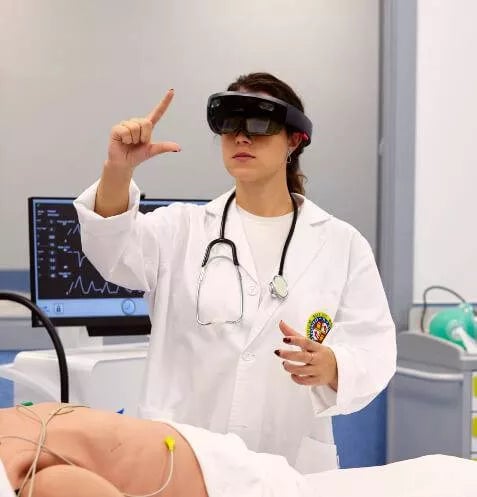
A unique centre in Spain to complete your training in the most innovative, well-rounded way. Find out more

First healthcare facility created by UAX to provide you with the most comprehensive training focused on real-world practice. Find out more

Complete our form, give us a call or request a visit to UAX. We’re excited to show you everything we’ve prepared for you.

A professional from our university will offer guidance and help you select the path that aligns best with your interests.

Apply for admission to our university and take an admission test, either in person or online, whichever suits you best!

We recognise your potential and believe you have the right skills to thrive as a UAX student. Now, proceed with the necessary formalities—reserve your spot!

Enrol in your courses, meet the deadlines and follow the payment procedures to secure your place and fulfil the legal admission requirements.

You’re now part of UAX! Prepare to embark on a unique educational journey where you’ll take centre stage. Welcome to your university!
Necesitamos saber un poco sobre ti para poder atenderte de forma personalizada.
All fields are required
At UAX we know that studying is an investment, which is why we give you the resources to access our qualifications. Learn about some of our scholarships and grants:
Train with the best professionals

We conduct clinical simulations that provide confidence and safety to students during their practices.
Mentors, counsellors, mediators or therapists, at all ages and in public and private settings where humans operate.
Not sure what you would like to do?
We help you discover which programme fits your profile.





You may also be interested in
We boast a very diverse academic offer, so you can be sure to find a programme that suits you

Degree in Nursing
In collaboration with:


Start:
September
Length:
4 years

Bachelor’s Degree in Pharmacy + Expert in Pharmacy Strategic Direction and Management
Start:
September
Length:
5 years

Bachelor’s Degree in Biotechnology
Start:
September
Length:
4 years
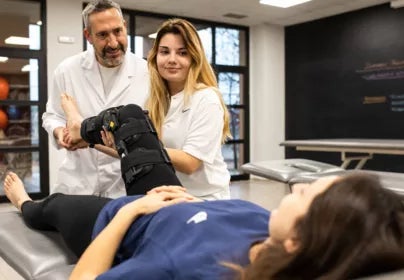
Bachelor Degree in Physiotherapy
In collaboration with:


Start:
September
Length:
4 years