Official qualification
OPEN CALL 2026
Specialising with a master's degree in dentistry is key to advancing your professional career and developing a more competitive clinical profile in a highly specialised sector. At UAX you can choose from different areas such as orthodontics, implantology, paediatric dentistry or aesthetic dentistry, with a practical focus oriented towards real clinical application. ENTRY REQUIREMENT: A GRADUATE DEGREE IN DENTISTRY.
Masters in Dentistry

Master's Degree in Oral Implantology and Implant-Supported Prosthetics
In collaboration with:


Start:
September
Length:
2 years
.jpg.webp)
Master's Degree in Orthodontics
In collaboration with:

Start:
September
Length:
2 años

Master's Degree in Oral Surgery, Implantology and Periodontology
In collaboration with:


Start:
September
Length:
2 years
Master's Degree in Dental Aesthetics and Restorative Dentistry
In collaboration with:


Start:
September
Length:
10 months

Master's Degree in Paediatric Dentistry
Start:
September
Length:
1 year
Master’s Degree in Continuing Professional Development in Orthodontics and Dentofacial Orthopaedics
Start:
September
Length:
3 years
Master's Degree in Digital Dentistry
In collaboration with:

Start:
October
Length:
1 year
Master's Degree in Advanced Continuing Education in Orthodontics
Start:
September
Length:
3 years
Master in Surgery, Implantology and Digital Oral Rehabilitation
In collaboration with:
Start:
September
Length:
2 years
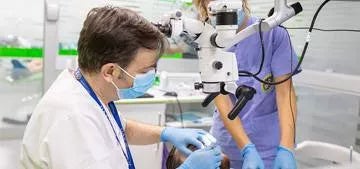
Diploma of Specialisation in Endodontics and Restorative Dentistry
In collaboration with:


Start:
June
Length:
1½ months
A degree in dentistry provides a general foundation, but specialisation is essential for an advanced clinical career. A master's degree in dentistry allows you to study specific techniques in depth, improve your clinical practice and gain access to areas with greater demand and specialisation.
Specialisation allows access to more advanced opportunities within the sector:
In addition, it improves professional positioning and the ability to attract patients in specific areas.
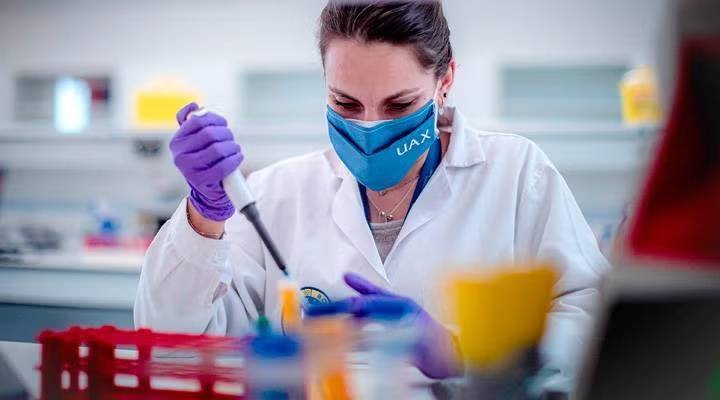
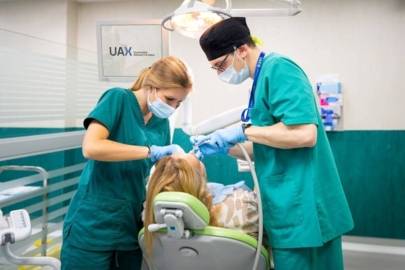
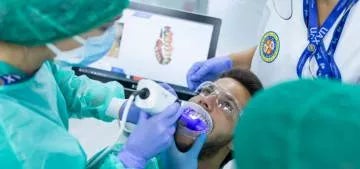
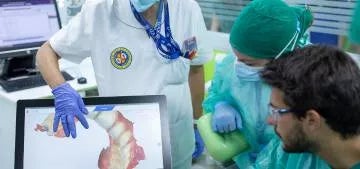
UAX stands out for its practical and clinical approach, with access to specialised facilities such as its own dental clinics and advanced learning technology. The training model is oriented towards real practice, with direct contact with patients and clinical situations from an early stage.
Specialities such as orthodontics, implantology and cosmetic dentistry are some of the most sought-after in the job market, especially in private clinics.
It is not compulsory, but it is highly recommended. Specialisation is key to accessing better career opportunities and differentiating yourself in a competitive sector.
The duration is usually 1 to 2 years, depending on the programme and its level of specialisation.
It depends on your interests: orthodontics, surgery, aesthetics or child treatment are some of the main areas. The choice should be based on the type of clinical practice you want to develop.
It depends on the programme, but many are designed to combine training and clinical practice.
Salaries vary according to specialisation and experience, but specialisation often leads to higher incomes, especially in private clinics.
You can work in private clinics, specialised centres, hospitals or develop your own practice.
Yes, the programmes are oriented towards real clinical practice, allowing for direct experience with patients.