Official qualification
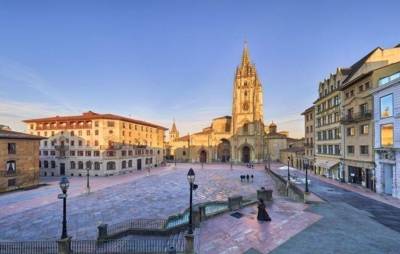
Oviedo
Be part of the generation of nurses best prepared to care for patients and their families. Our nurses are sought after by the most prestigious hospitals for their more than 2,300 hours of quality practice, their extra certificate in Emergency Medicine and their preparation to perform in any field of nursing.
Top 2 Best Nursing Degrees in Spain (ConSalud.es Ranking 2024)
In collaboration with:


Being in constant contact with the sector’s leading healthcare organisations enables us to anticipate their needs and tailor your training so that you acquire the skills they require: with high-level practical experience from the very first year, a digital profile, familiarity with the healthcare technology of the future, telemedicine, and person-centred care.
So how will we train you in these skills on the UAX Bachelor’s degree in Nursing?
You will acquire professional skills to enable you to perform your role with confidence in real-world practice, as well as skills relating to the patient experience.
















Bachelor’s Degree in Nursing
First Year
ANNUAL SUBJECTS
| Code | Subjects | Character* | ECTS |
|---|---|---|---|
| N10100 | Psychology | FB | 6 |
| N10101 | Basic Nursing Care | FB | 6 |
| TOTAL: | 12 | ||
FIRST FOUR-MONTH PERIOD
| Code | Subjects | Character* | ECTS |
|---|---|---|---|
| N10102 | Biology | FB | 6 |
| N10103 | Anatomy of the human body | FB | 6 |
| N10105 | History and Foundations of Nursing | FB | 6 |
| N10106 | Biostatistics and ICTs | FB | 6 |
| TOTAL: | 24 | ||
SECOND FOUR-MONTH TERM
| Code | Subjects | Character* | ECTS |
|---|---|---|---|
| N10104 | Person-centred care and clinical safety | OB | 6 |
| N10107 | Physiology of the Human Body | FB | 6 |
| N10108 | Evidence-based nursing | FB | 6 |
| N10109 | Practicum I | OB | 6 |
| TOTAL: | 24 | ||
Second Year
ANNUAL SUBJECTS
| Code | Subjects | Character* | ECTS |
|---|---|---|---|
| N20100 | Mental Health Care | OB | 6 |
| N20101 | Biochemistry and Nutrition | FB | 6 |
| N20102 | Clinical Nursing I | OB | 12 |
| N20103 | Nursing in the field of ageing | OB | 6 |
| N20104 | Family and Community Nursing I | OB | 6 |
| N20105 | Practicum II | OB | 15 |
| TOTAL: | 51 | ||
FIRST FOUR-MONTH PERIOD
| Code | Subjects | Character* | ECTS |
|---|---|---|---|
| N20106 | Pharmacology | FB | 6 |
| TOTAL: | 6 | ||
SECOND FOUR-MONTH TERM
| Code | Subjects | Character* | ECTS |
|---|---|---|---|
| N20107 | Digital Health | OB | 3 |
| TOTAL: | 3 | ||
Third Year
ANNUAL SUBJECTS
| Code | Subjects | Character* | ECTS |
|---|---|---|---|
| N30100 | Clinical Nursing II | OB | 12 |
| N30101 | Practicum III | OB | 24 |
| N30102 | Palliative Care and Applied Ethics | OB | 6 |
| TOTAL: | 42 | ||
FIRST FOUR-MONTH PERIOD
| Code | Subjects | Character* | ECTS |
|---|---|---|---|
| N30103 | Women’s Healthcare | OB | 6 |
| TOTAL: | 6 | ||
SECOND FOUR-MONTH TERM
| Code | Subjects | Character* | ECTS |
|---|---|---|---|
| N30104 | Paediatric and Adolescent Nursing | OB | 6 |
| N30105 | Leadership, Management and Legislation in Nursing | OB | 3 |
| TOTAL: | 9 | ||
OPTIONAL SUBJECTS
| Code | Subjects | Character* | ECTS |
|---|---|---|---|
| N/A | Elective | OP | 3 |
| TOTAL: | 3 | ||
Year 4
ANNUAL SUBJECTS
| Code | Subjects | Character* | ECTS |
|---|---|---|---|
| N40100 | Practicum IV | OB | 39 |
| N40101 | Final Year Project | OB | 12 |
| TOTAL: | 51 | ||
OPTIONAL SUBJECTS
| Code | Subjects | Character* | ECTS |
|---|---|---|---|
| N/A | Elective | OP | 9 |
| TOTAL: | 9 | ||
List of Elective Modules
ANNUAL SUBJECTS
| Code | Subjects | Character* | ECTS |
|---|---|---|---|
| N40130 | Modern Language II | OP | 3 |
| N40131 | Nursing Education for Sustainable Development | OP | 3 |
| N40132 | Education for cooperation and development | OP | 3 |
| N40133 | Teaching Skills for Nursing | OP | 3 |
| N40134 | Social welfare and marginalisation | OP | 3 |
| N40135 | School Health | OP | 3 |
| N40136 | Global Health and Sustainability | OP | 3 |
| N40137 | Psychosocial Care for People with Disabilities | OP | 3 |
| TOTAL: | 24 | ||
FIRST FOUR-MONTH PERIOD
| Code | Subjects | Character* | ECTS |
|---|---|---|---|
| N30130 | Modern Language I | OP | 3 |
| N30131 | Occupational Health | OP | 3 |
| TOTAL: | 6 | ||
*Character: BT: Basic Training, Ob: Required, Op: Optional






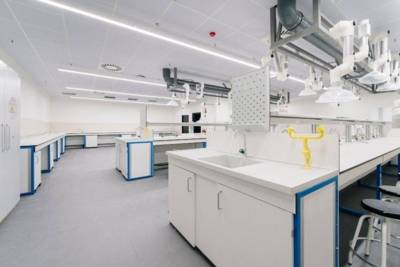
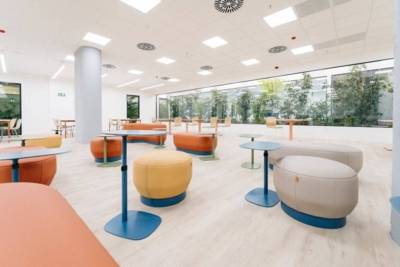
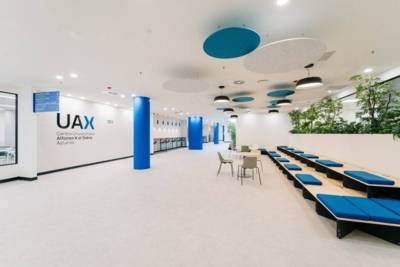
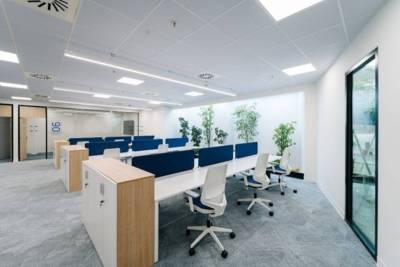
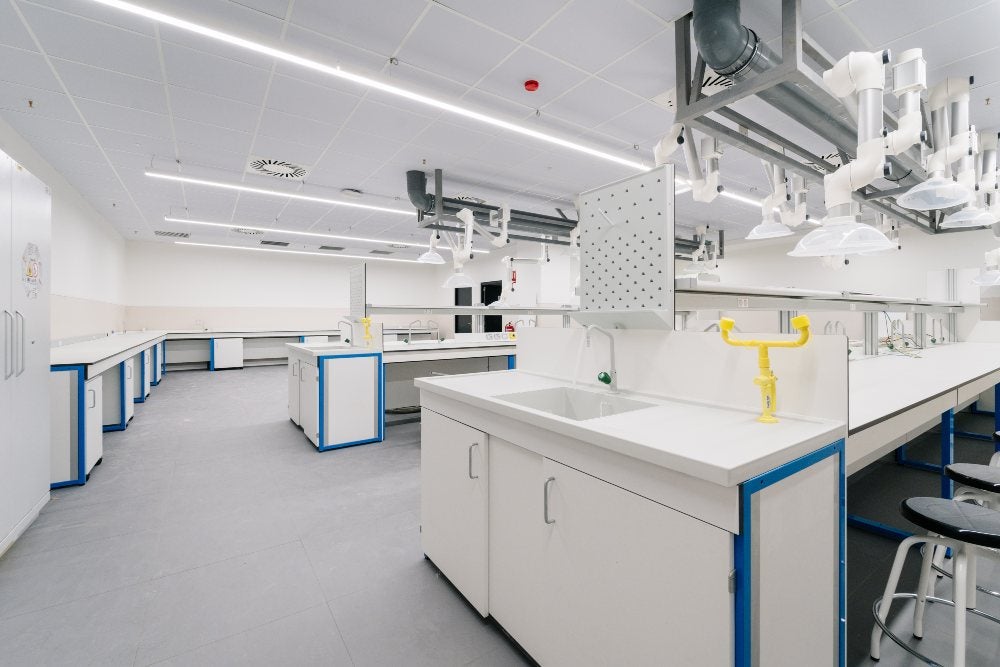
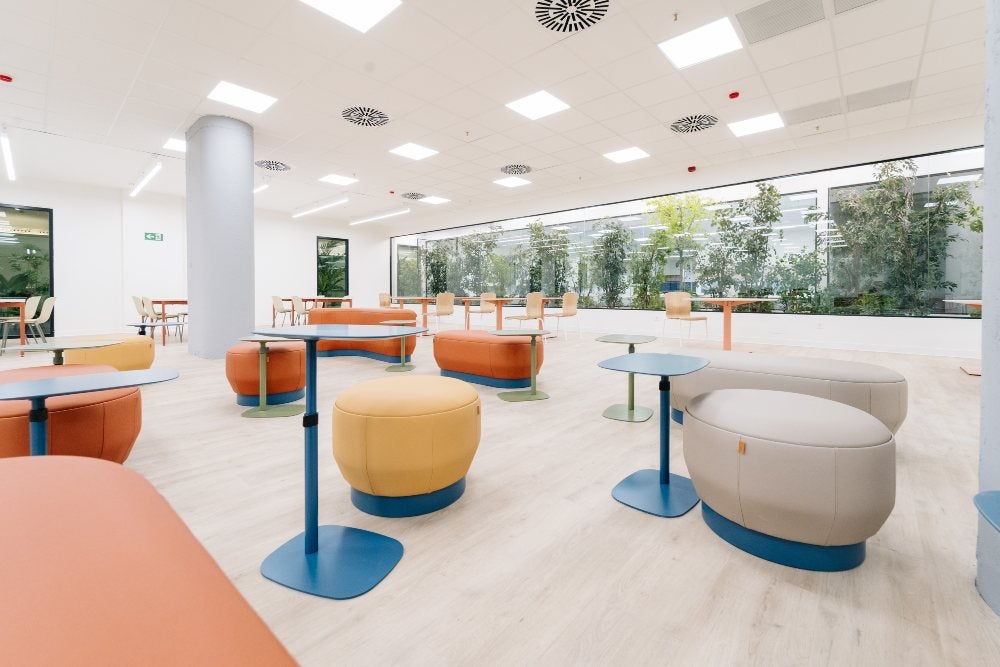
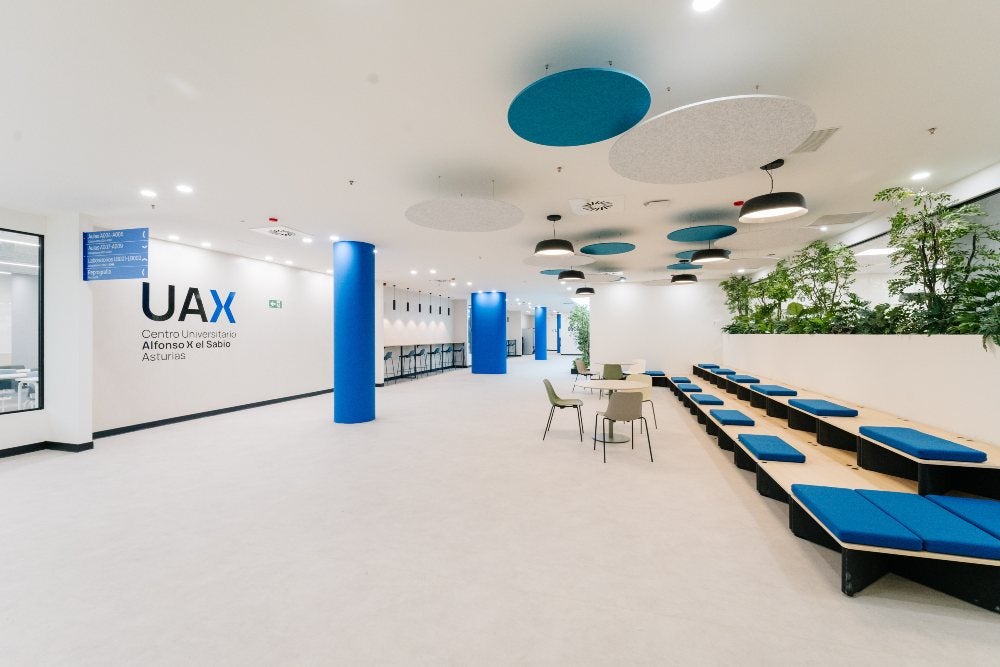
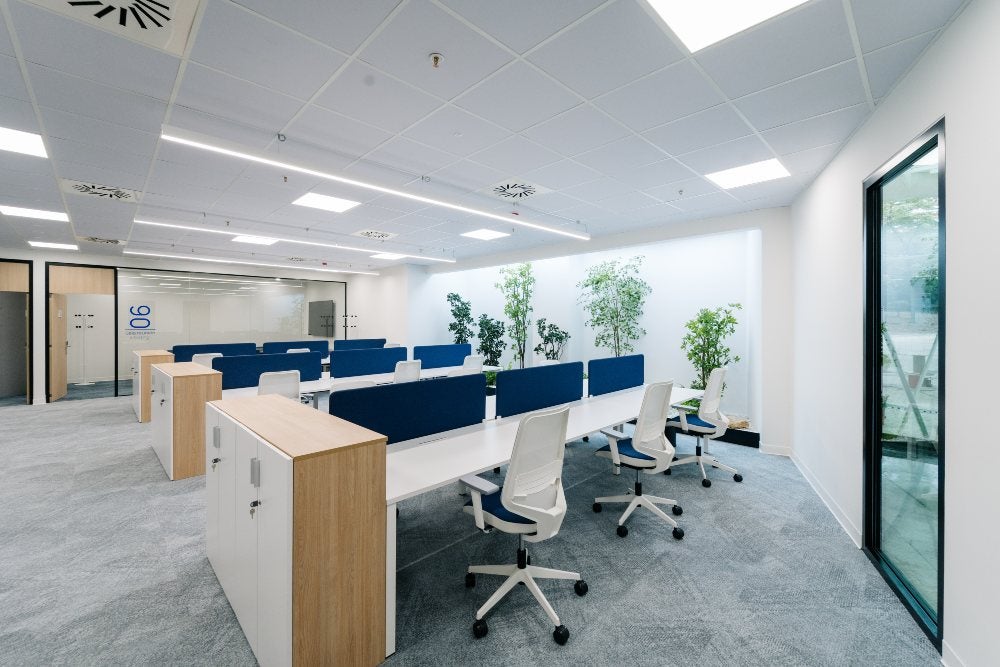
The images shown are digital renderings of the UAX Asturias campus and may be subject to change.


Feedback from our UAX students

Desde el primer curso he podido realizar muchas horas de prácticas en distintos hospitales, algo imprescindible para estar preparada para empezar a trabajar como enfermera.

Tenemos docentes muy bien preparados y completamente implicados. En el Hospital Virtual de Simulación, desarrollamos habilidades de cara a afrontar las prácticas clínicas que realizaremos en uno de los muchos hospitales con los que tiene convenio UAX.

He elegido UAX porque me parece una Universidad super moderna y que tiene un Hospital Virtual muy completo.

Lo que más he disfrutado de estudiar el Grado de Enfermería en UAX han sido las prácticas internas en el Hospital Virtual de Simulación, que me ha permitido tener una mejor conexión y preparación en la práctica hospitalaria.

Siendo #UAXmaker podrás trabajar y estudiar a la vez, siempre acompañado de un gran equipo que te ayuda en todo lo que necesites.



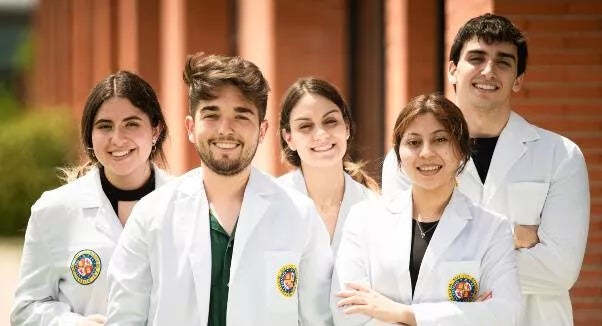

20.000 m² de salud y tecnología, pensados para desarrollar tu carrera con metodologías innovadoras y tecnología de última generación.

UAX joins the rise of the city as an engine of talent, betting on the training of key professional profiles in areas of maximum employability such as health, sport, business, technology and design. UAX Mare Nostrum, an international university that inspires and develops the talent of people throughout their professional lives so that they can realise their purpose and generate social impact.
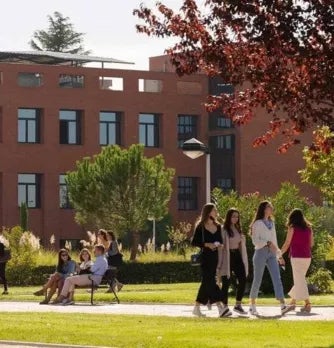
1,000,000 m2 designed to develop your career with innovative methodologies in classrooms equipped with the latest technology, specialised laboratories, a library with an extensive catalogue of books and digital resources, study rooms, sports areas, cafeterias and green areas.
Our advisers will be delighted to help you
All fields are required