See all Online Master's Degrees in Health
See all Master's Degrees in Engineering
Most searched curriculums
Official qualification
Online
If you are a healthcare professional, you want to boost your career and be a key player in the creation of value and the digital transformation of any healthcare environment, we present the official master's degree in healthcare management. An education that integrates the strategic vision of e-Health.
A university degree in Health Sciences is essential.
In collaboration with:

Become the healthcare executive of the future with the Master’s Degree in Healthcare Management. Focus on e-Health, digital transformation and innovation in healthcare. This officially recognised programme equips you to play a key role in the digital transformation of any healthcare organisation, combining traditional management with technological innovation. You will develop the leadership skills that the sector urgently requires, ranging from resource optimisation to the implementation of e-Health solutions that improve clinical outcomes and the patient experience.
You will learn to lead the transition from traditional care management towards value- and outcomes-based models, utilising artificial intelligence, machine learning and telemedicine tools. You will master the analysis of population data, the use of validated wearables and the design of digital health strategies with a real impact on the sustainability of the system. Through real-life success stories and guidance from active healthcare executives, you will acquire the skills needed to take on key management roles in both the public and private sectors.
You will develop managerial, technological and innovation skills to lead within the new healthcare paradigm.
Knows the structure and functioning of health systems and designs integrated strategies.
It implements digital health solutions, telemedicine and validated technological tools.
Applies AI, machine learning and deep learning for data analytics and value-based care
Manages legal implications of digital health and sustainable financing models
Manages multidisciplinary teams and leads organisational transformation processes
Develops methodological skills in epidemiological research and innovation management.
This micro-credential equips you to use tools such as ChatGPT, Copilot, Gemini and Claude to analyse information, create content and optimise professional tasks, whilst integrating innovative solutions in an ethical and responsible manner within real-world contexts.

Develop your professional potential through leadership and interpersonal skills in healthcare settings. This micro-credential provides you with the keys to managing teams, communicating effectively and solving problems in real-world settings, by applying personal leadership techniques and practical productivity tools in the healthcare sector.
Master's Degree in Health Management and Administration
First Year
ANNUAL SUBJECTS
| Code | Subjects | Character* | ECTS | ||||||||||||||||||||||||||
|---|---|---|---|---|---|---|---|---|---|---|---|---|---|---|---|---|---|---|---|---|---|---|---|---|---|---|---|---|---|
| M132000 | Healthcare and Clinical Management | OB | 12 | ||||||||||||||||||||||||||
Healthcare and Clinical ManagementCódigo: M132000 Imprimir Year 1. Annual module. Compulsory. 12 credits. Profesores
Objectives To understand the impact of digital technologies on the healthcare ecosystem, at both the organisational and clinical levels. To understand the different types of healthcare systems and the key aspects of healthcare management, in both the public and private sectors. To integrate the strategies, protocols and investments required in the field of digital health. To understand and be able to apply theories and models relating to the structure, organisation and functioning of healthcare systems To understand and integrate the political, social, legal and economic foundations of healthcare systems. To learn about healthcare management through success stories focused on digitalisation and innovation in healthcare. Prerequisites Hold a degree in a health sciences-related field. Learning outcomes Knowledge RK1. Understands the characteristics of public and private healthcare structures and how they operate in order to manage healthcare resources efficiently. Skills and competences RS1. Applies methodological and instrumental tools to assess the quality of care provided by healthcare centres. Competences RC1. Assesses the quality management procedures and systems of healthcare centres and services to ensure quality is maintained over time. RC2. Assesses, within the clinical context, the various leadership and management tools in order to apply them to decision-making in healthcare practice. Description of the content • Current context. Healthcare models and systems. • Comparative analysis of healthcare systems. • Healthcare systems in the European Union and in OECD countries outside the EU. • The Spanish healthcare system. Structure, organisation and operation • Organisation of primary care. • The structure of specialist care • Emergency care networks. • The health insurance sector. The pharmaceutical sector. • Patient-centred healthcare organisation. • Healthcare accreditation. Accreditation models and approaches in the US and Europe • Clinical management (planning, organisation, coordination and evaluation). • Clinical management in mental health, geriatrics and paediatrics. • Clinical management units; challenges in integrating professionals. Translational research. e-Health: • Governance models. • Care for patients with chronic conditions. • Tools and methods for promoting creativity and innovation. • Management of the innovation process. • Technological, organisational and social innovation in the healthcare sector. • Quality of care and patient safety. • Quality models and systems. • Performance evaluation of centres, units and services. • Health risk management. Training activities - Lectures - Interactive classes - Guided exercises on the platform - Self-study, independent work on case studies or projects - Online tutoring - Knowledge tests Assessment system and criteria - Submission of assignments and case studies: 15% - Self-assessment tests: 15% - In-person final exam: 70% Appendix Recommended reading: 1. Blanco Rubio A. Changes in the healthcare model and the doctor-patient relationship. I + S Journal. Digital Transformation Special Issue. Issue 120. Spanish Society for Health Informatics; December 2016. Available at: https://seis.es/revista-is/ 2. Blanco Rubio A. Service innovation as a driver of transformation in the healthcare sector. I + S Journal. Digital Transformation Special Issue. Issue 135. Spanish Society for Health Informatics; June 2019. Available at: https://seis.es/revista-is/ 3. Drummond MF, Sculpher MJ, Torrance GW, O’Brien BJ, Stoddart GL. Methods for the economic evaluation of health care programmes. 3rd ed. Oxford: Oxford University Press; 2005. 4. IDIS Foundation. Patient experience in private healthcare. First study measuring patient experience in private healthcare in Spain [Internet]. June 2018. Available at: https://www.fundacionidis.com/informes/experiencia-de-paciente/experiencia-de-paciente-en-sanidad-privada-2019 5. IDIS Foundation. Interoperability in the healthcare sector. The patient as the key player [Internet]. December 2016. Available at: https://www.fundacionidis.com/informes/otros-informes/sanidad-privada-aportando-valor-analisis-de-situacion-2016 6. Merck Foundation. E-health and change in the healthcare model [Internet]. May 2020. Available at: https://www.fundacionmercksalud.com/coleccin-de-biotica/vol-25-e-salud-y-cambio-del-modelo-sanitario/ 7. García Ruiz ME. History of the Spanish healthcare system. Madrid: Editorial Síntesis; 2013. 8. González Márquez MC, editor. The National Health System: Past, Present and Future Challenges. Madrid: National University of Distance Education (UNED); 2015. 9. Jefferson T, Demicheli V, Mugford M. Elementary economic evaluation in healthcare. 2nd ed. London: BMJ Books; 2000. 10. Judt T. Postwar: A History of Europe since 1945. London: Penguin; 2005. Spanish edition: Posguerra: Una historia de Europa desde 1945. Madrid: Taurus; 2006. 11. Kielhorn A, Graf von der Schulenburg JM, Antoñanzas F. Handbook of health economics. Madrid: GlaxoSmithKline; 2002. 12. World Health Organisation. Glossary of Health Promotion Terms. Geneva: WHO; 2001. 13. World Health Organisation. Rehabilitation in health systems: a guide to action [Internet]. Geneva: WHO; 2019 [cited 13 Jan 2025]. Available at: https://apps.who.int/iris/bitstream/handle/10665/331228/9789240001763-spa.pdf?sequence=1 |
|||||||||||||||||||||||||||||
| TOTAL: | 12 | ||||||||||||||||||||||||||||
FIRST FOUR-MONTH PERIOD
| Code | Subjects | Character* | ECTS | ||||||||||||||||
|---|---|---|---|---|---|---|---|---|---|---|---|---|---|---|---|---|---|---|---|
| M132001 | Economic Evaluation in the Healthcare Sector | OB | 6 | ||||||||||||||||
Economic Evaluation in the Healthcare SectorCódigo: M132001 Imprimir Course 1: First-semester module. Compulsory. 6 credits. Profesores
Objectives To examine economic evaluation as applied to the healthcare sector, with a particular focus on the economic impact of digital transformation on a healthcare management model in terms of cost-effectiveness and sustainability. To analyse the various models of healthcare financial management, addressing public-private partnership arrangements. To understand how to increase the effectiveness of preventive and care-related measures. To acquire the knowledge required for the appropriate measurement, evaluation, monitoring and traceability of Digital Health interventions. Prerequisites It is recommended that you hold a degree in a health sciences-related field. Learning outcomes Knowledge RK4. Understands the fundamentals of economic and financial control in healthcare institutions, including different management models and public-private partnership arrangements Skills RC6. Carries out an economic analysis of healthcare institutions and the stakeholders involved in healthcare systems in order to make decisions that contribute to the sustainability of the system. Course content Concepts of economic evaluation. Health economics. • Criteria of efficacy, efficiency, effectiveness, equity, performance and cost-effectiveness. • Economic evaluation applied to the healthcare sector. • Types of economic evaluation analysis: cost-minimisation, cost-effectiveness, cost-benefit and cost-utility analysis. • Models for the provision and funding of healthcare services • Pharmacoeconomics. Health technology assessment. • Financial management models in healthcare institutions. • Foundations in the healthcare sector Training activities - Lecture sessions - Interactive classes - Guided exercises on the platform - Independent study, working independently on case studies or projects - Independent work - Online tutoring - Knowledge tests Assessment system and criteria - Submission of assignments and case studies: 15% - Self-assessment tests: 15% - In-person final exam: 70% Appendix Bibliography: -Rubio Cebrián S. Glossary of Health Planning and Economics. Madrid: Díaz de Santos; 2000. -Puig-Junoy J, et al. The Monetary Value of Health. Berlin: Springer-Verlag; 2001. -Gisbert i Gelonch R. Health Economics. Barcelona: Masson; 2002. -Kielhorn A, Graf von der Schulenburg JM, Antoñanzas F. Handbook of Health Economics. Madrid: GlaxoSmithKline; 2002. -Domínguez‑Gil Hurlé A, Soto Álvarez J. Pharmacoeconomics and Health Outcomes Research. Madrid: Royal Academy of Pharmacy; 2002. -Badía X. Health Outcomes Research. Barcelona: Novartis Farmacéutica; 2000. -Luce B, Elixhauser A. Standards for the Socioeconomic Evaluation of Healthcare. Berlin: Springer-Verlag; 1990. -Andalusian School of Public Health. Research methodology. Granada; 1996. -Jefferson T, et al. Elementary Economics Evaluation in Health Care. BMJ Books; 2000. -Drummond M, et al. Methods for the Economic Evaluation of Health Care Programmes. Oxford: Oxford University Press; 2005. -Jimeno Ullastres JA, Repullo Labrador JR, Rubio Cebrián S. Health economics. Tools. Manuals on Medical Directorate and Clinical Management. Madrid: Díaz de Santos; 2006. -Conde J, Imaz I, González J, Alcaide JF. Guide to the preparation of health technology assessment reports. Madrid: Agency for Health Technology Assessment (AETS); 1999. |
|||||||||||||||||||
| M132002 | Management Skills and Human Resources Management | OB | 6 | ||||||||||||||||
Management Skills and Human Resources ManagementCódigo: M132002 Imprimir Course 1: First-semester module. Compulsory. 6 credits. Profesores
Objectives To develop the skills required to lead projects and manage teams To manage change within healthcare organisations in line with the skills acquired in digital health. Prerequisites It is recommended that you hold a degree in a health sciences-related subject. Learning outcomes Knowledge RK5. Understands the legal and professional framework within which labour relations in the healthcare system operate. Skills and competences RS4. Applies occupational health and safety measures in healthcare settings Competencies RODS. Develops effective communication, teamwork, analytical thinking, creativity and ethical leadership from a cross-cutting perspective, clearly inspired by democratic principles and values, as well as the Sustainable Development Goals, in order to conduct oneself with integrity in the professional sphere RC7. Independently develops leadership skills to set performance targets for multidisciplinary clinical teams RC8. Designs the healthcare organisational structure in accordance with different management models to ensure the effective functioning of care teams Description of the content • Knowledge, skills and tools for managerial work. • Leadership styles. Leadership and team management • Change management in healthcare organisations. • Characteristics of healthcare leadership across different management models • Characteristics of management roles and levels of responsibility. • The legal and professional framework within which labour relations operate in the healthcare system. • Occupational health. Prevention of occupational risks Staff recruitment. Motivation and job satisfaction. Characteristics of healthcare management across different management models Characteristics of management roles and levels of responsibility. “Value management” Occupational health and safety. Prevention of occupational risks The legal and professional framework within which labour relations operate in the healthcare system. Human resources planning in the healthcare sector. Types of employment contracts and career paths. “The new values of healthcare professionals” Continuing professional development. Knowledge management: teaching, research and professional development. “Leading projects. Managing teams” “The value of multidisciplinary teams” Training activities Lectures Interactive classes Guided exercises on the platform Self-study, independent work on case studies or projects Online tutoring Knowledge tests Assessment system and criteria Participation in discussions and workshops Presentation of assignments and resolution of case studies Self-assessment tests In-person final exam. Final assessment: -Presentation of assignments and case studies: 15% -Self-assessment tests: 15% -In-person final exam: 70%. Appendix Recommended reading: -Ayuso D, Herrera I. Leadership in Healthcare Settings. -ESAN. What is the role of the BSC in the management of healthcare organisations? Available at: https://www.esan.edu.pe/apuntes-empresariales/2018/05/cual-es-el-papel-del-bsc-en-la-gestion-en-empresas-de-salud/ -Healthcare in Europe. Leadership in Healthcare Management. Available at: https://healthcare-in-europe.com/en/news/el-liderazgo-en-la-gesti-n-sanitaria.html -Guerrero M. SEDISA Professionalisation Manifesto 2013. SEDISA Journal. No. 26. -Madrid Business Confederation (CEIM). Management Skills. -Koontz H, Weihrich H. Elements of Management. -Neri, A. Leadership in Health Services. Medical Education and Health. -Byram. Leadership: a skill, not a role. AACC Clin. Issues. -Pereda S, Berrocal F. Competency-Based Human Resource Management. -Cuevas JM, Hammar H. Communication and Business Organisations. CEOE. -Tobar F. Healthcare Management Models. -Heller R. Decision-Making. |
|||||||||||||||||||
| M132003 | Healthcare Legislation and Ethics | OB | 6 | ||||||||||||||||
Healthcare Legislation and EthicsCódigo: M132003 Imprimir Course 1: First-semester module. Compulsory. 6 credits. Profesores
Objectives To provide an update on the regulation of the use of digital tools from the perspective of ethical and professional principles that ensure the protection of patients in every respect at all times. To analyse the legal implications of digital health and the new paradigm arising from its use. To ensure a correct interpretation of the LOPDGDD (Organic Law 3/2018 on the Protection of Personal Data and the Guarantee of Digital Rights). Prerequisites It is recommended that participants hold a qualification in a health sciences-related field. Learning outcomes Knowledge RK3. Understands the bioethical and healthcare jurisprudence aspects that apply within the healthcare sector Skills and competences RS2. Applies mediation systems to resolve conflicts within the healthcare sector RS3. Applies regulatory standards to the activities and roles of healthcare professionals in accordance with the legal framework of the healthcare sector. Competencies RC5. Apply the fundamentals of healthcare law to propose alternatives to complex situations in clinical practice from the perspective of professional ethics, management and the healthcare organisation. Description of the content The responsibilities of healthcare professionals. Rights and obligations. Relations with the pharmaceutical industry. • Managerial liability. Financial liability. • Patients’ rights and obligations within healthcare systems. • Mediation systems. • Healthcare case law. • Bioethics. Bioethics in decision-making within the healthcare sector. Training activities Lectures Interactive classes Guided exercises on the platform Self-study, independent work on case studies or projects Online tutoring Knowledge tests Assessment system and criteria Participation in discussions and workshops Presentation of assignments and resolution of case studies Self-assessment tests In-person final exam. Final assessment percentages: -Final exam: 70% -Self-assessment tests: 15% -Presentation of assignments and case studies. Appendix Recommended reading: 1. Blanquer Criado D. Financial liability in times of a pandemic. Valencia: Tirant Lo Blanch; 2020. 2. Cobo Peralta T, Cobo Olvera T. The procedure for claiming financial liability from public authorities: Law 30/2015 and Law 40/2015. Legislation, case law, legal doctrine and forms. Barcelona: Editorial Bosch; 2019. 3. Delgado Sancho CD. Financial liability of public authorities. Madrid: Gomylex; 2014. 4. Fonseca Ferrandis F. A medico-legal study of disproportionate harm in the Spanish public health system. Aranzadi; 2018. 5. Gallardo Castillo MJ. Healthcare administration and financial liability. Madrid: Colex; 2021. 6. García Rubio F, Fuentes I, Gaso JR. The liability of public authorities following the new Law on the Legal Regime of the Public Sector. Four studies. Valencia: Atelier; 2017. 7. González Pérez J. Financial liability of public authorities. Navarra: Thomson-Civitas; 2006. 8. Guerrero Zaplana J. Informed consent. Its assessment in case law. Valladolid: Lex Nova; 2004. 9. Lorenzo Aparici O, Montalvo Rebuelta P. Professional liability in healthcare. Madrid: Lefevre; 2020. 10. Mnookin RH, Peppet SR, Tulumello AS. Resolving Conflicts and Reaching Agreements: How to Approach Negotiation to Generate Benefits. Barcelona: Gedisa; 2003. 11. Ortiz Fernández M. Informed consent in the healthcare sector. Madrid: Editorial Dykinson; 2021. 12. Reynal Reillo E. Informed consent and liability in the healthcare sector. Madrid: Aranzadi; 2017. 13. Rogel Vide D, Bello Janeiro D, et al. The legal framework for healthcare liability. Madrid: Editorial Reus; 2013. 14. Sánchez Carazo C. Privacy and medical confidentiality. Madrid: Díaz de Santos; 2001. 15. Vinyamata Camp E. Learning Mediation. Barcelona: Paidós; 2003. |
|||||||||||||||||||
| M132004 | Healthcare Planning Systems and Models | OB | 6 | ||||||||||||||||
Healthcare Planning Systems and ModelsCódigo: M132004 Imprimir Course 1: First-semester module. Compulsory. 6 credits. Profesores
Objectives To understand how the transition is made from traditional care management based on physical resources to a network-based approach. To design an integrated strategy. To learn how to make appropriate use of technological tools. To learn how to design a healthcare planning model. Prerequisites Hold a degree in a health sciences-related field. Learning outcomes Knowledge RK2. Understands qualitative techniques in healthcare planning and applied statistics for analysing the use of healthcare services Skills RC3. Designs clinical epidemiological research projects to develop new products or services that can be transferred to society. RC4. Designs healthcare marketing strategies and projects to identify the needs for healthcare services within the community Course description • Clinical epidemiology. Health services research and health resources research. • Qualitative techniques in healthcare planning. • Strategic management • Healthcare planning methods. Need, supply, demand and utilisation of healthcare services • Applied statistics • Research design planning • Healthcare marketing. Training activities - Lectures - Interactive classes - Guided exercises on the platform - Self-study, independent work on case studies or projects - Online tutoring - Knowledge tests Assessment system and criteria - Submission of assignments and case studies: 15% - Self-assessment tests: 15% - In-person final exam: 70% Appendix Recommended reading: 1. Barba R, Rosado C, Pardo-Moreno J, Rey-Biel J. Managing people, roles, and resources during the COVID-19 surge. NEJM Catalyst. 2020. 2. Basurto XA. An approach to strategic planning and healthcare organisations. Enfermería Glob [Internet]. 2015;14(1):32–40. Available at: https://dialnet.unirioja.es/servlet/articulo?codigo=5761614 3. Chen N, Zhou M, Dong X. Epidemiological and clinical characteristics of 99 cases of 2019 novel coronavirus pneumonia in Wuhan, China: a descriptive study. Lancet. 2020;395:507–513. doi: 10.1016/S0140-6736(20)30211-7. PMID: 32007143. 4. Fineberg HV. Ten weeks to flatten the curve. N Engl J Med. 2020;382:e37. doi: 10.1056/NEJMe2007263. PMID: 32237671. 5. Marcet X. Human and business excellence is achieved when you bring together talent and good people [Internet]. Sintetia. 2020. Available at: https://www.sintetia.com/la-excelencia-humana-y-empresarial-se-consigue-cuando-reunes-talento-y-buena-gente/ 6. Marcet X. Strategy is about people [Internet]. 7 October 2018. Available at: https://xaviermarcet.com/2018/10/07/la-estrategia-son-las-personas 7. Moazzami B, Razavi-Khorasani N, Dooghaie Moghadam A, Farokhi E, Rezaei N. COVID-19 and telemedicine: Immediate action required for maintaining healthcare providers’ well-being. J Clin Virol. 2020;126:104345. doi: 10.1016/j.jcv.2020.104345. PMID: 32278298. 8. Moreu F, Vilana J. Applications of the strategic management model to the health sector. Rev Adm Sanit. 2018;16(4):21–29. 9. Munster VJ, Koopmans M, van Doremalen N, van Riel D, de Wit E. A novel coronavirus emerging in China: key questions for impact assessment. N Engl J Med. 2020;382:692–694. doi: 10.1056/NEJMp2000929. PMID: 31978293. 10. Ritchie H, Roser M. World population growth [Internet]. Our World in Data. 2019. Available at: https://ourworldindata.org/world-population-growth 11. Rodríguez F de P, Peiró M. Strategic planning in healthcare organisations. Rev Esp Cardiol [Internet]. September 2012;65(9):749–754. Available at: https://www.revespcardiol.org/es-la-planificacion-estrategica-organizaciones-sanitarias-articulo-S030089321200258 12. Spanish Society of Healthcare Managers (SEDISA). Healthcare organisations need to adapt to the management of chronic conditions and the use of new technologies [Internet]. 2 March 2018. Available at: https://sedisa.net/2018/03/02/las-organizaciones-sanitarias-deben-transformarse-en-estructura-y-asistencia-hacia-la-cronicidad-y-el-uso-de-las-new-technologies-enabling-healthcare-professionals-to-take-on-new-roles/ 13. Wee LE, Fua TP, Chua YY. Containing COVID-19 in the emergency department: the role of improved case detection and segregation of suspected cases. Acad Emerg Med. 2020;27:379-387. doi: 10.1111/acem.13984. PMID: 32281231. 14. Willan J, King AJ, Jeffery K, Bienz N. Challenges for NHS hospitals during the COVID-19 epidemic. BMJ. 2020;368:m1117. doi: 10.1136/bmj.m1117. PMID: 32198166. 15. Wong J, Goh QY, Tan Z. Preparing for a COVID-19 pandemic: a review of operating theatre outbreak response measures in a large tertiary hospital in Singapore. Can J Anaesth. 2020;67:732–745. doi: 10.1007/s12630-020-01620-9. PMID: 3216221 |
|||||||||||||||||||
| TOTAL: | 24 | ||||||||||||||||||
SECOND FOUR-MONTH PERIOD
| Code | Subjects | Character* | ECTS | ||||||||||||||
|---|---|---|---|---|---|---|---|---|---|---|---|---|---|---|---|---|---|
| M132005 | Information Technology in the Healthcare Sector | OB | 6 | ||||||||||||||
Information Technology in the Healthcare SectorCódigo: M132005 Imprimir Course 1. Second-term module. Compulsory. 6 credits. Profesores
Objectives To identify the most relevant technological solutions (AI) To establish accreditation systems for new digital health technologies, tools and algorithms that are effective in clinical practice. Support the design of digital tools for data analysis To evaluate and promote the use of validated new technological tools (such as telemedicine) to facilitate patient monitoring and personalised care, thereby improving patients’ quality of life by encouraging self-care. Prerequisites Hold a degree in a Health Sciences-related field. Learning outcomes Knowledge RK6. Knows the methods and tools for improving the performance and efficiency of human resources in healthcare centres. Skills and competences RS5. Uses information integration tools to assess quality in healthcare centres and services. Competencies RC9. Plans, organises and manages the information systems of a healthcare centre, service or unit, using health indicators to support the decision-making process Description of the content • Design, organisation, implementation and operation of information systems in healthcare management. • Hospital morbidity surveys and other sources of information from the National Health Service • Information integration systems. • Health outcome indicators. Hospital-population ratio indicators: hospital attendance. Healthcare activity indicators • The Minimum Basic Data Set (MBDS) as a source for research • Case-mix classification systems • The balanced scorecard in healthcare organisations • Clinical documentation and data protection in the healthcare sector Training activities - Lectures - Interactive classes - Guided exercises on the platform - Self-study, independent work on case studies or projects - Online tutoring - Knowledge tests Assessment system and criteria - Submission of assignments and case studies: 15% - Self-assessment tests: 15% - In-person final exam: 70% Appendix 1. 8 Examples of Big Data Analytics in Healthcare That Can Save Lives [Internet]. Available at: https://www.datapine.com/blog/big-data-examplesinhealthcare/ 2. Big data in healthcare: management, analysis and future prospects [Internet]. Journal of Big Data. Available at: https://journalofbigdata.springeropen.com/articles/10.1186/s40537-019-0217-0 3. Big Data in the Healthcare Sector – Revolutionising the Management of Labour-Intensive Tasks [Internet]. Simplilearn. Available at: https://www.simplilearn.com/big-data-in-healthcaresector-rar359-article 4. The Data Protection Regulation in the Healthcare Sector [Internet]. Available at: https://leegaltech.com/el-reglamento-de-proteccion-de-datos-en-el-ambito-sanitario/ 5. Kaplan RS, Norton DS. The Balanced Scorecard. Barcelona: Ediciones Gestión 2000 SA; 2002. Original edition: The Balanced Scorecard: Translating Strategy Into Action. Boston: Harvard Business School Press; 1996. 6. Madrid Health Service Results Observatory [Internet]. Available at: https://www.comunidad.madrid/servicios/salud/observatorio-resultados-servicio-madrileno-salud 7. Olve NG, Roy J, Wetter M. Implementing and Managing the Balanced Scorecard. Barcelona: Ediciones Gestión 2000 SA; 2002. Original edition: *Performance Drivers: A Practical Guide to Using the Balanced Scorecard*. New York: John Wiley & Sons; 1999. Kaplan RS, Norton DS. The Balanced Scorecard. Ediciones Gestión 2000 SA; Barcelona, 2002. Original edition: The Balanced Scorecard: Translating Strategy into Action, Harvard Business School Press; 1996. Community of Madrid. Madrid Health Service Results Observatory: https://www.comunidad.madrid/servicios/salud/observatorio-resultados-servicio-madrilenosalud Olve NG, Roy J, Wetter M. Implementing and Managing the Balanced Scorecard. Ediciones Gestión 2000 SA; Barcelona, 2002. Original edition: Performance Drivers. A Practical Guide to Using the Balanced Scorecard, John Wiley & Sons; New York, 1999. |
|||||||||||||||||
| M132006 | Challenges and New Models in Healthcare Management | OB | 6 | ||||||||||||||
Challenges and New Models in Healthcare ManagementCódigo: M132006 Imprimir Course 1. Second-term module. Compulsory. 6 credits. Profesores
Objectives To understand the process of integrating shared information and data To develop a model based on knowledge and the measurement of outcomes in order to create value. To learn about new e-Health-based healthcare management models to achieve patient-centred care based on prevention and personalised healthcare. Prerequisites Hold a degree in a health sciences-related field. Learning outcomes Knowledge RK1. Understands the characteristics of public and private healthcare structures and how they operate in order to manage healthcare resources efficiently RK7. Understands the characteristics of the pharmaceutical industry and new healthcare technologies. Skills and competences RS6. Analyses sources of information and health indicators when evaluating the performance of clinical units. Competencies RC10. Integrate new healthcare technologies to improve patient diagnosis and treatment RC11. Designs processes for improvement, innovation and transformation across different services to integrate new technologies and Big Data into healthcare systems. Description of the content • Preventive healthcare and population-based models. • Big Data and data-driven management. • Industry and the healthcare sector. • The pharmaceutical industry, market access and institutional relations. • New healthcare technologies. • The sustainability of the healthcare system: factors affecting the system’s sustainability. • Technological innovation and personalised medicine. • Measuring health outcomes. • New models of public-private partnership. • Procurement models: the current procurement model, the new Public Contracts Act • New models for the procurement of medicines and technology: competitive dialogue, risk-sharing. • Patients. The industry’s, patients’ and institutions’ perspectives. • Chronic conditions, dependency and continuity of care. • External communication in healthcare. Training activities - Keynote sessions - Interactive classes - Guided exercises on the platform - Self-study, independent work on case studies or projects - Online tutoring - Knowledge tests Assessment system and criteria - Submission of assignments and case studies: 15% - Self-assessment tests: 15% - In-person final exam: 70% Appendix Recommended reading: -Spanish Society of Internal Medicine (SEMI). The Hospital of the Future. 2019. -SEOM. Cancer Statistics in Spain. 2022. -Varela J. Advances in Clinical Management [blog]. -Porter, M., & Teisberg, E. Redefining Health Care. -Brownlee S. Overtreated. -VPM Atlas. Atlas of Variations in Medical Practice in the Spanish National Health System. -Signo Foundation. VPM Atlas. 2018. |
|||||||||||||||||
| M132007 | Master’s Thesis | OB | 12 | ||||||||||||||
Master’s ThesisCódigo: M132007 Imprimir Course 1: Second-term module. Compulsory. 12 credits. Profesores
Objectives The student will: 1. Justify, design and plan a project applied to healthcare management. 2. Carry out an up-to-date literature review using all available bibliometric and bibliographic resources. 3. Recognise, combine and effectively use information and communication technologies in accordance with the context of the chosen project. 4. Will correctly draft the introduction, rationale, objectives, hypotheses, review of the literature, materials and methods, results, discussion and conclusions of their Master’s dissertation. 5. Effectively complete each of the key stages in the development of the project 6. Designs an audiovisual presentation using information technology and presents the results of the work carried out. 7. Discusses and defends their thesis in response to questions raised by the assessors following the public presentation of their work. Prerequisites Prerequisites Must have passed all modules. Learning outcomes Knowledge RK1. Understands the characteristics of public and private healthcare structures and how they operate in order to manage healthcare resources efficiently. Skills RODS. Develops effective communication, teamwork, analytical thinking, creativity and ethical leadership from a cross-disciplinary perspective, clearly inspired by democratic principles and values, as well as the Sustainable Development Goals, in order to conduct oneself with integrity in the professional sphere RC12. Prepares, presents and defends before an examination board an original piece of work that can be applied to healthcare management Description of the course content • The Master’s Thesis in Healthcare Management is a multidisciplinary module that comprehensively integrates the knowledge and skills acquired by the student throughout their learning process. • Students will produce an original professional dissertation on an aspect of healthcare management of their choice, which is sufficiently challenging and complex. • Initial proposal by the Thesis Supervisor and a preliminary outline of the chosen topic, as well as the procedure to be followed in supervising the development of the thesis. Definition of objectives and task planning • Literature review and documentation. Personalised support from the Thesis Supervisor to assist the student in obtaining the information required to successfully complete the thesis. Review, where appropriate, of the objectives initially set • The student’s own work, focused on gathering relevant data for subsequent analysis, drafting reports, searching for information in databases, and analysing articles and papers presented at national and international conferences. • Critical analysis of the results obtained and the work carried out, • Detailed discussion of the relevant aspects of the work and a proposal for its continuation or revision, under the supervision of the Thesis Supervisor, drafting of the final document and drawing of conclusions • For the Master’s Thesis, in addition to the relevance and complexity of the content, the student must produce a professional piece of work, paying close attention to its formal aspects. • Public presentation and defence of the dissertation. The minimum content to be covered in this thesis is as follows: - Abstract - Introduction/Rationale - Objectives - Materials and methods - Timetable - Dissemination of the project - Bibliography - Appendices Training activities Lectures Interactive classes Online tutoring Independent study, working independently on case studies or projects Preparation of the Master’s Thesis. Public oral defence of the Master’s Thesis Assessment system and criteria System for assessing the acquisition of competences - 25%: Assessment by the Master’s Thesis supervisor of the written report prepared by the student for the Master’s Thesis - 75%: Presentation and defence of the Master’s Thesis before a three-member examination board, which the Master’s Thesis supervisor shall under no circumstances be a member |
|||||||||||||||||
| TOTAL: | 24 | ||||||||||||||||
*Character: BT: Basic Training, Ob: Required, Op: Optional
In response to new educational needs, and with the aim of proposing a flexible model that can be better adapted to working professionals, UAX has configured a working methodology with different interconnected areas of work:
1. Virtual face-to-face sessions.
2. Audiovisual didactic resources.
3. Webinars.
4. Case studies/Forums.
5. Tutorials
6. Individual or group work
7. Online final exam
8. Preparation of the Master's thesis.
9. Defence of the Final Project.
The platform used will be UAX
This allows you to enjoy the advantages of online training, such as the freedom to set the pace of progress in your studies, as well as the possibility of maintaining contact with teachers and classmates, encouraging networking, through the communication tools of the Virtual Campus.
Our degree is official, verified by the Council of Universities and fully valid in Spain, as well as in the European Higher Education Area.
It is recognised by the Education Systems of Latin America, being recognised and approved by the different Ministries of Education in Latin America:
SENESCYT, MEN (MinEducation), SEP, Mescyt, among others, automatically.
The flexibility of online learning, with opportunities to connect
Take your exams online wherever you are or, if you prefer, in person at our designated centres in Spain and Latin America, subject to availability and capacity.
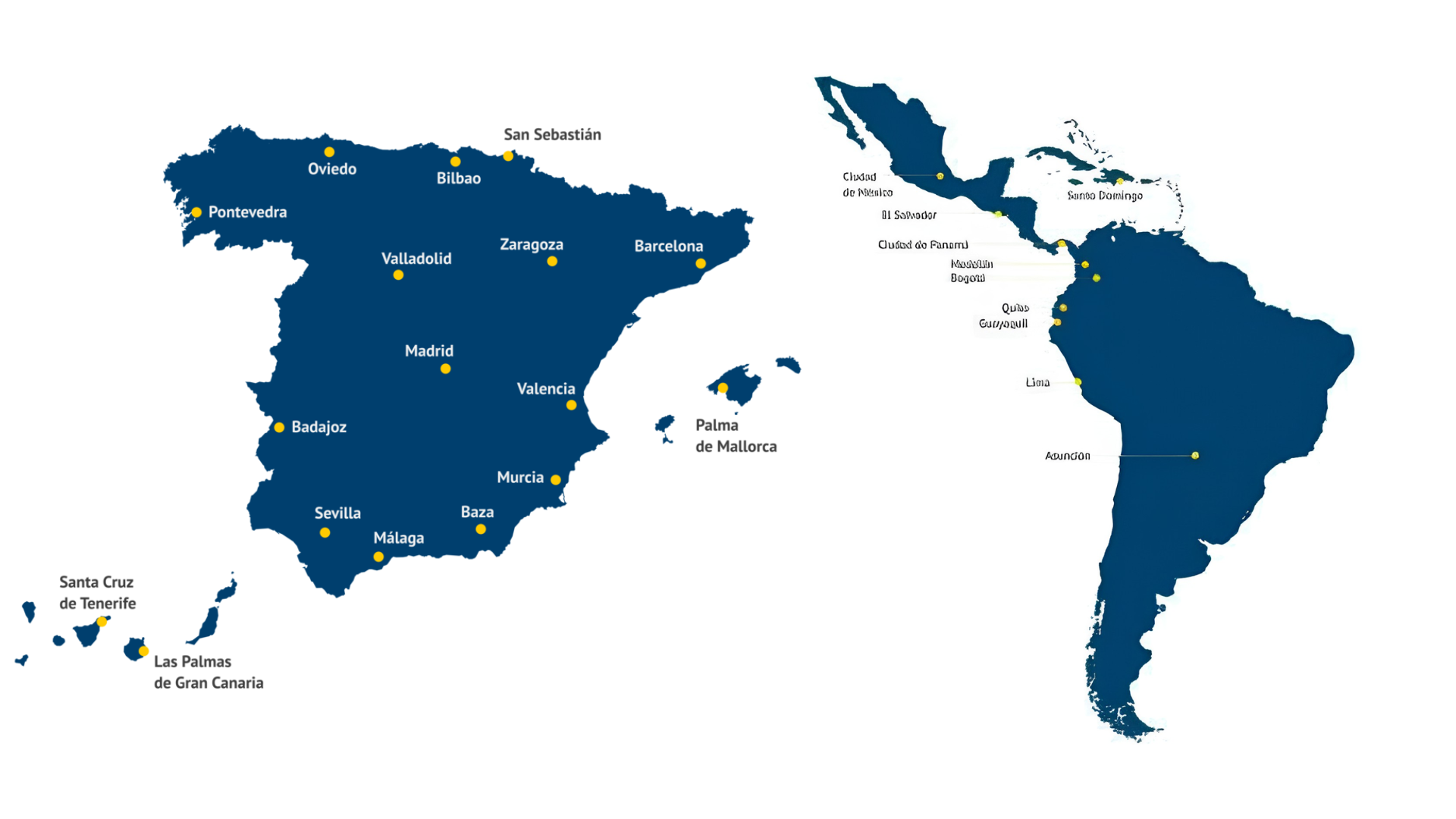
What’s more, as a student at UAX Online, you’ll have access to our Campus Hubs – a network of exclusive physical spaces where you can study, access libraries, work in co-working areas and connect with other students. Because studying online doesn’t mean studying alone.
Campus Hubs available in: Alcobendas, Alcorcón, Valencia San Vicente, Murcia, Barcelona, Málaga, Seville and Arganda.
Access is via your UAX student card, subject to availability and the opening hours of each centre.
Academic Senate
Executives who lead hospitals, transform healthcare organisations and make key decisions within the healthcare system.

Licenciada en Medicina y Cirugía, Doctora en Medicina y especialista en Medicina Familiar y Comunitaria, cuenta con una amplia trayectoria clínica, docente y de gestión sanitaria. Posee un Máster en Gestión Clínica y Dirección Médica y desarrolla su actividad en áreas vinculadas a salud digital, telemedicina, inteligencia artificial y bienestar en salud.
Licenciado y Doctor en Medicina, especialista en Cirugía General y Digestiva, cuenta con más de 30 años de experiencia clínica, docente y de gestión sanitaria. Ha desempeñado puestos de liderazgo académico y asistencial, entre ellos la jefatura de Servicio de Cirugía General y Digestiva y cargos de dirección y coordinación.

Licenciada en Medicina y especialista en Medicina Familiar y Comunitaria, actualmente es directora médica del Hospital Universitario Severo Ochoa. Cuenta con una amplia trayectoria en gestión sanitaria dentro del Servicio Madrileño de Salud, donde ha desempeñado cargos de dirección y subdirección médica tanto en atención primaria como hospitalaria.
Doctor en Medicina y especialista en Hematología, desarrolla su labor asistencial en MD Anderson Cancer Center Madrid. Cuenta con una amplia experiencia en investigación clínica, gestión sanitaria e innovación en salud, participando en proyectos internacionales vinculados a hematología, salud digital y transformación del sistema sanitario.
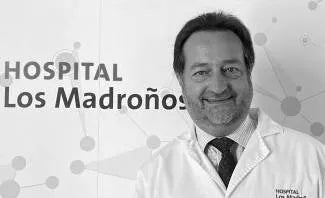
Doctor en Medicina y Cirugía, actualmente es director médico del Hospital Los Madroños. Cuenta con una amplia trayectoria en gestión sanitaria y emergencias, habiendo desempeñado cargos como viceconsejero de Asistencia Sanitaria y Salud Pública de la Comunidad de Madrid, director médico del SUMMA 112 y coordinador general del Hospital de Emergencias Enfermera Isabel Zendal.
Licenciado en Medicina y Cirugía y especialista en Cirugía General y del Aparato Digestivo, cuenta con una amplia trayectoria asistencial en distintos hospitales de referencia. Compagina su labor clínica como cirujano en el SERMAS con actividad docente y de coordinación académica en el ámbito universitario.
Licenciada en Derecho y doctora en Ciencias Biomédicas, cuenta con una amplia trayectoria en dirección y gestión sanitaria tanto en el ámbito público como privado. Ha desempeñado cargos directivos en hospitales y en el Servicio Madrileño de Salud, y está especializada en derecho sanitario, protección de datos y compliance en el ámbito de la salud.

Licenciada en Medicina y doctora en Medicina y Cirugía, es especialista en Cardiología con amplia experiencia clínica y en gestión sanitaria. Ha desarrollado su carrera asistencial en centros nacionales e internacionales, especialmente en el ámbito de la insuficiencia cardiaca, el trasplante y la asistencia cardiovascular avanzada.
Director de Organización, Procesos y TIC del Grupo Quirónsalud, cuenta con una amplia trayectoria en transformación digital y gestión tecnológica en el ámbito sanitario. Ha liderado proyectos de innovación orientados a la optimización de procesos asistenciales y al desarrollo de servicios digitales en salud, impulsando la modernización del modelo asistencial del grupo.
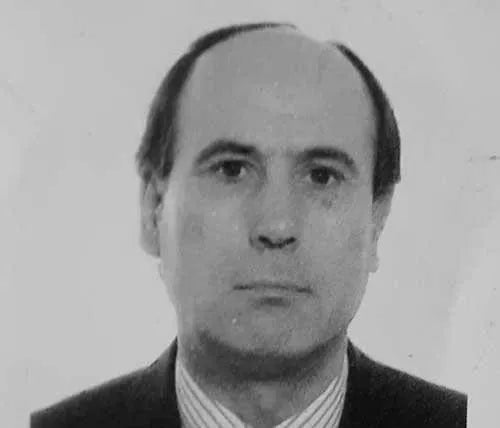
Licenciado y doctor en Derecho Sanitario, especializado en políticas públicas y gestión sanitaria. Cuenta con más de veinte años de experiencia en la administración pública sanitaria, donde desarrolla su labor como asesor jurídico en la Consejería de Sanidad de la Comunidad de Madrid. Su trayectoria se centra en el derecho sanitario, la responsabilidad médica y el derecho a la información del paciente.

Cirujano Oral y Maxilofacial, con experiencia en gestión de servicios hospitalarios en centros públicos de la Comunidad de Madrid, donde ha ejercido como jefe de servicio. Especialista en cirugía de glándulas salivales y técnicas mínimamente invasivas, combina su actividad asistencial con la dirección de equipos, la innovación quirúrgica y la docencia e investigación a nivel nacional e internacional.

Licenciada en Medicina y especialista en Pediatría, actualmente es subdirectora médica de la Fundación Jiménez Díaz. Cuenta con una amplia trayectoria asistencial y de gestión sanitaria, con experiencia en coordinación de unidades clínicas, especialmente en el ámbito neonatal.
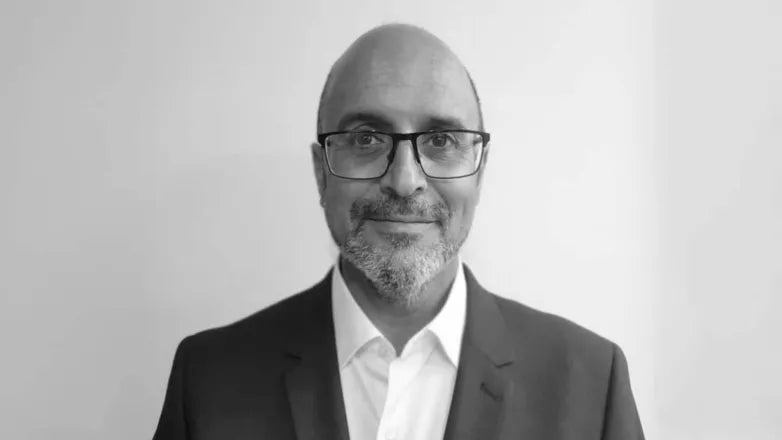
Director de Data & Analytics en Quirónsalud, responsable de la estrategia de datos y analítica del grupo. Con amplia experiencia en sistemas de información sanitaria, ha liderado la implantación de soluciones digitales, cuadros de mando y proyectos de transformación en hospitales del grupo y en la Fundación Jiménez Díaz.

Leads initiatives on safety and quality of care
Develop skills to improve patient safety and the quality of healthcare. Learn how to identify risks, foster a culture of safety, manage continuous improvement projects and measure outcomes with this specialisation from Johns Hopkins University.
Education of the highest quality and prestige
Alfonso X el Sabio University (UAX) is ranked amongst the best universities in Spain according to the leading rankings.
Our Master's Degree has been recognised as the best in the country in Health Sciences. An achievement that reflects academic excellence, innovation in content and the practical preparation we offer our students to lead in the healthcare field.
Thanks to the collaboration with Quirónsalud and a faculty made up of managers, medical directors, heads of technology and other leading professionals, we offer practical, up-to-date training that is connected to the reality of the sector.
According to the Forbes 2025 List, UAX is positioned in the TOP 2 Spanish Universities in the adoption of Generative AI in the training of its students, developing innovative learning tools and models aligned with technological evolution.
Forbes ranks UAX as the private university with the most graduates working in its area (nearly 90%), thanks to a unique educational model firmly linked to the labour market through more than 8,800 agreements with companies.
General requirements:
Specific degree requirements:
Admission Process and Admission Test Regulations.
Selection process for the Master's Degree in Healthcare Management:
Number of new places offered: 100
There is no credit recognition in this degree.
In the following link you can find the regulations for the transfer and recognition of credits:
In the case of students with specific educational needs derived from disability, the appropriate support and counselling services will be taken into account, which will evaluate the need for possible curricular adaptations, itineraries or alternative studies.
Los egresados de esta titulación adquieren una formación completa que les permite desarrollar su actividad profesional en diversos puestos de responsabilidad dentro del sector sanitario. En el sector público, los directivos de la salud se mueven en varios campos. Los principales campos de desarrollo profesional son:
We need to know a little bit about you so that we can provide you with a personalised service.
All fields are required

At UAX we know that studying is an investment, that's why we provide you with the facilities you need to access our degrees. Find out about some of our scholarships and grants:
Podrás acceder al Máster Universitario en Dirección y Gestión Sanitaria si eres graduado/licenciado universitario en Ciencias de la Salud. Además, necesitarás al menos un nivel B2 en español.
The Healthcare Management professional is responsible for the effective resolution of problems, being prepared at all times, and ensures the smooth running of the centre, the correct use and compliance with laws and regulations.
They must also know how to work as part of a team and delegate, leading and taking the right decisions in each situation, which implies a certain level of responsibility.
They are also responsible for the management of the resources available to the centre, by means of the different business skills acquired.
The Master's Degree in Healthcare Management. Focus on e-Health, digital transformation and innovation in healthcare, is aimed at all healthcare professionals who wish to develop their skills in the field of strategic management, innovation, digital transformation, technological tools and leadership in any healthcare environment, with the aim of boosting their career, adapting to the new paradigm of digital health or leading innovative and transformative solutions that result in an improved patient experience.
With the master's degree in Healthcare Management you will be able to apply for:
Other related qualifications
We offer a wide range of courses, so you’re sure to find a programme that suits you.
Master’s Degree in General Health Psychology
Start:
October
Length:
18 months
Online Expert in Psychology of High Performance Sport
In collaboration with:
Start:
November
Length:
4 months
Master’s Degree in Nursing Services Management (Online)
In collaboration with:
Start:
October
Length:
9 months
Master's Degree in Adult Emergencies and Emergencies for Nursing Professionals (Online)
In collaboration with:
Start:
October
Length:
9 months
Link to UAX Regulations:https://www.uax.com/portal-de-transparencia/normativa
Tenure regulations:https://www.uax.com/download/3028/file/Normativa_de_Permanencia_2018.pdf
You can consult the different indicators in the following links:
Main action plans for the degree:
https://www.uax.com/sistema-de-garantia-interna-de-calidad
We listen to the real demands of our students and employees, because we believe in continuous improvement of results. Therefore, we always want to hear what you want to tell us.
If you already belong to UAX, through the virtual campus in the section Customer Service: complaints, suggestions and congratulations, entering your username and password.
This degree, according to RD 822/2021 (art. 34) must undergo the process of accreditation renewal. During the development of the process, an evaluation team of the Foundation for Knowledge Madrimasd will meet with different stakeholders of the degree. In addition, they provide us with a form so that any interested party can indicate to the Foundation those aspects they consider relevant to the development of this programme.
UAX promotes a culture of quality within the university community through the UAX Quality System (SIUAX), for which the University Management bears ultimate responsibility, ensuring that the system’s planning is implemented to effectively meet quality objectives and satisfy the needs, requirements and expectations of customers and stakeholders.

The bodies responsible are:
This organisational structure facilitates two-way communication regarding the various improvement initiatives, thereby enabling and ensuring the development of a culture of quality within the University.
The Degree Programme Monitoring and Improvement Committee for the 2025–26 academic year is composed of: