Online Master’s Degree in Sports Nutrition and Training
Degree in Continuing Education
Madrid
Online Master's Degree in Sports Nutrition and Training
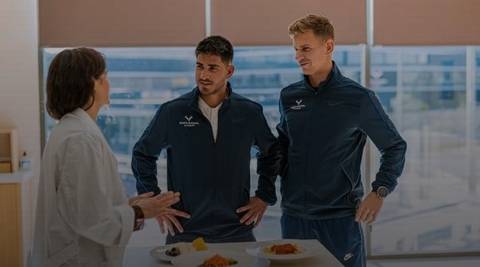
Boost your sports career with the UAX Rafa Nadal Online Master's in Sports Nutrition and Training, created in partnership with Quirónsalud and the champion's team. Train 100% online with experts from organizations such as the Rafa Nadal Academy, Movistar Team, and the Spanish National Sports Council. Gain access to internships at high-performance centers and master the latest technologies applied to nutrition.
Specialise with the Master’s degree that is leading the revolution in nutrition and performance
A unique university course, designed in collaboration with Rafa Nadal’s team and Quirónsalud. You will be trained by the very same professionals who have supported the champion on his journey to the elite, as part of a programme developed by leading figures in health, sport and performance.
Specialise in one of the fastest-growing sectors: sports nutrition and training. With a holistic approach applied to real-world contexts, you’ll acquire key skills to work with athletes from different disciplines, levels and physiological profiles.
Study 100 % online using a flexible, practical methodology that fits in with your professional or sporting life. Access the content from anywhere and set your own pace of learning without compromising on the quality of a top-tier university education.
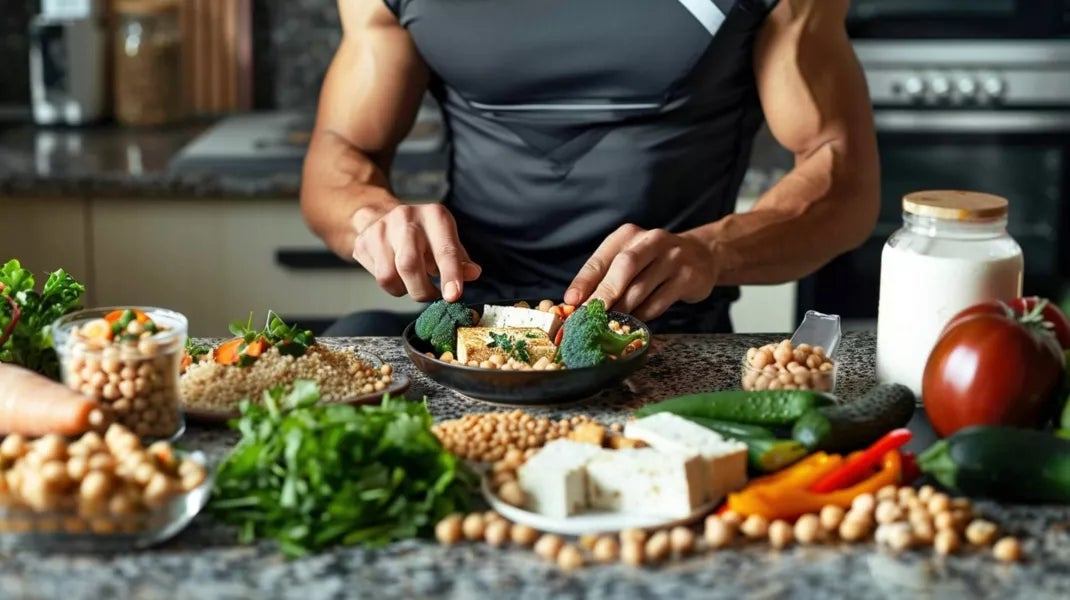
Master advanced nutritional planning tailored to the sporting cycle. Learn to design diets based on objectives, training loads and stages of the season, with specific training for groups such as female athletes, vegan athletes and those with active working lives.
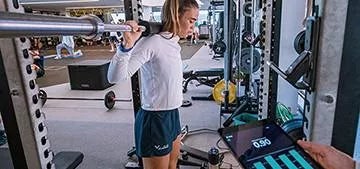
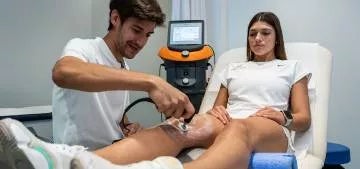
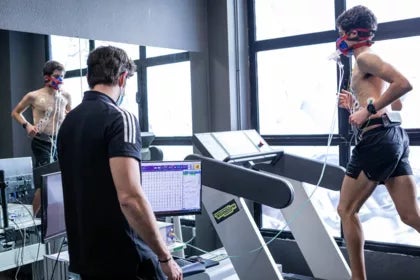
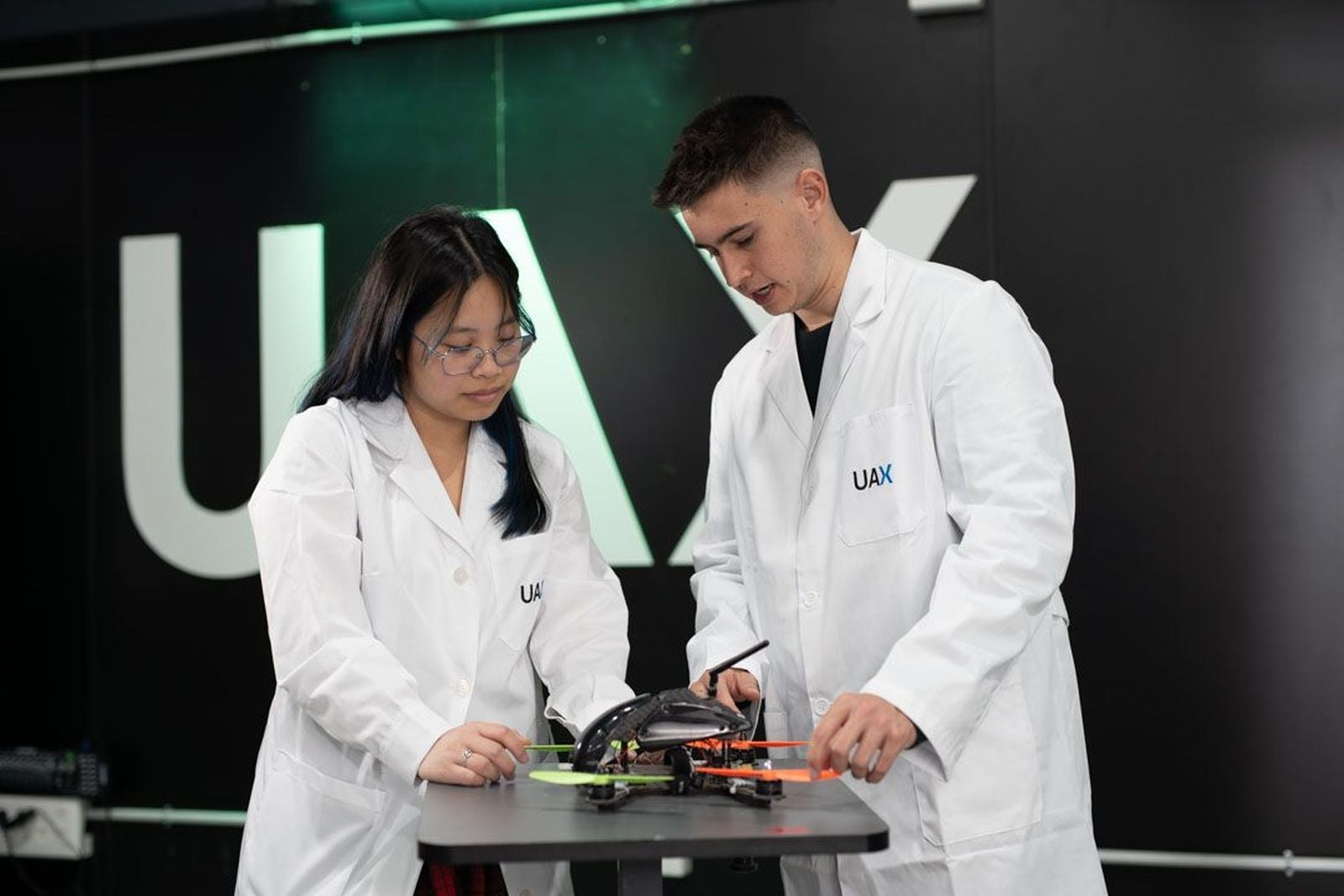
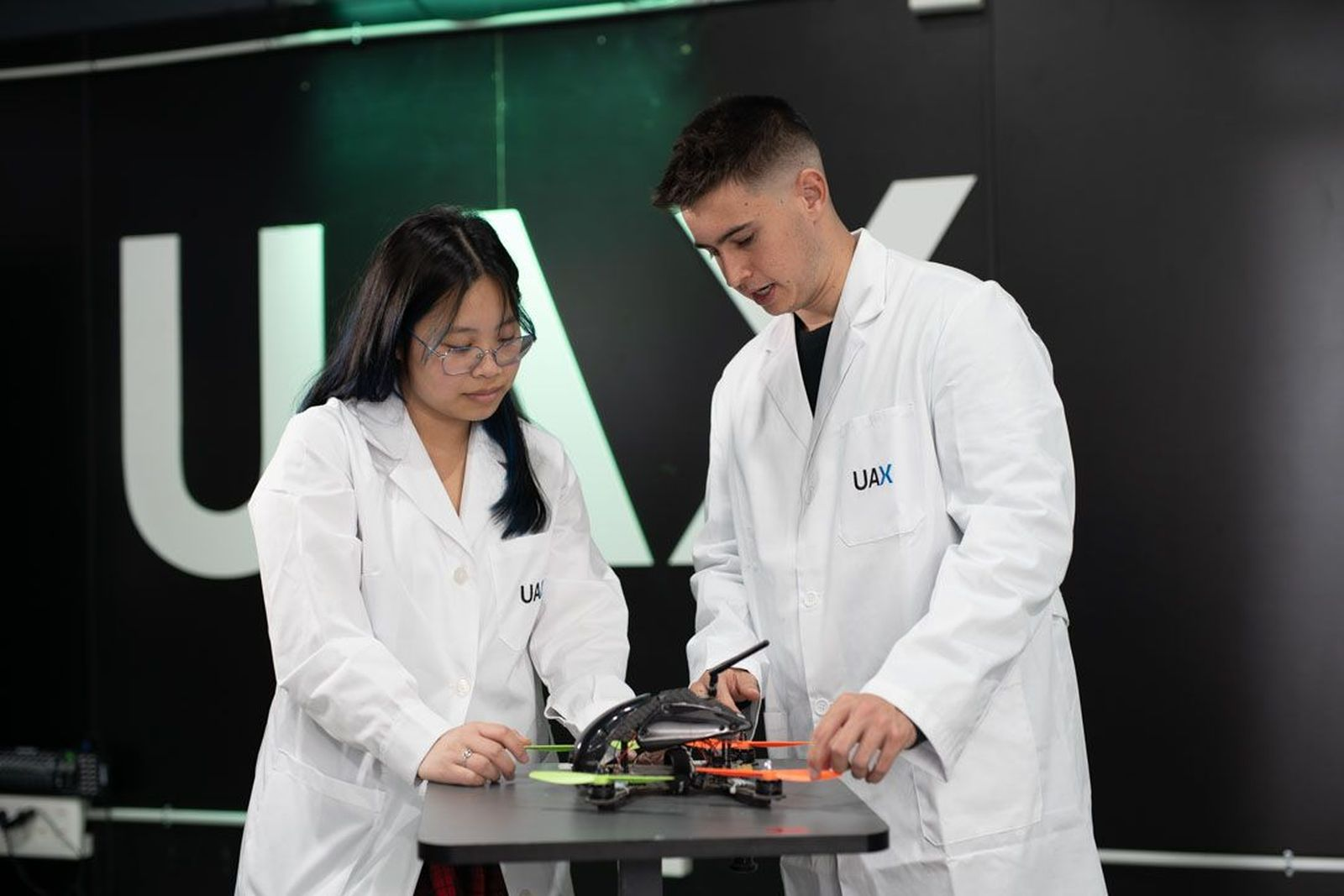
Gain access to cutting-edge technology applied to performance. Through the exclusive ‘Sport Tech: Data Science and Biomarkers’ module, you’ll work with state-of-the-art sensors, such as glucose monitors, in partnership with leading companies like Abbott.
Learn from an elite, practising teaching staff. Professionals from the Rafa Nadal Academy, the Movistar Team, Quirónsalud and the Higher Sports Council share their first-hand experience in high performance and innovation applied to sport.
Boost your career with optional work placements at prestigious organisations. You’ll have the opportunity to undertake professional placements at organisations such as the Rafa Nadal Academy, football clubs, high-performance centres and hospitals within the Quirónsalud group.
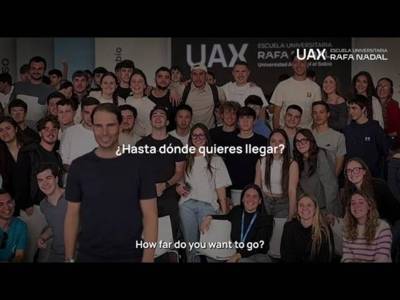
Develop the values that drive sport and life. Under the guidance of Rafa Nadal and his team, you’ll develop personal skills such as resilience, humility, leadership, discipline and teamwork – qualities that are increasingly in demand in the job market.
ISAK.1 Certification: Acquire the necessary skills to assess body composition using anthropometry and obtain one of the most recognised certifications in the field of nutrition and sports performance.
Find out about the Master’s in Sports Nutrition
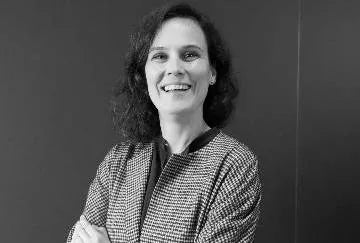
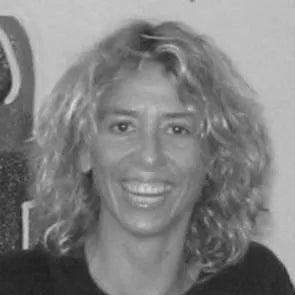
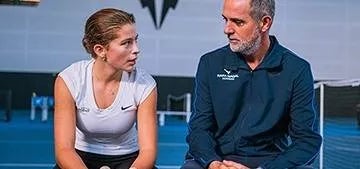
Led by Gemma Bes, Director of Nutrition at the Rafa Nadal Academy by Movistar and Director of the Master’s programme at the UAX Rafa Nadal University School.
Information on the Master’s Degree in Personal Training and Sports Nutrition
A quién está dirigido este master
El Máster en Nutrición Deportiva está dirigina especialmente a aquellos estudiantes licenciados o graduados en Ciencias del Deporte y la Salud como CAFYD, Fisioterapia, Medicina o Nutrición que quieran especializarse en el área de rendimiento deportivo y mejorar su perfil profesional con el que diferenciarse en el mercado.
Proceso de admisión
Necesitarás al menos un B2 en español.
Para iniciar el proceso de admisión deberás aportar la siguiente documentación: - CV - Copia del dni o pasaporte - Copia de los últimos estudios realizados asociados a las titulaciones mencionadas - Solicitud de postgrado
What you will learn
With the Master's Degree in Sports Nutrition you will acquire comprehensive knowledge about sports nutrition, the latest trends and the scientific context that shape personalised diets for each athlete. You will learn how to boost performance, prevent injuries, understand the metabolism and design nutritional plans tailored to individual needs, thus boosting effective and lasting results.
You will master the latest trends in sports nutrition applied to high performance, with an up-to-date, scientific and results-oriented approach for athletes of different profiles.
You will gain an in-depth understanding of the physiology of human performance and exercise metabolism, in order to intervene with precision in the processes of adaptation, recovery and improvement of physical performance.
You will explore the psychology of sport as a pillar of integral performance, addressing its relationship with nutrition, physical activity, injury prevention and rehabilitation and the emotional balance of the athlete.
You will know how to plan personalised nutritional strategies throughout the sporting season, adapted to the type of discipline, training loads, competition and specific situations such as women's sport, veganism or compatibility with working life.
You will learn to design individualised training plans, integrating key aspects such as invisible training, the special situations of the athlete and the strategic use of data and technology to improve performance.
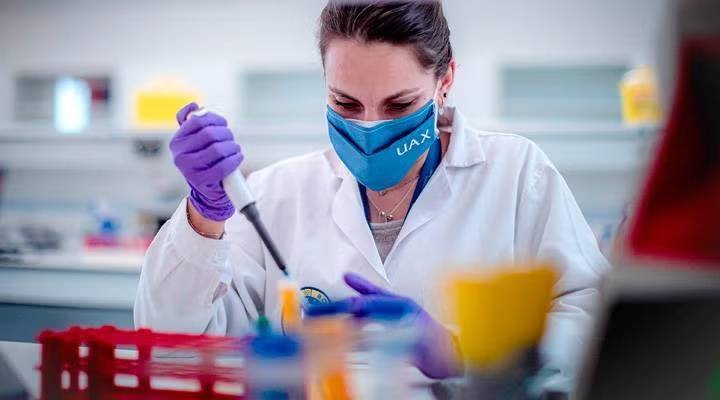
You will work with cutting-edge technology to monitor physiological biomarkers in real time, allowing you to make evidence-based decisions about the physical and nutritional state of each athlete.
Plan de Estudios
Master’s Degree in Continuing Professional Development in Sports Nutrition and Training
<div class="wysiwyg">
<p>PhD candidate in Social and Health Research and Physical Activity. Master’s degree in the Organisation and Management of Sports Organisations. Over 5 years’ experience in university teaching. Former elite athlete. International athlete with the Spanish national team. Level III coach. Specialist in athletics and high-performance physical training.</p>
</div>
<div class="wysiwyg">
<p>PhD candidate in Social and Health Research and Physical Activity. Master’s degree in the Organisation and Management of Sports Organisations. Over 5 years’ experience in university teaching. Former elite athlete. International athlete with the Spanish national team. Level III coach. Specialist in athletics and high-performance physical training.</p>
</div>
<div class="wysiwyg">
<p>PhD candidate in Social and Health Research and Physical Activity. Master’s degree in the Organisation and Management of Sports Organisations. Over 5 years’ experience in university teaching. Former elite athlete. International athlete with the Spanish national team. Level III coach. Specialist in athletics and high-performance physical training.</p>
</div>
<div class="wysiwyg">
<p>PhD candidate in Social and Health Research and Physical Activity. Master’s degree in the Organisation and Management of Sports Organisations. Over 5 years’ experience in university teaching. Former elite athlete. International athlete with the Spanish national team. Level III coach. Specialist in athletics and high-performance physical training.</p>
</div>
<div class="wysiwyg">
<p>PhD candidate in Social and Health Research and Physical Activity. Master’s degree in the Organisation and Management of Sports Organisations. Over 5 years’ experience in university teaching. Former elite athlete. International athlete with the Spanish national team. Level III coach. Specialist in athletics and high-performance physical training.</p>
</div>
Objectives
Students should be able to:
Analyse, describe and evaluate the adaptations of the human body when exposed to different training loads in individuals with varying profiles and levels of physical fitness, in order to propose and implement strategies in the fields of training and nutrition.
Design highly specific strategies to bring about the adaptations necessary for improvements in sporting performance.
Analyse and apply the physiological, biomechanical and biochemical principles of different sports and physical activities to nutrition, designing specific guidelines to improve participants’ performance and health.
To master and identify the various muscle structures and their function in relation to different sports disciplines, as well as to be able to interpret how muscle metabolism influences sporting performance.
Assessment Criteria
Completion of case studies and exercises set in class (50 per cent)
Practical or written knowledge tests (35 per cent)
Projects or oral and written presentations (15%)
Teaching Methodology
Virtual campus
Online course with different dedicated work areas: general course information (timetable, course
modules, latest industry news, etc.), virtual classrooms for synchronous attendance with recording for later
viewing, content in PDF format, audiovisual content, forums, surveys, an area for submitting assignments,
exams, workshops…
Lectures
A lecture-style session in which the theoretical content of the module is presented by lecturers
who are experts in their field, enabling topics to be contextualised and addressed from a comprehensive perspective. Interactive
Classroom-based
Classroom activities with a practical and applied focus, in which students undertake an in-depth study of
a specific subject. These encourage reflective and inquisitive participation from students.
Independent study, case studies or problem-solving, and literature reviews.
Individual or group learning activities based on the materials, case studies, problems and the recommended reading list
recommended for the modules. This includes reading and reviewing texts to deepen and broaden
knowledge in the various fields of study, as well as activities complementary to such reading,
such as comparing authors or critiquing articles. It also involves solving cases, problems and/or challenges
intentionally designed to enable students to carry out an in-depth and comprehensive analysis of
a real or hypothetical situation, with the aim of understanding it, interpreting it, resolving it, generating hypotheses, comparing
data, reflect, build on their knowledge, diagnose the situation and, on occasions, practise applying
alternative solution procedures.
Knowledge assessments
An assessable learning activity designed to objectively determine the knowledge acquired by each student
in a particular subject. It includes various formats (continuous and final assessment). In other words, it allows for the
achievement of learning outcomes on an ongoing basis throughout the course, as well as a
comprehensive final assessment.
External academic work placements (non-curricular)
Work placements involving a placement at a company or institution where the student deepens and applies
a professional activity specific to their degree programme.
Calendar Contents
1. Benefits and guidelines for physical activity and sport.
2. Adaptations to sports training
3. Structure and function of muscles; muscle metabolism.
4. Functional adaptations to exercise.
5. Biochemical parameters in sport
Assessment
Attendance and active participation during classes
Completion of the assignments set on the virtual campus
80666
Psychological aspects involved in nutrition and sport
OB
6
Psychological aspects involved in nutrition and sport
<div class="wysiwyg">
<p>PhD candidate in Social and Health Research and Physical Activity. Master’s degree in the Organisation and Management of Sports Organisations. Over 5 years’ experience in university teaching. Former elite sportsman. International athlete with the Spanish national team. Level III coach. Specialist in athletics and high-performance physical training.</p>
</div>
<div class="wysiwyg">
<p>PhD candidate in Social and Health Research and Physical Activity. Master’s degree in the Organisation and Management of Sports Organisations. Over 5 years’ experience in university teaching. Former elite sportsman. International athlete with the Spanish national team. Level III coach. Specialist in athletics and high-performance physical training.</p>
</div>
<div class="wysiwyg">
<p>PhD candidate in Social and Health Research and Physical Activity. Master’s degree in the Organisation and Management of Sports Organisations. Over 5 years’ experience in university teaching. Former elite sportsman. International athlete with the Spanish national team. Level III coach. Specialist in athletics and high-performance physical training.</p>
</div>
<div class="wysiwyg">
<p>PhD candidate in Social and Health Research and Physical Activity. Master’s degree in the Organisation and Management of Sports Organisations. Over 5 years’ experience in university teaching. Former elite sportsman. International athlete with the Spanish national team. Level III coach. Specialist in athletics and high-performance physical training.</p>
</div>
<div class="wysiwyg">
<p>PhD candidate in Social and Health Research and Physical Activity. Master’s degree in the Organisation and Management of Sports Organisations. Over 5 years’ experience in university teaching. Former elite sportsman. International athlete with the Spanish national team. Level III coach. Specialist in athletics and high-performance physical training.</p>
</div>
<div class="wysiwyg">
<p>PhD candidate in Social and Health Research and Physical Activity. Master’s degree in the Organisation and Management of Sports Organisations. Over 5 years’ experience in university teaching. Former elite sportsman. International athlete with the Spanish national team. Level III coach. Specialist in athletics and high-performance physical training.</p>
</div>
Objectives
Students should be able to:
Analyse and apply psychological and social principles to the various fields of sport and nutrition, identifying inappropriate practices that pose risks to health and sporting performance across different athlete profiles.
Design advanced, personalised nutritional strategies to ensure the necessary adherence to achieving the set objectives from a dietary, nutritional and psychological perspective.
Assessment Criteria
Case studies and exercises set in class (50%)
Practical or written knowledge tests (35 per cent)
Project presentations or oral and written presentations (15%)
Teaching Methodology
Virtual campus
Online course with different dedicated work areas: general course information (timetable, course
modules, latest industry news, etc.), virtual classrooms for synchronous attendance with recording for later
viewing, content in PDF format, audiovisual content, forums, surveys, an area for submitting assignments,
exams, workshops…
Lectures
A lecture-style activity in which the theoretical content of the module is presented by lecturers
who are experts in their field, enabling topics to be contextualised and addressed from a comprehensive perspective. Interactive
Classroom-based
Classroom activities with a practical and applied focus, in which students undertake an in-depth study of
a specific subject. These encourage reflective and inquisitive participation from students.
Independent study, case studies or problem-solving, and literature reviews.
Individual or group learning activities based on the materials, case studies, problems and the recommended reading list
recommended for the modules. This includes reading and reviewing texts to deepen and broaden
knowledge in the various fields of study, as well as activities complementary to such reading,
such as comparing authors or critiquing articles. It also involves solving cases, problems and/or challenges
intentionally designed to enable students to carry out an in-depth and comprehensive analysis of
a real or hypothetical situation, with the aim of understanding it, interpreting it, resolving it, generating hypotheses, comparing
data, reflect, build on their knowledge, diagnose the situation and, on occasions, practise applying
alternative solution procedures.
Knowledge assessments
An assessable learning activity designed to objectively determine the knowledge acquired by each student
in a particular subject. It includes the various forms of assessment (continuous and final). In other words, it enables the
achievement of learning outcomes on an ongoing basis throughout the course, as well as a
comprehensive final assessment.
External academic work placements (non-curricular)
Work placements involving a placement at a company or institution where the student deepens and applies
a professional activity specific to their degree programme.
Calendar Contents
Psychonutritional concepts and sporting performance.
Adherence to nutritional guidelines
Psychology – nutrition and competition
Assessment
Attendance and active participation during classes
Completing the assignments set on the virtual campus
<div class="wysiwyg">
<p>PhD candidate in Social and Health Research and Physical Activity. Master’s degree in the Organisation and Management of Sports Organisations. Over 5 years’ experience in university teaching. Former elite athlete. International athlete with the Spanish national team. Level III coach. Specialist in athletics and high-performance physical training.</p>
</div>
<div class="wysiwyg">
<p>PhD candidate in Social and Health Research and Physical Activity. Master’s degree in the Organisation and Management of Sports Organisations. Over 5 years’ experience in university teaching. Former elite athlete. International athlete with the Spanish national team. Level III coach. Specialist in athletics and high-performance physical training.</p>
</div>
<div class="wysiwyg">
<p>PhD candidate in Social and Health Research and Physical Activity. Master’s degree in the Organisation and Management of Sports Organisations. Over 5 years’ experience in university teaching. Former elite athlete. International athlete with the Spanish national team. Level III coach. Specialist in athletics and high-performance physical training.</p>
</div>
Objectives
Students should be able to:
• Interpret the results of functional assessments of athletes using advanced technology in order to design and implement appropriate nutrition and physical training programmes for athletes.
• Apply and distinguish between the methodology and procedures specific to scientific research and the assessment of performance and functional capacity in the field of sports training and nutrition, as applied to both youth development and professional stages of an athlete’s career.
• Distinguish and identify the main signs of fatigue, exhaustion and overtraining in order to design appropriate strategies and protocols for action within the athlete’s training and comprehensive preparation process.
• Design personalised nutritional strategies by analysing the data obtained
• Design nutritional programmes applicable to different sporting disciplines and performance levels, by assessing the athlete’s current level of physical fitness, motor skills and nutritional status.
Assessment Criteria
Case studies and exercises set in the classroom (50 per cent)
Practical or written knowledge tests (35 per cent)
Presentation of work or oral and written presentations (15%)
Teaching Methodology
Virtual campus
Online course with different dedicated work areas: general course information (timetable, course
modules, latest industry news, etc.), virtual classrooms for synchronous attendance with recording for later
viewing, content in PDF format, audiovisual content, forums, surveys, an area for submitting assignments,
exams, workshops…
Lectures
A lecture-style session in which the theoretical content of the module is presented by lecturers
who are experts in the field, enabling topics to be contextualised and addressed from a comprehensive perspective. Interactive
Classroom-based
Classroom activities with a practical and applied focus, in which students undertake an in-depth study of
a specific subject. These encourage reflective and inquisitive participation from students.
Independent study, case studies or problem-solving, and literature reviews.
Individual or group learning activities based on the materials, case studies, problems and the recommended reading list
recommended for the modules. This includes reading and reviewing texts to deepen and broaden
knowledge in the various fields of study, as well as activities complementary to such reading,
such as comparing authors or critiquing articles. It also involves solving cases, problems and/or challenges
intentionally designed to enable students to carry out an in-depth and comprehensive analysis of
a real or hypothetical situation, with the aim of understanding it, interpreting it, resolving it, generating hypotheses, comparing
data, reflect, build on their knowledge, diagnose the situation and, on occasions, practise applying
alternative solution procedures.
Knowledge assessments
An assessable learning activity designed to objectively determine the knowledge acquired by each student
in a particular subject. It includes various formats (continuous and final assessment). In other words, it enables the
achievement of learning outcomes on an ongoing basis throughout the course, as well as a
comprehensive final assessment.
External academic work placements (non-curricular)
Work placements involving a placement at a company or institution where the student deepens and applies
a professional activity specific to their degree programme.
Calendar Contents
Functional tests.
Motion capture and biomarkers.
Training, fatigue and overtraining
Genetics and sport. Machine learning (tech)
Medical history in sport.
Nutritional assessment and advice for athletes.
Assessment
Attendance and active participation during classes
Completing the assigned tasks on the virtual campus
<div class="wysiwyg">
<p>PhD candidate in Social and Health Research and Physical Activity. Master’s degree in the Organisation and Management of Sports Organisations. Over 5 years’ experience in university teaching. Former elite sportsman. International athlete with the Spanish national team. Level III coach. Specialist in athletics and high-performance physical training.</p>
</div>
<div class="wysiwyg">
<p>PhD candidate in Social and Health Research and Physical Activity. Master’s degree in the Organisation and Management of Sports Organisations. Over 5 years’ experience in university teaching. Former elite sportsman. International athlete with the Spanish national team. Level III coach. Specialist in athletics and high-performance physical training.</p>
</div>
<div class="wysiwyg">
<p>PhD candidate in Social and Health Research and Physical Activity. Master’s degree in the Organisation and Management of Sports Organisations. Over 5 years’ experience in university teaching. Former elite sportsman. International athlete with the Spanish national team. Level III coach. Specialist in athletics and high-performance physical training.</p>
</div>
Objectives
For students to be able to:
Identify and distinguish between the different energy and nutritional requirements of each sport, taking into account the individual, social and economic circumstances of each person.
Design nutrition and hydration plans for different types of sport and durations.
Design nutritional plans and strategies that harness and apply the benefits and characteristics of each type of food to achieve the proposed objectives.
Plan, organise, implement, monitor and evaluate aspects relating to athletes’ nutrition and its influence on sporting performance, taking into account the individual characteristics of each person.
Assessment Criteria
Case studies and exercises (50%)
Practical or written knowledge tests (35 per cent)
Presentation of work or oral and written presentations (15%)
Teaching Methodology
Virtual campus
Online course with different dedicated work areas: general course information (timetable, course
modules, latest industry news, etc.), virtual classrooms for synchronous attendance with recording for later
viewing, content in PDF format, audiovisual content, forums, surveys, an area for submitting assignments,
exams, workshops…
Lectures
A lecture-style session in which the theoretical content of the module is presented by lecturers
who are experts in their field, enabling topics to be contextualised and addressed from a comprehensive perspective. Interactive
Classroom-based
Classroom activities with a practical and applied focus, in which students undertake an in-depth study of
a specific subject. These encourage reflective and inquisitive participation from students.
Independent study, case studies or problem-solving, and literature reviews.
Individual or group learning activities based on the materials, case studies, problems and the recommended reading list
recommended for the modules. This includes reading and reviewing texts to deepen and broaden
knowledge in the various fields of study, as well as activities complementary to such reading,
such as comparing authors or critiquing articles. It also involves solving cases, problems and/or challenges
intentionally designed to enable students to carry out an in-depth and comprehensive analysis of
a real or hypothetical situation, with the aim of understanding it, interpreting it, resolving it, generating hypotheses, comparing
data, reflect, build on their knowledge, diagnose the situation and, on occasions, practise applying
alternative solution procedures.
Knowledge assessments
An assessable learning activity designed to objectively determine the knowledge acquired by each student
in a particular subject. It includes the various forms of assessment (continuous and final). In other words, it enables the
achievement of learning outcomes on an ongoing basis throughout the course, as well as a
comprehensive final assessment.
External academic work placements (non-curricular)
Work placements involving a placement at a company or institution where the student deepens and applies
a professional activity specific to their degree programme.
<div class="wysiwyg">
<p>PhD in Nutrition and a graduate in Dietetics and Human Nutrition, specialising in psychoneuroimmunoendocrinology (PNIE) and women’s hormonal health. Founder of the ‘Plenitud’ integrative health programme and science communicator (the ‘Mujer Vital’ podcast), with nine published books. My doctoral research compared intermittent fasting combined with a ketogenic diet against a low-calorie diet in type 2 diabetes, published in <em>*Nutrition and Health* </em> (Sage).</p>
</div>
<div class="wysiwyg">
<p>PhD candidate in Social and Health Research and Physical Activity. Master’s degree in the Organisation and Management of Sports Organisations. Over 5 years’ experience in university teaching. Former elite athlete. International athlete with the Spanish national team. Level III coach. Specialist in athletics and high-performance physical training.</p>
</div>
<div class="wysiwyg">
<p>PhD candidate in Social and Health Research and Physical Activity. Master’s degree in the Organisation and Management of Sports Organisations. Over 5 years’ experience in university teaching. Former elite athlete. International athlete with the Spanish national team. Level III coach. Specialist in athletics and high-performance physical training.</p>
</div>
<div class="wysiwyg">
<p>PhD candidate in Social and Health Research and Physical Activity. Master’s degree in the Organisation and Management of Sports Organisations. Over 5 years’ experience in university teaching. Former elite athlete. International athlete with the Spanish national team. Level III coach. Specialist in athletics and high-performance physical training.</p>
</div>
<div class="wysiwyg">
<p>PhD candidate in Social and Health Research and Physical Activity. Master’s degree in the Organisation and Management of Sports Organisations. Over 5 years’ experience in university teaching. Former elite athlete. International athlete with the Spanish national team. Level III coach. Specialist in athletics and high-performance physical training.</p>
</div>
Objectives
Students should be able to:
Design nutritional strategies to enhance athletes’ performance across a range of different sports.
Distinguish and identify the influence of hormones on the sporting performance of female athletes and devise strategies to optimise their physical capabilities.
Apply the effects of different types of nutritional strategies and foods in relation to the timing and frequency of intake, taking into account sport and physical performance.
Apply the knowledge, skills and competences acquired in a practical and integrated manner within professional settings related to adapted sport and special circumstances.
Assessment Criteria
Case studies and exercises set in the classroom (50 per cent)
Practical or written knowledge assessments (35 per cent)
Presentation of work or oral and written presentations (15%)
Teaching Methodology
Virtual campus
Online course with different dedicated work areas: general course information (timetable, course
modules, latest industry news, etc.), virtual classrooms for synchronous attendance with recording for later
viewing, content in PDF format, audiovisual content, forums, surveys, an area for submitting assignments,
exams, workshops, etc.
Lectures
A lecture-style session in which the theoretical content of the module is presented by lecturers
who are experts in the field, enabling topics to be contextualised and addressed from a comprehensive perspective. Interactive
Classroom-based
Classroom activities with a practical and applied focus, in which students undertake an in-depth study of
a specific subject. These encourage reflective and inquisitive participation from students.
Independent study, case studies or problem-solving, and literature reviews.
Individual or group learning activities based on the materials, case studies, problems and the recommended reading
recommended for the modules. This includes reading and reviewing texts to deepen and broaden
knowledge in the various fields of study, as well as activities complementary to such reading,
such as comparing authors or critiquing articles. It also involves solving cases, problems and/or challenges
intentionally designed to enable students to carry out an in-depth and comprehensive analysis of
a real or hypothetical situation, with the aim of understanding it, interpreting it, resolving it, generating hypotheses, comparing
data, reflect, build on their knowledge, diagnose the situation and, on occasions, practise applying
alternative solution procedures.
Knowledge assessments
An assessable learning activity designed to objectively determine the knowledge acquired by each student
in a particular subject. It includes various formats (continuous and final assessment). In other words, it enables the
achievement of learning outcomes on an ongoing basis throughout the course, as well as a
comprehensive final assessment.
External academic work placements (non-curricular)
Work placements involving a placement at a company or institution where the student deepens and applies
a professional activity specific to their degree programme.
Calendar Contents
• Nutritional planning for professional athletes in strength sports to achieve peak sporting performance
• Nutritional planning for professional athletes in endurance sports to achieve peak sporting performance
• Nutritional planning for professional athletes in team sports to achieve peak sporting performance
• Hormones and women’s sport + training
• Intermittent fasting
Assessment
Attendance and active participation during classes
Completing the assigned tasks on the virtual campus
<div class="wysiwyg">
<p>PhD candidate in Social and Health Research and Physical Activity. Master’s degree in the Organisation and Management of Sports Organisations. Over 5 years’ experience in university teaching. Former elite athlete. International athlete with the Spanish national team. Level III coach. Specialist in athletics and high-performance physical training.</p>
</div>
Objectives
For students to be able to:
Design a training programme aimed at recovery from injuries.
Lead training sessions planned and designed using criteria based on scientific evidence and the latest technical developments to improve performance in endurance sports, racket sports, combat sports and team sports.
Apply training principles and specific concepts to improve performance and health.
Plan, programme, implement, monitor and evaluate training and competition processes across different performance levels, age groups and population groups.
Assessment Criteria
Case studies and exercises set in the classroom (50 per cent)
Practical or written knowledge tests (35 per cent)
Presentation of work or oral and written presentations (15%)
Teaching Methodology
Virtual campus
Online course with different dedicated work areas: general course information (timetable, course
modules, latest industry news, etc.), virtual classrooms for synchronous attendance with recording for later
viewing, content in PDF format, audiovisual content, forums, surveys, an area for submitting assignments,
exams, workshops…
Lectures
A lecture-style session in which the theoretical content of the module is presented by lecturers
who are experts in their field, enabling topics to be contextualised and addressed from a comprehensive perspective. Interactive
Classroom-based
Classroom activities with a practical and applied focus, in which students undertake an in-depth study of
a specific subject. These encourage reflective and inquisitive participation from students.
Independent study, case studies or problem-solving, and literature reviews.
Individual or group learning activities based on the materials, case studies, problems and the recommended reading list
recommended for the modules. This includes reading and reviewing texts to deepen and broaden
knowledge in the various fields of study, as well as activities complementary to such reading,
such as comparing authors or critiquing articles. It also involves solving cases, problems and/or challenges
intentionally designed to enable students to carry out an in-depth and comprehensive analysis of
a real or hypothetical situation, with the aim of understanding it, interpreting it, resolving it, generating hypotheses, comparing
data, reflect, expand their knowledge, diagnose the situation and, on occasions, practise possible
alternative solution procedures.
Knowledge assessments
An assessable learning activity designed to objectively determine the knowledge acquired by each student
in a particular subject. It includes the various forms of assessment (continuous and final). In other words, it enables the
achievement of learning outcomes on an ongoing basis throughout the course, as well as a
comprehensive final assessment.
External academic work placements (non-curricular)
Work placements involving a placement at a company or institution where the student deepens and applies
a professional activity specific to their degree programme.
Calendar Contents
• Sports Physiology
• Types of training
• Invisible training
• Special situations:
• Injuries
• Weight management
• Muscle mass gain
Assessment
Attendance and active participation during classes
Completing the assigned tasks on the virtual campus
<div class="wysiwyg">
<p>PhD candidate in Social and Health Research and Physical Activity. Master’s degree in the Organisation and Management of Sports Organisations. Over 5 years’ experience in university teaching. Former elite sportsman. International athlete with the Spanish national team. Level III coach. Specialist in athletics and high-performance physical training.</p>
</div>
<div class="wysiwyg">
<p>PhD candidate in Social and Health Research and Physical Activity. Master’s degree in the Organisation and Management of Sports Organisations. Over 5 years’ experience in university teaching. Former elite sportsman. International athlete with the Spanish national team. Level III coach. Specialist in athletics and high-performance physical training.</p>
</div>
<div class="wysiwyg">
<p>PhD candidate in Social and Health Research and Physical Activity. Master’s degree in the Organisation and Management of Sports Organisations. Over 5 years’ experience in university teaching. Former elite sportsman. International athlete with the Spanish national team. Level III coach. Specialist in athletics and high-performance physical training.</p>
</div>
<div class="wysiwyg">
<p>PhD candidate in Social and Health Research and Physical Activity. Master’s degree in the Organisation and Management of Sports Organisations. Over 5 years’ experience in university teaching. Former elite sportsman. International athlete with the Spanish national team. Level III coach. Specialist in athletics and high-performance physical training.</p>
</div>
Objectives
For students to be able to:
Distinguish between and understand the effects that ergogenic aids and nutritional supplements have on sporting performance, based on scientific criteria and the relevant literature, whilst taking into account current legislation in this area.
Design nutritional protocols and strategies for nutritional supplements and ergogenic aids based on the specific legislation for each sport.
Apply scientific and legal criteria when prescribing ergogenic aids, pharmacological treatments and nutritional supplements, taking into account the athlete’s specific circumstances.
Assessment Criteria
Case studies and exercises set in class (50 per cent)
Practical or written knowledge tests (35 per cent)
Presentation of work or oral and written presentations (15%)
Teaching Methodology
Virtual campus
Online course with different dedicated work areas: general course information (timetable, course
modules, latest industry news, etc.), virtual classrooms for synchronous attendance with recording for later
viewing, content in PDF format, audiovisual content, forums, surveys, an area for submitting assignments,
exams, workshops…
Lectures
A lecture-style session in which the theoretical content of the module is presented by lecturers
who are experts in their field, enabling topics to be contextualised and addressed from a comprehensive perspective. Interactive
Classroom-based
Classroom activities with a practical and applied focus, in which students undertake an in-depth study of
a specific subject. These encourage reflective and inquisitive participation from students.
Independent study, case studies or problem-solving, and literature reviews.
Individual or group learning activities based on the materials, case studies, problems and the recommended reading
recommended for the modules. This includes reading and reviewing texts to deepen and broaden
knowledge in the various fields of study, as well as activities complementary to such reading,
such as comparing authors or critiquing articles. It also involves solving cases, problems and/or challenges
intentionally designed to enable students to carry out an in-depth and comprehensive analysis of
a real or hypothetical situation, with the aim of understanding it, interpreting it, resolving it, generating hypotheses, comparing
data, reflect, build on their knowledge, diagnose the situation and, on occasions, practise applying
alternative solution procedures.
Knowledge assessments
An assessable learning activity designed to objectively determine the knowledge acquired by each student
in a particular subject. It includes the various forms of assessment (continuous and final). In other words, it enables the
achievement of learning outcomes on an ongoing basis throughout the course, as well as a
comprehensive final assessment.
External academic work placements (non-curricular)
Work placements involving a placement at a company or institution where the student deepens and applies
a professional activity specific to their degree programme.
Calendar Contents
• Doping: Legislation, types of doping, sample collection and analysis procedures.
• Interpretation of scientific studies on the subject.
• Special circumstances and doping
• Ergogenic aids: types and alternatives
Assessment
Attendance and active participation during lessons
Completing the assignments set on the virtual campus
<div class="wysiwyg">
<p>PhD candidate in Social and Health Research and Physical Activity. Master’s degree in the Organisation and Management of Sports Organisations. Over 5 years’ experience in university teaching. Former elite sportsman. International athlete with the Spanish national team. Level III coach. Specialist in athletics and high-performance physical training.</p>
</div>
<div class="wysiwyg">
<p>PhD candidate in Social and Health Research and Physical Activity. Master’s degree in the Organisation and Management of Sports Organisations. Over 5 years’ experience in university teaching. Former elite sportsman. International athlete with the Spanish national team. Level III coach. Specialist in athletics and high-performance physical training.</p>
</div>
<div class="wysiwyg">
<p>PhD candidate in Social and Health Research and Physical Activity. Master’s degree in the Organisation and Management of Sports Organisations. Over 5 years’ experience in university teaching. Former elite sportsman. International athlete with the Spanish national team. Level III coach. Specialist in athletics and high-performance physical training.</p>
</div>
<div class="wysiwyg">
<p>PhD candidate in Social and Health Research and Physical Activity. Master’s degree in the Organisation and Management of Sports Organisations. Over 5 years’ experience in university teaching. Former elite sportsman. International athlete with the Spanish national team. Level III coach. Specialist in athletics and high-performance physical training.</p>
</div>
Objectives
For students to be able to:
Articulate and present, with rigour and a scientific approach, the rationale upon which to consistently and professionally develop, support, substantiate and justify all actions, decisions, processes, procedures, activities, tasks, conclusions and reports that underpin the decisions of technical and sporting managers in relation to high-performance sport.
Distinguish between the main macronutrients, micronutrients and nutritional strategies to identify the most effective approach for achieving peak sporting performance
Manage and interpret data obtained through technology to configure and design the appropriate diet for each athlete, as well as to make decisions regarding the plan devised.
Assessment Criteria
Case studies and exercises set in the classroom (50 per cent)
Practical or written knowledge tests (35 per cent)
Presentation of work or oral and written presentations (15 per cent)
Teaching Methodology
Virtual campus
Online course with different dedicated work areas: general course information (timetable, course
modules, latest industry news, etc.), virtual classrooms for synchronous attendance with recording for later
viewing, content in PDF format, audiovisual content, forums, surveys, an area for submitting assignments,
exams, workshops…
Lectures
A lecture-style activity in which the theoretical content of the module is presented by lecturers
who are experts in the field, enabling topics to be contextualised and addressed from a comprehensive perspective. Interactive
Classroom-based
Classroom activities with a practical and applied focus, in which students undertake an in-depth study of
a specific subject. These encourage reflective and inquisitive participation from students.
Independent study, case studies or problem-solving, and literature reviews.
Individual or group learning activities based on the materials, case studies, problems and the recommended reading list
recommended for the modules. This includes reading and reviewing texts to deepen and broaden
knowledge in the various fields of study, as well as activities complementary to such reading,
such as comparing authors or critiquing articles. It also involves solving cases, problems and/or challenges
intentionally designed to enable students to carry out an in-depth and comprehensive analysis of
a real or hypothetical situation, with the aim of understanding it, interpreting it, resolving it, generating hypotheses, comparing
data, reflect, build on their knowledge, diagnose the situation and, on occasions, practise applying
alternative solution procedures.
Knowledge assessments
An assessable learning activity designed to objectively determine the knowledge acquired by each student
in a particular subject. It includes various formats (continuous and final assessment). In other words, it enables the
achievement of learning outcomes on an ongoing basis throughout the course, as well as a
comprehensive final assessment.
External academic work placements (non-curricular)
Work placements involving a placement at a company or institution where the student deepens and applies
a professional activity specific to their degree programme.
Calendar Contents
• Data analysis in sports nutrition
• Biomarkers and applied technology
• Wearables and apps in designing an athlete’s diet
• Real-time decision-making
Assessment
Attendance and active participation during classes
Completing the assigned tasks on the virtual campus
<div class="wysiwyg">
<p>PhD candidate in Social and Health Research and Physical Activity. Master’s degree in the Organisation and Management of Sports Organisations. Over 5 years’ experience in university teaching. Former elite sportsman. International athlete with the Spanish national team. Level III coach. Specialist in athletics and high-performance physical training.</p>
</div>
Objectives
Students should be able to:
Integrate knowledge and tackle the complexity of forming judgements based on information which, whilst incomplete or limited, includes reflections on the social and ethical responsibilities associated with the application of their knowledge and judgements
Design and carry out research projects in the field of sports physiotherapy, applying the scientific method.
Communicate their conclusions, and the underlying knowledge and reasoning that support them, to specialist and non-specialist audiences in a clear and unambiguous manner
Assessment Criteria
• Presentation of the final dissertation 70%
• Presentation of the final dissertation 30%
Teaching Methodology
The learning activities designed to enable students to acquire the competences
envisaged during this module and to enable them to achieve the
expected from the work carried out will be:
1) Individual and group tutorials to introduce the concepts relating to the preparation of the
assignment.
2) Students’ independent work (study, e-learning, literature reviews, etc.)
3) Assessment
4) Introductory session and presentation of the Master’s Thesis
Calendar Contents
To familiarise students with current guidelines for the publication of scientific research papers
To understand research methodology in the field of Sports and Health Sciences as the basis for scientific evidence
Entry requirements
To have passed all other modules on the degree programme.
Assessment
Attendance and active participation in classes with your tutor
Complete the assignments set on the virtual campus
Addendum
The Master’s Thesis (TFM) must be an unpublished document, the
entire authorship is the sole responsibility of the student. The use of artificial intelligence-based tools
(AI) in its preparation is restricted to auxiliary functions such as grammatical correction, the generation of
outlines or searching for general information. Any use of AI must be properly cited,
specifying the tool used, its specific function and when it was applied. The use of AI
to draft substantive content, carry out critical analysis or interpret results compromises the
originality and authorship of the work.
Checks for plagiarism and/or the use of AI will be carried out using the tool provided on the virtual campus
and will be assessed by the tutor to verify the integrity of the work submitted.
By studying sports nutrition at UAX you will be taught by industry-leading professionals who specialise in the field of sports. The master's degree in sports nutrition will allow you to acquire knowledge from nutritionists who have worked in elite teams, sports companies, entrepreneurs in the sector and nutritionists specialising in high performance.
Director of the Master's Degree: Gemma Bes Padrós: Director of Nutrition at the Rafa Nadal Academy. Diploma in Nutrition and Dietetics (UB), degree in Nutrition (King's College London), postgraduate in Sports Nutrition and PNIE. More than 20 years advising elite athletes such as Rafa Nadal, Paula Badosa and Garbiñe Muguruza.
Adolfo Antonio Muñoz Macho: Doctor specialising in Sports Medicine and High Performance. He has been Medical Director at Sevilla FC and Villarreal CF, and is currently Director of Performance and Medicine at RCD Mallorca. Expert in the prevention of sudden death and the use of AI in sports health.
Alberto Barón González: Sports psychologist at the Rafa Nadal Academy since 2020. Master in Sport Psychology and High Performance (UAM), with experience in sports clubs and schools in Spain.
Alberto Rampérez Martín: PhD in Biochemistry, Molecular Biology and Biomedicine (UCM). Scientific advisor at BEPS Biopharm and responsible for training at Omega-3 Academy. He collaborates as a teacher in the UAX Rafa Nadal Master's Degree.
Antonio Ballesteros Hens: Pharmacist and graduate in Nutrition and Dietetics (UAX). Sports nutritionist with experience in clubs such as Cádiz CF, Real Jaén and Real Betis Balompié. Technical Director at Nutriendo-T.
Domingo Roselló Febrer: Head of Fitness & Health at the Rafa Nadal Academy. Specialist in physical preparation and performance optimisation in tennis and elite sports.
Edgar Barrionuevo Burgos: Graduate in Physical Activity and Sport Sciences, postgraduate in Nutrition (UB) and Master Fitness Specialist (Cooper Institute, Dallas). Expert in intermittent fasting and author of several books on health and nutrition.
Elena Sosa Tejerina: Psychologist specialising in high performance and sports coaching. Master in Sport Psychology (UAB), with international experience working with elite athletes and professional teams.
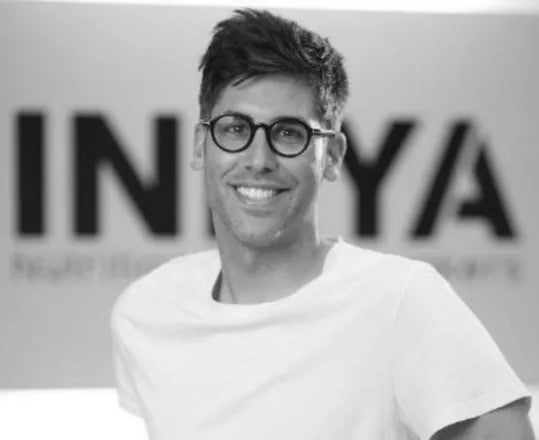
Javier Guerrero López: Founder and CEO of INDYA, a personalised sports nutrition platform. Diploma in Human Nutrition and Dietetics, degree in Food Science and Technology, master's degree in Nutrition and Sports Performance. He has worked with Marc Márquez, Carlos Sainz and Olympic athletes.
Joana María Capó Sureda: Sports nutritionist in Mallorca, specialising in nutritional planning for athletes and female hormonal health. She collaborates in high performance programmes.
José Ignacio Martínez Ferrandis: Solidarity administrator and co-founder of World Sport Genetics SL, a company dedicated to the sale of genetic tests aimed at health, nutrition and sport, as well as advice and training in these areas. His profile is linked to genetics projects applied to sports performance and personalised nutrition.
José Miguel Gorrochategui Polo: Sports Director of the Polish Rugby Federation. WADA doping control officer and anti-doping commissioner at World Rugby.
Josep Riera Gelabert: Physical trainer at the Rafa Nadal Academy, specialising in functional training and performance optimisation in tennis.
Juan Antonio Allué Palacín: Graduate in Medicine and specialist in Clinical Biochemistry. He has published research on cancer screening and laboratory medicine, with experience in clinical analysis and health management.
Juan Carlos Llamas García: Nutritionist for the Movistar Team (UCI WorldTeam), expert in nutrition applied to professional cycling.
Manuel Sarmiento Cruz: Head of the Medical Service at Rafa Nadal Sports Centre and Rafa Nadal Academy. Specialist in sports medicine and injury prevention.
Mar Blanco Rogel: Expert in micronutrition and mitochondrial health, university lecturer and disseminator in integrative health.
María de Lluc Bauzá Cantarellas: Fitness trainer at the Rafa Nadal Academy, specialising in functional recovery and injury prevention.
María García Parras: Dietician-nutritionist with a degree in Dietetics and a Master's degree in Sports Nutrition and Body Composition. She works in private practice, focusing on health, wellbeing and sports performance, working with patients seeking to improve eating habits, body composition and physical performance.
Marta Soler González: Sports psychologist, head of the Psychology Department at Clínica CEMTRO. Master's Degree in Sport Psychology (UAB) and Bachelor's Degree in Psychology (UCM). She has worked with the Spanish Anti-Doping Commission and in sports coaching projects.
Mireia Porta Oliva: Nutritionist for Chelsea FC and currently for the FC Barcelona first team (football and basketball). Specialist in nutrition applied to professional sport.
Nuria Granados Borbolla: Nutritionist for the RCD Mallorca first team since 2021. PhD in Biology and Biochemistry (UIB), specialising in nutrigenomics and personalised nutrition. She combines research with professional practice in elite sport.
Raimundo de las Heras Coll: Sports psychologist, head of the psychology department at RCD Mallorca and CE Constància. Graduate in Psychology (UIB) and Master in Sport Psychology (UAB). Expert in psychological intervention in football, basketball and individual sports.
Raúl Martínez Pérez: Physiotherapist specialising in rehabilitation and injury prevention in strength sports (powerlifting, weightlifting). Graduate in Physiotherapy (UV), with a master's degree in Functional Recovery and advanced training in invasive physiotherapy and musculoskeletal ultrasound.
Robert Strunk Pomar: Dietician-nutritionist at the Balearic Sports Technification Centre. Specialised in sports nutrition and food education, with experience in hydration and performance in elite gymnastics.
Yolanda Vázquez Mazariego: Deputy director of Sportlife magazine and co-founder of the Carrera de la Mujer. She is a doctor specialising in sports nutrition and a communicator on health and sport.
You will also receive masterclasses from leading personalities in the sector, such as:
Adriana Cerezo: Taekwondo - Silver medalist at the Tokyo 2020 Olympic Games.
Abel Antón: Athletics - Two-time Marathon World Champion
Fermín Cacho: Athletics - Olympic Champion Barcelona 1992 and Olympic runner-up Atlanta 1996
Tofol Castañer: Trail-running - Skyrunning World Championship 2010
Paula Badosa: Tennis - number 2 in the WTA world ranking
Programme with training in values with Rafa Nadal and his team
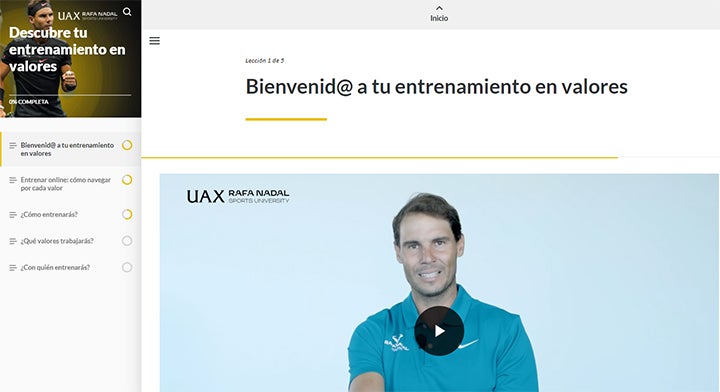
During your study programme, you'll have exclusive online training content that Rafa Nadal himself and his entire team have worked on, sharing their experiences and revealing the secrets that have led him to success: Toni Nadal, Carlos Moyá, Ángel Ruiz Cotorro, Rafael Maymó, Carlos Costa, Benito Pérez-Barbadillo, Gemma Bes and Maribel Nadal.
You'll access unique content that will help you hone the qualities today's job market demands: effort, cooperation, empathy, leadership, professional ethics, responsibility and commitment, humility and confidence, resilience, discipline, and hard work.
Boost your career development with micro-credentials included in your programme
UNLOCK YOUR POTENTIAL WITH GENERATIVE AI
LEADERSHIP AND SOFT SKILLS
Unlock your potential with Generative AI
This micro-credential equips you to use tools such as ChatGPT, Copilot, Gemini and Claude to analyse information, create content and optimise professional tasks, whilst integrating innovative solutions in an ethical and responsible manner within real-world contexts.
Leadership and Soft Skills
Develop your professional potential through leadership and interpersonal skills in healthcare settings. This micro-credential provides you with the keys to managing teams, communicating effectively and solving problems in real-world settings, by applying personal leadership techniques and practical productivity tools in the healthcare sector.
A panel of leading practising professionals
Learn from practising experts who are at the forefront of sports nutrition and training at national and international level. Our teaching staff comprises professionals affiliated with the Rafa Nadal Academy, Quirónsalud, elite sports clubs and high-performance centres, who combine practical experience and scientific knowledge to offer you training of the highest standard and the very latest insights.
Gemma Bes
Head of Nutrition
Directora del departamento de nutrición en la Rafa Nadal Academy.
Javi Guerrero
Teacher
Director and Co-founder of INDYA. PhD in Sports Nutrition; specialist in Sports Nutrition, High Performance and Nutritional Planning for Athletes. Lecturer on a Master’s programme and consultant to professional athletes and elite teams.
Adolfo Muñoz
Professor
Director of Performance and Medicine at RCD Mallorca. Specialised in Sports and Exercise Medicine, High Performance Sports, Manual Medicine (Orthopaedic and Osteopathic). Acupuncture and Sports Psychology.
Mireia Porta Oliva
Professor
Nutritionist. Head of the nutrition department at FC Barcelona.
Yolanda Vázquez
Profesora
Nutricionista deportiva. Directora de revista print y online Sport Life en Sport Life Ibérica. Cofundadora de la Carrera de la Mujer.
Manuel Sarmiento
Professor
Specialist Doctor in Family and Community Medicine and in Physical Education and Sports Medicine. Head of the Doping Control Department of the Spanish State Agency Commission for the Fight against Doping in Sport.
Nuria Granados
Professor
Responsible for the nutrition area at RCD Mallorca. More than 15 years of experience advising athletes from different disciplines. Mallorca Sport Medicine, Atlético de Baleares, Real Club Deportivo Mallorca and private practice at IMAR and RCD Mallorca Sports Clinics.
Juan Carlos Llamas
Professor
Nutritionist Real Racing Club Santander. University lecturer in physiology and nutrition.
Antonio Ballesteros
Professor
Sports nutritionist in elite football. Founder of NutriendoT clinic and Camelead Agency, CEO CEAN.
Companies as key players in boosting your employability
We collaborate with leading organisations in the fields of sports nutrition, sport and health to offer you high-calibre work placements and professional experiences. You will work in high-performance centres, sports academies and key organisations, where you will apply your knowledge of sports nutrition and training to boost your employability and open doors for you within the industry.
A model of success
We train professionals under the guidance of experts who are already transforming the world of healthcare and the sports industry, drawing on UAX’s ethos and Rafa Nadal’s working model.
Career opportunities
Where can you work with the online Master's Degree in Sports Nutrition?
Studying Sports Nutrition and Personal Training enables you to design nutritional plans, improve physical performance and apply training strategies, combining theory and practice. This master's degree prepares you to work in:
Professions when studying the Online Master's Degree in Sports Nutrition and Coaching
Studying the Postgraduate Course in Sports Nutrition and Personal Training opens up a wide range of professional opportunities in the field of sport and health, and you can work as:
Nutritionist for high-performance athletes.
Specialist in sports nutrition and training in relation to strength training and physical conditioning in high-performance sports.
Expert in assessment, optimisation and control of high-performance sportspersons.
Analyst of physical-sports performance in individual and team sports.
Scientific-technical advisor for the optimisation of performance in individual and team sports.
Researcher in the field of sports science and sports performance optimisation.
An unrivalled internship experience at the Rafa Nadal Academy. An academy that surprises from the moment you enter because of its complex, but also because of its values and way of working. Where talent, discipline, teamwork and good vibes come together to exceed anyone's expectations and make the Rafa Nadal Academy a different and unique place to want to be part of.
Any questions? Don’t keep them to yourself – just ask us
We need to know a little bit about you so that we can provide you with a personalised service.
All fields are required
Online Teaching Methodology for the Master’s Degree in Sports Nutrition and Training
Study from wherever you like without missing out on a university experience that is accessible, practical and geared towards your professional development.
Teachers who are currently working and have links to the sector
Training aimed at improving employability
Scholarships and grants
At UAX we know that studying is an investment, which is why we give you the resources to access our qualifications. Learn about some of our scholarships and grants:
Official agency scholarships: Community of Madrid and Ministry of Education
FAQs: Online Master’s in Sports Nutrition and Training
What is sports and performance nutrition?
Sports nutrition focuses on optimising the physical performance of athletes through proper nutrition before, during and after exercise. It involves nutrient balancing, hydration, and supplement management to maximise energy and recovery.
Performance nutrition goes a step further, focusing on elite athletes seeking peak performance. Here, the diet is personalised and tailored to the specific needs of the athlete, considering factors such as training load, competition and muscle recovery.
What should you study to become a sports nutritionist?
To become a sports nutritionist, it is essential to have a solid academic background in the field of nutrition. Typically, a degree in Human Nutrition and Dietetics is required, followed by specialisations or a master’s degree in Sports Nutrition. These courses provide the scientific and practical foundations for designing meal plans tailored to the needs of athletes.
What do you need to study to become a personal trainer?
To become a personal trainer, you need to have a background in Sports Science or a similar degree, supplemented by specific certifications in personal training. It is highly recommended that you undertake a master’s degree, which will provide you with a comprehensive understanding of training, from physiology to the planning of exercise programmes.
How long is the Master in Sports Nutrition and Training at UAX?
The Master's Degree in Sports Nutrition and Training at UAX lasts 9 months. During this time, you will complete a total of 60 ECTS credits, which include both theoretical and practical modules, designed to offer you a complete and specialised training.
Where can I work if I am a nutritionist and personal trainer?
Upon completion of the Online Master's Degree in Sports Nutrition and Training, career opportunities include:
Clinics and health centres: offering nutritional advice and personalised training plans.
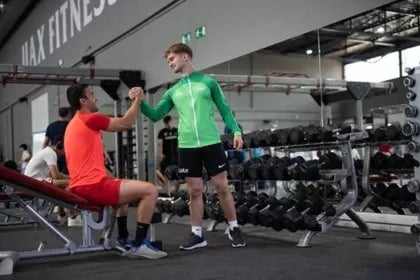
Sports centres and gyms: as a personal trainer and nutrition consultant.
Sports teams: working directly with athletes to optimise their performance.
Consultancies and private consultancies: designing nutrition and training programmes for various client profiles.
Research and teaching: contributing to the advancement of knowledge in the field of sports nutrition.
Content relating to the Master’s in Sports Nutrition and Training
20 / 10 / 2026
How much does a sports nutritionist earn in Spain?
30 / 09 / 2026
What do I need to study to become a sports nutritionist?
30 / 09 / 2026
What are the specialisms within nutrition?
08 / 07 / 2026
Qué estudiar y requisitos para ser entrenador personal
Other related qualifications
We offer a wide range of academic programmes, so you’re sure to find one that suits you.
Blended learning
25 per cent tuition fee subsidy until 01/11
Bachelor’s Degree in Human Nutrition and Dietetics (Blended Learning)
+ Certificate in Malnutrition in Primary Care (Abbott)