Master’s Degree in Sports Performance and Injury Prevention
Official Title
Madrid
Master’s Degree in Sports Performance and Injury Prevention
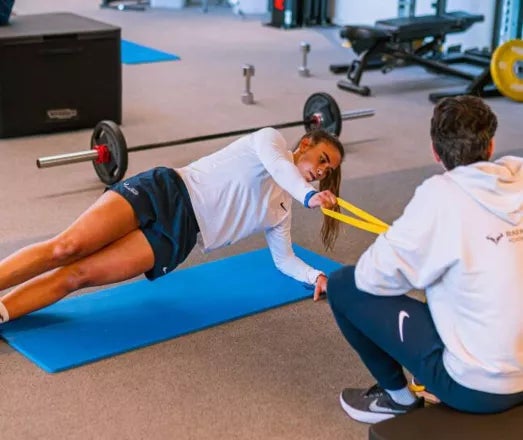
Gain qualifications in sports performance and injury prevention with a unique, officially recognised Master’s degree, designed by UAX, Quirónsalud and Rafa Nadal’s team. With a practical approach, technology integrated into the classroom and on-campus attendance required just twice a month, this programme connects you with the elite of sport, the industry and your professional future.
Lead the way into a new era of sport with specialist training in sports performance and injury prevention
The Master’s Degree in Sports Performance and Injury Prevention at the UAX Rafa Nadal University School is the result of an exceptional partnership: the prestigious academic team at UAX, the professionals who have supported Rafa Nadal on his journey to the elite of world sport, and the medical support of Quirónsalud come together to offer you a unique, distinctive programme that is 100 per cent focused on excellence. Discover its key features below:
Official qualification and access to a PhD: Boost your academic and professional career with a recognised master’s degree that opens the door to PhD studies.
Study without giving up your job: Train in sports performance and injury prevention with maximum flexibility, attending the UAX campus in Villanueva de la Cañada just two weekends a month.
Learn from leading figures in sport and health: You’ll be taught by lecturers of the highest academic calibre, practising professionals from the sports sector, and the expert team supporting Rafa Nadal and the Rafa Nadal Academy.
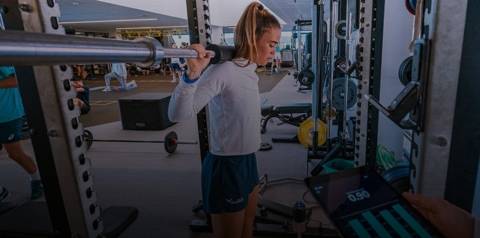
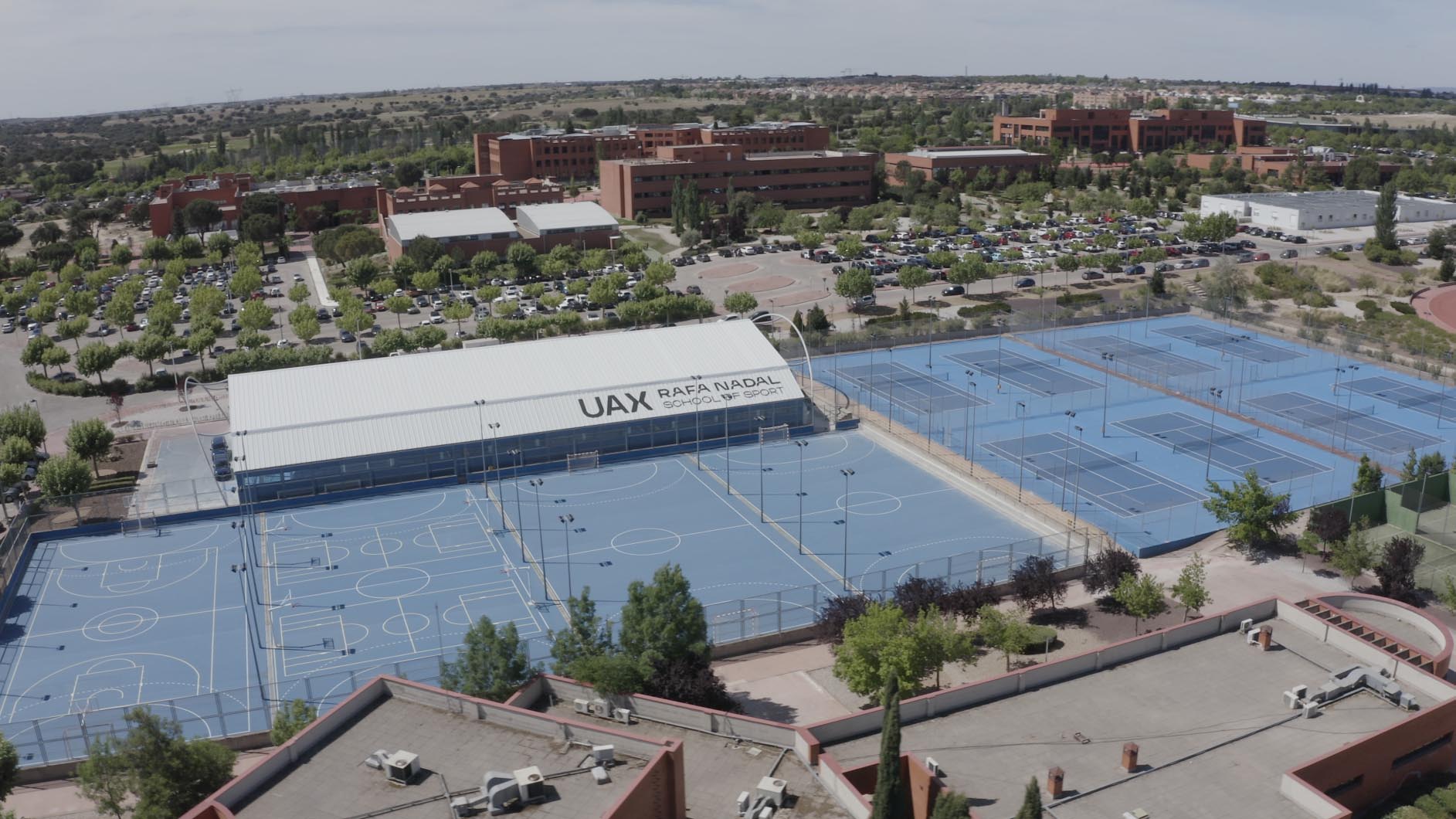
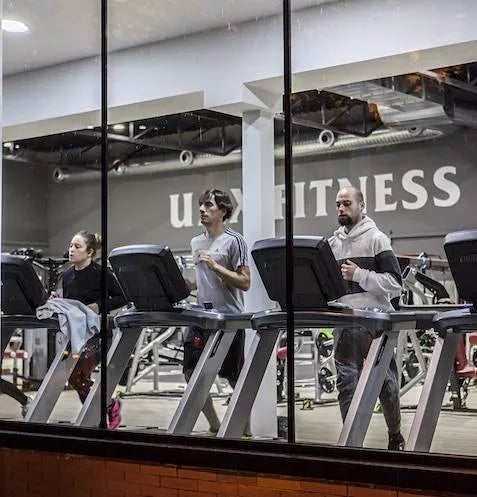
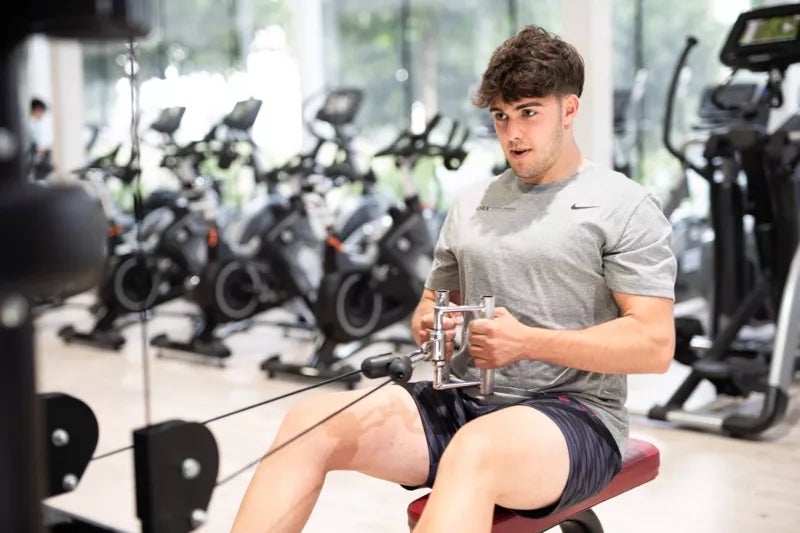
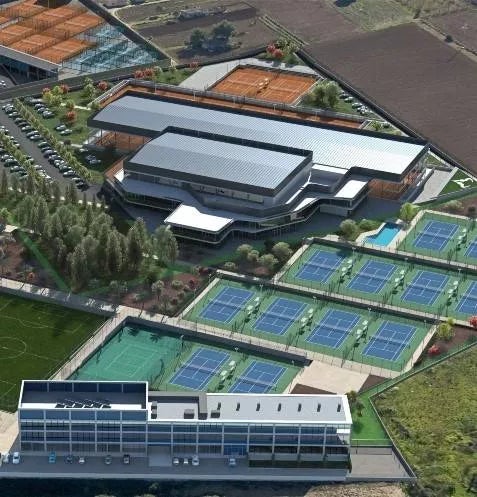
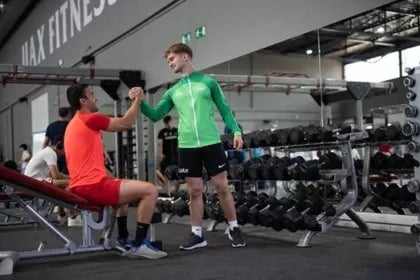
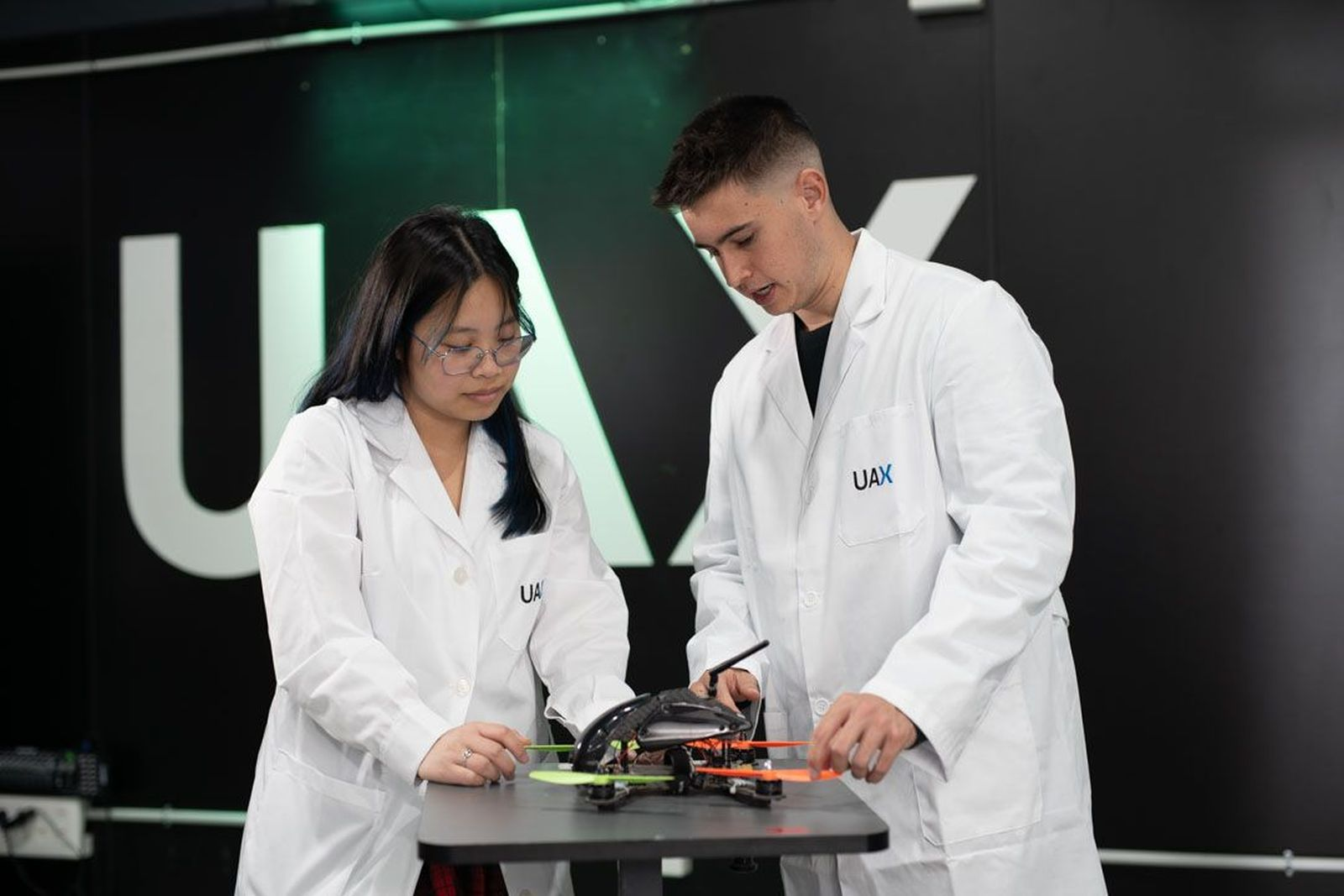
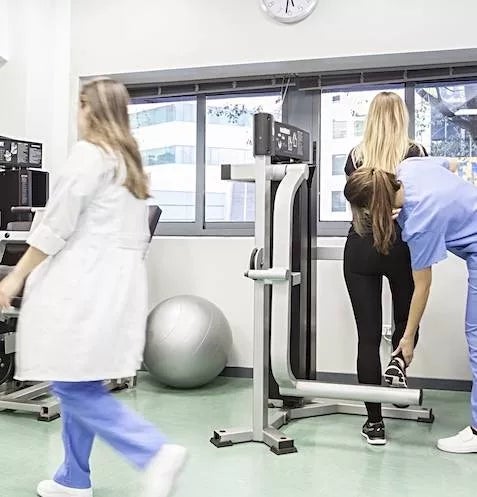
High-performance facilities at your fingertips: Over 1,000 m² with 25 sports areas, 100 state-of-the-art machines at the UAX Fitness Centre and a sports science research unit to take your training to the next level.
Comprehensive, practical training tailored to athletes: Gain a complete understanding of prevention, rehabilitation and performance optimisation in multi-sport and high-performance environments.
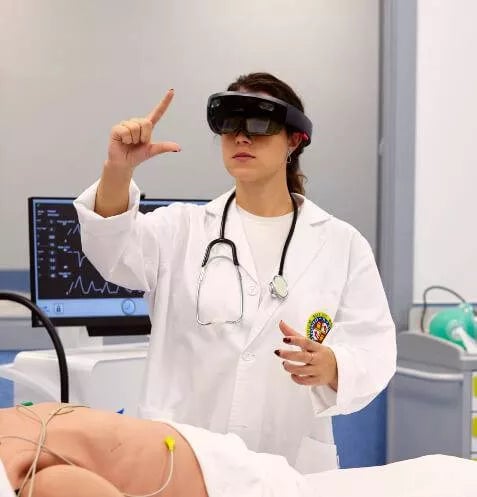
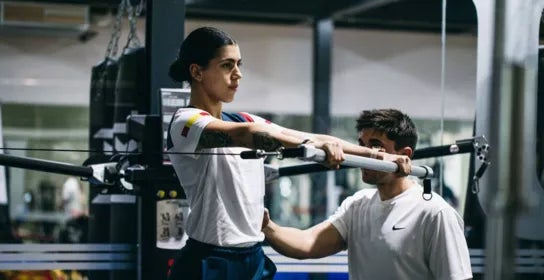
Technology applied to sporting performance: The programme incorporates the use of various technologies for the analysis and monitoring of physical condition, as well as the analysis and interpretation of the data obtained to inform decision-making in the field of sporting performance.
Applied research and knowledge transfer: Students take part in applied research activities, fostering the link between scientific evidence and its practical application in real-world contexts of sports performance and injury prevention.
Why study at the UAX Rafa Nadal University College?
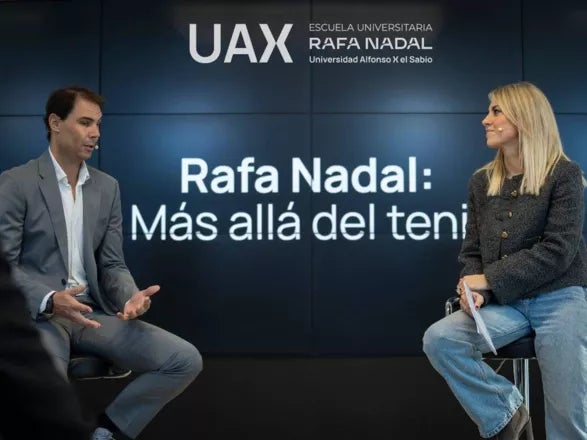
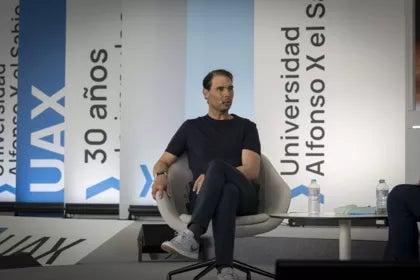
Exclusive masterclass with Rafa Nadal.
Only at UAX
You will have the privilege of hearing Rafa Nadal speak firsthand about leadership, effort, and resilience. In an exclusive session, Nadal will share the experiences that shaped his success. Imagine receiving advice directly from the champion to apply to your own career. It will be an inspiring experience that brings meaning and purpose to your learning.
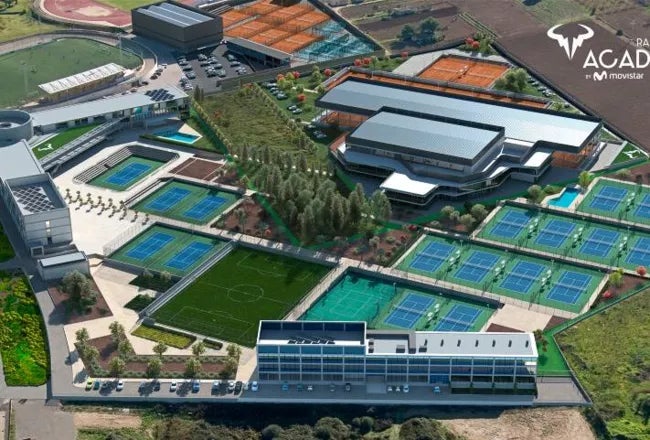
Rafa Nadal Academy
Optional experience
Optionally, you can attend the Rafa Nadal Academy, learning the working methodology of Rafa's companies and team that have led him to success with an analysis of the Rafa Nadal case in the world of tennis.
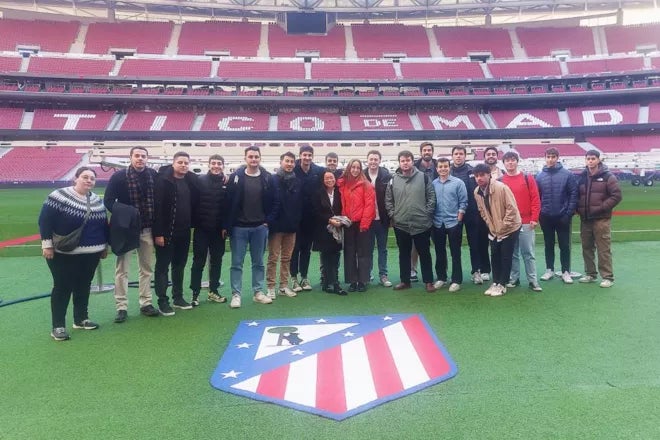
Boost your career alongside Atlético de Madrid: you will gain access to professional internships both at the club and at its Sports City, learn directly from professionals working there, and enjoy an exclusive Atleti experience designed to help you develop real skills in an elite environment.
Quality practices
To boost your career as a Sport Scientist, gaining experience in football clubs, at the Consejo Superior de Deportes, at the Rafa Nadal Academy, and at Quirónsalud's high performance centres, among others.
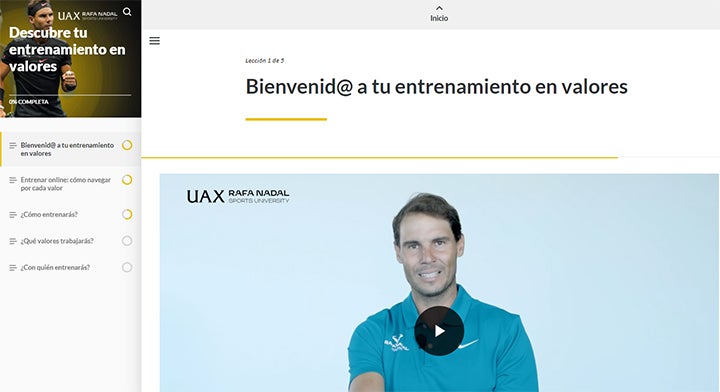
Training in values
with Rafa Nadal and his team
Exclusive online training programme based on the values that have made Rafa Nadal successful: effort, cooperation, empathy, leadership, professional ethics, resilience, work discipline, among others.
Boost your CV with the most sought-after qualifications on the market
In your day-to-day work, you’ll be using the very latest technology in high-performance sport, which will give you a competitive edge in the sector:
Keiser Certification
Specialist certificate in training with pneumatic strength machines.
Therabody Certification
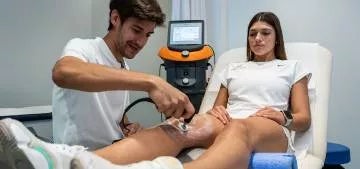
Specialist in the use of technology for muscle recovery and activation.
iAltitude Certification
Oxygen therapy specialist, one of the most advanced and innovative technologies on the market in simulated altitude training.
Find out about the Master’s in Sports Performance
With the help of Juan Ramón Heredia.
Information on the Master’s Degree in Sports Performance and Injury Prevention
See below for full details of the Master’s degree in high-performance sport.
A quién está dirigido este master
El Máster Universitario en Rendimiento Deportivo y Prevención de Lesiones está dirigido a licenciados, diplomados o graduados en Ciencias de la Actividad Física y del Deporte, o Magisterio de Educación Física, con necesidad de especialización para optar a puestos relevantes dentro de la industria deportiva y de la salud o bien con motivación para mejorar su posición laboral dentro de un club, federación o empresa vinculada al deporte, así como profesionales que quieren especializarse en la rama de salud y prevención de lesiones.
What you will learn
Unlike a master's degree in personal training, here you will also learn aspects such as psychology, the context of high-level sport, personalised planning for competition and a global vision of the factors that determine an athlete's performance.
1. You will create programmes to improve basic and specific and individualised physical capacities according to the sporting modality and the different phases of the season.
2. You will be able to evaluate the risks of certain types of training in relation to their benefits in order to be able to adapt each task based on the search for maximum sporting performance.
3. You will learn to analyse in a high-level sporting context the different aspects that affect physical performance, also taking into account the psychological and psychosocial aspects of sport and the athlete.
4. You will specialise in the use of the latest technology to carry out physical and physical condition assessments in the field of performance and health prevention in order to avoid injuries, improve recovery processes and increase the athlete's performance.
5. You will design sports rehabilitation programmes to achieve the most effective possible return to competition for athletes who have overcome an injury.
Plan de Estudios
Con el Máster Universitario en Rendimiento Deportivo y Prevención de Lesiones aprenderás a ser capaz de desarrollar el máximo potencial de rendimiento, mejorando los procesos de recuperación del deportista, cuidando su salud y previniendo lesiones. Estarás cualificado para perfeccionar una práctica basada en la evidencia.
Master’s Degree in Sports Performance and Injury Prevention
First Year
FIRST FOUR-MONTH PERIOD
Code
Subjects
Character*
ECTS
M132400
Training methodology and improving sporting performance
OB
6
Training methodology and improving sporting performance
<div class="wysiwyg">
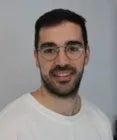
<p>Doctor of Science in Sport and Health, Miguel Hernández University (ANECA CD accreditation)</p>
<p>MSc in Clinical Medicine Research, Faculty of Medicine, Miguel Hernández University, Elche</p>
<p>Master’s in Injury Prevention and Rehabilitation. Isabel I University</p>
<p>Specialist in Health and Sports Practice. National Health System Training Commission. Ministry of Health.</p>
<p>Postgraduate Certificate in Physical Training, University of Alicante</p>
<p>Bachelor’s Degree in Physical Activity and Sport Sciences, Catholic University of Murcia</p>
<p>National Strength and Conditioning Association – Certified Personal Trainer with International Distinction (NSCA-CPT, D*)</p>
<p>Honorary Member of the Dominican Federation of Sports Medicine</p>
<p>Member of the Spanish Society for the Study of Obesity</p>
<p>Reviewer and contributor to the sports cardiology section of the Spanish Society of Cardiology</p>
<p>Lecturer and regular speaker at Master’s programmes and conferences at national and international level (Spain, Mexico, Colombia, Argentina, Brazil, Portugal, Italy).</p>
<p>For over 25 years, I have been an advisor and fitness coach to high-performance athletes specialising in football, athletics and tennis. Currently an advisor and fitness coach to Francisco Garrigós (Bronze medallist at the Paris 2024 Olympic Games, two-time European Champion, World bronze medallist and gold medallist at the Mediterranean Games in judo).</p>
<p>Two national awards for research and professionalism from the fitness industry.</p>
<p>Over 60 scientific articles published in journals indexed in JCR and SJR. He was also the first specialist in Exercise Science to participate in the Expert Group reviewing the European Guidelines on Sports Cardiology on behalf of the Spanish Society of Cardiology.</p>
<p>10 books published on sports science, performance and health.</p>
</div>
<div class="wysiwyg">
<p>PhD candidate in Social and Health Research and Physical Activity. Master’s degree in the Organisation and Management of Sports Organisations. Over 5 years’ experience in university teaching. Former elite sportsman. International athlete with the Spanish national team. Level III coach. Specialist in athletics and high-performance physical training.</p>
</div>
<div class="wysiwyg">
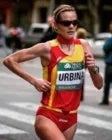
<p>Former international athlete. Member of the national athletics team for 18 years.</p>
<p>Sports director, lecturer and high-performance coach.</p>
<p>PhD candidate in Artificial Intelligence and sporting performance.</p>
<p>Master’s degree in sports law, sports management, marketing and events.</p>
<p>Master’s degree in teacher training, specialising in Physical Education.</p>
<p>Bachelor’s degree in Physical Activity and Sport Sciences.</p>
</div>
<div class="wysiwyg">
<p>Former international athlete. Member of the national athletics team for 18 years.</p>
<p>Sports director, lecturer and high-performance coach.</p>
<p>PhD candidate in Artificial Intelligence and sporting performance.</p>
<p>Master’s degree in sports law, sports management, marketing and events.</p>
<p>Master’s degree in teacher training, specialising in Physical Education.</p>
<p>Bachelor’s degree in Physical Activity and Sport Sciences.</p>
</div>
<div class="wysiwyg">
<p>Former international athlete. Member of the national athletics team for 18 years.</p>
<p>Sports director, lecturer and high-performance coach.</p>
<p>PhD candidate in Artificial Intelligence and sporting performance.</p>
<p>Master’s degree in sports law, sports management, marketing and events.</p>
<p>Master’s degree in teacher training, specialising in Physical Education.</p>
<p>Bachelor’s degree in Physical Activity and Sport Sciences.</p>
</div>
Objectives
General objectives
- To gain a deeper understanding of the scientific, methodological and applied foundations of sports training, with a focus on improving performance and preventing injuries in different contexts (individual, team, cyclic and acyclic sports).
- To develop the ability to design, plan and evaluate training programmes, integrating the various aspects of physical abilities (endurance, strength, speed and flexibility/muscle strength) in accordance with the specific demands of each sport and athlete.
- To foster a critical, analytical and evidence-based approach to decision-making in the planning, monitoring and adjustment of training loads, using technological tools and laboratory and field tests.
Specific objectives
- To understand the methodological principles underpinning the development and programming of training for endurance, strength, speed and flexibility/ADM, depending on the nature of the sport (individual, team, cyclic or acyclic).
- To understand and apply physiological assessment protocols using ergospirometry and lactate analysis to estimate VO₂max, determine ventilatory thresholds and establish individualised training zones.
- To apply and analyse progressive load tests using linear encoders and force platforms to determine the load-velocity curve and its application to the planning of strength and power training.
- Develop skills for assessing static and dynamic trunk stability, interpreting its implications for performance and injury prevention.
- Assess and analyse flexibility and range of motion (ROM) using laboratory and field tests, and design specific improvement programmes tailored to the athlete’s needs.
- Interpret data obtained from laboratory and field tests to establish individual physiological and neuromuscular profiles, which guide the personalisation of training.
- Integrate the results of functional assessment into training planning and monitoring, optimising the relationship between load, adaptation and performance.
- Develop skills in the use of technology applied to sporting performance, as well as in the presentation and communication of results in a rigorous and professional manner.
Competencies
Not applicable
Learning Outcomes
Understand the different training methodologies and programmes for developing basic physical qualities (strength, speed, endurance) as well as flexibility and motor skills.
Understand the new technologies applied in Sports Science and their use in optimising processes to improve athletes’ performance and health.
Apply methods, techniques and processes of varying complexity in the training and preparation of athletes or groups according to their needs, designing activities of varying complexity and specificity aimed at improving the physical qualities of the athlete or individual.
Design training programmes for different types of athletes, assessing and measuring various parameters to achieve health and performance objectives
Course content
- Training methodology and planning for the development of endurance in individual and team sports, as well as cyclic and acyclic sports.
- Training methodology and planning for the development of strength and speed in individual and team sports, as well as cyclic and acyclic sports.
- Training methodology and programme design for flexibility and range of motion (ROM) in individual and team sports, as well as cyclic and acyclic sports.
This module will include workshops and practical sessions consisting of:
- The development, application and analysis of laboratory and field tests (ergospirometry, lactate) to estimate VO₂max, determine ventilatory thresholds and establish training zones according to individual physiological profiles.
- The development, application and analysis of progressive load tests using linear encoders and force platforms to determine the load-velocity curve and its application in training planning.
- The development, administration and analysis of laboratory and field tests to assess static and dynamic trunk stability.
- Development, implementation and analysis of laboratory and field tests to assess flexibility/range of motion and their application to programmes aimed at improving sporting performance.
Training activities
Lectures
Participatory classes
Workshops/Practical sessions
Course forum
Independent study, case studies, problem-solving and literature review.
Tutorials
Knowledge assessments
Assessment system and criteria
Continuous Assessment: Attendance at 70 per cent of face-to-face classes
- Assessment of practical activities (30 per cent)
- Final knowledge assessments (60 per cent)
- Portfolio (10 per cent)
M132401
Sports physiology and its application to training and functional rehabilitation
OB
6
Sports physiology and its application to training and functional rehabilitation
<div class="wysiwyg">
<p>Doctor of Science in Sport and Health, Miguel Hernández University (ANECA CD accreditation)</p>
<p>MSc in Clinical Medicine Research, Faculty of Medicine, Miguel Hernández University, Elche</p>
<p>Master’s in Injury Prevention and Rehabilitation. Isabel I University</p>
<p>Specialist in Health and Sports Practice. National Health System Training Commission. Ministry of Health.</p>
<p>Postgraduate Certificate in Physical Training, University of Alicante</p>
<p>Bachelor’s Degree in Physical Activity and Sport Sciences, Catholic University of Murcia</p>
<p>National Strength and Conditioning Association – Certified Personal Trainer with International Distinction (NSCA-CPT, D*)</p>
<p>Honorary Member of the Dominican Federation of Sports Medicine</p>
<p>Member of the Spanish Society for the Study of Obesity</p>
<p>Reviewer and contributor to the sports cardiology section of the Spanish Society of Cardiology</p>
<p>Lecturer and regular speaker at Master’s programmes and conferences at national and international level (Spain, Mexico, Colombia, Argentina, Brazil, Portugal, Italy).</p>
<p>For over 25 years, I have been an advisor and fitness coach to high-performance athletes specialising in football, athletics and tennis. Currently an advisor and fitness coach to Francisco Garrigós (Bronze medallist at the Paris 2024 Olympic Games, two-time European Champion, World bronze medallist and gold medallist at the Mediterranean Games in judo).</p>
<p>Two national awards for research and professionalism from the fitness industry.</p>
<p>Over 60 scientific articles published in journals indexed in JCR and SJR. He was also the first specialist in Exercise Science to participate in the Expert Group reviewing the European Guidelines on Sports Cardiology on behalf of the Spanish Society of Cardiology.</p>
<p>10 books published on sports science, performance and health.</p>
</div>
<div class="wysiwyg">
<p>Tenured Lecturer in the Department of Physiotherapy at the Faculty of Nursing, Physiotherapy and Rehabilitation, Complutense University of Madrid.</p>
<p>Coordinator of the Bachelor’s Degree in Physiotherapy; Faculty of Nursing, Physiotherapy and Rehabilitation, Complutense University of Madrid, from 1 August 2023 to the present.</p>
<p>Head of Studies for the Bachelor’s Degree in Physical Activity and Sport Sciences at Alfonso X el Sabio University from 15 July 2016 to 3 September 2021.</p>
<p>Lecturer and Co-ordinator of the modules ‘Exercise Physiology’, Physical and Sports Performance Assessment, Tennis Specialisation, and the Master’s in Tennis from the 2010–2011 academic year, and Statistics from the 2015–2016 academic year until 30 July 2021.</p>
<p>Director of Sport at Alfonso X el Sabio University, 2016–2019.</p>
<p>Author of 79 scientific publications indexed in the Journal of Citation Reports (JCR), of which 33 are in the first quartile and 32 are in the second quartile, with 38 as lead author.</p>
<p>Supervised 11 doctoral theses.</p>
<p>Positive evaluation of teaching and research activities by the National Agency for Quality Assessment and Accreditation (ANECA):</p>
<p>TENURED LECTURER WITH A DOCTORATE,</p>
<p>PRIVATE UNIVERSITY LECTURER</p>
<p>ASSISTANT LECTURER (PhD) since 15 February 2013.</p>
<p>UNIVERSITY SENIOR LECTURER since 26 February 2024.</p>
<p>POSITIVE ASSESSMENT by ANECA regarding the application for 2 SIX-YEAR PERIODS OF RESEARCH:</p>
<p>1st six-year research period from 2006 to 2013.</p>
<p>Second six-year research period: from 2013 to 2019.</p>
</div>
<div class="wysiwyg">
<p>Tenured Lecturer in the Department of Physiotherapy at the Faculty of Nursing, Physiotherapy and Rehabilitation, Complutense University of Madrid.</p>
<p>Coordinator of the Bachelor’s Degree in Physiotherapy; Faculty of Nursing, Physiotherapy and Rehabilitation, Complutense University of Madrid, from 1 August 2023 to the present.</p>
<p>Head of Studies for the Bachelor’s Degree in Physical Activity and Sport Sciences at Alfonso X el Sabio University from 15 July 2016 to 3 September 2021.</p>
<p>Lecturer and Co-ordinator of the modules ‘Exercise Physiology’, Physical and Sports Performance Assessment, Tennis Specialisation, and the Master’s in Tennis from the 2010–2011 academic year, and Statistics from the 2015–2016 academic year until 30 July 2021.</p>
<p>Director of Sport at Alfonso X el Sabio University, 2016–2019.</p>
<p>Author of 79 scientific publications indexed in the Journal of Citation Reports (JCR), of which 33 are in the first quartile and 32 are in the second quartile, with 38 as lead author.</p>
<p>Supervised 11 doctoral theses.</p>
<p>Positive evaluation of teaching and research activities by the National Agency for Quality Assessment and Accreditation (ANECA):</p>
<p>TENURED LECTURER WITH A DOCTORATE,</p>
<p>PRIVATE UNIVERSITY LECTURER</p>
<p>ASSISTANT LECTURER (PhD) since 15 February 2013.</p>
<p>UNIVERSITY SENIOR LECTURER since 26 February 2024.</p>
<p>POSITIVE ASSESSMENT by ANECA regarding the application for 2 SIX-YEAR PERIODS OF RESEARCH:</p>
<p>1st six-year research period from 2006 to 2013.</p>
<p>Second six-year research period: from 2013 to 2019.</p>
</div>
<div class="wysiwyg">
<p>Tenured Lecturer in the Department of Physiotherapy at the Faculty of Nursing, Physiotherapy and Rehabilitation, Complutense University of Madrid.</p>
<p>Coordinator of the Bachelor’s Degree in Physiotherapy; Faculty of Nursing, Physiotherapy and Rehabilitation, Complutense University of Madrid, from 1 August 2023 to the present.</p>
<p>Head of Studies for the Bachelor’s Degree in Physical Activity and Sport Sciences at Alfonso X el Sabio University from 15 July 2016 to 3 September 2021.</p>
<p>Lecturer and Co-ordinator of the modules ‘Exercise Physiology’, Physical and Sports Performance Assessment, Tennis Specialisation, and the Master’s in Tennis from the 2010–2011 academic year, and Statistics from the 2015–2016 academic year until 30 July 2021.</p>
<p>Director of Sport at Alfonso X el Sabio University, 2016–2019.</p>
<p>Author of 79 scientific publications indexed in the Journal of Citation Reports (JCR), of which 33 are in the first quartile and 32 are in the second quartile, with 38 as lead author.</p>
<p>Supervised 11 doctoral theses.</p>
<p>Positive evaluation of teaching and research activities by the National Agency for Quality Assessment and Accreditation (ANECA):</p>
<p>TENURED LECTURER WITH A DOCTORATE,</p>
<p>PRIVATE UNIVERSITY LECTURER</p>
<p>ASSISTANT LECTURER (PhD) since 15 February 2013.</p>
<p>UNIVERSITY SENIOR LECTURER since 26 February 2024.</p>
<p>POSITIVE ASSESSMENT by ANECA regarding the application for 2 SIX-YEAR PERIODS OF RESEARCH:</p>
<p>1st six-year research period from 2006 to 2013.</p>
<p>Second six-year research period: from 2013 to 2019.</p>
</div>
Objectives
General objectives:
To deepen understanding of the physiological mechanisms that regulate the response to and adaptation from physical exercise, with particular emphasis on the cardiovascular, respiratory, endocrine-metabolic, neuromuscular and osteoarticular systems.
To apply the physiological principles of exercise to the prescription and planning of training programmes, aimed both at improving performance and at the prevention and rehabilitation of movement-related dysfunctions or conditions.
To develop skills for the analysis and interpretation of physiological parameters in sporting and clinical contexts, enabling safe, effective and evidence-based intervention.
Specific objectives:
To understand the mechanisms of acute and chronic adaptation to exercise in the main physiological systems involved in performance and health.
To analyse the pathophysiological basis of the main cardiovascular, respiratory, endocrine-metabolic, neuromuscular and osteoarticular disorders or pathologies, and their relationship with physical exercise.
To acquire scientific and technical criteria for prescribing physical exercise in populations with medical conditions or risk factors, promoting prevention and functional improvement.
Develop skills for the physiological assessment of athletes’ health, applying and interpreting specific laboratory and field protocols and tests.
To design and implement individualised training programmes in practical cases relating to the prevention of cardiovascular and respiratory conditions (such as hypertension, ischaemic heart disease, asthma or COPD).
To design and implement training programmes aimed at preventing endocrine and metabolic disorders, such as insulin resistance, obesity or metabolic syndrome.
Plan neuromuscular training and rehabilitation programmes, taking into account the physiological mechanisms of fatigue, neuromuscular plasticity and functional recovery.
Develop training and osteoarticular prevention strategies, addressing cases of osteopenia, osteoporosis, osteoarthritis or tendinopathies from a physiological and functional perspective.
Integrate the physiological data obtained during the athlete’s assessment to optimise training load and post-injury rehabilitation, ensuring safe and efficient progression.
To promote a critical, reflective and ethical approach to the interpretation of physiological results and to decision-making relating to health and sporting performance.
Competencies
Not applicable
Learning Outcomes
To understand and identify all relevant and necessary aspects for the management and planning of
in relation to cardiovascular and respiratory, endocrine-metabolic, neuromuscular and osteoarticular health.
Identify and distinguish the various parameters that indicate the state of cardiovascular, respiratory, osteo-articular and neuromuscular health status in athletes, in order to be able to design and act upon them through training and functional rehabilitation programmes, as well as implementing assessment techniques to obtain the necessary data.
To have a thorough understanding of endocrine and metabolic health indicators, as well as the parameters and factors relating to the influence of
physical activity and high-performance sport on these, in order to be able to make informed decisions that improve the athlete’s performance and health.
Assess and analyse, on an individual basis, an athlete’s health and performance by applying the necessary technologies to obtain the appropriate data and biomarkers.
Prescribe tasks, actions and exercises aimed at injury prevention, rehabilitation and the improvement of
sporting performance or health care, using the most appropriate technology and methodology.
Course content
Cardiovascular and respiratory health. Pathophysiological principles and criteria for prescribing physical exercise to prevent cardiovascular and respiratory problems.
Endocrine and metabolic health. Physiological principles and criteria for prescribing physical exercise to prevent endocrine and metabolic diseases and problems.
Neuromuscular health. Physiological principles and criteria for prescribing physical exercise in neuromuscular conditions.
Osteoarticular health. Physiological principles and criteria for prescribing physical exercise to prevent problems and conditions affecting the musculoskeletal system.
This module will include workshops and practical sessions consisting of:
Analysis of protocols and tests for assessing athletes’ health.
A practical workshop on the application of case studies in the design of training programmes for the prevention of endocrine and metabolic disorders
A workshop on the practical application of case studies in the design of training programmes for the prevention of cardiovascular and metabolic problems and accidents (hypertension, ischaemic heart disease, asthma, COPD)
Development of a case-based workshop on the design of training programmes for the prevention of neuromuscular conditions.
Development of a case-based workshop on the design of training programmes for the prevention of osteoarticular problems and conditions (osteopenia–osteoporosis, osteoarthritis, tendinopathies).
Training activities
Lectures
Participatory classes
Workshops/Practical sessions
Course forum
Independent study, case studies, problem-solving and literature review.
Tutorials
Knowledge assessments
Assessment system and criteria
Continuous Assessment: Attendance at 70 per cent of face-to-face classes
- Assessment of practical activities (30 per cent)
- Final knowledge tests (60 per cent)
- Portfolio (10 per cent)
M132402
Reducing the risk of injury and promoting functional and sporting rehabilitation
OB
6
Reducing the risk of injury and promoting functional and sporting rehabilitation
<div class="wysiwyg">
<p>PhD in Physical Activity and Sport Sciences (CAFyD). University lecturer with experience in teaching undergraduate courses in Physical Activity and Sport Sciences (CAFyD), delivering modules on basketball, applied statistics and new trends in training. Involvement in master’s and postgraduate programmes in the areas of training, nutrition and injury prevention.</p>
<p>Extensive experience as a fitness coach in men’s and women’s basketball at various competitive levels (Spanish Championships with the men’s U18 and women’s senior teams). Established research career, with over 25 publications in JCR-indexed journals. Experience in supervising doctoral theses, Master’s dissertations and undergraduate dissertations.</p>
</div>
<div class="wysiwyg">
<p>PhD in Physical Activity and Sport Sciences (CAFyD). University lecturer with experience in teaching undergraduate courses in Physical Activity and Sport Sciences (CAFyD), delivering modules on basketball, applied statistics and new trends in training. Involvement in master’s and postgraduate programmes in the areas of training, nutrition and injury prevention.</p>
<p>Extensive experience as a fitness coach in men’s and women’s basketball at various competitive levels (Spanish Championships with the men’s U18 and women’s senior teams). Established research career, with over 25 publications in JCR-indexed journals. Experience in supervising doctoral theses, Master’s dissertations and undergraduate dissertations.</p>
</div>
<div class="wysiwyg">
<p>PhD in Physical Activity and Sport Sciences (CAFyD). University lecturer with experience in teaching undergraduate courses in Physical Activity and Sport Sciences (CAFyD), delivering modules on basketball, applied statistics and new trends in training. Involvement in master’s and postgraduate programmes in the areas of training, nutrition and injury prevention.</p>
<p>Extensive experience as a fitness coach in men’s and women’s basketball at various competitive levels (Spanish Championships with the men’s U18 and women’s senior teams). Established research career, with over 25 publications in JCR-indexed journals. Experience in supervising doctoral theses, Master’s dissertations and undergraduate dissertations.</p>
</div>
<div class="wysiwyg">
<p>PhD in Physical Activity and Sport Sciences (CAFyD). University lecturer with experience in teaching undergraduate courses in Physical Activity and Sport Sciences (CAFyD), delivering modules on basketball, applied statistics and new trends in training. Involvement in master’s and postgraduate programmes in the areas of training, nutrition and injury prevention.</p>
<p>Extensive experience as a fitness coach in men’s and women’s basketball at various competitive levels (Spanish Championships with the men’s U18 and women’s senior teams). Established research career, with over 25 publications in JCR-indexed journals. Experience in supervising doctoral theses, Master’s dissertations and undergraduate dissertations.</p>
</div>
<div class="wysiwyg">
<p>PhD in Physical Activity and Sport Sciences (CAFyD). University lecturer with experience in teaching undergraduate courses in Physical Activity and Sport Sciences (CAFyD), delivering modules on basketball, applied statistics and new trends in training. Involvement in master’s and postgraduate programmes in the areas of training, nutrition and injury prevention.</p>
<p>Extensive experience as a fitness coach in men’s and women’s basketball at various competitive levels (Spanish Championships with the men’s U18 and women’s senior teams). Established research career, with over 25 publications in JCR-indexed journals. Experience in supervising doctoral theses, Master’s dissertations and undergraduate dissertations.</p>
</div>
<div class="wysiwyg">
<p>PhD in Physical Activity and Sport Sciences (CAFyD). University lecturer with experience in teaching undergraduate courses in Physical Activity and Sport Sciences (CAFyD), delivering modules on basketball, applied statistics and new trends in training. Involvement in master’s and postgraduate programmes in the areas of training, nutrition and injury prevention.</p>
<p>Extensive experience as a fitness coach in men’s and women’s basketball at various competitive levels (Spanish Championships with the men’s U18 and women’s senior teams). Established research career, with over 25 publications in JCR-indexed journals. Experience in supervising doctoral theses, Master’s dissertations and undergraduate dissertations.</p>
</div>
<div class="wysiwyg">
<p>PhD in Physical Activity and Sport Sciences (CAFyD). University lecturer with experience in teaching undergraduate courses in Physical Activity and Sport Sciences (CAFyD), delivering modules on basketball, applied statistics and new trends in training. Involvement in master’s and postgraduate programmes in the areas of training, nutrition and injury prevention.</p>
<p>Extensive experience as a fitness coach in men’s and women’s basketball at various competitive levels (Spanish Championships with the men’s U18 and women’s senior teams). Established research career, with over 25 publications in JCR-indexed journals. Experience in supervising doctoral theses, Master’s dissertations and undergraduate dissertations.</p>
</div>
<div class="wysiwyg">
<p>PhD in Physical Activity and Sport Sciences (CAFyD). University lecturer with experience in teaching undergraduate courses in Physical Activity and Sport Sciences (CAFyD), delivering modules on basketball, applied statistics and new trends in training. Involvement in master’s and postgraduate programmes in the areas of training, nutrition and injury prevention.</p>
<p>Extensive experience as a fitness coach in men’s and women’s basketball at various competitive levels (Spanish Championships with the men’s U18 and women’s senior teams). Established research career, with over 25 publications in JCR-indexed journals. Experience in supervising doctoral theses, Master’s dissertations and undergraduate dissertations.</p>
</div>
Objectives
General objectives:
To understand the scientific, methodological and applied foundations of the prevention and rehabilitation of sports injuries, with particular emphasis on the relationship between the biomechanical, physiological and functional factors that influence the risk of injury.
To develop the ability to design, implement and evaluate functional and sports rehabilitation programmes, integrating the use of advanced technologies and tools for the control and monitoring of the recovery process.
To foster a critical, evidence-based perspective on current strategies for the prevention, recovery and optimisation of post-injury performance in athletes.
Specific objectives:
To recognise and analyse the main scientific evidence and up-to-date protocols on the recovery and rehabilitation of injuries to the lower and upper limbs, understanding the phases of the process and the criteria for functional progression.
To understand and apply the main techniques and methods of sports rehabilitation, including load management strategies, strength training, stability, proprioception and neuromuscular control.
To identify and analyse injury risk factors, both intrinsic (strength, mobility, motor control) and extrinsic (load, surface, equipment), through the observation and quantification of movement patterns.
Use specific technological tools (force platforms, encoders, motion capture systems, electromyography, etc.) for the biomechanical and functional analysis of sporting movements and the detection of asymmetries or deficiencies.
Design personalised training and rehabilitation programmes, aimed at functional recovery and reducing the risk of relapse, incorporating data obtained from biomechanical and physiological assessments.
Assess the athlete’s health status, performance and injury risk by identifying and analysing relevant biomarkers and functional parameters.
Apply criteria for periodisation and load management during sports rehabilitation, ensuring appropriate progression from functional recovery to a return to competitive sport.
Develop skills for interdisciplinary collaboration between coaches, physiotherapists and health professionals in the process of injury recovery and prevention.
To promote a critical, ethical and reflective approach to the application of rehabilitation methodologies, prioritising safety, individualised care and the sustainability of long-term performance.
Competencies
Not applicable
Learning Outcomes
Recognise the latest and most significant scientific references and evidence regarding the recovery and rehabilitation
from lower and upper limb injuries, as well as the main techniques and methods for addressing them.
Understand, identify and analyse the relevant data for the programming and planning of training sessions and exercises
aimed at sporting performance, health and the management of injuries.
Use specific tools to correctly analyse the movement patterns and biomechanics of the
performed by an athlete during competition, in order to identify the most significant risks of injury to the lower and upper limbs with the aim of reducing injuries.
To analyse the various factors affecting performance, rehabilitation, injury prevention and health improvement, as well
the most advanced methods and techniques, with the aim of offering appropriate and up-to-date programmes and plans.
To assess and analyse, on an individual basis, an athlete’s state of health and performance by applying the necessary technologies to obtain the relevant data and biomarkers.
Course content
Criteria for intervention through physical exercise programmes to reduce the risk of injury.
Injury recovery based on scientific evidence
Planning the rehabilitation process for lower limb injuries
Design of rehabilitation sessions for lower limb injuries
Planning the rehabilitation process for upper limb injuries.
Design of rehabilitation sessions for upper limb injuries.
This module will include workshops and practical sessions consisting of:
Developing and implementing protocols for reducing the risk of injury in specific sports, based on scientific evidence.
Developing and implementing rehabilitation protocols for recovery and return to competition following lower limb injuries.
Developing and implementing rehabilitation protocols for rehabilitation and return to competition following upper limb injuries.
Training activities
Lectures
Participatory classes
Workshops/Practical sessions
Course forum
Independent study, case studies, problem-solving and literature review.
Tutorials
Knowledge assessments
Assessment system and criteria
Continuous Assessment: Attendance at 70 per cent of face-to-face classes
- Assessment of practical activities (30 per cent)
- Final knowledge assessments (60 per cent)
- Portfolio (10 per cent)
M132403
Training programmes for optimising sporting performance (I)
OB
6
Training programmes for optimising sporting performance (I)
<div class="wysiwyg">
<p>PhD in Physical Activity and Sport Sciences (CAFyD). University lecturer with experience in teaching undergraduate courses in Physical Activity and Sport Sciences (CAFyD), delivering modules on basketball, applied statistics and new trends in training. Involvement in master’s and postgraduate programmes in the areas of training, nutrition and injury prevention.</p>
<p>Extensive experience as a fitness coach in men’s and women’s basketball at various competitive levels (Spanish Championships with the men’s U18 and women’s senior teams). Established research career, with over 25 publications in JCR-indexed journals. Experience in supervising doctoral theses, Master’s dissertations and undergraduate dissertations.</p>
</div>
<div class="wysiwyg">
<p>PhD in Physical Activity and Sport Sciences (CAFyD). University lecturer with experience in teaching undergraduate courses in Physical Activity and Sport Sciences (CAFyD), delivering modules on basketball, applied statistics and new trends in training. Involvement in master’s and postgraduate programmes in the areas of training, nutrition and injury prevention.</p>
<p>Extensive experience as a fitness coach in men’s and women’s basketball at various competitive levels (Spanish Championships with the men’s U18 and women’s senior teams). Established research career, with over 25 publications in JCR-indexed journals. Experience in supervising doctoral theses, Master’s dissertations and undergraduate dissertations.</p>
</div>
<div class="wysiwyg">
<p>Ana de la Fuente García, a rehabilitation specialist in musculoskeletal injuries within high-performance sport. PhD candidate in Physical Activity and Sport Sciences (UAM), holder of a Master’s degree in Physical and Sport Performance (UPO) and a university specialist in the prevention, intervention and recovery from sports injuries (UPM). Holds a degree in Physiotherapy (UCM) and a degree in Physical Activity and Sport Sciences (UAM). Currently works as a rehabilitation specialist and fitness coach in women’s football.</p>
</div>
<div class="wysiwyg">
<p>Ana de la Fuente García, a rehabilitation specialist in musculoskeletal injuries within high-performance sport. PhD candidate in Physical Activity and Sport Sciences (UAM), holder of a Master’s degree in Physical and Sport Performance (UPO) and a university specialist in the prevention, intervention and recovery from sports injuries (UPM). Holds a degree in Physiotherapy (UCM) and a degree in Physical Activity and Sport Sciences (UAM). Currently works as a rehabilitation specialist and fitness coach in women’s football.</p>
</div>
<div class="wysiwyg">
<p>Ana de la Fuente García, a rehabilitation specialist in musculoskeletal injuries within high-performance sport. PhD candidate in Physical Activity and Sport Sciences (UAM), holder of a Master’s degree in Physical and Sport Performance (UPO) and a university specialist in the prevention, intervention and recovery from sports injuries (UPM). Holds a degree in Physiotherapy (UCM) and a degree in Physical Activity and Sport Sciences (UAM). Currently works as a rehabilitation specialist and fitness coach in women’s football.</p>
</div>
<div class="wysiwyg">
<p>Ana de la Fuente García, a rehabilitation specialist in musculoskeletal injuries within high-performance sport. PhD candidate in Physical Activity and Sport Sciences (UAM), holder of a Master’s degree in Physical and Sport Performance (UPO) and a university specialist in the prevention, intervention and recovery from sports injuries (UPM). Holds a degree in Physiotherapy (UCM) and a degree in Physical Activity and Sport Sciences (UAM). Currently works as a rehabilitation specialist and fitness coach in women’s football.</p>
</div>
<div class="wysiwyg">
<p>Ana de la Fuente García, a rehabilitation specialist in musculoskeletal injuries within high-performance sport. PhD candidate in Physical Activity and Sport Sciences (UAM), holder of a Master’s degree in Physical and Sport Performance (UPO) and a university specialist in the prevention, intervention and recovery from sports injuries (UPM). Holds a degree in Physiotherapy (UCM) and a degree in Physical Activity and Sport Sciences (UAM). Currently works as a rehabilitation specialist and fitness coach in women’s football.</p>
</div>
Objectives
General objectives:
To understand the scientific and methodological principles underpinning the programming and planning of sports training, with a view to improving performance and preventing injuries.
To develop skills in the design, monitoring and evaluation of training programmes, taking into account physiological adaptations and the specific demands of the various functional systems (cardiovascular, respiratory, endocrine-metabolic, neuromuscular and osteoarticular).
To integrate the use of technologies and analytical tools applied to Sports Science for monitoring, optimisation and decision-making within the training process.
Specific objectives:
To understand and identify the main physiological, biomechanical and methodological factors involved in the planning of sports training aimed at performance and health.
To analyse the responses and adaptations of the cardiovascular, respiratory, endocrine-metabolic, neuromuscular and osteoarticular systems to different training stimuli.
To design and plan strength training programmes tailored to the athlete’s current fitness level, competitive level and specific objectives, applying criteria of periodisation, progression and load control.
Select and apply the most effective training methods and equipment, based on the athlete’s characteristics, the sport and the phase of the season.
Use advanced technologies (linear encoders, force platforms, motion analysis systems, physiological monitoring, etc.) to assess performance and monitor training load.
Interpret the results of functional and performance assessment tests, integrating the data obtained into the decision-making process to adjust and optimise the training programme.
Develop the ability to analyse factors affecting performance, rehabilitation and injury prevention, applying the most up-to-date training and monitoring methods and techniques.
Design individualised training programmes tailored to different types of athletes and contexts, aimed at both improving performance and maintaining health and functionality.
Apply a scientific, critical and reflective approach to training planning and evaluation, ensuring the effectiveness, safety and sustainability of processes aimed at optimising sporting performance.
Competencies
Not applicable
Learning Outcomes
Understand and identify all the relevant and necessary aspects for the management and planning of
in relation to cardiovascular and respiratory, endocrine-metabolic, neuromuscular and osteoarticular health.
Understand the new technologies applied in Sports Science and their use in optimising processes to
enhance athletes’ performance and health.
To design a training programme aimed at improving strength in relation to sporting performance,
selecting the most effective and appropriate methods based on the timing and current fitness level of the
athlete, as well as to interpret the results of various functional assessment tests.
To analyse the various factors affecting performance, rehabilitation, injury prevention and health improvement, as well
as the most advanced methods and techniques, with the aim of providing appropriate and up-to-date programmes and plans.
Design training programmes for different types of athletes, assessing and measuring various parameters to
achieve health and performance objectives.
Assess and analyse, on an individual basis, an athlete’s health and performance by applying the necessary technologies to obtain the appropriate data and biomarkers.
Course content description
Criteria for training programme design and their application in improving sporting performance.
Application of criteria for training programme design in cyclic sports
Application of criteria for training planning in team sports.
Programming to improve strength through training
Programme design to improve endurance through training
This module will include workshops and practical sessions consisting of:
Analysis of traditional training programme models for improving sporting performance.
Analysis and development of contemporary training programme models for improving sporting performance
Case studies and the application of different training programme models in cyclic sports.
Case studies and the application of different training programme models in team sports
Training activities
Lectures
Participatory classes
Workshops/Practical sessions
Course forum
Independent study, case studies, problem-solving and literature review.
Tutorials
Knowledge assessments
Assessment system and criteria
Continuous Assessment: Attendance at 70 per cent of face-to-face classes
- Assessment of practical activities (30 per cent)
- Final knowledge assessments (60 per cent)
- Portfolio (10 per cent)
M132404
Data analysis and technology for injury prevention and sporting performance
OB
6
Data analysis and technology for injury prevention and sporting performance
<div class="wysiwyg">
<p>I hold a degree in Physical Activity and Sport Sciences from the University of Alcalá, a Master’s degree in Sports Science Research and a PhD in Social and Health Care Research and Physical Activity. My training combines perspectives on health and performance, with a particular focus on exercise physiology and biomechanics.</p>
</div>
<div class="wysiwyg">
<p>PhD in Social and Health Research and Physical Activity from the University of Castilla-La Mancha. Teaching experience at universities and in vocational training. Research experience in sports performance. AEXHP research group. Athletics coach and DAN-accredited coach in adapted swimming.</p>
</div>
<div class="wysiwyg">
<p>I am a lecturer on the Bachelor’s Degree in Physical Activity and Sport Sciences at Alfonso X el Sabio University, where I teach the module ‘Team Sports: Rugby and Physical Activity for People with Disabilities’, as well as having taught other modules such as Biomechanics, Sports Psychology and Performance Assessment. I combine teaching with research in the field of sports performance, having published articles in high-impact scientific journals (JCR) and participated in national and international conferences.</p>
<p>I completed the Licence STAPS at the Université Toulouse III – Paul Sabatier (France), where I also completed a Master’s degree in Training and Optimisation of Sporting Performance. In 2021, I completed a Master’s in Research in Physical Activity and Sport Sciences at the Polytechnic University of Madrid. I am currently pursuing my research and PhD, which focuses on analysing performance in rugby union and rugby sevens using GPS® technology and methodologies for monitoring training load and athletes’ health.</p>
<p>In the sporting arena, I have worked as a fitness coach at Blagnac Rugby (U23) and at Club Complutense Cisneros (Women’s Division de Honor and U23), as well as taking on coaching roles in youth development categories. I have also collaborated with the Spanish Rugby Federation as a data analyst and fitness coach for the women’s national rugby sevens team. I hold various coaching qualifications from the CSD.</p>
</div>
<div class="wysiwyg">
<p>I am a lecturer on the Bachelor’s Degree in Physical Activity and Sport Sciences at Alfonso X el Sabio University, where I teach the module ‘Team Sports: Rugby and Physical Activity for People with Disabilities’, as well as having taught other modules such as Biomechanics, Sports Psychology and Performance Assessment. I combine teaching with research in the field of sports performance, having published articles in high-impact scientific journals (JCR) and participated in national and international conferences.</p>
<p>I completed the Licence STAPS at the Université Toulouse III – Paul Sabatier (France), where I also completed a Master’s degree in Training and Optimisation of Sporting Performance. In 2021, I completed a Master’s in Research in Physical Activity and Sport Sciences at the Polytechnic University of Madrid. I am currently pursuing my research and PhD, which focuses on analysing performance in rugby union and rugby sevens using GPS® technology and methodologies for monitoring training load and athletes’ health.</p>
<p>In the sporting arena, I have worked as a fitness coach at Blagnac Rugby (U23) and at Club Complutense Cisneros (Women’s Division de Honor and U23), as well as taking on coaching roles in youth development categories. I have also collaborated with the Spanish Rugby Federation as a data analyst and fitness coach for the women’s national rugby sevens team. I hold various coaching qualifications from the CSD.</p>
</div>
Objectives
General objectives:
To understand and apply the fundamentals of data analysis and the use of advanced technologies in the field of sports performance and injury prevention.
To develop skills in the management, interpretation and communication of scientific and technical information, with a view to supporting evidence-based professional decision-making.
To foster critical, analytical and ethical thinking, as well as the ability to work collaboratively and across disciplines when using technological tools applied to optimising athletes’ performance and health.
Specific objectives:
To gain an understanding of the main technologies applied in Sports Science, such as motion analysis systems, physiological monitoring, inertial sensors, force platforms, GPS and performance analysis software.
To understand the principles of data analysis in a sporting context, including the collection, processing, cleaning, interpretation and visualisation of data obtained through various technological tools.
To apply quantitative and qualitative methods to assess variables related to performance, training load and injury risk, identifying patterns relevant to decision-making.
Develop the ability to integrate technological and physiological data into the design, monitoring and evaluation of training programmes aimed at optimising performance and preventing injuries.
Acquire the skills to search for, critically analyse and synthesise scientific information, in order to base technical and methodological conclusions on up-to-date, high-quality studies.
To promote decision-making based on scientific evidence, combining objective data with professional judgement in the field of athletes’ performance and health.
To develop effective communication and teamwork skills in multidisciplinary settings, using the appropriate technical and scientific language for the transfer of knowledge.
To foster ethical leadership, professional responsibility and sustainability, integrating the principles of the Sustainable Development Goals (SDGs) into the application of sports technologies.
To maintain a commitment to continuous professional development regarding technological and methodological innovations that impact injury prevention and the improvement of sporting performance.
Competencies
Not applicable
Learning outcomes
To understand the new technologies applied in Sports Science and their use in optimising processes to
improve athletes’ performance and health.
To draw conclusions and make technical decisions based on scientific studies that enable problems to be addressed.
Develop effective communication, teamwork, analytical thinking, creativity and ethical leadership
from a cross-disciplinary perspective, clearly inspired by democratic principles and values, as well as the Sustainable Development Goals, in order to conduct oneself with integrity in the professional sphere.
To analyse relevant scientific sources and keep knowledge up to date in order to improve the design of
for specific areas of sporting performance.
Course content description
Data analysis and its application to performance optimisation.
Research designs and techniques in sport and health
Scientific research methodology
Review of the various methodologies in scientific research applied to sports science.
New technologies applied in high-performance sport and health, and injury prevention
Application of technology in sports science research for data analysis in sports science.
Technical and tactical analysis to optimise sporting performance using data obtained from new technologies.
This module will include workshops and practical sessions consisting of:
Analysis of different research structures and designs in sports science.
Critical reading of sports science research and analysis of the evidence
Development of research questions and the appropriate use of information sources
New technologies, data analysis and their application to improving performance and health.
The use of artificial intelligence in the context of sports science
Training activities
Lectures
Participatory classes
Workshops/Laboratories
Course forum
Independent study, case studies, problem-solving and literature review.
Tutorials
Knowledge assessments
Assessment system and criteria
Continuous Assessment: Attendance at 70 per cent of face-to-face classes
- Assessment of practical activities (30 per cent)
- Final knowledge assessments (60 per cent)
- Portfolio (10 per cent)
TOTAL:
30
SECOND FOUR-MONTH TERM
Code
Subjects
Character*
ECTS
M132405
Training Programme for Optimising Sporting Performance (II)
OB
6
Training Programme for Optimising Sporting Performance (II)
<div class="wysiwyg">
<p>PhD in Social and Health Research and Physical Activity from the University of Castilla-La Mancha. Teaching experience at universities and in vocational training. Research experience in sports performance. AEXHP research group. Athletics coach and DAN-accredited coach in adapted swimming.</p>
</div>
<div class="wysiwyg">
<p>PhD in Social and Health Research and Physical Activity from the University of Castilla-La Mancha. Teaching experience at universities and in vocational training. Research experience in sports performance. AEXHP research group. Athletics coach and DAN-accredited coach in adapted swimming.</p>
</div>
Objectives
General objectives:
To gain a deeper understanding of the planning, programming and monitoring of sports training through the analysis and interpretation of relevant data, with a view to optimising athletes’ performance and health across different contexts and populations.
To apply the principles of advanced training in the design of specific programmes aimed at generating appropriate physiological adaptations, taking into account individual characteristics, performance level and any special circumstances.
To integrate strategies for prevention, rehabilitation and ‘invisible’ training into the athlete’s overall planning, ensuring a holistic view of performance, health and the sustainability of the training process.
Specific objectives:
To understand, identify and analyse the data relevant to the programming and planning of training sessions aimed at improving performance, health and functional rehabilitation.
To apply the principles and methods of advanced training to induce optimal physiological adaptations in different athlete profiles: high-performance athletes, older adults, female athletes and athletes with special needs.
To interpret the results obtained from functional, physiological and biomechanical assessment tests, integrating them into decision-making to adjust the training load and optimise the athlete’s response.
Design and implement injury prevention and rehabilitation programmes, selecting the most appropriate strategies and methods according to the sport, the stage of the season and the athlete’s history.
Develop the skills to advise on and manage ‘invisible’ training, addressing aspects related to recovery, sleep, nutrition, stress management and other factors that determine performance.
Integrate the use of monitoring technologies and tools (GPS, force platforms, encoders, heart rate variability analysis, etc.) for the individualised control and monitoring of the training process.
Develop the ability to work in multidisciplinary teams, effectively communicating results and technical decisions within a professional environment that is ethical, collaborative and based on the principles of sustainability and social responsibility.
To foster critical and reflective thinking in the interpretation of scientific data and the practical application of training methodologies, ensuring evidence-based interventions.
To consolidate a holistic view of sporting performance, balancing the objectives of performance enhancement, the athlete’s health and injury prevention.
Competencies
Not applicable
Learning Outcomes
To understand, identify and analyse the relevant data for the programming and planning of training sessions and exercises
aimed at sporting performance, health and the management of injury-related issues.
Apply specific training concepts and interpret data obtained through various
to bring about the physiological adaptations necessary for improving the health of athletes in general, in older adults
, female athletes and athletes with specific needs.
Develop effective communication, teamwork, analytical thinking, creativity and ethical leadership
from a cross-disciplinary perspective, clearly inspired by democratic principles and values, as well as the Sustainable Development Goals, in order to conduct oneself with integrity in the professional sphere.
Design injury prevention and rehabilitation plans for high-performance athletes, applying the most appropriate and effective strategies to achieve the set objectives.
To advise, guide and work with athletes on the various parameters and modifiable variables inherent to the concept of ‘invisible training’ in order to improve their health and sporting performance.
Description of the course content
Training programme design for specific older and frail adult populations (young people, older athletes, female athletes).
Application of criteria for training programmes in racket sports
Application of criteria for training programme design in combat sports
Application of criteria for training programme design under specific conditions (weather conditions, changes in geographical conditions and time zones, common illnesses, etc.)
This module will include workshops and practical sessions consisting of:
Case studies and the application of different training programme models for racket sports.
Case studies and the application of different training programme models in combat sports.
Case studies and the application of different training programme models for children and older athletes
Training activities
Lectures
Participatory classes
Workshops/Practical sessions
Course forum
Independent study, case studies, problem-solving and literature review.
Tutorials
Knowledge assessments
Assessment system and criteria
Continuous Assessment: Attendance at 70 per cent of face-to-face classes
- Assessment of practical activities (30 per cent)
- Final knowledge tests (60 per cent)
- Portfolio (10 per cent)
M132406
Physical Exercise and Health Programmes Department
OB
6
Physical Exercise and Health Programmes Department
<div class="wysiwyg">
<p>PhD in Physical Activity and Sport Sciences – Polytechnic University of Madrid (1997)</p>
<p>Accredited Research Fellow (2004)</p>
<p>Two six-year periods of research.</p>
<p>Publications produced since 1996 relate to the field of disability and special needs. It is worth noting the consistency between his lines of research, professional activity and publications throughout his career, which have consistently focused on the field of disability, physical activity, sport and Physical Education</p>
<p>He has participated in 15 projects relating to disability and health amongst young people.</p>
<p>Since 1996, he has served on the organising or scientific committees of national and international events relating to disability.</p>
<p>Founding member of Special Olympics Spain, and vice-president of Special Olympics Madrid.</p>
<p>Chair of the Association for Research, Training and Care in Disability (APIFAD). Member of the Spanish Society for Child Rehabilitation (SERI). <strong> </strong>Lecturer on postgraduate programmes abroad in Portugal, Italy, Ireland and France</p>
</div>
Objectives
General objectives:
To understand the scientific, methodological and organisational principles required to lead and manage physical exercise programmes aimed at promoting health and preventing injuries, with a particular focus on cardiovascular and endocrine-metabolic conditions.
To develop skills in the planning, implementation and evaluation of intervention programmes, applying criteria of effectiveness, safety, sustainability and professional ethics.
To foster leadership, effective communication and interdisciplinary work, integrating the use of technologies applied to Sports Science to optimise the management and monitoring of physical exercise.
Specific objectives:
To understand and identify the main strategies, methodologies and models for managing physical exercise programmes aimed at preventing endocrine-metabolic and cardiovascular conditions.
To analyse and apply the principles of human resources management and control within the context of health and exercise programmes, promoting effective coordination between professionals in the sports and healthcare sectors.
To design and lead personalised physical exercise programmes for different population groups (the general adult population, older adults, female athletes and athletes with specific conditions), generating the desired physiological adaptations and ensuring the safety of the process.
Integrate the use of technologies applied to physical exercise and health (physiological monitoring, digital tracking platforms, data analysis, etc.) to improve the effectiveness, monitoring and decision-making in intervention programmes.
Apply the concepts of training and exercise physiology to the design and evaluation of prevention programmes aimed at improving physical fitness, well-being and quality of life.
Develop the skills to advise on and prescribe strategies relating to ‘invisible’ training, including recovery, nutrition, rest and stress management as integral elements of health programmes.
To foster ethical and responsible leadership, based on democratic values and the Sustainable Development Goals (SDGs), promoting equity, sustainability and the improvement of the professional and social environment.
To enhance communication skills, creativity and analytical thinking, facilitating teamwork and problem-solving in multidisciplinary settings linked to physical exercise and health.
To maintain a critical, reflective and continuously evolving approach, based on the review and interpretation of scientific evidence, with a view to the constant improvement of physical exercise and health programmes.
Competencies
Not applicable
Learning Outcomes
To understand and identify the main strategies and methodologies for managing intervention programmes aimed at
prevent the onset of endocrine-metabolic and cardiovascular problems, as well as the management and supervision of human resources working in these areas of intervention within prevention programmes.
To understand the new technologies applied in Sports Science and their use in optimising processes to
enhance athletes’ performance and health.
Apply specific training concepts and interpret data obtained through various assessment tests to bring about the physiological adaptations necessary to improve the health of athletes in general, older adults, female athletes and athletes with special circumstances.
To develop effective communication, teamwork, analytical thinking, creativity and ethical leadership from a cross-disciplinary perspective, clearly inspired by democratic principles and values, as well as the Sustainable Development Goals, in order to conduct oneself with integrity in the professional sphere.
To advise, guide and work with athletes on the various parameters and modifiable variables inherent to the concept of ‘invisible training’ in order to improve their health and sporting performance.
Course content
Management and organisation of human resources for intervention programmes in the field of health.
Management of multidisciplinary intervention programmes for populations with endocrine and metabolic conditions.
Management of multidisciplinary intervention programmes for populations with cardiovascular conditions.
Management of multidisciplinary intervention programmes for people with osteoarticular conditions.
This module will include workshops and practical sessions consisting of:
Case studies on the coordination of multi-centre organisational structures.
Case studies on the coordination of multi- and interdisciplinary organisational structures.
Development of projects for the management of physical exercise and health services
Training activities
Lectures
Participatory classes
Workshops/Practical sessions
Course forum
Independent study, case studies, problem-solving and literature review.
Tutorials
Knowledge assessments
Assessment system and criteria
Continuous Assessment: Attendance at 70 per cent of face-to-face classes
- Assessment of practical activities (30 per cent)
- Final knowledge assessments (60 per cent)
- Portfolio (10 per cent)
M132407
Supporting sciences in performance and injury prevention
OB
6
Supporting sciences in performance and injury prevention
To integrate the fundamentals and applications of sciences complementary to sports training — such as physiology, biomechanics, nutrition and psychology — in order to optimise performance and prevent injuries in different sporting contexts.
To develop skills for the interdisciplinary analysis of performance and of recovery and rehabilitation processes, based on the latest scientific evidence and the use of advanced assessment technologies.
To foster a holistic professional approach that enables the design, management and evaluation of training programmes in sporting environments, taking into account not only performance objectives but also those relating to health, sustainability and organisational efficiency.
Specific objectives:
To recognise and analyse the main scientific evidence and up-to-date techniques relating to recovery and rehabilitation from injuries to the upper and lower limbs, as well as the methods and resources used to address them.
To understand the role of supporting sciences (physiology, biomechanics, nutrition, psychology and technology) in improving performance and reducing the risk of injury, establishing relationships between the various influencing factors.
To design integrated training programmes within sports institutions or clubs that address both physical and functional performance objectives as well as organisational, commercial or strategic goals.
Apply assessment tools and technologies (force platforms, encoders, sensors, analysis software, etc.) to identify biomarkers and functional parameters relevant to the athlete’s assessment.
Analyse and draw up personalised nutritional monitoring plans, identifying deficiencies or areas for improvement that contribute to the athlete’s performance, recovery and health.
Assess and interpret the athlete’s physiological, biomechanical and nutritional data in an integrated manner, applying this information to the planning of prevention and rehabilitation programmes.
Develop interdisciplinary communication and teamwork skills, fostering cooperation between coaches, rehabilitation specialists, nutritionists, psychologists and other professionals involved in the performance process.
To promote ethical, critical and evidence-based leadership, capable of underpinning technical and strategic decisions geared towards the athlete’s wellbeing, health and sustainable performance.
Maintain a commitment to continuous professional development, incorporating scientific and technological innovations that add value to the processes of assessment, recovery and improvement of sporting performance.
Competencies
Not applicable
Learning Outcomes
To recognise the latest and most significant scientific references and evidence regarding recovery and rehabilitation from injuries to the lower and upper body, as well as the main techniques and methods for addressing them.
Design training programmes within a sports organisation to achieve the objectives set in terms of
sporting performance and commercial and financial objectives, by applying the professional skills required to achieve them.
Analyse the various factors affecting performance, rehabilitation, injury prevention and health improvement, as well
the most advanced methods and techniques, with the aim of offering appropriate and up-to-date programmes and plans.
Carry out and interpret nutritional assessments of athletes to identify potential deficiencies or areas for improvement in relation to monitoring plans applicable to different sporting disciplines and performance levels.
To assess and analyse, on an individual basis, an athlete’s health and performance by applying the necessary technologies in order to obtain the relevant data and biomarkers.
Course description
Nutrigenomics in Performance and Health
Assessment and training of the psychological factors that influence physical activity, sporting performance and injury prevention.
Leadership and management of sports teams.
Communication and interpersonal skills in the management of health and injury prevention programmes.
This module will include workshops and practical sessions consisting of:
Case studies on lifestyle changes to improve sporting performance and prevent injuries
Case studies on identifying situations requiring psychological support for athletes
Case studies on conflict resolution in relationships with athletes and their support networks.
Training activities
Lectures
Participatory classes
Workshops/Practical sessions
Course forum
Independent study, case studies, problem-solving and literature review.
Tutorials
Knowledge assessments
Assessment system and criteria
Continuous Assessment: Attendance at 70 per cent of face-to-face classes
- Assessment of practical activities (30 per cent)
<div class="wysiwyg">
<p>PhD in Social and Health Research and Physical Activity from the University of Castilla-La Mancha. Teaching experience at universities and in vocational training. Research experience in sports performance. AEXHP research group. Athletics coach and DAN-qualified coach in adapted swimming.</p>
</div>
Objectives
General objectives:
To apply the theoretical, technical and methodological knowledge acquired during the Master’s programme in real-world professional settings, relating to sporting performance, injury prevention and the improvement of athletes’ health.
To foster the development of professional and transferable skills, such as teamwork, decision-making, resource management and effective communication within sports or health organisations.
To foster students’ integration into the working world of the sports sector, promoting their capacity for analysis, adaptation and ethical conduct in diverse and dynamic contexts.
Specific objectives:
To actively participate in the design, programming and planning of training sessions and intervention programmes aimed at improving physical and functional performance, health and injury prevention, for both individual athletes and teams.
Apply the scientific principles of training, rehabilitation and performance optimisation in practice, evaluating the effectiveness of the strategies used and proposing evidence-based improvements.
Collaborate in the monitoring and analysis of performance and health indicators, using specific technologies and tools for monitoring and assessing athletes.
Develop professional communication and coordination skills, working as part of multidisciplinary teams alongside coaches, fitness trainers, physiotherapists, doctors, psychologists and other specialists in the field of sport.
Demonstrate autonomy, responsibility and a critical approach to decision-making, ensuring the quality of work and compliance with the ethical and professional standards of the profession.
Integrate the skills acquired throughout the Master’s programme to offer practical, innovative and safe solutions to the challenges inherent in performance and injury prevention in real-world contexts.
Reflect on professional experience, identifying lessons learnt, strengths and areas for personal and professional improvement, with a view to guiding the development of their future career in the field of sports performance.
Competencies
Not applicable
Learning Outcomes
Develop effective communication, teamwork, analytical thinking, creativity and ethical leadership from a cross-disciplinary perspective, clearly inspired by democratic principles and values, as well as the Sustainable Development Goals, in order to conduct oneself with integrity in the professional sphere.
Demonstrate mastery of the knowledge, skills and competences acquired in the degree programme’s modules through practical experience in a supervised professional environment.
Course content
Work placements in external organisations related to the world of sport and sporting performance.
Students will participate in the design, programming and planning of initiatives to improve athletes’ performance and health, at both individual and team levels.
Training activities
Work placement
Tutorials
Independent study, case studies, problem-solving and literature reviews.
Assessment system and criteria
Completion of 120 hours of work placement.
Report from the academic tutor (30%)
Report from the external work placement supervisor (40 per cent)
Assessment of the external academic placement report (30 per cent)
<div class="wysiwyg">
<p>Doctor of Science in Sport and Health, Miguel Hernández University (ANECA CD accreditation)</p>
<p>MSc in Clinical Medicine Research, Faculty of Medicine, Miguel Hernández University, Elche</p>
<p>Master’s in Injury Prevention and Rehabilitation. Isabel I University</p>
<p>Specialist in Health and Sports Practice. National Health System Training Commission. Ministry of Health.</p>
<p>Postgraduate Certificate in Physical Training, University of Alicante</p>
<p>Bachelor’s Degree in Physical Activity and Sport Sciences, Catholic University of Murcia</p>
<p>National Strength and Conditioning Association – Certified Personal Trainer with International Distinction (NSCA-CPT, D*)</p>
<p>Honorary Member of the Dominican Federation of Sports Medicine</p>
<p>Member of the Spanish Society for the Study of Obesity</p>
<p>Reviewer and contributor to the sports cardiology section of the Spanish Society of Cardiology</p>
<p>Lecturer and regular speaker at Master’s programmes and conferences at national and international level (Spain, Mexico, Colombia, Argentina, Brazil, Portugal, Italy).</p>
<p>For over 25 years, I have been an advisor and fitness coach to high-performance athletes specialising in football, athletics and tennis. Currently an advisor and fitness coach to Francisco Garrigós (Bronze medallist at the Paris 2024 Olympic Games, two-time European Champion, World bronze medallist and gold medallist at the Mediterranean Games in judo).</p>
<p>Two national awards for research and professionalism from the fitness industry.</p>
<p>Over 60 scientific articles published in journals indexed in JCR and SJR. He was also the first specialist in Exercise Science to participate in the Expert Group reviewing the European Guidelines on Sports Cardiology on behalf of the Spanish Society of Cardiology.</p>
<p>10 books published on sports science, performance and health.</p>
</div>
Objectives
General objectives:
To integrate and apply the knowledge acquired throughout the Master’s programme in an original piece of work, of a research or professional nature, linked to the field of sports performance and injury prevention.
To develop the ability to analyse, synthesise and engage in critical reflection, enabling students to address real-world or theoretical issues in the fields of training, health and functional rehabilitation with scientific and methodological rigour.
To foster independent research and advanced professional competence through the planning, preparation, writing and public defence of a high-quality academic project, in accordance with the norms and standards of scientific research.
Specific objectives:
To design and carry out a research project, experimental study or systematic review that addresses a relevant and current issue relating to sports performance, functional rehabilitation or injury prevention.
To select and appropriately apply analytical methodologies and data collection tools in line with the objectives of the work, ensuring their validity, reliability and scientific relevance.
Demonstrate competence in the search for, critical analysis and management of scientific literature, using up-to-date sources and specialised databases in Sports Science and related fields.
Integrate the theoretical, methodological and applied knowledge acquired during the Master’s programme to formulate hypotheses, interpret results and draw conclusions based on scientific evidence.
Write the final dissertation in accordance with academic and ethical research standards, including the correct citation of sources, the responsible use of data and adherence to principles of academic integrity.
Oral defence of the Master’s thesis before an academic panel, demonstrating conceptual mastery, clarity of presentation, the ability to argue a case and critical responses to the questions raised.
Assess the impact and practical applicability of the thesis’s findings or conclusions in the fields of sports performance, health, injury prevention or functional rehabilitation.
Develop the planning, time-management and problem-solving skills required to produce a complex and independent academic piece of work.
Competencies
Not applicable
Learning outcomes
Develop effective communication, teamwork, analytical thinking, creativity and ethical leadership from a cross-disciplinary perspective, clearly inspired by democratic principles and values, as well as the Sustainable Development Goals, in order to operate with integrity in the professional sphere.
Produce a piece of work in which the knowledge and skills acquired during the degree programme are synthesised, with the aim of defending it before an examination board and demonstrating the innovative elements of the proposal.
Description of the content
+ The following types of project are permitted for the Master’s Thesis:
i) A literature review or systematic review based on a case study
ii) Research project with partial results,
iii) Research project
+ Preparation and editing of the Master’s Thesis
Defence of the Master’s thesis before a three-member academic panel
Training activities
Interactive classes
Tutorials
Preparation of the Master’s Thesis
Public oral defence of the Master’s Thesis
Assessment system and criteria
Assessment of the Master’s Thesis (50 per cent)
Defence and presentation of the Master’s Thesis before the assessment panel (50%)
The Final Year Project (FYP) or Master’s Thesis (MT) must be an unpublished document, for which the student bears full responsibility as the sole author. The use of artificial intelligence (AI)-based tools in its preparation is restricted to auxiliary functions such as grammar checking, the generation of outlines or the search for general information. Any use of AI must be properly cited, specifying the tool used, its specific function and when it was applied. The use of AI to draft substantial content, carry out critical analysis or interpret results compromises the originality and authorship of the work.
Checks for plagiarism and/or the use of AI will be carried out using the tool provided on the virtual campus and will be assessed by the tutor to verify the integrity of the work submitted.
Programme with training in values with Rafa Nadal and his team
During your study programme, you'll have exclusive online training content that Rafa Nadal himself and his entire team have worked on, sharing their experiences and revealing the secrets that have led him to success: Toni Nadal, Carlos Moyá, Ángel Ruiz Cotorro, Rafael Maymó, Carlos Costa, Benito Pérez-Barbadillo, Gemma Bes and Maribel Nadal.
You'll access unique content that will help you hone the qualities today's job market demands: effort, cooperation, empathy, leadership, professional ethics, responsibility and commitment, humility and confidence, resilience, discipline, and hard work.
Full Senate
Juan Ramón Heredia Elvar. National Fitness Industry Award on two occasions. Professor, speaker and researcher with a professional career of more than 30 years related to high-level sport. Director of the Area of Health and Sport Sciences at UAX.
Dr. José López Chicharro: leading scientist in the field of exercise physiology and sports performance in Spain, with more than 30 years of experience. National Sports Research Award from the Royal Spanish Athletics Federation in 2013 and National Sports Award in the research category in 2015. 150 scientific publications. Advisor to numerous sports teams and individual athletes on performance improvement and injury prevention.
Francisco José Vera García: University Professor in the area of Physical and Sports Education. Director of the Department of Physical and Sports Education at the University of Castilla-La Mancha. Principal Investigator of the Research Group HUM-919 "Physical Activity, Sport and Health" of the University of Castilla-La Mancha.
Juan José González Badillo: University Professor in the Area of Physical and Sports Education. Director of the Department of Sports Science at the University of Granada. Principal Investigator of the Research Group CTS-944 "Physical Activity and Health" of the University of Granada.
Julio Calleja Gonzalez: Professor and specialist in NBA performance. Professor at the University of the Basque Country, honorary professor at the Faculty of Kinesiology in Zagreb, Croatia. Professor of the Spanish Olympic Committee. Former physical trainer for the Spanish basketball team. Currently performance Scientist of Serge Ibaka (NBA CHAMPION 2019).
Felipe Isidro Donate: CEO of Physical Exercise & Health Consulting. Member of the Board of Directors and Head of the area of Physical Exercise, Health and Pathologies of the International Institute of Physical Exercise and Health Sciences (IICEFS). Researcher, lecturer, writer and author on Physical Exercise, Health and Fitness in several national and international universities and in specialised publications.
David Rodriguez Rosell: Doctor of University in the Area of Physical and Sports Education in Seville. Responsible for sports performance evaluation at Sevilla FC.
Jesús Rivilla García: Physical Trainer of the Spanish Handball National Team (2016-2021): Olympic Medal (Bronze in Tokyo (2020), 2 Gold Medals (Europeans 2018 and 2020), 2 Bronze Medals (World Cup 2021 and Mediterranean Games 2018).
Isaac Fidel Rojas Rivero: CEO Health Space and Coordinator of the Sports Conditioning and Exercise Prescription Area at the Hospital San Juan de Dios Tenerife. Responsible for training for Technogym. Personal trainer for elite sportsmen and women.
Casto Juan Recio: Doctor of University in the Area of Physical and Sports Education of Extremadura. Director of the Department of Physical Education and Sport at the University of Extremadura.
Isabel López Ruiz: Researcher in Sports Science and specialist in fitness and personal training. PI in the most important Clinical Trial in the world to date on physical exercise and Arterial Hypertension.
Dr. Francisco J. Vera: Expert in physical-sports rehabilitation. Director of the Sports Research Centre (CID) of the Miguel Hernández University of Elche (Spain).
María Dolores Masiá Mondéjar: Dr. Specialist in Sports Cardiology. Director of the Department of Physical Education and Sport at the Miguel Hernández University of Elche. Researcher of the "Physical Activity, Sport and Health" Research Group of the Miguel Hernández University of Elche.
Lamberto Conde Fernández: Teacher specialising in Physical Education. Graduate in Physical Activity and Sport Sciences. Official Master's Degree in Physical-Sports Education. Master's Degree in Personal Training. Trainer at Real Betis Balompié (2012-2013) and Clínica Blanca de la Cruz. Personal Trainer for high performance sportsmen and women. Professional Physical Trainer in the 1st Division of football".
Victor Segarra Nuñez: Graduate in Physical Activity and Sport Sciences, graduated in Physiotherapy and is currently doing his PhD at the University of Valencia. CEO of the CESADE clinic, CEO of the current training project ProElite Performance, and physiotherapist and readaptor of elite sportsmen and women at national and international level, providing physical preparation and physiotherapy to several sportsmen and women in different sports such as tennis, football, handball and athletics among others, as well as physical advice when Victor is not with them.
Dr. Iñigo San Millán: Physiotherapist of UAE Emirates Cycling Team (Tour champion) and Director of High Performance at Athletic Club de Bilbao.
Susana Moral González: Doctor in physical activity and health. Diploma in physiotherapy, nutritionist, master in International Society of Sports Nutrition (Nutritional Sciences_USA). Professor of Biomechanics of Sports Injuries. Member of the "EHFA Technical Experts Group (TEG)" EHFA - The European Health & Fitness Association; and member of the IICEFS (International Institute of Exercise Science and Health).
Leti Pelegrín: Trainer, entrepreneur and university lecturer in postgraduate programmes specialising in fitness and health together with personal branding. With more than 20 years of experience in the Fitness and Health sector; being a monitor of directed activities, coordinator, personal trainer and then responsible for marketing and management in several companies in the sector.
José Luis Maté: Accredited Doctor, full professor at the UCM in the physiotherapy department. Researcher with more than 60 papers, specialist in tennis, biomechanics and exercise physiology.
Alberto Galisteo: Physical trainer at CD Leganés. Specialist in technology and data analysis for the search for sports performance.
Francisco Hermosilla: University lecturer in CCAFD. Accredited Doctor in Sports Sciences at UAX. He has scientific publications in indexed journals and regular participation in national and international congresses with the aim of sharing knowledge. His lines of research focus, on the one hand, on the periodisation of training in cyclical sports and on the analysis of sports performance.
Nuevo polideportivo y más de 25 instalaciones
En la Escuela Universitaria UAX Rafa Nadal contamos con más de 25 instalaciones equipadas con la última tecnología y preparadas para cubrir todo tipo de modalidades deportivas con pistas de fútbol, baloncesto, atletismo, rugby, tenis, padel y próximamente con un nuevo y flamante polideportivo.
En la Escuela Universitaria UAX Rafa Nadal nos preocupamos por poner a disposición de los estudiantes el mejor entorno posible de aprendizaje con el fin de ser un referente nacional e internacional.
Sports observatory, by 2Playbook
In collaboration with the business platform for the sports industry benchmark, you will have exclusive access to the 'Sports Observatory, by 2 Playbook'. A digital space in which you will participate to acquire certain skills and knowledge by which you will be evaluated on debates related to current affairs and the module you are studying at any given time.
In this way, you will have an additional learning space to the classroom itself, having access to exclusive articles and reports of interest that will complement the syllabus of each subject.
In addition, from the moment you enroll, you will have an annual subscription to 2Playbook Club where you will be part of the next generation of sports professionals, with access to premium content, tickets for events and the most important network of contacts in the sports industry: sports clubs, fitness & wellbeing chains, high performance centers, etc.
A panel of leading practising professionals
Juan Ramón Heredia
Director of the Master's Degree in Sports Performance and Injury Prevention
National Fitness Industry Award on two occasions. Director of the Health and Sport Sciences Area at UAX. Professor, speaker and researcher with a professional career of over 30 years related to high-level sport.
Dr. José López Chicharro
Professor
Founding Director of Exercise Physiology & Training. Leading scientist in the field of exercise physiology and sports performance in Spain, with more than 30 years of experience. Specialist in Physical Education and Sports Medicine. Gold Medal for Sporting Merit (2004), Gold Medal of the Royal National Academy of Medicine (2018), Member of the Royal National Academy of Medicine (2019).
Dr. Iñigo San Millán
Professor
Physiologist for UAE Emirates Cycling Team (Tour champion) and High Performance Director at Athletic Club de Bilbao.
Dr. Francisco J. Vera García
Professor
Doctor and Graduate in Physical Activity and Sport Sciences. Specialist in Biomechanics, Assessment and Prescription of the CORE. Director of the Biomechanics Research Group of the Sports Research Centre (CID-UMH).
Dr. Amaya Prat Luri
Professor
Amaya Prat Luri is a researcher at the Sports Research Centre of the Miguel Hernández University of Elche, specialising in sports biomechanics and health. Her work focuses on postural control, physical performance and training methods, with multiple publications in international scientific journals.
Dr. Felipe Isidro
Profesor
CEO de Physical Exercise & Health Consulting. Miembro de la Junta Directiva y Responsable del área de Ejercicio Físico, Salud y Patologías del Instituto internacional de Ciencias del Ejercicio Físico y Salud (IICEFS). Investigador, ponente, articulista y autor en Ejercicio Físico, Salud y Fitness en diversas Universidades a nivel nacional e internacional y en publicaciones especializadas.
D. Isaac Rojas
Profesor
CEO Health Space y Coordinador del Área de Acondicionamiento Deportivo y Prescripción de Ejercicio en el Hospital San Juan de Dios Tenerife. Responsable de formación para Technogym. Entrenador personal de deportistas de élite.
Dr. Jesús Rivilla García
Doctorate and Degree in CAFYD
Physical Trainer of the Spanish Handball National Team (2016-2021): Olympic Medal (Bronze in Tokyo (2020), 2 Gold Medals (Europeans 2018 and 2020), 2 Bronze Medals (World Cup 2021 and Mediterranean Games 2018).
Companies as key players in boosting your employability
Thanks to agreements with leading sports and healthcare organisations, you’ll have access to work placements that will enable you to apply your knowledge in real-world contexts, expand your professional network and make a confident transition into the world of work.
A model of success
We train professionals under the guidance of experts who are already transforming the healthcare and sports sectors, drawing on UAX’s ethos and Rafa Nadal’s working model.
Career Opportunities
Where can you work with the Master in Sports Performance and Injury Prevention?
The Master's Degree in Sports Performance and Injury Prevention at the UAX Rafa Nadal University School prepares you to make the leap into the professional world with guarantees. Upon completion, you will be able to work in high-level environments such as:
It’s not us saying this – it’s those who’ve already experienced it. They’ve been through it first-hand. Now they’re telling you all about it in their own words.
High-performance facilities for training linked to elite sport
Train and learn in a unique setting, with over 1,000 m² dedicated to sport and divided into 25 specialised areas for practising up to 20 different disciplines. Gain access to the UAX Fitness Centre, equipped with over 100 state-of-the-art machines, and train at the sports science research unit, where technology and innovation come together to prepare you for a career as a sports performance and injury prevention professional.
25 indoor and outdoor sports facilities for practicing more than 20 different sports.
Find out more
Sports Facilities - UAX Fitness Center
A unique, university-level sports club with the best facilities for multi-sport practice.
Find out more
RAFA NADAL ACADEMY BY MOVISTAR IN MALLORCA
Cutting-edge sports facilities where you can carry out your work placement.
Find out more
Virtual simulation hospital
A unique centre in Spain to complete your training in the most innovative, well-rounded way.
Find out more
Research laboratories
Special infrastructures where you will have the necessary tools and materials to develop your career.
Find out more
Polyclinic
Using the most innovative medical resources, it aims to offer the best diagnosis and treatment of real patients.
Find out more
University Dental Clinic
First healthcare facility created by UAX to provide you with the most comprehensive training focused on real-world practice.
Find out more
Entry and admission to the Master’s in Sports Performance
01
We inform and advise you
The first step is to contact our team of advisers to determine the best way to start your professional career with us, you can also arrange a personal visit from Monday to Saturday and get to know UAX first hand.
Next step
02
Have you made your mind up?
Help us get to know you a little better by starting the admission process. You will need to upload the documents required for the application to our portal.
Previous stepNext step
03
A little challenge to get things started
You will take several tests, including a language test, a knowledge test and a video in which you will answer two short questions. We also need some additional information to complete the registration.
Previous stepNext step
04
You are already a student of the University School UAX Rafa Nadal
A student who does not wait for someone to offer solutions, but takes the initiative to research, learn and create on their own. Welcome!
Previous step
Previous stepNext step
Any questions? Don’t keep them to yourself – just ask us
We need to know a little bit about you so that we can provide you with a personalised service.
All fields are required
Scholarships and grants
At UAX we know that studying is an investment, which is why we give you the resources to access our qualifications. Learn about some of our scholarships and grants:
Official agency scholarships: Community of Madrid and Ministry of Education
Meet the elite sportspeople who have already studied at UAX
We have had pupils in our classrooms who are now elite athletes. Some of them even took part in the 2024 Paris Olympic Games!
Fran Garrigós
Judoca
Campeón del Mundo Junior en Judo. 6º en el ranking mundial. Miembro del Equipo Nacional desde 2008. Medalla de bronce en los Juegos Olímpicos de París 2024.
Laura Martínez Abelenda
Judoca
Judoca Campeona de España Junior. Campeona de España Absoluta, Subcampeona de Europa Junior. Subcampeona del Mundo Junior 5º. Diploma Olímpico de Judo en París 2024.
Ana Pérez
Gimnasta
Miembro del equipo nacional de Gimnasia Artística y campeona de España en cuatro ocasiones. Participó en los Juegos Olímpicos de París 2024.
Alejandro de Miguel
Golfista
Subcampeón del mundo de Golf para ciegos. Es el primer español en conseguir este trofeo.
Estela García
Velocista
Velocista en los Juegos Olímipicos de 2016 (Río de Janeiro) 200m. Plusmarquista de España Absoluta de 4x100m.
Xabier Martín Mújika
Jugador de Rugby
Jugador de Rugby. Internacional español Sub18 tanto de XV como de 7’s.
Villanueva Campus Shuttle
Start date: 21 September
Timetable: The route will operate four times a day: two journeys to the campus and two back.
Arrivals at the campus: 08:15 and 14:30.
Departures from the campus: 2.40 pm and 8.30 pm.
Stops on the route:
Nuevos Ministerios
UAX Chamberí
Pozuelo
Villanueva de la Cañada
Villanueva Campus
BUSUP App Manage your journeys and view all service information via the BUSUP app or its web version. Coming soon with direct access from the Virtual Campus.