See all Online Master's Degrees in Health
See all Master's Degrees in Engineering
Most searched curriculums
Official qualification
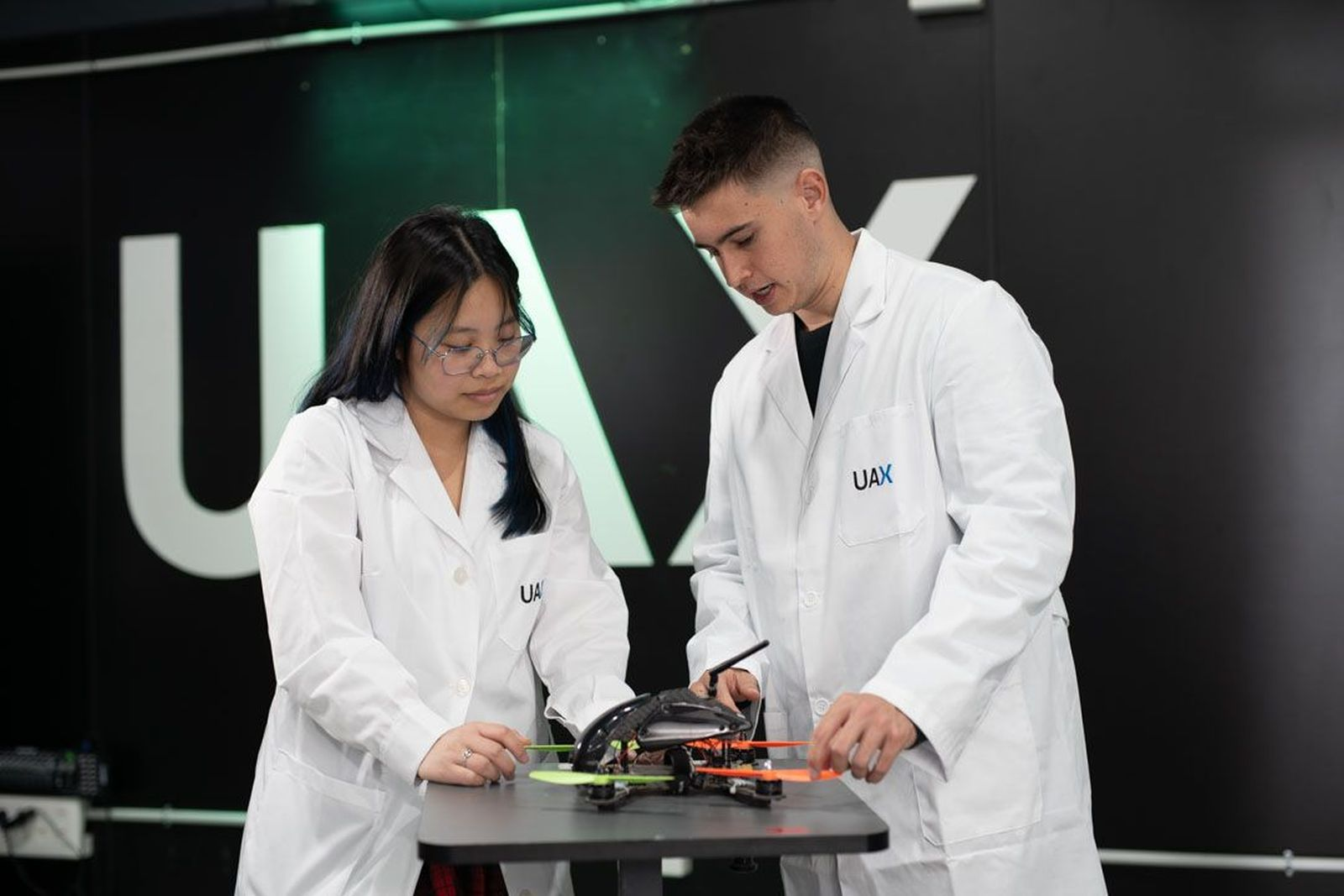
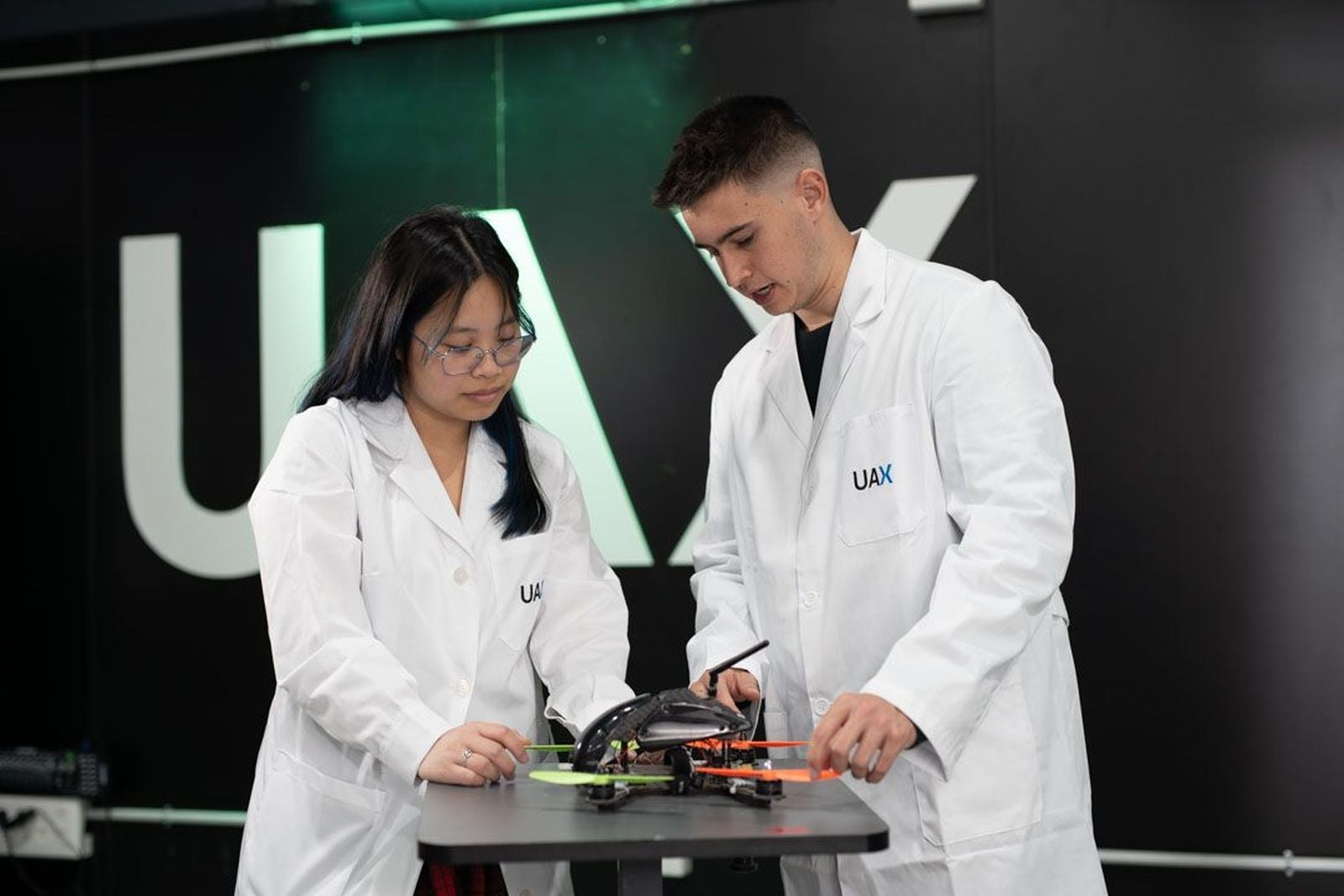
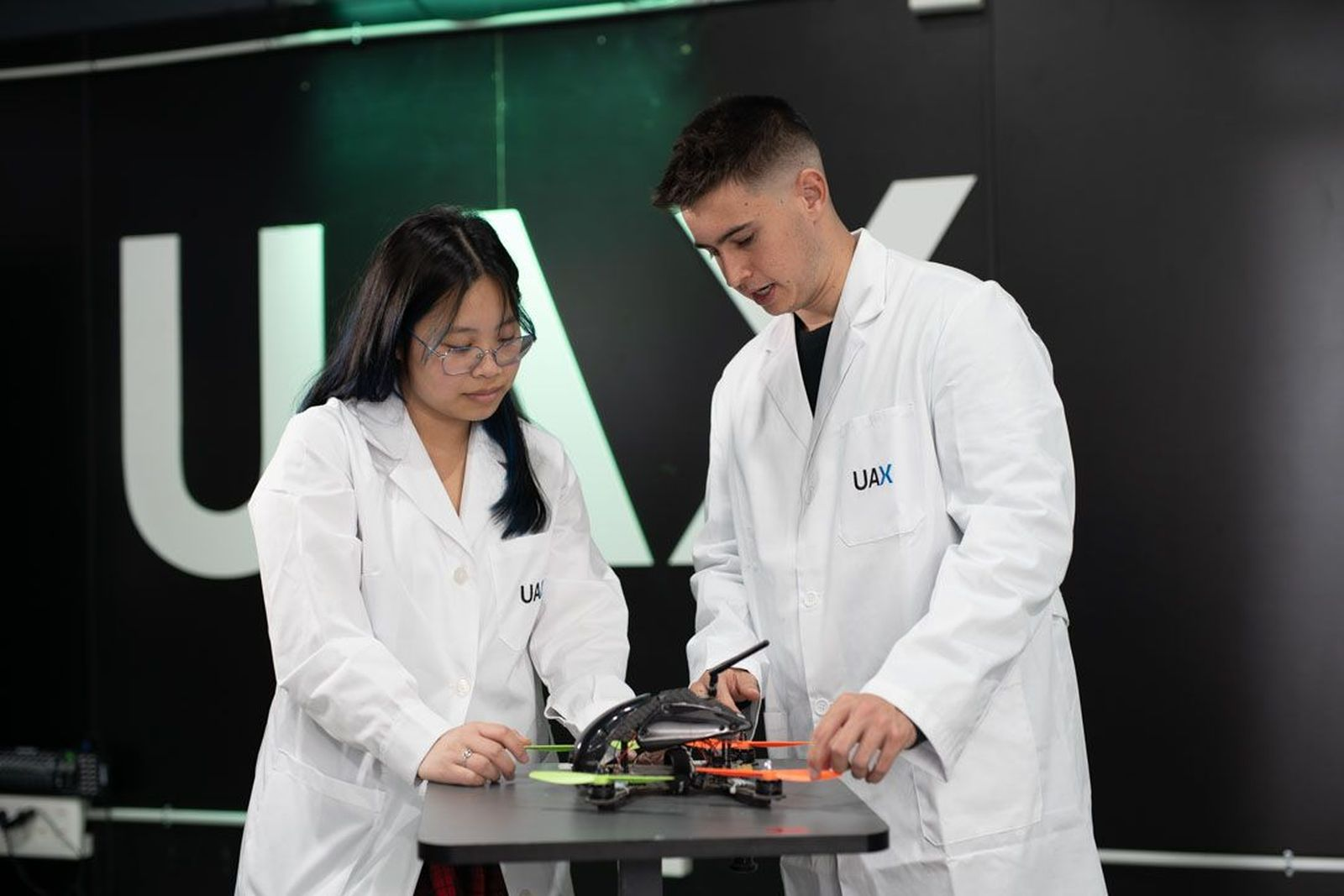
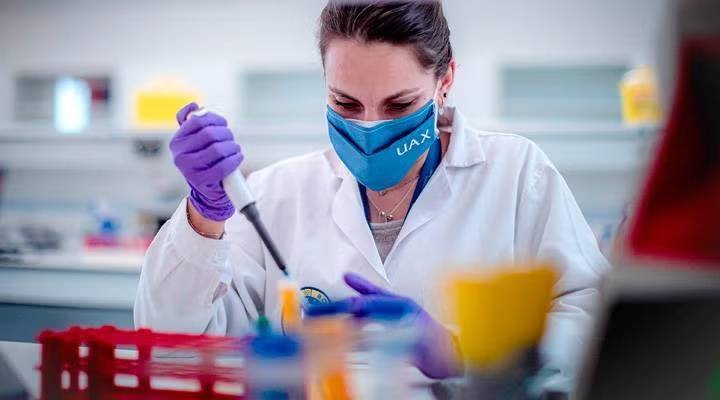
Boost your career or your business by studying a flexible online Bachelor’s Degree in Nutrition, combining online theory classes with in-person practical sessions and laboratory work, to develop a well-rounded professional profile grounded in the realities of the business world. You will receive such comprehensive specialist training that you will be able to develop professionally in any field: clinical and hospital nutrition, pharmacy nutrition services, the food industry, quality assurance, etc.
In collaboration with:
The UAX Bachelor’s Degree in Nutrition (blended learning) offers you comprehensive training to work in the healthcare and clinical sectors, the food industry, food quality, sport and the social sector.
Possibility of an internship in the Nutrition Department of the Rafa Nadal Academy.
Annual conference on professional opportunities given by the Official College of Dieticians-Nutritionists of the Community of Madrid.
To learn how to launch your practice or nutrition projects.
Workshop on oil tasting, visits to a cheese factory and a brewery, to IMIDRA: centre for gastronomic innovation and more.
Agreement with AEDN, which provides the student with access to the EasyDiet management programme, seminars and continuing education courses.
For the design and assessment of diets and dietary planning.
Boosting technological and ethical talent for the professional future: Agile methodologies and certifications in communication, leadership, analytical and disruptive thinking.
You will learn to be able to develop to your full potential with a global and holistic viewpoint inherent to your speciality, and you will be qualified to perfect evidence-based practice.
Degree in Human Nutrition and Dietetics
First Year
FIRST FOUR-MONTH PERIOD
| Code | Subjects | Character* | ECTS | ||||||||||||||||||||||||||||||||||||||||||||||||||||||||||||||||||||||||||||||||||||||||||||||||||||||||||||||||||||||
|---|---|---|---|---|---|---|---|---|---|---|---|---|---|---|---|---|---|---|---|---|---|---|---|---|---|---|---|---|---|---|---|---|---|---|---|---|---|---|---|---|---|---|---|---|---|---|---|---|---|---|---|---|---|---|---|---|---|---|---|---|---|---|---|---|---|---|---|---|---|---|---|---|---|---|---|---|---|---|---|---|---|---|---|---|---|---|---|---|---|---|---|---|---|---|---|---|---|---|---|---|---|---|---|---|---|---|---|---|---|---|---|---|---|---|---|---|---|---|---|---|---|
| S0131000 | Biostatistics | FB | 6 | ||||||||||||||||||||||||||||||||||||||||||||||||||||||||||||||||||||||||||||||||||||||||||||||||||||||||||||||||||||||
BiostatisticsCódigo: S0131000 Imprimir Course 1: First-term module. Foundation course. 6 credits. Profesores
Objectives The Biostatistics module is designed to establish and consolidate the statistical foundations required by students on the Bachelor’s degree in Human Nutrition and Dietetics. The aim is for students to master the statistical techniques that will assist them in interpreting data and/or research findings. To this end, the following will be studied: • the various measures of central tendency, • dispersion and symmetry of a statistical variable; • an in-depth examination of the possible relationship between statistical variables through regression and correlation; • the application of probability to the health sciences through the concept of diagnostic tests, • students will be introduced to the study and research of populations through the concepts of samples and sampling; • Finally, students will be introduced to inferential statistics and its importance for making predictions and analysing results in the health sciences. Objectives 1. To organise and summarise sets of observations, calculating statistical measures and constructing graphical representations. 2. To construct statistical models to establish relationships between two variables. 3. To calculate the probability of a random event and the value of a diagnostic test. 4. Calculate estimates from a random sample. 5. Formulate a hypothesis test. Prerequisites Prior knowledge of basic science subjects Competencies Core competences CB1 Students have demonstrated that they possess and understand knowledge in a field of study building on the foundations of general secondary education; this is typically at a level which, whilst drawing on advanced textbooks, also includes some aspects requiring knowledge from the cutting edge of their field of study. CB2 Students should be able to apply their knowledge to their work or profession in a professional manner and possess the competences typically demonstrated through the formulation and defence of arguments and the resolution of problems within their field of study. CB3 Students should be able to gather and interpret relevant data (usually within their field of study) in order to make judgements that include reflection on relevant social, scientific or ethical issues. CB4 Students should be able to communicate information, ideas, problems and solutions to both specialist and non-specialist audiences. CB5 Students should have developed the learning skills necessary to undertake further study with a high degree of autonomy. General competences CG2 To develop the profession whilst showing respect for other health professionals, acquiring skills for working in a team CG5 Communicate effectively, both orally and in writing, with members of the public, health professionals, industry representatives and the media, whilst making effective use of information and communication technologies, particularly those related to nutrition and lifestyle. CG6 Understand, critically evaluate, and know how to use and apply sources of information relating to nutrition, diet, lifestyles and health issues. CG12 Understand nutrients, their function in the body, their bioavailability, nutritional requirements and recommendations, and the principles of energy and nutritional balance. CG29 Acquire the basic training required for research activity, being able to formulate hypotheses, collect and interpret information to solve problems using the scientific method, and understand the importance and limitations of scientific thinking in the fields of health and nutrition. Specific competences CE3 Understand statistics as applied to Health Sciences. Understand the psychological foundations and the biopsychosocial factors that influence human behaviour. CE7 Acquire teamwork skills within a unit in which professionals and other staff involved in the diagnostic assessment and treatment of dietetics and nutrition are organised in a mono-, multi- or interdisciplinary manner. CE10 Applied Computing: o Understand and apply techniques for editing, layout, sharing and distribution of digital content, as well as the use of this content in a range of professional settings. o Be able to operate within a professional digital information processing environment that covers the most commonly required processing tasks in day-to-day use. CE11 Modern Language - Acquire the ability to communicate orally in the foreign language, in accordance with the level of proficiency studied. - Be competent in the use of the foreign language to understand and communicate in that language, both in writing and orally, on topics related to nutrition. - Acquire the ability to communicate in writing in the foreign language, in accordance with the level of the language studied. - To be competent in handling written and/or digital texts in a foreign language. - To acquire the ability to understand clear, non-specialist spoken language, in accordance with the level of the language studied. - Be competent in the use of the foreign language to understand and communicate in that language, both in writing and orally, on topics related to nutrition. CE12 Communication Understand the fundamentals of human communication. Communicate (gathering, analysing and synthesising information, negotiating, managing conflicts, conveying news and instructions, etc.) with laypeople and with experts from other fields. Distinguish the specific characteristics of spoken and written expression. Define a topic and organise ideas appropriately. Conduct effective research. Use the main databases in the Health Sciences Learning outcomes Knowledge of statistics applied to the Health Sciences. Apply statistical techniques to health-related problems. Be able to evaluate scientific data using statistical methods. Sit examinations demonstrating the acquisition of skills and knowledge. Carry out exercises applying statistical procedures to interpret scientific data. Course content 1- Descriptive statistics. Frequency tables. Measures of central tendency and dispersion. Graphical representations. 2- Bivariate statistics. Covariance. Scatter plot. Odds ratio and relative risk. Correlation. Linear regression. 3- Probability. Events. Conditional probability. Bayes’ theorem. Application to the evaluation of diagnostic tests. 4- Random variable. Probability distributions. Binomial distribution. Poisson distribution. Normal distribution. 5- Statistical inference. Sampling. Point estimation. Confidence interval estimation. 6- Hypothesis testing. Null and alternative hypotheses. Types of errors. Test statistic. Decision rule. Types of tests. Learning activities Weekly synchronous online lectures scheduled by the lecturer. Although the lectures are recorded and can be viewed asynchronously, attendance is recommended as these are interactive and participatory sessions that will help you understand and apply the concepts of the course/module Weekly synchronous online seminar sessions scheduled by the lecturer. Assignments or practical case studies via the virtual classroom Online academic consultations on dates scheduled by the course lecturers Exercises and activities set as part of the course. Participation in the forums set up in the virtual classroom Assessment system and criteria In the course’s virtual classroom, you will be able to view details of the activities you are required to complete, as well as the submission deadlines, assessment criteria and marking schemes for each one. Your final mark will be based on the following assessment system: REGULAR EXAM SESSION To pass this module, you must: 1. Have completed and submitted all seminar exercises/activities 2. Achieve a mark of 5 or above in the final exam. 3. Achieve a mark of 5 or above by adding together the percentages set out below: • Face-to-face final exam (lecture-based): 70% of the final mark. If a mark lower than 5 is obtained, students must sit the exam in the supplementary sitting. • Seminars/practicals: 30 per cent of the final mark. This component will only be added to the mark obtained in the face-to-face final exam if a mark of at least 5 out of 10 is achieved. • This component is subdivided into: o Self-assessment tests for each theory module, accounting for 15 per cent of the final mark for the module. o A test on the material covered in the practical module, accounting for 15% of the final mark. It is important to note that passing the written test – achieving a mark of 5 out of 10 – is an essential requirement for the marks from the other sections to be included in the final mark for the module EXTRAORDINARY EXAM SESSION In this examination, students will be assessed on all the content covered during the semester. A final examination will be held, comprising a multiple-choice section, an essay-style section and a final section featuring problems covered in seminars. This exam will account for 100 per cent of the final mark for the module, and to pass, students must achieve a mark of 5 out of 10 or higher. Bibliography Essential: 1. José Olarrea Statistics: 45 Useful Problems García Maroto. 2007. ISBN: 9788493527174 2. Joseph Mafokozi Introduction to Statistics CCS. 2010. ISBN: 9788498422610 3. M.A. Martínez González, A. Sánchez Villegas, J. Faulin Fajardo Biostatistics Made Easy Madrid: Díaz de Santos, 2009. 2009. ISBN: 9788479787912 4. María Josefa Peralta Statistics: Solved Problems 2nd ed. Pirámide. 2007. ISBN: 9788436821314 5. Pérez, C. Data Analysis Techniques with SPSS Pearson Prentice Hall. 2009. ISBN: 9788483226018 6. Sentis, J.; Pardell, H.; Cobo, E.; Canela, J. Biostatistics. 3rd ed. Elsevier Masson. 2003. ISBN: 8445813064 7. Venancio Tomeo Ten Lessons in Descriptive Statistics AC. 1989. ISBN: 8472881393 Supplementary: 8. Murray R. Spiegel Statistics Schaum. 1995. ISBN: 0070602344 9. Pardo, A; Ruiz, M. A. Data Management with SPSS Statistics 1st ed. Síntesis. 2009. ISBN: 97884975664-8 10. Pardo, A; Ruiz, M. A.; San Martín, R. Data Analysis in the Social and Health Sciences II 1st ed. Síntesis. 2010. ISBN: 9788497567046 11. Rius Díaz, F. Biostatistics 1st ed. Madrid: Thomson Paraninfo, 2005. 2005. ISBN: 9788497323413 12. Seymour Lipschutz Introduction to Probability and Statistics Schaum. 1999. ISBN: 8448125045 |
|||||||||||||||||||||||||||||||||||||||||||||||||||||||||||||||||||||||||||||||||||||||||||||||||||||||||||||||||||||||||
| S0131001 | Biology | FB | 6 | ||||||||||||||||||||||||||||||||||||||||||||||||||||||||||||||||||||||||||||||||||||||||||||||||||||||||||||||||||||||
BiologyCódigo: S0131001 Imprimir Course 1: First-term module. Foundation course. 6 credits. Profesores
Objectives 1. To learn about different living organisms and the possible forms of cellular organisation (prokaryotic and eukaryotic organisation). 2. To understand the structure and organisation of the eukaryotic cell, its organelles and the function of each one. 3. To understand the structure and organisation of the prokaryotic cell, its organelles and the function of each one. 4. To understand the cell cycle, the processes of cell division and cell death. 5. To understand the structure of the genome within the cell and the organisation of DNA. 6. To understand the molecular basis of inheritance. To understand the processes of replication, transcription and translation. 7. To understand the transmission of hereditary traits, Mendelian genetics and the processes of genetic recombination. Prerequisites A Science A-level or at least a basic knowledge of Chemistry, Biochemistry and Cell Biology is required. Knowledge of English is an advantage for reading a review article or accessing a website written in that language. Basic computer skills are required to use word processors, databases, create PowerPoint presentations and access data on the internet. Skills Core competences: CB1 Students have demonstrated that they possess and understand knowledge in an area of study building on the foundations of general secondary education; this is typically at a level which, whilst drawing on advanced textbooks, also includes some aspects requiring knowledge from the cutting edge of their field of study. CB2 Students are able to apply their knowledge to their work or profession in a professional manner and possess the skills typically demonstrated through the development and defence of arguments and the resolution of problems within their field of study. CB3 Students should be able to gather and interpret relevant data (usually within their field of study) in order to make judgements that include reflection on relevant social, scientific or ethical issues. CB4 Students should be able to communicate information, ideas, problems and solutions to both specialist and non-specialist audiences. CB5 Students should have developed the learning skills necessary to undertake further study with a high degree of autonomy. General competences CG2 To develop the profession whilst showing respect for other health professionals, acquiring skills for working in a team CG5 Communicate effectively, both orally and in writing, with members of the public, health professionals, industry representatives and the media, whilst making effective use of information and communication technologies, particularly those related to nutrition and lifestyle. CG6 Understand, critically evaluate, and know how to use and apply sources of information relating to nutrition, diet, lifestyles and health issues. CG12 Understand nutrients, their function in the body, their bioavailability, nutritional requirements and recommendations, and the principles of energy and nutritional balance CG29 Acquire the basic training required for research activity, being able to formulate hypotheses, collect and interpret information to solve problems using the scientific method, and understand the importance and limitations of scientific thinking in the fields of health and nutrition. Specific competences CE1 Understand the chemical, biochemical and biological principles applicable to human nutrition and dietetics. CE2 Understand the structure and function of the human body from the molecular level to the whole organism across the different stages of life. CE7 Acquire teamwork skills within a unit in which professionals and other staff involved in the diagnostic assessment and treatment of dietetics and nutrition are organised in a mono-, multi- or interdisciplinary manner. CE11 Modern Language To acquire the ability to communicate orally in a foreign language, in accordance with the level of language studied. To be competent in the use of the foreign language to understand and communicate in that language, both in writing and orally, on matters relating to nutrition. To acquire the ability to communicate in writing in the foreign language, in accordance with the level of the language studied. To be competent in handling written and/or digital texts in a foreign language. To acquire the ability to understand clear, non-specialist spoken language, in accordance with the level of the language studied. Be competent in the use of the foreign language to understand and communicate in that language, both in writing and orally, on topics related to nutrition. CE12 Communication Understand the fundamentals of human communication. To communicate (gathering, analysing and synthesising information, negotiating, managing conflicts, conveying news and instructions, etc.) with laypeople and with experts from other fields. Distinguish between the characteristics of spoken and written expression. Define a topic and organise ideas appropriately. Conduct effective research. Use the main databases in the Health Sciences Learning outcomes Produce reports on practical work carried out in the various laboratories. Sit examinations demonstrating the acquisition of skills and knowledge. Understand the biological fundamentals of the human body. Understand the general principles of biology Understand the biological fundamentals of the human being. Gain an introduction to the basic principles of genetics Understand the structure and function of eukaryotic cells Understand basic cellular metabolism Demonstrate an understanding of the biochemical principles applicable to human nutrition and dietetics. To understand the molecular mechanisms responsible for DNA replication and repair and their regulation in prokaryotes and eukaryotes. Understand the molecular mechanisms responsible for RNA transcription and processing and their regulation in prokaryotes and eukaryotes. To understand the molecular mechanisms responsible for mRNA translation and its regulation in prokaryotes and eukaryotes. To know and understand the molecular and cellular basis of disease Course content Topic 1. Chemical composition of the cell. Cellular organisation. Topic 2. Major macromolecules. Topic 3. Biological membranes. Topic 4. Membrane transport. Topic 5. Extracellular matrix and cell junctions. Topic 6. Cytoskeleton. Topic 7. Endoplasmic reticulum, Golgi apparatus and peroxisomes. Topic 8. Mitochondria and chloroplasts. Topic 9. The nucleus. The cell cycle. Genes and inheritance. Topic 10. Replication, transcription and translation. Ribosomes. Learning activities Weekly synchronous online lectures scheduled by the lecturer. Although the lectures are recorded and can be viewed asynchronously, attendance is recommended as these are interactive and participatory sessions that will help you understand and apply the concepts covered in the course/module. Fortnightly synchronous online seminar sessions scheduled by the lecturer. Compulsory face-to-face practical sessions Online academic consultations on dates scheduled by the course lecturers Face-to-face assessment Assessment system and criteria REGULAR EXAM SESSION To pass this module, students must: 1. Have completed and submitted all seminar assignments 2. Achieve a mark of 5 or above in the final exam. 3. Achieve a mark of 5 or above in the seminar component. 4. Achieve a mark of 5 or above in the practical examination. 5. Achieve a mark of 5 or above by adding together the percentages set out below: • Face-to-face final exam (lecture-based): 60% of the final mark. If a mark lower than 5 is obtained, the student must sit the exam in the supplementary sitting. • Practical exam (in-person): 20% of the final mark. Multiple-choice exam. • Seminars: 20% of the final mark. CHARACTERISTICS OF THE EXAMS FOR THE REGULAR AND SUPPLEMENTARY SESSIONS Final exam: 30 multiple-choice questions. Reading list Core reading list: 1. Alberts et al. Introduction to Cell Biology Panamericana. 2023. ISBN: 978-607-8546- 2. Feduchi Canosa, Elena Biochemistry: 3rd ed. Editorial Médica Panamericana, 2021. ISBN: 9788491106807 |
|||||||||||||||||||||||||||||||||||||||||||||||||||||||||||||||||||||||||||||||||||||||||||||||||||||||||||||||||||||||||
| S0131002 | Structure and Function of the Human Body | FB | 6 | ||||||||||||||||||||||||||||||||||||||||||||||||||||||||||||||||||||||||||||||||||||||||||||||||||||||||||||||||||||||
Structure and Function of the Human BodyCódigo: S0131002 Imprimir Course 1: First-term module. Foundation course. 6 credits. Profesores
Objectives 1. To understand the basic concepts used in the fields of anatomy and histology. 2. To understand the structure and function of the human body, from the molecular level to the whole organism, throughout the different stages of life. 3. To study the different organs, apparatuses and systems of the body. 4. To study the body’s axes and planes. 5. To gain an understanding of the human body in order to comprehend how it functions and the work of other healthcare professionals, and to facilitate future work in the field of Dietetics and Nutrition. Prerequisites Basic knowledge of anatomy Competencies Core competences CB1. Students must have demonstrated that they possess and understand knowledge in an area of study building on the foundations of general secondary education; this is typically at a level which, whilst drawing on advanced textbooks, also includes some aspects requiring knowledge from the cutting edge of their field of study. CB2. Students should be able to apply their knowledge to their work or profession in a professional manner and possess the skills typically demonstrated through the formulation and defence of arguments and the resolution of problems within their field of study. CB3. Students should be able to gather and interpret relevant data (usually within their field of study) in order to form judgements that include reflection on relevant social, scientific or ethical issues. CB4. Students should be able to communicate information, ideas, problems and solutions to both specialist and non-specialist audiences. CB5. Students should have developed the learning skills necessary to undertake further study with a high degree of autonomy. General competences CG2. To practise the profession with respect for other healthcare professionals, acquiring the skills to work as part of a team CG5. To communicate effectively, both orally and in writing, with members of the public, health professionals, industry representatives and the media, whilst being able to use information and communication technologies, particularly those related to nutrition and lifestyle CG6. Understand, critically evaluate, and know how to use and apply sources of information relating to nutrition, diet, lifestyles and health issues CG12. Understand nutrients, their function in the body, their bioavailability, nutritional requirements and recommendations, and the principles of energy and nutritional balance CG29. Acquire the basic training required for research activity, being able to formulate hypotheses, collect and interpret information for problem-solving in accordance with the scientific method, and understand the importance and limitations of scientific thinking in the fields of health and nutrition. Specific competences CE2. Understand the structure and function of the human body from the molecular level to the whole organism across the different stages of life CE7. Acquire teamwork skills as part of a unit in which professionals and other staff involved in the diagnostic assessment and treatment of dietetics and nutrition are organised in a mono-, multi- or interdisciplinary manner. CE11. Modern Language: - Acquire the ability to communicate orally in the foreign language, in accordance with the level of proficiency studied. - Be competent in the use of the foreign language to understand and communicate in that language, both in writing and orally, on matters relating to nutrition. - To acquire the ability to communicate in writing in the foreign language, in accordance with the level of the language studied. - To be competent in handling written and/or digital texts in a foreign language. - To acquire the ability to understand clear, non-specialist spoken language, in accordance with the level of the language studied. - Be competent in the use of the foreign language to understand and communicate in that language, both in writing and orally, on topics related to nutrition. CE12. Communication: - Understand the fundamentals of human communication. - Communicate (gathering, analysing and synthesising information, negotiating, managing conflicts, conveying news and instructions, etc.) with laypeople and with experts from other fields. - Distinguish between the characteristics of spoken and written expression. - Define a topic and organise ideas appropriately. - Conduct effective research. - Use the main databases in the Health Sciences. Learning outcomes 1. Understand embryological development across the various stages of formation. Human anatomy and physiology. Study of the different organs, systems and apparatuses. Vascular and nervous system anatomy. Axes and planes of the body; specific anatomy of the lower limb. 2. To integrate scientific research and evidence-based practice as part of professional culture. 3. Critically analyse methods and protocols in human anatomy and ensure that these keep pace with advances in scientific knowledge. 4. Ability to manage information 5. Ability to organise and plan time and work 6. Ability to motivate oneself and others 7. Ability to apply knowledge in practice 8. Use basic information and communications technology (ICT) tools 9. Describe the structure and function of the human body, its organs and systems, from the molecular level to the whole organism at different stages of life. 10. Prepare reports on practical sessions in the various laboratories. 11. Sit examinations demonstrating the acquisition of skills and knowledge. 12. Acquire the foundations for understanding the mechanisms underlying endocrine disorders, recognising and identifying the main clinical manifestations, all in relation to human nutrition. 13. Be able to interpret a medical history, using the relevant terminology correctly. Description of the content 1. INTRODUCTION. DEFINITION OF ANATOMY. LEVELS OF STRUCTURAL ORGANISATION.. 2. TISSUE LEVEL OF ORGANISATION I. TYPES OF TISSUES AND THEIR ORIGIN. CELLULAR JOINTS. EPITHELIAL TISSUE. 3. TISSUE LEVEL OF ORGANISATION II. CONNECTIVE, MUSCULAR AND NERVOUS TISSUE. 4. THE INTEGMENTARY SYSTEM. STRUCTURE OF THE SKIN. SKIN COLOUR. STRUCTURE OF THE SKIN APPENDAGES. TYPES OF SKIN. FUNCTIONS OF THE SKIN. 5. BONE TISSUE: HISTOLOGY OF BONE. GROWTH, REGULATION OF CALCIUM LEVELS. BONE TISSUE: EXERCISE AND AGEING. 6. MUSCULAR TISSUE. STRUCTURE AND TYPES OF SKELETAL FIBRES. CARDIAC MUSCLE. SMOOTH MUSCLE. 7. THE NERVOUS SYSTEM. GENERAL PRINCIPLES. ORGANISATION. HISTOLOGY OF NERVOUS TISSUE. 8. THE CENTRAL NERVOUS SYSTEM. DEVELOPMENT OF THE NERVOUS SYSTEM. MEMBRANES OF THE BRAIN AND SPINAL CORD. CEREBROSPINAL FLUID. STRUCTURE OF THE SPINAL CORD. STRUCTURE OF THE BRAIN. 9. THE PERIPHERAL NERVOUS SYSTEM. SPINAL NERVES. CRANIAL NERVES. ANATOMY OF THE SYMPATHETIC AND PARASYMPATHETIC NERVOUS SYSTEMS. 10. THE CARDIOVASCULAR SYSTEM. ANATOMY OF THE HEART. BLOOD CIRCULATION. ANATOMY OF THE BLOOD VESSELS. CIRCULATORY PATHWAYS. 11. THE LYMPHATIC SYSTEM. STRUCTURE AND FUNCTION. 12. THE RESPIRATORY SYSTEM. ANATOMY OF THE UPPER RESPIRATORY TRACT. ANATOMY OF THE LOWER RESPIRATORY TRACT. 13. THE DIGESTIVE SYSTEM. STRUCTURE: MOUTH, PHARYNX, OESOPHAGUS, STOMACH, SMALL INTESTINE, LARGE INTESTINE, PERITONEUM, LIVER, GALLBLADDER, PANCREAS. 14. THE URINARY SYSTEM. ANATOMY AND HISTOLOGY OF THE KIDNEY. ANATOMY OF THE URETER, BLADDER AND URETHRA. 15. THE REPRODUCTIVE SYSTEM. MALE: TESTICLES, SEMINAL VESICLES, PROSTATE. FEMALE: OVARIES, FALLOPIAN TUBES, UTERUS, VAGINA AND VULVA. Training activities Virtual lecture Virtual laboratories Virtual seminars Tutorials Independent study Face-to-face assessment Assessment system and criteria GENERAL ASSESSMENT CRITERIA REGULAR EXAM SESSION To pass this module, you must: 1. Have completed and submitted the seminar exercises/activities, which will be assessed via a feedback exercise submitted at the end of the course 2. Have completed and submitted all the self-assessment tests for each topic (these will account for 5% of the final mark). The remaining activities for each topic (prior knowledge, consolidation, self-assessment and end-of-unit exercises) will not count towards the final mark, but it is strongly recommended that students complete them as they will help to consolidate concepts 3. Participation in forums and other interactive activities: this is assessed on the basis of the student’s engagement and participation in face-to-face and online sessions, workshops, forums, etc. (this will account for 5% of the final mark) 4. Achieve a mark of 5 or above in the final exam. 5. Achieve a mark of 5 or above in the seminar component. 6. Achieve a mark of 5 or above by adding together the percentages set out below: • Face-to-face final exam (lecture-based): 60 per cent of the final mark. Should a mark below 5 be obtained, the student must sit the exam in the supplementary sitting. • Seminars (feedback exercises): 30 per cent of the final mark. RE-SIT EXAM Students will sit an exam on the parts of the module they did not pass in the ordinary examination period, and the same weightings will apply as in the ordinary examination period. Bibliography Core: 1. Netter, F. Atlas of Human Anatomy 7th ed. Elsevier. 2019. ISBN: 9788491134688 Supplementary: 2.- Drake, Richard L. GRAY’s Anatomy for Students Elsevier. 2020. ISBN: 9788491136088 3.- Welsch, U. Sobotta. Histology Panamericana. 2014. ISBN: 9786077743910 Links Anatomy – anatomy images 3D layered anatomy – free, with registration, navigate in 3D through organs, remove layers... |
|||||||||||||||||||||||||||||||||||||||||||||||||||||||||||||||||||||||||||||||||||||||||||||||||||||||||||||||||||||||||
| S0131003 | Modern Language | FB | 6 | ||||||||||||||||||||||||||||||||||||||||||||||||||||||||||||||||||||||||||||||||||||||||||||||||||||||||||||||||||||||
Modern LanguageCódigo: S0131003 Imprimir Course 1: First-term module. Basic training. 6 credits. Profesores
Objectives To provide an introduction to specialist English in the field of nutrition and diets. To develop comprehension and expression skills (spoken and written), with an emphasis, on the one hand, on reading and understanding texts related to nutrition. To teach specialised grammar and vocabulary, as well as communication with patients. Prerequisites Basic knowledge of the modern language to be studied Competencies Basic competences: CB1 Students have demonstrated that they possess and understand knowledge in a field of study building on the foundations of general secondary education, typically at a level which, whilst drawing on advanced textbooks, also includes some aspects requiring knowledge from the cutting edge of their field of study. CB2 Students are able to apply their knowledge to their work or profession in a professional manner and possess the skills typically demonstrated through the formulation and defence of arguments and the resolution of problems within their field of study. CB3 Students should be able to gather and interpret relevant data (usually within their field of study) in order to make judgements that include reflection on relevant social, scientific or ethical issues. CB4 Students should be able to communicate information, ideas, problems and solutions to both specialist and non-specialist audiences. CB5 Students should have developed the learning skills necessary to undertake further study with a high degree of autonomy. General competences CG2 To develop the profession whilst showing respect for other health professionals, acquiring the skills to work as part of a team CG5 Communicate effectively, both orally and in writing, with members of the public, health professionals, industry representatives and the media, whilst making effective use of information and communication technologies, particularly those related to nutrition and lifestyle. CG6 Understand, critically evaluate, and know how to use and apply sources of information relating to nutrition, diet, lifestyles and health issues. CG12 Understand nutrients, their function in the body, their bioavailability, nutritional requirements and recommendations, and the principles of energy and nutritional balance CG29 Acquire the basic training required for research activity, being able to formulate hypotheses, collect and interpret information to solve problems using the scientific method, and understand the importance and limitations of scientific thinking in the fields of health and nutrition Specific competences CE7 Acquire teamwork skills as part of a unit in which professionals and other staff involved in the diagnostic assessment and treatment of dietetics and nutrition are organised in a mono-, multi- or interdisciplinary manner CE11 Modern Language To acquire the ability to communicate orally in a foreign language, in accordance with the level of the language studied. Be competent in the use of the foreign language to understand and communicate in that language, both in writing and orally, on matters relating to nutrition. To acquire the ability to communicate in writing in the foreign language, in accordance with the level of the language studied. To be competent in handling written and/or digital texts in a foreign language. To acquire the ability to understand clear, non-specialist spoken language, in accordance with the level of the language studied. Be competent in the use of the foreign language to understand and communicate in that language, both in writing and orally, on topics related to nutrition. CE12 Communication Understand the fundamentals of human communication. To communicate (gathering, analysing and synthesising information, negotiating, managing conflicts, conveying news and instructions, etc.) with laypeople and with experts from other fields. Distinguish between the characteristics of spoken and written expression. Define a topic and organise ideas appropriately. Conduct effective research. Use the main databases in the Health Sciences Learning outcomes Understand clear, non-specialist discourse, in accordance with the language level studied, and promote the use of the second language relevant to one’s professional field. Understand texts written in everyday language, in accordance with the language level being studied. Translate coherent written texts, in accordance with the language level being studied, on a variety of topics that are familiar to the student or in which they have a personal interest. Participate orally and spontaneously in conversations on a variety of topics, in accordance with the language level being studied. Demonstrate knowledge of grammar and use the vocabulary appropriate to the required language level Description of the content UNIT ONE: We are what we eat • 1. Fruit & Vegetables, Cereal Grains & Nuts • 2. Meat – red/white & dairy products, fish & shellfish • 3. Sweet foods & drinks • Grammar topic: Question formation • Glossary • Review UNIT TWO: Human anatomy • 1. The digestive system • 2. The nervous system • 3. The endocrine system • Grammar topic: Phrasal verbs • Glossary • Review UNIT THREE: Eating Disorders • 1. Anorexia/Bulimia • 2. Nutrition and Diabetes • 3. Nutrition and Cancer • Grammar topic: Conditional forms • Glossary • Revision UNIT FOUR: Age and fitness • 1. Nutrition for young people • 2. Nutrition for adults • 3. Nutrition for the elderly • Grammar topic: Modal verbs • Glossary UNIT FIVE: Quality control • 1. Food labels • 2. Junk food • 3. Organic/ecological food • Grammar topic: Conjunctions, Adverbs of frequency • Glossary • Review UNIT SIX: A balanced diet • 1. The Alkaline Diet • 2. The Atkins Diet • 3. Supplements • Grammar topic: Definite and indefinite articles • Glossary • Review Learning activities Weekly synchronous online lectures scheduled by the lecturer. Although the lectures are recorded and can be viewed asynchronously, attendance is recommended as these are interactive and participatory sessions that will help you understand and apply the course concepts. Weekly synchronous online seminar sessions scheduled by the lecturer, during which topics related to the course will be discussed. Assignments or practical case studies via the virtual classroom. Online academic consultations on dates scheduled by the course lecturers. Exercises, activities, readings and reference materials provided as part of the course. Self-assessment tests Face-to-face assessment Assessment system and criteria GENERAL ASSESSMENT CRITERIA You have two options to pass the module: 1. CONTINUOUS ASSESSMENT FEEDBACK (3 in total) will be assessed and account for 25% of your final mark. Test: 50 multiple-choice questions covering the six units (25%) An oral presentation on any nutrition-related topic (duration 7–10 minutes) (30%). Teacher’s assessment of your performance, participation, etc. (20%) 2. FINAL EXAM Writing (25%) Test: 50 multiple-choice questions covering the six units (45%) An oral presentation on any nutrition-related topic (duration: 7–10 minutes) (30%) Timetable Click on this link to view the detailed timetable in Excel
Bibliography Basic: 1. Angela Christaki and Jenny Dooley Nutrition and Dietetics Express Publishing. 2018. ISBN: 9781471572210 Supplementary: 2. Betsy BB and Beto JA Nutrition counselling and education skills for dietetics professionals Wolters Kluwer/Lippincott Williams. 2013. ISBN: 9781451120387 |
|||||||||||||||||||||||||||||||||||||||||||||||||||||||||||||||||||||||||||||||||||||||||||||||||||||||||||||||||||||||||
| S0131004 | Chemistry | FB | 6 | ||||||||||||||||||||||||||||||||||||||||||||||||||||||||||||||||||||||||||||||||||||||||||||||||||||||||||||||||||||||
ChemistryCódigo: S0131004 Imprimir Course 1: First-term module. Foundation course. 6 credits. Profesores
Objectives This module aims to enable students to: - Recognise the relationship between chemistry and the health sciences. - Develop their critical thinking skills. - Understand the basic principles of chemistry. - Develop their ability to work in a team. Prerequisites Basic knowledge of chemistry Skills Core competences CB1 Students have demonstrated that they possess and understand knowledge in a field of study building on the foundations of general secondary education, typically at a level which, whilst drawing on advanced textbooks, also includes some aspects requiring knowledge from the cutting edge of their field of study. CB2 Students are able to apply their knowledge to their work or profession in a professional manner and possess the skills typically demonstrated through the formulation and defence of arguments and the resolution of problems within their field of study. CB3 Students should be able to gather and interpret relevant data (usually within their field of study) in order to make judgements that include reflection on relevant social, scientific or ethical issues. CB4 Students should be able to communicate information, ideas, problems and solutions to both specialist and non-specialist audiences. CB5 Students should have developed the learning skills necessary to undertake further study with a high degree of autonomy. General competences CG2 To practise the profession with respect for other health professionals, acquiring teamwork skills. CG3 Recognise the need to maintain and update professional competence, placing particular emphasis on the autonomous and continuous acquisition of new knowledge, products and techniques in nutrition and dietetics, as well as a commitment to quality CG4 Understand the limits of the profession and its scope of practice, identifying when interdisciplinary treatment or referral to another professional is necessary. CG5 Communicate effectively, both orally and in writing, with members of the public, health professionals, industry representatives and the media, and be able to use information and communication technologies, particularly those related to nutrition and lifestyle habits CG12 Understand nutrients, their function in the body, their bioavailability, nutritional requirements and recommendations, and the principles of energy and nutritional balance. CG29 Acquire the basic training required for research activity, being able to formulate hypotheses, collect and interpret information to solve problems using the scientific method, and understand the importance and limitations of scientific thinking in the fields of health and nutrition. Specific competences CE1 Understand the chemical, biochemical and biological principles applicable to human nutrition and dietetics. CE2 Understand the structure and function of the human body from the molecular level to the whole organism across the different stages of life. CE7 Acquire teamwork skills within a unit in which professionals and other staff involved in the diagnostic assessment and treatment of dietetics and nutrition are organised in a mono-, multi- or interdisciplinary manner. CE11 Modern Language - Acquire the ability to communicate orally in the foreign language, in accordance with the level of proficiency studied. - Be competent in the use of the foreign language to understand and communicate in that language, both in writing and orally, on matters relating to nutrition. - To acquire the ability to communicate in writing in the foreign language, in accordance with the level of the language studied. - To be competent in handling written and/or digital texts in a foreign language. - To acquire the ability to understand clear, non-specialist spoken language, in accordance with the level of the language studied. - Be competent in the use of the foreign language to understand and communicate in that language, both in writing and orally, on topics related to nutrition. CE12 Communication Understand the fundamentals of human communication. Communicate (gathering, analysing and synthesising information, negotiating, managing conflicts, conveying news and instructions, etc.) with laypeople and with experts from other fields. Distinguish the specific characteristics of spoken and written expression. Define a topic and organise ideas appropriately. Conduct effective research. Use the main databases in the Health Sciences. Learning outcomes Describe and analyse the chemical principles applicable to human nutrition and dietetics. Prepare reports on practical sessions carried out in the various laboratories. Sit examinations demonstrating the acquisition of skills and knowledge. Recognise the chemical structure of an active ingredient, describing its functional groups and classifying it within the chemical family to which it belongs. Acquire skills and proficiency in an experimental chemistry laboratory. Be able to use the chemical terminology employed in health sciences. Understand the chemical principles applicable to food and its most important chemical reactions Key Description of the content BLOCK 1: Organic and inorganic chemical formulation BLOCK 2: Composition of matter: - Classification of matter. - Atoms. - The periodic table and periodic variations. - Molecules and ions. - Chemical formulae and molecular mass. BLOCK 3: Chemical bonding: - Ionic bonding - Metallic bonding - Covalent bonding - Molecular geometry. Valence shell electron pair repulsion theory (VSEPR). - Bond polarity. BLOCK 4: States of matter: - Gases. Liquids. Intermolecular forces. - Solids. - Phase or state changes. - Phase diagrams. SECTION 5: Solutions: - Types of solutions. - Formation of solutions. - Types of solutes. - Ways of expressing concentration. - Preparation of solutions. - Variables affecting solubility. - Colligative properties. BLOCK 6: Chemical reactions. - Chemical equations. - Stoichiometric relationships. - Limiting reactant and reaction yield. - Chemical reactions in aqueous solution. BLOCK 7: Chemical equilibria: - Chemical equilibrium and equilibrium constant. - Le Chatelier’s principle. - Proton transfer equilibria. - Solubility equilibria. - Electron transfer equilibria. BLOCK 8: Electrochemistry - Electrochemical cells. - Types of cells. Learning activities o Theoretical content and self-assessment tests/exercises. You can use these as a reference. Within this content, you will find links and additional reading material where you can find further information on specific parts of the syllabus. Interspersed with the theoretical content, you will find self-assessment exercises that will help you consolidate your knowledge by applying it in practice. o Weekly synchronous online lectures scheduled by the lecturer (MG). Although the lectures are recorded and can be viewed asynchronously, attendance is recommended as these are interactive and participatory sessions that will help you understand and apply the course concepts. o Final tests. These are scheduled at the end of each unit. You must complete them within a time limit and will be awarded a mark. These activities will count towards your final mark (see the ‘Assessment’ section, mark N5) In addition to this, you will have: o Weekly synchronous online seminar sessions scheduled by the lecturer (SM). o Assignments via the virtual classroom. These are known as feedback exercises. You will be set various exercises which you must complete and submit to the lecturer so that they can mark them individually. These activities will contribute to your final mark (see the ‘Assessment’ section, mark N3). o Online academic consultation sessions on dates scheduled by the course lecturers, during which queries raised by students will be addressed (CM) o Exercises, activities and problem-solving tasks set as part of the module, to be completed during synchronous classes. o Uax Skill School. Completion of the Coursera course ‘Create Informative Presentations with Google Slides’. This activity will count towards the final mark (see the ‘Assessment’ section, mark N4) o Participation in the forums set up in the virtual classroom o Additional resources: handbook on organic and inorganic chemistry. o Compulsory face-to-face practical sessions, which will take place on the centre’s campus (Avenida de Universidad 1, Villanueva de la Cañada, 28691 Madrid) on the dates previously announced by the lecturer. These activities will contribute to the final mark (see the ‘Assessment’ section, mark N2) o Face-to-face final exam, at the end of the module. This activity will count towards the final mark (see the ‘Assessment’ section, mark N1). If you do not pass this exam, the lecturer will be available in June to answer any queries you may have, and you will be able to sit the face-to-face resit exam. The workload will be intense, and you should make a note in your diary of key dates, such as the submission deadlines for the feedback exercises. You will find that everything is designed so that, if you keep up with the pace as planned, you will be able to pass the module without any problems. Assessment system and criteria In the course’s virtual classroom, you will be able to view in detail the activities you are required to complete, as well as the submission dates, assessment criteria and marking schemes for each one. Your final mark will be based on the following assessment system: 1. At the end of the course’s scheduled teaching period, a compulsory in-person final assessment covering the entire module (Ordinary In-Person Session) will be held for all students, covering the full syllabus. This will consist of a multiple-choice exam with theoretical, essay-style, numerical, and problem-solving questions. This mark will account for 60% of the final mark and will be designated as (N1). If you achieve a mark of 5 or above, the marks for the laboratory practicals, tests, the Coursera course and the feedback exercises or assignments will be taken into account. If your mark is below 5, these marks will NOT be taken into account and these students will have the option to sit the in-person supplementary examination covering the entire course content. 2. Laboratory practicals: COMPULSORY AND IN-PERSON. If you do not attend them, your practicals mark will be 0. These will be assessed during the final practical session, in person, using a computer. The practicals mark (N2) will account for 20 per cent of the final mark for the module. This mark will be taken into account provided you achieve a mark of 5 or above in N1. 3. The feedback exercise or assignment will account for 10% of the final mark (this will be mark N3). This mark will be taken into account provided you achieve a mark of 5 or above in N1. Completion of this exercise is COMPULSORY to pass the module. 4. The mark obtained on the Coursera course: ‘Create Informative Presentations with Google Slides’ will account for 5% of the final mark (this will be mark N4). This mark will be taken into account provided you achieve a mark of 5 or above in N1. Completion of this course is COMPULSORY to pass the module. 5. The average mark from the tests for each teaching unit will account for an additional 5 per cent of the final mark (this will be mark N5). This mark will be taken into account provided you achieve a mark of 5 or above in N1. Regular and supplementary examination sessions: * N1: Mark for the in-person exam covering the entire syllabus * N2: Practical work mark * N3: Mark for the feedback exercise * N4: Coursera course mark * N5: Average mark for the tests * N: Final mark • If N1 < 5 then N = N1 • If N1 ≥ 5, then N = 0.6 * N1 + 0.2 * N2 + 0.10 * N3 + 0.05 * N4 + 0.05 * N5 Bibliography Primary: 1. Chang, Raymond Chemistry / Mexico: McGraw-Hill, 2013. 2013. ISBN: 9786071509284 2. Timberlake, Karen C. Chemistry : Pearson. 2011. ISBN: 9788483227435 |
|||||||||||||||||||||||||||||||||||||||||||||||||||||||||||||||||||||||||||||||||||||||||||||||||||||||||||||||||||||||||
| TOTAL: | 30 | ||||||||||||||||||||||||||||||||||||||||||||||||||||||||||||||||||||||||||||||||||||||||||||||||||||||||||||||||||||||||
SECOND FOUR-MONTH PERIOD
| Code | Subjects | Character* | ECTS | ||||||||||||||||||||||||||||||||||||||||||||||||||||||||||||||||||||||||||||||||||||||||||||||||||||||||||||||||||||||||||||||||||||||||||||||||||||||||||||||||||||||||||||||||||||||||||||||||||||||||||||||||||||||||||||||||||||||||||||||||||||||||||||||
|---|---|---|---|---|---|---|---|---|---|---|---|---|---|---|---|---|---|---|---|---|---|---|---|---|---|---|---|---|---|---|---|---|---|---|---|---|---|---|---|---|---|---|---|---|---|---|---|---|---|---|---|---|---|---|---|---|---|---|---|---|---|---|---|---|---|---|---|---|---|---|---|---|---|---|---|---|---|---|---|---|---|---|---|---|---|---|---|---|---|---|---|---|---|---|---|---|---|---|---|---|---|---|---|---|---|---|---|---|---|---|---|---|---|---|---|---|---|---|---|---|---|---|---|---|---|---|---|---|---|---|---|---|---|---|---|---|---|---|---|---|---|---|---|---|---|---|---|---|---|---|---|---|---|---|---|---|---|---|---|---|---|---|---|---|---|---|---|---|---|---|---|---|---|---|---|---|---|---|---|---|---|---|---|---|---|---|---|---|---|---|---|---|---|---|---|---|---|---|---|---|---|---|---|---|---|---|---|---|---|---|---|---|---|---|---|---|---|---|---|---|---|---|---|---|---|---|---|---|---|---|---|---|---|---|---|---|---|---|---|---|---|---|---|---|---|---|---|---|---|---|---|---|---|---|---|---|---|
| S0131005 | Anthropology and Psychology of Food | FB | 6 | ||||||||||||||||||||||||||||||||||||||||||||||||||||||||||||||||||||||||||||||||||||||||||||||||||||||||||||||||||||||||||||||||||||||||||||||||||||||||||||||||||||||||||||||||||||||||||||||||||||||||||||||||||||||||||||||||||||||||||||||||||||||||||||||
Anthropology and Psychology of FoodCódigo: S0131005 Imprimir Course 1. Second-term module. Foundation course. 6 credits. Profesores
Objectives To understand the psychological foundations and biopsychosocial factors that influence human behaviour. To understand the aspects of psychology that affect eating behaviour. To analyse the fundamental aspects of eating disorders. To understand the anthropological approach to eating behaviour and how the consequences that diet has had on our species throughout history are addressed as a factor in evolutionary progress. To gain an insight into human eating behaviour, considering humans as a zoological species and treating their distinctive characteristics as a consequence of their evolution and adaptation to the environment. Prerequisites No prerequisites Competencies Basic competences CB1 Students have demonstrated that they possess and understand knowledge in a field of study building on the foundations of general secondary education; this is typically at a level which, whilst drawing on advanced textbooks, also includes some aspects requiring knowledge from the cutting edge of their field of study. CB2 Students are able to apply their knowledge to their work or profession in a professional manner and possess the skills typically demonstrated through the formulation and defence of arguments and the resolution of problems within their field of study. CB3 Students should be able to gather and interpret relevant data (usually within their field of study) in order to make judgements that include reflection on relevant social, scientific or ethical issues. CB4 Students should be able to communicate information, ideas, problems and solutions to both specialist and non-specialist audiences. CB5 Students should have developed the learning skills necessary to undertake further study with a high degree of autonomy. General competences CG2 To practise the profession with respect for other health professionals, acquiring teamwork skills. CG5 Communicate effectively, both orally and in writing, with members of the public, health professionals, industry representatives and the media, whilst making effective use of information and communication technologies, particularly those related to nutrition and lifestyle. CG6 Understand, critically evaluate, and know how to use and apply sources of information relating to nutrition, diet, lifestyles and health issues. CG12 Understand nutrients, their function in the body, their bioavailability, nutritional requirements and recommendations, and the principles of energy and nutritional balance. CG29 Acquire the basic training required for research activity, being able to formulate hypotheses, collect and interpret information to solve problems using the scientific method, and understand the importance and limitations of scientific thinking in the fields of health and nutrition Specific competences CE3 Understand statistics as applied to Health Sciences. Understand the psychological foundations and the biopsychosocial factors that influence human behaviour. CE7 Acquire teamwork skills within a unit in which professionals and other staff involved in the diagnostic assessment and treatment of dietetics and nutrition are organised in a mono-, multi- or interdisciplinary manner. CE11 Modern Language - To acquire the ability to communicate orally in the foreign language, in accordance with the level of proficiency studied. - Be competent in the use of the foreign language to understand and communicate in that language, both in writing and orally, on matters relating to nutrition. - To acquire the ability to communicate in writing in the foreign language, in accordance with the level of the language studied. - To be competent in handling written and/or digital texts in a foreign language. - To acquire the ability to understand clear, non-specialist spoken language, in accordance with the level of the language studied. - Be competent in the use of the foreign language to understand and communicate in that language, both in writing and orally, on topics related to nutrition. CE12 Communication Understand the fundamentals of human communication. Communicate (gathering, analysing and synthesising information, negotiating, managing conflicts, conveying news and instructions, etc.) with laypeople and with experts from other fields. Distinguish the specific characteristics of spoken and written expression. Define a topic and organise ideas appropriately. Conduct effective research. Use the main databases in the Health Sciences. Learning outcomes Knowledge of statistics applied to the Health Sciences. Apply statistical techniques to health-related problems. Be able to evaluate scientific data using statistical methods. Sit examinations demonstrating the acquisition of skills and knowledge. Carry out exercises applying statistical procedures to interpret scientific data. Course content Unit 1. Introduction to psychology Unit 2. Eating behaviour Unit 3. Psychology and eating Unit 4. The evolution of eating behaviour Unit 5. Psychopathology of eating Unit 6. Anthropology of Food Learning Activities Weekly synchronous online lectures scheduled by the lecturer. Although the lectures are recorded and can be viewed asynchronously, attendance is recommended as these are interactive and participatory sessions that will help you understand and apply the concepts covered in the course/module. Online seminar sessions scheduled by the lecturer. Online academic consultations on dates scheduled by the course lecturers Assignments or practical case studies via the virtual classroom Exercises, activities, readings and reference materials provided as part of the course. Participation in the forums set up in the virtual classroom Assessment system and criteria To pass this module, students must: 1. Have achieved an average mark of at least five (5.0) in the work placement. 2. Have achieved a minimum mark of five (5.0) in the final exam. The weightings for the final mark for the theoretical and practical components of the module are as follows: a) In-person final assessment: 70%. The final exam will be a multiple-choice test, with four answer options for each question, and the following marking scheme: Correct answer: 1 mark. Incorrect answer: -0.33 marks. No answer: 0 marks. b) Seminar/assignment assessment: 30 per cent. This will consist of a literature review, either on the psychology or anthropology component. Lecturers will propose a selection of topics from which students may choose for this assignment. These weightings will apply to both the regular and supplementary examination sessions Bibliography Core: 1. Esteban, Mari Luz Anthropology of the Body: : Edicions Bellaterra. 2004. ISBN: 8472902706 2. Kottak, Conrad Phillip Cultural Anthropology : : McGraw-Hill. 2006. ISBN: 9788448146344 3. Singer, Peter We Are What We Eat: : Paidós. 2009. ISBN: 9788449322716 |
|||||||||||||||||||||||||||||||||||||||||||||||||||||||||||||||||||||||||||||||||||||||||||||||||||||||||||||||||||||||||||||||||||||||||||||||||||||||||||||||||||||||||||||||||||||||||||||||||||||||||||||||||||||||||||||||||||||||||||||||||||||||||||||||||
| S0131006 | Biochemistry | FB | 6 | ||||||||||||||||||||||||||||||||||||||||||||||||||||||||||||||||||||||||||||||||||||||||||||||||||||||||||||||||||||||||||||||||||||||||||||||||||||||||||||||||||||||||||||||||||||||||||||||||||||||||||||||||||||||||||||||||||||||||||||||||||||||||||||||
BiochemistryCódigo: S0131006 Imprimir Course 1. Second-term module. Foundation course. 6 credits. Profesores
Objectives 1. To understand the basic principles of biochemistry, the formation of molecules and their interactions. 2. To understand the main types of reactions that take place within the cell: acid-base, oxidation-reduction and condensation reactions. 3. To understand the main structural characteristics of biomolecules: carbohydrates, lipids, proteins and nucleic acids, as well as their relationship to the functions they perform in metabolism. 4. To understand the mechanisms by which enzymes act. 5. To be familiar with and understand basic concepts of thermodynamics. 6. Be able to explain the mechanisms of interaction between the main anabolic and catabolic pathways of metabolism. 7. To understand the metabolic pathways involved in the synthesis and breakdown of the main biomolecules: carbohydrates, lipids and proteins, as well as the diseases associated with them. 8. Be able to integrate metabolic pathways across the body’s different tissues. 9. Understand and be able to carry out the basic experimental techniques used in a biochemistry and molecular biology laboratory 10. To practise, under supervision, the main quantitative techniques: spectrophotometry. 11. To practise, under supervision, the main techniques for the separation and quantification of proteins. 12. To practise, under supervision, determining enzyme activity and interpreting its kinetics. 13. To practise techniques for identifying different carbohydrates. 14. To practise techniques for the separation of lipid compounds using TLC Prerequisites Prior knowledge of Chemistry and Biology Competencies Core competences • CB1 Students have demonstrated that they possess and understand knowledge in a field of study building on the foundations of general secondary education; this is typically at a level which, whilst drawing on advanced textbooks, also includes some aspects requiring knowledge from the cutting edge of their field of study. • CB2 Students are able to apply their knowledge to their work or profession in a professional manner and possess the skills typically demonstrated through the formulation and defence of arguments and the resolution of problems within their field of study. • CB3 Students should be able to gather and interpret relevant data (usually within their field of study) in order to make judgements that include reflection on relevant social, scientific or ethical issues. • CB4 Students should be able to communicate information, ideas, problems and solutions to both specialist and non-specialist audiences. • CB5 Students should have developed the learning skills necessary to undertake further study with a high degree of autonomy. General competences • CG2 To practise the profession with respect for other healthcare professionals, acquiring teamwork skills. • CG5 Communicate effectively, both orally and in writing, with members of the public, health professionals, industry representatives and the media, whilst being able to use information and communication technologies, particularly those related to nutrition and lifestyle • CG6 - Understand, critically evaluate, and know how to use and apply sources of information relating to nutrition, diet, lifestyles and health issues • CG12 Understand nutrients, their function in the body, their bioavailability, nutritional requirements and recommendations, and the principles of energy and nutritional balance. • CG29 Acquire the basic training required for research activity, being able to formulate hypotheses, collect and interpret information to solve problems using the scientific method, and understand the importance and limitations of scientific thinking in the fields of health and nutrition. Specific competences • CE1 Understand the chemical, biochemical and biological principles applicable to human nutrition and dietetics. • CE2 Understand the structure and function of the human body, from the molecular level to the whole organism, across the different stages of life. • CE7 Acquire teamwork skills within a unit in which professionals and other staff involved in the diagnostic assessment and treatment of dietetics and nutrition are organised in a mono-, multi- or interdisciplinary manner. • CE11 Modern Language Acquire the ability to communicate orally in the foreign language, in accordance with the level of proficiency studied Be competent in the use of the foreign language to understand and communicate in that language, both in writing and orally, on matters relating to nutrition. To acquire the ability to communicate in writing in the foreign language, in accordance with the level of the language studied. To be competent in handling written and/or digital texts in a foreign language. To acquire the ability to understand clear, non-specialist spoken language, in accordance with the language level studied. Be competent in the use of the foreign language to understand and communicate in that language, both in writing and orally, on topics related to nutrition. • CE12 Communication Understand the fundamentals of human communication. Be able to communicate (gathering, analysing and summarising information, negotiating, managing conflicts, conveying news and instructions, etc.) with laypeople and with experts from other fields. Distinguish between the characteristics of spoken and written expression. Define a topic and organise ideas appropriately. Conduct effective research. Use the main health sciences databases. Learning outcomes 1. Describe and analyse the chemical, biochemical and biological principles applicable to human nutrition and dietetics. 2. Produce reports on practical work carried out in the various laboratories. 3. Sit examinations demonstrating the acquisition of skills and knowledge. 4. Demonstrate an understanding of the biochemical principles applicable to human nutrition and dietetics. 5. Understand the molecular mechanisms responsible for DNA replication and repair and their regulation in prokaryotes and eukaryotes. 6. To understand the molecular mechanisms responsible for RNA transcription and processing and their regulation in prokaryotes and eukaryotes. 7. To understand the molecular mechanisms responsible for mRNA translation and its regulation in prokaryotes and eukaryotes. 8. To be familiar with and understand the molecular and cellular basis of disease Course content description • Topic 1. Molecular Bases • Topic 2. Carbohydrates • Topic 3. Lipids • Topic 4. Nucleotides and nucleic acids • Topic 5. Proteins • Topic 6. Enzyme kinetics and thermodynamics • Topic 7. Carbohydrate metabolism • Topic 8. Intermediate metabolism • Topic 9. Lipid metabolism • Topic 10. Metabolism of nitrogen-containing compounds. Learning activities Weekly synchronous online lectures scheduled by the lecturer. Although the lectures are recorded and can be viewed asynchronously, attendance is recommended as these are interactive and participatory sessions that will help you understand and apply the concepts covered in the course/module. Synchronous online seminar sessions every two weeks, scheduled by the lecturer. Compulsory face-to-face practical sessions Online academic consultations on dates scheduled by the course lecturers Assignments or case studies via the virtual classroom Exercises, activities, readings and reference materials set as part of the course. Participation in the forums set up in the virtual classroom Assessment system and criteria To pass the module, students must: Have completed all the laboratory practicals. Achieve a mark of at least 4.5 in the subject matter covered in the lecture sessions (THEORY). Achieve a mark of 5 or above by adding together the percentages set out below: 1. THEORY: 60% 2. CONTINUOUS ASSESSMENT – ASSIGNMENTS: 10% 3. LABORATORY PRACTICALS: 30% THEORY ASSESSMENT 1. A multiple-choice exam will be set (only one correct answer; incorrect answers result in marks being deducted). A pass is achieved with a mark of 5 out of 10. 2. Students must achieve a mark of 5 or above to pass the theory component. 3. If the mark is below 5 or is NP (did not sit the exam), the student will be required to retake the exam in the Extraordinary Examination Session (July). ASSESSMENT OF ACTIVITIES 1. This will consist of the submission of ONE COMPULSORY ASSIGNMENT via the course platform LABORATORY ASSESSMENT 1. The laboratory practicals consist of FOUR SESSIONS. 2. The exam will be a multiple-choice test with four options per question; only one option is correct, and incorrect answers result in marks being deducted. A pass is achieved with a mark of 5 out of 10. 3. Attendance at and sitting of the laboratory examinations IS COMPULSORY FOR ALL STUDENTS. Each instance of unexcused absence during the practical sessions will result in a deduction of 25 per cent from the laboratory mark. 4. Failure to undertake the practical sessions will result in a fail for the laboratory module and the course Timetable Click on this link to view the detailed timetable in Excel
Bibliography Basic: 1. Feduchi Canosa E, Romero Magdalena C, Yáñez Conde E, García-Hoz Jiménez C. Biochemistry. Essential Concepts. 3rd ed. Médica Panamericana. 2025. ISBN: 9788491106807 2.- Lehninger AL, Nelson DL, Cox MM and Cuchillo Foix CM. Lehninger. Principles of Biochemistry 7th ed. Omega. 2018. ISBN: 9788428216678 3. Meisenberg, Simmons Principles of Medical Biochemistry 4th ed. Elsevier. 2018. ISBN: 9788491132974 |
|||||||||||||||||||||||||||||||||||||||||||||||||||||||||||||||||||||||||||||||||||||||||||||||||||||||||||||||||||||||||||||||||||||||||||||||||||||||||||||||||||||||||||||||||||||||||||||||||||||||||||||||||||||||||||||||||||||||||||||||||||||||||||||||||
| S0131007 | Communication | FB | 6 | ||||||||||||||||||||||||||||||||||||||||||||||||||||||||||||||||||||||||||||||||||||||||||||||||||||||||||||||||||||||||||||||||||||||||||||||||||||||||||||||||||||||||||||||||||||||||||||||||||||||||||||||||||||||||||||||||||||||||||||||||||||||||||||||
CommunicationCódigo: S0131007 Imprimir Course 1. Second-term module. Foundation course. 6 credits. Profesores
Objectives Communication is the cornerstone of modern society and, in professional settings, the key factor that sets one company apart from another. It is therefore essential to develop and enhance communication skills in order to handle any situation in which they are required: academic presentations, work meetings, clinical interviews, project presentations, drafting professional texts, etc. In this 6 ECTS-credit module, you will acquire the necessary skills to develop your oral and written expression and improve your interpersonal communication, enabling you to handle any communicative situation with complete confidence and effectiveness. You will have all the tools you need to master every aspect of communication (producing spoken and written texts, understanding the role of non-verbal communication, the specificities of healthcare communication, etc.). Objectives - To improve the quality of care and the work of health sciences professionals by developing their communication skills in Spanish. - To learn how to communicate professionally, interact, collaborate and negotiate with patients. - To learn how to conduct interviews and work effectively as part of a team. - To research and know how to disseminate information. - To learn how to use information to make decisions. - Manage and complete medical records. - Use technical vocabulary. Prerequisites No prerequisites Competencies General competences • CG2: To practise the profession with respect for other healthcare professionals, acquiring skills for working in a team • CG5: Communicate effectively, both orally and in writing, with members of the public, health professionals, industry representatives and the media, whilst demonstrating the ability to use information and communication technologies, particularly those related to nutrition and lifestyle • CG6: Understand, critically evaluate, and know how to use and apply sources of information relating to nutrition, diet, lifestyles and health issues • CG12: Understand nutrients, their function in the body, their bioavailability, nutritional requirements and recommendations, and the principles of energy and nutritional balance • CG29: Acquire the basic training required for research activity, being able to formulate hypotheses, collect and interpret information to solve problems using the scientific method, and understand the importance and limitations of scientific thinking in the fields of health and nutrition Core competences • CB1: Students must have demonstrated that they possess and understand knowledge in an area of study building on the foundations of general secondary education; this is typically at a level which, whilst drawing on advanced textbooks, also includes certain aspects requiring knowledge from the cutting edge of their field of study. • CB2: Students should be able to apply their knowledge to their work or profession in a professional manner and possess the competences typically demonstrated through the formulation and defence of arguments and the resolution of problems within their field of study. • CB3: Students should be able to gather and interpret relevant data (usually within their field of study) in order to form judgements that include reflection on relevant social, scientific or ethical issues. • CB4: Students should be able to communicate information, ideas, problems and solutions to both specialist and non-specialist audiences. • CB5: Students should have developed the learning skills necessary to undertake further study with a high degree of autonomy. Specific competences • CE5: To be familiar with the various educational methods used in health sciences, as well as the communication techniques applicable to human nutrition and dietetics • CE7: To acquire teamwork skills within a unit in which professionals and other staff involved in the diagnostic assessment and treatment of dietetics and nutrition are organised in a mono-, multi- or interdisciplinary manner • CE9: To describe the anthropological foundations of human diet. To describe and analyse the cultural and social inequalities that may influence dietary habits • CE11: Modern Language: o Acquire the ability to communicate orally in the foreign language, in accordance with the language level studied. o Be competent in the use of the foreign language to understand and communicate in that language, both in writing and orally, on matters relating to nutrition. o Acquire the ability to communicate in writing in the foreign language, in accordance with the language level studied. o Be competent in handling written and/or digital texts in a foreign language. o To acquire the ability to understand clear, non-specialist spoken language, in accordance with the language level studied. o Be competent in the use of the foreign language to understand and communicate in that language, both in writing and orally, on topics related to nutrition • CE12: Communication: o Understand the fundamentals of human communication. o To communicate (gathering, analysing and synthesising information, negotiating, managing conflicts, conveying news and instructions, etc.) with laypeople and with experts from other fields. o Distinguish between the characteristics of spoken and written expression. o Define a topic and organise ideas appropriately. o Conduct effective research. o Use the main databases in the Health Sciences. Learning outcomes • Understand the different types of scientific documents. • Recognise the components of each type of document. • To write reports and other biomedical records in a clear and comprehensible manner. • Read and critically analyse a scientific text. • To prepare and present a historical-medical paper in seminar format. • Use both verbal and non-verbal language appropriately. • Search digital media for articles and relevant information on topics related to the Health Sciences. • Conduct different types of interviews and presentations effectively. • Demonstrate critical thinking skills to evaluate established knowledge and new information. Description of the content • Teaching Unit 1: Communication theory. • Teaching Unit 2: Oral presentations. Non-verbal communication. Types of discourse. • Teaching Unit 3: Academic work and documentation. Documentary sources. Bibliographic citation. • Teaching Unit 4: Summarising and outlining. Writing techniques. • Teaching Unit 5: Professional communication. • Teaching Unit 6: Clinical interviews. Training activities Weekly synchronous online lectures scheduled by the lecturer. Although the lectures are recorded and can be viewed asynchronously, attendance is recommended as these are interactive and participatory sessions that will help you understand and apply the concepts covered in the course/module. Synchronous online seminar sessions scheduled by the lecturer. Online academic consultations on dates scheduled by the course lecturers Assignments or practical case studies via the virtual classroom Exercises, activities, readings and reference materials provided as part of the course. Participation in the forums set up in the virtual classroom Assessment system and criteria In the virtual classroom for the course/module, you will be able to view in detail the activities you are required to complete, as well as the submission deadlines, assessment criteria and marking schemes for each one. Your final mark will be based on the following assessment system: 50% of your mark will be based on your continuous assessment. The following will be taken into account: Completion of the UAX SKILL SCHOOL activity: 5% of the final mark. Compulsory individual and/or group activities: 45% of the final mark. - 10% ASSESSMENT TEST - 35% ELEVATOR PITCH The final exam for the module will account for the remaining 50 per cent of the final mark. (You must achieve a mark of 5 or above in the exam for it to be included in the overall calculation) Ordinary examination session To pass the module in the ordinary examination session, you must achieve a mark of 5.0 or above out of 10.0 in the final mark (weighted average) for the module, and also: REGULAR EXAM DATE → 7 June 2025, 1.30 pm The exam mark must be 5.0 out of 10.0 or higher to be included in the overall average with the coursework. Supplementary sitting To pass the module in the supplementary sitting, you must pass an exam consisting of essay-type questions based on the different stages of the clinical interview, types of patients, strategies, etc. In addition, there will be a 20-question multiple-choice test covering all the content covered in the module. EXTRA SESSION EXAM DATE → 28 June 2025, 5.00 pm Timetable Click on this link to view the detailed timetable in Excel
Supplementary Supplementary: 1. ACINAS ACINAS, Mª Patricia Communication skills and care strategies in the healthcare sector Alcalá Association. 2004. ISBN: 8496224694 2. Bados, Arturo Public Speaking: A Practical Guide to Developing Skills and Confidence Madrid: Piramide, 1991. 1991. ISBN: 8436805860 3. Cibanal, Luis Communication Techniques Elsevier. 2010. ISBN: 9788481746761 4. Clèries, Xavier Communication: An Essential Skill for Professionals Barcelona [etc.]: Masson, 2006. 2006. ISBN: 9788445816721 5. Davis, Flora Non-verbal Communication Madrid: Alianza, reprinted 1995. 1995. ISBN: 8420616168 6. Dugger, Jim Effective Listening: The Key to Communication Madrid: Fundación Confemetal, 2006. 2006. ISBN: 8496743047 7. Gómez Torrego, Leonardo Speaking and Writing Correctly Madrid: Arco Libros. 2006. ISBN: 8476356536 8. Leonardo Gómez Torrego Practical Spanish Spelling Espasa. 2009. ISBN: 9788467028409 9. Loscertales Abril, Felicidad Communication with the Patient Alhuia. 1999. ISBN: 9788495136213 10. Luis Cibanal Juan Communication Techniques and Counselling in Health Sciences ELSEVIER. 2010. ISBN: 9788480866644 11. Poyatos, Fernando Non-verbal Communication Madrid: Istmo, 1994. 1994. ISBN: 84709028223 12. Serrano González, María Isabel Health Education in the 21st Century: Communication and Health Madrid: Díaz de Santos; Segovia: Provincial Council. 1998. ISBN: 8479783273 13. Velilla, Ricardo The Power of Effective Presentations: A Practical Guide to Barcelona: Gestión 2000, 2002. 2002. ISBN: 8480887885 |
|||||||||||||||||||||||||||||||||||||||||||||||||||||||||||||||||||||||||||||||||||||||||||||||||||||||||||||||||||||||||||||||||||||||||||||||||||||||||||||||||||||||||||||||||||||||||||||||||||||||||||||||||||||||||||||||||||||||||||||||||||||||||||||||||
| S0131008 | Physiology | FB | 6 | ||||||||||||||||||||||||||||||||||||||||||||||||||||||||||||||||||||||||||||||||||||||||||||||||||||||||||||||||||||||||||||||||||||||||||||||||||||||||||||||||||||||||||||||||||||||||||||||||||||||||||||||||||||||||||||||||||||||||||||||||||||||||||||||
PhysiologyCódigo: S0131008 Imprimir Course 1. Second-term module. Foundation course. 6 credits. Profesores
Objectives This is a compulsory 6-credit module taught during the first semester of the academic year, with the following objectives: • To study the normal functioning of the human body and its constituent parts, including all its physical and chemical processes. • To understand the molecular mechanisms within cells and, consequently, the functions of tissues, organs and systems that work together to sustain human life. • To demonstrate knowledge and understanding of the concepts, principles and theories relating to human physiology Prerequisites Knowledge of Biology and Anatomy Competencies General competences • GC2: To practise the profession with respect for other healthcare professionals, acquiring skills for working in a team • CG5: Communicate effectively, both orally and in writing, with members of the public, health professionals, industry representatives and the media, whilst demonstrating the ability to use information and communication technologies, particularly those related to nutrition and lifestyle • GC6: Understand, critically evaluate, and know how to use and apply sources of information relating to nutrition, diet, lifestyles and health issues • CG12: Understand nutrients, their function in the body, their bioavailability, nutritional requirements and recommendations, and the principles of energy and nutritional balance • CG29: Acquire the basic training required for research activity, being able to formulate hypotheses, collect and interpret information to solve problems using the scientific method, and understand the importance and limitations of scientific thinking in the fields of health and nutrition Core competences • CB1: Students must have demonstrated that they possess and understand knowledge in an area of study building on the foundations of general secondary education; this is typically at a level which, whilst drawing on advanced textbooks, also includes certain aspects requiring knowledge from the cutting edge of their field of study. • CB2: Students should be able to apply their knowledge to their work or profession in a professional manner and possess the competences typically demonstrated through the formulation and defence of arguments and the resolution of problems within their field of study. • CB3: Students should be able to gather and interpret relevant data (usually within their field of study) in order to form judgements that include reflection on relevant social, scientific or ethical issues. • CB4: Students should be able to communicate information, ideas, problems and solutions to both specialist and non-specialist audiences. • CB5: Students should have developed the learning skills necessary to undertake further study with a high degree of autonomy. Specific competences • CE1: To understand the chemical, biochemical and biological principles applicable to human nutrition and dietetics. • CE2: To understand the structure and function of the human body, from the molecular level to the whole organism, across the different stages of life • CE6: To understand the principles and fundamentals of human diet and nutrition. • CE7: To acquire teamwork skills as part of a unit in which professionals and other staff involved in the diagnostic assessment and treatment of dietetics and nutrition are organised in a mono-, multi- or interdisciplinary manner • CE11: Modern Language: o Acquire the ability to communicate orally in the foreign language, in accordance with the level of proficiency studied. o Be competent in the use of the foreign language to understand and communicate in that language, both in writing and orally, on matters relating to nutrition. o To acquire the ability to communicate in writing in the foreign language, in accordance with the level of the language studied. o Be competent in handling written and/or digital texts in a foreign language o To acquire the ability to understand clear, non-specialist spoken language, in accordance with the language level studied. o Be competent in the use of the foreign language to understand and communicate in that language, both in writing and orally, on topics related to nutrition. • CE12: Communication o Understand the fundamentals of human communication. o To communicate (gathering, analysing and synthesising information, negotiating, managing conflicts, conveying news and instructions, etc.) with laypeople and with experts from other fields. o Distinguish between the characteristics of spoken and written expression. o Define a topic and organise ideas appropriately. o Conduct effective research. o Use the main databases in the Health Sciences. Learning outcomes • Identify and describe the general physiology of the components of the human body. • Identify and describe the general theoretical foundations of human physiology and their relevance to other subjects within the degree programme. • Distinguish between the normal functioning of each organ and system and their possible dysfunctional states. • Use and interpret basic physiological tests such as: ECG, spirometry, audiometry and sphygmomanometry. • Apply scientific research and evidence-based practice as part of professional culture. • Be able to keep up to date with the fundamentals of the knowledge, skills and attitudes required for professional competences • Critically analyse methods and protocols in human physiology and ensure that these keep pace with developments in scientific knowledge. • Prepare reports on practical sessions in the various laboratories. • Undertake examinations demonstrating the acquisition of competences and knowledge Description of the content TEACHING UNIT I Topic 1. Introduction to Human Physiology. An overview. Topic 2. Chemical and Cellular Levels of Organisation. TEACHING UNIT II Topic 3. Neurophysiology. Action potential, synaptic transmission and nerve function Topic 4. Sensory Physiology. Sensory Systems. The Somatosensory System. Topic 5. The visual system Topic 6. Auditory system Topic 7. The vestibular system. Topic 8. The gustatory and olfactory systems. TEACHING UNIT III Topic 9. Motor system. Topic 10. Autonomic Nervous System. Topic 11. Integrative functions of the central nervous system Topic 12. Skeletal and smooth muscle. TEACHING UNIT IV Topic 13. Haematological Physiology. Composition and functions of blood. Haemostasis. Blood groups. Topic 14. Immunology Topic 15. Cardiovascular Physiology. Cardiac conduction system. Cardiac cycle. Haemodynamics. Cardiac output. Blood pressure. Capillary gas exchange. Assessment of the circulatory system. Topic 16. Respiratory Physiology. Pulmonary ventilation. Volumes and capacities. Gas exchange. Gas transport. Exercise and the respiratory system TEACHING UNIT V Topic 17. Endocrine Physiology 1. Comparison of the control exerted by the endocrine and nervous systems. Endocrine glands. Mechanisms of endocrine control Topic 18. Endocrine Physiology 2: Hormonal activity. Hypothalamus and pituitary gland. Thyroid gland. Parathyroid glands. Adrenal glands. Pineal gland and thymus. Gonads. Other endocrine tissues and organs. Topic 19. Gastrointestinal Physiology. Intestinal secretory functions. Gastrointestinal digestion and nutrient absorption TEACHING UNIT VI Topic 20. Renal Physiology. Overview of the urinary system. Overview of renal physiology. Glomerular filtration. Tubular reabsorption and secretion. Topic 21. Physiology of the Female Reproductive System. The female reproductive cycle. Physiology of the breast. Fertilisation, pregnancy and foetal development. Topic 22. Physiology of the Male Reproductive System. Spermatogenesis. Learning Activities Weekly synchronous online lectures scheduled by the lecturer. Although the lectures are recorded and can be viewed asynchronously, attendance is recommended as these are interactive and participatory sessions that will help you understand and apply the concepts covered in the course/module. Synchronous online seminar sessions scheduled by the lecturer. Online academic consultations on dates scheduled by the course lecturers Assignments or practical case studies via the virtual classroom Exercises, activities, readings and reference materials provided as part of the course. Participation in the forums set up in the virtual classroom Assessment system and criteria In the course’s virtual classroom, you will be able to view in detail the activities you are required to complete, as well as the submission deadlines and assessment criteria for each one. The final mark will be based on the following assessment system: REGULAR EXAM SESSION To pass this module, you must: 1. Have completed and submitted all the seminar exercises/activities 2. Achieve a mark of 5 or above in the final exam. 3. Achieve a mark of 5 or above for the seminar component. 4. Achieve a mark of 5 or above by adding together the percentages set out below: • In-person final exam (lecture-based): 70% of the final mark. If a mark lower than 5 is obtained, students must sit the exam during the supplementary sitting. • Compulsory assignment submissions: 30 per cent of the final mark. ✓ Completion and submission via the online learning platform of exercises, case studies or questionnaires. CHARACTERISTICS OF THE REGULAR EXAMINATION SESSION The final exam consists of 60 multiple-choice questions with four answer options, each with a single correct answer and a penalty for incorrect answers (for every three incorrect answers, one correct answer is deducted). The maximum time allowed for the exam is 80 minutes. The pass mark is set at 5. SUPPLEMENTARY SESSION. In-person assessment for the supplementary sitting: 70 per cent. The same criteria as those detailed for the final exam in the ordinary sitting. For both the ordinary and extraordinary examination sessions, the weighting of 70% for the exam and 30% for assignments and tasks in calculating the final mark WILL ONLY BE APPLIED IF THE FINAL EXAM MARK IS ≥ 5 AND ALL COMPULSORY ASSIGNMENTS HAVE BEEN SUBMITTED Bibliography Essential: 1. Marieb, Elaine N. Human Anatomy and Physiology : Pearson Addison Wesley. 2008. ISBN: 9788478290949 2. Silverthorn, Dee Ungalub Human Physiology : Panamericana. 2008. ISBN: 9500619822 3. Silverthorn, Dee Ungalub. Human Physiology: Panamericana, 2019. ISBN: 9786078546220 4. Thibodeau, Gary A. Structure and Function of the Human Body 10th ed. Madrid: Harcourt Brace, 1998. 1998. ISBN: 8481743267 5. Tortora, Gerard J. Principles of Anatomy and Physiology : Harcourt. 2000. ISBN: 8480861932 |
|||||||||||||||||||||||||||||||||||||||||||||||||||||||||||||||||||||||||||||||||||||||||||||||||||||||||||||||||||||||||||||||||||||||||||||||||||||||||||||||||||||||||||||||||||||||||||||||||||||||||||||||||||||||||||||||||||||||||||||||||||||||||||||||||
| S0131009 | Computer Science | FB | 6 | ||||||||||||||||||||||||||||||||||||||||||||||||||||||||||||||||||||||||||||||||||||||||||||||||||||||||||||||||||||||||||||||||||||||||||||||||||||||||||||||||||||||||||||||||||||||||||||||||||||||||||||||||||||||||||||||||||||||||||||||||||||||||||||||
Computer ScienceCódigo: S0131009 Imprimir Course 1. Second-term module. Foundation course. 6 credits. Profesores
Objectives • To understand and apply techniques for editing, layout, sharing and distribution of digital content, as well as the use of this content in a range of professional settings. • To manage a professional digital information processing environment that covers the most commonly required processing tasks in day-to-day use. • To create presentations that enable students to present and defend ideas and projects. • To create digital content that integrates various types of media. Prerequisites Basic computer literacy at user level Skills Basic competences CB1 Students have demonstrated that they possess and understand knowledge in a field of study building on the foundations of general secondary education; this is typically at a level which, whilst drawing on advanced textbooks, also includes some aspects requiring knowledge from the cutting edge of their field of study. CB2 Students are able to apply their knowledge to their work or profession in a professional manner and possess the skills typically demonstrated through the formulation and defence of arguments and the resolution of problems within their field of study. CB3 Students should be able to gather and interpret relevant data (usually within their field of study) in order to make judgements that include reflection on relevant social, scientific or ethical issues. CB4 Students should be able to communicate information, ideas, problems and solutions to both specialist and non-specialist audiences. CB5 Students should have developed the learning skills necessary to undertake further study with a high degree of autonomy. General competences CG2 To practise the profession with respect for other health professionals, acquiring teamwork skills. CG5 Communicate effectively, both orally and in writing, with members of the public, health professionals, industry representatives and the media, whilst making effective use of information and communication technologies, particularly those related to nutrition and lifestyle. CG6 Understand, critically evaluate, and know how to use and apply sources of information relating to nutrition, diet, lifestyles and health issues. CG12 Understand nutrients, their function in the body, their bioavailability, nutritional requirements and recommendations, and the principles of energy and nutritional balance. CG29 Acquire the basic training required for research activity, being able to formulate hypotheses, collect and interpret information to solve problems using the scientific method, and understand the importance and limitations of scientific thinking in the fields of health and nutrition Specific competences CE7 Acquire teamwork skills as part of a unit in which professionals and other staff involved in the diagnostic assessment and treatment of dietetics and nutrition are organised in a mono-, multi- or interdisciplinary manner. CE10 Applied IT: o Understand and apply techniques for editing, layout, sharing and distribution of digital content, as well as the use of this content in a range of professional settings. o Be able to operate within a professional digital information processing environment that covers the most commonly required processing tasks in day-to-day use. CE11 Modern Language - Acquire the ability to communicate orally in the foreign language, in accordance with the level of proficiency studied. - Be competent in the use of the foreign language to understand and communicate in that language, both in writing and orally, on topics related to nutrition. - Acquire the ability to communicate in writing in the foreign language, in accordance with the level of the language studied. - To be competent in handling written and/or digital texts in a foreign language. - To acquire the ability to understand clear, non-specialist spoken language, in accordance with the level of the language studied. - Be competent in the use of the foreign language to understand and communicate in that language, both in writing and orally, on topics related to nutrition. CE12 Communication Understand the fundamentals of human communication. Communicate (gathering, analysing and synthesising information, negotiating, managing conflicts, conveying news and instructions, etc.) with laypeople and with experts from other fields. Distinguish the specific characteristics of spoken and written expression. Define a topic and organise ideas appropriately. Conduct effective research. Use the main databases in the Health Sciences. Learning outcomes Be able to apply document layout techniques to create professional documents. Be able to apply data analysis and evaluation techniques. Create presentations that enable the defence of ideas and projects. Create digital content that integrates various types of media. Be able to produce reports with a professional layout that integrates content from different media Course content description Course Syllabus - Information systems, data analysis and retrieval, etc. - Document management. - Document layout using applications and the creation of templates and styles. - Introduction to, handling, organisation and filtering of data. - Types of charts, options and features of data charts. - Creating and configuring a complete presentation. - Integrating and manipulating digital images. Topic 1: Introduction o Basic concepts of computing; the evolution of computers. o Hardware and software. Memory and storage devices. o The organisation of information. The File Explorer. o The Internet: definition, services and search tools o Database management systems. Specialised databases. Topic 2: Generative Artificial Intelligence o What is artificial intelligence? o A brief history: the origins of a powerful idea. o How does artificial intelligence work? o Benefits, risks and ethical dilemmas of AI o AI and the future of work and education o An introduction to prompting: talking to an AI Topic 3: Excel o What is a spreadsheet? It always refers to cells. o The difference between a workbook and a spreadsheet o General overview of the programme. Toolbars and formula bar. o Rows, columns, cells, ranges of cells, references. o Selecting, moving or copying content or a formula o Saving (location, name and type) o Data types: Text, number, dates, percentage… Restricting the entry of certain data or values o AutoFill: Text series, numerical series (arithmetic, linear and geometric) and date series o Cell formatting (font, alignment, etc.). Formatting rows and columns o Formulas or functions - Relative, absolute and mixed references - Basic: sum, average, count, maximum and minimum - Logical: IF, AND, OR, IF combined with AND/OR, nested IF - Text functions (LEFT, RIGHT, TRIM, SPACES, etc.) - Mathematical and statistical functions - Date functions (day, month, year, days360, yearfraction, …) - VLOOKUP and HLOOKUP functions - Other functions: financial, … o Charts o Data: o Filters o Conditional formatting o Page setup: margins, orientation, headers and footers, repeating header rows, etc. o Table styles. Remove duplicates. o Outlining or grouping data. Subtotals. o Pivot tables and charts. o Basic macros (optional) Topic 4: Word o General overview of the programme. Toolbars. o Basic concepts: paragraphs, lines, words, etc. o Copy, cut, paste, copy format, undo, etc. o Save (location, name and file type) o Font formatting: type, size, colour, effects, etc. o Paragraph formatting: alignment, line spacing, spacing, indents, borders and shading o Document review: Spelling and grammar check, synonyms, Language, … o Bullets, numbering and multi-level lists o Page Setup: Print Preview, Orientation, Margins, Headers and footers. Topics o Styles o Sections o Tables o Images: clip art and stock images. Image toolbar o Shapes and WordArt. Drawing toolbar. o Footnotes. Hyperlinks. Drop caps. Equations. o Citations, references and bibliography o Document review. Track changes. o Templates. o Mail merge. Topic 5: Group work, Teams and Presentations o Collaborating on shared projects. Saving to the cloud o Teams o PowerPoint presentations: - Templates - Objects: shapes, images, tables, charts, SmartArt, etc. Learning activities Weekly synchronous online lectures scheduled by the lecturer. Although the lectures are recorded and can be viewed asynchronously, attendance is recommended as these are interactive and participatory sessions that will help you understand and apply the concepts covered in the course/module. Synchronous online seminar sessions scheduled by the lecturer. Online academic consultations on dates scheduled by the course lecturers Assignments or practical case studies via the virtual classroom Exercises, activities, readings and reference materials provided as part of the course. Participation in the forums set up in the virtual classroom Assessment system and criteria In the course’s virtual classroom, you will be able to view in detail the activities you are required to complete, as well as the submission deadlines, assessment criteria and marking schemes for each one. Your final mark will be based on the following assessment system: 5.1. Main assessment period 40% of the final mark: Continuous assessment a. UAX Skill School – Generative AI – Prompt Engineering for ChatGPT (10%) b. Feedback exercise i. Feedback Exercise 1 – Excel (15%) ii. Feedback Exercise 1 – Word (15%) To complete the Excel and Word modules, each student must complete a set practical case study within the specified time frame. The start date and submission deadline for these are available on the Campus. Failure to submit them or failing any of them does not preclude the right to sit the Final Exam. c. Optional practical assignments or examples. Each topic will include practical exercises which will be explained, step by step, during the lessons. These activities are designed to support and complement the theoretical lessons and aim to enable students to practise and familiarise themselves with the use of the various tools covered. 60% of the final mark: Exam a. Final exam: At the end of the term, students must sit a practical exam covering the content covered in the learning activities carried out during the online classes. The exam mark must be 5.0 out of 10.0 or higher to be included in the average with the other activities. To pass the module, the weighted average of the Final Exam and the Continuous Assessment must be 5 or above 5.2. Resit During the supplementary examination periods set by the university, the final practical examination will account for 100 per cent of the final mark. 5.3. Requirements (Important) To sit the final exam, in both the ordinary and extraordinary examination periods, students must use their own laptop on which Office 365 must be installed; the licence for this can be downloaded from the Virtual Campus. The use of tablets will NOT be permitted. Failure to do so will result in the student being unable to sit the exam, and they will be marked as ‘NOT PRESENT’. Bibliography Essential: 1. Lambert, Joan. MOS 2016 study guide for Microsoft Excel: Microsoft Press. 2016. ISBN: 9780735699434 2. Microsoft Microsoft 365 Microsoft. 2022. ISBN: 9782409024351 https://support.microsoft.com/es-es/training Supplementary: 3. Charte Ojeda, Francisco Word 2016 / Anaya Multimedia. 2016. ISBN: 9788441538160 4.- CLAUDIA VALDES-MIRANDA EXCEL 2016 (ESSENTIAL HANDBOOK) Anaya Multimedia. 2016. ISBN: 9788441538023 5. Eni Microsoft Office 2019 and Office 365: Word, Excel, PowerPoint and Outlook Eni Editions. 2020. ISBN: 978-2-409-024 6. JOHN PIERCE MOS 2016 STUDY GUIDE FOR MICROSOFT WORD EXPERT Microsoft Press. 2016. ISBN: 9788441539266 7. JULIO F. CUARTERO SANCHEZ WORD 2016: STEP-BY-STEP PRACTICAL COURSE Altaria. 2015. ISBN: 9788494477607 8. Paz González, Francisco PowerPoint 2016 Anaya Multimedia. 2016. ISBN: 9788441538054 9. Peña Pérez, Rosario Office 2016: Ediciones Altaria. 2015. ISBN: 9788494404979 10. ROSARIO PEÑA PEREZ Office 2019–Office 365: Key new features Altaria. 2018. ISBN: 9788494731976 11.- VALENTIN, HANDZ EXCEL 2016 STEP BY STEP, 2nd UPDATED EDITION Ra-Ma. 2016. ISBN: 9788499646619 12. VALENTIN, HANDZ OFFICE 2016 PRACTICAL COURSE Ra-Ma. 2016. ISBN: 9788499646343 |
|||||||||||||||||||||||||||||||||||||||||||||||||||||||||||||||||||||||||||||||||||||||||||||||||||||||||||||||||||||||||||||||||||||||||||||||||||||||||||||||||||||||||||||||||||||||||||||||||||||||||||||||||||||||||||||||||||||||||||||||||||||||||||||||||
| TOTAL: | 30 | ||||||||||||||||||||||||||||||||||||||||||||||||||||||||||||||||||||||||||||||||||||||||||||||||||||||||||||||||||||||||||||||||||||||||||||||||||||||||||||||||||||||||||||||||||||||||||||||||||||||||||||||||||||||||||||||||||||||||||||||||||||||||||||||||
Second Year
ANNUAL SUBJECTS
| Code | Subjects | Character* | ECTS | ||||||||||
|---|---|---|---|---|---|---|---|---|---|---|---|---|---|
| S0231000 | Nutrition | OB | 12 | ||||||||||
NutritionCódigo: S0231000 Imprimir Year 2. Annual module. Compulsory. 12 credits. Profesores
Objectives 1. To understand the basic concepts of nutrition. 2. To learn about the history of nutrition and advances in nutritional science. 3. To identify the relationship between nutrition and health. 4. To understand the role of energy and nutrients in the body and in maintaining good health. 5. To understand the effect of alcohol on nutritional status. 6. Understand the organic compounds of nutritional importance. 7. Understand the various phytochemicals present in food that help maintain health. 8. Understand nutritional recommendations and the main characteristics of a healthy diet. 9. Understand the methodology for assessing nutritional status at different stages of life. 10. To skilfully assess an individual’s nutritional status in terms of body composition, dietary history and the biochemical and metabolic evaluation of nutritional status. 11. Acquire knowledge of the physiology of the human body and the changes that occur at different stages of life, and how nutritional requirements change according to each stage. 12. Acquire the knowledge to calculate energy and nutrient requirements at different stages of life. Prerequisites Knowledge of biology, biochemistry and chemistry Competencies Core competences: CB1 Students have demonstrated that they possess and understand knowledge in a field of study building on the foundations of general secondary education; this is typically at a level which, whilst drawing on advanced textbooks, also includes some aspects requiring knowledge from the cutting edge of their field of study. CB2 Students are able to apply their knowledge to their work or profession in a professional manner and possess the skills typically demonstrated through the formulation and defence of arguments and the resolution of problems within their field of study. CB3 Students should be able to gather and interpret relevant data (usually within their field of study) in order to make judgements that include reflection on relevant social, scientific or ethical issues. CB4 Students should be able to communicate information, ideas, problems and solutions to both specialist and non-specialist audiences. CB5 Students should have developed the learning skills necessary to undertake further study with a high degree of autonomy. General competences CG1 Recognise the essential elements of the dietitian-nutritionist profession, including ethical principles, legal responsibilities and the practice of the profession, applying the principle of social justice to professional practice and carrying it out with respect for people, their habits, beliefs and cultures. CG2 To practise the profession with respect for other health professionals, acquiring teamwork skills. CG3 Recognise the need to maintain and update professional competence, placing particular emphasis on the autonomous and continuous acquisition of new knowledge, products and techniques in nutrition and dietetics, as well as a commitment to quality CG4 Understand the boundaries of the profession and its scope of practice, identifying when interdisciplinary treatment or referral to another professional is necessary. CG5 Communicate effectively, both orally and in writing, with members of the public, health professionals, industry representatives and the media, and be able to use information and communication technologies, particularly those related to nutrition and lifestyle. CG6 Understand, critically evaluate, and know how to use and apply sources of information relating to nutrition, diet, lifestyles and health issues. CG7 Be able to draw up reports and complete records relating to the professional practice of the Dietitian-Nutritionist CG10 Compile, interpret and manage food composition tables and databases. CG12 Understand nutrients, their function in the body, their bioavailability, requirements and recommendations, and the principles of energy and nutritional balance CG18 To be involved in the organisation, management and implementation of the various forms of hospital feeding and nutritional support, as well as outpatient dietary and nutritional treatment CG29 Acquire the basic training required for research activity, being able to formulate hypotheses, collect and interpret information for problem-solving in accordance with the scientific method, and understand the importance and limitations of scientific thinking in the fields of health and nutrition. Specific competences CE28 Apply food and nutrition sciences to dietary practice. CE29 Understand nutrients, their functions and their metabolic utilisation. Understand the principles of nutritional balance and its regulation. CE30 Assess and calculate nutritional requirements in situations of health and illness at any stage of the life cycle. CE31 Identify the principles of a healthy diet (sufficient, balanced, varied and tailored). CE32 Participate in the design of total diet studies. CE33 Understand, detect at an early stage and assess quantitative and qualitative deviations—whether due to excess or deficiency—in nutritional balance CE42 Participate as part of the multidisciplinary team in a Hospital Nutrition Unit. CE43 Understand the various techniques and products used in basic and advanced nutritional support. CE44 Develop and implement dietary and nutritional transition plans. CE47 Be able to use the basic ICT tools employed in the field of Food, Nutrition and Dietetics. Learning outcomes Integrate and evaluate the relationship between diet and nutrition in healthy individuals and in pathological conditions. Be able to use and interpret food composition tables and tables of recommended energy and nutrient intakes. Assess and calculate nutritional requirements in both healthy and diseased states, at any stage of the life cycle. Skilfully assess an individual’s nutritional status from the perspective of body composition, dietary history and the biochemical and metabolic evaluation of nutritional status. Provide nutritional advice to service users in the establishments where they work and facilitate the application of nutritional concepts to healthcare practice. Recognise the need to engage continuously in maintaining, updating and reviewing professional competence, placing particular emphasis on independent learning and the ability to adapt to rapidly evolving knowledge in the field of nutrition. To compile personal dietary histories and assess the nutritional status of both healthy and unwell individuals. Implement a dietary and nutritional treatment plan, acting as a member of the relevant multidisciplinary team. Interpret artificial feeding protocols and implement the appropriate techniques and care. Assess different dietary treatments and their potential incompatibilities, specifically those related to food-medication interactions. To advise on ergogenic aids and distinguish them from doping. Design a simple, practical and personalised physical exercise programme, combining it with an appropriate dietary plan for each medical condition or physiological situation. Undertake assessments to demonstrate the acquisition of skills and knowledge. Description of the course content Unit 1. Introduction to nutrition. Topic 1. Basic concepts of nutrition. Topic 2. History of nutrition. Topic 3. The importance of nutrition in health. Unit 2. Energy and macronutrients Topic 4. Energy Topic 5. Carbohydrates Topic 6. Proteins Topic 7. Lipids Unit 3. Fibre and micronutrients Topic 8. Fibre Topic 9. Vitamins Topic 10. Minerals Unit 4. Water and other components Topic 11. Water Topic 12. Alcohol and other components Topic 13. Organic and bioactive compounds of nutritional importance Unit 5. Nutritional requirements and recommendations. Healthy diet guidelines Topic 14. Dietary Reference Intakes for energy and nutrients. Topic 15. Nutritional objectives and dietary guidelines Topic 16. A healthy diet. Unit 6. The nutritional care process. I Topic 17.1. Nutritional assessment: Screening Topic 17.2. Nutritional assessment: Nutritional evaluation Topic 17.3. Nutritional assessment: Nutritional evaluation (dietary assessment) Unit 7. Nutrition at Different Stages of Life Topic 18. Nutrition in the first year of life Topic 19. Children aged 1 to 3 years Topic 20. Pre-school and school-age children Topic 21. Adolescence. Topic 22. Eating disorders. Topic 23. Reproductive years and premenstrual syndrome Topic 24. Pregnancy. Topic 25. Breastfeeding. Topic 26. Menopause. Topic 27. Old age. Unit 8. Body weight Topic 28. Weight and body composition Topic 29. Body weight regulation: hunger and satiety Topic 30. Body weight imbalance: Overweight and obesity Seminars - Nutrient metabolism - Use of food composition tables - Calculating edible portions and determining the energy and nutrient content of foods - Calculating the alcohol content of alcoholic drinks - The importance of the portion size consumed in determining a food’s nutritional value - Calculating daily energy expenditure - Directly from the recommended intake (RI) tables. - Based on resting energy expenditure (REE) and average physical activity factors. - Based on REE and an individual physical activity factor. - Using tables showing energy expenditure by physical activity. - Estimation of recommended nutrient intakes - Use of food exchanges (I) or food equivalents - Assessment of the nutritional quality of the diet - Ultra-processed foods and health. - Functional foods - The detective in the supermarket. Food labelling. - Food research - A new generation of medicines for obesity and diabetes - The diet wars *Seminar and workshop topics are subject to change as the course progresses. PRACTICAL SESSIONS 1st Term - The nutritional care process. - Dietary history. - Anthropometric assessment. 2nd Term - Nutritional intervention Other content: UAX Skill School Course: Introduction to Data Analysis (Analytical Thinking) Compulsory completion: From 8 September. Video on how to access a course on the UAX Skill School (https://youtu.be/jNAprtEXasw), register on the platform, and get an overview of the course and Coursera Issues within Coursera: video and guide: https://www.coursera.support/s/learner-help-center?language=es Learning activities Virtual masterclass Face-to-face workshops Virtual seminar Tutorials Independent study In-person assessment Assessment system and criteria GENERAL ASSESSMENT CRITERIA To pass this module, you must: 1. Have completed and submitted all the assignments. 2. Have completed all the laboratory practicals. 3. Have achieved a mark of 5 or above in each of the lectures and seminars (February and June). 4. And achieve a mark of 5 or above by adding together the percentages set out below: - Lectures and seminars: 60% of the final mark. -Practical sessions: 20% of the final mark (exam and workbook) -Activities and forums: 15% of the final mark. Completion and submission via the virtual campus of exercises and practical case studies set in the TRAB sessions, and participation in online FORUMS. -Self-assessment tests on the campus and UAX Skill School*: 5% *Students in their second year of enrolment who already achieved a passing mark in the previous academic year are exempt from the UAX Skills School 4.2. ASSESSMENT CRITERIA The percentages indicated above in the general criteria will apply. Examinations will be held in person. -Lectures and seminars: Two exams will be held during the regular examination periods (30% each). These exams will exempt students from further assessment for marks of 5 or above. Should a student obtain a mark below 5, they must sit the exam for the failed sections during the supplementary examination period. -Activities and forums: There will be 2–3 activities per term. Each activity comprises the exercises, questions or case studies set by the lecturer during classes. Discussion forums will be held throughout the course; participation in these is assessed, as set out in the assessment criteria. -Practical sessions: Practical sessions are face-to-face and compulsory. Students will not pass the module unless they attend these sessions and submit the corresponding workbook, achieving a mark of at least 5. A dietary and anthropometric report on the individual nutritional assessment must be completed and submitted (1st term) Practical case studies must be completed, submitted and presented (2nd term) PRACTICAL SESSIONS CANNOT BE RETAKEN 4.3. REGULAR MAY EXAM SESSION Students will sit the lectures and seminars examination in the February and June examination sessions in accordance with the criteria set out above 4.4. JUNE SUPPLEMENTARY EXAMINATION SESSION Students will sit examinations for lectures and seminars not passed in the February and June examination sessions. The same assessment criteria as for the ordinary examination session will apply. Practical assignments and activities marked with a grade lower than 5 cannot be resat. 4.5. EXAMINATION FORMAT Lecture exams: Each exam taken during the ordinary examination period (February or June) to assess a term will consist of 40 multiple-choice questions (80 per cent of the exam mark) and 1 essay question (20 per cent of the exam mark). Exams assessing the entire course syllabus will also include multiple-choice and essay-type questions, but the number of questions will be adjusted to the time allocated for the exam in each sitting. Multiple-choice questions will have four options, and each incorrect answer will result in a 33 per cent deduction. The exam will include questions relating to the seminars taught. Bibliography Core: 1. E. Brown, Judith Nutrition at Different Stages of Life. McGraw-Hill. 2011. ISBN: 9786071503022 2. Gil, Á. Treatise on Nutrition Médica Panamericana. 2017. ISBN: 9788491101956 3. JANICE L. RAYMOND KELLY MORROW KRAUSE. MAHAN Diet Therapy Elsevier. 2021. ISBN: 978-84-9113-9 4. Kathleen Mahan, L. Krause’s Nutrition and Diet Therapy 9th ed. Mexico: McGraw Hill, 1998. 1998. ISBN: 9701014510 5. Mataix Verdú, José Nutrition for Educators Madrid: Díaz de Santos, 1995. 1995. ISBN: 8479782099 6. Ortega RM Clinical Nutrition and Nutritional Health Medica Panamericana. 2023. ISBN: 9788491109044 7. Pond, W. G. Fundamentals of Animal Nutrition and Feeding Limusa Wiley. 2003. ISBN: 9681852990 Links Kellogg’s Nutrition Handbook – The Kellogg’s Practical Handbook of Nutrition and Health. Nutrition for the Prevention and Management of Common Diseases is a unique publication on nutrition due to its size, illustrations and up-to-date content. Medical Dictionary. University of Navarra. – Medical Dictionary US National Library of Medicine – US National Library of Medicine Spanish Food Code (CAE). – Spanish Food Code (CAE). Consolidated version. The Nutrition Source – Information on nutrition Glycaemic Index and Glycaemic Load – Publication on the glycaemic index and glycaemic load. Centres for Disease Control and Prevention – Contains information on nutrition White Paper on Nutrition in Spain – White Paper on Nutrition |
|||||||||||||
| TOTAL: | 12 | ||||||||||||
FIRST FOUR-MONTH PERIOD
| Code | Subjects | Character* | ECTS | ||||||||||
|---|---|---|---|---|---|---|---|---|---|---|---|---|---|
| S0231001 | Food Science | OB | 6 | ||||||||||
Food ScienceCódigo: S0231001 Imprimir Year 2 Course. First semester module. Compulsory. 6 credits. Profesores
Objectives •To acquire knowledge about food in all its aspects: origin, chemical and nutritional composition, changes, processing, preservation and specific characteristics. •To be able to determine the nutritional value of different foods and their importance in the diet in relation to health. •To provide theoretical and practical knowledge on the general and specific analysis of food. •To acquire knowledge for the development and control of high-quality food. •Knowledge of food safety. •Proper use and application of current food legislation. •To carry out research projects within the scope of the module •To integrate the knowledge acquired during the course into the Bachelor’s Degree in Human Nutrition and Dietetics •Developing analytical skills and a critical mindset when assessing information relating to food in the media and in society at large. Prerequisites Knowledge of chemistry, biology and biochemistry Competencies Core competences CB1 Students have demonstrated that they possess and understand knowledge in a field of study building on the foundations of general secondary education; this is typically at a level which, whilst drawing on advanced textbooks, also includes some aspects requiring knowledge from the cutting edge of their field of study. CB2 Students are able to apply their knowledge to their work or profession in a professional manner and possess the skills typically demonstrated through the formulation and defence of arguments and the resolution of problems within their field of study. CB3 Students should be able to gather and interpret relevant data (usually within their field of study) in order to make judgements that include reflection on relevant social, scientific or ethical issues. CB4 Students should be able to communicate information, ideas, problems and solutions to both specialist and non-specialist audiences. CB5 Students should have developed the learning skills necessary to undertake further study with a high degree of autonomy. General competences CG2 To practise the profession with respect for other health professionals, acquiring teamwork skills. CG3 Recognise the need to maintain and update professional competence, placing particular emphasis on the autonomous and continuous acquisition of new knowledge, products and techniques in nutrition and food, as well as a commitment to quality CG5 Communicate effectively, both orally and in writing, with members of the public, health professionals, industry representatives and the media, whilst being able to use information and communication technologies, particularly those related to nutrition and lifestyle. CG6 Understand, critically evaluate, and know how to use and apply sources of information relating to nutrition, diet, lifestyles and health issues. CG8 Identify and classify foods and food products. Be able to analyse and determine their composition, properties, nutritional value, the bioavailability of their nutrients, organoleptic characteristics and the changes they undergo as a result of technological and culinary processes. CG12 Understand nutrients, their function in the body, their bioavailability, dietary requirements and recommendations, and the principles of energy and nutritional balance. CG29 Acquire the basic training required for research activity, being able to formulate hypotheses, collect and interpret information to solve problems using the scientific method, and understand the importance and limitations of scientific thinking in the fields of health and nutrition. Specific competences CE13 Identify and classify foods, food products and food ingredients. CE14 Understand their chemical composition, physico-chemical properties, nutritional value, bioavailability, organoleptic characteristics and the changes they undergo as a result of technological and culinary processes. CE16 Understand and apply the fundamentals of bromatological and sensory analysis of food products. CE17 Interpret and use food composition databases and tables. Learning outcomes Demonstrate a comprehensive understanding and practical application of different foods, their chemical composition, nutritional value and properties. Use and interpret food composition databases and tables in a practical manner. Apply the principles of food analysis. Prepare reports on the composition of food products. Produce practical reports on food analysis carried out in the laboratory, justifying the technique used, its advantages and/or limitations, etc. Sit examinations demonstrating the acquisition of skills and knowledge. Demonstrate a broad knowledge of and practical application of different foods, their chemical composition, nutritional value and properties. Handle and interpret food composition databases and tables in a practical manner. Apply the principles of food analysis. Prepare reports on the composition of food products. Produce practical reports on food analysis carried out in the laboratory, in which the technique used, its advantages and/or limitations, etc., must be justified. Sit examinations demonstrating the acquisition of skills and knowledge. Description of the content UNIT I. INTRODUCTION AND FOOD ADDITIVES 1. Food and food legislation. 2. Food additives. UNIT II. PROTEIN-RICH FOODS OF ANIMAL ORIGIN I 3. Eggs and egg products. 4. Meat. UNIT III. PROTEIN FOODS OF ANIMAL ORIGIN II 5. Fish, seafood and derived products. 6. Milk. UNIT IV. SEEDS 7. Cereals and derived products. 8. Pulses and derived products. UNIT V. PLANT-BASED FOODS 9. Fruit, vegetables, seaweed and edible fungi. 10. Nuts and derived products. UNIT VI. OTHER COMMONLY CONSUMED FOODS 11. Oils, fats and derived products. 12. Water, non-alcoholic drinks and alcoholic drinks. Training activities Weekly synchronous online lectures scheduled by the lecturer. Although the lectures are recorded and can be viewed asynchronously, attendance is recommended as these are interactive and participatory sessions that will help you understand and apply the concepts covered in the course/module. Weekly synchronous online seminar sessions scheduled by the lecturer. Assignments or case studies via the virtual classroom. Online academic consultations on dates scheduled by the course lecturers. Exercises, activities, readings and reference materials provided as part of the course. Participation in the forums set up in the virtual classroom. Compulsory face-to-face practical sessions Face-to-face assessment Assessment system and criteria In the course’s virtual classroom, you will be able to view detailed information on the activities you are required to complete, as well as the submission dates, assessment criteria and marking schemes for each one. Your final mark will be based on the following assessment system: REGULAR EXAM SESSION To pass this module, you must: 1. Have completed and submitted all seminar exercises/activities. 2. Achieve a mark of 5 or above in the final exam. 3. Achieve a mark of 5 or above for the seminar component. 4. Achieve a mark of 5 or above by adding together the percentages set out below: • In-person final exam (lecture-based): 60% of the final mark. If a mark lower than 5 is obtained, students must sit the exam during the supplementary sitting. • Seminars: 20 per cent of the final mark. Exercises must be completed and submitted via the virtual campus. • In-person laboratory practicals: 20% of the final mark. EXAMINATION FORMAT FOR THE REGULAR EXAMINATION PERIOD Final exam: 40 multiple-choice questions. SUPPLEMENTARY EXAMINATION SESSION Students will be examined on the parts of the module they did not pass in the ordinary examination period, and the same weightings will apply as in the ordinary examination period. EXAMINATION DETAILS FOR THE SUPPLEMENTARY SESSION • Exam: 40 multiple-choice questions. |
|||||||||||||
| S0231002 | Applied Endocrinology | OB | 6 | ||||||||||
Applied EndocrinologyCódigo: S0231002 Imprimir Year 2 Course. First semester module. Compulsory. 6 credits. Profesores
Objectives To provide students with an understanding of endocrine disorders and their relationship with nutrition. To provide the knowledge required to identify the basic signs and symptoms of various endocrine syndromes. To familiarise students with the most common endocrine and metabolic disorders, their aetiology and classification. To relate nutrition and dietetics to the various endocrine disorders. Prerequisites Knowledge of Anatomy, Physiology, Pathophysiology, Biochemistry and Biology Competencies Core competences: CB1 Students have demonstrated that they possess and understand knowledge in a field of study building on the foundations of general secondary education; this is typically at a level which, whilst drawing on advanced textbooks, also includes some aspects requiring knowledge from the cutting edge of their field of study. CB2 Students are able to apply their knowledge to their work or profession in a professional manner and possess the skills typically demonstrated through the formulation and defence of arguments and the resolution of problems within their field of study. CB3 Students should be able to gather and interpret relevant data (usually within their field of study) in order to make judgements that include reflection on relevant social, scientific or ethical issues. CB4 Students should be able to communicate information, ideas, problems and solutions to both specialist and non-specialist audiences. CB5 Students should have developed the learning skills necessary to undertake further study with a high degree of autonomy. General competences CG1 Recognise the essential elements of the dietitian-nutritionist profession, including ethical principles, legal responsibilities and the practice of the profession, applying the principle of social justice to professional practice and carrying it out with respect for people, their habits, beliefs and cultures. CG2 To practise the profession with respect for other health professionals, acquiring teamwork skills. CG3 Recognise the need to maintain and update professional competence, placing particular emphasis on the autonomous and continuous acquisition of new knowledge, products and techniques in nutrition and dietetics, as well as a commitment to quality CG4 Understand the boundaries of the profession and its scope of practice, identifying when interdisciplinary treatment or referral to another professional is necessary. CG5 Communicate effectively, both orally and in writing, with members of the public, health professionals, industry representatives and the media, and be able to use information and communication technologies, particularly those related to nutrition and lifestyle. CG6 Understand, critically evaluate, and know how to use and apply sources of information relating to nutrition, diet, lifestyles and health issues. CG7 Be able to draw up reports and complete records relating to the professional practice of the Dietitian-Nutritionist CG12 Understand nutrients, their function in the body, their bioavailability, requirements and recommendations, and the principles of energy and nutritional balance CG13 Integrate and evaluate the relationship between diet and nutrition in both healthy individuals and those with medical conditions. CG14 Apply scientific knowledge of physiology, pathophysiology, nutrition and diet to the planning and provision of dietary advice for individuals and groups throughout the life course, whether healthy or unwell. CG15 Design and implement protocols for assessing nutritional status, identifying nutritional risk factors. CG16 Interpret nutritional diagnoses, assess the nutritional aspects of a clinical history and draw up a dietary action plan. CG17 Understand the structure of food services and hospital food and nutrition units, identifying and developing the roles of the Dietitian-Nutritionist within the multidisciplinary team. CG18 Contribute to the organisation, management and implementation of the various forms of hospital feeding and nutritional support, as well as outpatient dietary and nutritional treatment CG29 Acquire the basic training required for research activity, being able to formulate hypotheses, collect and interpret information for problem-solving in accordance with the scientific method, and understand the importance and limitations of scientific thinking in the fields of health and nutrition. Specific competences CE35 Understand the pathophysiological aspects of nutrition-related diseases CE37 Compile and interpret a dietary history in healthy and unwell individuals. Interpret a clinical history. Understand and use the terminology employed in health sciences. CE38 Interpret and integrate clinical, biochemical and pharmacological data into the nutritional assessment of the patient and their dietary and nutritional treatment. CE41 Understand hospital organisation and the different stages of the food service. CE42 Participate as part of the multidisciplinary team in a Hospital Nutrition Unit. Learning outcomes Distinguish between the concepts of health and disease. Recognise the various pathophysiological processes that take place in the body and their influence on nutritional status. Assess the effects of various medical conditions on the nutritional status of individuals and/or groups, particularly those arising from endocrine disorders. Identify the hereditary aspects of nutrition-related diseases. Gather information on functional disturbances in the body’s various systems, as well as on the aetiopathogenic mechanisms involved in these disturbances and the symptoms of each disease. Identify the nutritional implications of various medical conditions. Undertake assessments to demonstrate the acquisition of skills and knowledge Description of the content TEACHING UNIT I: THE HYPOTHALAMUS-PITUITARY AXIS 1. Introduction to the endocrine system: a review of the anatomy and physiology of the endocrine system. Endocrinology, the endocrine system and hormones. 2. The hypothalamic-pituitary axis. Disorders of the anterior pituitary I: pathophysiology, epidemiology, diagnosis, clinical presentation, complications and therapeutic management. Hyperpituitarism, hypopituitarism, panhypopituitarism, prolactinoma. Nutrition and adenohypophyseal disorders. 3. The hypothalamic-pituitary axis. Disorders of the anterior pituitary II: pathophysiology, epidemiology, diagnosis, clinical presentation, complications and therapeutic approach. Disorders of growth hormone secretion: pituitary gigantism and pituitary dwarfism. 4. Disorders of the neurohypophysis: pathophysiology, epidemiology, diagnosis, clinical presentation, complications and therapeutic approach. Disorders of antidiuretic hormone secretion: diabetes insipidus and syndrome of inappropriate ADH secretion. TEACHING UNIT II: THYROID AND PARATHYROID GLANDS 1. Thyroid gland. Thyroid disorders I: pathophysiology, epidemiology, diagnosis, clinical presentation, complications and therapeutic approach. Hyperthyroidism, Graves’ disease, thyroid hormone resistance syndrome. 2. Thyroid gland. Thyroid disorders II: pathophysiology, epidemiology, diagnosis, clinical presentation, complications and therapeutic approach. Hypothyroidism, Hashimoto’s thyroiditis, overtreatment of hyperthyroidism, Quervain’s thyroiditis, primary atrophic hypothyroidism, dyshormonogenesis. 3. Other thyroid disorders: pathophysiology, epidemiology, diagnosis, clinical presentation, complications and therapeutic approach. Goitre, thyroid neoplasms. Nutrition and thyroid disorders. 4. Parathyroid gland. Pathophysiology of disorders of calcium and phosphate metabolism. Parathyroid disorders: pathophysiology, epidemiology, diagnosis, clinical presentation, complications and therapeutic approach. Hypoparathyroidism and hyperparathyroidism. 5. Osteoporosis and other bone disorders: pathophysiology, epidemiology, diagnosis, clinical presentation, complications and therapeutic approach. Vitamin D deficiency. Hypercalcaemia and hypocalcaemia. Nutrition and disorders of calcium and phosphorus metabolism. TEACHING UNIT III: ADRENAL GLANDS 1. Adrenal glands. Disorders caused by excess adrenal gland activity: pathophysiology, epidemiology, diagnosis, clinical presentation, complications and therapeutic approach. Hyperaldosteronism, Cushing’s syndrome, Cushing’s disease, neoplasms, pheochromocytoma. 2. Adrenal glands. Disorders caused by insufficiency of the adrenal cortex: pathophysiology, epidemiology, diagnosis, clinical presentation, complications and therapeutic approach. Congenital adrenal hyperplasia, adrenal insufficiency, Addison’s disease TEACHING UNIT IV: REPRODUCTION 1. Female reproductive system. Pathophysiology of the menstrual cycle. Disorders of the female reproductive system: pathophysiology, diagnosis, clinical presentation, complications and therapeutic management. Polycystic ovary syndrome. Female hypogonadism. Hirsutism. Nutrition and sex hormones. 2. Endocrinology of pregnancy: reproductive hormones. Metabolic changes during pregnancy. The importance of nutrition. Lactation: hormones involved. 3. Menopause: pathophysiology, clinical presentation and diagnosis. Therapeutic management of symptoms. Nutrition and menopause. 4. Male reproductive system. Disorders of the male reproductive system: pathophysiology, diagnosis, clinical presentation, complications and therapeutic management. Male hypogonadism, testicular pathology, gynaecomastia and erectile dysfunction. TEACHING UNIT V: DIABETES MELLITUS 1. Carbohydrates: functions, classification, glycaemic index and glycaemic load. Carbohydrate metabolism: glycolysis, gluconeogenesis. Introduction to diabetes mellitus. 2. Diabetes mellitus: aetiology, epidemiology, classification, diagnosis and clinical presentation. The role of insulin and glucagon. Prediabetes, type 1 diabetes mellitus, type 2 diabetes mellitus and other types of diabetes. Acute and chronic complications. 3. Diabetes Mellitus: Pharmacological and non-pharmacological treatment of diabetes. Nutritional management and the importance of physical exercise. 4. Diabetes at different stages of life: pathophysiology, epidemiology, diagnosis, clinical presentation, complications and therapeutic management. Gestational diabetes. Diabetes mellitus and pregnancy. Diabetes and breastfeeding. Childhood diabetes. Diabetes in adolescence. TEACHING UNIT VI: METABOLISM 1. Lipid metabolism: basic concepts and classification. Lipid disorders: pathophysiology, epidemiology, diagnosis, clinical presentation, complications and therapeutic approach. Hyperlipidaemia, atherosclerosis. Nutrition and exercise in lipid disorders. 2. Purine and pyrimidine metabolism. Disorders of purine and pyrimidine metabolism: pathophysiology, epidemiology, diagnosis, clinical presentation, complications and therapeutic approach. Hyperuricaemia, hypouricaemia, gout. Nutrition in metabolic disorders. UNIT VII: ENDOCRINOLOGY AND NUTRITION 1. Obesity: pathophysiology, epidemiology, diagnosis, clinical presentation, complications and therapeutic approach. 2. Eating disorders: anorexia nervosa, bulimia nervosa, binge-eating disorder. Assessment of eating disorders: predisposing factors. Nutritional management of eating disorders. Other eating disorders. Learning activities Weekly synchronous online lectures scheduled by the lecturer. Although the lectures are recorded and can be viewed asynchronously, attendance is recommended as these are interactive and participatory sessions that will help you understand and apply the concepts covered in the course/module. Weekly synchronous online seminar sessions scheduled by the lecturer. Online academic consultations on dates scheduled by the course lecturers. Exercises, activities, readings and reference materials set as part of the course. Submission of compulsory assignments for the course: infographic and educational project. Participation in the forums set up in the virtual classroom. Personal and consistent study throughout the course. Face-to-face assessment Assessment system and criteria In the course’s virtual classroom, you will be able to view details of the activities you are required to complete, as well as the submission dates, assessment criteria and marking schemes for each one. Your final mark will be based on the following assessment system: o In-person assessment in the standard and resit sessions: 70%. The exam consists of 60 multiple-choice questions with four answer options, each with a single correct answer and a penalty for incorrect answers (for every three incorrect answers, one correct answer is deducted). The maximum time allowed for the exam is 60 minutes. The pass mark is set at 5. o Continuous assessment (submission of compulsory assignments): 30%. Submission of an infographic (10%) Submission and presentation of a health education project (20%) In both the ordinary and supplementary examination sessions, the weighting of 70% for the exam and 30% for assignments and tasks to determine the final mark WILL ONLY BE APPLIED IF THE FINAL EXAM MARK IS ≥ 5 AND ALL COMPULSORY ASSIGNMENTS HAVE BEEN SUBMITTED. In the event of assignments being submitted after the deadline, a 50% penalty will be applied to the mark for each one. Bibliography Essential: 1. Gómez Saez, José Manuel An Update on Neuroendocrinology. / Elsevier, 2014. ISBN: 9788490225387 2. Greenstein, Ben Endocrinology: Editorial Médica Panamericana, 2016. ISBN: 9788479033941 3. Jara Albarrán, Antonino Endocrinology : Panamericana. 2003. ISBN: 8479035358 |
|||||||||||||
| S0231003 | Applied Pharmacology | OB | 6 | ||||||||||
Applied PharmacologyCódigo: S0231003 Imprimir Year 2 Course. First semester module. Compulsory. 6 credits. Profesores
Objectives To acquire a basic understanding of pharmacology. To provide students with a sound grounding in pharmacology, enabling them to carry out their professional duties with confidence through the rational, safe and effective use of medicines. To assess the basic aspects of pharmacokinetics and how these may be affected by the combined administration of medicines and nutrients. To enable students to understand the mechanism of action and therapeutic indications of medicines, as well as their adverse reactions and side effects Prerequisites Knowledge of Biology, Biochemistry and Physiology Competencies Core competences: CB1 Students have demonstrated that they possess and understand knowledge in a field of study building on the foundations of general secondary education; this is typically at a level which, whilst drawing on advanced textbooks, also includes some aspects requiring knowledge from the cutting edge of their field of study. CB2 Students are able to apply their knowledge to their work or profession in a professional manner and possess the skills typically demonstrated through the formulation and defence of arguments and the resolution of problems within their field of study. CB3 Students should be able to gather and interpret relevant data (usually within their field of study) in order to make judgements that include reflection on relevant social, scientific or ethical issues. CB4 Students should be able to communicate information, ideas, problems and solutions to both specialist and non-specialist audiences. CB5 Students should have developed the learning skills necessary to undertake further study with a high degree of autonomy General competences CG1 Recognise the essential elements of the dietitian-nutritionist profession, including ethical principles, legal responsibilities and the practice of the profession, applying the principle of social justice to professional practice and carrying it out with respect for individuals, their habits, beliefs and cultures. CG2 To practise the profession with respect for other health professionals, acquiring teamwork skills. CG3 Recognise the need to maintain and update professional competence, placing particular emphasis on the autonomous and continuous acquisition of new knowledge, products and techniques in nutrition and dietetics, as well as a commitment to quality CG4 Understand the boundaries of the profession and its scope of practice, identifying when interdisciplinary treatment or referral to another professional is necessary. CG5 Communicate effectively, both orally and in writing, with members of the public, health professionals, industry representatives and the media, and be able to use information and communication technologies, particularly those related to nutrition and lifestyle. CG6 Understand, critically evaluate, and know how to use and apply sources of information relating to nutrition, diet, lifestyles and health issues. CG7 Be able to draw up reports and complete records relating to the professional practice of the Dietitian-Nutritionist CG10 Compile, interpret and manage food composition tables and databases CG12 Understand nutrients, their function in the body, their bioavailability, requirements and recommendations, and the principles of energy and nutritional balance CG13 Integrate and evaluate the relationship between diet and nutrition in both healthy individuals and those with medical conditions. CG14 Apply scientific knowledge of physiology, pathophysiology, nutrition and diet to dietary planning and advice for individuals and groups throughout the life course, whether healthy or unwell. CG15 Design and implement protocols for assessing nutritional status, identifying nutritional risk factors. CG16 Interpret nutritional diagnoses, assess the nutritional aspects of a clinical history and draw up a dietary action plan. CG17 Understand the structure of food services and hospital food and nutrition units, identifying and developing the roles of the Dietitian-Nutritionist within the multidisciplinary team. CG18 Contribute to the organisation, management and implementation of the various forms of hospital feeding and nutritional support, as well as outpatient dietary and nutritional treatment CG29 Acquire the basic training required for research activity, being able to formulate hypotheses, collect and interpret information for problem-solving in accordance with the scientific method, and understand the importance and limitations of scientific thinking in the fields of health and nutrition. Specific competences CE37 Compile and interpret a dietary history in healthy and sick individuals. Interpret a clinical history. Understand and use the terminology employed in health sciences. CE38 Interpret and integrate clinical, biochemical and pharmacological data into the nutritional assessment of the patient and their dietary and nutritional treatment CE42 Participate as part of the multidisciplinary team in a Hospital Nutrition Unit. CE43 Be familiar with the various techniques and products used in basic and advanced nutritional support CE46 Understand clinical pharmacology and the interaction between drugs and nutrients CE47 Be able to use the basic ICT tools employed in the field of Food, Nutrition and Dietetics Learning outcomes Assess the various dietary treatments and their potential incompatibilities, specifically those related to food-drug interactions. Provide advice on pharmacological treatment for conditions related to Food and Nutrition. Undertake examinations demonstrating the acquisition of skills and knowledge Course content • TOPIC 1: HISTORY OF PHARMACOLOGY. EVOLUTION THROUGH THE AGES TO THE PRESENT DAY; DEFINITIONS OF PHARMACOLOGY, MEDICINE, DRUG, PHARMACOKINETICS, DIFFERENT BRANCHES OF PHARMACOLOGY; CLINICAL TRIALS. TYPES AND CHARACTERISTICS. EVALUATION OF THESE • TOPIC 2 PHARMACOKINETICS. DEFINITION OF THE LADME SERIES. DELIVERY METHODS. CHARACTERISTICS OF DELIVERY DEVICES. • TOPIC 3 ABSORPTION, CHARACTERISTICS OF ABSORPTION. BIOAVAILABILITY CURVES. DEFINITIONS AND CHARACTERISTICS • TOPIC 4 DISTRIBUTION, CHARACTERISTICS AND EXAMPLES • TOPIC 5 DRUG METABOLISATION. DRUG EXCREITION • TOPIC 6 PHARMACODYNAMICS. TISSUE DISTRIBUTION. APPARENT VOLUME OF DISTRIBUTION • TOPIC 7 PHARMACODYNAMICS. DOSE-RESPONSE CURVES. CASE STUDIES • TOPIC 8: THE AUTONOMIC NERVOUS SYSTEM: DEFINITION, CHARACTERISTICS, CHOLINERGIC AGONISTS, MECHANISMS OF ACTION AND CHARACTERISTICS OF SYMPATHOMIMETIC DRUGS; CHOLINERGIC ANTAGONISTS: MECHANISMS OF ACTION AND CHARACTERISTICS OF SYMPATHOLYTIC DRUGS • TOPIC 9 ADRENERGIC AGONISTS: MECHANISMS OF ACTION AND CHARACTERISTICS OF PARASYMPATHOMIMETIC DRUGS. ADRENERGIC ANTAGONISTS: MECHANISMS OF ACTION AND CHARACTERISTICS OF PARASYMPATHOLYTIC DRUGS • TOPIC 9 ADRENERGIC NERVOUS SYSTEM DRUGS • TOPIC 10 Non-steroidal anti-inflammatory drugs (NSAIDs). Study of the different groups. DIFFERENT TYPES OF DRUGS AND MECHANISMS OF ACTION • TOPIC 11 OPIATES. TYPES, DRUGS OF ABUSE, ANALYSIS OF THE CURRENT CRISIS • TOPIC 12 GLUCOCORTICOID DRUGS. DIFFERENT THERAPEUTIC INDICATIONS AND ISSUES RELATED TO DOPING AND ABUSE • TOPIC 13 ANTI-ULCER DRUGS IN NUTRITION • TOPIC 14 HYPERTENSION. DRUGS FOR THE TREATMENT OF HYPERTENSION (HTA). ACE Inhibitors. Angiotensin-Converting Enzyme (ACE) Inhibitors. ARB. Angiotensin Receptor Blockers. Calcium Channel Blockers • TOPIC 15 DRUGS FOR THE TREATMENT OF HEART FAILURE (HF) • TOPIC 16 NEW BIOLOGICAL DRUGS. THE FUTURE OF PHARMACOLOGY. ADVANCES IN DIABETES AND WEIGHT-LOSS DRUGS Training activities Weekly synchronous online lectures on Mondays at 8.00 pm. Although the lectures are recorded and can be viewed at your own pace, attendance is recommended as these are interactive and participatory sessions that will help you understand and apply the concepts covered in the course/module. Weekly synchronous online seminar sessions on Mondays at 8.00 pm, scheduled by the lecturer. Assignments or practical case studies via the virtual classroom Online academic consultations on dates scheduled by the course lecturers Exercises, activities, readings and reference materials provided as part of the course. Participation in the forums set up in the virtual classroom In addition to the theoretical work and related exercises, attendance at in-person laboratory practicals is compulsory In-person assessment Assessment system and criteria In the course’s virtual classroom, you will be able to view in detail the activities you are required to complete, as well as the submission dates, assessment criteria and marking schemes for each one. Your final mark will be based on the following assessment system To pass this module, you must: 1. Have completed and submitted the coursework for the module. Achieve a minimum mark of 5 out of 10. 2. Achieve a mark of 5 out of 10 or higher in the final exam. 3. Achieve a mark of 5 out of 10 or higher in the practicals. 4. Achieve a mark of 5 out of 10 or higher by adding together the percentages set out below: PERCENTAGES APPLIED TO THE FINAL MARK • Face-to-face final exam (lecture-based): 70% of the final mark. • Practical sessions: 10% of the final mark. Practical sessions are COMPULSORY. Students must complete ALL practical sessions and the associated activities. Practical sessions are ESSENTIAL for passing the module. • Course work sessions: 20 per cent of the final mark, divided as follows: - Compulsory assignment: 10 per cent of the mark. An assignment on a set topic relating to pharmacology applied to nutrition, which must be submitted via the virtual campus. - The remaining 10% corresponds to the completion of the activities set during the seminar sessions. EXAMINATION DETAILS FOR THE REGULAR EXAMINATION SESSION. Final examination in which students will sit a comprehensive multiple-choice test comprising 40 questions covering all the teaching units included in the course, as well as the content of the work sessions/seminars. SUPPLEMENTARY EXAMINATION SESSION. Students will sit a comprehensive multiple-choice exam comprising 40 questions covering all the teaching units included in the course, as well as the content of the workshop/seminar sessions. Bibliography Essential: 1. Fatima Vega Romero, María Aránzazu Sánchez Calabuig Pharmacology Handbook BDS Librería editorial. 2013. ISBN: 9788495277350 2. Jesús Flórez Human Pharmacology, 6th edition 5th ed. Elsevier. 2013. ISBN: 9788445818619 3. Lorenzo / Moreno / Leza / Lizasoain / Moro Velázquez. Basic and Clinical Pharmacology. 18th edition (Includes website) Editorial Médica Panamericana. 2008. ISBN: 9788498351682 4. Mestres / Durán Pharmacology in Nutrition, 1st ed. Editorial Médica Panamericana. 2011. ISBN: 9788498353327 |
|||||||||||||
| S0231004 | Microbiology and parasitology | OB | 6 | ||||||||||
Microbiology and parasitologyCódigo: S0231004 Imprimir Year 2 Course. First semester module. Compulsory. 6 credits. Profesores
Objectives • To understand the main characteristics of bacteria, viruses, fungi, parasites and prions. • To identify the microorganisms and parasites that are transmitted through the consumption of contaminated water and food, causing infections and food poisoning. • To understand the beneficial effects of certain microorganisms in food • To be able to carry out basic techniques for the cultivation and identification of microorganisms in a microbiology laboratory. Prerequisites Knowledge of Biology and Biochemistry Competencies Core competences: CB1 Students have demonstrated that they possess and understand knowledge in an area of study building on the foundations of general secondary education; this is typically at a level which, whilst drawing on advanced textbooks, also includes some aspects requiring knowledge from the cutting edge of their field of study. CB2 Students are able to apply their knowledge to their work or profession in a professional manner and possess the skills typically demonstrated through the formulation and defence of arguments and the resolution of problems within their field of study. CB3 Students should be able to gather and interpret relevant data (usually within their field of study) in order to make judgements that include reflection on relevant social, scientific or ethical issues. CB4 Students should be able to communicate information, ideas, problems and solutions to both specialist and non-specialist audiences. CB5 Students should have developed the learning skills necessary to undertake further study with a high degree of autonomy. General competences CG2 To practise the profession with respect for other health professionals, acquiring teamwork skills. CG3 Recognise the need to maintain and update professional competence, placing particular emphasis on the autonomous and continuous acquisition of new knowledge, products and techniques in nutrition and dietetics, as well as a commitment to quality CG5 Communicate effectively, both orally and in writing, with members of the public, health professionals, industry representatives and the media, whilst being able to use information and communication technologies, particularly those related to nutrition and lifestyle. CG6 Understand, critically evaluate, and know how to use and apply sources of information relating to nutrition, food, lifestyles and health issues. CG8 Identify and classify foods and food products. Be able to analyse and determine their composition, properties, nutritional value, the bioavailability of their nutrients, organoleptic characteristics and the changes they undergo as a result of technological and culinary processes. CG12 Understand nutrients, their function in the body, their bioavailability, dietary requirements and recommendations, and the principles of energy and nutritional balance CG29 Acquire the basic training required for research activity, being able to formulate hypotheses, collect and interpret information to solve problems using the scientific method, and understand the importance and limitations of scientific thinking in the fields of health and nutrition. Specific competences CE18 Understand the microbiology, parasitology and toxicology of food. Learning outcomes Understand the human microbiota and its importance in nutrition Understand the mechanisms of transmission of infectious diseases Understand the main groups of antibiotics used to treat infectious diseases Understand food microbiology. To understand the main pathogenic microorganisms associated with foodborne infections and food poisoning To understand microbiological control of food. Demonstrate knowledge of foodborne diseases of biological origin. Understand the microbiological processes applied in food technology Understand the life cycles of the main parasites of human concern To be familiar with the transmission mechanisms of the main parasites that cause parasitic diseases Understand food parasitology. Demonstrate knowledge of the application of parasitology to food science Course content BLOCK 1: Introduction to Microbiology. Bacteriology • TOPIC 1: Introduction to microbiology. General bacteriology • TOPIC 2: Bacterial structure: Essential components • TOPIC 3: Bacterial structure: Facultative components • TOPIC 4: Bacterial metabolism and growth • TOPIC 5: Determinants of pathogenicity • TOPIC 6: Microbiota or normal flora BLOCK 2: Foodborne Bacterial Diseases and Food Poisoning I • TOPIC 7: Introduction to foodborne bacterial infections • TOPIC 8: Foodborne infections caused by Enterobacteria BLOCK 3: Foodborne Bacterial Diseases and Food Poisoning II • TOPIC 9: Foodborne infections caused by Gram-negative bacilli other than Enterobacteria • TOPIC 10: Foodborne infections caused by Gram-positive bacilli. Food poisoning. BLOCK 4: Food-borne Viruses, Prions and Fungi • TOPIC 11: Viruses • TOPIC 12: Prions • TOPIC 13: Fungi BLOCK 5: Food Parasitology • TOPIC 14: Parasitology: general aspects. Protozoa • TOPIC 15: Helminths BLOCK 6: Beneficial Microorganisms in Food • Topic 16: Types of food spoilage. • Topic 17: Microorganisms in food: meat, fish, fruit and vegetables. • Topic 18: Microorganisms in fermented products. Training activities Weekly synchronous online lectures scheduled by the lecturer. Although the lectures are recorded and can be viewed asynchronously, attendance is recommended as these are interactive and participatory sessions that will help you understand and apply the course concepts. Weekly synchronous online seminar sessions scheduled by the lecturer, during which topics related to the course will be discussed. Assignments or practical case studies via the virtual classroom. Online academic consultations on dates scheduled by the course lecturers. Exercises, activities, readings and reference materials set as part of the course. Face-to-face laboratory practicals at the Villanueva de la Cañada campus. Self-assessment tests Face-to-face assessment Assessment system and criteria In the course’s virtual classroom, you will be able to view in detail the activities you are required to complete, as well as the submission dates, assessment criteria and marking schemes for each one. Your final mark will be based on the following assessment system: You must have attended and completed all the laboratory practicals (in-person). Completion and submission of all seminar exercises/activities. Achieving a mark of 5 or above in the final exam. Achieving a mark of 5 or above in the seminar component. Achieving a mark of 5 or above, calculated by adding together the percentages set out below: In-person final exam (lecture-based): 60% of the final mark. If a mark lower than 5 is obtained, the student must sit the exam in the supplementary sitting. Theoretical examination on practical work: 15 per cent of the final mark. Seminars: 20 per cent of the final mark. 20-question test as part of continuous assessment: 5% of the final mark Bibliography Core: 1. Casp Banaclocha, A. Technology of Plant-Based Foods: Cereal Processing, Bread-Making, Pastry and Biscuit-Making, Wine, Beer, Fermented Products, Sugar, Chocolate (Vol. 2) Editorial Síntesis. 2014. ISBN: 9788499588346 2. Hernández Urzúa, M. A. Food Microbiology: Fundamentals and Applications in Health Sciences Panamericana. 2016. ISBN: 9786079356842 3. Jay J. M., Loessner M.J., Food Microbiology. 5th Edition. Acribia. 2005. ISBN: 9788420011257 4. Martín A., Béjar V., Gutiérrez J.C., Llagostera M., Quesada E. Essential Microbiology. Panamericana. 2019. ISBN: 9788498357868 5. Murray, Patrick R. Medical Microbiology/ Elsevier, 2017. ISBN: 9788491130765 6. Ordoñez J.A. et al. Technology of Animal-Derived Foods: Fundamentals of Food Chemistry and Microbiology (Volume 1). Editorial Síntesis. 2014. ISBN: 9788477385752 7. Prats, Guillem Medical Microbiology and Parasitology Buenos Aires: Editorial Medica Panamericana, 2012. 2012. ISBN: 9788498354294 8. Snyder, L., Molecular Genetics of Bacteria. 4th ed. ASM PRESS. 2013. ISBN: 9781555816278 9. Tortora G.J. Introduction to Microbiology. 12th edition. Panamericana. 2017. ISBN: 9789500695404 10. Walstra P., Geurts T.J., Noomen A., Jellema A., Milk Science and Dairy Product Technology. Acribia. 2001. ISBN: 9788420009612 11. Winn W.C., Allen S.D., Janda W.M., Koneman E.W., Procop G.W., Schhreckenberger P.C., Koneman: Microbiological Diagnosis. 6th Edition. Panamericana. 2008. ISBN: 9789500608954 Supplementary: 12.- Madrid A. Food Engineering and Production. 1st edition. AMV Ediciones. 2016. ISBN: 9788494439841 13.- Tannock G.W. Probiotics: A Critical Review Horizon Scientific Press. 1999. ISBN: 9781898486152 Links WHO – WHO Food Safety IFST Institute of Food Science and Technology – UK Food Safety Observatory CNTA – National Centre for Food Safety and Technology. AESAN – Spanish Agency for Food Safety and Nutrition EUR-Lex – To consult European legislation MICROBIOLOGICAL STANDARDS FOR FOOD – All microbiological parameters by food type CECT – Spanish Collection of Type Cultures NCBI – Search for scientific publications ELSEVIER – Scientific publications COMBASE – The ComBase browser allows you to search through thousands of microbial growth and survival curves collected from research centres and publications ScienceDirect – Scientific publications Citation guidelines – Guidelines for citing undergraduate dissertations and doctoral theses. |
|||||||||||||
| TOTAL: | 24 | ||||||||||||
SECOND FOUR-MONTH PERIOD
| Code | Subjects | Character* | ECTS | ||||||||
|---|---|---|---|---|---|---|---|---|---|---|---|
| S0231005 | Nutrition | OB | 6 | ||||||||
NutritionCódigo: S0231005 Imprimir Year 2 Course. Second term module. Compulsory. 6 credits. Profesores
Objectives • To understand the basic concepts of nutrition and dietetics. • To describe the various factors that influence an individual’s food consumption. • To identify the characteristics of a healthy diet. • To analyse patterns of food consumption and alternative diets. • To understand and use food composition tables and computer programmes for dietary assessment • Carry out nutritional status assessments and calculate dietary requirements for different population groups • Describe and understand anthropometric studies of healthy populations • Develop skills in calculating diets using the food exchange system • Carry out nutritional assessments and dietary planning for different population groups and different physiological states. • Study and practise the design and adaptation of diets based on current dietary recommendations for healthy populations. Prerequisites Basic knowledge of nutrition and food science Competencies Core competences CB1 Students have demonstrated that they possess and understand knowledge in an area of study building on the foundations of general secondary education; this is typically at a level which, whilst drawing on advanced textbooks, also includes some aspects requiring knowledge from the cutting edge of their field of study. CB2 Students are able to apply their knowledge to their work or profession in a professional manner and possess the skills typically demonstrated through the formulation and defence of arguments and the resolution of problems within their field of study. CB3 Students should be able to gather and interpret relevant data (usually within their field of study) in order to make judgements that include reflection on relevant social, scientific or ethical issues. CB4 Students should be able to communicate information, ideas, problems and solutions to both specialist and non-specialist audiences. CB5 Students should have developed the learning skills necessary to undertake further study with a high degree of autonomy. General competences CG1 Recognise the essential elements of the dietitian-nutritionist profession, including ethical principles, legal responsibilities and the practice of the profession, applying the principle of social justice to professional practice and carrying it out with respect for individuals, their habits, beliefs and cultures. CG2 To practise the profession with respect for other health professionals, acquiring teamwork skills. CG3 Recognise the need to maintain and update professional competence, placing particular emphasis on the autonomous and continuous acquisition of new knowledge, products and techniques in nutrition and dietetics, as well as a commitment to quality CG4 Understand the boundaries of the profession and its scope of practice, identifying when interdisciplinary treatment or referral to another professional is necessary. CG5 Communicate effectively, both orally and in writing, with members of the public, health professionals, industry representatives and the media, and be able to use information and communication technologies, particularly those related to nutrition and lifestyle. CG6 Understand, critically evaluate, and know how to use and apply sources of information relating to nutrition, diet, lifestyles and health issues. CG7 Be able to draw up reports and complete records relating to the professional practice of the Dietitian-Nutritionist CG10 Compile, interpret and manage food composition tables and databases. CG12 Understand nutrients, their function in the body, their bioavailability, requirements and recommendations, and the principles of energy and nutritional balance CG18 To be involved in the organisation, management and implementation of the various forms of hospital feeding and nutritional support, as well as outpatient dietary and nutritional treatment CG20 Understand and contribute to the design, conduct and validation of nutritional epidemiological studies, as well as participate in the planning, analysis and evaluation of dietary and nutritional intervention programmes in various settings Specific competences CE28 Apply food and nutrition sciences to dietary practice. CE30 Assess and calculate nutritional requirements in both healthy and diseased states at any stage of the life cycle. CE31 Identify the principles of a healthy diet (sufficient, balanced, varied and tailored). CE32 Participate in the design of total diet studies. CE33 Recognise, detect at an early stage and assess quantitative and qualitative deviations from nutritional balance, whether due to excess or deficiency. CE34 Plan, carry out and interpret the assessment of the nutritional status of individuals and/or groups, both healthy (in all physiological situations) and unwell. CE36 Identify patients’ dietary and nutritional problems, as well as risk factors and inappropriate practices. CE37 Compile and interpret a dietary history in healthy and unwell individuals. Interpret a clinical history. Understand and use the terminology employed in health sciences. CE38 Interpret and integrate clinical, biochemical and pharmacological data into the nutritional assessment of the patient and into their dietary and nutritional treatment CE40 Plan, implement and evaluate therapeutic diets for individuals and/or groups CE42 Participate in the multidisciplinary team of a Hospital Nutrition Unit CE44 Develop and implement dietary and nutritional transition plans CE45 Plan and deliver dietary and nutritional education programmes for healthy and sick individuals CE47 Use the basic ICT tools employed in the field of Food, Nutrition and Dietetics CE48 Understand the legal and ethical boundaries of dietetic practice. CE49 Prescribe specific treatment within the dietitian-nutritionist’s scope of practice CE50 Be able to justify the scientific principles underpinning the dietitian-nutritionist’s intervention, basing their professional practice on scientific evidence Learning outcomes Apply the basic techniques used in the field of Dietetics. Interpret food composition tables and databases for the preparation of diets. Compile personal dietary histories and carry out nutritional status assessments. Provide dietary and nutritional advice for the implementation of diets for healthy or unwell individuals or groups. Design diets using existing computer software. Design dietary and nutritional intervention strategies for healthy and unwell individuals. Undertake assessments to demonstrate the acquisition of skills and knowledge Course content description COURSE SYLLABUS Topic 1. Fundamentals of nutrition and dietetics Topic 2. Dietetics and factors influencing eating behaviour Topic 3. Methods of dietary assessment Topic 4. Healthy Diet Topic 5. Diet design and planning Topic 6. Dietary recommendations I Topic 7. Dietary recommendations II Topic 8. Evidence-based dietetics I Topic 9. Evidence-Based Dietetics II Topic 10. Diet in Physiological Life Situations I Topic 11. Diet in Physiological Life Situations II Topic 12. The Mediterranean diet and multiculturalism Topic 13. Family and Community Nutrition: Guidelines for developing group diets I Topic 14. Family and Institutional Nutrition: Guidelines for Developing Diets for Groups II Seminars SM1: Assessment of nutritional status SM2: Dietary Surveys SM3: Dietary assessment methods I SM4: Dietary Assessment Methods II SM5: Calculation of Nutritional Requirements I SM6: Calculation of requirements II SM7: Recommended intakes, tables and diet plans I SM8: Recommended Intakes, Tables and Diet Plans II SM9: Exchange Diets I: Definition and Method SM10: Exchange-based diets II: childhood SM11: Exchange Diets III: Adolescence SM12: Anthropometric assessment and body composition SM13: Catering for groups I SM 14: Catering for Groups II SM15: Catering for Groups III Learning activities Weekly synchronous online lectures scheduled by the lecturer. Although the lectures are recorded and can be viewed asynchronously, attendance is recommended as these are interactive and participatory sessions that will help you understand and apply the concepts covered in the course/module. Synchronous online seminar sessions scheduled by the lecturer. Online academic consultations on dates scheduled by the course lecturers Assignments or practical case studies via the virtual classroom Exercises, activities, readings and reference materials provided as part of the course. Participation in the forums set up in the virtual classroom Assessment system and criteria The module consists of a theoretical and a practical component, which will be assessed as follows: Final exam (standard sitting): 80% based on content from the MG and SM classes. Continuous assessment: 20% seminar activities/critical reading. REGULAR EXAM SESSION All students must sit the regular examination on the date and at the time specified for this purpose. To pass this module, students must: 1. Complete and submit all the set exercises and seminar activities 2. Achieve a mark of 5 or above in the final exam 3. Achieve a mark of 5 or above in the seminar component 4. Achieve a mark of 5 or above by adding together the percentages set out below: • In-person final exam (80% of the final mark): covering the content of the lectures and seminars. If a mark below 5 is obtained, students must sit the exam during the resit period. • Seminars (20% of the final mark): submission of assignments via the virtual campus and discussion of one critical reading to be set during the term Details of the regular examination Final exam: 30 multiple-choice questions from the lecture-based classes and 1 practical case study from the seminar section, which will be worth double the marks of the questions from the lecture-based section. That is: 1 question from the MG classes (worth 0.33 marks), 1 practical case study (worth 0.66 marks), with a maximum mark of 10 marks. Date and time: the date and time of this sitting will be announced by the Dean’s Office of Alfonso X El Sabio University. In addition, the lecturer will post a notice on the course’s campus noticeboard. Final mark: this will be calculated as 80 per cent of the mark obtained in the final exam plus 20 per cent of the mark obtained in the continuous assessment (activities). The minimum pass mark is 5 (five) to be considered to have passed the ordinary assessment. Mark below 5 (five): Students who do not achieve the minimum pass mark of 5 (five) must sit the supplementary assessment. SUPPLEMENTARY EXAM Students who do not achieve the minimum pass mark of 5 (five) must sit the supplementary examination. Details of the supplementary examination Exam: 30 multiple-choice questions from the MG classes and 1 practical case study from the SM section, which will be worth double the marks of the questions from the MG classes. That is: 1 question from the MG classes (worth 0.33 marks), 1 practical case study (worth 0.66 marks), with a maximum mark of 10 marks. Date and time: the date and time of this sitting will be announced by the Dean’s Office of Alfonso X El Sabio University. In addition, the lecturer will issue a notice on the course’s campus platform. Final mark: this will be calculated as 80 per cent of the mark obtained in the resit examination and 20 per cent of the mark obtained in the continuous assessment. The minimum pass mark is 5 (five) to be considered to have passed the resit. Mark below 5 (five): Students who do not achieve the minimum pass mark of 5 (five) must retake the module. Bibliography Core: 1. Entrala Bueno, Alfredo Manual of Dietetics Grupo Aula Médica. 1994. ISBN: 8478850481 2. Gil Hernández, A. Treatise on Nutrition 4th ed. Panamericana. 2024. ISBN: 9788411061612 3. Javier Aranceta Community Nutrition Elsevier España, S.L.U. 2023. ISBN: 9788413823836 4. Jordi Salas-Salvadó Nutrition and Clinical Dietetics Elsevier. 2025. ISBN: 9788413827292 5. Martínez, J. Alfredo Theoretical and Practical Foundations of Nutrition and Dietetics McGraw Hill. 1998. ISBN: 8448602072 Links Spanish Food Code - Spanish Food Code ANIBES Study - ANIBES Study Guide to Healthy Eating for Primary Care and Community Settings - Guide to Healthy Eating for Primary Care and Community Settings Ciudadanos’ SENC-Planeta: Madrid, Spain, 2018. Dietary Principles for Food and Nutrition in Care Homes for the Elderly and Care Centres for People with Intellectual Disabilities. - Dietary Principles for Food and Nutrition in Care Homes for the Elderly and Care Centres for People with Intellectual Disabilities. |
|||||||||||
| S0231006 | Pathophysiology | OB | 6 | ||||||||
PathophysiologyCódigo: S0231006 Imprimir Year 2 Course. Second term module. Compulsory. 6 credits. Profesores
Objectives This is a compulsory 6-credit module taught during the first semester of the academic year. In this module, we will study the mechanisms by which various diseases arise in humans, the molecular changes that alter the body’s functioning and lead to the expression of observable (signs) and non-observable characteristics (symptoms) that constitute the clinical picture, which in turn leads to the interpretation required to reach a diagnosis. This knowledge aims to enable us to address the underlying causes, mitigate the consequences of disorders or limit the damage caused. Objectives 1. To understand the pathophysiological mechanisms affecting the various organs, systems and apparatuses when they are subjected to alterations caused by the different agents responsible for these disorders. 2. To describe the most common disorders, their names, pathophysiological basis, and the symptoms and signs associated with each disorder throughout its various stages of presentation and progression. 3. To determine the use and meaning of the terms used to designate the various pathologies. Prerequisites Prior knowledge of Biology, Biochemistry, Anatomy and Physiology Competencies Core competences: CB1 Students have demonstrated that they possess and understand knowledge in a field of study building on the foundations of general secondary education; this is typically at a level which, whilst drawing on advanced textbooks, also includes some aspects requiring knowledge from the cutting edge of their field of study. CB2 Students are able to apply their knowledge to their work or profession in a professional manner and possess the skills typically demonstrated through the formulation and defence of arguments and the resolution of problems within their field of study. CB3 Students should be able to gather and interpret relevant data (usually within their field of study) in order to make judgements that include reflection on relevant social, scientific or ethical issues. CB4 Students should be able to communicate information, ideas, problems and solutions to both specialist and non-specialist audiences. CB5 Students should have developed the learning skills necessary to undertake further study with a high degree of autonomy. General competences CG1 Recognise the essential elements of the dietitian-nutritionist profession, including ethical principles, legal responsibilities and the practice of the profession, applying the principle of social justice to professional practice and carrying it out with respect for people, their habits, beliefs and cultures. CG2 To practise the profession with respect for other health professionals, acquiring teamwork skills. CG3 Recognise the need to maintain and update professional competence, placing particular emphasis on the autonomous and continuous acquisition of new knowledge, products and techniques in nutrition and dietetics, as well as a commitment to quality CG4 Understand the boundaries of the profession and its scope of practice, identifying when interdisciplinary treatment or referral to another professional is necessary. CG5 Communicate effectively, both orally and in writing, with members of the public, health professionals, industry representatives and the media, and be able to use information and communication technologies, particularly those related to nutrition and lifestyle. CG6 Understand, critically evaluate, and know how to use and apply sources of information relating to nutrition, diet, lifestyles and health issues. CG7 Be able to draw up reports and complete records relating to the professional practice of the Dietitian-Nutritionist CG10 Compile, interpret and manage food composition tables and databases. CG12 Understand nutrients, their function in the body, their bioavailability, requirements and recommendations, and the principles of energy and nutritional balance CG13 Integrate and evaluate the relationship between diet and nutrition in both healthy individuals and those with medical conditions. CG14 Apply scientific knowledge of physiology, pathophysiology, nutrition and diet to dietary planning and advice for individuals and groups throughout the life cycle, whether healthy or unwell. CG15 Design and implement protocols for assessing nutritional status, identifying nutritional risk factors. CG16 Interpret nutritional diagnoses, assess the nutritional aspects of a clinical history and draw up a dietary action plan. CG17 Understand the structure of food services and hospital food and nutrition units, identifying and developing the roles of the Dietitian-Nutritionist within the multidisciplinary team. CG18 Contribute to the organisation, management and implementation of the various forms of hospital feeding and nutritional support, as well as outpatient dietary and nutritional treatment CG29 Acquire the basic training required for research activity, being able to formulate hypotheses, collect and interpret information for problem-solving in accordance with the scientific method, and understand the importance and limitations of scientific thinking in the fields of health and nutrition Specific competences CE35 Understand the pathophysiological aspects of nutrition-related diseases CE37 Compile and interpret a dietary history in healthy and sick individuals. Interpret a clinical history. Understand and use the terminology employed in health sciences. CE38 Interpret and integrate clinical, biochemical and pharmacological data into the nutritional assessment of the patient and their dietary and nutritional treatment. CE39 Apply the principles of clinical nutrition to diet therapy CE42 Participate as part of the multidisciplinary team in a Hospital Nutrition Unit. CE43 Be familiar with the various techniques and products used in basic and advanced nutritional support. CE47 Use the basic ICT tools employed in the field of Food, Nutrition and Dietetics Learning outcomes Distinguish between the concepts of health and disease. Recognise the various pathophysiological processes that take place in the body and their influence on nutritional status. Assess the effects of various pathologies on the nutritional status of individuals and/or groups, particularly those arising from endocrine disorders. Identify the hereditary aspects of nutrition-related diseases. Gather information on functional disturbances in the body’s various systems, as well as on the aetiopathogenic mechanisms involved in these disturbances and the symptoms of each disease. Identify the nutritional implications of various medical conditions. Undertake assessments to demonstrate the acquisition of skills and knowledge Description of the content TEACHING UNIT I • Topic 1. Introduction to Pathophysiology • Topic 2. Cell damage and cell death • Topic 3. Non-specific reactions: inflammation, fever, pain, oedema TEACHING UNIT II. Pathophysiology of the Blood • Topic 4. Disorders of the erythrocytes. Anaemias. Polyglobulia, polycythaemia and erythrocytosis. • Topic 5. Disorders of the Leukocytes. Quantitative Leukocyte Abnormalities. Proliferative Leukocyte Abnormalities. • Topic 6. Haemostatic disorders. Primary haemostatic disorders. Secondary haemostatic disorders. TEACHING UNIT III. Pathophysiology of the Cardiovascular System Topic 7. Disorders of the heart. Heart failure. Cardiac arrhythmias. Valvular heart disease. Infective endocarditis. Ischaemic heart disease. • Topic 8. Atherosclerosis. Definition, pathophysiology and types of atherosclerosis. TEACHING UNIT IV. Pathophysiology of the Respiratory System. • Topic 9. Ventilation disorders. Ventilatory failure. Respiratory failure. • Topic 10. Obstructive and restrictive disorders. Chronic obstructive pulmonary disease: chronic bronchitis and emphysema. Bronchial asthma. • Topic 11. Respiratory infections. Pneumonia. Pulmonary tuberculosis. TEACHING UNIT V. Pathophysiology of the Urinary System. • Topic 12. Acute and chronic renal failure • Topic 13. Glomerulonephritis. • Topic 14. Urinary tract infections. • Topic 15. Kidney stones • Topic 16. Kidney cancer and prostate cancer. TEACHING UNIT VI. Pathophysiology of the Digestive System. • Topic 17. Diseases of the oesophagus. Gastro-oesophageal reflux disease. Oesophagitis • Topic 18. Diseases of the Stomach. Gastritis. Peptic ulcer disease. Upper gastrointestinal haemorrhage. • Topic 19. Diseases of the small intestine. Maldigestion/malabsorption syndrome. Coeliac disease. • Topic 20. Inflammatory bowel disease. Diseases of the colon. Diverticular disease of the colon. Irritable bowel syndrome. Lower gastrointestinal haemorrhage. Colorectal cancer Training activities Weekly synchronous online lectures scheduled by the lecturer. Although the lectures are recorded and can be viewed asynchronously, attendance is recommended as these are interactive and participatory sessions that will help you understand and apply the concepts covered in the course/module. Synchronous online seminar sessions scheduled by the lecturer. Online academic consultations on dates scheduled by the course lecturers Assignments or practical case studies via the virtual classroom Exercises, activities, readings and reference materials provided as part of the course. Participation in the forums set up in the virtual classroom Assessment system and criteria REGULAR EXAM SESSION To pass this module, students must: 1. Achieve a mark of 5 or above in the final exam. 2. Achieve a mark of 5 or above by adding together the percentages set out below: • Face-to-face final exam (lecture-based): 70 per cent of the final mark. If a mark lower than 5 is obtained, students must sit the exam during the supplementary examination period. • Coursework: 30 per cent of the final mark. ✓ Submission and presentation via the online learning platform of an assignment on a case study. ✓ Submission deadline: 10 May ✓ If the assignment is not submitted by the specified date, it cannot be presented. CHARACTERISTICS OF THE REGULAR SESSION EXAMS Regular examination: 40 multiple-choice questions with 4 answer options (only one correct answer). Each incorrect answer results in a deduction of 0.33. The pass mark is set at 5. CHARACTERISTICS OF THE EXAMINATIONS IN THE SUPPLEMENTARY SESSION Extraordinary session exam: 40 multiple-choice questions with 4 answer options (only one correct answer). Each incorrect answer results in a deduction of 0.33. The pass mark is set at 5. Bibliography Essential: 1. Pastrana Delgado, Juan Basic Pathophysiology and General Pathology for Health Sciences. Elsevier. 2023. ISBN: 978-84-1382-1 2. Robbins and Cotran. Structural and Functional Pathology Elsevier. 2021. ISBN: 978-0-323-531 |
|||||||||||
| S0231007 | Food technology | OB | 6 | ||||||||
Food technologyCódigo: S0231007 Imprimir Year 2 Course. Second term module. Compulsory. 6 credits. Profesores
Objectives This module aims to provide students with an overview of the food industry. It will begin by discussing the properties of food and analysing its quality characteristics. It will cover pre-processing operations, the preparation of raw materials, the extraction and separation of food components, and other processing operations. Students will learn about minimal processing methods that preserve the nutritional properties of food, as well as traditional processing methods such as heat treatment using water or steam, hot-air frying, and food processing through refrigeration, freezing and freeze-drying. The course will also cover the packaging, storage and transport of food, aiming to incorporate the most up-to-date methods and processes. Prerequisites Knowledge of chemistry, food science and food composition Competencies Core competences CB1 Students have demonstrated that they possess and understand knowledge in an area of study building on the foundations of general secondary education; this is typically at a level which, whilst drawing on advanced textbooks, also includes some aspects requiring knowledge from the cutting edge of their field of study. CB2 Students are able to apply their knowledge to their work or profession in a professional manner and possess the skills typically demonstrated through the formulation and defence of arguments and the resolution of problems within their field of study. CB3 Students should be able to gather and interpret relevant data (usually within their field of study) in order to make judgements that include reflection on relevant social, scientific or ethical issues. CB4 Students should be able to communicate information, ideas, problems and solutions to both specialist and non-specialist audiences. CB5 Students should have developed the learning skills necessary to undertake further study with a high degree of autonomy. General competences CG2 To practise the profession with respect for other health professionals, acquiring teamwork skills. CG3 Recognise the need to maintain and update professional competence, placing particular emphasis on the autonomous and continuous acquisition of new knowledge, products and techniques in nutrition and food, as well as a commitment to quality CG5 Communicate effectively, both orally and in writing, with members of the public, health professionals, industry representatives and the media, whilst being able to use information and communication technologies, particularly those related to nutrition and lifestyle. CG6 Understand, critically evaluate, and know how to use and apply sources of information relating to nutrition, food, lifestyles and health issues CG8 Identify and classify foods and food products. Be able to analyse and determine their composition, properties, nutritional value, the bioavailability of their nutrients, organoleptic characteristics and the changes they undergo as a result of technological and culinary processes CG12 Understand nutrients, their function in the body, their bioavailability, requirements and recommendations, and the principles of energy and nutritional balance CG29 Acquire the basic training required for research activity, being able to formulate hypotheses, collect and interpret information to solve problems using the scientific method, and understand the importance and limitations of scientific thinking in the fields of health and nutrition Specific competences CE14 Understand the chemical composition, physico-chemical properties, nutritional value, bioavailability and organoleptic characteristics of foods, as well as the changes they undergo as a result of technological and culinary processes. CE15 Understand the production systems and basic processes involved in the preparation, processing and preservation of the main foodstuffs Learning outcomes To advise on the best methods for preserving the quality of food raw materials. Be able to identify the main causes of food spoilage in order to prevent it within their area of expertise. Identify the best options for food preservation in order to maintain its quality. Advise consumers on understanding the various methods of food processing. Identify the main aspects of food safety as well as the environmental impact of food processing. Draw up reports on the composition of food products. Produce a practical report on food analysis carried out in the laboratory, justifying the technique used, its advantages and/or limitations, etc. Sit examinations demonstrating the acquisition of skills and knowledge Course content description • Unit 1. Introduction to food technology - Food industry - Physical and chemical properties of food - Food quality • Module 2. Pre-processing operations and fermentation - Preparation of raw materials - Extraction and separation of food components - Food size reduction, mixing, shaping and coating operations - Fermentation • Unit 3. Minimal processing methods - Minimal processing methods - Food irradiation - Other minimally processed methods under development - Dielectric, ohmic and infrared heating • Unit 4. Heat treatment of food - Heat treatment using water or steam - Heat treatment using hot air - Heat treatment using hot oils • Unit 5. Food processing by heat removal - Refrigeration - Freezing - Freeze-drying • Unit 6. Post-processing operations - Packaging - Filling and sealing of containers (rigid and flexible) - Handling, storage and distribution of materials Training activities Weekly synchronous online lectures scheduled by the lecturer. Although the lectures are recorded and can be viewed asynchronously, attendance is recommended as these are interactive and participatory sessions that will help you understand and apply the concepts covered in the course/module. Synchronous online seminar sessions scheduled by the lecturer. Online academic consultations on dates scheduled by the course lecturers Assignments or practical case studies via the virtual classroom Exercises, activities, readings and reference materials provided as part of the course. Participation in the forums set up in the virtual classroom Assessment system and criteria REGULAR EXAM SESSION To pass this module, you must: 1. Have completed and submitted the compulsory supplementary assignment. 2. Achieve a mark of five points or higher by adding together the percentages set out below: • Exam: 80% of the final mark • Supplementary assignment: 20% of the final mark 3. Achieve a mark of five points or higher in the exam. CHARACTERISTICS OF THE EXAMS IN THE REGULAR EXAMINATION SESSION The exam will consist of 45 multiple-choice questions. For every 3 incorrect answers, 1 correct answer will be deducted. The exam questions will comprise: 30 multiple-choice questions on theory and 15 multiple-choice questions on seminars. SUPPLEMENTARY EXAMINATION SESSION Students who have not passed the ordinary examination session will sit this session, which will have the same marking scheme and similar characteristics to the ordinary examination. Only the mark for the course’s supplementary assignment will be retained; this cannot be retaken. The same criteria outlined above will apply for passing the module Bibliography Essential: 1. Caballero Abellán, M.J., Food Preparation and Preservation Techniques. Ed. Síntesis. 2018. ISBN: 978-84-917118 2. Caballero Abellán, M.J., Food Preparation and Preservation Techniques. Published by Síntesis. 2018. ISBN: 9788491711889 3. Fellows, P. Food Processing Technology: Principles and Practice Published by Acribia S.A. 2000. ISBN: 978-84-200-10 4. Fellows, P. Food Processing Technology: Principles and Practice 2nd ed. Published by Acribia S.A. 2000. ISBN: 9788420010939 5. Fellows, P. J. Food Processing Technology: Principles and Practice. 3rd ed. Acribia Publishers. 2019. ISBN: 9788420011851 6. Ordóñez, J.A. et al. Food Technology. Vol. I. Food Components and Processes Síntesis. 1998. ISBN: 978-84-773857 7. Ordóñez, J.A. et al. Food Technology. Vol. I. Food Components and Processes Published by Síntesis. 1998. ISBN: 9788477385752 8. Rodríguez, F. et al. Food Industry Engineering. Vol. II. Food Processing Operations. Published by Síntesis. 2002. ISBN: 978-84-773893 9. Rodríguez, F. et al. Food Industry Engineering. Vol. II. Food Processing Operations. Published by Síntesis. 2002. ISBN: 9788477389385 10. Rodríguez, F. et al. Food Industry Engineering. Vol. III. Food Preservation Operations Published by Síntesis. 2002. ISBN: 978-84-773893 11. Rodríguez, F. et al. Food Industry Engineering. Vol. III. Food Preservation Operations Published by Síntesis. 2002. ISBN: 9788477389392 12. Tucker, G.S. et al. Fundamentals of Thermal Food Processing Published by Madrid Vicente. 2020. ISBN: 978-84-122394 13. Tucker, G.S. et al. Fundamentals of Thermal Food Processing Published by Madrid Vicente. 2020. ISBN: 9788412239416 Supplementary: 14.- Casp Vanaclocha, A., Food Preservation Processes Published by Mundi-Prensa. 2003. ISBN: 978-84-711481 15.- Casp Vanaclocha, A., Food Preservation Processes Published by Mundi-Prensa. 2003. ISBN: 9788471148100 16. Cenzano, A.M. and Cenzano, J.M., Food Freezing Technology Published by Madrid Vicente. 2015. ISBN: 978-84-943451 17. Cenzano, A.M. and Cenzano, J.M., Food Freezing Technology Published by Madrid Vicente. 2015. ISBN: 9788494345166 18. Miranda-Zamora, W.R. and Heldman, D.R. Thermal and High-Pressure Food Process Design Published by Vicente, Madrid. 2018. ISBN: 978-84-948919 19. Miranda-Zamora, W.R. and Heldman, D.R Design of Thermal and High-Pressure Food Processing Published by Madrid Vicente. 2018. ISBN: 9788494891922 |
|||||||||||
| S0231008 | Toxicology | OB | 6 | ||||||||
ToxicologyCódigo: S0231008 Imprimir Year 2 Course. Second term module. Compulsory. 6 credits. Profesores
Objectives This is a compulsory 6-credit module taught during the first semester of the academic year, which aims to achieve the following objectives: 1. To provide students with the basic concepts of toxicology. 2. To enable students to acquire skills in searching for, selecting, organising and analysing information on toxicology. 3. To understand the mechanisms of uptake, metabolism and excretion of toxic substances. 4. To understand the mechanisms at the molecular and cellular levels underlying toxicological processes. 5. To understand the methods used to assess toxicity. 6. To study the main toxins present in food Prerequisites Knowledge of chemistry, biochemistry and physiology Competencies Core competences: CB1 Students have demonstrated that they possess and understand knowledge in a field of study building on the foundations of general secondary education, typically at a level which, whilst drawing on advanced textbooks, also includes some aspects requiring knowledge from the cutting edge of their field of study. CB2 Students are able to apply their knowledge to their work or profession in a professional manner and possess the skills typically demonstrated through the formulation and defence of arguments and the resolution of problems within their field of study. CB3 Students should be able to gather and interpret relevant data (usually within their field of study) in order to make judgements that include reflection on relevant social, scientific or ethical issues. CB4 Students should be able to communicate information, ideas, problems and solutions to both specialist and non-specialist audiences. CB5 Students should have developed the learning skills necessary to undertake further study with a high degree of autonomy. General competences CG2 To practise the profession with respect for other health professionals, acquiring teamwork skills. CG3 Recognise the need to maintain and update professional competence, placing particular emphasis on the autonomous and continuous acquisition of new knowledge, products and techniques in nutrition and dietetics, as well as a commitment to quality CG5 Communicate effectively, both orally and in writing, with members of the public, health professionals, industry representatives and the media, whilst being able to use information and communication technologies, particularly those related to nutrition and lifestyle. CG6 Understand, critically evaluate, and know how to use and apply sources of information relating to nutrition, diet, lifestyles and health issues. CG8 Identify and classify foods and food products. Be able to analyse and determine their composition, properties, nutritional value, the bioavailability of their nutrients, organoleptic characteristics and the changes they undergo as a result of technological and culinary processes. CG12 Understand nutrients, their function in the body, their bioavailability, dietary requirements and recommendations, and the principles of energy and nutritional balance CG29 Acquire the basic training required for research activity, being able to formulate hypotheses, collect and interpret information to solve problems using the scientific method, and understand the importance and limitations of scientific thinking in the fields of health and nutrition. Specific competences CE18 Understand the microbiology, parasitology and toxicology of food. Learning outcomes Acquisition of knowledge of fundamental concepts related to Food Toxicology. Acquiring knowledge of the mechanisms of uptake, transformation and excretion of chemical contaminants, as well as the molecular and cellular mechanisms of toxic processes and the methods used to assess toxicity. Acquiring knowledge of the basic concepts of risk assessment as a technique that provides the necessary tools to identify and characterise the most significant problems. Ability to study the risks to human health arising from exposure to various toxicants. Acquiring skills in searching for, selecting, organising and analysing information on toxicology. Recognise and distinguish the pharmacological properties, potential adverse reactions and toxicity of different therapeutic groups and toxic substances. To produce assessment reports on risk control systems for food and food products. Undertake examinations demonstrating the acquisition of the required competences and knowledge Course content Unit 1. Introduction to toxicology The presence of toxic substances throughout history, as well as the areas and branches of toxicology, one of which is food toxicology. Classification of toxicity: mild, moderate, severe, serious and poisoning, categorised by duration (acute, subchronic or chronic) and by the organ or tissue affected. How toxicity is assessed using dose-effect and dose-response curves; quantitative or gradual relationships. The stages of toxic risk assessment; risk characterisation and establishment of the Recommended Daily Intake (ADI). Concepts of NOAEL and LOAEL for a compound and the stages of toxic risk assessment. Therapeutic index and margin of safety. Assessment and analysis of toxicological risk. Dose-response curves. Unit 2. Toxicokinetics The essential principles of toxicokinetics: Absorption: transport mechanisms across biological membranes. Routes of absorption of toxicants. Ionisation issues. Distribution via plasma proteins Localisation, accumulation and binding of toxins. Metabolism and excretion: characteristics of Phase I and Phase II. Elimination via the main routes, primarily urine. Ionisation issues. Unit 3. Mechanisms of toxicity. Assessment of toxicity Mechanisms that alter cellular structure. Mechanisms that alter cellular function. Molecular mechanisms underpinning these processes. Unit 4. Main clinical presentations and toxicity assessment Main toxic clinical presentations. Toxicological tests to assess the toxicity of a xenobiotic. Objectives and principles of toxicological experimentation. Types of toxicological research. Unit 5. Food Toxicology Naturally occurring toxins Antinutritional substances. Phytotoxins. Vitamin poisoning. Mushroom poisoning. Substances causing food allergies and intolerances. Marine biotoxins and cyanobacterial toxins. Mycotoxins: aflatoxins, ochratoxins, Fusarium toxins, patulin. Technology-related toxins Toxic compounds arising from processing: heating and oxidation of oils and fats. Pyroorganic compounds. Non-pyrolytic compounds derived from amino acids and sugars. Compounds formed by the alkaline treatment of proteins. Compounds resulting from the degradation or reaction of contaminants. Irradiation of food and ingredients. Food additives. Toxicological tests, GRAS substances, food safety parameters. Novel foods. Genetically modified organisms. Toxic residues in food. Medicinal residues Pesticide residues. Residues of plastic components that migrate into food. Microbiota. Endocrine disruptors. Biological contaminants: toxins. Persistent contaminants. Assignments/activities to be completed by the student: Assignment on a toxic substance. All compulsory in-person practical sessions must be attended. UAX SKILL SCHOOL: the importance of developing your skills through the UAX Skill School: Ethical leadership through giving voice to values Training activities Weekly synchronous online lectures scheduled by the lecturer. Although the lectures are recorded and can be viewed asynchronously, attendance is recommended as these are interactive and participatory sessions that will help you understand and apply the concepts of the course/module. Synchronous online seminar sessions scheduled by the lecturer. Compulsory face-to-face practical sessions Online academic consultations on dates scheduled by the course lecturers Assignments or case studies via the virtual classroom Exercises, activities, readings and reference materials provided as part of the course. Participation in the forums set up in the virtual classroom Assessment system and criteria To pass this module, students must: 1. Achieve a mark of 5 or above in the final exam (regular/resit). 2. Achieve a mark of 5 or above in the ‘Toxic’ activity (Feedback). 3. Achieve a mark of 5 or above in the laboratory practicals (exam). Complete the practicals. 4. Final mark: Achieve a mark of 5 or above by adding together the percentages set out below Exam: Questions from lectures and seminars: 60% of the mark (mark of 5 or above). Completion of the assignment/activity (Feedback): 10% of the mark (mark of 5 or above). Laboratory practicals: 20 per cent of the mark (mark of 5 or above). UAX Skill School course: 10 per cent of the mark. Laboratory practicals: compulsory in-person attendance at all practical sessions; failure to attend the practicals will result in a fail for the module. Bibliography Core: 1. Cameán, A.M. and Repetto, M. Food Toxicology Díaz de Santos. 2006. ISBN: 9788479787271 |
|||||||||||
| TOTAL: | 24 | ||||||||||
Third Year
FIRST FOUR-MONTH PERIOD
| Code | Subjects | Character* | ECTS | ||
|---|---|---|---|---|---|
| S0331000 | Dietary therapy | OB | 6 | ||
Dietary therapyCódigo: S0331000 Imprimir Course 3. First-semester module. Compulsory. 6 credits. Profesores
Objectives This module aims to achieve the following objectives: • To study the relationship between nutrition and disease • To acquire theoretical and practical knowledge of human nutrition in different pathological conditions • To acquire methodological skills in identification, screening and clinical-nutritional assessment in clinical practice • Training and research into oral nutrition in healthcare settings and on an individualised basis • Planning and monitoring oral nutrition in specific pathophysiological disorders. • Ability to work in a multidisciplinary team • Ability to analyse, synthesise, discuss and interpret results based on scientific evidence. • Critical and self-critical thinking. Critical reading of scientific articles. • Ability to make decisions when resolving clinical cases • Identifying patients likely to benefit from oral, enteral and parenteral nutritional support. • Knowledge of and ability to apply dietary and nutritional guidelines in a hospital setting. • Acquisition of the conceptual and practical foundations for assessing and monitoring nutritional status in various pathophysiological disorders. Prerequisites Prior knowledge of anatomy, physiology, pathophysiology, biochemistry, food science and dietetics Competencies Core competences: CB1 Students have demonstrated that they possess and understand knowledge in an area of study building on the foundations of general secondary education; this is typically at a level which, whilst drawing on advanced textbooks, also includes some aspects requiring knowledge from the cutting edge of their field of study. CB2 Students are able to apply their knowledge to their work or profession in a professional manner and possess the skills typically demonstrated through the formulation and defence of arguments and the resolution of problems within their field of study. CB3 Students should be able to gather and interpret relevant data (usually within their field of study) in order to make judgements that include reflection on relevant social, scientific or ethical issues. CB4 Students should be able to communicate information, ideas, problems and solutions to both specialist and non-specialist audiences. CB5 Students should have developed the learning skills necessary to undertake further study with a high degree of autonomy. General competences CG1 Recognise the essential elements of the dietitian-nutritionist profession, including ethical principles, legal responsibilities and the practice of the profession, applying the principle of social justice to professional practice and carrying it out with respect for individuals, their habits, beliefs and cultures. CG2 To practise the profession with respect for other health professionals, acquiring teamwork skills. CG3 Recognise the need to maintain and update professional competence, placing particular emphasis on the autonomous and continuous acquisition of new knowledge, products and techniques in nutrition and dietetics, as well as a commitment to quality CG4 Understand the boundaries of the profession and its scope of practice, identifying when interdisciplinary treatment or referral to another professional is necessary. CG5 Communicate effectively, both orally and in writing, with members of the public, healthcare professionals, industry representatives and the media, and be able to use information and communication technologies, particularly those related to nutrition and lifestyle. CG6 Understand, critically evaluate, and know how to use and apply sources of information relating to nutrition, diet, lifestyles and health issues. CG7 Be able to draw up reports and complete records relating to the professional practice of the Dietitian-Nutritionist CG10 Compile, interpret and manage food composition tables and databases CG12 Understand nutrients, their function in the body, their bioavailability, requirements and recommendations, and the principles of energy and nutritional balance CG13 Integrate and evaluate the relationship between diet and nutrition in both healthy individuals and those with medical conditions. CG14 Apply scientific knowledge of physiology, pathophysiology, nutrition and diet to dietary planning and advice for individuals and groups throughout the life course, whether healthy or unwell. CG15 Design and implement protocols for assessing nutritional status, identifying nutritional risk factors. CG16 Interpret nutritional diagnoses, assess the nutritional aspects of a clinical history and draw up a dietary action plan. CG17 Understand the structure of food services and hospital food and nutrition units, identifying and developing the roles of the Dietitian-Nutritionist within the multidisciplinary team. CG18 Contribute to the organisation, management and implementation of the various forms of hospital feeding and nutritional support, as well as outpatient dietary and nutritional treatment CG29 Acquire the basic training required for research activity, being able to formulate hypotheses, collect and interpret information for problem-solving in accordance with the scientific method, and understand the importance and limitations of scientific thinking in the fields of health and nutrition. Specific competences CE28 Apply Food and Nutrition Sciences to dietary practice CE30 Assess and calculate nutritional requirements in both healthy and diseased states at any stage of the life cycle. CE31 Identify the principles of a healthy diet (sufficient, balanced, varied and tailored). CE32 Participate in the design of total diet studies. CE33 Recognise, detect at an early stage and assess quantitative and qualitative deviations from nutritional balance, whether due to excess or deficiency CE34 Plan, carry out and interpret the assessment of the nutritional status of individuals and/or groups, both healthy (in all physiological situations) and unwell. CE35 Understand the pathophysiological aspects of nutrition-related diseases. CE36 Identify patients’ dietary and nutritional problems, as well as risk factors and inappropriate practices. CE37 Compile and interpret a dietary history in healthy and unwell individuals. Interpret a clinical history. Understand and use the terminology employed in health sciences. CE38 Interpret and integrate clinical, biochemical and pharmacological data into the nutritional assessment of the patient and their dietary and nutritional treatment. CE39 Apply the principles of clinical nutrition to diet therapy. CE40 Plan, implement and evaluate therapeutic diets for individuals and/or groups. CE41 Understand hospital organisation and the various stages of the food service. CE42 Participate in the multidisciplinary team of a Hospital Nutrition Unit. CE43 Understand the various techniques and products used in basic and advanced nutritional support. CE44 Develop and implement dietary and nutritional transition plans. CE45 Plan and deliver dietary and nutritional education programmes for healthy and sick individuals CE46 Understand clinical pharmacology and the interaction between drugs and nutrients CE47 Be able to use the basic ICT tools employed in the field of Food, Nutrition and Dietetics. CE48 Understand the legal and ethical boundaries of dietetic practice. CE49 Prescribe specific treatment within the scope of practice of the dietitian-nutritionist. CE50 Be able to justify the scientific principles underpinning the dietitian-nutritionist’s intervention, basing their professional practice on scientific evidence. Learning outcomes Apply the basic techniques used in the field of Dietetics. Interpret food composition tables and databases for the preparation of diets. Compile personal dietary histories and carry out nutritional status assessments. Provide dietary and nutritional advice for the implementation of diets for healthy or unwell individuals or groups. Design diets using existing computer software. Design dietary and nutritional intervention strategies for healthy and unwell individuals. Undertake assessments to demonstrate the acquisition of skills and knowledge Description of the course content Module 1. Introduction to Diet Therapy Topic 1. Concepts of Diet Therapy Topic 2. Diet in disease prevention Topic 3. Dietary prescription: preparation, formulation and monitoring Topic 4. Clinical assessment of nutritional status Unit 2. Areas and methods of nutritional support Topic 5. Hospital diets Topic 6. Enteral and parenteral nutrition Unit 3. Dietary therapy for metabolic disorders TOPIC 7. Dietary therapy for overweight and obesity TOPIC 8. Dietary therapy for diabetes TOPIC 9. Dietary therapy for dyslipidaemia TOPIC 10. Dietary therapy for high blood pressure TOPIC 11. Dietary therapy for inborn errors of metabolism Unit 4. Therapeutic diets for digestive disorders TOPIC 12. Dietary therapy for oral, oesophageal and gastric disorders TOPIC 13. Dietary therapy for intestinal disorders TOPIC 14. Dietary therapy for liver and biliary disorders TOPIC 15. Dietary therapy for pancreatic diseases Unit 5. Dietary therapy in other relevant conditions TOPIC 16. Dietary therapy for kidney diseases TOPIC 17. Dietary therapy for cancer patients TOPIC 18. Dietary therapy for neurological disorders TOPIC 19. Dietary therapy for diseases of the immune system Training activities Weekly synchronous online lectures scheduled by the lecturer. Although the lectures are recorded and can be viewed asynchronously, attendance is recommended as these are interactive and participatory sessions that will help you understand and apply the course concepts. Weekly synchronous online seminar sessions scheduled by the lecturer. Assignments or practical case studies via the virtual classroom Online academic consultations on dates scheduled by the course lecturers Exercises, activities, readings and consultations set as part of the course. Face-to-face assessment Assessment system and criteria In the course’s virtual classroom, you will be able to view in detail the activities you are required to complete, as well as the submission deadlines, assessment criteria and marking schemes for each one. Your final mark will be based on the following assessment system: REGULAR EXAM SESSION To pass this module, you must: Have completed and submitted the individual assignment and achieved a mark of 5 or above. Achieve a mark of 5 or above in the final exam. Achieve a mark of 5 or above by adding together the percentages set out below: Face-to-face final exam (lecture-based): 70% of the final mark. If you obtain a mark lower than 5, you must sit the exam in the supplementary sitting. Seminars: 30% of the final mark. Individual assignment: completion and submission of exercises via the virtual campus. If a mark lower than 5 is obtained, students must sit the exam in the supplementary sitting. Characteristics of the ordinary examination session: Final exam: 40 multiple-choice questions. The exam may contain questions relating to the seminars. SESSION OUTSIDE THE REGULAR EXAM PERIOD Students will sit an exam on the parts of the module they did not pass in the ordinary examination period, and the weightings will be the same as in the ordinary examination period. Details of the supplementary examination: Final exam: 40 multiple-choice questions. The exam may contain questions relating to the seminars. Seminars: compulsory submission of an individual assignment is required to pass the module. Bibliography Supplementary: 1.- Matarese, Laura E. Practical Clinical Nutrition Barcelona: W. B. Saunders Company, 2004. 2004. ISBN: 9788481747249 2. Rodota, L. Clinical Nutrition and Diet Therapy Panamericana. 2012. ISBN: 9789500602723 |
|||||
| S0331001 | Food Hygiene and Safety | OB | 6 | ||
Food Hygiene and SafetyCódigo: S0331001 Imprimir Course 3. First-semester module. Compulsory. 6 credits. Profesores
Objectives • To familiarise students with the various concepts relating to foodborne illnesses and the main methods of controlling the microbial population in food. • To facilitate an understanding of the factors influencing microbial contamination caused by staff, and the hygiene practices that workers carrying out tasks at different stages of the food chain must follow. • To provide knowledge of the microbial ecology of the main groups of microorganisms that cause foodborne infections and poisoning, including emerging pathogens. • To review the main groups of substances that cause food contamination, as well as the control of the parameters that may influence their presence in food. • To explain ways of preventing the presence of infectious vectors in the food industry. • To emphasise that students should be familiar with all the different types of detergents and disinfectants used in the food industry, as well as the properties required of facilities, equipment, materials and products, and their correct application to achieve maximum effectiveness. Prerequisites Prior knowledge of Biology, Biochemistry and Microbiology Competencies Core competences: CB1 Students have demonstrated that they possess and understand knowledge in a field of study building on the foundations of general secondary education; this is typically at a level which, whilst drawing on advanced textbooks, also includes some aspects requiring knowledge from the cutting edge of their field of study. CB2 Students are able to apply their knowledge to their work or profession in a professional manner and possess the skills typically demonstrated through the formulation and defence of arguments and the resolution of problems within their field of study. CB3 Students should be able to gather and interpret relevant data (usually within their field of study) in order to make judgements that include reflection on relevant social, scientific or ethical issues. CB4 Students should be able to communicate information, ideas, problems and solutions to both specialist and non-specialist audiences. CB5 Students should have developed the learning skills necessary to undertake further study with a high degree of autonomy. General competences CG2 To practise the profession with respect for other health professionals, acquiring teamwork skills. CG3 Recognise the need to maintain and update professional competence, placing particular emphasis on the autonomous and continuous acquisition of new knowledge, products and techniques in nutrition and dietetics, as well as a commitment to quality CG5 Communicate effectively, both orally and in writing, with members of the public, health professionals, industry representatives and the media, whilst being able to use information and communication technologies, particularly those related to nutrition and lifestyle. CG6 To understand, critically evaluate, and know how to use and apply sources of information relating to nutrition, food, lifestyles and health issues. CG27 Contribute to food quality and safety in relation to products, facilities and processes. CG28 Provide appropriate training in hygiene, health, diet and nutrition to staff involved in catering services. CG29 Acquire the basic training required for research activity, being able to formulate hypotheses, collect and interpret information for problem-solving in accordance with the scientific method, and understand the importance and limitations of scientific thinking in the fields of health and nutrition. Specific competences CE20 Develop, implement, evaluate and maintain appropriate hygiene and food safety practices and risk control systems, in accordance with current legislation. CE21 Participate in the design, organisation and management of various food services. CE22 Collaborate in the implementation of quality systems. CE25 Provide scientific and technical advice on food products and their development. Assess compliance with such advice. CE27 Collaborate on consumer protection within the framework of food safety Learning outcomes Understand and explain the main structural characteristics of facilities in relation to their hygienic design. Understand how to combat potential hazards that may arise throughout the production process, as well as the diseases associated with them. Understand good hygiene practices, as well as the legal provisions governing them. Understand self-monitoring practices aimed at preventing hazards arising from malpractice. Be able to explain how cleaning and disinfection protocols work. Understand the effectiveness of traceability and raw material control procedures. To be familiar with and understand the mechanisms of action of sanitising products and their practical application. To be familiar with and able to carry out the basic experimental techniques used in a testing laboratory. To be familiar with good hygiene practices, food safety and risk control systems. Understand the fundamentals of Quality Management Systems in the food industry, based on Hazard Analysis and Critical Control Points (HACCP). Be able to develop and implement self-monitoring systems in the food industry. To be familiar with the most important current legislation relating to food hygiene and safety. Be able to draw up a crisis response manual for a food crisis. Understand the Spanish Health System and, in particular, the administrative organisation relating to food matters. To be able to interpret the reports and administrative records of a food business and food products. Sit examinations to demonstrate the acquisition of skills and knowledge. To produce assessment reports on risk control systems for food and food products. Course content • Unit 1. FOOD HYGIENE. Definitions. Food safety issues. Factors contributing to outbreaks of food poisoning. Safe food. • Unit 2. HYGIENE OF FOOD HANDLERS. Intrinsic factors influencing microbial contamination from staff. Workwear. Hand washing. Hygiene practices. Medical check-ups. Carriers. Staff assessment and training. • Unit 3. BIOLOGICAL CONTAMINANTS. Food spoilage. Biological contamination: bacterial toxins, Salmonella, Shigella, Staphylococcus aureus, Clostridium perfringens, Clostridium botulinum, Bacillus cereus, Escherichia coli. Emerging pathogens in the agri-food sector: Campylobacter, Vibrio, Yersinia enterocolitica, Aeromonas, Plesiomonas shigelloides, Listeria monocytogenes. Legionella pneumophila. Moulds. Yeasts. Viruses: rotavirus, Norwalk and Norwalk-like viruses (SRSV), hepatitis A. Parasitic infestation: protozoa, helminths. • Unit 4. CHEMICAL CONTAMINANTS AND THEIR PREVENTION. Main groups of contaminants: Intensive farming. Genetically modified organisms (GMOs). Residues of veterinary medicines. Animal meal. Plant protection treatments. Contamination by dioxins and PCBs. Mineral elements. Marine toxins. Plant toxins. Fungal toxins. Other toxins. Packaging materials. Additives and processing aids. Allergens. Substances produced during food processing. • Unit 5. PEST CONTROL. Protection of premises. Insect infestations: cockroaches, flies, ants, silverfish, wasps. Pesticides: fumigants, use of baits. Mechanical methods. Rodents. Bird infestations. • Unit 6. CLEANING AND DISINFECTION. Dirt. Microbial biofilms. Definitions. Water in cleaning operations. Detergents. Cleaning methods. Disinfectants. Sanitisation programme. Verification of sanitisation effectiveness. Evaluation of disinfectants. Training activities Weekly synchronous online lectures scheduled by the lecturer. Although the lectures are recorded and can be viewed asynchronously, attendance is recommended as these are interactive and participatory sessions that will help you understand and apply the concepts of the course/module. Synchronous online seminar sessions scheduled by the lecturer. These sessions address more specific topics within the course and involve collaborative work on practical case studies during the online session. Activities or practical case studies. These will take place throughout the course and must be submitted via the virtual classroom. They will be discussed after the submission deadline during one of the synchronous online classes scheduled by the lecturer. Online academic consultations on dates scheduled by the course coordinator and lecturer Exercises, activities, readings and reference materials set for each teaching unit Participation in the forums set up in the virtual classroom Face-to-face assessment Assessment system and criteria In the course’s virtual classroom, you will be able to view in detail the activities you are required to complete, as well as the submission deadlines, assessment criteria and marking schemes for each one. Your final mark will be based on the following assessment system: REGULAR EXAM SESSION To pass this module, you must: Achieve a mark of five points* or higher by adding together the percentages set out below: • Face-to-face final exam (covering the content of lectures and seminars): 70% of the final mark. * If you obtain a mark below 5, you will be required to sit the exam in the supplementary sitting. • Activities or practical case studies: These must be completed and submitted via the virtual campus: 20% of the final mark. All relevant information, including submission dates, is available in the virtual classroom, in the ‘Activities’ folder. • Practice questionnaires at the end of each topic and participation in forums: 10% of the final mark CHARACTERISTICS OF THE REGULAR EXAM SESSION o 40 multiple-choice questions with a maximum score of 8 marks. Four answer options, with only one correct answer: • Each correct answer is worth +0.2 • Each incorrect answer deducts -0.0667 (i.e. every 3 incorrect answers count as one correct answer deducted) o 1 extended-response question (based on the practical case studies covered). This extended-response question is worth a maximum of 2 marks. The maximum mark for the exam is 10 marks. If you obtain a mark below 5, you will need to retake this part of the exam in the supplementary sitting for this module. SUPPLEMENTARY EXAMINATION SESSION Students will sit the exam for this module if they have not passed it in the ordinary examination session CHARACTERISTICS OF THE EXAMS IN THE SUPPLEMENTARY SESSION Final exam: Same format as the ordinary session exam (40 multiple-choice questions, 1 long-answer theoretical question). The exam will cover the entire syllabus taught in lectures, seminars, assigned assignments, etc. Bibliography Essential: 1.- BUNCIC, S. Integrated Food Safety and Veterinary Public Health Acribia. 2009. ISBN: 9788420011165 2. Forsythe, S. J. Food hygiene, microbiology and HACCP Zaragoza: Acribia, 2002. 2002. ISBN: 8420009865 3. Gisslen, W. Professional Cooking John Wiley. 2014. 4. MOLL, M. and MOLL, N. Compendium of Food Hazards Acribia. 2006. ISBN: 8420010685 Supplementary: 5.- ARMADA DOMINGUEZ, L and ROS OLIVER, C. Food Handlers: The Importance of Hygiene in Food Preparation and Service Ideas propias. 2007. ISBN: 9788498390612 6.- BELITZ, H.D., GROSCH, W. and SCHIEBERLE, P., W. Food Chemistry Acribia. 2009. ISBN: 9788420011 7. BELL, C. and KYRIAKIDES, A. Listeria. A practical approach to the microorganism and its control in food Acribia. 2000. ISBN: 8420009113 8. BORDERIA VIDAL, R. TRAINING MANUAL FOR FOOD HANDLERS ALCALA TRAINING AND CIBERPREVENCION. 2004. ISBN: 84-96224-33-3 9. Cameán, A.M. and Repetto, M. Food Toxicology Díaz de Santos. 2006. ISBN: 9788479787271 10. Felipe Tablado, C. and Felipe Gallego, J. Handbook of Food Hygiene and Safety in the Hospitality Industry Paraninfo. 2004. ISBN: 8428328854 11. FRANCISCO POLLEDO, Juan José Food Safety Management: An Analysis of its Effective Implementation A. Madrid Vicente Ediciones. 2002. ISBN: 8484760812 12. GINES CAMPOS, F. Food Safety? 200 Answers to the Most Frequently Asked Questions. AMV. 2011. ISBN: 9788496709720 13. Hazelwood, D. Hygiene Course for Food Handlers Zaragoza: Acribia, 1993. 1993. ISBN: 8420007536 14. Hobbs, Betty C. Food Hygiene and Toxicology 3rd ed. Zaragoza: Acribia, 1997. 1997. ISBN: 8420008389 15. HYGINOV, C. Guide to drawing up a cleaning and disinfection plan. For use in food sector businesses Acribia. 2001. ISBN: 8420009407 16. ICMSF Microorganisms in food. Vol. 7. Microbiological analysis in food safety management Acribia. 2004. ISBN: 8420010375 17. TOMÁS PASCUAL SANZ INSTITUTE Food safety and food hygiene Royal Academy of Veterinary Sciences of Spain. 2009. 18. TOMÁS PASCUAL SANZ INSTITUTE Food safety and hygiene Royal Academy of Veterinary Sciences of Spain. 2009. 19. JAY, M.J., LOESSNER, M.J. and GOLDEN, D.A. Modern Food Microbiology Acribia. 2009. ISBN: 9788420011257 20. JOHNS, N. Food Hygiene: Guidelines for Professionals in the Hospitality, Restaurant and Catering Sectors Acribia. 1999. ISBN: 9788420008943 21. MARRIOTT Principles of Food Hygiene Acribia. 2003. ISBN: 842001012X 22. MARTIN GARCIA, Félix The Black Book of Food Safety in the Kitchen RC Books. 2018. 23. SANZ PEREZ, B. Hygiene Aspects of Microbiologically Safe Food. José Casares Gil Foundation. 2010. 24. WILDBRETT, G. Cleaning and disinfection in the food industry Acribia. 2000. ISBN: 842000913X 25. JACOB, M. Proper food handling. A guide for managers of food establishments World Health Organisation (Geneva). 1990. |
|||||
| S0331002 | Community Nutrition | OB | 6 | ||
Community NutritionCódigo: S0331002 Imprimir Course 3. First-semester module. Compulsory. 6 credits. Profesores
Objectives To design, implement and evaluate programmes that address the dietary and health needs of a specific population. To design, implement and evaluate programmes that address the dietary and health needs of a specific population. To acquire the skills to assess a patient’s nutritional status and draw up guidelines for improvement. To analyse the determinants of eating behaviour and apply assessment criteria to propose specific interventions. Prerequisites Knowledge of Nutrition, Dietetics and Food Science Skills Core competences: CB1 Students have demonstrated that they possess and understand knowledge in an area of study building on the foundations of general secondary education, typically at a level which, whilst drawing on advanced textbooks, also includes some aspects requiring knowledge from the cutting edge of their field of study. CB2 Students are able to apply their knowledge to their work or profession in a professional manner and possess the skills typically demonstrated through the formulation and defence of arguments and the resolution of problems within their field of study. CB3 Students should be able to gather and interpret relevant data (usually within their field of study) in order to make judgements that include reflection on relevant social, scientific or ethical issues. CB4 Students should be able to communicate information, ideas, problems and solutions to both specialist and non-specialist audiences. CB5 Students should have developed the learning skills necessary to undertake further study with a high degree of autonomy. General competences CG1 Recognise the essential elements of the dietitian-nutritionist profession, including ethical principles, legal responsibilities and the practice of the profession, applying the principle of social justice to professional practice and carrying it out with respect for people, their habits, beliefs and cultures. CG2 To practise the profession with respect for other health professionals, acquiring teamwork skills. CG3 Recognise the need to maintain and update professional competence, placing particular emphasis on the autonomous and continuous acquisition of new knowledge, products and techniques in nutrition and dietetics, as well as a commitment to quality CG4 Understand the boundaries of the profession and its scope of practice, identifying when interdisciplinary treatment or referral to another professional is necessary. CG5 Communicate effectively, both orally and in writing, with members of the public, health professionals, industry representatives and the media, and be able to use information and communication technologies, particularly those related to nutrition and lifestyle. CG6 Understand, critically evaluate, and know how to use and apply sources of information relating to nutrition, diet, lifestyles and health issues. CG7 Be able to draw up reports and complete records relating to the professional practice of the Dietitian-Nutritionist CG19 Be familiar with national and international health organisations, as well as different health systems, recognising the role of the Dietitian-Nutritionist. CG20 Be familiar with and contribute to the design, implementation and validation of nutritional epidemiological studies, as well as participate in the planning, analysis and evaluation of dietary and nutritional intervention programmes in various settings. CG21 Be able to participate in health promotion activities and the prevention of disorders and diseases related to nutrition and lifestyle, by providing dietary and nutritional education to the population. CG22 Collaborate in the planning and development of policies on food, nutrition and food security based on the needs of the population and the protection of health. CG24 Interpret reports and administrative records relating to food products and ingredients. CG25 Participate in the management, organisation and development of food services. CG26 Develop, monitor and contribute to the planning of menus and diets tailored to the characteristics of the target group. CG29 Acquire the basic training required for research activity, being able to formulate hypotheses, collect and interpret information for problem-solving using the scientific method, and understand the importance and limitations of scientific thinking in the fields of health and nutrition Specific competences CE52 Participate in the analysis, planning, implementation and evaluation of epidemiological studies and intervention programmes in food and nutrition across different areas. CE53 Design and carry out nutritional assessments to identify the population’s needs in terms of diet and nutrition, as well as to identify the determinants of nutritional health. CE54 Design, implement and deliver dietary and nutritional education programmes and training in nutrition and dietetics. CE55 Collaborate in the planning of food and nutrition policies for the food and nutrition education of the population. CE56 Acquire the ability to contribute to promotion, prevention and protection projects with a community-based and public health approach. Learning outcomes Be familiar with community nutrition programmes in Spain and other countries Understand nutritional reference standards (Recommended Intakes and Nutritional Targets) and the correct use of dietary guidelines. To provide nutritional advice to different groups and to resolve any nutritional problems encountered using the most appropriate preventive methods. Apply techniques for assessing the nutritional status of populations. Interpret the results of nutritional studies. Design and plan intervention strategies for community nutrition. Use techniques for the planning, design and evaluation of nutritional education and intervention programmes. Recognise the essential elements of the dietitian-nutritionist profession, including ethical principles, legal responsibilities and the practice of the profession, applying the principle of social justice to professional practice and carrying it out with respect for individuals, their habits, beliefs and cultures. Interpret national and international food legislation. Sit examinations demonstrating the acquisition of skills and knowledge. Course content Topic 1. Introduction. Topic 2. Community intervention policies and strategies Topic 2. Research into nutrition and diet. Requirements and recommendations Topic 3. Collective catering in different populations Topic 4. Biotechnology and the food environment Topic 5. Fad diets, myths and nutritional misconceptions amongst the general public Topic 6. Eating habits and the media Topic 7. Genetics and nutrition Topic 8. Prevention of chronic diseases Seminars Explanation and implementation of a community nutrition programme, school meals, application of food legislation, nutrition policies, nutrition information and surveillance systems, and finally, intervention strategies in community nutrition. Training activities Weekly synchronous online lectures scheduled by the lecturer. Although the lectures are recorded and can be viewed asynchronously, attendance is recommended as these are interactive and participatory sessions that will help you understand and apply the concepts covered in the course/module. Weekly synchronous online seminar sessions scheduled by the lecturer. Assignments or practical case studies via the virtual classroom Online academic consultations on dates scheduled by the course lecturers Exercises, activities, readings and consultations set as part of the course. Participation in the forums set up in the virtual classroom Face-to-face assessment Assessment system and criteria In the course’s virtual classroom, you will be able to view in detail the activities you are required to complete, as well as the submission deadlines, assessment criteria and marking schemes for each one. Your final mark will be based on the following assessment system: - Achieving a mark of 5 or above in each exam (60% of the final mark for the module). Each exam will consist of 35 multiple-choice questions. The multiple-choice exams will have four answer options. - Completion of the supplementary assignments (20% of the final mark). - Completion of the seminar and teaching unit activities (10% of the final mark) - Have completed the UAX Skill School (10% of the final mark). Bibliography Core: 1. Aranceta Bartrina, Javier Community Nutrition Barcelona [etc.]: Masson, 2013. 2013. ISBN: 9788445821374 2. José Luis Castillo Hernández Community Nutrition: Methods and Strategies Elsevier. 2015. ISBN: 849022899X 3. Mataix Verdú, J Nutrition and Human Diet Ergon. 2009. ISBN: 9788473664 4. Ortega RM Clinical Nutrition and Nutritional Health Medica Panamericana. 2023. ISBN: 9788491109044 5. Serra Majem, Ll. Aranceta J Nutrition and Public Health: Methods, Scientific Bases and Applications Barcelona: Masson, 2006. 2006. ISBN: 8445815288 |
|||||
| S0331003 | Public Health | OB | 6 | ||
Public HealthCódigo: S0331003 Imprimir Course 3. Subject: First term. Compulsory. 6 credits. Profesores
Objectives 1. To understand the basic principles of public health and their relationship with diet and nutrition. 2. To analyse the determinants of health and disease. 3. To analyse the main causes of nutrition-related morbidity and mortality in the population. 4. To acquire a basic understanding of the principles of epidemiology. 5. To apply the various tools used in epidemiological analysis. 6. To understand the basic principles of health promotion, health education and nutrition education. 7. To understand the main preventive measures targeting the primary causes of nutrition-related morbidity and mortality. 8. To analyse the various intervention programmes and health and nutrition policies at local and international levels. Prerequisites Knowledge of biostatistics Competencies Core competences: CB1 Students have demonstrated that they possess and understand knowledge in an area of study building on the foundations of general secondary education; this is typically at a level which, whilst drawing on advanced textbooks, also includes some aspects requiring knowledge from the cutting edge of their field of study. CB2 Students should be able to apply their knowledge to their work or profession in a professional manner and possess the skills typically demonstrated through the formulation and defence of arguments and the resolution of problems within their field of study. CB3 Students should be able to gather and interpret relevant data (usually within their field of study) in order to make judgements that include reflection on relevant social, scientific or ethical issues. CB4 Students should be able to communicate information, ideas, problems and solutions to both specialist and non-specialist audiences. CB5 Students should have developed the learning skills necessary to undertake further study with a high degree of autonomy. General competences CG1 Recognise the essential elements of the dietitian-nutritionist profession, including ethical principles, legal responsibilities and the practice of the profession, applying the principle of social justice to professional practice and carrying it out with respect for people, their habits, beliefs and cultures. CG2 To practise the profession with respect for other health professionals, acquiring teamwork skills. CG3 Recognise the need to maintain and update professional competence, placing particular emphasis on the autonomous and continuous acquisition of new knowledge, products and techniques in nutrition and dietetics, as well as a commitment to quality CG4 Understand the boundaries of the profession and its scope of practice, identifying when interdisciplinary treatment or referral to another professional is necessary. CG5 Communicate effectively, both orally and in writing, with members of the public, health professionals, industry representatives and the media, and be able to use information and communication technologies, particularly those related to nutrition and lifestyle. CG6 Understand, critically evaluate, and know how to use and apply sources of information relating to nutrition, diet, lifestyles and health issues. CG7 Be able to draw up reports and complete records relating to the professional practice of the Dietitian-Nutritionist CG19 Be familiar with national and international health organisations, as well as different health systems, recognising the role of the Dietitian-Nutritionist. CG20 Be familiar with and contribute to the design, implementation and validation of nutritional epidemiological studies, as well as participate in the planning, analysis and evaluation of dietary and nutritional intervention programmes in various settings. CG21 Be able to participate in health promotion activities and the prevention of disorders and diseases related to nutrition and lifestyle, by providing dietary and nutritional education to the population. CG22 Collaborate in the planning and development of policies on food, nutrition and food security based on the needs of the population and the protection of health. CG24 Interpret reports and administrative records relating to food products and ingredients. CG26 To develop, monitor and collaborate on the planning of menus and diets tailored to the characteristics of the target group. CG29 Acquire the basic training required for research work, being able to formulate hypotheses, collect and interpret information for problem-solving using the scientific method, and understand the importance and limitations of scientific thinking in the fields of health and nutrition. Specific competences CE51 Understand national and international health organisations and systems, as well as health policies. CE52 Participate in the analysis, planning, implementation and evaluation of epidemiological studies and intervention programmes relating to diet and nutrition in different areas. CE53 Design and carry out nutritional assessments to identify the population’s needs in terms of diet and nutrition, as well as to identify the determinants of nutritional health. CE55 Collaborate in the planning of food and nutrition policies for the food and nutrition education of the population. CE56 Acquire the ability to contribute to promotion, prevention and protection projects using a community-based and public health approach. Learning outcomes Be able to analyse existing food policies. Be able to participate in promotion, prevention and protection projects using a public health approach. Understand the stages involved in designing a public health programme, and be able to develop, implement and subsequently evaluate such programmes. Understand the principles and applications of epidemiology, and develop an interest in research. Be able to interpret the results of epidemiological studies. To participate in the planning, implementation and evaluation of epidemiological studies. Demonstrate the ability to use the various educational methods applicable to health sciences, as well as communication techniques applicable to human nutrition and diet. Be able to evaluate the various initiatives carried out in Health Education and Communication. Be able to identify and assess nutritional problems within the community Be familiar with techniques for assessing nutritional status in populations Collaborate in the planning of food and nutrition policies for the food and nutrition education of the population Acquire skills in the design of food policies, health promotion programmes and nutritional education plans To design, organise, implement and evaluate nutritional intervention programmes using various strategies targeted at the workplace, schools, at-risk groups or the general population. Be able to design, implement and deliver dietary and nutritional education programmes, as well as training in nutrition and dietetics. To understand the importance of empathy with the patient To learn how to foster communication and build trust between the patient and the nutritionist Description of the course content THEORETICAL CONTENT: Unit 1. Introduction to public health: - The concept of health and its determinants - The concept and functions of public health - The natural history of disease. Levels of prevention. Unit 2. Demography and public health: - The concept and functions of demography. - Demographic indicators - Static and dynamic demography. - Demography and nutrition. Unit 3. Introduction to epidemiology. - Concepts and applications of epidemiology. Classification of epidemiological studies. - Causal inference - Measures of frequency. Incidence and prevalence. - Measures of association and impact. - Validity and accuracy of estimates. Random and systematic errors. Selection bias and information bias. - Confounding and interaction. - Assessment of food intake in populations. Dietary surveys. Usual diet, current diet. Validity and reproducibility of dietary surveys. Sources of error. Unit 4. Epidemiological studies. - The scientific method. Types of studies. - Descriptive studies. - Ecological studies. - Cross-sectional studies. - Cohort studies. - Case-control studies. - Experimental studies. - Systematic reviews and meta-analyses. Unit 5. Epidemiology of disease: - Communicable diseases. Stages of communicable diseases; characteristics of causative agents. Epidemiological chain. Food safety. - Chronic diseases. Epidemiology and prevention of obesity, metabolic syndrome and diabetes. Epidemiology and prevention of cancer. Epidemiology and prevention of cardiovascular diseases. Module 6. Environment and Health - Environmental determinants of health. - Health aspects of drinking water. Sanitation. - Waste management. - The urban environment and health. Unit 7. Public Health Strategies: - Epidemiological surveillance. - Health education and promotion among different population groups. - National and international health and nutrition campaigns. SEMINARS 1. Demographic information systems: INE; MAPA 2. Types of epidemiological studies. 3. Measures of frequency. 4. Measures of association and impact. 5. Assessment of food intake. Dietary surveys. 6. Diagnostic and screening tests. 7. Development of nutrition-related health campaigns. 8. Epidemiology applied to nutritional consultations. Training activities Weekly synchronous online lectures scheduled by the lecturer. Weekly synchronous online seminars scheduled by the lecturer. Assignments or practical case studies via the virtual classroom Online academic consultations on dates scheduled by the course lecturers Exercises, activities, readings and reference materials set for each teaching unit. Participation in the forums set up in the virtual classroom Face-to-face assessment Assessment system and criteria To pass this module, students must: 1. Have completed and submitted all seminar exercises/activities 2. Achieve a mark of 5 or above in the final exam. 3. Achieve a mark of 5 or above for the seminar component. 4. Achieve a mark of 5 or above by adding together the percentages set out below: REGULAR EXAM SESSION To pass this module, you must: Achieve a mark of 5 or above by adding together the percentages set out below: • Face-to-face final exam (lecture-based): 70% of the final mark. If a mark lower than 5 is obtained, students must sit the exam in the supplementary examination period. • Seminars: 20% of the final mark: Completion and submission of seminar assignments via the virtual campus. • Coursera: 10 per cent of the final mark. CHARACTERISTICS OF EXAMS IN THE REGULAR EXAM SESSION Final exam: 30 multiple-choice questions (70 per cent of the exam mark) and 1 problem similar to those set in the seminars (30 per cent of the exam mark). There is NO penalty for incorrect multiple-choice answers. A calculator and a blank sheet of paper will be required for the exam. SUPPLEMENTARY EXAM SESSION Students will be examined on the parts of the module they did not pass in the ordinary examination period, and the same weightings will apply as in the ordinary examination. Bibliography Essential: 1. Aranceta Bartrina, Javier. Community Nutrition 4th ed. Elsevier, 2023. ISBN: 9788413826806 |

|||||
| S0331004 | Culinary technology | OB | 6 | ||
Culinary technologyCódigo: S0331004 Imprimir Course 3. First-semester module. Compulsory. 6 credits. Profesores
Objectives • To understand and explain the main techniques used to transform food into dishes and menus suitable for human consumption • To understand the correct practices involved in using equipment and appliances that do not rely on heat for the preparation of the various food dishes that form part of gastronomy, as well as the problems that may arise from a lack of knowledge or poor practice. • To understand the areas that make up the basic kitchen layout, particularly with regard to facilities used in catering, including the design of spaces, appropriate dimensions and equipment. • Understand the principles governing the architecture, workspaces and workflow in kitchen facilities. • To be familiar with the essential equipment used in each cooking technique • Understand the characteristics of food as it is altered during cooking processes. • Understand and be able to carry out the basic culinary techniques used in a kitchen • To draw up reports on the composition of food products. • Sit examinations demonstrating the acquisition of skills and knowledge • Be able to explain the physico-chemical mechanisms by which the nutrients in each food group are transformed when subjected to different treatments. Prerequisites Knowledge of Food Science, Biochemistry and Food Technology Skills Core competences: CB1 Students have demonstrated that they possess and understand knowledge in an area of study building on the foundations of general secondary education, typically at a level which, whilst drawing on advanced textbooks, also includes some aspects requiring knowledge from the cutting edge of their field of study. CB2 Students are able to apply their knowledge to their work or profession in a professional manner and possess the skills typically demonstrated through the formulation and defence of arguments and the resolution of problems within their field of study. CB3 Students should be able to gather and interpret relevant data (usually within their field of study) in order to make judgements that include reflection on relevant social, scientific or ethical issues. CB4 Students should be able to communicate information, ideas, problems and solutions to both specialist and non-specialist audiences. CB5 Students should have developed the learning skills necessary to undertake further study with a high degree of autonomy. General competences CG2 To practise the profession with respect for other health professionals, acquiring teamwork skills. CG3 Recognise the need to maintain and update professional competence, placing particular emphasis on the autonomous and continuous acquisition of new knowledge, products and techniques in nutrition and food, as well as a commitment to quality CG5 Communicate effectively, both orally and in writing, with members of the public, health professionals, industry representatives and the media, whilst being able to use information and communication technologies, particularly those related to nutrition and lifestyle. CG6 Understand, critically evaluate, and know how to use and apply sources of information relating to nutrition, diet, lifestyles and health issues. CG8 Identify and classify foods and food products. Be able to analyse and determine their composition, properties, nutritional value, the bioavailability of their nutrients, organoleptic characteristics and the changes they undergo as a result of technological and culinary processes CG12 Understand nutrients, their function in the body, their bioavailability, dietary requirements and recommendations, and the principles of energy and nutritional balance CG29 Acquire the basic training required for research activity, being able to formulate hypotheses, collect and interpret information to solve problems using the scientific method, and understand the importance and limitations of scientific thinking in the fields of health and nutrition. Specific competences CE13 Identify and classify foods, food products and food ingredients. CE14 Understand their chemical composition, physico-chemical properties, nutritional value, bioavailability, organoleptic characteristics and the changes they undergo as a result of technological and culinary processes. CE19 Understand the culinary techniques used to optimise the organoleptic and nutritional characteristics of foods, whilst respecting traditional gastronomy Learning outcomes Understand and explain the main techniques used to transform food into dishes and menus suitable for human consumption. Understand the correct practices involving the use of equipment and appliances that do not use heat for the preparation of the various food dishes that form part of gastronomy, as well as the problems that may arise from a lack of knowledge or poor practice. Understand the correct practices involving the use of equipment and appliances that utilise heat for the processing of food groups and their main culinary applications in gastronomy, as well as the problems that may arise from a lack of knowledge or incorrect use. To understand the areas that make up the basic kitchen layout, particularly with regard to facilities used in catering, including the design of spaces, appropriate dimensions and equipment. Be able to explain the physical and chemical mechanisms by which the nutrients in each food group are transformed when subjected to different treatments. Understand the principles governing the layout and workflow of kitchen facilities. Understand the essential equipment used in each cooking technique Understand the characteristics of foods as they are altered during cooking processes. Understand and be able to carry out the basic culinary techniques used in a kitchen To produce reports on the composition of food products. To produce a practical report on food analysis carried out in the laboratory, in which the technique used, its advantages and/or limitations, etc., must be justified. Sit examinations demonstrating the acquisition of skills and knowledge Description of the content TEACHING UNIT 1: GENERAL PRINCIPLES OF CULINARY TECHNOLOGY Topic 1: History of the kitchen. Historical development of the kitchen as a space. Concept and objectives of culinary technology. Topic 2: Applications of culinary technology: Home cooking and commercial cooking and catering. Current catering systems. Topic 3: The professional culinary space. Description of areas and basic equipment. Requirements for a professional kitchen. Layout design and the ‘forward flow’ principle. TEACHING UNIT 2: KITCHEN STRUCTURES AND WORK REQUIREMENTS Topic 4: Professional roles and work dynamics in a kitchen. Professional roles at national and international level. Topic 5: Food handlers. Topic 6: Consumption control tools: Costing sheets and technical data sheets, checking raw materials on receipt and waste records. TEACHING UNIT 3: PRELIMINARY CULINARY OPERATIONS IN CULINARY TECHNOLOGY Topic 7: Selection, cleaning, peeling and cutting of meat, fish, vegetables and greens. The impact of processing. Topic 8: Operations for the preservation of ingredients: application of low temperatures, application of high temperatures, application of chemical substances and other preservation methods. Effect on food Topic 9: Operations for combining ingredients: emulsions, foams, gels and homogenisation TEACHING UNIT 4: CULINARY PROCESSES INVOLVING THE APPLICATION OF HEAT IN AQUEOUS AND MIXED MEDIA Topic 10: Cooking processes. Concepts of cooking. Heating equipment and sources of thermal energy. Heat transfer to food. General effects of cooking. Topic 11: Cooking in an aqueous medium: blanching, parboiling, poaching, boiling, poaching or simmering, steaming, pressure cooking. The aqueous medium. Effects on food. Topic 12: Cooking in a fatty medium: sautéing, braising, confit, deep-frying. Properties of frying fats. Oils and fats. Effects on food. TEACHING UNIT 5: CULINARY TECHNIQUES INVOLVING THE APPLICATION OF HEAT IN MIXED MEDIA, IN OPEN AIR AND OTHER TECHNIQUES Topic 13: Mixed cooking methods: stewing, braising and simmering. Cooking methods in other countries. Effects on food. Topic 14: Air-based cooking: roasting, toasting and gratinating. Media (air, water vapour, smoke, vacuum). Effects on food. Topic 15: Microwave heating. Sous-vide cooking. Effects on food TEACHING UNIT 6: GASTRONOMY AND NEW INGREDIENTS IN CULINARY TECHNOLOGY Topic 16: Molecular gastronomy: objectives. The role of the senses, ingredients and techniques. Molecular mixology. Topic 17: New ingredients in culinary technology. Food additives and colloidal systems. Topic 18: Gastronomy and science. Learning activities Weekly synchronous online lectures scheduled by the lecturer. Although the lectures are recorded and can be viewed asynchronously, attendance is recommended as these are interactive and participatory sessions that will help you understand and apply the concepts covered in the course/module. Practical assignments via the virtual classroom Exercises, activities, readings and reference materials set as part of the course Face-to-face assessment Assessment system and criteria In the course’s virtual classroom, you will be able to view in detail the activities you are required to complete, as well as the submission deadlines, assessment criteria and marking schemes for each one. Your final mark will be based on the following assessment system: 1. Practical exercises 2. Final course examination The final mark for the module: 1. Practical exercises: - 30% of the final mark for the module -A mark of 5/10 is required -These will consist of 4 exercises to be submitted in a single document -Submissions must be made via the ‘Assignments’ section Submission is MANDATORY in order to pass the module. The exam will not be taken into account until the exercises have been submitted 2. Theoretical content: - 70% of the final mark (60% theory exam + 10% practical application questions) -Exam: maximum of 40 multiple-choice questions. Marks will be deducted for incorrect answers Bibliography Core: 1. Bello Gutiérrez, José Culinary Science and Technology : Díaz de Santos. 1998. ISBN: 8479783796 2. Pozuelo Talavera, Juan Culinary Techniques : Paraninfo. 2000. ISBN: 84-283-2578-2 |
|||||
| TOTAL: | 30 | ||||
SECOND FOUR-MONTH PERIOD
| Code | Subjects | Character* | ECTS | ||||
|---|---|---|---|---|---|---|---|
| S0331005 | Food legislation and ethics | OB | 6 | ||||
Food legislation and ethicsCódigo: S0331005 Imprimir Course 3. Second-term module. Compulsory. 6 credits. Profesores
Objectives In this module, we will study the basic legislation specific to the profession of dietitian-nutritionist, as well as the professional ethics applicable to this healthcare specialism. Professional ethics aims to outline the ethical principles, as set out in the code of ethics, which guide the practice of the profession. Furthermore, this module aims to equip students with the skills to resolve incidents and to formulate and defend arguments within their field of study, whilst being aware of the guidelines that define their legal and ethical responsibilities. Objectives • To recognise the essential elements of the dietitian-nutritionist profession, including ethical principles, legal responsibilities and the practice of the profession, applying the principle of social justice to professional practice and carrying it out with respect for individuals, their habits, beliefs and cultures. • To interpret food legislation. • Sit examinations demonstrating the acquisition of skills and knowledge. Prerequisites No prior requirements Competencies Core competences: CB1 Students have demonstrated that they possess and understand knowledge in a field of study building on the foundations of general secondary education, typically at a level which, whilst drawing on advanced textbooks, also includes some aspects requiring knowledge from the cutting edge of their field of study. CB2 Students are able to apply their knowledge to their work or profession in a professional manner and possess the skills typically demonstrated through the formulation and defence of arguments and the resolution of problems within their field of study. CB3 Students should be able to gather and interpret relevant data (usually within their field of study) in order to make judgements that include reflection on relevant social, scientific or ethical issues. CB4 Students should be able to communicate information, ideas, problems and solutions to both specialist and non-specialist audiences. CB5 Students should have developed the learning skills necessary to undertake further study with a high degree of autonomy. General competences CG1 Recognise the essential elements of the dietitian-nutritionist profession, including ethical principles, legal responsibilities and the practice of the profession, applying the principle of social justice to professional practice and carrying it out with respect for people, their habits, beliefs and cultures. CG2 To practise the profession with respect for other health professionals, acquiring teamwork skills. CG3 Recognise the need to maintain and update professional competence, placing particular emphasis on the autonomous and continuous acquisition of new knowledge, products and techniques in nutrition and dietetics, as well as a commitment to quality CG4 Understand the boundaries of the profession and its scope of practice, identifying when interdisciplinary treatment or referral to another professional is necessary. CG5 Communicate effectively, both orally and in writing, with members of the public, health professionals, industry representatives and the media, and be able to use information and communication technologies, particularly those related to nutrition and lifestyle. CG6 Understand, critically evaluate, and know how to use and apply sources of information relating to nutrition, diet, lifestyles and health issues. CG7 Be able to draw up reports and complete records relating to the professional practice of the Dietitian-Nutritionist CG19 Be familiar with national and international health organisations, as well as different health systems, recognising the role of the Dietitian-Nutritionist. CG20 Be familiar with and contribute to the design, implementation and validation of nutritional epidemiological studies, as well as participate in the planning, analysis and evaluation of dietary and nutritional intervention programmes in various settings. CG21 Be able to participate in health promotion activities and the prevention of disorders and diseases related to nutrition and lifestyle, by providing dietary and nutritional education to the population. CG22 Collaborate in the planning and development of policies on food, nutrition and food security based on the needs of the population and the protection of health. CG24 Interpret reports and administrative records relating to food products and ingredients. CG25 Participate in the management, organisation and development of food services. CG26 Develop, monitor and contribute to the planning of menus and diets tailored to the characteristics of the target group. CG29 Acquire the basic training required for research work, being able to formulate hypotheses, collect and interpret information for problem-solving using the scientific method, and understand the importance and limitations of scientific thinking in the fields of health and nutrition. Specific competences CE51 Understand national and international health organisations and systems, as well as health policies. CE52 Participate in the analysis, planning, implementation and evaluation of epidemiological studies and intervention programmes on diet and nutrition in different areas. CE55 Collaborate in the planning of food and nutrition policies for the food and nutrition education of the population. Learning outcomes Recognise the essential elements of the dietitian-nutritionist profession, including ethical principles, legal responsibilities and the practice of the profession, applying the principle of social justice to professional practice and carrying it out with respect for people, their habits, beliefs and cultures. Interpret national and international food legislation. Undertake examinations demonstrating the acquisition of competences and knowledge Course content description • Module 1: Health legislation. The right to health protection. The nutritionist’s competences. • Module 2: Patients’ rights. Medical records. Information and informed consent. Professional confidentiality. Data protection. • Unit 3: Food legislation. Labelling. Advertising. • Module 4: Ethics. Bioethics. The individual. • Unit 5: Professional ethics and ethical responsibility. Professional bodies. • Unit 6: Conscientious objection. Research. Ethics committees. Learning activities Weekly synchronous online lectures scheduled by the lecturer. Although the lectures are recorded and can be viewed asynchronously, attendance is recommended as these are interactive and participatory sessions that will help you understand and apply the concepts covered in the course/module. Online seminar sessions scheduled by the lecturer. Online academic consultations on dates scheduled by the course lecturers Assignments or practical case studies via the virtual classroom Exercises, activities, readings and reference materials set as part of the course. Participation in the forums set up in the virtual classroom Assessment system and criteria REGULAR EXAM SESSION: To pass the module in the Ordinary Assessment Period, students must achieve a mark of 5 or above, calculated by adding together the percentages set out below: * 70% of the final mark: § The final exam for the Ordinary Examination Period, which is theoretical and/or practical in nature and covers the course content; a mark of 5 points or higher must be obtained. The Ordinary Examination will consist of 30 multiple-choice questions with four possible answers, only one of which is correct. Incorrect answers will result in a deduction of 0.33 from the total score. * 30% of the final mark: § Completion and submission of the assigned assignments or feedback tasks, having achieved a mark of 5 points or higher in each task. SUPPLEMENTARY EXAMINATION PERIOD: To pass the module in the Ordinary Examination Period, students must achieve a mark of 5 points or higher in the final exam of the Extraordinary Examination Period, which will constitute the full final mark. The Extraordinary Examination will consist of at least 30 multiple-choice questions with four possible answers, only one of which is correct. Each incorrect answer deducts 33 per cent of the marks allocated to that question and does not contribute to the mark. These criteria are subject to changes which the university may propose, depending on the needs that arise. Bibliography Essential: 1. Ayllón, José Ramón Reasoned Ethics. Palabra. 5th edition. 2004. ISBN: 8482398407 2. Literary Editor: Deleuze Isasi, Paloma FOOD LEGISLATION TECNOS. 2006. ISBN: 9788430943142 3. Sánchez-Caro and Abellán The Pharmacist–Patient Clinical Relationship COMARES. 2007. ISBN: 9788498362459 4. Sánchez-Caro, Javier A Handbook of Practical Cases in Bioethics and Health Law. BOCM. 2009. ISBN: M265392009 5. Tomás Garrido, Gloria Mª Handbook of Bioethics Ariel Ciencia. 2001. ISBN: 8434480409 6. Vila-Coro Barrachina, María Dolores Introduction to Bio-law Madrid: Complutense University, Publications Service. 1995. ISBN: 8486926882 Supplementary: 7.- Junquera de Estéfani, Rafael (ed.) Some Issues in Bioethics and their Legal Regulation Grupo Nacional de Editores. 2004. ISBN: 849622614X 8.- Laws Spanish Food Code Tecnos-Aranzadi-Colex-Civitas. 2005. ISBN: 84-309-3828-1 9. Recall Girela, Miguel Ángel Treatise on Food Law Thomson Reuters. 2011. ISBN: 9788499039039 10. Sánchez-Caro, Javier Pharmaceutical Care and Professional Liability Granada: Comares, 2004. 2004. ISBN: 8484448916 |
|||||||
| S0331006 | Clinical Nutrition | OB | 6 | ||||
Clinical NutritionCódigo: S0331006 Imprimir Course 3. Second-term module. Compulsory. 6 credits. Profesores
Objectives • To study the relationship between clinical nutrition and disease. • To acquire methodological skills in identification, screening and clinical-nutritional assessment. • To incorporate nutritional assessment into the clinical history of the disease, promoting the recognition of malnutrition, its severity and type. • To acquire knowledge of metabolic, organic or functional, systemic or localised conditions, covering their aetiopathogenesis, diagnosis, progression and nutritional implications. • Training in the nutritional management and/or specialised nutritional support for various conditions. • Planning and monitoring of the nutritional approach in specific pathological situations. • Comprehensive assessment of nutritional status from a clinical perspective. • Identification of patients likely to benefit from nutritional support. • Knowledge and use of the various nutritional screening scales most commonly used in hospital settings. • Acquisition of the conceptual and practical foundations for assessing, managing and monitoring a patient’s nutritional status in specific clinical conditions. Prerequisites Knowledge of nutrition, dietetics, dietary therapy, physiology and biochemistry Competencies Core competences: CB1 Students have demonstrated that they possess and understand knowledge in an area of study building on the foundations of general secondary education; this is typically at a level which, whilst drawing on advanced textbooks, also includes some aspects requiring knowledge from the cutting edge of their field of study. CB2 Students are able to apply their knowledge to their work or profession in a professional manner and possess the skills typically demonstrated through the formulation and defence of arguments and the resolution of problems within their field of study. CB3 Students should be able to gather and interpret relevant data (usually within their field of study) in order to make judgements that include reflection on relevant social, scientific or ethical issues. CB4 Students should be able to communicate information, ideas, problems and solutions to both specialist and non-specialist audiences. CB5 Students should have developed the learning skills necessary to undertake further study with a high degree of autonomy. General competences CG1 Recognise the essential elements of the dietitian-nutritionist profession, including ethical principles, legal responsibilities and the practice of the profession, applying the principle of social justice to professional practice and carrying it out with respect for people, their habits, beliefs and cultures. CG2 To practise the profession with respect for other health professionals, acquiring teamwork skills. CG3 Recognise the need to maintain and update professional competence, placing particular emphasis on the autonomous and continuous acquisition of new knowledge, products and techniques in nutrition and dietetics, as well as a commitment to quality CG4 Understand the boundaries of the profession and its scope of practice, identifying when interdisciplinary treatment or referral to another professional is necessary. CG5 Communicate effectively, both orally and in writing, with members of the public, health professionals, industry representatives and the media, and be able to use information and communication technologies, particularly those related to nutrition and lifestyle. CG6 Understand, critically evaluate, and know how to use and apply sources of information relating to nutrition, diet, lifestyles and health issues. CG7 Be able to draw up reports and complete records relating to the professional practice of the Dietitian-Nutritionist CG10 Compile, interpret and manage food composition tables and databases CG12 Understand nutrients, their function in the body, their bioavailability, requirements and recommendations, and the principles of energy and nutritional balance CG13 Integrate and evaluate the relationship between diet and nutrition in both healthy individuals and those with medical conditions. CG14 Apply scientific knowledge of physiology, pathophysiology, nutrition and diet to dietary planning and advice for individuals and groups throughout the life course, whether healthy or unwell. CG15 Design and implement protocols for assessing nutritional status, identifying nutritional risk factors. CG16 Interpret nutritional diagnoses, assess the nutritional aspects of a clinical history and draw up a dietary action plan. CG17 Understand the structure of food services and hospital food and nutrition units, identifying and developing the roles of the Dietitian-Nutritionist within the multidisciplinary team. CG18 Contribute to the organisation, management and implementation of the various forms of hospital feeding and nutritional support, as well as outpatient dietary and nutritional treatment CG29 Acquire the basic training required for research activity, being able to formulate hypotheses, collect and interpret information for problem-solving in accordance with the scientific method, and understand the importance and limitations of scientific thinking in the fields of health and nutrition. Specific competences CE28 Apply Food and Nutrition Sciences to dietary practice CE34 Plan, carry out and interpret the assessment of the nutritional status of individuals and/or groups, both healthy (in all physiological situations) and unwell CE36 Identify patients’ dietary and nutritional problems, as well as risk factors and inappropriate practices. CE37 Compile and interpret a dietary history for healthy and unwell individuals. Interpret a clinical history. Understand and use the terminology employed in the health sciences. CE38 Interpret and integrate clinical, biochemical and pharmacological data into the nutritional assessment of the patient and their dietary and nutritional treatment. CE39 Apply the principles of clinical nutrition to dietary therapy CE41 Understand hospital organisation and the different stages of the food service. CE42 Participate as part of the multidisciplinary team in a Hospital Nutrition Unit. CE43 Understand the various techniques and products used in basic and advanced nutritional support CE47 Use the basic ICT tools employed in the field of Food, Nutrition and Dietetics. CE48 Understand the legal and ethical boundaries of dietetic practice. CE49 Prescribe specific treatment within the dietitian-nutritionist’s scope of practice. CE50 Be able to justify the scientific principles underpinning the dietitian-nutritionist’s intervention, basing their professional practice on scientific evidence Learning outcomes Implement a dietary and nutritional treatment plan, acting as a member of the relevant multidisciplinary team. Interpret artificial feeding protocols and implement the appropriate techniques and care. Assess different dietary treatments and their potential incompatibilities, specifically those related to food-medication interactions. To advise on ergogenic aids and distinguish them from doping. Design a simple, practical and personalised physical exercise programme, combining it with an appropriate dietary plan for each medical condition or physiological situation. Undertake assessments to demonstrate the acquisition of skills and knowledge. Description of the content Unit 1: ASSESSMENT OF NUTRITIONAL STATUS • Nutritional status. Stages. • Nutritional screening methods. • Nutritional assessment. Unit 2: MALNUTRITION • Malnutrition. • Sarcopenia, sarcopenic obesity, frailty • Overweight and obesity. Unit 3: NUTRITION IN GASTROINTESTINAL SYMPTOMS AND DISEASES. • Diseases of the oesophagus and stomach: Dysphagia, dyspepsia, gastro-oesophageal reflux, peptic ulcer, gastritis. • Diseases of the small intestine: Irritable bowel syndrome, short bowel syndrome. • Diseases of the large intestine. Inflammatory bowel disease: Crohn’s disease, ulcerative colitis. Unit 4: NUTRITION IN SURGERY AND METABOLIC STRESS SITUATIONS. • Stomach surgery: gastric resections, gastrectomy, bariatric surgery. • Small bowel surgery: intestinal resections. • Large bowel surgery: colectomy, ileostomies and colostomies. • Metabolic stress conditions: trauma, major surgery, burns and sepsis. Unit 5: Nutrition and Other Conditions. • Nutrition in disorders of the central nervous system: stroke, Alzheimer’s disease, Parkinson’s disease and epilepsy. • Nutrition in cardiovascular disorders. • Nutrition and drugs. Alcoholism. • Nutrition and cancer. Unit 6: ENTERAL, PARENTERAL AND HOME ARTIFICIAL NUTRITION. • Enteral nutrition. Enteral nutrition formulas. • Parenteral nutrition. • Artificial nutrition at home. Learning activities Weekly synchronous online lectures scheduled by the lecturer. Although the lectures are recorded and can be viewed asynchronously, attendance is recommended as these are interactive and participatory sessions that will help you understand and apply the concepts covered in the course/module. Synchronous online seminar sessions scheduled by the lecturer. Online academic consultations on dates scheduled by the course lecturers Assignments or practical case studies via the virtual classroom Exercises, activities, readings and reference materials provided as part of the course. Participation in the forums set up in the virtual classroom Assessment system and criteria REGULAR EXAM SESSION To pass this module, students must: 1. Have completed and submitted all seminar exercises/activities. 2. Achieve a mark of 5 or above in the final exam. 3. Achieve a mark of 5 or above for the seminar component. 4. Achieve a mark of 5 or above by adding together the percentages set out below: • Final exam (standard sitting): 70% of the final mark. If a mark lower than 5 is obtained, students must sit the exam in the supplementary sitting. • Seminars: 30 per cent of the final mark. REGULAR EXAMINATION SESSION: 70% OF THE FINAL MARK. The exam will consist of a multiple-choice section (70 per cent of the exam mark) and an essay section (30 per cent of the exam mark). The multiple-choice section of the exam consists of 28 multiple-choice questions with four answer options, each with a single correct answer and a penalty for incorrect answers (for every three incorrect answers, one correct answer is deducted). Students who achieve a mark of 5 or above will have passed this section. Those who obtain a mark below 5 must sit the exam during the supplementary sitting. SEMINARS: 30% OF THE FINAL MARK Completion of a final assignment on the resolution of a clinical case covering all stages of a nutritional assessment, followed by an oral presentation of the same. COMPULSORY. Oral presentations will take place throughout the term during seminar sessions. The date of the presentation will be set by the lecturer at the start of the term; in exceptional circumstances, this may be changed and rescheduled to another presentation day during seminar hours. The mark for the oral presentation will be assessed taking into account: Content (60%) • Clinical and dietary history • Physical examination and anthropometry • Nutritional management Presentation (20%) • Supporting material produced (illustrations, tables, sections, etc.) • Ability to summarise and organise information Oral defence (20%) • Clarity in the presentation of ideas • Duration of the presentation • Originality SUBMISSION DEADLINES: The presentation prepared for the oral defence of the module must be uploaded to the virtual campus on the day of the defence. EXTRAORDINARY EXAMINATION SESSION Students will sit the exam in this sitting if they have obtained a mark below 5 in the ordinary sitting or have not passed the seminar component. To sit this sitting, students must HAVE SUBMITTED AND PRESENTED THEIR FINAL PROJECT. This is an essential requirement for passing the module. The multiple-choice section of the exam consists of 30 multiple-choice questions with four answer options, each with a single correct answer and a penalty for incorrect answers (for every three incorrect answers, one correct answer is deducted). The supplementary examination will account for 100 per cent of the course mark. Bibliography Supplementary: 1.- De Luis, DA. Bellido, D. García, PP. et al. Diet Therapy, Clinical Nutrition and Metabolism Aula Médica. 2017. ISBN: 8479789646 2. Liliana P. Rodota, María Eugenia Castro Clinical Nutrition and Diet Therapy Editorial Médica Panamericana. 2019. ISBN: 9789500695756 3. Olveira Fuster, Gabriel et al. Manual of Clinical Nutrition and Dietetics Díaz de Santos. 2016. ISBN: 8479788062 |
|||||||
| S0331007 | Nutrition and Sport | OB | 6 | ||||
Nutrition and SportCódigo: S0331007 Imprimir Course 3. Second-term module. Compulsory. 6 credits. Profesores
Objectives The objectives of the module are: 1. To understand the physiology of exercise in relation to nutrition. 2. To understand the nutritional needs and requirements of athletes. 3. To develop the skills to carry out a comprehensive nutritional assessment of an athlete. 4. To acquire the ability to draw up personalised dietary plans for people who take part in sport. 5. To understand the basic concepts of exercise and different types of exercise in order to provide personalised recommendations. 6. To understand and know how to incorporate various ergogenic aids into an athlete’s diet plan according to their specific needs. 7. To understand the concept of doping and identify nutrition-related substances that fall under this concept. 8. Complete examinations and assignments that demonstrate the acquisition of skills and knowledge. Prerequisites Knowledge of nutrition, physiology, biochemistry and pathophysiology Skills Core competences: CB1 Students have demonstrated that they possess and understand knowledge in a field of study building on the foundations of general secondary education; this is typically at a level which, whilst drawing on advanced textbooks, also includes some aspects requiring knowledge from the cutting edge of their field of study. CB2 Students are able to apply their knowledge to their work or profession in a professional manner and possess the skills typically demonstrated through the formulation and defence of arguments and the resolution of problems within their field of study. CB3 Students should be able to gather and interpret relevant data (usually within their field of study) in order to make judgements that include reflection on relevant social, scientific or ethical issues. CB4 Students should be able to communicate information, ideas, problems and solutions to both specialist and non-specialist audiences. CB5 Students should have developed the learning skills necessary to undertake further study with a high degree of autonomy. General competences CG1 Recognise the essential elements of the dietitian-nutritionist profession, including ethical principles, legal responsibilities and the practice of the profession, applying the principle of social justice to professional practice and carrying it out with respect for people, their habits, beliefs and cultures. CG2 To practise the profession with respect for other health professionals, acquiring teamwork skills. CG3 Recognise the need to maintain and update professional competence, placing particular emphasis on the autonomous and continuous acquisition of new knowledge, products and techniques in nutrition and dietetics, as well as a commitment to quality CG4 Understand the boundaries of the profession and its scope of practice, identifying when interdisciplinary treatment or referral to another professional is necessary. CG5 Communicate effectively, both orally and in writing, with members of the public, health professionals, industry representatives and the media, and be able to use information and communication technologies, particularly those related to nutrition and lifestyle. CG6 Understand, critically evaluate, and know how to use and apply sources of information relating to nutrition, diet, lifestyles and health issues. CG7 Be able to draw up reports and complete records relating to the professional practice of the Dietitian-Nutritionist CG10 Compile, interpret and manage food composition tables and databases CG12 Understand nutrients, their function in the body, their bioavailability, requirements and recommendations, and the principles of energy and nutritional balance CG13 Integrate and evaluate the relationship between diet and nutrition in both healthy individuals and those with medical conditions. CG14 Apply scientific knowledge of physiology, pathophysiology, nutrition and diet to dietary planning and advice for individuals and groups throughout the life course, whether healthy or unwell. CG15 Design and implement protocols for assessing nutritional status, identifying nutritional risk factors. CG16 Interpret nutritional diagnoses, assess the nutritional aspects of a clinical history and draw up a dietary action plan. CG17 Understand the structure of food services and hospital food and nutrition units, identifying and developing the roles of the Dietitian-Nutritionist within the multidisciplinary team. CG18 Contribute to the organisation, management and implementation of the various forms of hospital feeding and nutritional support, as well as outpatient dietary and nutritional treatment CG29 Acquire the basic training required for research activity, being able to formulate hypotheses, collect and interpret information for problem-solving in accordance with the scientific method, and understand the importance and limitations of scientific thinking in the fields of health and nutrition Specific competences CE28 Apply Food and Nutrition Sciences to dietary practice. CE30 Assess and calculate nutritional requirements in both healthy and diseased states at any stage of the life cycle. CE31 Identify the principles of a healthy diet (sufficient, balanced, varied and tailored). CE33 Recognise, detect at an early stage and assess quantitative and qualitative deviations from nutritional balance, whether due to excess or deficiency CE34 Plan, carry out and interpret the assessment of the nutritional status of individuals and/or groups, both healthy (in all physiological situations) and unwell CE44 Develop and implement dietary and nutritional transition plans. CE45 Plan and carry out dietary and nutritional education programmes for healthy and unwell individuals CE47 Use the basic ICT tools employed in the field of Food, Nutrition and Dietetics. CE48 Understand the legal and ethical boundaries of dietetic practice. CE49 Prescribe specific treatment within the scope of practice of the dietitian-nutritionist. CE50 Be able to justify the scientific principles underpinning the dietitian-nutritionist’s intervention, basing their professional practice on scientific evidence. Learning outcomes Compile personal dietary histories and assess the nutritional status of healthy and unwell individuals. Implement a dietary and nutritional treatment plan, acting as a member of the relevant multidisciplinary team. Interpret artificial feeding protocols and implement the appropriate techniques and care. Assess different dietary treatments and their potential incompatibilities, specifically those related to food-medication interactions. Advise on ergogenic aids and distinguish them from doping. Design a simple, practical and personalised physical exercise programme, combining it with an appropriate dietary plan for each medical condition or physiological situation. Undertake assessments to demonstrate the acquisition of skills and knowledge. Description of the content Topic 1. Basic concepts: sports nutrition, physical exercise, sport. Topic 2. Exercise physiology. Exercise and health. Adaptations. Topic 3. Energy requirements in sport. Energy systems. Topic 4. Macronutrients in exercise: carbohydrates, proteins and fats. Topic 5. Micronutrients in exercise: vitamins and minerals. Topic 6. Hydration in athletes. Topic 7. Nutritional assessment for athletes. Body composition. Topic 8. Nutrition for female athletes. Topic 9. Nutrition at different stages of life. Topic 10. Nutritional strategies for athletes. Topic 11. Supplements and ergogenic aids. Topic 12. Doping prevention. Topic 13. Gastrointestinal problems during exercise. Microbiota. Topic 14. Sports-related conditions. Injuries. Seminars: 1. Nutritional assessment of athletes. 2. Study of body composition in athletes. 3. Calculating nutritional requirements for different sports. 4. Case studies I. Nutrition for runners. 5. Practical case studies II: Nutrition in team sports. 6. Hydration protocol for athletes. 7. Practical case studies III: Nutrition for muscle hypertrophy. 8. Supplementation protocol. 9. Designing a nutrition plan for athletes. 10. Clinical cases IV: nutrition in combat sports. Training activities Weekly synchronous online lectures scheduled by the lecturer. Although the lectures are recorded and can be viewed asynchronously, attendance is recommended as these are interactive and participatory sessions that will help you understand and apply the concepts covered in the course/module. Synchronous online seminar sessions scheduled by the lecturer. Online academic consultations on dates scheduled by the course lecturers Assignments or practical case studies via the virtual classroom Exercises, activities, readings and reference materials set as part of the course. Participation in the forums set up in the virtual classroom Assessment system and criteria To pass this module, students must: 1. Achieve a mark of five points or higher by adding together the percentages set out below: • Final exam: 60% of the final mark. • Seminar assessment: 30% • Supplementary activities and assignment submissions: 10% 2. Achieve a mark of five points or higher in the exam. REGULAR JUNE EXAM SESSION The theory exam (60% of the final mark) and the seminar exam will take place. The marks for supplementary work and course activities will stand; neither can be retaken. The criteria set out above will apply for passing the module. JULY SUPPLEMENTARY EXAM SESSION Exam covering the theory and seminars, if the course was not passed in the ordinary examination session. The weightings will be the same as for the ordinary examination period. The marks for supplementary assignments and course activities will be retained; neither can be retaken. The same criteria set out above will apply for passing the module. Bibliography Essential: 1. Javier González Gallego, Pilar Sánchez Collado, José Mataix Verdú. Madrid Nutrition in sport: ergogenic aids and doping Díaz de Santos. 2006. ISBN: 8479787708 |
|||||||
| TOTAL: | 18 | ||||||
ELECTIVE COURSES
| Code | Subjects | Character* | ECTS |
|---|---|---|---|
| N/A | Elective | OP | 12 |
| TOTAL: | 12 | ||
Year 4
FIRST FOUR-MONTH PERIOD
| Code | Subjects | Character* | ECTS | ||||||||||||||||||||||||||||||||||||||||||||||||||||||||||||||||||||||||||||||||||||||||||||||||||||||||||||||||||||||||||||||||||||||||||||||||||||||||||||||||||||||||||||||||||||||||||||||||||||||||||||||||||||||||||||||||||||||||||||||||||||||
|---|---|---|---|---|---|---|---|---|---|---|---|---|---|---|---|---|---|---|---|---|---|---|---|---|---|---|---|---|---|---|---|---|---|---|---|---|---|---|---|---|---|---|---|---|---|---|---|---|---|---|---|---|---|---|---|---|---|---|---|---|---|---|---|---|---|---|---|---|---|---|---|---|---|---|---|---|---|---|---|---|---|---|---|---|---|---|---|---|---|---|---|---|---|---|---|---|---|---|---|---|---|---|---|---|---|---|---|---|---|---|---|---|---|---|---|---|---|---|---|---|---|---|---|---|---|---|---|---|---|---|---|---|---|---|---|---|---|---|---|---|---|---|---|---|---|---|---|---|---|---|---|---|---|---|---|---|---|---|---|---|---|---|---|---|---|---|---|---|---|---|---|---|---|---|---|---|---|---|---|---|---|---|---|---|---|---|---|---|---|---|---|---|---|---|---|---|---|---|---|---|---|---|---|---|---|---|---|---|---|---|---|---|---|---|---|---|---|---|---|---|---|---|---|---|---|---|---|---|---|---|---|---|---|---|---|---|---|---|---|---|---|---|---|---|---|---|---|---|---|
| S0431000 | Food and Culture | OB | 6 | ||||||||||||||||||||||||||||||||||||||||||||||||||||||||||||||||||||||||||||||||||||||||||||||||||||||||||||||||||||||||||||||||||||||||||||||||||||||||||||||||||||||||||||||||||||||||||||||||||||||||||||||||||||||||||||||||||||||||||||||||||||||
Food and CultureCódigo: S0431000 Imprimir Course 4. First-semester module. Compulsory. 6 credits. Profesores
Objectives 1. To understand the term ‘culture’ from an anthropological perspective 2. To learn about the mechanisms through which culture is transmitted and learnt 3. To understand the influence of human history on our diet 4. To understand the various factors that shape our diet 5. To understand the different dimensions of diet 6. To understand how taste is formed 7. To understand the stages of the modern food chain 8. To understand the impact of culture on obesity, anorexia and bulimia nervosa 9. To understand the impact of culture on diet Prerequisites No prerequisites Competencies Core competences: CB1 Students have demonstrated that they possess and understand knowledge in a field of study building on the foundations of general secondary education, typically at a level which, whilst drawing on advanced textbooks, also includes some aspects requiring knowledge from the cutting edge of their field of study. CB2 Students are able to apply their knowledge to their work or profession in a professional manner and possess the skills typically demonstrated through the formulation and defence of arguments and the resolution of problems within their field of study. CB3 Students should be able to gather and interpret relevant data (usually within their field of study) in order to make judgements that include reflection on relevant social, scientific or ethical issues. CB4 Students should be able to communicate information, ideas, problems and solutions to both specialist and non-specialist audiences. CB5 Students should have developed the learning skills necessary to undertake further study with a high degree of autonomy. General competences CG1 Recognise the essential elements of the dietitian-nutritionist profession, including ethical principles, legal responsibilities and the practice of the profession, applying the principle of social justice to professional practice and carrying it out with respect for people, their habits, beliefs and cultures. CG2 To practise the profession with respect for other health professionals, acquiring teamwork skills. CG3 Recognise the need to maintain and update professional competence, placing particular emphasis on the autonomous and continuous acquisition of new knowledge, products and techniques in nutrition and dietetics, as well as a commitment to quality CG4 Understand the boundaries of the profession and its scope of practice, identifying when interdisciplinary treatment or referral to another professional is necessary. CG5 Communicate effectively, both orally and in writing, with members of the public, health professionals, industry representatives and the media, and be able to use information and communication technologies, particularly those related to nutrition and lifestyle. CG6 Understand, critically evaluate, and know how to use and apply sources of information relating to nutrition, diet, lifestyles and health issues. CG7 Be able to draw up reports and complete records relating to the professional practice of the Dietitian-Nutritionist CG19 Be familiar with national and international health organisations, as well as different health systems, recognising the role of the Dietitian-Nutritionist. CG20 Be familiar with and contribute to the design, implementation and validation of nutritional epidemiological studies, as well as participate in the planning, analysis and evaluation of dietary and nutritional intervention programmes in various settings. CG21 Be able to participate in health promotion activities and the prevention of disorders and diseases related to nutrition and lifestyle, by providing dietary and nutritional education to the population. CG22 Collaborate in the planning and development of policies on food, nutrition and food security based on the needs of the population and the protection of health CG24 Interpret reports and administrative records relating to food products and ingredients. CG25 Participate in the management, organisation and development of food services. CG26 Develop, monitor and contribute to the planning of menus and diets tailored to the characteristics of the target group CG29 Acquire the basic training required for research work, being able to formulate hypotheses, collect and interpret information to solve problems using the scientific method, and understand the importance and limitations of scientific thinking in the fields of health and nutrition. Specific competences CE55 Collaborate in the planning of food and nutrition policies for the food and nutrition education of the population. CE56 Acquire the ability to contribute to promotion, prevention and protection projects with a community-based and public health approach. Learning outcomes Carry out nutritional assessments to identify the population’s needs in terms of diet and nutrition. Design and plan menus for different groups, tailored to the requirements of institutional catering, using various tools (computer software, dietary guidelines, recommended intakes). Carry out projects involving the planning of food and nutrition policies for both healthy and sick populations. Identify developments in food, nutrition and dietetics. Describe and analyse the cultural and social inequalities that may influence dietary habits. Produce reports on the influence of different factors on diet. Produce reports on debunking certain beliefs. Sit examinations demonstrating the acquisition of skills and knowledge Description of the course content 1. Culture in Anthropology 2. Learning and the transmission of culture 3. The historical evolution of humankind and diet 4. Dimensions of diet 5. Types of rituals 6. The development of taste 7. The process of food acculturation in Spain 8. Stages of the current food chain 9. ‘Food crisis’ and ‘food security’ 10. Culture and obesity 11. Culture and anorexia/bulimia nervosa 12. Myths relating to food 13. Diet and culture Learning activities Weekly synchronous online lectures scheduled by the lecturer. Although the lectures are recorded and can be viewed asynchronously, attendance is recommended as these are interactive and participatory sessions that will help you understand and apply the concepts covered in the course/module. Weekly synchronous online seminar sessions scheduled by the lecturer. Assignments or case studies via the virtual classroom Online academic consultations on dates scheduled by the course lecturers Exercises, activities, readings and consultations set as part of the course. Participation in the forums set up in the virtual classroom Face-to-face assessment Assessment system and criteria In the course’s virtual classroom, you will be able to view in detail the activities you are required to complete, as well as the submission deadlines, assessment criteria and marking schemes for each one. Your final mark will be based on the following assessment system: REGULAR EXAM SESSION To pass this module, you must: Achieve a mark of 5 or above in the final exam. This will be a multiple-choice exam comprising 40 questions, each with four answer options; incorrect or unanswered questions will neither add nor deduct marks. A pass requires 26 questions answered correctly. Achieving this minimum number of correct answers results in a mark of 5. Achieve a mark of 5 or higher in the final assignment for the course. The final mark for the module will be calculated as follows: Final exam: 60% Course-end assignment: 25% Feedback exercises: 20% Final self-assessment tests for each topic: 5% Soft Skills Course: Storytelling: 5% SPECIAL EXAM SESSION Should a student fail the final exam in the ordinary examination period, they must sit and pass this exam in the extraordinary examination period. If a student fails or does not submit the final assignment for the module, they must submit it during this sitting within the deadline previously set by the module coordinator. Bibliography Essential: 1. Esteban ML Anthropology of the Body: Gender, Bodily Pathways, Identity and Change Bellaterra. 2005. ISBN: 8472902706 2. Kottak, Conrad Phillip Cultural Anthropology: 11th edition Madrid [etc.]: McGraw-Hill, 2006. 2006. ISBN: 9788448146344 Supplementary: 3.- Singer, Peter We Are What We Eat: : Paidós. 2009. ISBN: 9788449322716 |
|||||||||||||||||||||||||||||||||||||||||||||||||||||||||||||||||||||||||||||||||||||||||||||||||||||||||||||||||||||||||||||||||||||||||||||||||||||||||||||||||||||||||||||||||||||||||||||||||||||||||||||||||||||||||||||||||||||||||||||||||||||||||
| S0431001 | Quality Control | OB | 6 | ||||||||||||||||||||||||||||||||||||||||||||||||||||||||||||||||||||||||||||||||||||||||||||||||||||||||||||||||||||||||||||||||||||||||||||||||||||||||||||||||||||||||||||||||||||||||||||||||||||||||||||||||||||||||||||||||||||||||||||||||||||||
Quality ControlCódigo: S0431001 Imprimir Course 4. First-semester module. Compulsory. 6 credits. Profesores
Objectives To understand the stages in the evolution of quality, its key figures and total quality. To understand the documented information within a quality management system, as well as the leading quality standard: UNE-EN ISO 9001: 2015. To understand the self-monitoring system established in the agri-food sector. Traceability as implemented in the food industry and the Hazard Analysis and Critical Control Points (HACCP) self-monitoring system. To understand official controls carried out by the competent authorities. To understand and apply the mandatory information that must accompany food products. To understand the standard quality requirements that food must meet and products with differentiated quality. To understand the nutritional quality of food and the factors that influence it. To understand the analyses carried out and the analytical techniques used to determine the main nutrients present in food, food quality control and the hazards that pose a risk to food safety. Understand what standardisation is and the Spanish Standardisation Organisation (UNE), as well as European and international certification bodies and the National Accreditation Body (ENAC). To understand the food safety standards and certification schemes: ISO 22000, FSSC 22000, BRC and IFS. To understand the methodology for auditing quality and food safety systems. Prerequisites Prior knowledge of the following disciplines: Biology, Biochemistry, Food Science, Food Technology, Culinary Technology, Food Hygiene and Safety, Food Legislation Competencies Core competences: CB1 Students have demonstrated that they possess and understand knowledge in a field of study building on the foundations of general secondary education; this is typically at a level which, whilst drawing on advanced textbooks, also includes some aspects requiring knowledge from the cutting edge of their field of study. CB2 Students are able to apply their knowledge to their work or profession in a professional manner and possess the skills typically demonstrated through the formulation and defence of arguments and the resolution of problems within their field of study. CB3 Students should be able to gather and interpret relevant data (usually within their field of study) in order to make judgements that include reflection on relevant social, scientific or ethical issues. CB4 Students should be able to communicate information, ideas, problems and solutions to both specialist and non-specialist audiences. CB5 Students should have developed the learning skills necessary to undertake further study with a high degree of autonomy. General competences CG2 To practise the profession with respect for other health professionals, acquiring teamwork skills. CG3 Recognise the need to maintain and update professional competence, placing particular emphasis on the autonomous and continuous acquisition of new knowledge, products and techniques in nutrition and food, as well as a commitment to quality CG5 Communicate effectively, both orally and in writing, with members of the public, health professionals, industry representatives and the media, whilst being able to use information and communication technologies, particularly those related to nutrition and lifestyle CG6 Understand, critically evaluate, and know how to use and apply sources of information relating to nutrition, food, lifestyles and health issues. CG27 Contribute to food quality and safety in relation to products, facilities and processes. CG28 Provide appropriate training in hygiene, health, diet and nutrition to staff involved in catering services. CG29 Acquire basic training in research, being able to formulate hypotheses, collect and interpret information to solve problems using the scientific method, and understand the importance and limitations of scientific thinking in health and nutrition. Specific competences CE20 Develop, implement, evaluate and maintain appropriate hygiene and food safety practices and risk control systems, in accordance with current legislation. CE21 Participate in the design, organisation and management of various food services. CE22 Collaborate in the implementation of quality systems. CE23 Assess, monitor and manage aspects of traceability within the food chain. CE24 Understand aspects relating to the economics and management of food businesses. CE25 Provide scientific and technical advice on food products and their development. Assess compliance with such advice. CE27 Collaborate on consumer protection within the framework of food safety Learning outcomes Assess, monitor and manage aspects of traceability within the food chain. Provide scientific and technical advice on food products and their development. Assess compliance with scientific and technical advice on food products. Analyse and interpret legislative provisions relating to food. Produce assessment reports on risk control systems for food and food products. Sit examinations to demonstrate the acquisition of skills and knowledge. Course content Topic 1. Historical development of quality and Total Quality. - The origins and historical development of quality. - The evolution of the concept of quality. - Stages of quality. - Total Quality. Topic 2. Quality Documentation and UNE-EN ISO 9001:2015. - Definitions of the quality system. - Documentation system. - ISO 9001:2015. Topic 3. Traceability - Traceability. Concept and types. Topic 4. Self-monitoring - HACCP system. - Prerequisites. - 7 Principles. Topic 5. Official food control. - Legal framework. - Official control of foodstuffs and animal feed. - Activities arising from official controls. - Obligations of the industry and official control bodies. - National Plan for the Official Control of the Food Chain (PNCOCA). Topic 6. Consumer information. - Regulations. - Mandatory information to be included on labelling. Topic 7. Regulatory Quality and Differentiated Quality. - Standard quality. - Differentiated quality: PDO, PGI, TSG. - Organic and integrated production. - Halal certification - Kosher certification. Topic 8. Nutritional Quality. - Introduction to the concept of nutritional quality. - The role of organic and GMO foods. - Novel foods. - Functional foods. - Nutritional profile. Topic 9. Food analysis (macronutrient, physicochemical and sensory). - Physicochemical analysis of food. - Reference materials. - Microbiological analysis of food and water. - Microbiological analysis of surfaces, environments and food handlers. - Sensory analysis. Topic 10. Food Safety Schemes. - Standardisation, certification and accreditation. - GFSI. - ISO 22000. - FSCC 22000. - IFS. - BRC. - GLOBALGAP. Topic 11. Quality System Audits. - Definitions. - Types of audits. - Audit programme and audit plan. - Auditors. - Audit process. - Audit report. Seminars SM1. Quality tools - Description of the 7 quality tools. - Cause-and-effect diagram, flowchart, checklists, Pareto chart, histograms, control charts, scatter plots. SM2. Quality policy and quality objectives. - Drawing up a quality policy. - Managing quality objectives. SM3. AESAN website and health alert systems. - Website of the Spanish Agency for Food Safety and Nutrition. - Health alert systems at national (SCIRI), EU (RASFF) and international (INFOSAN) levels. SM4. Implementation of a HACCP System. Practical application (using an example) of how to draw up an HACCP Plan. SM5. Food fraud. - Fraud in the agri-food sector. - EU mechanisms for controlling such fraud; annual report on this risk. SM6. Nutritional and functional properties. Product labelling. - Establishing the conditions under which nutritional and health claims may be made on food labels. SM7. Labelling. - Drafting and reviewing labelling. SM8. Food quality and safety regulations. - Application of certain horizontal regulations (additives, pesticides, residues, etc.) and vertical regulations (specific to each food group). SM9. Nutriscore. - Front-of-pack labelling. Applications of the Nutriscore system. SM10. Analytical techniques for quality control. - Traditional analytical techniques. - Instrumental techniques such as UV-Vis molecular spectroscopy, atomic spectroscopy, chromatography, capillary electrophoresis, immunological methods and molecular biology. SM11. Quality in quality control laboratories. - Technical and management requirements of the ISO 17025 standard. SM12. Sensory quality management. - Training and management of laboratory testing. SM13. Technical specifications for raw materials and finished products. - Requirements for suppliers and commitments to customers. - Production. SM14. Materials in contact with food. Packaging. - Migration control tests to be carried out. Activities Activity 1 – Quality policy and objectives. Draw up a quality policy and set of objectives for a hypothetical nutrition clinic. Activity 2: Health alert. Select a health alert from the past year and present it with supporting documentation. Activity 3: Food fraud. Select a recent case of food fraud and present it with supporting documentation. Activity 4: Labelling. A label is provided; students must identify the mandatory information and claims, and calculate the Nutriscore. Training activities Weekly synchronous online lectures scheduled by the lecturer. Although the lectures are recorded and can be viewed asynchronously, attendance is recommended as these are interactive and participatory sessions that will help you understand and apply the course concepts. Weekly synchronous online seminar sessions scheduled by the lecturer. Assignments or practical case studies via the virtual classroom Online academic consultations on dates scheduled by the course lecturers Exercises and activities set as part of the course. Participation in the forums set up in the virtual classroom Face-to-face assessment Assessment system and criteria In the course’s virtual classroom, you will be able to view details of the activities you are required to complete, as well as the submission deadlines, assessment criteria and marking schemes for each one. Your final mark will be based on the following assessment system: To pass this module, you must: 1. Have completed and submitted all 4 activities on time, with an average mark for all of them of 5 or above. 2. Achieve a mark of 5 or above in the final MG exam. 3. Achieve a mark of 5 or above in the final SM exam. 4. Achieve a mark of 5 or above by adding together the percentages set out below: • Face-to-face final exam (lecture-based): 60 per cent of the final mark. If a mark lower than 5 is obtained, the student must sit the exam in the supplementary sitting. • Seminars and activities: 40 per cent of the final mark. In-person final exam (seminars): 20% of the final mark. If you obtain a mark below 5, you must sit the exam in the supplementary sitting Completion and submission via the online learning platform of seminar assignments (4 specified exercises) (20% of the final mark). Timetable Click on this link to view the detailed timetable in Excel
Bibliography Essential: 1. AENOR Quality Management AENOR. 2010. ISBN: 9788481437034 |
|||||||||||||||||||||||||||||||||||||||||||||||||||||||||||||||||||||||||||||||||||||||||||||||||||||||||||||||||||||||||||||||||||||||||||||||||||||||||||||||||||||||||||||||||||||||||||||||||||||||||||||||||||||||||||||||||||||||||||||||||||||||||
| S0431002 | Food Economics and Management | OB | 6 | ||||||||||||||||||||||||||||||||||||||||||||||||||||||||||||||||||||||||||||||||||||||||||||||||||||||||||||||||||||||||||||||||||||||||||||||||||||||||||||||||||||||||||||||||||||||||||||||||||||||||||||||||||||||||||||||||||||||||||||||||||||||
Food Economics and ManagementCódigo: S0431002 Imprimir Course 4. First-semester module. Compulsory. 6 credits. Profesores
Objectives In this module, we will present the dietitian-nutritionist as both a practitioner and a manager, whose primary objective is to know how to run a business. The course content has been designed so that, through their study and learning, students acquire specific business and economic skills and knowledge that are essential for professional development: • To understand and apply recent trends in management and planning within an SME. • To know how to set up a business, specifically a nutrition and dietetics practice. • To use standard business decision-making and problem-solving tools with confidence. • To apply and interpret the main economic indicators • Apply the key estimation methods used in the fields of investment and finance, as commonly encountered in a business. • Analyse the various purchasing and procurement processes within an SME. • Understand the specific marketing characteristics of an SME. • Understand how merchandising techniques are developed. • Analyse and understand how to manage cash flow and credit effectively. • Learn how to select and manage the various aspects of human resources as they relate to employees in an SME. • To understand and acquire knowledge of the characteristics of business planning and sales management Prerequisites Basic knowledge of mathematics and biostatistics Skills Core competences: CB1 Students have demonstrated that they possess and understand knowledge in a field of study building on the foundations of general secondary education, typically at a level which, whilst drawing on advanced textbooks, also includes some aspects requiring knowledge from the cutting edge of their field of study. CB2 Students are able to apply their knowledge to their work or profession in a professional manner and possess the skills typically demonstrated through the formulation and defence of arguments and the resolution of problems within their field of study. CB3 Students should be able to gather and interpret relevant data (usually within their field of study) in order to make judgements that include reflection on relevant social, scientific or ethical issues. CB4 Students should be able to communicate information, ideas, problems and solutions to both specialist and non-specialist audiences. CB5 Students should have developed the learning skills necessary to undertake further study with a high degree of autonomy. General competences CG2 To practise the profession with respect for other health professionals, acquiring teamwork skills. CG3 Recognise the need to maintain and update professional competence, placing particular emphasis on the autonomous and continuous acquisition of new knowledge, products and techniques in nutrition and dietetics, as well as a commitment to quality CG5 Communicate effectively, both orally and in writing, with members of the public, health professionals, industry representatives and the media, whilst being able to use information and communication technologies, particularly those related to nutrition and lifestyle. CG6 Understand, critically evaluate, and know how to use and apply sources of information relating to nutrition, food, lifestyles and health issues CG27 Contribute to food quality and safety in relation to products, facilities and processes. CG28 Provide appropriate training in hygiene, health, diet and nutrition to staff involved in catering services. CG29 Acquire basic training in research, being able to formulate hypotheses, collect and interpret information to solve problems using the scientific method, and understand the importance and limitations of scientific thinking in health and nutrition. Specific competences CE20 Develop, implement, evaluate and maintain appropriate hygiene and food safety practices and risk control systems, in accordance with current legislation. CE21 Participate in the design, organisation and management of various food services. CE22 Collaborate in the implementation of quality systems. CE23 Assess, monitor and manage aspects of traceability within the food chain. CE24 Understand aspects relating to the economics and management of food businesses. CE26 Participate in business teams working on social marketing, advertising and health claims. CE27 Collaborate on consumer protection within the framework of food safety. Learning outcomes Understand the main aspects relating to the economics and management of food businesses. To understand the basic concepts and develop the necessary skills for a managerial role, and to be able to design and interpret a balanced scorecard. Understand negotiation techniques and learn to work as part of a team in different situations. Understand and participate in the design, organisation and management of various food services, whilst being able to collaborate in the implementation of quality systems. Be able to provide scientific and technical advice on food products and their development. Demonstrate knowledge of the current state of the food market in Spain and its trends. Understand marketing aspects within business teams, and be able to participate in a working group Interpret and implement aspects relating to the economics and management of food businesses, including the development, marketing, labelling, communication and marketing of food products. Apply the practical and theoretical principles required to participate in business teams specialising in social marketing, advertising and health claims. Sit examinations demonstrating the acquisition of the relevant skills and knowledge Description of the content Unit 1: GENERAL CONCEPTS • Introduction. Business economics. The concept of a business. The business as a system. Types of businesses. The entrepreneur. The production process. Business performance. Service businesses. • Business objectives. Management and initiative. Innovation. Investment and risk. The economics of private enterprises and in an economy of public enterprises. The short and long term. • Business Management. Functions of management: Planning, Organisation, Leadership, Human Resources, Control, Evaluation. Ten Commandments. • Financing. The concept of a share. Share value. Types of shares. Capital increases. Self-financing. Grants. Unit 2: PURCHASING AND STOCK MANAGEMENT • Procurement Management within the company. Procurement methods. The procurement process. Storage. Receipt. Stock: classification. Management. Inventory control. Physical and continuous stocktaking. Costs associated with stock management. The ABC classification system. Suppliers: evaluation. Sources of information. Audits. Negotiation. Orders: components. Preparation. Monitoring. Types of suppliers. Centralised purchasing. Purchase specifications. Agreed quality standards. Unit 3 – PRODUCTION, BUDGETING AND BUSINESS PERFORMANCE. • Production. Budgets. Budgeting under risk and uncertainty. Budgets incorporating economies of scale. Itemised prices in cost budgets. Management by objectives. Programme-based budgeting. • Business performance. Total output and final output. Economic performance. Value added. Business profit. Gross and net margins. Gross margin after tax (cash flow). Business growth as a measure of performance. Unit 4 – COST ANALYSIS • Accounting: Financial and management accounting. Cost accounting. Classification of costs. Costs by nature. Costs by function. Fixed and variable costs. Business and social costs. Direct and indirect costs. Depreciation costs. Calculation of depreciation. Interest costs on capital and land rent. Taxes. • Break-even point. Cost-volume-profit analysis. Costs, profits and measures of efficiency. Costs of under-activity and profits from over-activity. Valuation of waste, scrap and by-products. Unit 5 – MANAGEMENT REPORTS. • Description of accounts. Profit and loss account. Variance analysis. Periodic reports. Sales information. Cost information. Measurement tools. Balanced scorecard. Balance sheet. Types of balance sheets. Asset structure. Liability structure. Restatement. • Methods for carrying out economic and financial analysis. Working capital. Financial ratios. Measurement tools. Audits. Unit 6 – COMMERCIAL DESIGN AND PLANNING. CHANNELS AND MARKET STRATEGY. • Commercial planning. Product design. Payback period. Imitative designs. Market penetration and positioning plan. Optimal location and scale in the food industry. • Commercial costs: classification. • The market. Classification. Market segmentation. Distribution channels (marketing). Channels with concentrated supply. Channels with decentralised supply. • Strategies in the food industry. Strategies of market leaders and non-leaders. Corporate pricing policy. Market skimming. Product offering and promotion. Advertising strategy. Market research. Operational practices. Learning activities ▪ Weekly synchronous online lectures scheduled by the lecturer. Although the lectures are recorded and can be viewed asynchronously, attendance is recommended as these are interactive and participatory sessions that will help you understand and apply the course concepts. ▪ Weekly synchronous online seminar sessions scheduled by the lecturer. ▪ Assignments or case studies via the virtual classroom ▪ Online academic consultations on dates scheduled by the course lecturers ▪ Exercises, activities, readings and consultations set as part of the course. ▪ Participation in the forums set up in the virtual classroom ▪ Self-assessment tests ▪ Face-to-face assessment Assessment system and criteria GENERAL ASSESSMENT CRITERIA REGULAR EXAM SESSION In the course’s virtual classroom, you will be able to view in detail the activities you are required to complete, as well as the submission dates, assessment criteria and marking schemes for each one. Your final mark will be based on the following assessment system: • 60% Ordinary/supplementary examination • 20% End-of-course assignment • 10% Self-assessment tests for each teaching unit + participation in the forums • 10% Assessed assignments SUPPLEMENTARY EXAMINATION SESSION Students will sit the course examination if they have not passed during the ordinary examination period Bibliography Core: 1. Alonso Sebastián, Ramón Economics of the Agri-Food Industry 2nd ed. Madrid [etc.]: Mundi-Prensa, 2004. 2004. ISBN: 8484761932 2. KAPLAN, R.S. and NORTON, D.P. The Balanced Scorecard Gestión 2000. 2016. ISBN: 9788498754261 3. Mallo, C. et al. Cost and Strategic Management Accounting Prentice Hall. 2002. ISBN: 8483221551 4. MERLI, G. A New Procurement Strategy for Manufacturing: ‘Comakership’ Díaz de Santos. 1994. ISBN: 9788479781415 Supplementary: 5.- ALONSO, R., SERRANO, A. and ALARCÓN, S. Logistics in the Agri-Food Industry Ediciones Mundi Prensa. 1999. ISBN: 8489922268 6. AMAT, O. Accounting and Finance for Non-Financial Professionals Deusto. 2008. ISBN: 9788423426713 7. AMAT, O. and SOLDEVILA, P. Accounting and Cost Management Gestión 2000. 2002. ISBN: 8480887613 8. ARALUCE LETAMENDÍA, Mª DEL MAR Food Service Companies. A Comprehensive Management System Díaz de Santos. 2002. ISBN: 9788479784607 9. BALLESTERO, E Economics of the Agricultural and Food Sector Mundi Prensa Publishers. 2000. ISBN: 9788471148636 10. BRIZ ESCRIBANO, J. The Agri-Food Value Chain: An International Analysis of Real-Life Cases Agrícola Española. 2011. ISBN: 978-84-92928- 11. CABRERIZO ELGUETA, M Economic and financial management of the company Marcombo. 2017. ISBN: 9788426724540 12. DÍAZ PANIAGUA, E. and LEÓN SÁNCHEZ, M Administrative and Commercial Management in the Catering Industry Ediciones Paraninfo. 2019. ISBN: 978-84-283-40 13. ESCUDERO SERRANO, M.J. Logistics and Commercial Management Paraninfo Publishers. 2019. ISBN: 978-84-283-40 14. Esther Alegre, Jordi Amado and Elvira Bel PHARMACEUTICAL BUSINESS MANAGEMENT CISS, SA Publishers, executive edition. 1998. ISBN: 84-8235-196-6 15. FERRIN GUTIERREZ, A. Stock Management. Warehouse Optimisation Confemetal Foundation. 1998. ISBN: 8489786410 16. ISHIKAWA, K. An Introduction to Quality Control Díaz de Santos. 1994. ISBN: 8479781726 17. KAPLAN, R.S. and NORTON, D.P. How to Use the Balanced Scorecard: To Implement and Manage Your Strategy Gestión 2000. 2016. ISBN: 9788498754278 18. KINTON, R., CESERANI, V. and FOSKETT, D. Theory of Catering Acribia. 2000. ISBN: 8420009067 19. KNIGHT, J.B. Quantity Food Production and Management John Wiley. 2000. 20. MARTÍNEZ VALVERDE, J. F. Marketing in commercial activity Paraninfo. 2015. ISBN: 9788428337120 21. MINOR, L.J. Foodservice Systems Management AVI Publishing Company, Inc. 1984. 22. MIZER, D.A., PORTER, M., SONNIER, B. and DRUMMOND, K.E. Food Preparation for the Professional John Wiley. 2000. ISBN: 0471251879 23.- NEVADO PEÑA, D., LÓPEZ RUIZ, V.R., PÉREZ-CARBALLO, J. and ZARATIEGUI, J.R. How to manage the profitability-productivity balance: Economic and financial function, process management, quality management and the balanced scorecard. Special edition for executives Wolters Kluwer Group. 2007. ISBN: 9788493602802 24. Ojugo, C Cost Control in the Catering Industry Published by Paraninfo. 2001. ISBN: 8497320182 25. RIBAYA MALLADA, F.J. Business Management in the Accommodation and Catering Industry BDS Publishing House. 2013. ISBN: 978-84-95277- 26. ROCHAT, M. Marketing and Management in the Catering Industry Gestión 2000. 2001. ISBN: 8480884487 27. SPEARS, M.C. AND GREGOIRE, M.B. Food Service Organisations: A Managerial and Systems Approach Pearson Prentice Hall. 2004. 28. SYAF, Recruitment and Training Purchasing Management. Negotiation and Procurement Strategies Confemetal Foundation. 1997. ISBN: 84-89786-40-2 |
|||||||||||||||||||||||||||||||||||||||||||||||||||||||||||||||||||||||||||||||||||||||||||||||||||||||||||||||||||||||||||||||||||||||||||||||||||||||||||||||||||||||||||||||||||||||||||||||||||||||||||||||||||||||||||||||||||||||||||||||||||||||||
| S0431003 | Nutrition Education | OB | 6 | ||||||||||||||||||||||||||||||||||||||||||||||||||||||||||||||||||||||||||||||||||||||||||||||||||||||||||||||||||||||||||||||||||||||||||||||||||||||||||||||||||||||||||||||||||||||||||||||||||||||||||||||||||||||||||||||||||||||||||||||||||||||
Nutrition EducationCódigo: S0431003 Imprimir Course 4. First-semester module. Compulsory. 6 credits. Profesores
Objectives To design, implement and deliver programmes in dietary and nutritional education and training in nutrition and dietetics. Resolving cases relating to dietary and nutritional advice for healthy or unwell individuals, on an individual or group basis. Sit examinations to demonstrate the acquisition of skills and knowledge. Prerequisites Prior knowledge of Nutrition, Dietetics, Food Science and Community Nutrition Competencies Core competences: CB1 Students have demonstrated that they possess and understand knowledge in a field of study building on the foundations of general secondary education; this is typically at a level which, whilst drawing on advanced textbooks, also includes some aspects requiring knowledge from the cutting edge of their field of study. CB2 Students are able to apply their knowledge to their work or profession in a professional manner and possess the skills typically demonstrated through the formulation and defence of arguments and the resolution of problems within their field of study. CB3 Students should be able to gather and interpret relevant data (usually within their field of study) in order to make judgements that include reflection on relevant social, scientific or ethical issues. CB4 Students should be able to communicate information, ideas, problems and solutions to both specialist and non-specialist audiences. CB5 Students should have developed the learning skills necessary to undertake further study with a high degree of autonomy. General competences CG1 Recognise the essential elements of the dietitian-nutritionist profession, including ethical principles, legal responsibilities and the practice of the profession, applying the principle of social justice to professional practice and carrying it out with respect for people, their habits, beliefs and cultures. CG2 To practise the profession with respect for other health professionals, acquiring teamwork skills. CG3 Recognise the need to maintain and update professional competence, placing particular emphasis on the autonomous and continuous acquisition of new knowledge, products and techniques in nutrition and dietetics, as well as a commitment to quality CG4 Understand the boundaries of the profession and its scope of practice, identifying when interdisciplinary treatment or referral to another professional is necessary. CG5 Communicate effectively, both orally and in writing, with members of the public, health professionals, industry representatives and the media, and be able to use information and communication technologies, particularly those related to nutrition and lifestyle. CG6 Understand, critically evaluate, and know how to use and apply sources of information relating to nutrition, diet, lifestyles and health issues. CG7 Be able to draw up reports and complete records relating to the professional practice of the Dietitian-Nutritionist CG19 Be familiar with national and international health organisations, as well as different health systems, recognising the role of the Dietitian-Nutritionist. CG20 Be familiar with and contribute to the design, implementation and validation of nutritional epidemiological studies, as well as participate in the planning, analysis and evaluation of dietary and nutritional intervention programmes in various settings. CG21 Be able to participate in health promotion activities and the prevention of disorders and diseases related to nutrition and lifestyle, by providing dietary and nutritional education to the population. CG22 Collaborate in the planning and development of policies on food, nutrition and food security based on the needs of the population and the protection of health. CG24 Interpret reports and administrative records relating to food products and ingredients. CG25 Participate in the management, organisation and development of food services. CG26 Develop, monitor and contribute to the planning of menus and diets tailored to the characteristics of the target group CG29 Acquire the basic training required for research activity, being able to formulate hypotheses, collect and interpret information for problem-solving using the scientific method, and understanding the importance and limitations of scientific thinking in the fields of health and nutrition. Specific competences CE52 Participate in the analysis, planning, implementation and evaluation of epidemiological studies and intervention programmes in food and nutrition across different areas. CE54 Design, implement and deliver dietary and nutritional education programmes and training in nutrition and dietetics. CE55 Collaborate in the planning of food and nutrition policies for the food and nutrition education of the population. CE56 Acquire the ability to contribute to promotion, prevention and protection projects with a community-based and public health approach. Learning outcomes Design, implement and deliver dietary and nutritional education programmes, as well as training programmes in nutrition and dietetics. Resolve cases relating to dietary and nutritional advice for healthy or unwell individuals, at an individual or group level. Sit examinations demonstrating the acquisition of skills and knowledge. Course content Lectures Unit 1: Introduction to nutritional education. Determinants of eating behaviour Unit 2: The nutritional care process. Nutritional consultation. Stages of change Unit 3: Methodology of nutritional counselling I Unit 4: Methodology of nutritional counselling II Unit 5: Communication. Teaching techniques and resources, and group dynamics Unit 6: Nutrition education for different groups Seminars Seminar 1: Explanation of dietary guidelines I. Infographics assignment Seminar 2: Explanation of dietary guidelines II. Assignment: menu planning Seminar 3: Identifying determinants of eating behaviour. o Case study o Assignment: Identifying determinants of behaviour Seminar 4: The nutritional care process Seminar 5: Identifying stages of change: 3 practical case studies Seminar 6: Explanation of supplementary work Seminar 7: Nutritional coaching tools I Seminar 8: Nutritional coaching tools II: Assignment: designing a tool Seminar 9: ICTs applied to nutrition education Seminar 10: Communication in nutrition education Seminar 11: Preparing a presentation. How to do it? Seminar 12: Group dynamics Training activities Weekly synchronous online lectures scheduled by the lecturer. Although the lectures are recorded and can be viewed asynchronously, attendance is recommended as these are interactive and participatory sessions that will help you understand and apply the concepts of the course/module, and during which you will practise applying the tools learnt in the course. Weekly synchronous online seminar sessions scheduled by the lecturer, in which practical case studies are presented to apply the theory covered in the lectures. Assignments or practical case studies via the virtual classroom. Completion of supplementary work involving the development of a consultation. Online academic consultations on scheduled dates Exercises, activities, readings and consultations set as part of the module. Participation in the forums set up in the virtual classroom Face-to-face assessment Assessment system and criteria In the course’s virtual classroom, you will be able to view in detail the activities you are required to complete, as well as the submission deadlines, assessment criteria and marking schemes for each one. Your final mark will be based on the following assessment system: 1. Achieve a mark of five points or higher by adding together the percentages set out below: a. Final exam: 60% of the final mark b. Supplementary assignment: 25% of the final mark c. Course activities and assignments: 15% of the final mark 2. Achieve a mark of five points or higher in the theory exam - The supplementary assignment will be assessed on the basis of its submission and presentation (25% of the final mark). The assignment cannot be resubmitted and must be handed in and presented during the final days of the term. The exact order in which the assignments are to be presented will be decided by drawing lots in class. - Course activities and assignments consist of seminar activities to be submitted as homework during the course (15% of the final mark). Assignments and activities must be submitted via the virtual campus under the relevant tab; they will be checked for plagiarism and marked. The average mark must be 5 or above. Students who do not submit the seminar activities may sit a seminar exam to count towards that percentage of the course mark. The exam on the theoretical content will consist of 5 short-answer questions (60% of the final exam mark) and 25 multiple-choice questions (40% of the final exam mark). The multiple-choice questions will have four options, and each incorrect answer will result in a deduction of 0.33. The seminar exam will consist of 2 short-answer questions and 10 multiple-choice questions. The same marking criteria as for the theoretical exam will apply. Both exams will be held together. JULY SUPPLEMENTARY EXAMINATION SESSION: The same criteria set out for passing the module in the ordinary examination period will apply. The marks obtained for the supplementary assignment and course activities will be retained, and neither of these marks can be retaken. Bibliography Essential: 1. Contento, Isobel R. Nutrition Education: 4th ed. Jones & Bartlett Learning, 2021. ISBN: 9781284168921 |
|||||||||||||||||||||||||||||||||||||||||||||||||||||||||||||||||||||||||||||||||||||||||||||||||||||||||||||||||||||||||||||||||||||||||||||||||||||||||||||||||||||||||||||||||||||||||||||||||||||||||||||||||||||||||||||||||||||||||||||||||||||||||
| TOTAL: | 24 | ||||||||||||||||||||||||||||||||||||||||||||||||||||||||||||||||||||||||||||||||||||||||||||||||||||||||||||||||||||||||||||||||||||||||||||||||||||||||||||||||||||||||||||||||||||||||||||||||||||||||||||||||||||||||||||||||||||||||||||||||||||||||
SECOND FOUR-MONTH PERIOD
| Code | Subjects | Character* | ECTS | ||
|---|---|---|---|---|---|
| S0431004 | Work Placements | OB | 24 | ||
Work PlacementsCódigo: S0431004 Imprimir Course 4. Second-term module. Compulsory. 24 credits. Profesores
Objectives • To integrate the knowledge and skills of dietitians and nutritionists into the professional fields of the discipline. • To apply the knowledge, skills and attitudes developed throughout their studies PROGRAMME The work will consist of applying the knowledge, skills and attitudes developed throughout their studies, which, as set out in Ministerial Order CIN/730/2009 of 18 March, will involve: “undertaking pre-professional placements, with a final assessment of competencies, in hospitals, primary care and social-health centres, community organisations, and the food and catering industries, enabling students to incorporate the professional values and competencies specific to the clinical, administrative or public health fields relating to human nutrition and dietetics”. Prerequisites To have acquired all the knowledge covered in the modules taken as part of the degree programme Competencies Core competences: CB1 Students have demonstrated that they possess and understand knowledge in an area of study building on the foundations of general secondary education, typically at a level which, whilst drawing on advanced textbooks, also includes some aspects requiring knowledge from the cutting edge of their field of study. CB2 Students are able to apply their knowledge to their work or profession in a professional manner and possess the skills typically demonstrated through the formulation and defence of arguments and the resolution of problems within their field of study. CB3 Students should be able to gather and interpret relevant data (usually within their field of study) in order to make judgements that include reflection on relevant social, scientific or ethical issues. CB4 Students should be able to communicate information, ideas, problems and solutions to both specialist and non-specialist audiences. CB5 Students should have developed the learning skills necessary to undertake further study with a high degree of autonomy. General competences CG1 Recognise the essential elements of the dietitian-nutritionist profession, including ethical principles, legal responsibilities and the practice of the profession, applying the principle of social justice to professional practice and carrying it out with respect for people, their habits, beliefs and cultures. CG2 To practise the profession with respect for other health professionals, acquiring teamwork skills. CG3 Recognise the need to maintain and update professional competence, placing particular emphasis on the autonomous and continuous acquisition of new knowledge, products and techniques in nutrition and dietetics, as well as a commitment to quality CG4 Understand the boundaries of the profession and its scope of practice, identifying when interdisciplinary treatment or referral to another professional is necessary. CG5 Communicate effectively, both orally and in writing, with members of the public, health professionals, industry representatives and the media, and be able to use information and communication technologies, particularly those related to nutrition and lifestyle. CG6 Understand, critically evaluate, and know how to use and apply sources of information relating to nutrition, diet, lifestyles and health issues. CG7 Be able to draw up reports and complete records relating to the professional practice of the Dietitian-Nutritionist CG8 Identify and classify foods and food products. Be able to analyse and determine their composition, properties, nutritional value, the bioavailability of their nutrients, organoleptic characteristics and the changes they undergo as a result of technological and culinary processes. CG9 Understand the basic processes involved in the preparation, processing and preservation of foods of animal and plant origin CG10 Compile, interpret and use food composition tables and databases. CG11 Understand the microbiology, parasitology and toxicology of food. CG12 Understand nutrients, their function in the body, their bioavailability, dietary requirements and recommendations, and the principles of energy and nutritional balance CG13 Integrate and evaluate the relationship between diet and nutrition in healthy individuals and in pathological conditions. CG14 Apply scientific knowledge of physiology, pathophysiology, nutrition and diet to dietary planning and advice for individuals and groups throughout the life cycle, whether healthy or unwell. CG15 Design and implement protocols for assessing nutritional status, identifying nutritional risk factors. CG16 Interpret nutritional diagnoses, assess the nutritional aspects of a clinical history and draw up a dietary action plan. CG17 Understand the structure of food services and hospital food and nutrition units, identifying and developing the roles of the Dietitian-Nutritionist within the multidisciplinary team. CG18 Contribute to the organisation, management and implementation of the various forms of hospital feeding and nutritional support, as well as outpatient dietary and nutritional treatment CG19 Understand national and international health organisations, as well as different health systems, recognising the role of the Dietitian-Nutritionist. CG20 Understand and contribute to the design, conduct and validation of nutritional epidemiological studies, as well as participate in the planning, analysis and evaluation of dietary and nutritional intervention programmes in various settings. CG21 Be able to participate in health promotion activities and the prevention of disorders and diseases related to nutrition and lifestyle, by providing dietary and nutritional education to the population. CG22 Collaborate in the planning and development of policies on food, nutrition and food security based on the needs of the population and the protection of health. CG23 To advise on the development, commercialisation, labelling, communication and marketing of food products in accordance with social needs, scientific knowledge and current legislation. CG24 Interpret reports and administrative records relating to food products and ingredients. CG25 Participate in the management, organisation and development of food services. CG26 To draw up, monitor and collaborate on the planning of menus and diets tailored to the characteristics of the target group. CG27 Contribute to food quality and safety in relation to products, facilities and processes. CG28 Provide appropriate training in hygiene, health, diet and nutrition to staff involved in catering services. CG29 Acquire basic training in research, being able to formulate hypotheses, collect and interpret information for problem-solving using the scientific method, and understand the importance and limitations of scientific thinking in the fields of health and nutrition. Specific competences CE57 Pre-professional placements, with a final assessment of competencies, in hospitals, primary care and social-health centres, community organisations, and the food and catering industries, enabling students to incorporate the professional values and competencies specific to the clinical, administrative or public health fields relating to human nutrition and dietetics. Learning outcomes The learning outcomes of this module are that students will be able to integrate the knowledge and competences of a Dietitian-Nutritionist within one of the professional fields of the discipline. In this way, students will be able to apply the professional values and competences specific to the clinical, administrative or public health sectors relating to human nutrition and dietetics. In this module, students will be guided at all times by a professional specialising in their chosen area of specialisation and will begin their professional placement by observing, analysing and, on some occasions, putting into practice the knowledge and skills acquired. Course content description In this module, students will apply the knowledge, skills and attitudes they have developed throughout their studies, which, as set out in Ministerial Order CIN/730/2009 of 18 March, will involve: “to undertake pre-professional placements, with a final assessment of competences, in hospitals, primary care and social-health centres, community organisations, and the food and catering industries, enabling them to incorporate the professional values and competencies specific to the clinical, administrative or public health fields relating to human nutrition and dietetics”. External placements will take place in public and private services or centres that have been selected both for their relevance and for the professional calibre of the staff who will supervise these placements. To facilitate these placements, the necessary agreements have been established with the relevant organisations and centres. The timetables for the placements will be set in accordance with the nature of the placements and the availability of the . In all cases, the timetables will be compatible with the student’s academic, training, and representative and participatory activities at the University. Training activities Learning Guide ▪ Introductory session presenting the structure and regulations governing external work placements ▪ Practical work at the centre assigned by the University ▪ Mid-term follow-up session ▪ Academic consultations scheduled by the lecturer to address any queries ▪ Preparation and submission of the work placement report ▪ Independent study ▪ Completion of a Coursera course ▪ Assessment of the placement report Assessment system and criteria Mark awarded by the placement tutor/academic and certificate of attendance: 50% of the final mark ▪ Placement report: 50% of the final mark. Within this percentage, 10% will be allocated to the completion of the Coursera course ‘High Performance Collaboration: Leadership, Teamwork and Negotiation’. ▪ Students undertaking their work placement at several centres (including the RNSS) must submit a work placement report for each centre and will be assessed by the tutor at each centre. In such cases, marks will be weighted in proportion to the number of hours spent at each centre. |
|||||
| S0431005 | Final-Year Project | OB | 6 | ||
Final-Year ProjectCódigo: S0431005 Imprimir Course 4. Second-term module. Compulsory. 6 credits. Profesores
Objectives The module involves the preparation and presentation of a research project on a topic related to Human Nutrition and Dietetics, providing a learning environment that enables students to build their knowledge in an integrated manner and engage with the professional world, demonstrating a high degree of autonomy and confidence in their own judgement. Furthermore, you will learn to plan, develop, justify, present and defend a project related to the field of study. To achieve the objectives of this module, we require that: You participate actively in the forums, contributing your knowledge and experiences. You work on the activities we set and submit them within the estimated timeframe. You seek any clarification you need to understand all the content covered in this module. Prerequisites To sit the final assessment, students must have passed all the modules in the degree programme, including the external placements Competencies Core competences: CB1 Students have demonstrated that they possess and understand knowledge in an area of study building on the foundations of general secondary education; this is typically at a level which, whilst drawing on advanced textbooks, also includes some aspects requiring knowledge from the cutting edge of their field of study. CB2 Students are able to apply their knowledge to their work or profession in a professional manner and possess the skills typically demonstrated through the formulation and defence of arguments and the resolution of problems within their field of study. CB3 Students should be able to gather and interpret relevant data (usually within their field of study) in order to make judgements that include reflection on relevant social, scientific or ethical issues. CB4 Students should be able to communicate information, ideas, problems and solutions to both specialist and non-specialist audiences. CB5 Students should have developed the learning skills necessary to undertake further study with a high degree of autonomy. General competences CG29 To acquire the basic training required for research activity, being able to formulate hypotheses, collect and interpret information for problem-solving in accordance with the scientific method, and understanding the importance and limitations of scientific thinking in the fields of health and nutrition. Specific competences CE57 Pre-professional placements, with a final assessment of competencies, in hospitals, primary care and social-health centres, community organisations, and the food and catering industries, enabling students to incorporate the professional values and competencies specific to the clinical, administrative or public health fields relating to human nutrition and dietetics. CE58 Final-year project: A cross-disciplinary module involving work carried out in conjunction with various other modules. Learning outcomes The student will prepare and present a research project on a topic related to Human Nutrition and Dietetics, engaging with a learning environment that enables them to build knowledge in an integrated manner and immerse themselves in the professional world, demonstrating a high degree of autonomy and confidence in their own judgement. To plan, develop, justify, present and defend a project related to the professional profile. Description of the content The project will consist of putting into practice the knowledge, skills and attitudes that students have developed throughout their studies. Students must produce a coherent project of a realistic duration in relation to the intended objectives. The aim is to produce an original piece of work, based on research into sources and the student’s own personal contribution. If the project is of an experimental nature, analytical methods will be used, forming the core of the work, rather than a review of the literature, which, however, must never be omitted. The topic of the project will be cross-disciplinary, covering one or more of the subjects studied in the modules on Food Science, Nutrition Science, Dietetics and Health, Hygiene, Food Safety and Quality Management, or Public Health and Community Nutrition Learning activities Learning Guide Introductory session presenting the structure and regulations of the Final-Year Project Preparation of the Final-Year Project Assessment of the Final-Year Project Independent study Assessment system and criteria The project will be assessed by a panel of four lecturers: the student’s own Final Year Project tutor and a three-member examination board during the presentation. The numerical mark will be calculated as follows: 1. Scientific quality, clarity and accuracy of the text (both written and graphical), integration of knowledge, literature review, handling of information and citations, ability to synthesise, readability, and the structure and organisation of the Final Year Project: 70% of the mark 2. Oral and public presentation of the final-year project. Communication skills, clarity during the defence, and the quality of responses and debate: 30% of the mark The Final Year Project (TFG) or Master’s Thesis (TFM) must be an unpublished document, for which the student bears full responsibility as the sole author. The use of artificial intelligence (AI)-based tools in its preparation is restricted to auxiliary functions such as grammar checking, the generation of outlines or the search for general information. Any use of AI must be properly cited, specifying the tool used, its specific function and the point at which it was applied. The use of AI to draft substantial content, carry out critical analysis or interpret results compromises the originality and authorship of the work. Checks for plagiarism and/or the use of AI will be carried out using the tool provided on the virtual campus and will be assessed by the tutor to verify the integrity of the work submitted. |
|||||
| TOTAL: | 30 | ||||
ELECTIVE COURSES
| Code | Subjects | Character* | ECTS |
|---|---|---|---|
| N/A | Elective | OP | 6 |
| TOTAL: | 6 | ||
List of Elective Modules
FIRST FOUR-MONTH PERIOD
| Code | Subjects | Character* | ECTS | ||||||
|---|---|---|---|---|---|---|---|---|---|
| S0431030 | Phytotherapy | OP | 6 | ||||||
PhytotherapyCódigo: S0431030 Imprimir Course 4. First semester module. Elective. 6 credits. Profesores
Objectives To identify the most appropriate medicinal plant to prescribe to a patient based on their needs and medical conditions. To understand the most commonly used quality control methods in the pharmaceutical industry with regard to plant-based products. To be able to critically evaluate, use and apply sources of information relating to phytotherapy. To understand the most common interactions between medicinal plants and food, and between medicines and medicinal plants. Prerequisites Knowledge of Biology, Physiology and Pharmacology Competencies General competences CG1 – Recognise the essential elements of the dietitian-nutritionist profession, including ethical principles, legal responsibilities and the practice of the profession, applying the principle of social justice to professional practice and carrying it out with respect for people, their habits, beliefs and cultures. CG2 – To practise the profession with respect for other healthcare professionals, acquiring teamwork skills. CG3 - Recognise the need to maintain and update professional competence, placing particular emphasis on independent and continuous learning of new knowledge, products and techniques in nutrition and dietetics, as well as a commitment to quality CG4 – Understand the boundaries of the profession and its scope of practice, identifying when interdisciplinary treatment or referral to another professional is necessary. CG5 – Communicate effectively, both orally and in writing, with members of the public, health professionals, industry representatives and the media, and be able to use information and communication technologies, particularly those related to nutrition and lifestyle. CG6 – To understand, critically evaluate, and know how to use and apply sources of information relating to nutrition, diet, lifestyles and health issues. CG7 – Be able to draw up reports and complete records relating to the professional practice of the Dietitian-Nutritionist. CG8 - Identify and classify foods and food products. Be able to analyse and determine their composition, properties, nutritional value, the bioavailability of their nutrients, organoleptic characteristics and the changes they undergo as a result of technological and culinary processes. CG9 – Understand the basic processes involved in the preparation, processing and preservation of foods of animal and plant origin. CG10 – Compile, interpret and manage food composition tables and databases. CG11 - Understand the microbiology, parasitology and toxicology of food. CG12 - Understand nutrients, their function in the body, their bioavailability, dietary requirements and recommendations, and the principles of energy and nutritional balance. CG13 - Integrate and evaluate the relationship between diet and nutrition in healthy individuals and in pathological conditions. CG14 - Apply scientific knowledge of physiology, pathophysiology, nutrition and diet to dietary planning and advice for individuals and groups throughout the life course, whether healthy or unwell. CG15 - Design and implement protocols for assessing nutritional status, identifying nutritional risk factors. CG16 - Interpret nutritional assessments, evaluate the nutritional aspects of a patient’s medical history and draw up a dietary action plan. CG17 – Understand the structure of food services and hospital food and nutrition units, identifying and developing the roles of the Dietitian-Nutritionist within the multidisciplinary team. CG18 - Contribute to the organisation, management and implementation of the various forms of hospital feeding and nutritional support, as well as outpatient dietary and nutritional treatment CG19 - Understand national and international health organisations, as well as different health systems, recognising the role of the Dietitian-Nutritionist. CG20 - Understand and contribute to the design, conduct and validation of nutritional epidemiological studies, as well as participate in the planning, analysis and evaluation of dietary and nutritional intervention programmes in various settings. CG21 - Be able to participate in health promotion activities and the prevention of disorders and diseases related to nutrition and lifestyle, by providing dietary and nutritional education to the population. CG22 - To collaborate in the planning and development of policies on food, nutrition and food security based on the needs of the population and the protection of health. CG23 - To advise on the development, commercialisation, labelling, communication and marketing of food products in accordance with social needs, scientific knowledge and current legislation. CG24 – Interpret reports and administrative records relating to food products and ingredients. CG25 – Participate in the management, organisation and development of food services. CG26 – Develop, monitor and collaborate on the planning of menus and diets tailored to the characteristics of the target group . CG27 – Contribute to food quality and safety in relation to products, facilities and processes. CG28 - Provide appropriate training in hygiene, health, diet and nutrition to staff involved in catering services. CG29 - Acquire basic training in research, being able to formulate hypotheses, collect and interpret information for problem-solving using the scientific method, and understanding the importance and limitations of scientific thinking in the fields of health and nutrition. Core competences CB1 – Students must have demonstrated that they possess and understand knowledge in an area of study building on the foundations of general secondary education, typically at a level which, whilst drawing on advanced textbooks, also includes some aspects requiring knowledge from the cutting edge of their field of study CB2 – Students are able to apply their knowledge to their work or profession in a professional manner and possess the competences typically demonstrated through the formulation and defence of arguments and the resolution of problems within their field of study CB3 – Students should be able to gather and interpret relevant data (usually within their field of study) in order to make judgements that include reflection on relevant social, scientific or ethical issues CB4 – Students should be able to communicate information, ideas, problems and solutions to both specialist and non-specialist audiences CB5 – Students should have developed the learning skills necessary to undertake further study with a high degree of autonomy Specific competences CE1 - To understand the chemical, biochemical and biological principles applicable to human nutrition and dietetics. CE2 - To understand the structure and function of the human body, from the molecular level to the whole organism, across the different stages of life. CE3 - To understand statistics as applied to Health Sciences. To understand the psychological foundations and the biopsychosocial factors that influence human behaviour. CE4 - To understand the historical, anthropological and sociological development of food, nutrition and dietetics in the context of health and disease. CE5 – To understand the various educational methods used in health sciences, as well as the communication techniques applicable to human food and nutrition. CE6 - To understand the principles and foundations of human diet and nutrition. CE7 - To acquire teamwork skills as part of a unit in which professionals and other staff involved in the diagnostic assessment and treatment of dietetics and nutrition are organised in a mono-, multi- or interdisciplinary manner. CE8 – To understand the Spanish healthcare system and the basic aspects of health service management, particularly those relating to nutritional issues. CE9 - To describe the anthropological foundations of human diet. To describe and analyse the cultural and social inequalities that may influence dietary habits. CE10 – Applied IT: – Understand and apply techniques for editing, layout, sharing and distribution of digital content, as well as the use of this content in a range of professional settings. – Manage a professional environment for processing digital information processing environment that covers the most commonly required processing tasks in an everyday setting. CE11 - Modern Language -- Acquire the ability to communicate orally in the foreign language, according to the language level studied. - Be competent in the use of the foreign language to understand and communicate in that language, both in writing and orally, on topics related to nutrition. - Acquire the ability to communicate in writing in the foreign language, in accordance with the language level studied. - Be competent in handling written and/or digital texts in a foreign language. - Acquire the ability to understand clear, non-specialist spoken discourse, in accordance with the language level studied. - Be competent in the use of the foreign language to understand and communicate in that language, both in writing and orally, on matters relating to nutrition. CE12 – Communication – Understand the fundamentals of human communication. – Communicate (gathering, analysing and synthesising information, negotiating, conflict resolution, communicating news and instructions, etc.) with laypeople and with experts from other fields. - Distinguish between the characteristics of spoken and written expression. - Define a topic and organise ideas appropriately. - Conduct effective research. - Use the main databases in the Health Sciences. CE13 - Identify and classify foods, food products and food ingredients. CE14 - Understand their chemical composition, physico-chemical properties, nutritional value, bioavailability, organoleptic characteristics and the changes they undergo as a result of technological and culinary processes. CE15 - Understand the production systems and basic processes involved in the preparation, processing and preservation of the main foodstuffs. CE16 – Understand and apply the fundamentals of bromatological and sensory analysis of food products. CE17 - Interpret and use food composition databases and tables. CE18 - Understand the microbiology, parasitology and toxicology of food. CE19 - Understand the culinary techniques used to optimise the organoleptic and nutritional characteristics of food, whilst respecting traditional gastronomy CE20 - Develop, implement, evaluate and maintain appropriate hygiene and food safety practices and risk control systems, in accordance with current legislation. CE21 - Participate in the design, organisation and management of various food services. CE22 - Collaborate in the implementation of quality systems. CE23 - Assess, monitor and manage aspects of traceability within the food chain. CE24 - Understand aspects relating to the economics and management of food businesses. CE25 - Provide scientific and technical advice on food products and their development. Assess compliance with such advice. CE26 - Participate in business teams working on social marketing, advertising and health claims. CE27 - Contribute to consumer protection within the framework of food safety. CE28 - Apply food science and nutrition to dietary practice. CE29 - Understand nutrients, their functions and their metabolic utilisation. Understand the principles of nutritional balance and its regulation. CE30 - Assess and calculate nutritional requirements in situations of health and illness at any stage of the life cycle. CE31 - Identify the principles of a healthy diet (sufficient, balanced, varied and tailored). CE32 - Participate in the design of total diet studies. CE33 - Understand, detect at an early stage and assess quantitative and qualitative deviations from nutritional balance, whether due to excess or deficiency. CE34 - Plan, carry out and interpret the assessment of the nutritional status of individuals and/or groups, both healthy (in all physiological situations) and unwell. CE35 - Understand the pathophysiological aspects of nutrition-related diseases. CE36 - Identify patients’ dietary and nutritional problems, as well as risk factors and inappropriate practices. CE37 - Compile and interpret a dietary history in healthy and unwell individuals. Interpret a clinical history. Understand and use the terminology employed in the health sciences. CE38 - Interpret and integrate clinical, biochemical and pharmacological data into the nutritional assessment of the patient and their dietary and nutritional treatment. CE39 - Apply the principles of clinical nutrition to diet therapy. CE40 - Plan, implement and evaluate therapeutic diets for individuals and/or groups. CE41 - Understand hospital organisation and the different stages of the food service. CE42 - Participate in the multidisciplinary team of a Hospital Nutrition Unit. CE43 - Understand the various techniques and products used in basic and advanced nutritional support. CE44 - Develop and implement dietary and nutritional transition plans. CE45 - Plan and deliver dietary and nutritional education programmes for healthy and unwell individuals. CE46 - Understand clinical pharmacology and the interaction between drugs and nutrients CE47 - Use the basic ICT tools employed in the field of Food, Nutrition and Dietetics. CE48 – Understand the legal and ethical boundaries of dietetic practice. CE49 - Prescribe specific treatment within the dietitian-nutritionist’s scope of practice. CE50 - Be able to justify the scientific principles underpinning the dietitian-nutritionist’s intervention, basing their professional practice on scientific evidence. CE51 - Understand national and international health organisations and systems, as well as health policies. CE52 - Participate in the analysis, planning, implementation and evaluation of epidemiological studies and intervention programmes relating to diet and nutrition in different areas. CE53 – Design and carry out nutritional assessments to identify the population’s needs in terms of diet and nutrition, as well as to identify the determinants of nutritional health. CE54 - Design, implement and deliver dietary and nutritional education programmes, as well as training programmes in nutrition and dietetics. CE55 - Collaborate in the planning of food and nutrition policies for the food and nutrition education of the population. CE56 – Acquire the ability to contribute to promotion, prevention and protection projects with a community-based and public health approach. CE58 – Final-year project: A cross-disciplinary module involving work carried out in conjunction with various other modules. Learning outcomes To identify the most appropriate medicinal plant to prescribe to a patient based on their needs and medical conditions. To be familiar with the most commonly used quality control methods in the pharmaceutical industry with regard to plant-based products. Be able to critically evaluate, use and apply sources of information relating to phytotherapy. To identify the most common interactions between medicinal plants and food, and between medicines and medicinal plants. Demonstrate teamwork skills Be able to communicate (gathering, analysing and synthesising information, negotiating, managing conflicts, communicating news and prescriptions, etc.) with laypeople and with experts from other fields. Course content History of pharmacognosy and phytotherapy Plant biology: General concepts Phytochemistry: General concepts Toxicity of medicinal plants Quality control in phytotherapy Phytotherapy in weight-loss diets Phytotherapy for digestive disorders Phytotherapy for liver disorders Phytotherapy for metabolic disorders Phytotherapy for women’s health conditions Phytotherapy for inflammatory disorders Phytotherapy for disorders of the reproductive system Herbal medicine for the circulatory system Aromatherapy Training activities Synchronous virtual masterclass Synchronous virtual seminar Online tutorials Self-study Face-to-face assessment Assessment system and criteria In-person final assessment: 60% of the final mark Participation in forums and other participatory activities: 5% of the final mark Practical assessment: designed to put the concepts studied into practice: 10% of the final mark Seminars: activities submitted (assignments, projects or case studies) via the virtual classroom: 25% of the final mark Bibliography Core: 1. Castillo Garcia E Manual of Phytotherapy Masson. 2007. ISBN: 9788445817971 2. Gabriel y Galán Moris, José María Plant Biology Madrid: Bellisco, 2002. 2002. ISBN: 8495279592 |
|||||||||
| S0431031 | Modern Language II | OP | 6 | ||||||
Modern Language IICódigo: S0431031 Imprimir Course 4. First semester module. Elective. 6 credits. Profesores
Objectives To acquire the skills necessary to achieve a B2 level in English, with particular emphasis on individual expression (spoken and written), the communicative process (speaking and listening), the correct use of spoken and written language (accuracy, coherence and appropriateness, lexical accuracy, spelling, vocabulary, pronunciation and creativity) and reading texts (reading, comprehension and critical thinking). Prerequisites Prior knowledge of Modern Language I or official certification of language proficiency Competencies General competences CG1 – Recognise the essential elements of the dietitian-nutritionist profession, including ethical principles, legal responsibilities and the practice of the profession, applying the principle of social justice to professional practice and carrying it out with respect for people, their habits, beliefs and cultures. CG2 – To practise the profession with respect for other healthcare professionals, acquiring teamwork skills. CG3 – Recognise the need to maintain and update professional competence, placing particular emphasis on the independent and continuous acquisition of new knowledge, products and techniques in nutrition and dietetics, as well as a commitment to quality CG4 – Understand the boundaries of the profession and its scope of practice, identifying when interdisciplinary treatment or referral to another professional is necessary. CG5 – Communicate effectively, both orally and in writing, with members of the public, health professionals, industry representatives and the media, and be able to use information and communication technologies, particularly those related to nutrition and lifestyle. CG6 – To understand, critically evaluate, and know how to use and apply sources of information relating to nutrition, diet, lifestyles and health issues. CG7 – Be able to draw up reports and complete records relating to the professional practice of the Dietitian-Nutritionist. CG8 - Identify and classify foods and food products. Be able to analyse and determine their composition, properties, nutritional value, the bioavailability of their nutrients, organoleptic characteristics and the changes they undergo as a result of technological and culinary processes. CG9 – Understand the basic processes involved in the preparation, processing and preservation of foods of animal and plant origin. CG10 – Compile, interpret and manage food composition tables and databases. CG11 - Understand the microbiology, parasitology and toxicology of food. CG12 - Understand nutrients, their function in the body, their bioavailability, dietary requirements and recommendations, and the principles of energy and nutritional balance. CG13 - Integrate and evaluate the relationship between diet and nutrition in healthy individuals and in pathological conditions. CG14 - Apply scientific knowledge of physiology, pathophysiology, nutrition and diet to dietary planning and advice for individuals and groups throughout the life course, whether healthy or unwell. CG15 - Design and implement protocols for assessing nutritional status, identifying nutritional risk factors CG16 - Interpret nutritional assessments, evaluate the nutritional aspects of a clinical history and draw up a dietary action plan. CG17 – Understand the structure of food services and hospital food and nutrition units, identifying and carrying out the roles of the Dietitian-Nutritionist within the multidisciplinary team. CG18 - Contribute to the organisation, management and implementation of the various forms of hospital feeding and nutritional support, as well as outpatient dietary and nutritional treatment CG19 - Understand national and international health organisations, as well as different health systems, recognising the role of the Dietitian-Nutritionist. CG20 - Understand and contribute to the design, conduct and validation of nutritional epidemiological studies, as well as participate in the planning, analysis and evaluation of dietary and nutritional intervention programmes in various settings. CG21 - Be able to participate in health promotion activities and the prevention of disorders and diseases related to nutrition and lifestyle, by providing dietary and nutritional education to the population. CG22 - To collaborate in the planning and development of policies on food, nutrition and food security based on the needs of the population and the protection of health. CG23 - To advise on the development, commercialisation, labelling, communication and marketing of food products in accordance with social needs, scientific knowledge and current legislation CG24 – Interpret reports and administrative records relating to food products and ingredients. CG25 – Participate in the management, organisation and development of food services. CG26 - Develop, monitor and collaborate on the planning of menus and diets tailored to the characteristics of the target group. CG27 – Contribute to food quality and safety in relation to products, facilities and processes. CG28 - Provide appropriate training in hygiene, health, diet and nutrition to staff involved in catering services. CG29 - Acquire basic training in research, being able to formulate hypotheses, collect and interpret information to solve problems using the scientific method, and understanding the importance and limitations of scientific thinking in the fields of health and nutrition. Participate in the planning and development of policies on food, nutrition and food safety based on the needs of the population and the protection of health. Core competences CB1 – Students must have demonstrated that they possess and understand knowledge in an area of study building on the foundations of general secondary education; this is typically at a level which, whilst drawing on advanced textbooks, also includes some aspects requiring knowledge from the cutting edge of their field of study CB2 – Students are able to apply their knowledge to their work or profession in a professional manner and possess the skills typically demonstrated through the formulation and defence of arguments and the resolution of problems within their field of study CB3 – Students should be able to gather and interpret relevant data (usually within their field of study) in order to make judgements that include reflection on relevant social, scientific or ethical issues CB4 – Students should be able to communicate information, ideas, problems and solutions to both specialist and non-specialist audiences CB5 – Students should have developed the learning skills necessary to undertake further study with a high degree of autonomy Specific competences CE1 – To understand the chemical, biochemical and biological principles applicable to human nutrition and dietetics. CE2 - To understand the structure and function of the human body, from the molecular level to the whole organism, across the different stages of life. CE3 - To understand statistics as applied to Health Sciences. To understand the psychological foundations and the biopsychosocial factors that influence human behaviour. CE4 - To understand the historical, anthropological and sociological development of food, nutrition and dietetics in the context of health and disease. CE5 – To understand the various educational methods used in health sciences, as well as the communication techniques applicable to human food and nutrition. CE6 - To understand the principles and foundations of human diet and nutrition. CE7 - To acquire teamwork skills as part of a unit in which professionals and other staff involved in the diagnostic assessment and treatment of dietetics and nutrition are organised in a mono-, multi- or interdisciplinary manner. CE8 – To understand the Spanish healthcare system and the basic aspects of health service management, particularly those relating to nutritional issues. CE9 - To describe the anthropological foundations of human diet. To describe and analyse the cultural and social inequalities that may influence dietary habits. CE10 – Applied IT: – Understand and apply techniques for editing, layout, sharing and distribution of digital content, as well as the use of this content in a range of professional settings. – Manage a professional digital information processing environment digital information processing environment that covers the most commonly required processing tasks in an everyday setting. CE11 – Modern Language -- Acquire the ability to communicate orally in the foreign language, in accordance with the level of proficiency studied. - Be competent in the use of the foreign language to understand and communicate in that language both in writing and orally, in matters relating to nutrition. - Acquire the ability to communicate in writing in the foreign language, in accordance with the level of the language studied. - Be competent in handling written and/or digital texts in a foreign language. - To acquire the ability to understand clear, non-specialist spoken language, in accordance with the language level studied. - To be competent in the use of the foreign language to understand and communicate in that language, both in writing and orally, on matters relating to nutrition. CE12 – Communication – Understand the fundamentals of human communication. – Communicate (gathering, analysing and synthesising information, negotiating, conflict resolution, conveying information and instructions, etc.) with laypeople and with experts from other fields. - Distinguish between the characteristics of spoken and written expression. - Define a topic and organise ideas appropriately. - Conduct effective research. - Use the main databases in the Health Sciences. CE13 - Identify and classify foods, food products and food ingredients. CE14 - Understand their chemical composition, physico-chemical properties, nutritional value, bioavailability, organoleptic characteristics and the changes they undergo as a result of technological and culinary processes. CE15 - Understand the production systems and basic processes involved in the preparation, processing and preservation of the main foodstuffs. CE16 – Understand and apply the fundamentals of bromatological and sensory analysis of food products. CE17 - Interpret and use food composition databases and tables. CE18 - Understand the microbiology, parasitology and toxicology of food. CE19 - Understand the culinary techniques used to optimise the organoleptic and nutritional characteristics of food, whilst respecting traditional gastronomy CE20 - Develop, implement, evaluate and maintain appropriate hygiene and food safety practices and risk control systems, in accordance with current legislation. CE21 - Participate in the design, organisation and management of various food services. CE22 - Collaborate in the implementation of quality systems. CE23 - Assess, monitor and manage aspects of traceability within the food supply chain. CE24 - Understand aspects relating to the economics and management of food businesses. CE25 - Provide scientific and technical advice on food products and their development. Assess compliance with such advice. CE26 - Participate in business teams working on social marketing, advertising and health claims. CE27 - Contribute to consumer protection within the framework of food safety. CE28 - Apply food science and nutrition to dietary practice. CE29 - Understand nutrients, their functions and their metabolic utilisation. Understand the principles of nutritional balance and its regulation. CE30 - Assess and calculate nutritional requirements in situations of health and illness at any stage of the life cycle. CE31 - Identify the principles of a healthy diet (sufficient, balanced, varied and tailored). CE32 - Participate in the design of total diet studies. CE33 - Understand, detect at an early stage and assess quantitative and qualitative deviations from nutritional balance, whether due to excess or deficiency. CE34 - Plan, carry out and interpret the assessment of the nutritional status of individuals and/or groups, both healthy (in all physiological situations) and unwell. CE35 - Understand the pathophysiological aspects of nutrition-related diseases. CE36 - Identify patients’ dietary and nutritional problems, as well as risk factors and inappropriate practices. CE37 - Compile and interpret a dietary history in healthy and unwell individuals. Interpret a clinical history. Understand and use the terminology employed in health sciences. CE38 - Interpret and integrate clinical, biochemical and pharmacological data into the nutritional assessment of the patient and their dietary and nutritional treatment. CE39 - Apply the principles of clinical nutrition to diet therapy. CE40 - Plan, implement and evaluate therapeutic diets for individuals and/or groups. CE41 - Understand hospital organisation and the different stages of the food service. CE42 - Participate in the multidisciplinary team of a Hospital Nutrition Unit. CE43 - Understand the various techniques and products used in basic and advanced nutritional support. CE44 - Develop and implement dietary and nutritional transition plans. CE45 - Plan and deliver dietary and nutritional education programmes for healthy and sick individuals. CE46 - Understand clinical pharmacology and the interaction between drugs and nutrients. CE47 - Be able to use the basic ICT tools employed in the field of Food, Nutrition and Dietetics. CE48 – Understand the legal and ethical boundaries of dietetic practice. CE49 - Prescribe specific treatment within the scope of practice of the dietitian-nutritionist. CE50 - Be able to justify the scientific principles underpinning the dietitian-nutritionist’s intervention, basing their professional practice on scientific evidence. CE51 - Understand national and international health organisations and systems, as well as health policies. CE52 - Participate in the analysis, planning, implementation and evaluation of epidemiological studies and intervention programmes relating to diet and nutrition in various fields. CE53 – Design and carry out nutritional assessments to identify the population’s needs in terms of diet and nutrition, as well as to identify the determinants of nutritional health. CE54 - Design, implement and deliver dietary and nutritional education programmes, as well as training programmes in nutrition and dietetics. CE55 - Collaborate in the planning of food and nutrition policies for the food and nutrition education of the population. CE56 – Acquire the ability to contribute to promotion, prevention and protection projects with a community-based and public health approach. CE58 – Final-year project: A cross-disciplinary module involving work carried out in conjunction with various other modules. Learning outcomes To understand clear, non-specialist discourse, in accordance with the level of language studied, and to encourage the use of the second language relevant to one’s professional field. Understand texts written in a language of everyday use, in accordance with the language level studied. Translate coherent written texts, in accordance with the language level being studied, on a variety of topics that are familiar to the student or in which they have a personal interest. Participate orally and spontaneously in conversations on a variety of topics, in accordance with the language level being studied. Demonstrate knowledge of grammar and use the vocabulary appropriate to the required language level correctly. Description of the content A) Functional content: Listen to and discuss current affairs Listen to and discuss matters of personal interest: habits Describe events Asking questions Write personal and informal texts, as well as technical and/or formal Write relatively complex texts on general, specific topics and personal interests. Express oneself orally in everyday, informal, professional and formal situations. Talk about personal goals, new technologies, , and future plans. Leave voicemail messages Express and defend an opinion;;;;;;;; suggest, agree and disagree. B) Grammar: Present tenses (simple present, present continuous, simple past, present perfect continuous) Past tenses (simple past, past perfect, past perfect simple and perfect) ‘Used to’ Different ways of expressing the future Conditionals Modal verbs Wish, if only, hope Look, seem, appear The passive voice Verbs followed by the infinitive and/or -ing Adjectives ending in –ed / -ing Comparative forms of adjectives and adverbs Indirect questions C) Vocabulary Personal interests Collocations Abstract nouns Countable and uncountable nouns Phrasal verbs related to consumption. Expressions for showing agreement and disagreement Learning activities Synchronous online lectures Synchronous online seminars Online tutorials Self-study Face-to-face assessment Assessment system and criteria In-person final assessment: 60% Participation in forums and other participatory activities: 5% Practical assessment: designed to put the concepts studied into practice: 15% Submission of assignments and projects via the course portal: 20% Bibliography Core: 1. Angela Christaki and Jenny Dooley Nutrition and Dietetics Express Publishing. 2018. ISBN: 9781471572210 Supplementary: 2. Betsy BB and Beto JA Nutrition counselling and education skills for dietetics professionals Wolters Kluwer/Lippincott Williams. 2013. ISBN: 9781451120387 |
|||||||||
| S0431032 | Work Placement II | OP | 6 | ||||||
Work Placement IICódigo: S0431032 Imprimir Course 4. First semester module. Elective. 6 credits. Profesores
Objectives Work Placement I is the first introduction to the working world for Dietitians and Nutritionists, where students will apply the knowledge acquired during their degree programme under the supervision of a professional mentor. Prerequisites Work Placement II is the second opportunity to gain practical experience in the professional world of dietetics and nutrition, where students will apply the knowledge acquired during their degree programme under the supervision of a professional mentor. Competencies Specific competences CE1 – Understand the chemical, biochemical and biological principles applicable to human nutrition and dietetics. CE2 – To understand the structure and function of the human body, from the molecular level to the whole organism, across the different stages of life. CE3 – To understand statistics as applied to Health Sciences. To understand the psychological foundations and the biopsychosocial factors that influence human behaviour. CE4 - To understand the historical, anthropological and sociological development of food, nutrition and dietetics in the context of health and disease. CE5 – To understand the various educational methods used in health sciences, as well as the communication techniques applicable to human food and nutrition. CE6 - To understand the principles and foundations of human diet and nutrition. CE7 - To acquire teamwork skills as part of a unit in which professionals and other staff involved in the diagnostic assessment and treatment of dietetics and nutrition are organised in a mono-, multi- or interdisciplinary manner. CE8 – To understand the Spanish healthcare system and the basic aspects of health service management, particularly those relating to nutritional issues. CE9 - To describe the anthropological foundations of human diet. To describe and analyse the cultural and social inequalities that may influence dietary habits. CE10 – Applied IT: – Understand and apply techniques for editing, layout, sharing and distribution of digital content, as well as the use of this content in a range of professional settings. – Work within a professional digital information processing environment digital information processing environment that covers the most commonly required processing tasks in an everyday setting. CE11 - Modern Language -- Acquire the ability to communicate orally in the foreign language, in accordance with the level of proficiency studied. - Be competent in the use of the foreign language to understand and communicate in that language both in writing and orally, in matters relating to nutrition. - Acquire the ability to communicate in writing in the foreign language, in accordance with the level of the language studied. - Be competent in handling written and/or digital texts in a foreign language. - To acquire the ability to understand clear, non-specialist spoken language, in accordance with the language level studied. - Be competent in the use of the foreign language to understand and communicate in that language, both in writing and orally, on matters relating to nutrition. CE12 – Communication – Understand the fundamentals of human communication. – Communicate (gathering, analysing and synthesising information, negotiating, conflict resolution, communicating news and instructions, etc.) with laypeople and with experts from other fields. - Distinguish between the characteristics of spoken and written expression. - Define a topic and organise ideas appropriately. - Conduct effective research. - Use the main databases in the Health Sciences. CE13 - Identify and classify foods, food products and food ingredients. CE14 - Understand their chemical composition, physico-chemical properties, nutritional value, bioavailability, organoleptic characteristics and the changes they undergo as a result of technological and culinary processes. CE15 - Understand the production systems and basic processes involved in the preparation, processing and preservation of the main foodstuffs. CE16 – Understand and apply the fundamentals of bromatological and sensory analysis of food products. CE17 - Interpret and use food composition databases and tables. CE18 - Understand the microbiology, parasitology and toxicology of food. CE19 - Understand the culinary techniques used to optimise the organoleptic and nutritional characteristics of food, whilst respecting traditional gastronomy CE20 - Develop, implement, evaluate and maintain appropriate hygiene and food safety practices, as well as risk control systems, in accordance with current legislation. CE21 - Participate in the design, organisation and management of various food services. CE22 - Collaborate in the implementation of quality systems. CE23 - Assess, monitor and manage aspects of traceability within the food chain. CE24 - Understand aspects relating to the economics and management of food businesses. CE25 - Provide scientific and technical advice on food products and their development. Assess compliance with such advice. CE26 - Participate in business teams working on social marketing, advertising and health claims. CE27 - Contribute to consumer protection within the framework of food safety. CE28 - Apply food science and nutrition to dietary practice. CE29 - Understand nutrients, their functions and their metabolic utilisation. Understand the principles of nutritional balance and its regulation. CE30 - Assess and calculate nutritional requirements in situations of health and illness at any stage of the life cycle. CE31 - Identify the principles of a healthy diet (sufficient, balanced, varied and tailored). CE32 - Participate in the design of total diet studies. CE33 - Understand, detect at an early stage and assess quantitative and qualitative deviations from nutritional balance, whether due to excess or deficiency. CE34 - Plan, carry out and interpret the assessment of the nutritional status of individuals and/or groups, both healthy (in all physiological situations) and unwell. CE35 - Understand the pathophysiological aspects of nutrition-related diseases. CE36 - Identify patients’ dietary and nutritional problems, as well as risk factors and inappropriate practices. CE37 - Compile and interpret a dietary history in healthy and unwell individuals. Interpret a clinical history. Understand and use the terminology employed in health sciences. CE38 - Interpret and integrate clinical, biochemical and pharmacological data into the nutritional assessment of the patient and their dietary and nutritional treatment. CE39 - Apply the principles of clinical nutrition to diet therapy. CE40 - Plan, implement and evaluate therapeutic diets for individuals and/or groups. CE41 - Understand hospital organisation and the different stages of the food service. CE42 - Participate in the multidisciplinary team of a Hospital Nutrition Unit. CE43 - Understand the various techniques and products used in basic and advanced nutritional support. CE44 - Develop and implement dietary and nutritional transition plans. CE45 - Plan and deliver dietary and nutritional education programmes for healthy and unwell individuals. CE46 - Understand clinical pharmacology and the interaction between drugs and nutrients CE47 - Use the basic ICT tools employed in the field of Food, Nutrition and Dietetics. CE48 – Understand the legal and ethical boundaries of dietetic practice. CE49 - Prescribe specific treatment within the scope of practice of the dietitian-nutritionist. CE50 - Be able to justify the scientific principles underpinning the dietitian-nutritionist’s intervention, basing their professional practice on scientific evidence. CE51 - Understand national and international health organisations and systems, as well as health policies. CE52 - Participate in the analysis, planning, implementation and evaluation of epidemiological studies and intervention programmes relating to diet and nutrition in different areas. CE53 – Design and carry out nutritional assessments to identify the population’s needs in terms of diet and nutrition, as well as to identify the determinants of nutritional health. CE54 - To design, implement and deliver dietary and nutritional education programmes and training in nutrition and dietetics. CE55 - Collaborate in the planning of food and nutrition policies for the food and nutrition education of the population. CE56 – Acquire the ability to contribute to promotion, prevention and protection projects with a community-based and public health approach. CE58 – Final-year project: A cross-disciplinary module involving work carried out in conjunction with various other modules General competences CG1 – Recognise the essential elements of the dietitian-nutritionist profession, including ethical principles, legal responsibilities and the practice of the profession, applying the principle of social justice to professional practice and carrying it out with respect for individuals, their habits, beliefs and cultures. CG2 – To practise the profession with respect for other health professionals, acquiring teamwork skills. CG3 – Recognise the need to maintain and update professional competence, placing particular emphasis on the independent and continuous acquisition of new knowledge, products and techniques in nutrition and dietetics, as well as a commitment to quality CG4 – Understand the boundaries of the profession and its scope of practice, recognising when interdisciplinary treatment or referral to another professional is necessary. CG5 – Communicate effectively, both orally and in writing, with members of the public, health professionals, industry representatives and the media, and be able to use information and communication technologies, particularly those related to nutrition and lifestyle. CG6 – To understand, critically evaluate, and know how to use and apply sources of information relating to nutrition, diet, lifestyles and health issues. CG7 – Be able to draw up reports and complete records relating to the professional practice of the Dietitian-Nutritionist. CG8 – Identify and classify foods and food products. Be able to analyse and determine their composition, properties, nutritional value, the bioavailability of their nutrients, organoleptic characteristics and the changes they undergo as a result of technological and culinary processes. CG9 – Understand the basic processes involved in the preparation, processing and preservation of foods of animal and plant origin. CG10 – Compile, interpret and manage food composition tables and databases. CG11 - Understand the microbiology, parasitology and toxicology of food. CG12 - Understand nutrients, their function in the body, their bioavailability, dietary requirements and recommendations, and the principles of energy and nutritional balance. CG13 - Integrate and evaluate the relationship between diet and nutrition in healthy individuals and in pathological conditions. CG14 - Apply scientific knowledge of physiology, pathophysiology, nutrition and diet to dietary planning and advice for individuals and groups throughout the life course, whether healthy or unwell. CG16 - Interpret nutritional assessments, evaluate the nutritional aspects of a patient’s medical history and draw up a dietary action plan. CG17 - Understand the structure of food services and hospital food and nutrition units, identifying and carrying out the roles of the Dietitian-Nutritionist within the multidisciplinary team. CG18 - Contribute to the organisation, management and implementation of the various forms of hospital food provision and nutritional support, as well as outpatient dietary and nutritional treatment CG19 - Understand national and international health organisations, as well as different health systems, recognising the role of the Dietitian-Nutritionist. CG20 - Understand and contribute to the design, conduct and validation of nutritional epidemiological studies, as well as participate in the planning, analysis and evaluation of dietary and nutritional intervention programmes in various settings. CG21 - Be able to participate in health promotion activities and the prevention of disorders and diseases related to nutrition and lifestyle, by providing dietary and nutritional education to the population. CG22 - To collaborate in the planning and development of policies on food, nutrition and food security based on the needs of the population and the protection of health. CG23 - To advise on the development, commercialisation, labelling, communication and marketing of food products in accordance with social needs, scientific knowledge and current legislation. CG24 – Interpret reports and administrative records relating to food products and ingredients. CG25 – Participate in the management, organisation and development of food services. CG26 – Develop, monitor and collaborate on the planning of menus and diets tailored to the characteristics of the target group. CG27 – Contribute to food quality and safety in relation to products, facilities and processes. CG28 - Provide appropriate training in hygiene, health, diet and nutrition to staff involved in catering services. CG29 - Acquire basic training in research, being able to formulate hypotheses, collect and interpret information to solve problems using the scientific method, and understand the importance and limitations of scientific thinking in the fields of health and nutrition. CG15 – Design and implement protocols for assessing nutritional status, identifying nutritional risk factors. Core competences CB1 – Students must have demonstrated that they possess and understand knowledge in an area of study building on the foundations of general secondary education, typically at a level which, whilst drawing on advanced textbooks, also includes some aspects requiring knowledge from the cutting edge of their field of study CB2 – Students are able to apply their knowledge to their work or vocation in a professional manner and possess the competencies typically demonstrated through the formulation and defence of arguments and the resolution of problems within their field of study CB3 – Students should be able to gather and interpret relevant data (usually within their field of study) in order to make judgements that include reflection on relevant social, scientific or ethical issues CB4 – Students should be able to communicate information, ideas, problems and solutions to both specialist and non-specialist audiences CB5 – Students should have developed the learning skills necessary to undertake further study with a high degree of autonomy Learning outcomes Writing reports on the proposed case studies. Mastery of the techniques and tools specific to the subject area of the course undertaken. Addressing interdisciplinary topics and working as part of a team to solve complex problems Description of the content The work placement programme will be drawn up on an individual basis in accordance with the characteristics of the companies where the placements take place and will be clearly set out in the annex to the teaching collaboration agreement established between the University and the partner companies. Training activities Independent study Completion of external placements Writing the Internship Report Assessment of external work placements Synchronous virtual lecture Assessment system and criteria Assessment by the company supervisor regarding the work carried out at the external organisation: punctuality, commitment, work ethic, relationships with colleagues, relationships with superiors, level of engagement, etc.: 25% of the final mark Assessment by the academic tutor, taking into account the comments of the company tutor and evaluating the report submitted, organisational skills and the level of maturity demonstrated throughout the process of monitoring the student during the placement. Personal interview: 25% of the final mark Work placement report: 50% of the final mark |
|||||||||
| S0431033 | Nutritional research and development techniques | OP | 6 | ||||||
Nutritional research and development techniquesCódigo: S0431033 Imprimir Course 4. First semester module. Elective. 6 credits. Profesores
Objectives 1. GENERAL • To acquire the theoretical and practical foundations of research in human nutrition. • To encourage the use of the scientific method for professional development • To prepare students to undertake their final-year dissertation. • To introduce students who wish to pursue a Master’s or PhD in the future to research. • Ability to work in a team. • Ability to analyse, synthesise, discuss and interpret results based on scientific arguments. • Critical and self-critical thinking. Critical reading of scientific articles. • Ability to make informed judgements when critically reviewing medical literature. 2. SPECIFIC OBJECTIVES • Familiarisation with research methods and techniques in human nutrition. • Proficiency in the statistical software required for the analysis and interpretation of data obtained in a research study. • Summarise the information obtained from statistical analysis in graphs and tables for presentation in a scientific research paper. • Produce a scientific publication Prerequisites Prior knowledge of statistics, public health and community nutrition Competencies GENERAL COMPETENCIES CG1 Recognise the essential elements of the dietitian-nutritionist profession, including ethical principles, legal responsibilities and the practice of the profession, applying the principle of social justice to professional practice and carrying it out with respect for people, their habits, beliefs and cultures. CG2 To practise the profession with respect for other health professionals, acquiring teamwork skills. CG3 Recognise the need to maintain and update professional competence, placing particular emphasis on independent and continuous learning of new knowledge, products and techniques in nutrition and dietetics, as well as a commitment to quality CG4 Understand the boundaries of the profession and its scope of practice, identifying when interdisciplinary treatment or referral to another professional is necessary. CG5 Communicate effectively, both orally and in writing, with members of the public, healthcare professionals, industry representatives and the media, and be able to use information and communication technologies, particularly those related to nutrition and lifestyle. CG6 Understand, critically evaluate, and know how to use and apply sources of information relating to nutrition, diet, lifestyles and health issues. CG7 Be able to draw up reports and complete records relating to the professional practice of the Dietitian-Nutritionist. CG8 Identify and classify foods and food products. Be able to analyse and determine their composition, properties, nutritional value, the bioavailability of their nutrients, organoleptic characteristics and the changes they undergo as a result of technological and culinary processes. CG9 Understand the basic processes involved in the preparation, processing and preservation of foods of animal and plant origin. CG10 Compile, interpret and manage food composition tables and databases. CG11 Understand the microbiology, parasitology and toxicology of food. CG12 Understand nutrients, their function in the body, their bioavailability, dietary requirements and recommendations, and the principles of energy and nutritional balance. CG13 Integrate and evaluate the relationship between diet and nutrition in healthy individuals and in pathological conditions. CG14 Apply scientific knowledge of physiology, pathophysiology, nutrition and diet to dietary planning and advice for individuals and groups throughout the life course, whether healthy or unwell. CG15 Design and carry out protocols for assessing nutritional status, identifying nutritional risk factors. CG16 Interpret nutritional assessments, evaluate the nutritional aspects of a clinical history and draw up a dietary action plan. CG17 Understand the structure of food services and hospital food and nutrition units, identifying and developing the roles of the Dietitian-Nutritionist within the multidisciplinary team. CG18 Contribute to the organisation, management and implementation of the various forms of hospital feeding and nutritional support, as well as outpatient dietary and nutritional treatment CG19 Understand national and international health organisations, as well as different health systems, recognising the role of the Dietitian-Nutritionist. CG20 Understand and contribute to the design, conduct and validation of nutritional epidemiological studies, as well as participate in the planning, analysis and evaluation of dietary and nutritional intervention programmes in various settings. CG21 Be able to participate in health promotion activities and the prevention of disorders and diseases related to nutrition and lifestyle, by providing dietary and nutritional education to the population. CG22 Collaborate in the planning and development of policies on food, nutrition and food security based on the needs of the population and the protection of health. CG23 To advise on the development, commercialisation, labelling, communication and marketing of food products in accordance with social needs, scientific knowledge and current legislation. CG24 Interpret reports and administrative records relating to food products and ingredients CG25 Participate in the management, organisation and development of food services. CG26 Develop, monitor and collaborate on the planning of menus and diets tailored to the characteristics of the target group. CG27 Contribute to food quality and safety in relation to products, facilities and processes. CG28 Provide appropriate training in hygiene, health, diet and nutrition to staff involved in catering services. CG29 Acquire basic training in research, being able to formulate hypotheses, collect and interpret information for problem-solving using the scientific method, and understand the importance and limitations of scientific thinking in the fields of health and nutrition BASIC COMPETENCIES CB1 Students must have demonstrated that they possess and understand knowledge in an area of study building on the foundations of general secondary education; this is typically at a level which, whilst drawing on advanced textbooks, also includes some aspects requiring knowledge from the cutting edge of their field of study. CB2 Students should be able to apply their knowledge to their work or profession in a professional manner and possess the skills typically demonstrated through the formulation and defence of arguments and the resolution of problems within their field of study. CB3 Students should be able to gather and interpret relevant data (usually within their field of study) in order to make judgements that include reflection on relevant social, scientific or ethical issues. CB4 Students should be able to communicate information, ideas, problems and solutions to both specialist and non-specialist audiences. CB5 Students should have developed the learning skills necessary to undertake further study with a high degree of autonomy. SPECIFIC COMPETENCIES Core Competencies CE1 To understand the chemical, biochemical and biological principles applicable to human nutrition and dietetics. CE2 Understand the structure and function of the human body, from the molecular level to the whole organism, across the different stages of life. CE3 To understand statistics as applied to Health Sciences. To understand the psychological foundations and the biopsychosocial factors that influence human behaviour. CE4 Understand the historical, anthropological and sociological development of food, nutrition and dietetics in the context of health and disease. CE5 To understand the various educational methods used in health sciences, as well as the communication techniques applicable to human diet and nutrition. CE6 To understand the principles and foundations of human diet and nutrition. CE7 To acquire teamwork skills as part of a unit in which professionals and other staff involved in the diagnostic assessment and treatment of dietetics and nutrition are organised in a mono-, multi- or interdisciplinary manner. CE8 Understand the Spanish healthcare system and the basic aspects of health service management, particularly those relating to nutritional issues. CE9 Describe the anthropological foundations of human diet. Describe and analyse the cultural and social inequalities that may influence dietary habits. CE10 Applied IT: o Understand and apply techniques for editing, layout, sharing and distribution of digital content, as well as the use of this content in a range of professional settings. o Be able to work within a professional digital information processing environment that covers the most commonly required processing tasks in day-to-day use. CE11 Modern Language To acquire the ability to communicate orally in the foreign language, in accordance with the level of the language studied. - Be competent in the use of the foreign language to understand and communicate in that language, both in writing and orally, on topics related to nutrition. - Acquire the ability to communicate in writing in the foreign language, in accordance with the level of the language studied. - Be competent in handling written and/or digital texts in a foreign language. - To acquire the ability to understand clear, non-specialist spoken language, in accordance with the level of the language studied. - Be competent in the use of the foreign language to understand and communicate in that language, both in writing and orally, on topics related to nutrition. CE12 Communication Understand the fundamentals of human communication. Communicate (gathering, analysing and synthesising information, negotiating, managing conflicts, conveying news and instructions, etc.) with laypeople and with experts from other fields. Distinguish the specific characteristics of spoken and written expression. Define a topic and organise ideas appropriately. Conduct effective research. Use the main databases in Health Sciences. In Food Sciences CE13 Identify and classify foods, food products and food ingredients. CE14 Understand their chemical composition, physico-chemical properties, nutritional value, bioavailability, organoleptic characteristics and the changes they undergo as a result of technological and culinary processes. CE15 Understand the production systems and basic processes involved in the preparation, processing and preservation of the main foodstuffs. CE16 Understand and apply the fundamentals of bromatological and sensory analysis of food products. CE17 Interpret and use food composition databases and tables. CE18 Understand the microbiology, parasitology and toxicology of food. CE19 Understand the culinary techniques used to optimise the organoleptic and nutritional characteristics of food, whilst respecting traditional gastronomy Hygiene, Food Safety and Quality Management CE20 Develop, implement, evaluate and maintain appropriate hygiene and food safety practices and risk control systems, in accordance with current legislation. CE21 Participate in the design, organisation and management of various food services. CE22 Collaborate in the implementation of quality systems. CE23 Assess, monitor and manage aspects of traceability within the food chain. CE24 Understand aspects relating to the economics and management of food businesses. CE25 Provide scientific and technical advice on food products and their development. Assess compliance with such advice. CE26 Participate in business teams working on social marketing, advertising and health claims. CE27 Contribute to consumer protection within the framework of food safety. Nutrition, Dietetics and Health Sciences CE28 Apply Food and Nutrition Sciences to dietary practice. CE29 Understand nutrients, their functions and their metabolic utilisation. Understand the principles of nutritional balance and its regulation. CE30 Assess and calculate nutritional requirements in situations of health and illness at any stage of the life cycle. CE31 Identify the principles of a healthy diet (sufficient, balanced, varied and tailored). CE32 Participate in the design of total diet studies. CE33 Understand, detect at an early stage and assess quantitative and qualitative deviations from nutritional balance, whether due to excess or deficiency. CE34 Plan, carry out and interpret the assessment of the nutritional status of individuals and/or groups, both healthy (in all physiological situations) and unwell. CE35 Understand the pathophysiological aspects of nutrition-related diseases. CE36 Identify patients’ dietary and nutritional problems, as well as risk factors and inappropriate practices. CE37 Compile and interpret a dietary history in healthy and ill individuals. Interpret a clinical history. Understand and use the terminology employed in health sciences. CE38 Interpret and integrate clinical, biochemical and pharmacological data into the nutritional assessment of the patient and their dietary and nutritional treatment. CE39 Apply the principles of clinical nutrition to diet therapy. CE40 Plan, implement and evaluate therapeutic diets for individuals and/or groups. CE41 Understand hospital organisation and the various stages of the food service. CE42 Participate in the multidisciplinary team of a Hospital Nutrition Unit. CE43 Understand the various techniques and products used in basic and advanced nutritional support. CE44 Develop and implement dietary and nutritional transition plans. CE45 Plan and deliver dietary and nutritional education programmes for healthy and sick individuals. CE46 Understand clinical pharmacology and the interaction between drugs and nutrients. CE47 Be able to use the basic ICT tools employed in the field of Food, Nutrition and Dietetics. CE48 Understand the legal and ethical boundaries of dietetic practice. CE49 Prescribe specific treatment within the dietitian-nutritionist’s scope of practice. CE50 Be able to justify the scientific principles underpinning the dietitian-nutritionist’s intervention, basing their professional practice on scientific evidence. Public Health and Community Nutrition CE51 Understand national and international health organisations and systems, as well as health policies. CE52 Participate in the analysis, planning, implementation and evaluation of epidemiological studies and intervention programmes relating to diet and nutrition in different areas. CE53 Design and carry out nutritional assessments to identify the population’s needs in terms of diet and nutrition, as well as to identify the determinants of nutritional health. CE54 Design, implement and deliver dietary and nutritional education programmes, as well as training programmes in nutrition and dietetics. CE55 Collaborate in the planning of food and nutrition policies for the food and nutrition education of the population. CE56 Acquire the ability to contribute to promotion, prevention and protection projects with a community-based and public health approach. Learning outcomes Apply the scientific method to nutrition research Interpret, compile and draft reports and research papers. Disseminate and publicise research reports and papers. Apply scientific development and innovation and analyse their economic implications. Sit examinations demonstrating the acquisition of skills and knowledge Description of the content Unit 1: General principles of nutrition research: research questions, systematic and random error, research ethics; bibliographic search engines: definition and role in scientific research. Importance in literature review. Types. Searching for updates and citations. Effective search strategies – use of Boolean operators, MeSH terms, filters and advanced techniques. Assessment of quality and relevance. Unit 2: Ethical and legal considerations – copyright and proper citation; development of research methodologies in the comprehensive training of nutrition students. Purpose and scope of writing research papers in medical sciences: introduction, materials and methods, discussion, conclusion and references. Unit 3: Fundamentals of Research in Health Sciences and Nutrition: Introduction to health and nutrition research. Types of studies. Theoretical research: concepts and applications. Systematic reviews and meta-analyses: definition and objectives; the PRISMA methodology; interpretation and application of results. Study Designs in Health Sciences and Nutrition. Classification of research designs. Observational studies. Cross-sectional studies. Cohort studies. Case-control studies. . CONSORT. Randomised clinical trials. Quasi-experimental studies. Mixed-methods and emerging studies in nutrition. Unit 4: Statistical Analysis in Nutritional Research using SPSS. Statistical analysis in nutrition – Relevance to nutritional research – Variables in nutritional studies. Descriptive statistics in SPSS – Measures of central tendency: mean, median, mode. Dispersion: standard deviation, range – Graphs: histograms, box plots. Basic statistical tests in SPSS for nutrition: Normality – Comparison of means (Student’s t-test, ANOVA). Simple correlations and regressions. Unit 5: Basic Structure of a Scientific Article in Nutrition 1. Scientific article – Definition and purpose in nutrition – Types and importance: Title – Characteristics. Keywords and academic SEO. Abstract – Structure and essential content – Types in nutrition journals. 4. Materials and methods. Study design. Sample and data collection – Analysis and statistics. Results – Main findings. Tables and figures. Unit 6 Analysis, Conclusions and Ethics in Nutrition Publications. Discussion – Interpretation of results – Comparison with other studies – Practical and policy implications. Conclusions – Key findings and next steps. Conflict of interest. Transparency in nutritional research – Declaration of funding and conflicts4. Bibliography – Citation styles in nutrition – Reference managers. Final considerations. Learning activities Weekly synchronous online lectures scheduled by the lecturer. Although the lectures are recorded and can be viewed asynchronously, attendance is recommended as these are interactive and participatory sessions that will help you understand and apply the course concepts. Weekly synchronous online seminar sessions scheduled by the lecturer. Assignments or practical case studies via the virtual classroom Cross-curricular work relating to the teaching units covered in the course. Online academic consultations on dates scheduled by the course lecturers Exercises, activities, readings and reference materials provided as part of the module. Participation in the forums set up in the virtual classroom Face-to-face assessment Assessment system and criteria In the course’s virtual classroom, you will be able to view in detail the activities you are required to complete, as well as the submission dates, assessment criteria and marking schemes for each one. Your final mark will be based on the following assessment system: • Completion of the cross-disciplinary assignment, accounting for 30% of the final mark. • Completion of the ‘Introduction to Systematic Review and Meta-analysis’ module, worth 10 per cent. • Final exam in the February sitting, accounting for 60% of the mark, which will consist of multiple-choice questions |
|||||||||
| TOTAL: | 24 | ||||||||
SECOND FOUR-MONTH PERIOD
| Code | Subjects | Character* | ECTS | ||
|---|---|---|---|---|---|
| S0331030 | Functional foods | OP | 6 | ||
Functional foodsCódigo: S0331030 Imprimir Course 3. Second-term module. Elective. 6 credits. Profesores
Objectives 1. To understand the concept of functional foods 2. To study the legislation and regulations applicable to functional foods 3. To understand labelling rules and health claims 4. To analyse the stages involved in the development of a functional food 5. To understand the nutrients most commonly used in functional foods and the benefits they can have on human health 6. To analyse the role of the gut microbiota and its relationship with various diseases. 7. To study the potential effects of probiotics and prebiotics in different clinical situations and the health claims permitted under current legislation. 8. To identify foods that could have a functional effect on various medical conditions. 9. To study the legislation and labelling requirements applicable to genetically modified foods and their use in various therapies. Prerequisites Prior knowledge of food science, food technology and culinary technology Competencies Core competences CB1 Students have demonstrated that they possess and understand knowledge in a field of study building on the foundations of general secondary education; this is typically at a level which, whilst drawing on advanced textbooks, also includes some aspects requiring knowledge from the cutting edge of their field of study. CB2 Students are able to apply their knowledge to their work or profession in a professional manner and possess the skills typically demonstrated through the formulation and defence of arguments and problem-solving within their field of study. CB3 Students should be able to gather and interpret relevant data (usually within their field of study) in order to make judgements that include reflection on relevant social, scientific or ethical issues. CB4 Students should be able to communicate information, ideas, problems and solutions to both specialist and non-specialist audiences. CB5 Students should have developed the learning skills necessary to undertake further study with a high degree of autonomy. General competences CG1 Recognise the essential elements of the dietitian-nutritionist profession, including ethical principles, legal responsibilities and the practice of the profession, applying the principle of social justice to professional practice and carrying it out with respect for people, their habits, beliefs and cultures. CG2 To practise the profession with respect for other health professionals, acquiring teamwork skills. CG3 Recognise the need to maintain and update professional competence, placing particular emphasis on the autonomous and continuous acquisition of new knowledge, products and techniques in nutrition and dietetics, as well as a commitment to quality CG4 Understand the boundaries of the profession and its scope of practice, identifying when interdisciplinary treatment or referral to another professional is necessary. CG5 Communicate effectively, both orally and in writing, with members of the public, health professionals, industry representatives and the media, and be able to use information and communication technologies, particularly those related to nutrition and lifestyle. CG6 Understand, critically evaluate, and know how to use and apply sources of information relating to nutrition, diet, lifestyles and health issues. CG7 Be able to draw up reports and complete records relating to the professional practice of the Dietitian-Nutritionist CG8 Identify and classify foods and food products. Be able to analyse and determine their composition, properties, nutritional value, the bioavailability of their nutrients, organoleptic characteristics and the changes they undergo as a result of technological and culinary processes. CG9 Understand the basic processes involved in the preparation, processing and preservation of foods of animal and plant origin CG10 Compile, interpret and use food composition tables and databases. CG11 Understand the microbiology, parasitology and toxicology of food. CG12 Understand nutrients, their function in the body, their bioavailability, dietary requirements and recommendations, and the principles of energy and nutritional balance CG13 Integrate and evaluate the relationship between diet and nutrition in healthy individuals and in pathological conditions. CG14 Apply scientific knowledge of physiology, pathophysiology, nutrition and diet to dietary planning and advice for individuals and groups throughout the life course, whether healthy or unwell. CG15 Design and implement protocols for assessing nutritional status, identifying nutritional risk factors. CG16 Interpret nutritional assessments, evaluate the nutritional aspects of a medical history and draw up a dietary action plan. CG17 Understand the structure of food services and hospital food and nutrition units, identifying and developing the roles of the Dietitian-Nutritionist within the multidisciplinary team. CG18 Contribute to the organisation, management and implementation of the various forms of hospital food provision and nutritional support, as well as outpatient dietary and nutritional treatment CG19 Understand national and international health organisations, as well as different health systems, recognising the role of the Dietitian-Nutritionist. CG20 Understand and contribute to the design, conduct and validation of nutritional epidemiological studies, as well as participate in the planning, analysis and evaluation of dietary and nutritional intervention programmes in various settings. CG21 Be able to participate in health promotion activities and the prevention of disorders and diseases related to nutrition and lifestyle, by providing dietary and nutritional education to the population. CG22 Collaborate in the planning and development of policies on food, nutrition and food security based on the needs of the population and the protection of health. CG23 To advise on the development, commercialisation, labelling, communication and marketing of food products in accordance with social needs, scientific knowledge and current legislation. CG24 Interpret reports and administrative records relating to food products and ingredients. CG25 Participate in the management, organisation and development of food services. CG26 To draw up, monitor and collaborate on the planning of menus and diets tailored to the characteristics of the target group. CG27 Contribute to food quality and safety in relation to products, facilities and processes. CG28 Provide appropriate training in hygiene, health, diet and nutrition to staff involved in catering services. CG29 Acquire basic training in research, being able to formulate hypotheses, collect and interpret information for problem-solving using the scientific method, and understand the importance and limitations of scientific thinking in the fields of health and nutrition. Specific competences CE1 Understand the chemical, biochemical and biological principles applicable to human nutrition and dietetics. CE2 Understand the structure and function of the human body, from the molecular level to the whole organism, across the different stages of life. CE3 Understand statistics as applied to Health Sciences. Understand the psychological foundations and the biopsychosocial factors that influence human behaviour. CE4 Understand the historical, anthropological and sociological evolution of food, nutrition and dietetics in the context of health and disease. CE5 To understand the various educational methods used in health sciences, as well as the communication techniques applicable to human diet and nutrition. CE6 To understand the principles and foundations of human diet and nutrition. CE7 To acquire teamwork skills as part of a unit in which professionals and other staff involved in the diagnostic assessment and treatment of dietetics and nutrition are organised in a mono-, multi- or interdisciplinary manner. CE8 Understand the Spanish healthcare system and the basic aspects of health service management, particularly those relating to nutritional issues. CE9 Describe the anthropological foundations of human diet. Describe and analyse the cultural and social inequalities that may influence dietary habits. CE10 Applied IT: Understand and apply techniques for editing, layout, sharing and distribution of digital content, as well as the use of this content in a range of professional settings. Be able to work within a professional digital information processing environment that covers the most commonly required processing tasks in day-to-day use. CE11 Modern Language Acquire the ability to communicate orally in the foreign language, in accordance with the level of proficiency studied. Be competent in the use of the foreign language to understand and communicate in that language, both in writing and orally, on topics related to nutrition. Acquire the ability to communicate in writing in the foreign language, in accordance with the level of the language studied. Be competent in handling written and/or digital texts in a foreign language. To acquire the ability to understand clear, non-specialist spoken language, in accordance with the level of the language studied. Be competent in the use of the foreign language to understand and communicate in that language, both in writing and orally, on topics related to nutrition. CE12 Communication Understand the fundamentals of human communication. To communicate (gathering, analysing and synthesising information, negotiating, managing conflicts, conveying news and instructions, etc.) with laypeople and with experts from other fields. Distinguish between the characteristics of spoken and written expression. Define a topic and organise ideas appropriately. Conduct effective research. Use the main databases in the Health Sciences CE13 Identify and classify foods, food products and food ingredients. CE14 Understand their chemical composition, physico-chemical properties, nutritional value, bioavailability, organoleptic characteristics and the changes they undergo as a result of technological and culinary processes. CE15 Understand the production systems and basic processes involved in the preparation, processing and preservation of the main foodstuffs. CE16 Understand and apply the fundamentals of bromatological and sensory analysis of food products. CE17 Interpret and use food composition databases and tables. CE18 Understand the microbiology, parasitology and toxicology of food. CE19 Understand the culinary techniques used to optimise the organoleptic and nutritional characteristics of food, whilst respecting traditional gastronomy CE20 Develop, implement, evaluate and maintain appropriate hygiene practices, food safety measures and risk control systems, in accordance with current legislation. CE21 Participate in the design, organisation and management of various food services. CE22 Collaborate in the implementation of quality systems. CE23 Assess, monitor and manage aspects of traceability within the food chain. CE24 Understand aspects relating to the economics and management of food businesses. CE25 Provide scientific and technical advice on food products and their development. Assess compliance with such advice. CE26 Participate in business teams working on social marketing, advertising and health claims. CE27 Contribute to consumer protection within the framework of food safety. CE28 Apply food and nutrition sciences to dietary practice. CE29 Understand nutrients, their functions and their metabolic utilisation. Understand the principles of nutritional balance and its regulation. CE30 Assess and calculate nutritional requirements in situations of health and illness at any stage of the life cycle. CE31 Identify the principles of a healthy diet (sufficient, balanced, varied and tailored). CE32 Participate in the design of total diet studies. CE33 Understand, detect at an early stage and assess quantitative and qualitative deviations—whether due to excess or deficiency—in nutritional balance CE34 Plan, carry out and interpret the assessment of the nutritional status of individuals and/or groups, both healthy (in all physiological situations) and unwell. CE35 Understand the pathophysiological aspects of nutrition-related diseases. CE36 Identify patients’ dietary and nutritional problems, as well as risk factors and inappropriate practices. CE37 Compile and interpret a dietary history in healthy and unwell individuals. Interpret a clinical history. Understand and use the terminology employed in health sciences. CE38 Interpret and integrate clinical, biochemical and pharmacological data into the nutritional assessment of the patient and their dietary and nutritional treatment. CE39 Apply the principles of clinical nutrition to diet therapy. CE40 Plan, implement and evaluate therapeutic diets for individuals and/or groups. CE41 Understand hospital organisation and the various stages of the food service. CE42 Participate in the multidisciplinary team of a Hospital Nutrition Unit. CE43 Understand the various techniques and products used in basic and advanced nutritional support. CE44 Develop and implement dietary and nutritional transition plans. CE45 Plan and deliver dietary and nutritional education programmes for healthy and sick individuals CE46 Understand clinical pharmacology and the interaction between drugs and nutrients CE47 Be able to use the basic ICT tools employed in the field of Food, Nutrition and Dietetics. CE48 Understand the legal and ethical boundaries of dietetic practice. CE49 Prescribe specific treatment within the scope of practice of the dietitian-nutritionist. CE50 Be able to justify the scientific principles underpinning the dietitian-nutritionist’s intervention, basing their professional practice on scientific evidence. CE51 Be familiar with national and international health organisations and systems, as well as health policies. CE52 Participate in the analysis, planning, implementation and evaluation of epidemiological studies and intervention programmes relating to diet and nutrition in different areas. CE53 Design and carry out nutritional assessments to identify the population’s needs in terms of diet and nutrition, as well as to identify the determinants of nutritional health. CE54 Design, implement and deliver dietary and nutritional education programmes and training in nutrition and dietetics. CE55 Collaborate in the planning of food and nutrition policies for the food and nutrition education of the population. CE56 Acquire the ability to contribute to promotion, prevention and protection projects with a community-based and public health approach. Learning outcomes Design and utilise functional foods in relation to the intended nutritional objective. Apply current legislation to this type of food. Sit examinations demonstrating the acquisition of skills and knowledge. Course content • Unit 1. Legislation, nutrition claims and the development of novel foods. o History of functional foods. o Functional foods: concepts. o Legislation. o Labelling and nutrition claims. o Research and development of novel foods. • Unit 2. Nutrients (I). o Proteins. o Bioactive peptides. o Dietary fibre. • Unit 3. Nutrients (II). o Lipids o Vitamins and minerals. o Phenolic compounds. o Carotenoids. • Unit 4. Microbiota: probiotics, prebiotics and synbiotics. o Microbiota. o Probiotics. o Prebiotics. o Synbiotics. • Unit 5. Functional foods in good health. o Functional foods and cardiovascular disease. o Functional foods and obesity. o Functional foods and diabetes. o Functional foods and cancer. o Functional foods in neurological and immunological conditions • Unit 6. Genetically modified functional foods. o Genetically modified foods. Concept and enhancement of functional properties. o Protein enhancement. o Genetic engineering to improve oils. o Modifications to micronutrient content: vitamins and minerals. o Increased levels of phenolic compounds. o Oral vaccines. o Other genetically modified foods of functional interest Training activities Weekly synchronous online lectures scheduled by the lecturer. Although the lectures are recorded and can be viewed asynchronously, attendance is recommended as these are interactive and participatory sessions that will help you understand and apply the concepts of the course/module. Synchronous online seminar sessions scheduled by the lecturer. Online academic consultations on dates scheduled by the course lecturers Assignments or practical case studies via the virtual classroom Exercises, activities, readings and reference materials set as part of the course. Participation in the forums set up in the virtual classroom Assessment system and criteria Standard assessment period: ▪ Theory exam 70%: o Short-answer exam. o Minimum pass mark: 5 out of 10. o If a student does not achieve 5 marks in the ordinary assessment period, they will be required to retake the exam in the supplementary assessment period. ▪ Continuous assessment 30%: o Submission and presentation of coursework via the online learning platform (30%). - Submission deadline: 30 April o Students who do not submit their work by the set date will not be permitted to present it. Extraordinary examination session: o Students will sit the supplementary examination if they have obtained a mark below 5 in the ordinary examination. Bibliography Core: 1. Gil Hernández, Ángel. Nutrition and Health: Editorial Médica Panamericana, 2019. ISBN: 9788491101482 |
|||||
| S0331031 | Nutrigenomics | OP | 6 | ||
NutrigenomicsCódigo: S0331031 Imprimir Course 3. Second-term module. Elective. 6 credits. Profesores
Objectives 1. To understand the interactions between genes and various nutritional factors. 2. To present and analyse genes related to metabolic processes affected by nutrition. 3. To understand how genetic variation between individuals can influence the metabolism of nutrients. 4. To identify genetic factors and understand how nutrition influences gene expression in humans. 5. To understand how diet-regulated genes can play a critical role in chronic diseases. 6. Become familiar with the molecular techniques used in the study of nutritional genomics. 7. To provide the skills needed to develop and design more effective personalised nutritional programmes. Prerequisites Knowledge of nutrition and basic sciences (biology, biochemistry, physiology) Competencies Core competences CB1 Students have demonstrated that they possess and understand knowledge in a field of study building on the foundations of general secondary education; this is typically at a level which, whilst drawing on advanced textbooks, also includes some aspects requiring knowledge from the cutting edge of their field of study. CB2 Students are able to apply their knowledge to their work or profession in a professional manner and possess the skills typically demonstrated through the formulation and defence of arguments and the resolution of problems within their field of study. CB3 Students should be able to gather and interpret relevant data (usually within their field of study) in order to make judgements that include reflection on relevant social, scientific or ethical issues. CB4 Students should be able to communicate information, ideas, problems and solutions to both specialist and non-specialist audiences. CB5 Students should have developed the learning skills necessary to undertake further study with a high degree of autonomy. General competences CG1 Recognise the essential elements of the dietitian-nutritionist profession, including ethical principles, legal responsibilities and the practice of the profession, applying the principle of social justice to professional practice and carrying it out with respect for individuals, their habits, beliefs and cultures. CG2 To practise the profession with respect for other health professionals, acquiring teamwork skills. CG3 Recognise the need to maintain and update professional competence, placing particular emphasis on the autonomous and continuous acquisition of new knowledge, products and techniques in nutrition and dietetics, as well as a commitment to quality CG4 Understand the boundaries of the profession and its scope of practice, identifying when interdisciplinary treatment or referral to another professional is necessary. CG5 Communicate effectively, both orally and in writing, with members of the public, health professionals, industry representatives and the media, and be able to use information and communication technologies, particularly those related to nutrition and lifestyle. CG6 Understand, critically evaluate, and know how to use and apply sources of information relating to nutrition, diet, lifestyles and health issues. CG7 Be able to draw up reports and complete records relating to the professional practice of the Dietitian-Nutritionist CG8 Identify and classify foods and food products. Be able to analyse and determine their composition, properties, nutritional value, the bioavailability of their nutrients, organoleptic characteristics and the changes they undergo as a result of technological and culinary processes. CG9 Understand the basic processes involved in the preparation, processing and preservation of foods of animal and plant origin CG10 Compile, interpret and use food composition tables and databases. CG11 Understand the microbiology, parasitology and toxicology of food. CG12 Understand nutrients, their function in the body, their bioavailability, dietary requirements and recommendations, and the principles of energy and nutritional balance CG13 Integrate and evaluate the relationship between diet and nutrition in healthy individuals and in pathological conditions. CG14 Apply scientific knowledge of physiology, pathophysiology, nutrition and diet to dietary planning and advice for individuals and groups throughout the life course, whether healthy or unwell. CG15 Design and implement protocols for assessing nutritional status, identifying nutritional risk factors. CG16 Interpret nutritional diagnoses, assess the nutritional aspects of a clinical history and draw up a dietary action plan. CG17 Understand the structure of food services and hospital food and nutrition units, identifying and developing the roles of the Dietitian-Nutritionist within the multidisciplinary team. CG18 Contribute to the organisation, management and implementation of the various forms of hospital food provision and nutritional support, as well as outpatient dietary and nutritional treatment CG19 Understand national and international health organisations, as well as different health systems, recognising the role of the Dietitian-Nutritionist. CG20 Understand and contribute to the design, conduct and validation of nutritional epidemiological studies, as well as participate in the planning, analysis and evaluation of dietary and nutritional intervention programmes in various settings. CG21 Be able to participate in health promotion activities and the prevention of disorders and diseases related to nutrition and lifestyle, by providing dietary and nutritional education to the population. CG22 Collaborate in the planning and development of policies on food, nutrition and food security based on the needs of the population and the protection of health. CG23 To advise on the development, commercialisation, labelling, communication and marketing of food products in accordance with social needs, scientific knowledge and current legislation. CG24 Interpret reports and administrative records relating to food products and ingredients. CG25 Participate in the management, organisation and development of food services. CG26 To draw up, monitor and collaborate on the planning of menus and diets tailored to the characteristics of the target group. CG27 Contribute to food quality and safety in relation to products, facilities and processes. CG28 Provide appropriate training in hygiene, health, diet and nutrition to staff involved in catering services. CG29 Acquire basic training in research, being able to formulate hypotheses, collect and interpret information for problem-solving using the scientific method, and understand the importance and limitations of scientific thinking in the fields of health and nutrition. Specific competences CE1 Understand the chemical, biochemical and biological principles applicable to human nutrition and dietetics. CE2 Understand the structure and function of the human body, from the molecular level to the whole organism, across the different stages of life. CE3 Understand statistics as applied to Health Sciences. Understand the psychological foundations and the biopsychosocial factors that influence human behaviour. CE4 Understand the historical, anthropological and sociological evolution of food, nutrition and dietetics in the context of health and disease. CE5 To understand the various educational methods used in health sciences, as well as the communication techniques applicable to human diet and nutrition. CE6 To understand the principles and foundations of human diet and nutrition. CE7 To acquire teamwork skills as part of a unit in which professionals and other staff involved in the diagnostic assessment and treatment of dietetics and nutrition are organised in a mono-, multi- or interdisciplinary manner. CE8 Understand the Spanish healthcare system and the basic aspects of health service management, particularly those relating to nutritional issues. CE9 Describe the anthropological foundations of human diet. Describe and analyse the cultural and social inequalities that may influence dietary habits. CE10 Applied IT: Understand and apply techniques for editing, layout, sharing and distribution of digital content, as well as the use of this content in a range of professional settings. Be able to work within a professional digital information processing environment that covers the most commonly required processing tasks in day-to-day use. CE11 Modern Language Acquire the ability to communicate orally in the foreign language, in accordance with the level of proficiency studied. Be competent in the use of the foreign language to understand and communicate in that language, both in writing and orally, on matters relating to nutrition. Acquire the ability to communicate in writing in the foreign language, in accordance with the level of the language studied. Be competent in handling written and/or digital texts in a foreign language. To acquire the ability to understand clear, non-specialist spoken language, in accordance with the level of the language studied. Be competent in the use of the foreign language to understand and communicate in that language, both in writing and orally, on topics related to nutrition. CE12 Communication Understand the fundamentals of human communication. To communicate (gathering, analysing and synthesising information, negotiating, managing conflicts, conveying news and instructions, etc.) with laypeople and with experts from other fields. Distinguish between the characteristics of spoken and written expression. Define a topic and organise ideas appropriately. Conduct effective research. Use the main databases in the Health Sciences CE13 Identify and classify foods, food products and food ingredients. CE14 Understand their chemical composition, physico-chemical properties, nutritional value, bioavailability, organoleptic characteristics and the changes they undergo as a result of technological and culinary processes. CE15 Understand the production systems and basic processes involved in the preparation, processing and preservation of the main foodstuffs. CE16 Understand and apply the fundamentals of bromatological and sensory analysis of food products. CE17 Interpret and use food composition databases and tables. CE18 Understand the microbiology, parasitology and toxicology of food. CE19 Understand the culinary techniques used to optimise the organoleptic and nutritional characteristics of food, whilst respecting traditional gastronomy CE20 Develop, implement, evaluate and maintain appropriate hygiene practices, food safety measures and risk control systems, in accordance with current legislation. CE21 Participate in the design, organisation and management of various food services. CE22 Collaborate in the implementation of quality systems. CE23 Assess, monitor and manage aspects of traceability within the food supply chain. CE24 Understand aspects relating to the economics and management of food businesses. CE25 Provide scientific and technical advice on food products and their development. Assess compliance with such advice. CE26 Participate in business teams working on social marketing, advertising and health claims. CE27 Contribute to consumer protection within the framework of food safety. CE28 Apply food and nutrition sciences to dietary practice. CE29 Understand nutrients, their functions and their metabolic utilisation. Understand the principles of nutritional balance and its regulation. CE30 Assess and calculate nutritional requirements in situations of health and illness at any stage of the life cycle. CE31 Identify the principles of a healthy diet (sufficient, balanced, varied and tailored). CE32 Participate in the design of total diet studies. CE33 Understand, detect at an early stage and assess quantitative and qualitative deviations—whether due to excess or deficiency—in nutritional balance CE34 Plan, carry out and interpret the assessment of the nutritional status of individuals and/or groups, both healthy (in all physiological situations) and unwell. CE35 Understand the pathophysiological aspects of nutrition-related diseases. CE36 Identify patients’ dietary and nutritional problems, as well as risk factors and inappropriate practices. CE37 Compile and interpret a dietary history in healthy and unwell individuals. Interpret a clinical history. Understand and use the terminology employed in health sciences. CE38 Interpret and integrate clinical, biochemical and pharmacological data into the nutritional assessment of the patient and their dietary and nutritional treatment. CE39 Apply the principles of clinical nutrition to diet therapy. CE40 Plan, implement and evaluate therapeutic diets for individuals and/or groups. CE41 Understand hospital organisation and the different stages of the food service. CE42 Participate in the multidisciplinary team of a Hospital Nutrition Unit. CE43 Understand the various techniques and products used in basic and advanced nutritional support. CE44 Develop and implement dietary and nutritional transition plans. CE45 Plan and deliver dietary and nutritional education programmes for healthy and sick individuals CE46 Understand clinical pharmacology and the interaction between drugs and nutrients CE47 Be able to use the basic ICT tools employed in the field of Food, Nutrition and Dietetics. CE48 Understand the legal and ethical boundaries of dietetic practice. CE49 Prescribe specific treatment within the scope of practice of the dietitian-nutritionist. CE50 Be able to justify the scientific principles underpinning the dietitian-nutritionist’s intervention, basing their professional practice on scientific evidence. CE51 Be familiar with national and international health organisations and systems, as well as health policies. CE52 Participate in the analysis, planning, implementation and evaluation of epidemiological studies and intervention programmes relating to diet and nutrition in different areas. CE53 Design and carry out nutritional assessments to identify the population’s needs in terms of diet and nutrition, as well as to identify the determinants of nutritional health. CE54 Design, implement and deliver dietary and nutritional education programmes, as well as training programmes in nutrition and dietetics. CE55 Collaborate in the planning of food and nutrition policies for the food and nutrition education of the population. CE56 Acquire the ability to contribute to promotion, prevention and protection projects using a community-based and public health approach. Learning outcomes Describe the nature of, and factors influencing, the interaction between nutrients and genes. Produce documents in a systematic and rigorous manner in the field of nutrigenomics. Develop research projects in the field of molecular nutrition. Apply knowledge of nutrients as regulators of metabolism to promote health. Sit examinations demonstrating the acquisition of skills and knowledge Course content Unit 1 – Fundamentals of Nutritional Genomics • Introduction to genetics and genomics • The human genome and genetic variability • Genetic variants and health • Patterns of inheritance • The ‘omics’ revolution in nutrition • Nutrigenetics • Nutrigenomics • Nutritional epigenomics • Applications of personalised nutrition • Scientific quality and levels of evidence in nutrigenetics and nutrigenomics • Molecular techniques in nutrigenetics Unit 2 – Gene expression, epigenetics and nutrition • Gene expression • Transcription • Translation • Epigenetics • DNA methylation • Histone modifications • Non-coding RNA • Genomic imprinting • Diet and DNA methylation • Methylenetetrahydrofolate reductase – MTHFR • Epigenome and pregnancy Unit 3 – Microbiota • Study of the human microbiota and microbiome, their definitions and differences. • Analysis of the gut microbiota and its functions: fermentation, vitamin production and immune stimulation. • Review of the development of the microbiota from birth (type of delivery and breastfeeding). • Factors that alter its composition: diet, antibiotics, genetics and lifestyle. • Study of dysbiosis and its link to conditions such as obesity, intestinal inflammation and neurological disorders. • Therapeutic strategies: prebiotics, probiotics and faecal microbiota transplantation. Unit 4 – Chrononutrition • Circadian rhythm • Central and peripheral circadian clocks • Negative feedback mechanism • Factors that can alter circadian rhythms • Chronodisruption • Circadian rhythm and diseases Unit 5 – Nutrigenomics and nutrigenetics in complex diseases • Introduction to complex diseases • The study of complex diseases • Basic concepts regarding GWAS and polygenic risk scores • Neural tube defects • The APOE gene • Cardiovascular diseases • Alzheimer’s disease • Obesity • Diabetes • Cancer • Peroxisome proliferator-activated receptors (PPARs) Unit 6 – Genes, diet and nutrigenetics • Genetic variation associated with food intolerances Lactose intolerance Gluten intolerance – coeliac disease Hereditary fructose intolerance Histamine intolerance (DAO deficiency) • Genetic variation and response to micronutrients B vitamins Vitamin C Vitamin D Calcium • Genetic variation and response to macronutrients Polyunsaturated fatty acids (PUFAs) Unit 7 – Behaviour, genes and nutrition: Regulation of food intake • Genes involved in the regulation of food intake • Taste perception • Genetics of eating disorders (EDs) • Genetic mechanisms associated with coffee consumption • Genetic mechanisms associated with alcohol consumption Unit 8 – Ethical considerations in nutrigenomics and direct-to-consumer genetic testing (DCT) • Ethics and Bioethics in Nutrition: A study of the moral principles that should guide the use of nutrigenetics and nutrigenomics to ensure patient justice and freedom. • Management of Sensitive Data: The obligation to protect the privacy of genetic and phenotypic information by establishing strict protocols against unauthorised access (hacking or use by third parties). • Autonomy and Consent: The individual’s right to decide on their own information and respect for the privacy of their family members, who share the same genetic makeup. • Incidental Findings: The ethical dilemma of whether or not to disclose unexpected results (such as the risk of Alzheimer’s when analysing cholesterol genes) in accordance with the principles of beneficence. • Direct-to-Consumer (DTC) Testing: Regulation and oversight of genetic tests sold without medical intermediaries, raising questions about their scientific validity and the lack of professional advice. • Quality and Regulation: The need for external audits of laboratories to ensure the accuracy of results and the implementation of legal policies that protect consumers. • The Future of Precision Nutrition: The challenge of integrating genotype, microbiome and lifestyle within a robust ethical and legal framework to personalise public health. Unit 9 – Genetics and Sport • Study of the relationship between genetics and sporting performance. • Analysis of the genetic and environmental factors that influence physical performance. • Review of genetic variants associated with endurance, power and strength (e.g. ACE, ACTN3, HFE, IGF1). • Understanding how nuclear and mitochondrial DNA influence athletic phenotypes. • Study of the genetic influence on injuries, recovery and the selection of sporting talent. • Analysis of genetic doping and its implications for modern sport. Unit 10 – Liver Detoxification (DETOX) • Study of hepatic detoxification and the biotransformation of substances in the body. • Analysis of the concept of the exposome and its relationship with diseases and environmental factors. • Understanding the phases of detoxification (Phases I, II and III) and the role of cytochrome P450. • Review of the genetic influence (polymorphisms) on detoxification enzymes such as CYP, GST, COMT and UGT1A1. • Study of drug interactions, inducers and inhibitors in hepatic metabolism. • The relationship between nutrition, a balanced diet and supporting the liver’s natural detoxification process. Training activities Weekly synchronous online lectures scheduled by the lecturer. Although the lectures are recorded and can be viewed asynchronously, attendance is recommended as these are interactive and participatory sessions that will help you understand and apply the concepts of the course/module. Synchronous online seminar sessions scheduled by the lecturer. Online academic consultations on dates scheduled by the course lecturers Assignments or practical case studies via the virtual classroom Exercises, activities, readings and reference materials set as part of the course. Participation in the forums set up in the virtual classroom Assessment system and criteria To pass this module, you must: Achieve a mark of five points or higher by adding together the percentages set out below: • Seminar exam: 40% of the final mark • Regular examination: 60% of the final mark: The examination will consist of 50 multiple-choice questions. There is only one correct answer per question, and marks are not deducted for incorrect answers The seminar will be assessed through a presentation on a date set by the course lecturers. The aim of the presentation will be the critical analysis of a scientific article (review, association studies, clinical case, etc.) or any topic of the student’s choice related to the subject of nutrigenomics. The maximum duration of the presentation will be 15 minutes. There is no set structure for the seminar presentation; however, it is recommended that it include an introduction, followed by a presentation of the results and a discussion, and concluding with a summary. At the end of each seminar, there will be an opportunity for participants and lecturers to discuss and clarify any queries that may have arisen during the presentation. Bibliography Core reading: 1. Gil Hernández, Ángel. Nutrition and Health: Editorial Médica Panamericana, 2019. ISBN: 9788491101482 |
|||||
| S0331033 | Work Placement I | OP | 6 | ||
Work Placement ICódigo: S0331033 Imprimir Course 3. Second-term module. Elective. 6 credits. Profesores
Objectives Work Placement I is the first introduction to the working world for Dietitians and Nutritionists, where students will apply the knowledge acquired during their degree programme under the supervision of a professional mentor. Prerequisites Work Placement I is the first introduction to the professional world of dietitians and nutritionists, where students will apply the knowledge gained during their degree programme under the supervision of a professional mentor. Competencies Specific competences CE1 – To understand the chemical, biochemical and biological principles applicable to human nutrition and dietetics. CE2 – To understand the structure and function of the human body, from the molecular level to the whole organism, across the different stages of life. CE3 – To understand statistics as applied to Health Sciences. To understand the psychological foundations and the biopsychosocial factors that influence human behaviour. CE4 - To understand the historical, anthropological and sociological development of food, nutrition and dietetics in the context of health and disease. CE5 – To understand the various educational methods used in health sciences, as well as the communication techniques applicable to human food and nutrition. CE6 - To understand the principles and foundations of human diet and nutrition. CE7 - To acquire teamwork skills as part of a unit in which professionals and other staff involved in the diagnostic assessment and treatment of dietetics and nutrition are organised in a mono-, multi- or interdisciplinary manner. CE8 – To understand the Spanish healthcare system and the basic aspects of health service management, particularly those relating to nutritional issues. CE9 - To describe the anthropological foundations of human diet. To describe and analyse the cultural and social inequalities that may influence dietary habits. CE10 – Applied IT: – Understand and apply techniques for editing, layout, sharing and distribution of digital content, as well as the use of this content in a range of professional settings. – Manage a professional digital information processing environment digital information processing environment that covers the most commonly required processing tasks in an everyday setting. CE11 - Modern Language -- Acquire the ability to communicate orally in the foreign language, in accordance with the level of proficiency studied. - Be competent in the use of the foreign language to understand and communicate in that language both in writing and orally, in matters relating to nutrition. - Acquire the ability to communicate in writing in the foreign language, in accordance with the level of the language studied. - Be competent in handling written and/or digital texts in a foreign language. - To acquire the ability to understand clear, non-specialist spoken language, in accordance with the language level studied. - Be competent in the use of the foreign language to understand and communicate in that language, both in writing and orally, on matters relating to nutrition. CE12 – Communication – Understand the fundamentals of human communication. – Communicate (gathering, analysing and synthesising information, negotiation, conflict management, communicating news and instructions, etc.) with laypeople and with experts from other fields. - Distinguish between the characteristics of spoken and written expression. - Define a topic and organise ideas appropriately. - Conduct effective research. - Use the main databases in the Health Sciences. CE13 - Identify and classify foods, food products and food ingredients. CE14 - Understand their chemical composition, physico-chemical properties, nutritional value, bioavailability, organoleptic characteristics and the changes they undergo as a result of technological and culinary processes. CE15 - Understand the production systems and basic processes involved in the preparation, processing and preservation of the main foodstuffs. CE16 – Understand and apply the fundamentals of bromatological and sensory analysis of food products. CE17 - Interpret and use food composition databases and tables. CE18 - Understand the microbiology, parasitology and toxicology of food. CE19 - Understand the culinary techniques used to optimise the organoleptic and nutritional characteristics of food, whilst respecting traditional gastronomy CE20 - Develop, implement, evaluate and maintain appropriate hygiene and food safety practices and risk control systems, in accordance with current legislation. CE21 - Participate in the design, organisation and management of various food services. CE22 - Collaborate in the implementation of quality systems. CE23 - Assess, monitor and manage aspects of traceability within the food supply chain. CE24 - Understand aspects relating to the economics and management of food businesses. CE25 - Provide scientific and technical advice on food products and their development. Assess compliance with such advice. CE26 - Participate in business teams working on social marketing, advertising and health claims. CE27 - Contribute to consumer protection within the framework of food safety. CE28 - Apply food science and nutrition to dietary practice. CE29 - Understand nutrients, their functions and their metabolic utilisation. Understand the principles of nutritional balance and its regulation. CE30 - Assess and calculate nutritional requirements in situations of health and illness at any stage of the life cycle. CE31 - Identify the principles of a healthy diet (sufficient, balanced, varied and tailored). CE32 - Participate in the design of total diet studies. CE33 - Understand, detect at an early stage and assess quantitative and qualitative deviations from nutritional balance, whether due to excess or deficiency. CE34 - Plan, carry out and interpret the assessment of the nutritional status of individuals and/or groups, both healthy (in all physiological situations) and unwell. CE35 - Understand the pathophysiological aspects of nutrition-related diseases. CE36 - Identify patients’ dietary and nutritional problems, as well as risk factors and inappropriate practices. CE37 - Compile and interpret a dietary history in healthy and unwell individuals. Interpret a clinical history. Understand and use the terminology employed in health sciences. CE38 - Interpret and integrate clinical, biochemical and pharmacological data into the nutritional assessment of the patient and their dietary and nutritional treatment. CE39 - Apply the principles of clinical nutrition to diet therapy. CE40 - Plan, implement and evaluate therapeutic diets for individuals and/or groups. CE41 - Understand hospital organisation and the different stages of the food service. CE42 - Participate in the multidisciplinary team of a Hospital Nutrition Unit. CE43 - Understand the various techniques and products used in basic and advanced nutritional support. CE44 - Develop and implement dietary and nutritional transition plans. CE45 - Plan and deliver dietary and nutritional education programmes for healthy and unwell individuals. CE46 - Understand clinical pharmacology and the interaction between drugs and nutrients CE47 - Use the basic ICT tools employed in the field of Food, Nutrition and Dietetics. CE48 – Understand the legal and ethical boundaries of dietetic practice. CE49 - Prescribe specific treatment within the dietitian-nutritionist’s scope of practice. CE50 - Be able to justify the scientific principles underpinning the dietitian-nutritionist’s intervention, basing their professional practice on scientific evidence. CE51 - Understand national and international health organisations and systems, as well as health policies. CE52 - Participate in the analysis, planning, implementation and evaluation of epidemiological studies and intervention programmes relating to diet and nutrition in various fields. CE53 – Design and carry out nutritional assessments to identify the population’s needs in terms of diet and nutrition, as well as to identify the determinants of nutritional health. CE54 - Design, implement and deliver dietary and nutritional education programmes, as well as training programmes in nutrition and dietetics. CE55 - Collaborate in the planning of food and nutrition policies for the food and nutrition education of the population. CE56 – Acquire the ability to contribute to promotion, prevention and protection projects with a community-based and public health approach. CE58 – Final-year project: A cross-disciplinary module involving work carried out in conjunction with various other modules General competences CG1 – Recognise the essential elements of the dietitian-nutritionist profession, including ethical principles, legal responsibilities and the practice of the profession, applying the principle of social justice to professional practice and carrying it out with respect for individuals, their habits, beliefs and cultures. CG2 – To practise the profession with respect for other health professionals, acquiring teamwork skills. CG3 – Recognise the need to maintain and update professional competence, placing particular emphasis on independent and continuous learning of new knowledge, products and techniques in nutrition and dietetics, as well as a commitment to quality CG4 – Understand the boundaries of the profession and its scope of practice, recognising when interdisciplinary treatment or referral to another professional is necessary. CG5 – Communicate effectively, both orally and in writing, with members of the public, health professionals, industry representatives and the media, and be able to use information and communication technologies, particularly those related to nutrition and lifestyle. CG6 – To understand, critically evaluate, and know how to use and apply sources of information relating to nutrition, diet, lifestyles and health issues. CG7 – Be able to draw up reports and complete records relating to the professional practice of the Dietitian-Nutritionist. CG8 – Identify and classify foods and food products. Be able to analyse and determine their composition, properties, nutritional value, the bioavailability of their nutrients, organoleptic characteristics and the changes they undergo as a result of technological and culinary processes. CG9 – Understand the basic processes involved in the preparation, processing and preservation of foods of animal and plant origin. CG10 – Compile, interpret and manage food composition tables and databases. CG11 - Understand the microbiology, parasitology and toxicology of food. CG12 - Understand nutrients, their function in the body, their bioavailability, dietary requirements and recommendations, and the principles of energy and nutritional balance. CG13 - Integrate and evaluate the relationship between diet and nutrition in healthy individuals and in pathological conditions. CG14 - Apply scientific knowledge of physiology, pathophysiology, nutrition and diet to dietary planning and advice for individuals and groups throughout the life cycle, whether healthy or unwell. CG16 - Interpret nutritional assessments, evaluate the nutritional aspects of a patient’s medical history and draw up a dietary action plan. CG17 - Understand the structure of food services and hospital food and nutrition units, identifying and developing the roles of the Dietitian-Nutritionist within the multidisciplinary team. CG18 - Contribute to the organisation, management and implementation of the various forms of hospital food provision and nutritional support, as well as outpatient dietary and nutritional treatment CG19 - Understand national and international health organisations, as well as different health systems, recognising the role of the Dietitian-Nutritionist. CG20 - Understand and contribute to the design, conduct and validation of nutritional epidemiological studies, as well as participate in the planning, analysis and evaluation of dietary and nutritional intervention programmes in various settings. CG21 - Be able to participate in health promotion activities and the prevention of disorders and diseases related to nutrition and lifestyle, by providing dietary and nutritional education to the population. CG22 - To collaborate in the planning and development of policies on food, nutrition and food security based on the needs of the population and the protection of health. CG23 - To advise on the development, commercialisation, labelling, communication and marketing of food products in accordance with social needs, scientific knowledge and current legislation. CG24 – Interpret reports and administrative records relating to food products and ingredients. CG25 – Participate in the management, organisation and development of food services. CG26 – Develop, monitor and collaborate on the planning of menus and diets tailored to the characteristics of the target group. CG27 – Contribute to food quality and safety in relation to products, facilities and processes. CG28 - Provide appropriate training in hygiene, health, diet and nutrition to staff involved in catering services. CG29 - Acquire basic training in research, being able to formulate hypotheses, collect and interpret information to solve problems using the scientific method, and understand the importance and limitations of scientific thinking in the fields of health and nutrition. CG15 – Design and implement protocols for assessing nutritional status, identifying nutritional risk factors. Core competences CB1 – Students must have demonstrated that they possess and understand knowledge in an area of study building on the foundations of general secondary education, typically at a level which, whilst drawing on advanced textbooks, also includes some aspects requiring knowledge from the cutting edge of their field of study CB2 – Students are able to apply their knowledge to their work or profession in a professional manner and possess the competencies typically demonstrated through the formulation and defence of arguments and the resolution of problems within their field of study CB3 – Students should be able to gather and interpret relevant data (usually within their field of study) in order to make judgements that include reflection on relevant social, scientific or ethical issues CB4 – Students should be able to communicate information, ideas, problems and solutions to both specialist and non-specialist audiences CB5 – Students should have developed the learning skills necessary to undertake further study with a high degree of autonomy Learning outcomes Writing reports on the proposed case studies. Mastery of the techniques and tools specific to the subject area of the course undertaken. Addressing interdisciplinary topics and working as part of a team to solve complex problems Description of the content The work placement programme will be drawn up on an individual basis in accordance with the characteristics of the companies where the placements take place and will be clearly set out in the annex to the teaching collaboration agreement established between the University and the partner companies. Training activities Independent study Completion of external placements Writing the Internship Report Assessment of external work placements Synchronous virtual lecture Assessment system and criteria Assessment by the company supervisor regarding the work carried out at the external organisation: punctuality, commitment, work ethic, relationships with colleagues, relationships with superiors, level of engagement, etc.: 25% of the final mark Assessment by the academic tutor, taking into account the comments of the company tutor and evaluating the report submitted, organisational skills and the level of maturity demonstrated throughout the process of monitoring the student during the placement. Personal interview: 25% of the final mark Work placement report: 50% of the final mark |
|||||
| TOTAL: | 18 | ||||
*Character: BT: Basic Training, Ob: Required, Op: Optional
The main reason why at UAX there are students like you is the possibility of making your personal, professional and academic life compatible. Our differential value is a methodology without barriers, focused on you and your desire to learn.
How is our methodology?
In addition, you will have the full availability of our campus in Madrid, to carry out your formalities, solve your doubts and enjoy the facilities it has to offer.
It is important that you learn to apply everything you have learnt in a practical way in a professional environment. You will be able to do 480 hours of work experience in top-level companies in the second four-month period of the 4th year.
Some centres with which we have agreements:
You can consult the complete list of professors at the following link link .
Check here the calendar of on-site laboratories of the Degree in Nutrition and Dietetics Online.
This degree is verified by the Council of Universities and is fully valid in Spain, as well as in the European Higher Education Area.
The Degree in Human Nutrition and Dietetics (Blended) is an official degree, so you can access it through any of the following options:
If you already have another degree, you can study the Blended Degree in Human Nutrition and Dietetics with the possibility of validating ECTS credits. Apply for your free personalised study in accordance with the recognitions agreed with the Community of Madrid.
*Only students from the following Higher Level Training Cycles can be validated:
- Higher Technician in Dietetics and Nutrition
- Higher Technician in Kitchen Management
Request here for your free personalised study in accordance with the examinations agreed with the Community of Madrid. Don't miss out on your place.
Train with top-class professionals
Facultad Ciencias de Salud y Deporte
Facultad de Ciencias de Salud y Deporte
Faculty of Health Sciences and Sport


PhD in Biochemistry and Molecular Biology from the Complutense University of Madrid. Research accredited by the CNEAI with 2 sexenios recognised, research activities at the Fundación Jiménez Díaz, as well as at Baylor College of Medicine, Houston, USA.

Faculty of Health Sciences and Sport
Get ready to lead the transformation of healthcare
Discover how digital technologies are transforming healthcare and gain an innovative insight into the future of health with this certification from Imperial College London.
Informative videos with professional content from TikToK, debunking myths and hoaxes through scientific evidence and professional documentation.
Nutrition education campaign on a balanced and healthy diet in a public school in Villanueva de la Cañada.
Detection of factors affecting male fertility and development of a guide to be provided to patients.
Development, analysis of new models of professional transformation in intervention, treatment and prevention in the improvement of cardiovascular health.
Project on hygiene education and dietary habits at oral health level
Elaboration of a comprehensive and multidisciplinary 360° Clinical History for a patient in home care, considering their clinical, social and family context, developed by students of different health degrees.
During the course, you will take part in face-to-face practical sessions at unique facilities designed to support your educational and professional development, where you will have access to the very latest technological resources in the fields of nutrition and health.
Request visit
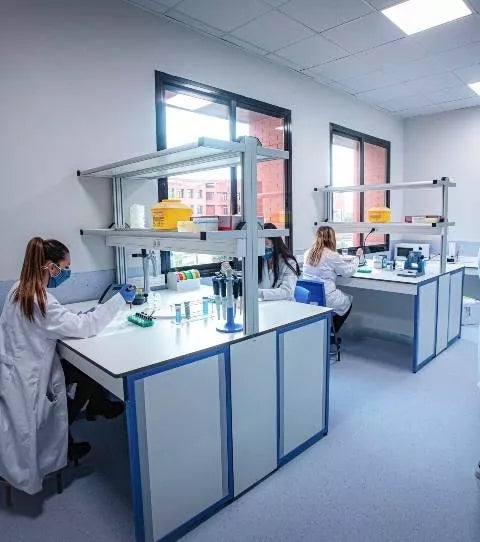
At UAX, we have more than 25,000 m2 at your disposal, distributed in 29 laboratories per area of knowledge, designed to offer you a practical methodology. Our facilities are designed with the aim of favouring the immersion of all our students in the world of work. Find out more
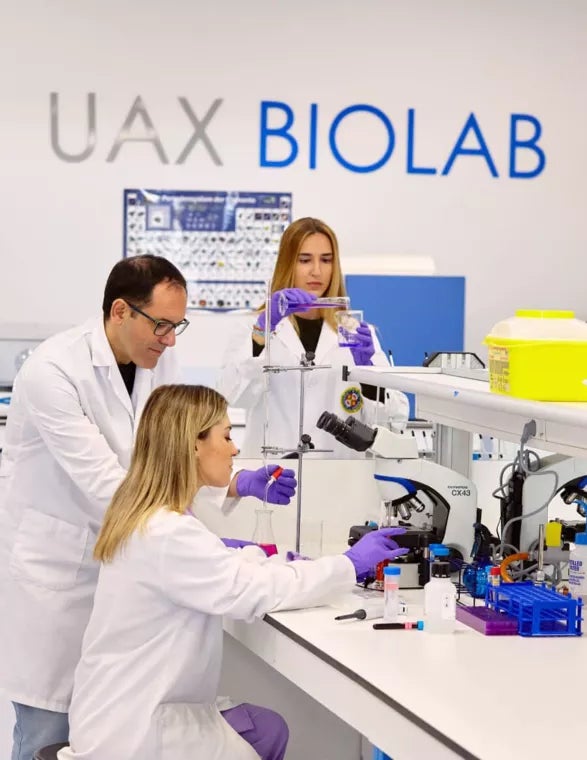
Learn with our new professional laboratory equipped with the latest technology. Find out more
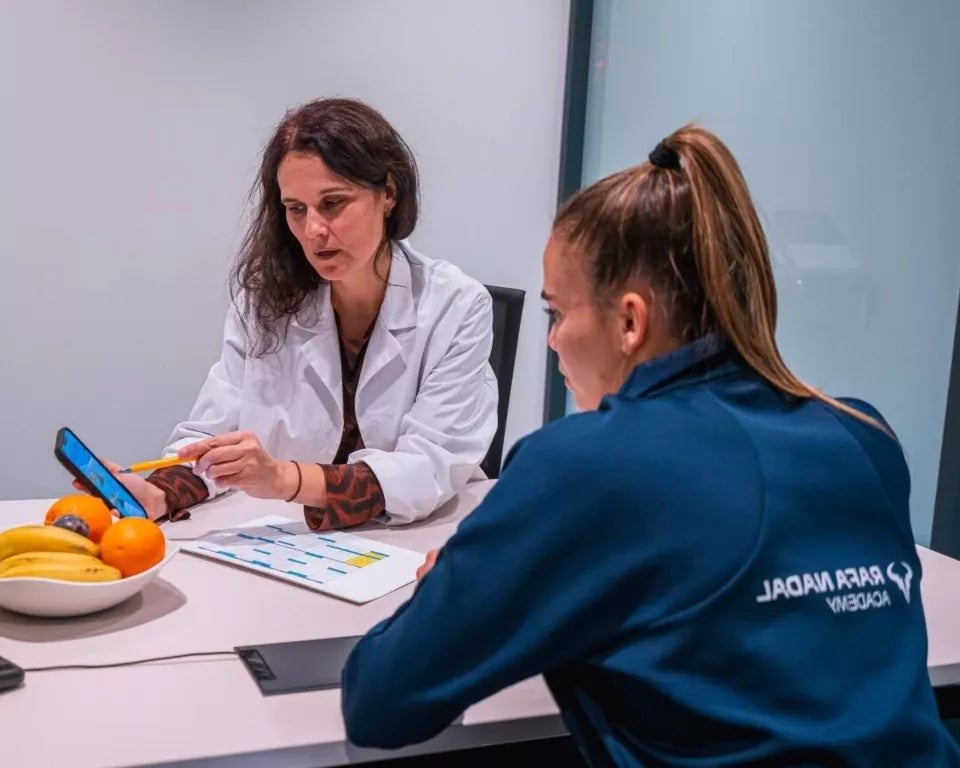
We know how important the venue is when sitting your exams.
* Exam centres are subject to maximum capacity and availability.
Thanks to the Degree in Nutrition and Dietetics (blended), once you have completed your studies, you will be able to work as a Dietitian-Nutritionist in:
The Bachelor’s Degree in Human Nutrition and Dietetics (Blended Learning) is an officially recognised degree, so you can gain entry to it via any of the following options:
If you already hold another degree, you can study the Blended Learning Bachelor’s Degree in Human Nutrition and Dietetics with the option to have ECTS credits recognised. Request your free, personalised study plan based on the credit recognition agreements in place with the Community of Madrid.
You can view the credit recognition regulations via the following link.
UAX’s blended-learning Bachelor’s degree in Human Nutrition and Dietetics has 150 places available for new students.
At UAX we know that studying is an investment, which is why we give you the resources to access our qualifications. Learn about some of our scholarships and grants:
The Bachelor's Degree in Human Nutrition and Dietetics lasts four academic years, which can be reduced to almost two years depending on the number of validations.
By studying nutrition and dietetics you will become a professional capable of improving people's quality of life through their diet. From a global approach, you will be prepared to address the improvement of sports performance, health, rest and disease states, from food and personalised nutrition.
Furthermore, once you have completed your degree in nutrition and dietetics, you will have a broad knowledge of the subject, which will allow you to specialise in the branch you like the most, either by taking a postgraduate course or by joining a job market where studying nutrition provides many opportunities and professional development.
In this degree you will learn everything you need to become a qualified professional capable of assessing nutritional needs and determining the ideal diet for individuals and groups.
You will use the most advanced technology to learn how to manage personalised nutrition plans to improve sports performance, health, rest and disease states.
With our innovative methodology, you will learn the keys that are revolutionising the nutrition sector in different fields such as sports nutrition, food inspection, optimising the performance of kitchens and catering, and food marketing.
You will be able to develop professional skills in clinical reasoning and operability to perform professionally with confidence and efficiency in real practice. You will learn the fundamentals of nutrition, dietetics and public health, along with language content, leadership, communication skills and sector-specific IT tools.
La principal ventaja de estudiar el grado en nutrición y dietética semipresencial es que podrás estudiar dónde y cuándo quieras, con libertad de horario y acceso al Campus Virtual disponible 24/7. Podrás ver tus clases virtuales en directo o diferido, y contactar con tus profesores por diversos medios y en cualquier momento del día.
En la Escuela Universitaria UAX Rafa Nadal nos distinguimos por darte un servicio personalizado, acompañándote y mostrando cercanía y rapidez en la resolución de cuestiones. De este modo nos aseguramos de que tu experiencia y formación sea lo más positiva posible para que cumplas sus objetivos.
Además puedes solicitar la convalidación de créditos de titulaciones anteriores tanto de grado universitario como de ciclo formativo de grado superior de forma sencilla y gratuita.
According to various sources consulted, such as Infoempleo and Glassdoor, the average salary of a nutritionist is between 1,500 and 3,000 euros gross per month, depending on the sector and the centre in which he or she works, and can reach up to 50,000 euros gross per year. In the case of self-employed nutritionists, the average gross annual salary is 29,000 euros.
The Bachelor’s Degree in Human Nutrition and Dietetics offers a range of career opportunities depending on the specialism in nutrition chosen. Graduates can work in various sectors such as healthcare, the food industry and research.
Train to become a specialist in the health sector – one of the industries gaining prominence in the Spanish economy – and become a nutrition professional with access to the following career opportunities in human nutrition and dietetics.
Other related qualifications
We offer a wide range of courses, so you’re sure to find a programme that suits you.
Online Master's Degree in Sports Nutrition and Training
In collaboration with:
Start:
October
Length:
9 months
Online Expert in Psychology of High Performance Sport
In collaboration with:
Start:
November
Length:
4 months
Master’s Degree in Sports Performance and Injury Prevention
In collaboration with:
Start:
October
Length:
9 months
We need to know a little bit about you so that we can provide you with a personalised service.
All fields are required
This degree, according to RD 822/2021 (art. 34) must undergo the process of accreditation renewal. During the development of the process, an evaluation team of the Foundation for Knowledge Madrimasd will meet with different stakeholders of the degree. In addition, they provide us with a form so that any interested party can indicate to the Foundation those aspects they consider relevant to the development of this programme.
The Degree Monitoring and Improvement Committee is made up of:
You can consult the different indicators in the following links:
Main action plans:
We listen to the real demand of our students and employees, because we believe in continuous improvement of results. Therefore, we always want to hear what you want to tell us.
Link to the complaints and suggestions mailbox.
If you already belong to UAX, through the virtual campus in the section Customer service: complaints, suggestions and congratulations, entering your username and password.

Telephone: 91 810 94 00
E-mail: paramejorar@uax.es
Opening hours: Monday to Friday from 9:00 am to 6:00 pm