Official Title
Madrid
Developed by the team behind the most successful tennis player in history, this official course trains you to become an elite sports physiotherapist in just two weekends a month. The only programme in Spain using the direct methodology of the 22-time Grand Slam champion. Undertake work placements at the Rafa Nadal Academy, QuirónSalud and the Higher Sports Council. Master the most advanced technologies and specialise in sports rehabilitation.
*A degree in Physiotherapy is essential

In collaboration with:


The elite team that has driven Rafa Nadal’s career, together with experts from Quirónsalud and the prestigious academic staff at UAX, have created a unique master’s degree programme for physiotherapists who aspire to become leaders in the field of sports physiotherapy. Discover why this is one of the best Master’s programmes in sports physiotherapy in Spain:
Do you want to excel in sports physiotherapy? This is the master’s programme for you.
Why study at the UAX Rafa Nadal University College?
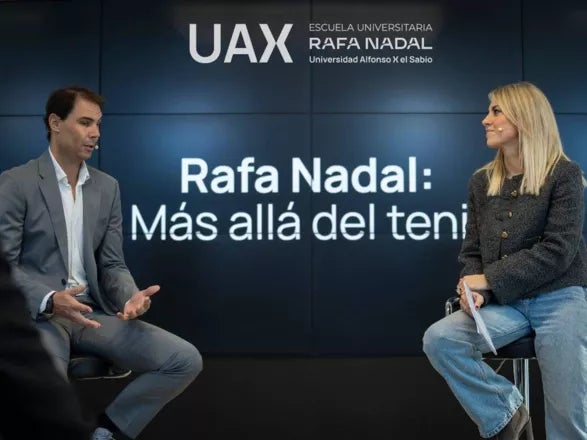
You will have the privilege of hearing Rafa Nadal speak firsthand about leadership, effort, and resilience. In an exclusive session, Nadal will share the experiences that shaped his success. Imagine receiving advice directly from the champion to apply to your own career. It will be an inspiring experience that brings meaning and purpose to your learning.
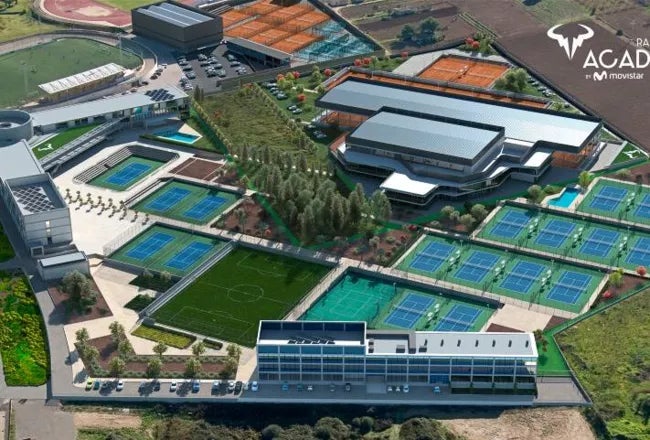
Optionally, you can attend the Rafa Nadal Academy, learning the working methodology of Rafa's companies and team that have led him to success with an analysis of the Rafa Nadal case in the world of tennis.
Discover the experience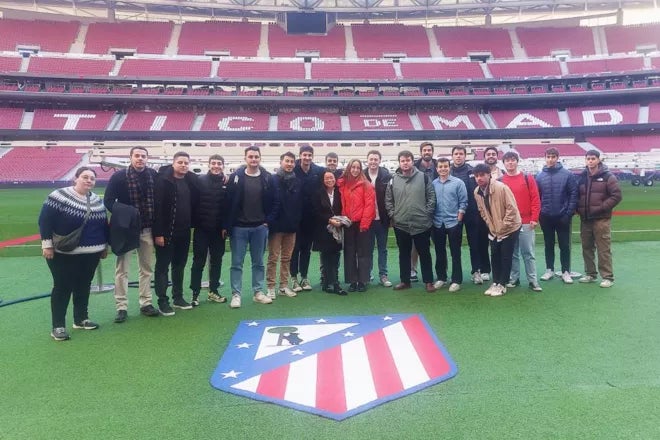
Boost your career alongside Atlético de Madrid: you will gain access to professional internships both at the club and at its Sports City, learn directly from professionals working there, and enjoy an exclusive Atleti experience designed to help you develop real skills in an elite environment.
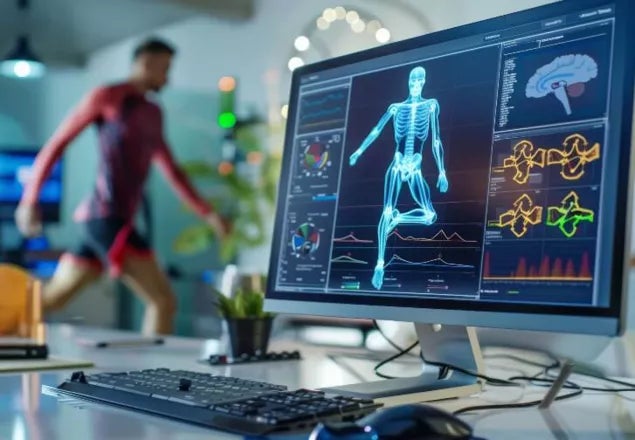
You will acquire the necessary knowledge to specialise in the use of the latest technologies applied in the sector. You will be able to obtain certifications in percussive therapy with Therabody, intermittent hypoxia with iAltitude, or electromyography and surface electro-stimulation with Myoplus.
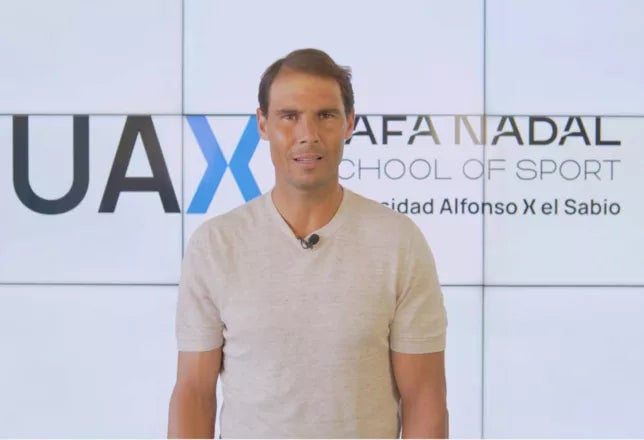
Exclusive online training programme based on the values that have made Rafa Nadal successful: effort, cooperation, empathy, leadership, professional ethics, resilience, work discipline, among others.
Led by Víctor Fonseca, a physiotherapist with over 20 years’ experience at clubs such as AS Monaco and Real Madrid, amongst others.
You will learn to be able to develop the maximum preventive and therapeutic potential inherent in your speciality, and you will be qualified to perfect evidence-based practice.
Master’s Degree in Sports Physiotherapy
First Year
ANNUAL SUBJECTS
| Code | Subjects | Character* | ECTS |
|---|---|---|---|
| M131209 | External academic placements | OB | 9 |
| TOTAL: | 9 | ||
FIRST FOUR-MONTH PERIOD
| Code | Subjects | Character* | ECTS |
|---|---|---|---|
| M131201 | The physiological basis of physical activity and sport | OB | 6 |
| M131203 | Physiotherapy Research into Physical Activity and Sport | OB | 3 |
| M131204 | Women and sport | OB | 3 |
| M131205 | General procedures in physiotherapy for physical activity and sport | OB | 9 |
| M131211 | Sport and disability | OB | 3 |
| TOTAL: | 24 | ||
SECOND FOUR-MONTH TERM
| Code | Subjects | Character* | ECTS |
|---|---|---|---|
| M131207 | Advanced procedures in physiotherapy for physical activity and sport | OB | 12 |
| M131208 | Master’s Thesis | OB | 6 |
| M131210 | Pathophysiological Basis of Physical Activity and Sport | OB | 9 |
| TOTAL: | 27 | ||
*Character: BT: Basic Training, Ob: Required, Op: Optional
The Master's Degree in Sports Physiotherapy is aimed at Physiotherapy graduates with an interest in specialising in the field of sports, oriented towards working with high-performance and amateur athletes who are increasingly professionalised. This master's degree also attracts professionals seeking to differentiate themselves in a competitive market, acquiring advanced skills to prevent, treat and readapt injuries, and offer personalised solutions in demanding sporting contexts.
Thus, students on the UAX Master's Degree in Sports Physiotherapy are usually grouped into three main profiles, differentiated by their professional context, previous experience and study objectives. These profiles are:
DETAILS OF THE CLOISTER | ||
| FIRST NAME AND SURNAME | SUBJECT(S) | PERSONAL DETAILS |
| David Marrón | Programme Director |
A physiotherapist specialising in high-performance sport, with over 16 years’ experience at Atlético de Madrid, where he has held coordinating and managerial roles within the first-team physiotherapy department. An expert in injury prevention, functional recovery and sports rehabilitation in professional football, he combines a strong clinical background with the management of multidisciplinary teams. A graduate in Physiotherapy and in Physical Activity and Sport Sciences, he holds a Master’s degree in Sports Physiotherapy and currently directs the Master’s degree programme in Sports Physiotherapy at UAX. |
| Víctor García Fonseca | General Procedures in Physical Activity and Sports Physiotherapy __
Women and Sport __
Sport and Disability | Physiotherapist, graduate in CAFYD and Osteopath (DO). Over 15 years’ clinical experience in elite sport, having worked with SL Benfica, Real Madrid and AS Monaco. Lecturer in university and private training programmes. Coordinator of the Quirón Prevención Health Centre, consultant to athletes and professional clubs, and co-founder of MFINTEGRA (a consultancy and training company for health and sport professionals) |
Pablo Gonzalez Frutos
| Physiological foundations of physical activity and sport | Pablo González Frutos holds a PhD in Physical Activity and Sport Sciences, a degree in the same discipline, and is a National Athletics Coach. He currently works as a university lecturer and researcher. |
| Jordi Lafarga Berciano | Physiological Foundations of Physical Activity and Sport __ Pathophysiological foundations of physical activity and sport
| Dr Jordi Lafarga holds a degree in Medicine and Surgery and a PhD in Medicine. He specialises in biomechanics and has over 15 years’ teaching experience in undergraduate and postgraduate programmes. He has also served as coach of the Spanish figure skating team. |
| África López Illescas | Women and sport __ Physiological foundations of physical activity and sport __ Pathophysiological foundations of physical activity and sport | Dr África López-Illescas is a renowned specialist in Physical Medicine and Rehabilitation, with an outstanding track record in the field of health and sport. She currently serves as head of the Rehabilitation Service at the Higher Sports Council and as a university lecturer. |
| Alejo García-Naveira | Physiological foundations of physical activity and sport | Alejo García-Naveira Vaamonde is a leading psychologist specialising in the field of sport, with over 25 years’ experience in enhancing the performance and wellbeing of athletes and gamers. He holds a Bachelor’s degree and a PhD in Psychology from the Complutense University of Madrid, and a Master’s degree in Sports Psychology from the Autonomous University of Madrid. He has also undergone training in EMDR and Hypnosis, and is accredited as a General Health Psychologist and University Lecturer by ANECA. He has worked with renowned sports organisations, including 17 seasons at Club Atlético de Madrid, as well as at UD Almería, the Royal Spanish Athletics Federation and Club Deportivo Tacón in the Iberdrola League. In the field of esports, he has worked with MAD Lions Esports Club, Gaming Residences and the League of Legends LEC League in Germany. |
| Miguel Ángel Alvaredo | Research in Physiotherapy for Physical Activity and Sport __ Physiological bases of physical activity and sport | PhD in Physiotherapy from the University of Murcia, with three Master’s degrees in different academic areas; over 10 years’ experience in research methodology; 8 years’ clinical experience; and a collaborator with the Royal Spanish Swimming Federation |
| Manuel J. Rodríguez | Physiological Basis of Physical Activity and Sport General Physiotherapy Procedures for Physical Activity and Sport __ Pathophysiological foundations of physical activity and sport
| Manuel José Rodríguez Aragón is a physiotherapist with a solid track record in clinical practice and academia. Since 2000, he has gained extensive experience in private practice and the sports sector, providing services to elite athletes. In the academic sphere, he began his teaching career in 2011, distinguishing himself through his dedication and innovative approach. He has been head of the Innovation Unit within the Physiotherapy degree programme and the Innovation Support Unit at the Faculty of Health Sciences, Francisco de Vitoria University (UFV). Her thesis was entitled ‘Effects of global postural re-education on stress and sleep quality in female university students and lecturers in the health sector’. |
| Ramón Velázquez Parejo | Sport and functional disability | Velázquez Parejo is currently head of the Physiotherapy Service at the Spanish Paralympic Committee (CPE). In this role, he coordinates a team of physiotherapists who provide support to Paralympic athletes, ensuring they are in peak physical condition during competitions. His work includes the prevention and treatment of injuries, as well as the implementation of strategies to improve sporting performance. During the Tokyo 2020 Paralympic Games, Velázquez Parejo highlighted the importance of physiotherapy as an essential component of major sporting events. He pointed out that his work focuses not only on physical recovery, but also on providing support and reassurance to athletes, who often develop a relationship of trust with their physiotherapists. |
| Israel González Perez | Research in Physiotherapy for Physical Activity and Sport __ General Procedures in Physiotherapy for Physical Activity and Sport __ Pathophysiological bases of physical activity and sport
| Dr Israel González Pérez is a leading Spanish physiotherapist with extensive experience in the sporting and academic fields. He holds a PhD in Physiotherapy, having submitted his thesis entitled ‘Anthropometric analysis of swimmers belonging to the Royal Spanish Swimming Federation and the Madrid High Performance Centre between 2002 and 2015’ at Alfonso X el Sabio University (UAX). Since 2004, he has been associated with the Royal Spanish Swimming Federation, participating as a physiotherapist in high-level international events, including the 2008 Beijing, 2021 Tokyo and 2024 Paris Olympic Games, seven World Swimming Championships and seven European Swimming Championships. At these events, he has played key roles as a physiotherapist and coordinator of the support team for swimming and open-water swimming. |
| Ana de Cevallos | Physiological bases of physical activity and sport
| General Health and Sports Psychologist. Clinical experience with professional athletes across various sports (swimming, padel, skiing, tennis, golf, skating, etc.) as well as with technical and medical staff. Lecturer on various university courses |
| Pedro Antonio Mendoza | Research in Physiotherapy for Physical Activity and Sport | Part-time lecturer at UAX since 2023. Founder of FisioAim, a physiotherapy and health clinic. Physiotherapist for the first team at Leganés Futsal (2nd division) and head of the club’s other sections (youth academy and women’s team).
|
| Manuel Rozalén Bustín | Women and sport __ Advanced Procedures in Physiotherapy for Physical Activity and Sport | PhD in Physiotherapy. Specialist in pelvic and perineal dysfunction in high-performance sport. A leading figure in the field of pelvic floor health and rehabilitation at both national and international level, with over 23 years’ experience. Co-founding partner of the Dr Rozalén Medical Centres, LACASADELFISIO.COM and Fisioserv.com
|
| Carlos de la Torre | General Physiotherapy Procedures for Physical Activity and Sport | Head of Studies for the Bachelor’s Degree in Physiotherapy. PhD in Biomechanics and Rehabilitation. Physiotherapist in the Physiotherapy and Rehabilitation Department at the Fundación Alcorcón University Hospital. Official Master’s degree in Neurological Pathology and in Research Methodology in Health Sciences. Certificate of Teaching Competence. Coordinator of undergraduate and postgraduate modules with over 20 years’ teaching and clinical experience. |
| Antonio González Palacios | General Procedures in Physiotherapy for Physical Activity and Sport | Lecturer in Physiotherapy at the Faculty of Health Sciences, UAX; Master’s degree in Manual Therapy from UAX. Over 9 years’ experience as a physiotherapist specialising in ultrasound and invasive techniques. |
| Belén Valero Moreno | General Procedures in Physiotherapy for Physical Activity and Sport | Physiotherapist specialising in the treatment of sports injuries. PhD candidate in Health Sciences and holder of a Master’s degree in Therapeutic Exercise Physiotherapy. She currently combines clinical practice at Premium Health & Sports with university teaching programmes and co-directing the Master’s programmes. |
| Ana de la Fuente García | Pathophysiological foundations of physical activity and sport | Graduate in Physiotherapy from the UCM, graduate in Physical Activity and Sport Sciences from the UAM, Official Master’s Degree in Physical and Sports Performance from the UPO, and university specialist in the Prevention, Intervention and Recovery of Sports Injuries from the UPM. Rehabilitation specialist at football clubs (7 years’ experience). Lecturer on various Master’s and postgraduate programmes in the field of Physiotherapy and Rehabilitation. |
| Beatriz García Maya | General procedures in physical activity and sports physiotherapy | Doctor of Surgery and Medicine. Specialist in shoulder and elbow surgery. Fellow of the European Board of Orthopaedics and Traumatology. Doctor with the Spanish Rugby Federation (RFE). Specialist consultant in the Department of Traumatology at the Infanta Elena University Hospital |
| Marcelino Torrontegui Duarte | General procedures in physiotherapy for physical activity and sport | Doctor of Health Sciences. Podiatrist and Physiotherapist. Lecturer at the Faculty of Health Sciences, University of Málaga. Provided medical services for Málaga CF from 1999 to 2021. Member of the Scientific and Medical Commission of the Spanish Olympic Committee. Current collaborator with the Spanish Olympic Committee (8 Olympic Games), Movistar Team, the Royal Spanish Football Federation, the Spanish Canoe Federation and the Royal Spanish Cycling Federation. Member of the Chair of Health and Pain at the University of Málaga (UMA). |
| Alejandro Luque Suarez | General physiotherapy procedures for physical activity and sport | Doctor of Health Sciences. Physiotherapist and Anthropologist. Lecturer at the Faculty of Health Sciences, University of Málaga. Ranked in the world’s top 2 for research in ‘Orthopaedics’ in 2024, according to the Stanford University ranking. Ranked in the top 10 over the last decade for research into ‘Musculoskeletal Pain’ (Expertscape). Director of the UMA-Fundación Unicaja Chair in Health and Pain. Expert in chronic pain and its management in sport. |
| Lena Rebecca Grams | General procedures in physiotherapy for physical activity and sport | Doctor of Medicine and Surgery. Holistic training in the comprehensive treatment of women’s health. Strong background in research, which she combines with clinical practice
|
| Eva María Rodríguez González | General Procedures in Physiotherapy for Physical Activity and Sport | Academic coordinator of the Master’s degree in Sports Physiotherapy at UAX and lecturer at the Faculty of Health Sciences at UAX. PhD in Physiotherapy from Alfonso X el Sabio University. Certified Osteopath (C.O.), Member of the Executive Board of the Royal Spanish Judo Federation and D.A. 25 years’ experience as a lecturer and practitioner, having participated in 5 Olympic Games, World Championships, European Championships, Mediterranean Games and Spanish Championships across various categories. |
| Nestor Antonio Zurita Uroz | Physiopathological foundations of physical activity and sport | Since 1996, Dr Zurita has served as a doctor for the Royal Spanish Swimming Federation, taking part in over 30 international events with the national team across all disciplines. He is currently the medical director of Arthrosport Alicante and coordinates IMED Sport at IMED Elche Hospital. His expertise lies in arthroscopic surgery of the shoulder, hip, knee and ankle, as well as in prosthetic surgery and treatments using biological systems such as PRP, hyaluronic acid and collagen |
| María Llamazares Villadangos | Advanced procedures in physiotherapy for physical activity and sport | Physiotherapist, qualified from the UCM. Master’s degree in Physiotherapy and Sports Rehabilitation from the UCJC. Associate lecturer at UAX and La Salle University. Head of Physiotherapy at the Royal Spanish Gymnastics Federation, attending the Tokyo 2021 and Paris 2024 Olympic Games, as well as numerous European and world championships. |
| Pablo Aparicio Montero | Advanced Procedures in Physiotherapy for Physical Activity and Sport | PhD in Physiotherapy from UAX. Diploma in Physiotherapy from UCM. Master’s degree and specialist qualification in Musculoskeletal Pain from UCM. Coordinator and lecturer on the Bachelor’s degree in Physiotherapy at the Faculty of Health Sciences, UAX. Lecturer on the Master’s degree in Sports Physiotherapy at UAX. Over 15 years’ clinical experience. Over 10 years’ teaching and research experience in the field of the assessment and management of patients with musculoskeletal pain and chronic conditions. |
| Lara Sanchez Suarez | Advanced Procedures in Physical Activity and Sports Physiotherapy | Lecturer on the Bachelor’s Degree in Physiotherapy at the Faculty of Health Sciences, UAX; lecturer on the UAX Rafa Nadal Master’s Degree in Sports Physiotherapy. Official Master’s degree in Biomechanics and Sports Physiotherapy from the Pontifical University of Comillas. Specialist in Urogynaecological and Obstetric Physiotherapy from the University of Castilla-La Mancha. Over 10 years’ clinical experience in physiotherapy. |
| Pablo Salas Ortega | Advanced procedures in physiotherapy for physical activity and sport | Graduate in Physiotherapy and CAFYD. I have been working at the CAR in Madrid since 2019 Lecturer on the undergraduate and Master’s degree programmes in sports physiotherapy at UAX. He has been involved in preparing Olympic athletes for the Tokyo 2020 and Paris 2024 Olympic Games (attending the latter). He has attended several World and European Artistic Gymnastics Championships |
| Alberto Roldán Ruiz | General procedures in physiotherapy for physical activity and sport | PhD in Health Sciences (Cum Laude) from the University of Alcalá. Academic Coordinator of International Relations in Physiotherapy. Lecturer on the Bachelor’s Degree in Physiotherapy, teaching in both Spanish and English. Researcher in multidisciplinary areas such as pain, virtual reality and therapeutic exercise. |
El Máster en Fisioterapia Deportiva cuenta con el Career Services, donde ponemos a tu disposición la infraestructura necesaria para que puedas realizar tus prácticas en empresas e instituciones con las que la Escuela Univeritaria UAX Rafa Nadal mantiene convenios de colaboración.
Este máster consta de 160 horas de prácticas clínicas en los centros concertados. El calendario de asistencia a esas prácticas se podrá ajustar, en la medida de lo posible, a las necesidades de nuestros alumnos.
Algunos centros con los que tenemos convenio:
During your study programme, you'll have exclusive online training content that Rafa Nadal himself and his entire team have worked on, sharing their experiences and revealing the secrets that have led him to success: Toni Nadal, Carlos Moyá, Ángel Ruiz Cotorro, Rafael Maymó, Carlos Costa, Benito Pérez-Barbadillo, Gemma Bes and Maribel Nadal.
You'll access unique content that will help you hone the qualities today's job market demands: effort, cooperation, empathy, leadership, professional ethics, responsibility and commitment, humility and confidence, resilience, discipline, and hard work.
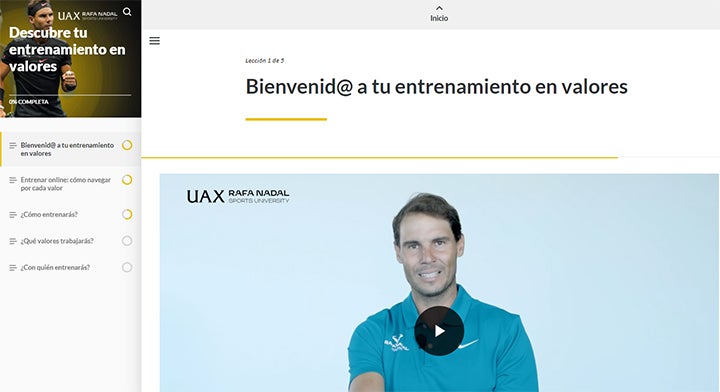
- Classrooms on morphology, structure and function of the human body.
- Biomechanics research laboratory.
- Exercise physiology laboratory.
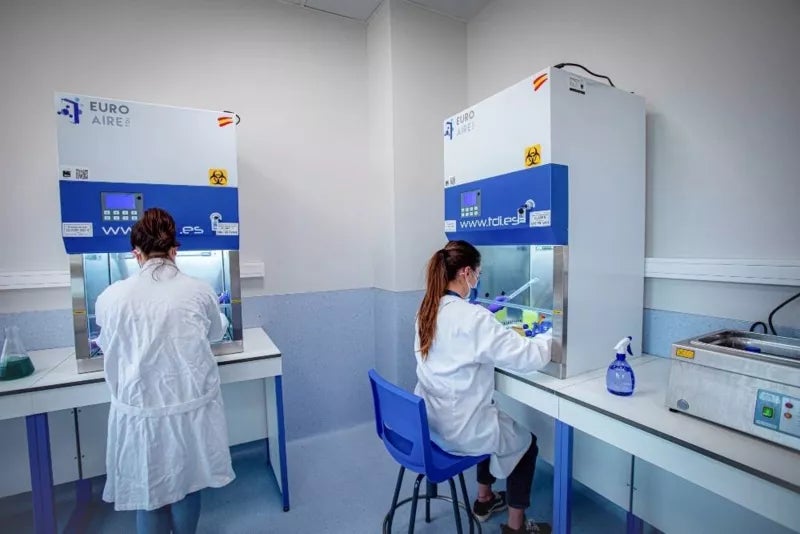
- Physiotherapy Practice Room
- Virtual Simulation Hospital.
- UAX Fitness Center and first class sports facilities for the development and execution of adapted sports programmes.
- Number of new admission places: 60 places
- Admission conditions
In order to establish the conditions of access, the provisions of Royal Decree 822/2021, of 28 September, which regulates access and admission to official Master's degree courses, in article 18, will be taken into account.
- Admission profile (transfer the information that was in the general information section of the degree).
- Admission Criteria and Tests
When demand exceeds supply, the following admission criteria will be applied:
- Recognition of credits
The Alfonso X El Sabio University has approved and published a regulation adapted to Royal Decree 822/2021 to deal with the transfer and recognition of credits. https://www.uax.com/download/9959/file/Normativa-TRC.pdf
The Master's Degree in Sports Physiotherapy provides for the recognition of up to 9 ECTS of the external academic practice subject for professional experience.
The recognition of credits for professional experience will require a personalised and detailed study that guides the student on which activities within the work environment guarantee the acquisition of the set of competences of the degree, this study will be carried out by the validation committee of the degree and the admissions department of the UAX.
A leading academic team in elite sports physiotherapy
Professionals who work with elite athletes on a daily basis and who will prepare you to tackle the real challenges of the sector with a contemporary, specialised approach tailored to high performance.
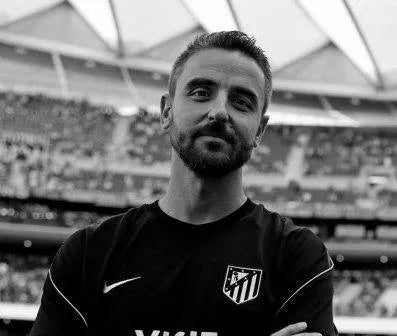
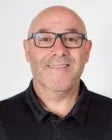
A physiotherapist with over 16 years’ professional experience at Club Atlético de Madrid, where he has spent much of his career, working with both the youth teams and the first team, with whom he has been associated for seven seasons. A specialist in sports physiotherapy and high-performance training, with over a decade’s experience at Atlético de Madrid. An expert in injury prevention, functional recovery and rehabilitation in professional football.
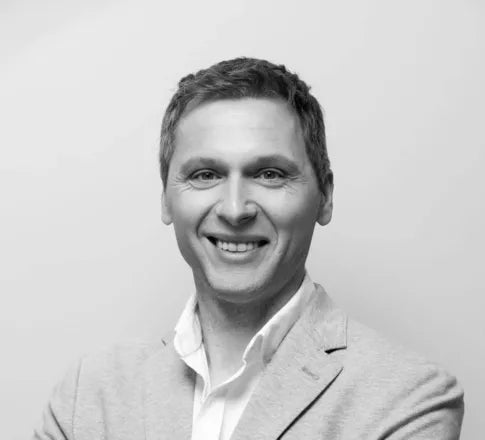
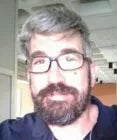
Physiotherapist, Osteopath and Fitness Coach, with over 15 years’ experience working with elite athletes at clubs such as Real Madrid and AS Monaco. He has combined his work in sport with teaching and the development of specialist units in sports medicine.
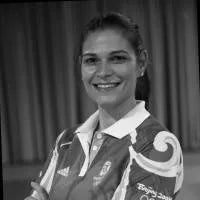
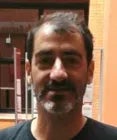
Osteopath C.O. Member of the Board of Directors of the Royal Spanish Judo Federation and D. A. 25 years of teaching and professional experience, with participation in 5 Olympic Games, World, European and Spanish Championships, and Mediterranean Games in different categories.
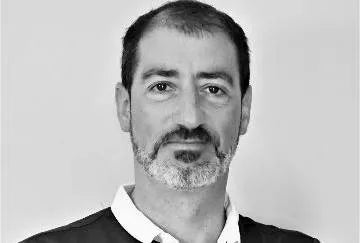
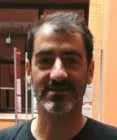
20 años de experiencia como Fisioterapeuta de la Real Federación Española de Natación
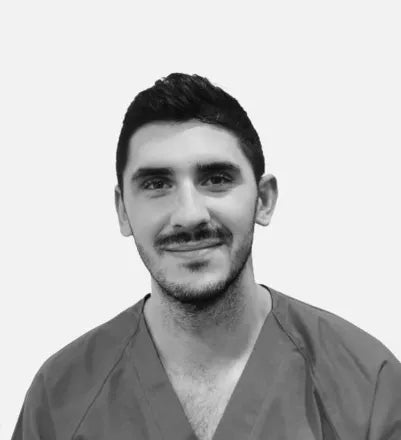
Head of Preventive Physiotherapy for the Spanish Paralympic Committee. Physiotherapist for the Spanish national football team with cerebral palsy. Physiotherapist of the national adapted athletics team.
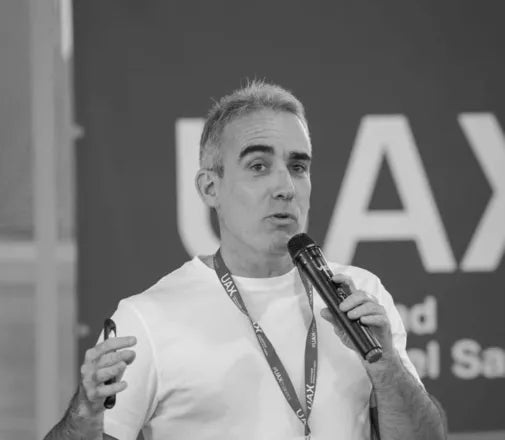
Doctor in Physiotherapy. He combines his academic work with clinical practice as director of the Rozalén Clinics, specialising in neurophysiotherapy and neurological rehabilitation. His career includes research in areas such as temporomandibular joint and sensorimotor function, with publications and participation in scientific congresses.
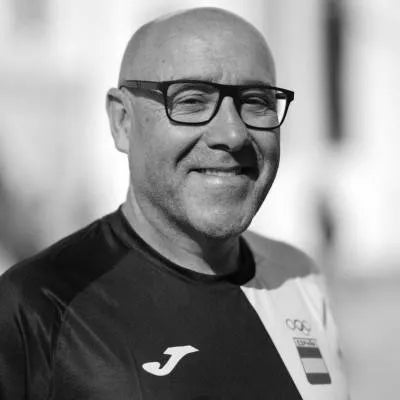
Medical Commission of the EOC and the Spanish Olympic team in 6 Olympic Games.
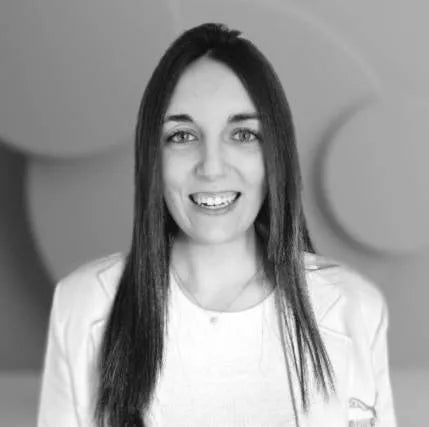
Graduate in Physiotherapy (UCM), Official Master's Degree in Physiotherapy of the Musculoskeletal System (ONCE-UAM) and specialist in Functional Assessment and Corrective Exercise. She is a physiotherapist at the Premium Madrid Medical and Rehabilitation Centre. University lecturer in different Masters and Postgraduate courses in the field of sports physiotherapy and content editor and technical coordinator at Fisiowebinar.
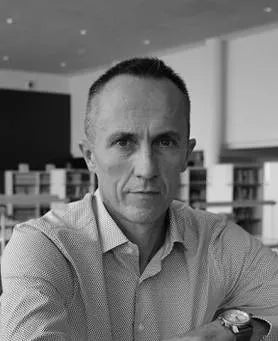
Expert in chronic pain in sport and neuromodulation,
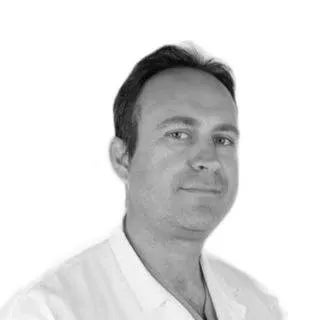
Specialist in Traumatology and Orthopaedic Surgery and among his great achievements we can mention that he has been a doctor for the Royal Spanish Swimming Federation since 1996, having participated in 28 international events. In addition, he is a Doctor of Medicine from the University of Granada with the qualification of Outstanding Cum Laude, being one of the most renowned specialists in traumatology and orthopaedic surgery in our country.
Thanks to agreements with leading sports and healthcare organisations, you’ll have access to work placements that will allow you to apply your knowledge in real-world contexts, expand your professional network and make a confident transition into the world of work. Furthermore, you’ll be able to take part in radio interviews, sporting events, specialist publications and conferences, enriching your professional experience and boosting your visibility within the sector.







Thanks to the partnership agreement with BTL, students will be able to train using state-of-the-art professional equipment used in clinical settings. The partnership includes the provision of specialised equipment, the delivery of masterclasses and the development of joint initiatives. In addition, students will be able to obtain training certificates relating to the use of various pieces of technological equipment, thereby enhancing their professional profile and employability.

We train professionals under the guidance of experts who are already transforming the world of healthcare and the sports industry, drawing on UAX’s DNA and Rafa Nadal’s working model.
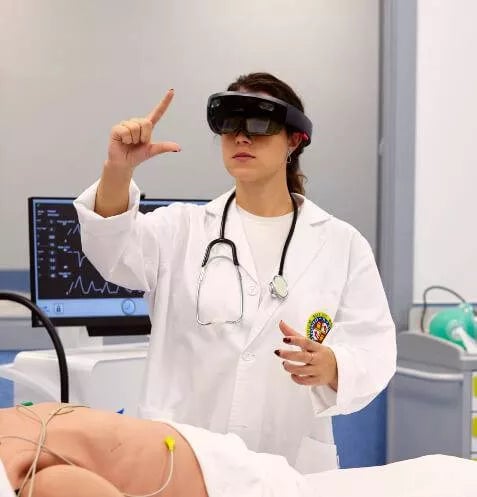
A unique centre in Spain to complete your training in the most innovative, well-rounded way. Find out more
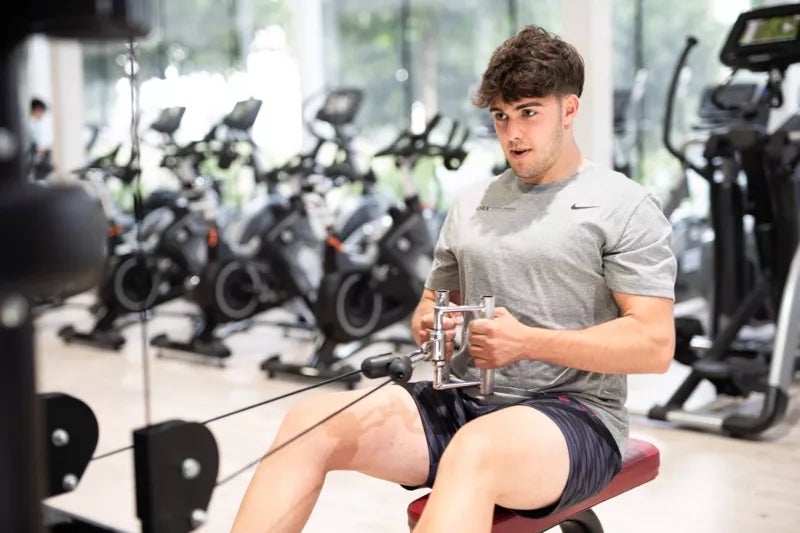
A unique, university-level sports club with the best facilities for multi-sport practice. Find out more
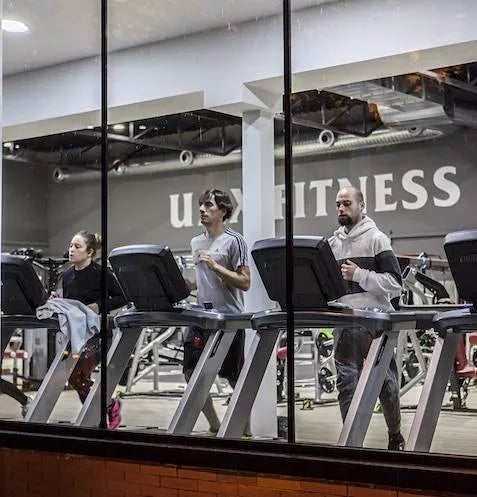
25 indoor and outdoor sports facilities for practicing more than 20 different sports. Find out more
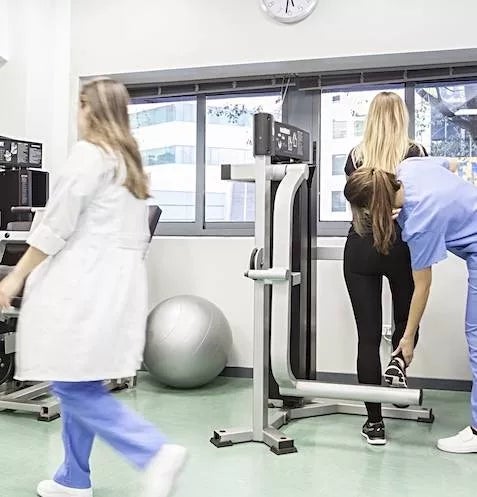
Using the most innovative medical resources, it aims to offer the best diagnosis and treatment of real patients. Find out more
It’s not us saying this – it’s those who’ve already experienced it. They’ve been through it first-hand. Now they’re telling you about it in their own words.

We need to know a little bit about you so that we can provide you with a personalised service.
All fields are required
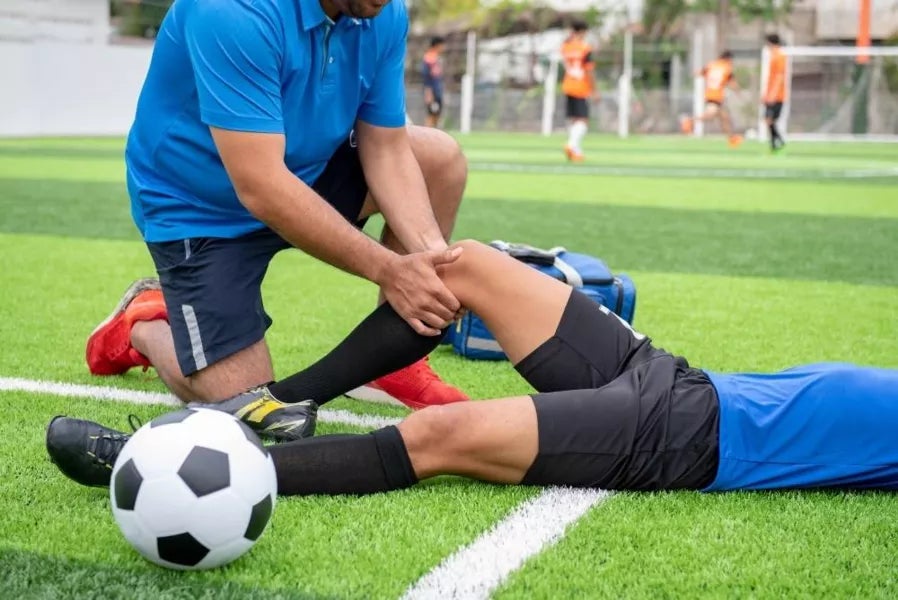
Sports physiotherapy turns physiotherapists into high-performance specialists, trained to anticipate injuries, diagnose accurately and return athletes to their full competitive potential.
Sports physiotherapy is key to the comprehensive care of the athlete. Working side by side with a multidisciplinary team (trainers, doctors, nutritionists), its main objective is to prevent injuries, optimise performance and offer effective recovery when an injury occurs.
Para convertirte en un especialista en fisioterapia deportiva, el primer paso es obtener el título de fisioterapeuta. Una vez finalizado el grado, la clave para la especialización es cursar un máster en fisioterapia deportiva.
The price of studying physiotherapy at the Universidad Alfonso X el Sabio (UAX) depends on the academic programme chosen. In the case of the Master's Degree in Sports Physiotherapy at the UAX Rafa Nadal University School, updated information on fees and financing is provided to each candidate on a personalised basis. You can solve all your doubts by contacting an academic advisor through the form on this page, by phone or by email. In addition, at UAX you will find different payment methods and scholarships that facilitate access to a quality and recognised university education in sports physiotherapy.
Other related degree programmes
We offer a wide variety of courses, so you’re sure to find a programme that suits you.

Master's Degree in Neurophysiotherapy
Start:
October
Length:
9 months
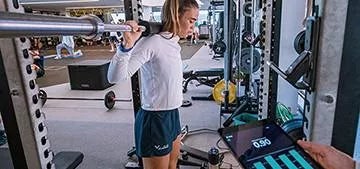
Master’s Degree in Sports Performance and Injury Prevention
In collaboration with:


Start:
October
Length:
9 months
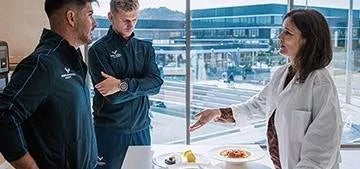
Online Master's Degree in Sports Nutrition and Training
In collaboration with:


Start:
October
Length:
9 months
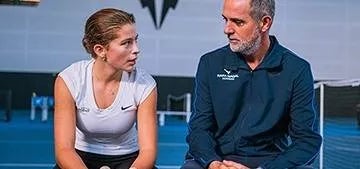
Online Expert in Psychology of High Performance Sport
In collaboration with:


Start:
November
Length:
4 months
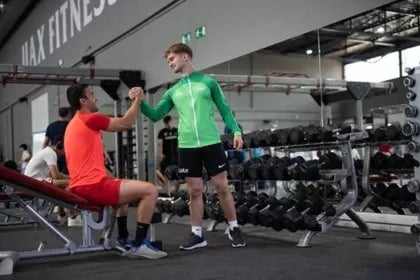
Degree in Physical Activity and Sport Sciences (CAFYD)
In collaboration with:


Start:
September
Length:
4 years
You can view your timetable and indicative timings via the following link .
La UAX impulsa la cultura de la calidad entre la comunidad universitaria a través del Sistema de Calidad de la UAX (SIUAX), del que La Dirección de la Universidad es la máxima responsable, asegurando que la planificación del sistema se implementa para cumplir eficazmente con los objetivos de calidad, la satisfacción de necesidades, requisitos y expectativas de clientes y partes interesadas.
Los órganos responsables son:
• Consejo de Gobierno: máximo órgano de toma de decisiones en el ámbito académico y responsable del despliegue de la mejora en los procesos académicos. Formado por el Rector, los Vicerrectores, los Decanos, el Secretario General, y la Dirección de Servicios al Estudiante. También participan responsables de las áreas de Talento y Tecnología.
• Junta de Facultad/Centro: órgano de seguimiento del despliegue de los procesos académicos a nivel de Facultad. Participan el responsable del centro, los jefes de estudio de las titulaciones y el coordinador de calidad.
• Comisión de Seguimiento y Mejora del Centro (SIM centro): órgano responsable del despliegue y seguimiento del plan de iniciativas y el plan de mejora del centro. Participan los responsables del centro, los jefes de estudio, PDI, PTGAS, estudiantes y coordinadores de calidad.
• Comisiones de Seguimiento y Mejora del título (SIM título): órgano responsable de asegurar la calidad académica del título y el cumplimiento de la memoria verificada, así como de impulsar una cultura de mejora continua en el programa. Está compuesto por el jefe de estudios, PDI, PTGAS, responsable de calidad y estudiantes. Analiza resultados, identifica áreas de mejora y propone acciones para fortalecer la experiencia formativa y el despliegue del título.
La Comisión de Seguimiento y Mejora del Título en el curso 2025-26 está formada por:
Puedes consultar los distintos indicadores en los siguientes enlaces:
Acciones de mejora desarrolladas en el título:
We respond to the genuine needs of our students and staff, because we believe in the continuous improvement of our results. That is why we are always keen to hear anything you wish to tell us.
Link to the complaints and suggestions inbox.
If you’re already part of UAX, go to the ‘Customer Service: complaints, suggestions and compliments’ section on thevirtual campus and log in with your username and password.