




















Figuring out whether a qualification is accredited is probably one of the questions you’re asking yourself as you consider the next steps you want to take in your education. Training is, without a doubt, one of the best ways to enhance your professional profile and acquire the skills and abilities needed to successfully enter the job market or open the door to new and exciting opportunities throughout your career.
When deciding between one qualification and another, it is vital to choose one that is accredited, official and, therefore, valid. Hence the importance of studying at an accredited training centre.
Accredited qualifications: what they are and how to check if your qualification is accredited
How can I check whether a course is accredited? The answer to this question is quite simple: you need to check directly with the relevant authority to ensure the qualification is accredited. It is essential that the qualification is accredited or recognised. Therefore, before enrolling on a course, you must verify this.
What does it mean for a qualification to be accredited, and how does this affect its validity? A course is accredited when it has official recognition from a regulated educational institution (such as a university awarding official degrees or a vocational training centre, amongst others). This is key to ensuring that, upon completion of our studies, we hold a qualification that is fully valid for practising our chosen profession in all countries where this accreditation is recognised.
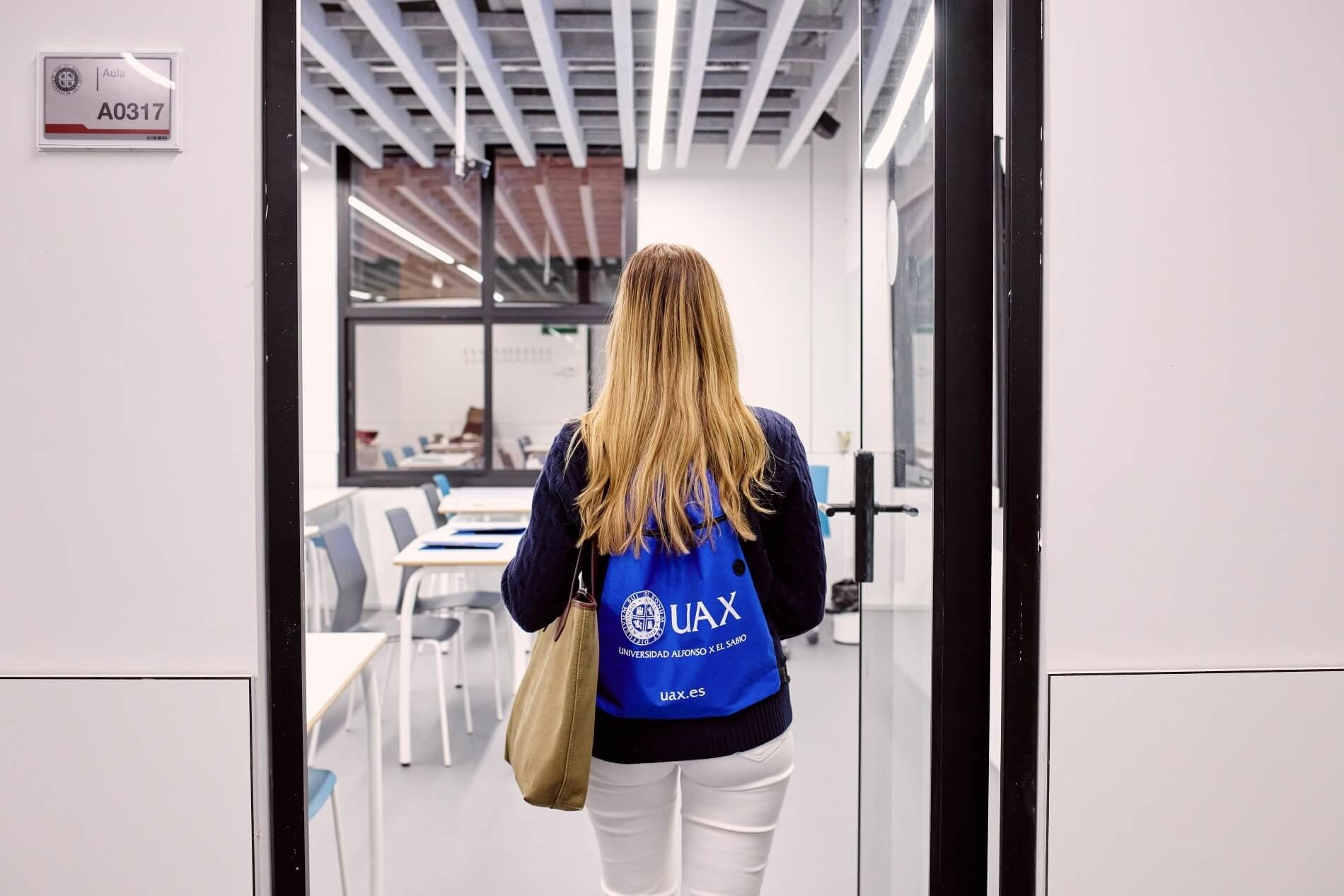
Advantages of accredited training
Undertaking accredited studies will always bring us significant benefits. As a general rule, accredited courses offer major advantages over qualifications that are not certified.
It is worth noting that qualifications officially certified by specialist institutions such as universities or training centres are the most highly valued by employers due to their quality and because they lend greater credibility, having been endorsed by a recognised institution.
Differences between an accredited qualification, an official qualification and an institution-specific qualification
Official qualifications are recognised across member states of the European Higher Education Area ( EHEA). An institution-specific qualification, on the other hand, is valid within Spain, as it is a non-regulated study programme, and is governed by the Organic Law on Universities.
Among the advantages and disadvantages of studying UAX’s university-specific degrees , the following are worth highlighting:
- They are approved by the universities and are subject to a more flexible regulatory process than official master’s degrees (which are regulated by the National Agency for Quality Assessment and Accreditation , ANECA).
- As they do not have to undergo such complex bureaucratic processes, the university’s own degree programmes can be launched more quickly.
- Unlike official programmes, the university’s own programmes can involve professionals and experts from various fields of knowledge.
- When sitting civil service examinations or applying for posts in the public administration, official master’s degrees carry more weight as they are classified as postgraduate qualifications, whilst university-specific programmes are considered continuing professional development and carry less weight.
- Although the vast majority of university-run programmes have internal funding schemes, students must enrol on official master’s programmes to be eligible for general grants from the Ministry of Education.
Previously on our blog, we explored the characteristics and differences between university-run and officially recognised Master’s programmes.
If you’re interested in training to become a professional dietitian, you can enrol on our accredited course, learning to design diets using the professional software DIETOPRO. Become a Senior Dietetics Technician! Are you interested in this training option?