

See all Online Master's Degrees in Health





See all Master's Degrees in Engineering
Most searched curriculums
Official qualification
Madrid
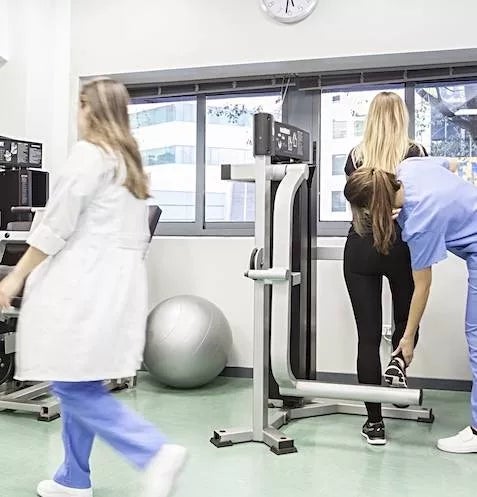
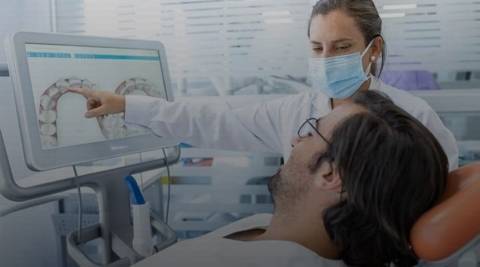
Stand out as an orthodontist because of your skills, practical preparation and digital training. You will specialise with many more practical hours (1430 hours of pre-clinical and clinical practice) in just 2 years, you will work in digital flow, familiarising yourself with the most advanced techniques in fixed and plastic orthodontics, and you will obtain a Certificate in Invisalign.
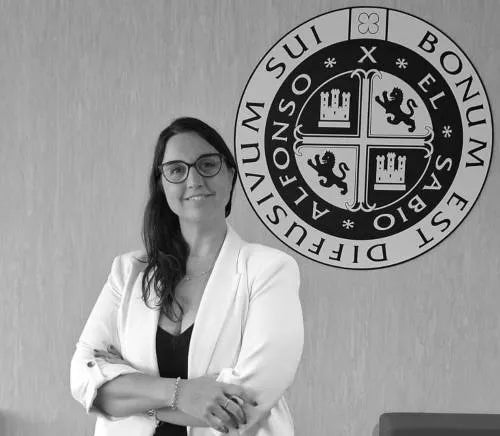
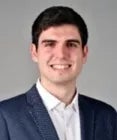
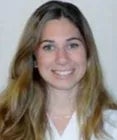
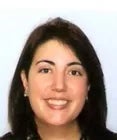
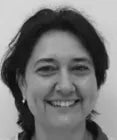
Licenciada en Odontología. Máster en Ortodoncia. Máster en Odontología Biológica. Especialista en Medicina Dental del Sueño. Directora Clínica. Experiencia docente en Grado y Posgrado. Autora de publicaciones en congresos. Más de 20 años de experiencia clínica.
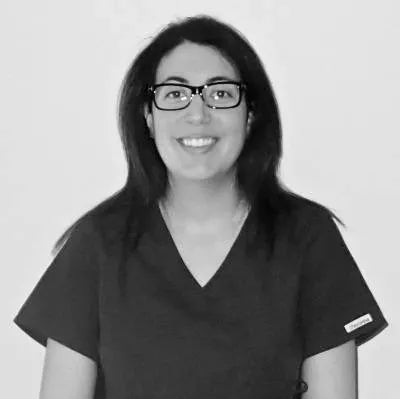
Degree in Dentistry, Doctorate from the University of Zaragoza, Master's Degree in Orthodontics, Diploma in Paediatric Dentistry. Specialist in orthognathic surgery treatment. Lecturer in orthodontic courses. Author of publications in dental journals. More than 10 years of clinical experience.
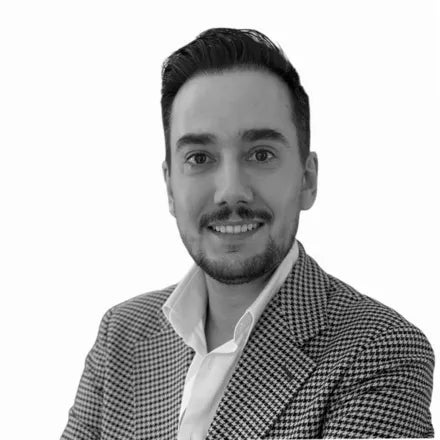
Master's degree in surgery and implants and Master's degree in orthodontics. More than 15 years of experience. Lecturer in national and international courses. Specialist in orthodontics with aligners.
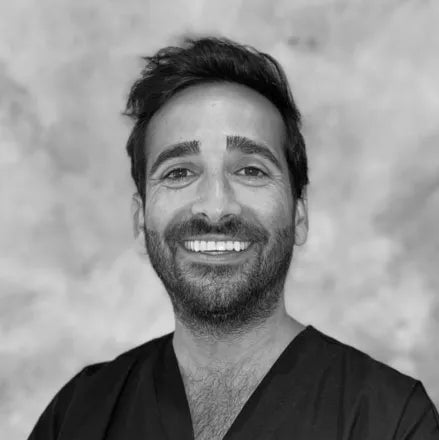
Degree in Dentistry. Master's Degree in Orthodontics. Master's Degree in Paediatric Dentistry. Doctor in Dentistry. Author of publications in dental journals.
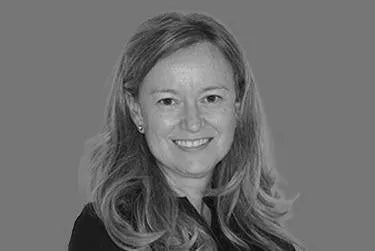
ANECA accredited teaching and research staff. Master's Degree in Orthodontics. Doctor in Dentistry. Author of publications in the dental sector. Speaker at national congresses and lecturer at orthodontic courses. More than 10 years of clinical experience.
Master’s Degree in Orthodontics
First Year
FIRST FOUR-MONTH PERIOD
| Code | Subjects | Character* | ECTS | ||||||||||||||||||||||||||||
|---|---|---|---|---|---|---|---|---|---|---|---|---|---|---|---|---|---|---|---|---|---|---|---|---|---|---|---|---|---|---|---|
| M130505 | Morphological Sciences Applied to Orthodontics | OB | 6 | ||||||||||||||||||||||||||||
Morphological Sciences Applied to OrthodonticsCódigo: M130505 Imprimir Course 1: First-term module. Compulsory. 6 credits. Profesores
Objectives The aim of this module is to enable students to identify, describe and classify abnormalities in craniofacial form and/or development and dental occlusion, and to integrate this knowledge for application in clinical practice. To develop skills in devising and adapting individualised examination strategies for patients with malocclusion and/or dentofacial deformities, and applying these in clinical practice. To predict, identify, describe and classify the biological responses of bone and soft tissues to the application of orthodontic and/or orthopaedic forces, with a view to applying this knowledge in clinical practice. To acquire theoretical and practical knowledge of the biological principles and mechanisms governing craniofacial growth and development, as well as tooth eruption, and to integrate this knowledge into clinical practice. To identify, describe and classify the aetiopathogenic factors involved in the development of malocclusions and dentofacial deformities, and to be able to prevent, advise patients on and mitigate their effects in clinical practice. Prerequisites Hold a degree in Dentistry or be a qualified dentist Competencies Possess and understand knowledge that provides a basis or opportunity for originality in the development and/or application of ideas, often within a research context Students should be able to apply the knowledge they have acquired and their problem-solving skills in new or unfamiliar settings within broader (or multidisciplinary) contexts related to their field of study Students should be able to integrate knowledge and deal with the complexity of making judgements based on information which, whilst incomplete or limited, includes reflections on the social and ethical responsibilities associated with the application of their knowledge and judgements Students should be able to communicate their conclusions and the underlying knowledge and reasoning to specialist and non-specialist audiences in a clear and unambiguous manner Students should possess the learning skills that enable them to continue their studies in a manner that will be largely self-directed or autonomous. Be able to apply the knowledge acquired and problem-solving skills in new or unfamiliar settings within broader (or multidisciplinary) contexts in the professional field of Orthodontics. To understand the fundamentals of the core disciplines (anatomy, dentition, psychological and physical growth, pathophysiology of dentition, biomechanics, occlusion and aesthetics) as applied to orthodontic treatment. To be able to contribute to scientific development relating to the various specialities and subjects studied. To be able to integrate the knowledge acquired regarding craniofacial anatomical structures as a knowledge base for establishing dynamic relationships with the functions of the stomatognathic system and dental occlusion, in order to apply this knowledge in clinical practice Be able to apply the interpretation of diagnostic imaging tests in differential diagnosis and utilise this in the treatment of malocclusions and dentofacial deformities Be able to integrate the knowledge acquired regarding the biological principles that determine the pathophysiology of bone apposition and resorption processes, and of tooth movement. Learn to predict and interpret the response of hard and soft tissues to the application of therapeutic forces. Learning outcomes 1. Be able to identify, describe and classify abnormalities in craniofacial form and/or development, as well as dental occlusion, and integrate this knowledge to apply it in clinical practice. 2. Demonstrate the knowledge to develop, adapt on an individual basis, and apply in clinical practice examination strategies for patients with malocclusion and/or dentofacial deformities. 3. Be able to predict, identify, describe and classify the biological responses of bone and soft tissues to the application of orthodontic and/or orthopaedic forces, for application in clinical practice. 4. Demonstrate theoretical and practical knowledge, and be able to integrate this knowledge, regarding the biological principles and mechanisms that govern craniofacial growth and development processes and tooth eruption. 5. Demonstrate knowledge and the ability to identify, describe and classify the aetiopathogenic factors involved in the development of malocclusions and dentofacial deformities, and to prevent and/or advise patients in clinical practice on how to avoid or mitigate their effects Description of the content Anatomy and embryology of craniofacial structures Embryology of craniofacial structures Craniofacial anatomy Teratogenesis. Development of the cleft palate Facial types Cell biology, molecular biology, immunology and microbiology Biofilms Cell and molecular biology Immunology and Microbiology Radiology Orthopantomography and lateral skull teleradiography Health and safety guidelines relating to oral and maxillofacial radiology Digital oral and maxillofacial radiography and other imaging techniques Stereophotogrammetry, magnetic resonance imaging, computed axial tomography, CBCT. PRACTICAL SESSIONS/SEMINARS Growth indicators commonly used in orthodontics Plotting and interpreting growth curves for height, weight and head circumference Growth standards. Percentiles. Assessment of growth using wrist X-rays Assessment of growth through the study of cervical vertebrae. Interpretation of changes in the rate of growth Calculation of bone age Estimation and calculation of measurement errors Drawings of slides and study of X-rays in which students will be required to identify craniofacial structures Use of diagnostic imaging software Study of facial aesthetics: profile aesthetics. Facial proportions. Smile aesthetics. Impressions, cutting and study models. Analysis of the dental arches: shape, position and intra- and inter-arch relationships. Bolton’s index. Moyers’ tables. Tanaka and Johnston’s equations. Training activities 1. Lecture: 34 hours; 100% attendance required 2. Practical sessions/seminars: 31 hours; 100% attendance 3. Individual and group tutorials: 4 hours (100% attendance) 4. Independent study: 80 hours (100% attendance) 5. Assessment: 1 hour (100% attendance required) Assessment system and criteria Without prejudice to any other requirements that may be specified in the relevant course syllabus, as a general rule, failure to attend more than 80 per cent of the course’s teaching activities—which require the student’s physical or virtual presence—will result in the loss of the right to continuous assessment during the standard examination period. In this case, the examination to be held during the official period set by the University will be the sole assessment criterion, with the weighting specified in the course syllabus. ---- Written and/or oral examinations: 70% (80% examination + 20% continuous assessment test) Participation in debates and/or seminars: 20% Presentation of oral and written assignments: 10% Appendix BIBLIOGRAPHY Title: Craniofacial growth: orthodontics and orthopaedics. Author: F. Juan Aguila. Publisher: Aguiram, 1991 |
|||||||||||||||||||||||||||||||
| M130506 | Diagnosis and Treatment in Orthodontics I | OB | 6 | ||||||||||||||||||||||||||||
Diagnosis and Treatment in Orthodontics ICódigo: M130506 Imprimir Course 1: First-term module. Compulsory. 6 credits. Profesores
Objectives The student demonstrates the ability to take a medical history and carry out a routine physical examination, as well as to request and interpret supplementary investigations used in the comprehensive diagnosis of the patient. Furthermore, they possess the knowledge to identify various malocclusion syndromes, craniofacial deformities and functional disorders of the stomatognathic system associated with morphological abnormalities. With the necessary willingness, they can diagnose, plan, implement and evaluate appropriate therapeutic strategies, identifying and prioritising the patient’s treatment needs from a holistic perspective. They also demonstrate the ability and willingness to collaborate within multidisciplinary teams. Competencies 1) GENERAL Be able to define treatment objectives for dentofacial anomalies, including treatment and retention strategies, the timing and sequence of their application, and the estimated duration of treatment and retention. Be able to apply the knowledge acquired and problem-solving skills in new or unfamiliar settings within broader (or multidisciplinary) contexts in the professional field of orthodontics. Be able to advance scientific development related to the various specialities and subjects studied. Possess and understand knowledge that provides a basis or opportunity for originality in the development and/or application of ideas, often within a research context Students should be able to apply the knowledge acquired and their problem-solving skills in new or unfamiliar settings within broader (or multidisciplinary) contexts related to their field of study Students should be able to integrate knowledge and tackle the complexity of forming judgements based on information which, whilst incomplete or limited, includes reflections on the social and ethical responsibilities associated with the application of their knowledge and judgements Students should be able to communicate their conclusions and the underlying knowledge and reasoning to specialist and non-specialist audiences in a clear and unambiguous manner Students should possess the learning skills that enable them to continue their studies in a manner that will be largely self-directed or autonomous. 2) SPECIFIC OBJECTIVES To acquire the knowledge required to take a medical history and carry out a routine physical examination, as well as to request and interpret supplementary investigations used in the comprehensive diagnosis of the patient. To recognise and identify the various malocclusal syndromes and craniofacial deformities, as well as the functional disorders of the stomatognathic system that accompany morphological abnormalities. To be familiar with the various supplementary tests and their correct preparation and analysis. To understand the rationale for using the main diagnostic tools in orthodontics and to be able to establish a differential diagnosis between skeletal, dental and occlusal anomalies. To be able to identify the conditions requiring treatment, as well as the ideal age for treating each type of condition, whilst determining the specific therapeutic objectives for each treatment. Be able to identify and prevent or treat the risk factors for relapse present in each patient (predisposing and/or triggering factors) Be able to integrate knowledge of the basic therapeutic principles of other medical and dental specialities within a multidisciplinary clinical setting. Be able to identify conditions, pathologies or special characteristics that must be treated in collaboration with other health sciences specialists. Learning outcomes Is able to take a medical history and carry out a routine examination, as well as to request and interpret supplementary investigations used in the comprehensive diagnosis of the patient. Understands and identifies the various malocclusal syndromes and craniofacial deformities, as well as the functional disorders of the stomatognathic system that accompany morphological abnormalities. Demonstrates an ability to diagnose, plan, implement and evaluate appropriate therapeutic strategies. Demonstrates the knowledge to identify and prioritise the patient’s treatment needs, from the perspective of a comprehensive diagnosis of the individual. Demonstrates the ability and willingness to collaborate within multidisciplinary teams Course content Aspects of tooth movement and dentofacial orthopaedics: Physiology of tooth movement Pathophysiology of tooth movement Acceleration of tooth movement: corticotomies and micro-osteoperforations Relapse following orthodontic treatment Cephalometry Teleroentgenographic anatomy Cephalometric analyses Diagnostic procedures: Clinical history, medical history and extra- and intraoral examination Models and photographs Diagnostic assessment, objectives and treatment planning: Analysis of models Visual treatment plan Cephalometric analysis Assessment of facial aesthetics List of problems Ideal time to start orthodontic treatment Personalised treatment plan PRACTICAL SESSIONS/SEMINARS Clinical history. Protocols. Development and evaluation of different diagnostic methods Preparation of reports for dentists and related specialists Fabrication of orthodontic appliances Use of cephalometric software Use of models Mounting in an articulator. Training activities 1. Lecture: 34 hours; 100% attendance required 2. Practical sessions/seminars: 10 hours (100% attendance required) 3. Individual and group tutorials: 3 hours (100% face-to-face) 4. Independent study: 101 hours 5. Assessment: 2 hours (100% attendance required) Assessment system and criteria As a general rule, students may not be absent on more than two occasions, whether justified or not, from teaching activities requiring physical attendance. Any absence must be reported to and reviewed with the coordinator, who will determine, where appropriate, the procedure for making up the missed work. Failure to comply with this limit will result in the loss of the right to continuous assessment in the standard examination period, with the examination set by the University becoming the sole assessment criterion" ---- Written tests (theory 60% + practical 40%) 65% Seminars (presentations) 20% Assessment of the presentation of 10 clinical cases (50 cephalometric analyses). In the first quarter, students do not have clinical placements; therefore, only the diagnosis of the clinical cases proposed throughout the first four-month term will be assessed 15% Addendum Bibliography: Orthodontics and Orthognathic Surgery: Diagnosis and Planning by Jorge Gregoret, 2008 NETTER. HEAD AND NECK ANATOMY FOR DENTISTS + STUDENTCONSULT (3rd ed.) NORTON, NEIL S. |
|||||||||||||||||||||||||||||||
| M130507 | Orthodontic Subjects | OB | 6 | ||||||||||||||||||||||||||||
Orthodontic SubjectsCódigo: M130507 Imprimir Course 1: First-semester module. Compulsory. 6 credits. Profesores
Objectives The aim of the module is for students to demonstrate a thorough integration of knowledge for application in clinical practice, whilst understanding the various orthodontic techniques and their specific characteristics. This involves describing and understanding the indications, clinical utility and contraindications of each technique. Furthermore, students will acquire knowledge of the possible variations and modifications of these techniques, as well as of the edgewise arch technique, segmental techniques, sliding mechanics, the straight-wire technique and the lingual technique, understanding their treatment phases and identifying potential iatrogenic complications. This process is carried out through various activities such as the presentation and discussion of case studies, lectures, guidance and the resolution of queries, study and literature reviews, as well as oral and written examinations, supported by the explanation of theoretical principles using IT tools. Competencies To be familiar with the orthodontic techniques used in different clinical situations. To be competent in the application of the various techniques for dental rehabilitation. Be able to contribute to scientific development in the various specialities and subjects studied. Possess and understand knowledge that provides a basis or opportunity for originality in the development and/or application of ideas, often within a research context Students should be able to apply the knowledge they have acquired and their problem-solving skills in new or unfamiliar settings within broader (or multidisciplinary) contexts related to their field of study Students should be able to integrate knowledge and tackle the complexity of forming judgements based on information which, whilst incomplete or limited, includes reflections on the social and ethical responsibilities associated with the application of their knowledge and judgements Students should be able to communicate their conclusions and the underlying knowledge and reasoning to specialist and non-specialist audiences in a clear and unambiguous manner Students should possess the learning skills that enable them to continue their studies in a manner that will be largely self-directed or autonomous. To control the tooth movement generated by the various springs used in orthodontics. Be able to simulate on dental models the various movements that can be achieved in the mouth using the appropriate springs and arches. To be able to integrate the knowledge acquired regarding the biological principles that determine the pathophysiology of bone apposition and resorption processes, and of tooth movement. To learn to predict and interpret the response of hard and soft tissues to the application of therapeutic forces. To identify the aetiological, genetic, epigenetic and environmental factors underlying various malocclusions and dentofacial deformities, to understand their epidemiology, and to be able to predict their progression in accordance with current scientific evidence. To be able to integrate the knowledge acquired in order to differentiate between pathological problems affecting the future of the stomatognathic system and alterations that concern only dentofacial aesthetics Understand the functional relationship between abnormalities of the stomatognathic system and the rest of the body, particularly the respiratory and neuromuscular systems, as well as swallowing and speech. To learn to predict and interpret the response of hard and soft tissues to the application of therapeutic forces. To be able to integrate the knowledge acquired regarding the tissues’ reaction to dental movements such as retraction, version, intrusion, extrusion and torsion, and to apply this knowledge in clinical practice. To know how to fabricate and manage the various appliances used in orthodontic treatment. Be able to integrate the knowledge acquired regarding the concept of anchorage, the different types of anchorage, their control and their application in clinical treatments. To fabricate and handle different springs and arches capable of generating optimal forces for tooth movement. Be able to integrate the knowledge acquired regarding the different types of force generated by orthodontic appliances and their application in clinical treatments Learning outcomes Integrates knowledge for application in clinical practice regarding the various orthodontic techniques and their specific characteristics; describes and understands their indications and clinical utility, and is aware of their contraindications. Integrates knowledge for application in clinical practice regarding the possible variations and attachments of the various orthodontic techniques. Integrates knowledge for application in clinical practice regarding the edgewise archwire technique, its treatment phases, indications and contraindications, and identifies its potential iatrogenic effects. Integrates knowledge for application in clinical practice regarding segmental techniques, their treatment phases, indications and contraindications, and identifies potential iatrogenic effects. Integrates knowledge to be applied in clinical practice regarding the sliding mechanism, its treatment phases, indications and contraindications, and identifies its potential iatrogenic effects. Integrates knowledge for application in clinical practice regarding the straight-wire technique, its treatment phases, indications and contraindications, and identifies its potential iatrogenic effects. Integrates knowledge for application in clinical practice regarding the lingual technique, its treatment phases, indications and contraindications, and identifies potential iatrogenic effects. Understands the different functional techniques. Description of the content Orthodontic materials: -Brackets -Wires -Auxiliary components Biomechanics: -Anchorage and its management -General biomechanics -Applied biomechanics Aetiology and epidemiology of malocclusions PRACTICAL SESSIONS/SEMINARS Students will learn to master the various techniques and appliances used in orthodontic treatment -Handling of wires made from different alloys. Fabrication of various arches and springs with different cross-sections and thicknesses -Placement of bands and brackets on a dental model -Simulation on a dental model of the various movements that can be achieved in the mouth using the appropriate springs and arches -Simulation on a dental model of the treatment of Class I and II malocclusions, using different techniques -Treatment of a Class II malocclusion, involving extractions according to the bioprogressive technique and the MBT technique. Training activities 1. Lecture: 29 hours; 100% attendance required 2. Practical sessions/seminars: 58 hours; 100% attendance 3. Individual and group tutorials: 4 hours (100% attendance) 4. Independent study: 58 hours (100% attendance) 5. Assessment: 1 hour (100% face-to-face) Assessment system and criteria As a general rule, students may not be absent more than twice – whether excused or not – from teaching activities requiring physical attendance. Any absence must be reported to and reviewed with the coordinator, who will determine, where appropriate, the procedure for making up the missed work. Failure to comply with this limit will result in the loss of the right to continuous assessment in the standard examination period, with the examination set by the University becoming the sole assessment criterion. ---- Presentation of Oral and Written Assignments 10% (A paper will be presented on errors in bending and their impact on biomechanics) Written and/or oral assessments 45% Practical sessions and/or seminars 45% Addendum Bibliography: Three-Dimensional Force Systems From Activated Orthodontic Appliances Steven J. Lindauer, Robert J. Isaacson, and A. Denis Britto. (Semin Orthod 2001;7:207–214 The Six Keys to Normal Occlusion by Lawrence F. Andrews, D.D.S. Am. J. Orthod. September 1972. Vol. 62, No. 3 The “Wits” appraisal of jaw disharmony A. Jacobson, MDS, MS, PhD. Am J Orthod Dentofacial Orthop 2003;124:470–9 The Mechanical Plan of the Segmented Arch Technique Michael R. Marcotte. Semin Orthod 2001;7:191–206 RICKETTS’ BIOPROGRESSIVE TECHNIQUE Publisher: EDITORIAL MEDICA PANAMERICANA Year of publication: 1992 |
|||||||||||||||||||||||||||||||
| M130508 | Orofacial morphology, physiology and pathophysiology | OB | 6 | ||||||||||||||||||||||||||||
Orofacial morphology, physiology and pathophysiologyCódigo: M130508 Imprimir Course 1: First-semester module. Compulsory. 6 credits. Profesores
Objectives The aim of this module is to equip students with the theoretical and practical knowledge required to understand craniofacial and dental growth and development, to identify and classify malocclusions and dentofacial deformities, and to apply this knowledge in clinical practice. The aim is for students to be able to devise and adapt individualised examination strategies, predict and assess the biological responses of bone and soft tissues to orthodontic and orthopaedic forces, and understand the physiology and pathophysiology of the stomatognathic system. Furthermore, the module aims to enable students to identify the aetiopathogenic factors involved and to advise patients on the prevention and mitigation of their effects through appropriate clinical diagnosis and analysis of growth, facial aesthetics and dental occlusion. Prerequisites Hold a degree in Dentistry or be a qualified dentist Competencies Possess and understand knowledge that provides a foundation or opportunity for originality in the development and/or application of ideas, often within a research context Students should be able to apply the knowledge they have acquired and their problem-solving skills in new or unfamiliar settings within broader (or multidisciplinary) contexts related to their field of study Students should be able to integrate knowledge and deal with the complexity of making judgements based on information which, whilst incomplete or limited, includes reflections on the social and ethical responsibilities associated with the application of their knowledge and judgements Students should be able to communicate their conclusions and the underlying knowledge and reasoning to specialist and non-specialist audiences in a clear and unambiguous manner Students should possess the learning skills that enable them to continue their studies in a manner that will be largely self-directed or autonomous. Be able to apply the knowledge acquired and problem-solving skills in new or unfamiliar settings within broader (or multidisciplinary) contexts in the professional field of Orthodontics. To understand the fundamentals of the core disciplines (anatomy, dentition, psychological and physical growth, pathophysiology of dentition, biomechanics, occlusion and aesthetics) as applied to orthodontic treatment. To develop the ability to monitor and follow up on patients treated with orthodontic techniques. To be able to advance scientific development related to the various specialities and subjects studied. To be able to integrate the knowledge acquired regarding craniofacial anatomical structures as a knowledge base for establishing dynamic relationships with the functions of the stomatognathic system and dental occlusion, in order to apply this knowledge in clinical practice Be able to integrate the knowledge acquired regarding the biological principles that determine the pathophysiology of bone apposition and resorption processes, and of tooth movement. Learn to predict and interpret the response of hard and soft tissues to the application of therapeutic forces. Be able to integrate the knowledge acquired regarding the principles and mechanisms of craniofacial growth and tooth eruption, as well as the development of the various functions of the stomatognathic system and the orofacial region, enabling students to be innovative in the development and application of ideas within a clinical context Be able to integrate the knowledge acquired in order to distinguish between pathological problems affecting the future of the stomatognathic system and conditions that relate solely to dentofacial aesthetics Understand the functional relationship between abnormalities of the stomatognathic system and the rest of the body, particularly the respiratory and neuromuscular systems, as well as swallowing and speech. Understand and be able to identify the various malocclusional syndromes and craniofacial deformities, as well as the functional alterations of the stomatognathic system that accompany morphological abnormalities. To be able to identify conditions requiring treatment, as well as the ideal age for treating each type of condition, whilst determining the specific therapeutic objectives of each treatment. Be able to integrate all the data gathered from the various diagnostic tests in order to formulate a correct differential diagnosis. Learning outcomes 1. Be able to identify, describe and classify abnormalities in craniofacial form and/or development, as well as in dental occlusion, and integrate this knowledge so as to apply it in clinical practice 2. Demonstrate the knowledge to develop, adapt on an individualised basis, and apply in clinical practice examination strategies for patients with malocclusion and/or dentofacial deformities. 3. Be able to predict, identify, describe and classify the biological responses of bone and soft tissues to the application of orthodontic and/or orthopaedic forces, for application in clinical practice 4. Demonstrate theoretical and practical knowledge, and be able to integrate this knowledge, regarding the biological principles and mechanisms that determine craniofacial growth and development processes, and tooth eruption. 5. Demonstrate knowledge and the ability to identify, describe and classify the aetiopathogenic factors involved in the development of malocclusions and dentofacial deformities, and to prevent and/or advise patients in clinical practice on how to avoid or mitigate their effects Description of the content Facial growth: -Theories of craniofacial skeletal growth. -Postnatal growth changes in the craniofacial region, including soft tissues -Facial types. Dental development: -Normal and abnormal dental development from birth to adulthood -Abnormalities in the number, size, shape and position of the teeth -Dental malocclusion Physiology and pathophysiology of the stomatognathic system: -Normal and abnormal mastication and swallowing -Breathing and phonation -Normal and abnormal functional dental occlusion -Normal and abnormal behaviour of soft tissue structures -Normal and abnormal function of the temporomandibular joint PRACTICAL SESSIONS/SEMINAR Growth indicators commonly used in orthodontics Plotting and interpreting growth curves for height, weight and head circumference Growth standards. Percentiles. Assessment of growth using wrist X-rays Assessment of growth using cervical vertebrae Interpretation of changes in the rate of growth Calculation of bone age Estimation and calculation of measurement errors Drawings of slides and a study of X-rays in which students will be required to identify craniofacial structures Use of diagnostic imaging software Study of facial aesthetics: Profile aesthetics. Facial proportions. Smile aesthetics. Taking impressions and cutting out study models. Analysis of the dental arches: shape, position and intra- and inter-arch relationships. Bolton’s index. Moyers’ tables. Tanaka and Johnston’s equations. Training activities 1. Lecture: 51.5 hours; 100% attendance required 2. Practical sessions/seminars: 29.5 hours 100% attendance 3. Individual and group tutorials: 4 hours 100% attendance 4. Independent study: 64 hours 5. Assessment: 1 hour 100% attendance required Assessment system and criteria As a general rule, students may not be absent more than twice – whether excused or not – from teaching activities requiring physical attendance. Any absence must be reported to and reviewed with the coordinator, who will, where appropriate, establish the procedure for making up the missed work. Failure to comply with this limit will result in the loss of the right to continuous assessment in the standard examination period, with the examination set by the University becoming the sole assessment criterion. ---- Written Assignment 20% Written and/or oral assessments 10% Participation in debates and/or seminars 70% |
|||||||||||||||||||||||||||||||
| M130509 | Orthodontic Techniques | OB | 6 | ||||||||||||||||||||||||||||
Orthodontic TechniquesCódigo: M130509 Imprimir Course 1: First-term module. Compulsory. 6 credits. Profesores
Objectives The student demonstrates a comprehensive integration of knowledge for application in clinical orthodontic practice, understanding the various orthodontic techniques and their specific characteristics. This includes describing and understanding the indications, clinical utility and contraindications of each technique, as well as possible variations and associated appliances. Furthermore, students acquire specific knowledge of the edge-to-edge archwire technique, segmental techniques, sliding mechanics, the straight-wire technique and the lingual technique, understanding their treatment phases and identifying potential iatrogenic complications. This comprehensive understanding is complemented by knowledge of the various functional techniques. Competencies 1) GENERAL To be familiar with the orthodontic techniques used in different clinical situations. Be competent in the application of the various techniques for dental rehabilitation. Be able to contribute to scientific development in the various specialities and subjects studied. Possess and understand knowledge that provides a foundation or opportunity for originality in the development and/or application of ideas, often within a research context Students should be able to apply the knowledge they have acquired and their problem-solving skills in new or unfamiliar settings within broader (or multidisciplinary) contexts related to their field of study Students should be able to integrate knowledge and tackle the complexity of forming judgements based on information which, whilst incomplete or limited, includes reflections on the social and ethical responsibilities associated with the application of their knowledge and judgements Students should be able to communicate their conclusions and the underlying knowledge and reasoning to specialist and non-specialist audiences in a clear and unambiguous manner Students should possess the learning skills that enable them to continue their studies in a manner that will be largely self-directed or autonomous. 2) SPECIFIC To understand the tooth movement generated by the various springs used in orthodontics. Be able to simulate on dental models the various movements that can be achieved in the mouth using the appropriate springs and archwires. To be able to integrate the knowledge acquired regarding the clinical application of the various orthodontic techniques and to understand their specific characteristics Be able to integrate the knowledge acquired regarding the clinical application of the possible variations and attachments of the various orthodontic techniques Be able to integrate the knowledge acquired and the fundamentals of the clinical application of treatment for different malocclusions using the edgewise appliance. Be able to integrate the knowledge acquired and the fundamentals of the clinical application of segmental techniques, their treatment phases, indications and contraindications, and identify their potential iatrogenic effects Be able to integrate the knowledge acquired and the fundamentals of the clinical application of sliding mechanics, its treatment phases, indications and contraindications, and identify any potential iatrogenic effects. To be able to integrate the knowledge acquired and the fundamentals of the clinical application of treatment for various malocclusions using straight-wire techniques. Be able to integrate the knowledge acquired and the fundamentals of the clinical application of treatment for various malocclusions using the lingual technique To be familiar with the various functional techniques. To know how to fabricate and handle the various appliances used in orthodontic treatment. Be able to integrate the knowledge acquired regarding the concept of anchorage, the different types of anchorage, their control and their application in clinical treatments. To fabricate and handle different springs and arches capable of generating optimal forces for tooth movement. To be able to integrate the knowledge acquired regarding the different types of force generated by orthodontic appliances and their application in clinical treatments Learning outcomes Integrates knowledge for application in clinical practice regarding the various orthodontic techniques and their specific characteristics; describes and understands their indications and clinical utility, and is aware of their contraindications. Integrates knowledge for application in clinical practice regarding the possible variations and attachments of the various orthodontic techniques. Integrates knowledge for application in clinical practice regarding the edgewise archwire technique, its treatment phases, indications and contraindications, and identifies its potential iatrogenic effects. Integrates knowledge for application in clinical practice regarding segmental techniques, their treatment phases, indications and contraindications, and identifies potential iatrogenic complications. Integrates knowledge for application in clinical practice regarding the sliding mechanism, its treatment phases, indications and contraindications, and the identification of potential iatrogenic effects. Integrates knowledge for application in clinical practice regarding the straight-arch technique, its treatment phases, indications and contraindications, and the identification of potential iatrogenic effects. Integrates knowledge for application in clinical practice regarding the lingual technique, its treatment phases, indications and contraindications, and identifies potential iatrogenic effects. Understands the different functional techniques. Description of the content THEORETICAL Removable appliances Functional appliances Extraoral appliances Partial fixed appliances Labial and lingual fixed appliances Retainers Skeletal anchorage devices Oral appliances for the treatment of sleep apnoea PRACTICAL SESSIONS/SEMINARS Students will learn to master the various techniques and appliances used in orthodontic treatment. - Handling of wires made from different alloys. Fabrication of various arches and springs with different cross-sections and thicknesses. -Placement of bands and brackets on a dental model. -Simulation on dental models of the various movements that can be achieved in the mouth using the appropriate springs and arches -Simulation on a model denture of the treatment of Class I and II malocclusions, using different techniques -Treatment of a Class II malocclusion, involving extractions using the bioprogressive technique and the MBT technique Training activities 1. Lecture: 65 hours; 100% attendance 2. Practical sessions/seminars: 20 hours (100% attendance required) 3. Individual and group tutorials: 4 hours (100% attendance) 4. Independent study: 60 hours 5. Assessment: 1 hour (100% attendance required) Assessment system and criteria As a general rule, students may not be absent more than twice – whether excused or not – from teaching activities requiring physical attendance. Any absence must be reported to and reviewed with the coordinator, who will determine, where appropriate, the procedure for making up the missed work. Failure to comply with this limit will result in the loss of the right to continuous assessment in the standard examination period, with the examination set by the University becoming the sole assessment criterion. ---- Oral and written assignments: these will account for 10 per cent of the final mark. These assignments will consist of the continuous assessment tasks. Written and/or oral examinations: these will account for 45 per cent of the total mark. Practical sessions and/or seminars: these will also account for 45 per cent of the final mark. They will be assessed in accordance with the assessment rubric outlined in the continuous assessment section. Assessment of the fabrication of a Quad Helix (5), the fabrication of a mesial transpalatal bar (5) and the fabrication of a distal transpalatal bar (5). Continuous assessment of the typodonto workbook completed during the various typodonto practical sessions. Appendix BIBLIOGRAPHY RICKETTS’ BIOPROGRESSIVE TECHNIQUE Publisher: EDITORIAL MEDICA PANAMERICANA Year of publication: 1992 |
|||||||||||||||||||||||||||||||
| TOTAL: | 30 | ||||||||||||||||||||||||||||||
SECOND FOUR-MONTH TERM
| Code | Subjects | Character* | ECTS | ||||||||||||||||||||||||
|---|---|---|---|---|---|---|---|---|---|---|---|---|---|---|---|---|---|---|---|---|---|---|---|---|---|---|---|
| M130510 | Diagnosis and Treatment in Orthodontics II | OB | 6 | ||||||||||||||||||||||||
Diagnosis and Treatment in Orthodontics IICódigo: M130510 Imprimir Course 1. Second-term module. Compulsory. 6 credits. Profesores
Objectives The student demonstrates the ability to take a medical history and carry out a routine physical examination, as well as to request and interpret supplementary investigations used in the comprehensive diagnosis of the patient. Furthermore, they possess the knowledge to identify various malocclusion syndromes, craniofacial deformities and functional disorders of the stomatognathic system associated with morphological abnormalities. With the necessary willingness, they can diagnose, plan, implement and evaluate appropriate therapeutic strategies, identifying and prioritising the patient’s treatment needs from a holistic perspective. They also demonstrate the ability and willingness to collaborate within multidisciplinary teams. Competencies 1) GENERAL Be able to define treatment objectives for dentofacial anomalies, including treatment and retention strategies, the timing and sequence of their application, and the estimated duration of treatment and retention. Be able to apply the knowledge acquired and problem-solving skills in new or unfamiliar settings within broader (or multidisciplinary) contexts in the professional field of orthodontics. Be able to advance scientific development related to the various specialities and subjects studied. Possess and understand knowledge that provides a basis or opportunity for originality in the development and/or application of ideas, often within a research context Students should be able to apply the knowledge acquired and their problem-solving skills in new or unfamiliar settings within broader (or multidisciplinary) contexts related to their field of study Students should be able to integrate knowledge and tackle the complexity of forming judgements based on information which, whilst incomplete or limited, includes reflections on the social and ethical responsibilities associated with the application of their knowledge and judgements Students should be able to communicate their conclusions and the underlying knowledge and reasoning to specialist and non-specialist audiences in a clear and unambiguous manner Students should possess the learning skills that enable them to continue their studies in a manner that will be largely self-directed or autonomous. 2) SPECIFIC OBJECTIVES To acquire the knowledge required to take a medical history and carry out a routine physical examination, as well as to request and interpret supplementary investigations used in the comprehensive diagnosis of the patient. To recognise and identify the various malocclusal syndromes and craniofacial deformities, as well as the functional disorders of the stomatognathic system that accompany morphological abnormalities. To be familiar with the various supplementary tests and their correct preparation and analysis. To understand the rationale for using the main diagnostic tools in orthodontics and to be able to establish a differential diagnosis between skeletal, dental and occlusal anomalies. To be able to identify the conditions requiring treatment, as well as the ideal age for treating each type of condition, whilst determining the specific therapeutic objectives of each treatment. Be able to identify and prevent or treat the risk factors for relapse present in each patient (predisposing and/or triggering factors) Be able to integrate knowledge of the basic therapeutic principles of other medical and dental specialities within a multidisciplinary clinical setting. Be able to identify conditions, pathologies or special characteristics that must be treated in collaboration with other health sciences specialists. Be able to integrate the knowledge acquired regarding the biological principles that determine the pathophysiology of bone formation and resorption processes, and of tooth movement. Learn to predict and interpret the response of hard and soft tissues to the application of therapeutic forces. Learning outcomes Is able to take a medical history and carry out a routine examination, as well as to request and interpret supplementary investigations used in the comprehensive diagnosis of the patient. Understands and identifies the various malocclusal syndromes and craniofacial deformities, as well as the functional disorders of the stomatognathic system that accompany morphological abnormalities. Demonstrates the ability to diagnose, plan, implement and evaluate appropriate therapeutic strategies. Demonstrates the knowledge to identify and prioritise the patient’s treatment needs, from the perspective of a comprehensive diagnosis of the individual. Demonstrates the ability and willingness to collaborate within multidisciplinary teams Course content Aspects of tooth movement and dentofacial orthopaedics: - Physiology of tooth movement - Pathophysiology of tooth movement - Acceleration of tooth movement: corticotomies and micro-osteoperforations - Relapse following orthodontic treatment Cephalometry - Teleroentgenographic anatomy - Cephalometric analyses Diagnostic procedures: - Clinical history, medical history and extra- and intraoral examination - Models and photographs Diagnostic assessment, objectives and treatment planning: - Analysis of models - Visual treatment objective - Cephalometric analysis - Assessment of facial aesthetics - List of problems - Ideal time to start orthodontic treatment - Personalised treatment plan PRACTICAL SESSIONS/SEMINARS - Medical history. Protocols. - Development and evaluation of different diagnostic methods - Preparation of reports for dentists and related specialists - Fabrication of orthodontic appliances - Use of cephalometric software - Use of models - Mounting on an articulator. Training activities 1. Lecture: 18 hours; 100% attendance required 2. Practical sessions/seminars: 75 hours (100% attendance required) 3. Individual and group tutorials: 3 hours (100% face-to-face attendance) 4. Independent study: 53 hours 5. Assessment: 1 hour (100% attendance required) Assessment system and criteria As a general rule, students may not be absent more than twice – whether excused or not – from teaching activities requiring physical attendance. Any absence must be reported to and reviewed with the coordinator, who will determine, where appropriate, the procedure for making up the missed work. Failure to comply with this limit will result in the loss of the right to continuous assessment in the standard examination period, with the examination set by the University becoming the sole assessment criterion. ---- 1. Written and/or oral assessments This section accounts for 65 per cent of the final mark. It includes written and/or oral examinations designed to assess students’ understanding of the theoretical content covered throughout the module, as well as their ability to reason, integrate concepts and make informed clinical decisions. A case selected by the student will be presented during a clinical session, divided into three sessions with four students per session, allocated at random. During this clinical session, the assessment panel—comprising the lecturers involved in the module—will assess the presentation, the records and the treatment plan based on the assessment rubric. 2. Practical sessions and/or seminars Practical sessions and seminars account for 20 per cent of the final mark. In this module, the clinical case study will be assessed in the form of a clinical session. To this end, a patient’s records will be provided, from which the student must construct a clinical case by analysing it, proposing a treatment plan and justifying their approach. This will be assessed by the course coordinator on a scale of 0 to 10, in accordance with the clinical case assessment rubric. 3. Continuous assessment of clinical practice Continuous assessment of clinical practice accounts for 15 per cent of the final mark and is an essential component of the module. It will be assessed on the basis of the clinical performance rubric attached to the Virtual Campus. This mark will be derived from continuous assessment throughout the term. This assessment will take place during each clinical placement and will be recorded in a clinical session assessment logbook, which will document the student’s individual progress. Addendum Bibliography CLINICAL ORTHODONTICS WITH ALIGNERS Authors: Susana Palma and Javier Lozano. ISBN: 978-84-122254-7-1 Edition No.: 1/2022 DAMON SYSTEM. WORK MANUAL Author: Damon, D. Language: Spanish. ISBN: 9789806574489 Edition No.: 1/2006 |
|||||||||||||||||||||||||||
| M130511 | Integrated Clinical Practice I | OB | 18 | ||||||||||||||||||||||||
Integrated Clinical Practice ICódigo: M130511 Imprimir Course 1: Second-term module. Compulsory. 18 credits. Profesores
Objectives The objectives of the Integrated Clinical Practice I module are: To demonstrate the ability to diagnose patients based on their physical, psychological and social characteristics, and to devise, develop and evaluate a logical sequence of therapeutic interventions or a treatment plan, adapting it to each stage of the deformity’s development. To demonstrate theoretical and practical knowledge in the care of patients with malocclusion and dentofacial deformities, as well as the ability to apply appropriate clinical protocols in different circumstances. To demonstrate a willingness and ability to communicate with patients and/or parents, as well as with other professionals, and to develop and adapt care plans to each patient and/or family unit. Demonstrate commitment and a willingness to educate, facilitate and support the oral health and wellbeing of members of the community. Be able to motivate patients to participate in their treatment and attend regular check-ups and carry out necessary hygiene procedures, as well as to manage the medical emergencies typically associated with orthodontic treatment. Prerequisites Hold a degree in Dentistry or be a qualified dentist Competencies 1) GENERAL Knowledge of the fundamentals of the core disciplines (anatomy, dentition, psychological and physical growth, pathophysiology of dentition, biomechanics, occlusion and aesthetics) as applied to orthodontic treatment. Understand the different types of materials used in orthodontics, as well as their physical and chemical properties Understand the biophysical principles applicable to the biomechanics of tooth movement and deepen one’s understanding of tissue responses to orthodontic forces. Be able to define treatment objectives for dentofacial anomalies, including treatment and retention strategies, the timing and sequence of their application, and the estimated duration of treatment and retention. Understand the orthodontic techniques used in different clinical situations. To be able to apply the knowledge acquired and problem-solving skills in new or unfamiliar settings within broader (or multidisciplinary) contexts in the professional field of orthodontics. Be competent in the application of the various techniques for dental rehabilitation. Understand the specific regulatory and legal requirements governing professional practice in the field of orthodontics. To develop the ability to monitor and follow up on patients treated with orthodontic techniques. Be able to contribute to scientific development relating to the various specialisms and subjects studied. Possess and understand knowledge that provides a foundation or opportunity for originality in the development and/or application of ideas, often within a research context Students should be able to apply the knowledge acquired and their problem-solving skills in new or unfamiliar environments within broader (or multidisciplinary) contexts related to their field of study Students should be able to integrate knowledge and tackle the complexity of forming judgements based on information which, whilst incomplete or limited, includes reflections on the social and ethical responsibilities associated with the application of their knowledge and judgements Students should be able to communicate their conclusions and the underlying knowledge and reasoning to specialist and non-specialist audiences in a clear and unambiguous manner Students should possess the learning skills that enable them to continue their studies in a manner that will be largely self-directed or autonomous. 2) SPECIFIC To be familiar with and able to identify the adverse effects and/or clinical complications of orthodontic and dentofacial orthopaedic treatments, as well as the clinical protocols for resolving and treating these problems. To be familiar with and know how to manage the medical emergencies characteristic of orthodontic treatment. To be familiar with the different therapeutic approaches and/or treatment protocols available when planning treatment for a specific deformity. Be able to carry out all clinical procedures involved in the diagnosis of malocclusions and dentofacial deformities. Medical history, inspection, palpation, auscultation of the temporomandibular joint, functional manipulation, etc. Be able to identify the patient’s individual physical, psychological and/or social characteristics that may influence the treatment plan and/or the timing of treatment. To be able to devise an appropriate treatment plan and a logical therapeutic sequence for real patients, as well as to acquire the ability to present and defend the results of their work in a clinical session. Be able to apply treatment and clinical follow-up protocols to real patients, as well as acquire the ability to systematically collect clinical data from each patient. To identify instances of non-cooperation by patients and their possible causes. Learning outcomes Demonstrates the ability to diagnose patients based on their physical, psychological and social characteristics, and to devise, implement and evaluate a logical sequence of therapeutic interventions or a treatment plan, adapting it to each stage of the deformity’s development. Demonstrates theoretical and practical knowledge in the care of patients with malocclusion and dentofacial deformities, as well as the ability to apply the appropriate clinical protocols in each circumstance. Demonstrates a willingness and ability to communicate with patients and/or parents, and with other professionals, as well as to draw up and adapt care plans for each patient and/or family unit. Demonstrates commitment and a willingness to educate, facilitate and support the oral health and wellbeing of members of the community. Is able to motivate patients to engage with their treatment and attend regular check-ups and carry out the necessary hygiene procedures. Is able to manage the medical emergencies typically associated with orthodontic treatment. Description of the content THEORY Differential diagnosis of malocclusions and dentofacial deformities · Diagnosis of real patients assigned to each student · Compiling the clinical history, examining the patient and taking records. · Assessment of the patient’s individual characteristics, including physical, psychological and social factors. Treatment planning. · Identification of treatment needs, individual therapeutic objectives and a treatment plan for each patient. · Presentation of each case in a clinical session. Clinical treatment. · Clinical care work. Treatment of assigned patients. Clinical assessment of treatment progress. Evaluation of treatment efficacy and patient cooperation Training activities 1. Lecture: 20 hours; 100% attendance required 2. Individual and group tutorials: 5 hours (100% face-to-face attendance) 3. Independent study: 60 hours 4. Assessment: 5 hours (100% attendance) 5. Clinical placement: 360 hours (100% attendance) Assessment system and criteria As a general rule, students may not be absent more than twice – whether excused or not – from teaching activities requiring physical attendance. Any absence must be reported to and reviewed with the coordinator, who will determine, where appropriate, the procedure for making up the missed work. Failure to comply with this limit will result in the loss of the right to continuous assessment in the standard examination session, with the examination set by the University becoming the sole assessment criterion. ---- The course will be assessed on the basis of the Clinical Assessment and the Examination. The Clinical Assessment will account for 80% of the mark and the Examination for 20%. 1. Clinical Assessment (80 per cent): 1.1 Case presentations (30%) All clinical cases must be assessed using an assessment rubric. 1.1.1. Clinical sessions (15%): Assessment columns will be added to the shared Excel spreadsheet for clinical sessions, with a separate score for each section to make up a total of 10 (15%) 1.1.2. Case presentations (15%): At the end of the term, students must present the 10 relevant cases Clinical Practice I: 10 cases presented (at least 3 carried over) 1.2 Continuous assessment of clinical work (50 per cent) 2. Written exam 20% Appendix Bibliography CLINICAL AND THERAPEUTIC ORTHODONTICS (2nd ed.) JOSE ANTONIO CANUT BRUSOLA |
|||||||||||||||||||||||||||
| M130512 | Research Methodology | OB | 6 | ||||||||||||||||||||||||
Research MethodologyCódigo: M130512 Imprimir Course 1. Second-term module. Compulsory. 6 credits. Profesores
Objectives To enable students to acquire the operational and analytical skills required to propose, plan and carry out their Master’s thesis research project To develop students’ critical thinking skills when reading scientific literature on orthodontics. Prerequisites To have successfully completed the first semester Competencies 1) GENERAL To be able to advance scientific development relating to the various specialisms and subjects studied. Possess and understand knowledge that provides a foundation or opportunity for originality in the development and/or application of ideas, often within a research context Students should be able to apply the knowledge acquired and their problem-solving skills in new or unfamiliar environments within broader (or multidisciplinary) contexts related to their field of study Students should be able to integrate knowledge and tackle the complexity of forming judgements based on information which, whilst incomplete or limited, includes reflections on the social and ethical responsibilities linked to the application of their knowledge and judgements Students should be able to communicate their conclusions and the underlying knowledge and reasoning to specialist and non-specialist audiences in a clear and unambiguous manner Students should possess the learning skills that enable them to continue their studies in a manner that will be largely self-directed or autonomous. 2) SPECIFIC OBJECTIVES To develop the ability to conceive, design, implement and adopt a valid methodology for undertaking a Master’s dissertation and/or introductory research project. To develop the ability to use different methods of epidemiological analysis and of data analysis and comparison. Learning outcomes Understand the different research designs in Health Sciences in order to select the most appropriate design for a research project Understand the process of data measurement and collection Be able to use the statistical tools required for the correct analysis and interpretation of data obtained in a research study Publish a scientific article Course content Diagnostic studies Intervention and experimental studies Aetiological research Epidemiological surveys Systematic reviews and meta-analyses Types of research studies. Detailed assessment of study designs Associations between a condition and various variables. Linear models. Case-control studies. Qualitative association. Stratified studies. Logistic regression. Changes in variables over time: time series Assessment of disease incidence and prevalence Research data. Types. Identification of variables. Basic sampling concepts. Calculation of sample size. Pilot studies. Data processing. Databases and controls. Statistical analysis. Computer software The research team. Principal investigator and collaborators Curriculum vitae. Writing Ethical considerations Ethical and legal aspects of research involving human subjects Ethical and legal aspects of research involving animals Informed consent for research Presentation of results The structured abstract as a model for concise presentation Support for oral communication How to communicate information Designing an oral presentation or talk Visual aids, both static and dynamic, in an oral presentation Computer software Support for written language How to design a poster How to write a scientific article. Types of scientific articles Graphs, tables and figures. Computer software Handling scientific references. (Vancouver style. Others) PRACTICAL SESSIONS/SEMINARS Writing abstracts and structured papers Preparation and design of posters, oral and written presentations Oral presentations Literature searches Training activities 1. Lecture: 30 hours; 100% attendance 2. Practical sessions/seminars: 40 hours (100% attendance required) 3. Individual and group tutorials: 4 hours (100% face-to-face) 4. Independent study: 75 hours 5. Assessment: 1 hour (100% face-to-face) Assessment system and criteria As a general rule, students may not be absent more than twice, whether justified or not, from teaching activities requiring physical attendance. Any absence must be reported to and reviewed with the coordinator, who will determine, where appropriate, the procedure for making up the missed work. Failure to comply with this limit will result in the loss of the right to continuous assessment in the standard examination period, with the examination set by the University becoming the sole assessment criterion. ---- Submission of written assignments based on literature reviews 10% Written and/or oral assessments 45% Participation in debates and/or seminars 45% Addendum Bibliography: Introduction to Health Sciences Research, 7th edition, Stephen Polgar & Shane A. Thomas. Publication date: April 2021, ELSEVIER |
|||||||||||||||||||||||||||
| TOTAL: | 30 | ||||||||||||||||||||||||||
Second Year
FIRST FOUR-MONTH PERIOD
| Code | Subjects | Character* | ECTS | ||||||||||||||||||
|---|---|---|---|---|---|---|---|---|---|---|---|---|---|---|---|---|---|---|---|---|---|
| M230506 | Medical Sciences Related to Orthodontics | OB | 6 | ||||||||||||||||||
Medical Sciences Related to OrthodonticsCódigo: M230506 Imprimir Year 2, Course 2. First term. Compulsory. 6 credits. Profesores
Objectives The aim of the course on Medical Sciences related to Orthodontics is to enable students to identify medical problems associated with malocclusion, understanding their impact from a biopsychosocial perspective and within the continuum of health and disease. The aim is to equip students with the skills required to carry out interdisciplinary consultations with other healthcare professionals, thereby promoting a holistic approach to the diagnosis and treatment of patients. Competencies To be familiar with the orthodontic techniques used in different clinical situations. Be able to apply the knowledge acquired and problem-solving skills in new or unfamiliar settings within broader (or multidisciplinary) contexts in the professional field of orthodontics. To develop the ability to monitor and follow up on patients treated with orthodontic techniques. Be able to contribute to scientific development relating to the various specialisms and subjects studied. Possess and understand knowledge that provides a foundation or opportunity for originality in the development and/or application of ideas, often within a research context Students should be able to apply the knowledge acquired and their problem-solving skills in new or unfamiliar settings within broader (or multidisciplinary) contexts related to their field of study Students should be able to integrate knowledge and tackle the complexity of forming judgements based on information which, whilst incomplete or limited, includes reflections on the social and ethical responsibilities linked to the application of their knowledge and judgements Students should be able to communicate their conclusions and the underlying knowledge and reasoning to specialist and non-specialist audiences in a clear and unambiguous manner" Students should possess the learning skills that enable them to continue their studies in a manner that will be largely self-directed or autonomous 2) SPECIFIC Be able to integrate all the data gathered from the various diagnostic tests to formulate a correct differential diagnosis. To be familiar with the different therapeutic approaches and/or treatment protocols available when planning treatment for a specific deformity. Be able to carry out all the clinical procedures involved in the diagnosis of malocclusions and dentofacial deformities. Medical history, inspection, palpation, auscultation of the temporomandibular joint, functional manipulation, etc. Be able to identify the patient’s individual physical, psychological and/or social characteristics that may influence the treatment plan and/or the timing of treatment. To be able to apply treatment and clinical follow-up protocols to real patients, as well as to acquire the ability to systematically collect clinical data from each patient. To identify instances of poor patient cooperation and their possible causes. Be able to select and correctly apply, in each case, all the skills, abilities and competences acquired. Acquire the knowledge required to compile a medical history and carry out a routine physical examination, as well as to request and interpret supplementary investigations used in the comprehensive diagnosis of the patient. Be able to identify any abnormalities, pathologies or special characteristics that require treatment in collaboration with other health sciences specialists. To identify the aetiological, genetic, epigenetic and environmental factors underlying various malocclusions and dentofacial deformities, understand their epidemiology, and be able to predict their progression in accordance with current scientific evidence. Be able to integrate the knowledge acquired in order to differentiate between pathological problems affecting the future of the stomatognathic system and conditions that relate solely to dentofacial aesthetics To understand the functional relationship between abnormalities of the stomatognathic system and the rest of the body, particularly the respiratory and neuromuscular systems, as well as swallowing and speech. Learning outcomes Explain the fundamental issues in paediatrics as they relate to orthodontics Explain the fundamental issues in geriatrics as they relate to orthodontics Analyses ENT conditions Gain an in-depth understanding of advances in pharmacology as applied to orthodontics Integrate knowledge of craniofacial syndromes into orthodontic practice Integrates knowledge of child, adolescent and adult psychology into treatment Course content description · Paediatrics: Growth and development of the human body. Paediatric pathology relevant to orthodontics Genetics · ENT: Otorhinolaryngology and Orthodontics. Sleep apnoea Hyoid · Pharmacology: Antibiotics, antiviral and antifungal agents Prostaglandin inhibitors Non-steroidal anti-inflammatory drugs Calcium regulators (parathyroid hormone, thyroid hormones, oestrogens, bisphosphonates) Antiepileptics Immunosuppressants Growth hormone substitutes Psychiatric drugs and tranquillisers Agents affecting salivation · Craniofacial syndromes: Major syndromes with craniofacial involvement Aetiology Classification Effect on craniofacial growth Psychosocial development · Psychology of children, adolescents and adults: Patient motivation and assessment of cooperation Psychological aspects of puberty and adolescence Psychosocial impact of dental and facial appearance Psychological aspects of orthognathic treatment Development of cognitive, language and communication skills Training activities 1. Lecture: 43 hours 100% attendance required 2.- Practical sessions/seminars: 8 hours 100% attendance required 3. Individual and group tutorials: 4 hours 100% attendance required 4. Independent study: 94 hours 5. Assessment: 1 hour 100% attendance required Assessment system and criteria As a general rule, students may not be absent more than twice – whether excused or not – from teaching activities requiring physical attendance. Any absence must be reported to and reviewed with the coordinator, who will determine, where appropriate, the procedure for making up the missed work. Failure to comply with this limit will result in the loss of the right to continuous assessment in the standard examination period, with the examination set by the University becoming the sole assessment criterion. ---- Presentation of oral and written assignments 10% Written and/or oral assessments 45% Practical sessions, seminars and activities 45%: Continuous assessment activities Appendix Bibliography ESPINOSA: Pharmacology in Dentistry: Fundamentals and a Practical Guide. Author: Espinosa Meléndez. Publisher: EDITORIAL MEDICA PANAMERICANA |
|||||||||||||||||||||
| M230507 | Integrated Clinical Practice II | OB | 18 | ||||||||||||||||||
Integrated Clinical Practice IICódigo: M230507 Imprimir Year 2, Subject, First term. Compulsory. 18 credits. Profesores
Objectives To demonstrate the ability to diagnose patients based on their physical, psychological and social characteristics, and to devise, implement and evaluate a logical sequence of therapeutic interventions or a treatment plan, adapting it to each stage of the deformity’s development. To demonstrate theoretical and practical knowledge of the care of patients with malocclusion and dentofacial deformities, as well as the ability to apply appropriate clinical protocols in different circumstances. Demonstrate a willingness and ability to communicate with patients and/or parents, as well as with other professionals, and to develop and adapt care plans for each patient and/or family unit. Demonstrate commitment and a willingness to educate, facilitate and support the oral health and wellbeing of members of the community. Be able to motivate patients to participate in their treatment and attend regular check-ups and carry out necessary hygiene procedures, as well as to manage the medical emergencies typically associated with orthodontic treatment. Prerequisites To have successfully completed the first and second semesters Competencies 1) GENERAL To be familiar with the fundamentals of the core disciplines (anatomy, dentition, psychological and physical growth, pathophysiology of dentition, biomechanics, occlusion and aesthetics) as applied to orthodontic treatment. Understand the different types of materials used in orthodontics, as well as their physical and chemical properties Understand the biophysical principles applicable to the biomechanics of tooth movement and gain an in-depth understanding of tissue responses to orthodontic forces. Be able to define treatment objectives for dentofacial anomalies, including treatment and retention strategies, the timing and sequence of their application, and the estimated duration of treatment and retention. Understand the orthodontic techniques used in different clinical situations. To be able to apply the knowledge acquired and problem-solving skills in new or unfamiliar settings within broader (or multidisciplinary) contexts in the professional field of orthodontics. Be competent in the application of the various techniques for dental rehabilitation. Understand the specific regulatory and legal requirements governing professional practice in the field of orthodontics. To develop the ability to monitor and follow up on patients treated with orthodontic techniques. Be able to advance scientific development related to the various specialities and subjects studied. Possess and understand knowledge that provides a foundation or opportunity for originality in the development and/or application of ideas, often within a research context Students should be able to apply the knowledge acquired and their problem-solving skills in new or unfamiliar environments within broader (or multidisciplinary) contexts related to their field of study Students should be able to integrate knowledge and tackle the complexity of forming judgements based on information which, whilst incomplete or limited, includes reflections on the social and ethical responsibilities associated with the application of their knowledge and judgements Students should be able to communicate their conclusions and the underlying knowledge and reasoning to specialist and non-specialist audiences in a clear and unambiguous manner Students should possess the learning skills that enable them to continue their studies in a manner that will be largely self-directed or autonomous. 2) SPECIFIC To be familiar with and able to identify the adverse effects and/or clinical complications of orthodontic and dentofacial orthopaedic treatments, as well as the clinical protocols for resolving and treating these problems. To be familiar with and know how to manage the medical emergencies characteristic of orthodontic treatment. To be familiar with the different therapeutic approaches and/or treatment protocols available when planning treatment for a specific deformity. Be able to carry out all clinical procedures involved in the diagnosis of malocclusions and dentofacial deformities. Medical history, inspection, palpation, auscultation of the temporomandibular joint, functional manipulation, etc. Be able to identify the patient’s individual physical, psychological and/or social characteristics that may influence the treatment plan and/or the timing of treatment. To be able to devise an appropriate treatment plan and a logical therapeutic sequence for real patients, as well as to acquire the ability to present and defend the results of their work in a clinical session. Be able to apply treatment and clinical follow-up protocols to real patients, as well as acquire the ability to systematically collect clinical data from each patient. To identify instances of non-cooperation by patients and their possible causes. Learning outcomes Demonstrates the ability to diagnose patients based on their physical, psychological and social characteristics, and to devise, implement and evaluate a logical sequence of therapeutic interventions or a treatment plan, adapting it to each stage of the deformity’s development. Demonstrates theoretical and practical knowledge in the care of patients with malocclusion and dentofacial deformities, as well as the ability to apply the appropriate clinical protocols in each circumstance. Demonstrates a willingness and ability to communicate with patients and/or parents, and with other professionals, as well as to draw up and adapt care plans for each patient and/or family unit. Demonstrates commitment and a willingness to educate, facilitate and support the oral health and wellbeing of members of the community. Is able to motivate the patient to engage with their treatment and attend regular check-ups and carry out the necessary hygiene procedures. Is able to manage the medical emergencies typically associated with orthodontic treatment. Description of the content THEORY · Differential diagnosis of malocclusions and dentofacial deformities · Diagnosis of real patients assigned to each student · Compiling the clinical history, examining the patient and taking records. · Assessment of the patient’s individual characteristics, including physical, psychological and social factors. · Treatment planning. · Determining treatment needs, individual therapeutic objectives and a treatment plan for each patient. · Presentation of each case in a clinical session. · Clinical therapy. · Clinical care. Treatment of assigned patients. Clinical assessment of treatment progress. Evaluation of treatment efficacy and patient cooperation Training activities Individual and group tutorials: 5 hours 100% attendance Independent study: 80 hours Assessment: 5 hours (100% attendance) Clinical placement: 360 hours (100% attendance) Assessment system and criteria As a general rule, students may not be absent more than twice – whether excused or not – from teaching activities requiring physical attendance. Any absence must be reported to and reviewed with the coordinator, who will determine, where appropriate, the procedure for making up the missed work. Failure to comply with this limit will result in the loss of the right to continuous assessment in the standard examination period, with the examination set by the University becoming the sole assessment criterion. ---- The course will be assessed on the basis of the Clinical Assessment and the Examination. The Clinical Assessment will account for 80% of the mark and the Examination for 20%. 1. Clinical Assessment (80 per cent): 1.1 Case presentations (30%) All clinical cases must be assessed using an assessment rubric. 1.1.1. Clinical sessions (15%): Assessment columns will be added to the shared Excel spreadsheet for clinical sessions, with a separate score for each section to make up a total of 10 (15%) 1.1.2. Case presentations (15%): At the end of the term, students must present the 12 relevant cases and their completed cases. Clinical II 12 cases presented (at least 5 of which must be carried over) 3 completed* *Completed cases may be carried over, but must have involved at least 4 follow-up visits. 1.2 Continuous assessment of the clinical placement (50 per cent) 2. Written exam 20% |
|||||||||||||||||||||
| M230508 | Diagnostic Assessment and Treatment Plan | OB | 6 | ||||||||||||||||||
Diagnostic Assessment and Treatment PlanCódigo: M230508 Imprimir Year 2, Course 2. First term. Compulsory. 6 credits. Profesores
Objectives By integrating the various signs and symptoms identified during diagnosis, the student draws up a treatment plan organised chronologically. This involves interpreting current legislation relating to orthodontics and the specialism, as well as the ability to search for and organise documentation relevant to the patient’s condition. Furthermore, they are able to draft informed consent forms and other documents necessary for effective communication with patients and their families. They also demonstrate proficiency in integrating data from various diagnostic tests to formulate an appropriate differential diagnosis and in the sequential planning of orthodontic treatment. They possess the knowledge and skills to apply orthodontic clinical techniques and procedures, from the patient’s initial consultation through to the sequencing of the multidisciplinary treatment plan for the case, integrating clinical, photographic and radiological studies. This process is carried out through a range of activities, such as presentations and discussions of case studies, guidance and the resolution of queries, study and literature searches, as well as oral and written examinations, supported by the explanation of theoretical principles using IT tools. Competencies 1) GENERAL To be able to define treatment objectives for dentofacial anomalies, including treatment and retention strategies, the timing and sequence of their application, and the estimated duration of treatment and retention. Understand the orthodontic techniques used in different clinical situations. Be able to apply the knowledge acquired and problem-solving skills in new or unfamiliar settings within broader (or multidisciplinary) contexts in the professional field of orthodontics. To be competent in the application of the various techniques for dental rehabilitation. Understand the specific regulatory and legal requirements governing professional practice in the field of orthodontics. To develop the ability to monitor and follow up on patients treated with orthodontic techniques. Be capable of advancing scientific development related to the various specialisms and subjects studied. Possess and understand knowledge that provides a foundation or opportunity for originality in the development and/or application of ideas, often within a research context Students should be able to apply the knowledge acquired and their problem-solving skills in new or unfamiliar environments within broader (or multidisciplinary) contexts related to their field of study Students should be able to integrate knowledge and tackle the complexity of forming judgements based on information which, whilst incomplete or limited, includes reflections on the social and ethical responsibilities associated with the application of their knowledge and judgements Students should be able to communicate their conclusions and the underlying knowledge and reasoning to specialist and non-specialist audiences in a clear and unambiguous manner Students should possess the learning skills that enable them to continue their studies in a manner that will be largely self-directed or autonomous. 2) SPECIFIC To be able to integrate the knowledge acquired in order to interpret current legislation affecting the professional practice of orthodontics and the legal status of the specialism. Develop skills relating to the search for and organisation of the necessary documentation concerning the patient’s condition Be able to draw up informed consent forms and other relevant documents to ensure proper communication and relationships with patients and their families. Be able to integrate all the data gathered from the various diagnostic tests to formulate a correct differential diagnosis. Be able to correctly draw up a step-by-step orthodontic treatment plan. Possess the manual dexterity and skills required for orthodontic clinical techniques and procedures that will subsequently be applied to the patient. To acquire the ability to plan the sequence of multidisciplinary treatment for a case from the moment the patient is seen through to their clinical, photographic and radiological assessment. Learning outcomes The student must integrate the various signs and symptoms identified during the diagnostic process into a single treatment plan organised sequentially over time. Therefore: Integrate knowledge to interpret current legislation affecting the professional practice of orthodontics and the legal status of the specialism. Be able to source and organise the necessary documentation relating to the patient’s condition. Be able to draw up informed consent forms and relevant documents to ensure accurate information and good relations with patients and their families. They know how to integrate all the data gathered from the various diagnostic tests to draw up a correct differential diagnosis. Is able to draw up a correct, step-by-step orthodontic treatment plan. They are able to apply the orthodontic clinical techniques and procedures that will subsequently be carried out on the patient. Is able to coordinate the process from the patient’s initial consultation, through their clinical, photographic and radiological assessment, to the sequencing of the multidisciplinary treatment plan for the case. Description of the content Analysis of records: - Facial aesthetics (asymmetries and proportions) -Dental arches (discrepancies and asymmetries) -Bone and dental abnormalities in the transverse plane -Bone and dental abnormalities in the anteroposterior plane -Bone and dental abnormalities in the vertical plane -Functional abnormalities -Compilation of a list of problems -Selection of the most appropriate appliance for each problem and the ideal time to commence treatment. PRACTICAL SESSIONS/SEMINARS -Integrating all the data collected from the various diagnostic tests to formulate a correct differential diagnosis and draw up an appropriate sequential treatment plan -Diagnostic summary -Development of different treatment plans Training activities 1. Lecture: 46.5 hours; 100% attendance 2. Practical sessions/seminars: 75 hours; 100% attendance 3. Individual and group tutorials: 6 hours (100% face-to-face) 4. Independent study: 20.5 hours 5. Assessment: 2 hours (100% attendance required) Assessment system and criteria As a general rule, students may not be absent more than twice – whether justified or not – from teaching activities requiring physical attendance. Any absence must be reported to and reviewed with the coordinator, who will determine, where appropriate, the procedure for making up the missed work. Failure to comply with this limit will result in the loss of the right to continuous assessment in the standard examination period, with the examination set by the University becoming the sole assessment criterion. ---- 1. Assessment of assignments and seminars 55 per cent: 1.1 Presentation of oral and/or written assignments (10%) 1.2 Practical sessions or seminars (45 per cent) 2. Examination 45 per cent: The examination may be oral and/or written Appendix BIBLIOGRAPHY NETTER. HEAD AND NECK ANATOMY FOR DENTISTS + STUDENTCONSULT (3rd ed.) NORTON, NEIL S. |
|||||||||||||||||||||
| TOTAL: | 30 | ||||||||||||||||||||
SECOND FOUR-MONTH TERM
| Code | Subjects | Character* | ECTS | ||||||
|---|---|---|---|---|---|---|---|---|---|
| M230509 | Integrated Clinic III | OB | 18 | ||||||
Integrated Clinic IIICódigo: M230509 Imprimir Year 2, Second Semester. Compulsory. 18 credits. Profesores
Objectives To demonstrate the ability to diagnose patients based on their physical, psychological and social characteristics, and to devise, implement and evaluate a logical sequence of therapeutic interventions or a treatment plan, adapting it to each stage of the deformity’s development. To demonstrate theoretical and practical knowledge of the care of patients with malocclusion and dentofacial deformities, as well as the ability to apply appropriate clinical protocols in different circumstances. Demonstrate a willingness and ability to communicate with patients and/or parents, as well as with other professionals, and to develop and adapt care plans for each patient and/or family unit. Demonstrate commitment and a willingness to educate, facilitate and support the oral health and wellbeing of members of the community. Be able to motivate patients to participate in their treatment and attend regular check-ups and carry out necessary hygiene procedures, as well as to manage the medical emergencies typically associated with orthodontic treatment. Prerequisites To have passed the following modules: Integrated Clinical Practice I and II Competencies 1) GENERAL To understand the fundamentals of the core disciplines (anatomy, dentition, psychological and physical growth, pathophysiology of dentition, biomechanics, occlusion and aesthetics) as applied to orthodontic treatment. Understand the different types of materials used in orthodontics, as well as their physical and chemical properties Understand the biophysical principles applicable to the biomechanics of tooth movement and gain a deeper understanding of tissue responses to orthodontic forces. Be able to define treatment objectives for dentofacial anomalies, including treatment and retention strategies, the timing and sequence of their application, and the estimated duration of treatment and retention. Understand the orthodontic techniques used in different clinical situations. To be able to apply the knowledge acquired and problem-solving skills in new or unfamiliar settings within broader (or multidisciplinary) contexts in the professional field of orthodontics. Be competent in the application of the various techniques for dental rehabilitation. Understand the specific regulatory and legal requirements governing professional practice in the field of orthodontics. To develop the ability to monitor and follow up on patients treated with orthodontic techniques. Be able to contribute to scientific development relating to the various specialisms and subjects studied. Possess and understand knowledge that provides a foundation or opportunity for originality in the development and/or application of ideas, often within a research context Students should be able to apply the knowledge acquired and their problem-solving skills in new or unfamiliar environments within broader (or multidisciplinary) contexts related to their field of study Students should be able to integrate knowledge and tackle the complexity of forming judgements based on information which, whilst incomplete or limited, includes reflections on the social and ethical responsibilities associated with the application of their knowledge and judgements Students should be able to communicate their conclusions and the underlying knowledge and reasoning to specialist and non-specialist audiences in a clear and unambiguous manner Students should possess the learning skills that enable them to continue their studies in a manner that will be largely self-directed or autonomous. 2) SPECIFIC To be familiar with and able to identify the adverse effects and/or clinical complications of orthodontic and dentofacial orthopaedic treatments, as well as the clinical protocols for resolving and treating these problems. To be familiar with and know how to manage the medical emergencies characteristic of orthodontic treatment. To be familiar with the different therapeutic approaches and/or treatment protocols available when planning treatment for a specific deformity. Be able to carry out all clinical procedures involved in the diagnosis of malocclusions and dentofacial deformities. Medical history, inspection, palpation, auscultation of the temporomandibular joint, functional manipulation, etc. Be able to identify the patient’s individual physical, psychological and/or social characteristics that may influence the treatment plan and/or the timing of treatment. To be able to devise an appropriate treatment plan and a logical therapeutic sequence for real patients, as well as to acquire the ability to present and defend the results of their work in a clinical session. Be able to apply treatment and clinical follow-up protocols to real patients, as well as acquire the ability to systematically collect clinical data from each patient. To identify instances of non-cooperation by patients and their possible causes. Learning outcomes Demonstrates the ability to diagnose patients based on their physical, psychological and social characteristics, and to devise, implement and evaluate a logical sequence of therapeutic interventions or a treatment plan, adapting it to each stage of the deformity’s development. Demonstrates theoretical and practical knowledge in the care of patients with malocclusion and dentofacial deformities, as well as the ability to apply the appropriate clinical protocols in each circumstance. Demonstrates a willingness and ability to communicate with patients and/or parents, and with other professionals, as well as to draw up and adapt care plans for each patient and/or family unit. Demonstrates commitment and a willingness to educate, facilitate and support the oral health and wellbeing of members of the community. Is able to motivate patients to engage with their treatment and attend regular check-ups and carry out the necessary hygiene procedures. Is able to manage the medical emergencies typically associated with orthodontic treatment. Course content · Differential diagnosis of malocclusions and dentofacial deformities · Diagnosis of real patients assigned to each student · Compiling the medical history, examining the patient and taking records. · Assessment of the patient’s individual characteristics, including physical, psychological and social factors. · Treatment planning. · Determining treatment needs, individual therapeutic objectives and a treatment plan for each patient. · Presentation of each case in a clinical session. · Clinical therapy. · Clinical care. Treatment of assigned patients. Clinical assessment of treatment progress. Evaluation of treatment efficacy and patient cooperation Training activities Lecture: 20 hours; 100% attendance required Individual and group tutorials: 5 hours (100% attendance) Independent study: 60 hours (100% attendance required) Assessment: 5 hours (100% face-to-face) Clinical placement: 360 hours (100% attendance) Assessment system and criteria As a general rule, students may not be absent more than twice – whether excused or not – from teaching activities requiring physical attendance. Any absence must be reported to and reviewed with the coordinator, who will determine, where appropriate, the procedure for making up the missed work. Failure to comply with this limit will result in the loss of the right to continuous assessment in the standard examination period, with the examination set by the University becoming the sole assessment criterion. ---- Assessment for the Clinical Practice III module will be based on the Clinical Assessment and the Examination. The mark for the clinical assessment will account for 80 per cent and the examination for 20 per cent. 1. Clinical Assessment (80 per cent): 1.1 Case presentations (30%) All clinical cases must be marked using an assessment rubric. 1.1.1. Clinical sessions (15%): Assessment columns will be added to the shared Excel spreadsheet for clinical sessions, with a separate score for each section to make up a total of 10 (15%) 1.1.2. Case presentations (15%): At the end of the term, students must present the 13 relevant cases and their completed cases. Clinical III 13 cases presented (at least 8 of which must be carried over) 7 completed* *Completed cases may be carried over, but must have involved at least 4 follow-up visits. 1.2 Continuous assessment of clinical work (50%) 2. Written exam 20% Appendix Bibliography: Orthodontics and Orthognathic Surgery: Diagnosis and Planning – Gregoret / Tuber / Escoba. Espaxs Medical Publications, Barcelona, 1997 |
|||||||||
| M230510 | Work Placements | OB | 3 | ||||||
Work PlacementsCódigo: M230510 Imprimir Year 2, Course 2. Second term. Compulsory. 3 credits. Profesores
Objectives The student demonstrates a sound understanding of the methods used in the manufacture of orthodontic appliances and displays the skills required for the safe use of orthodontic medical devices, including materials, instruments and software. They also demonstrate the ability to carry out advanced simulations of orthodontic treatments. These skills are developed through an external placement and the preparation and completion of practical assignments, including the production and writing of the External Placement Report Competencies 1) GENERAL To understand the fundamentals of the core disciplines (anatomy, dentition, psychological and physical growth, pathophysiology of dentition, biomechanics, occlusion and aesthetics) as applied to orthodontic treatment. Understand the different types of materials used in orthodontics, as well as their physical and chemical properties Understand the biophysical principles applicable to the biomechanics of tooth movement and deepen their understanding of tissue responses to orthodontic forces. Be able to define treatment objectives for dentofacial anomalies, including treatment and retention strategies, the timing and sequence of their application, and the estimated duration of treatment and retention. Understand the orthodontic techniques used in different clinical situations. To be able to apply the knowledge acquired and problem-solving skills in new or unfamiliar settings within broader (or multidisciplinary) contexts in the professional field of orthodontics. Be competent in the application of the various techniques for dental rehabilitation. Understand the specific regulatory and legal requirements governing professional practice in the field of orthodontics. To develop the ability to monitor and follow up on patients treated with orthodontic techniques. Be capable of advancing scientific development related to the various specialisms and subjects studied. Possess and understand knowledge that provides a foundation or opportunity for originality in the development and/or application of ideas, often within a research context Students should be able to apply the knowledge acquired and their problem-solving skills in new or unfamiliar environments within broader (or multidisciplinary) contexts related to their field of study Students should be able to integrate knowledge and tackle the complexity of forming judgements based on information which, whilst incomplete or limited, includes reflections on the social and ethical responsibilities associated with the application of their knowledge and judgements Students should be able to communicate their conclusions and the underlying knowledge and reasoning to specialist and non-specialist audiences in a clear and unambiguous manner Students should possess the learning skills that enable them to continue their studies in a manner that will be largely self-directed or autonomous. 2) SPECIFIC To be able to carry out clinical activities relating to orthodontics and dentofacial orthopaedics. Be able to select and correctly apply, in each case, all the skills, abilities and competences acquired. Learning outcomes Understands the methods used to manufacture orthodontic appliances, including brackets, tubes and wires. Understands how universal testing machines operate. Demonstrates the ability to use orthodontic medical devices safely: materials, instruments and software. Demonstrates the ability to carry out in vitro testing of orthodontic products. Demonstrates the ability to carry out advanced simulations of orthodontic treatments. Course content THEORY Bioengineering applied to orthodontics: · Bracket materials, auxiliary devices and elastomeric products (elastic ligatures, chains and modules). · Assessment of the biocompatibility of medical devices used in dentistry – UNE-EN ISO 7405. · Biological evaluation of medical devices. Part 1: Evaluation and testing (UNE-EN ISO 10993-1). · Biological evaluation of medical devices. Part 3: Tests for genotoxicity, carcinogenicity and reproductive toxicity (UNE-EN ISO 10993-3). · Biological evaluation of medical devices. Part 5: In vitro cytotoxicity tests UNE-EN ISO 10993-5. · Biological evaluation of medical devices. Part 9: Framework for the identification and quantification of potential degradation products UNE-EN ISO 10993-9. · Biological evaluation of medical devices. Part 10: Irritation and delayed hypersensitivity tests UNE-EN ISO 10993-10. · Biological evaluation of medical devices. Part 11: Systemic toxicity tests UNE-EN ISO 10993-11. · Biological evaluation of medical devices. Part 13: Identification and quantification of degradation products from polymeric medical devices UNE-EN ISO 10993-13. · Biological evaluation of medical devices. Part 15: Identification and quantification of degradation products from metals and alloys UNE-EN ISO 10993-15. · Biological evaluation of medical devices. Part 18: Chemical characterisation of materials UNE-EN ISO 10993-18. · Standardisation of orthodontic products. (o Orthodontic brackets and tubes UNE-EN ISO 27020, o Wires for use in orthodontics UNE-EN ISO 15841, Elastomeric auxiliaries used in orthodontics UNE-EN ISO 21606) · Metrology using an optical microscope. Use of open-source software from the US Department of Health & Human Services National Institutes of Health (NIH) – (ImageJ). PRACTICAL SESSIONS/SEMINARS · Measurement of brackets in accordance with international standards using an optical microscope. · Measurement of in-out dimensions and bracket clearance using mechanical measurement. · Tests on bracket debonding, elastic modulus and deformation curve. · Strength testing of ligatures and self-ligating caps. · Tests on elastic ligatures and chains. · In vitro simulation of orthodontic treatments using models printed with light-curing resins. . In vitro simulation of orthodontic treatments using software. Training activities Individual and group tutorials: 2 hours 100% face-to-face attendance Independent study: 22 hours Assessment: 1 hour (100% face-to-face) Clinical placement: 50 hours (100% attendance) Assessment system and criteria Assessment by the professional tutor for the External Placement (a subjective and confidential assessment to be submitted to the Director of the Master’s programme or the Academic Tutor)” 20% Mark for the External Placement Report 30% Assessment of the learning achieved during the placement period by the Master’s Programme Director or Academic Tutor 50% External placements are carried out under the supervision of the Academic Tutor in coordination with the professional supervisor, who perform the following functions: • The academic tutor supervises the proper conduct of students’ external placements and resolves any issues that may arise during the relevant academic term. To this end, they must establish contact with the assigned students and with the host organisations at the start of the placement period. Furthermore, they monitor the students’ progress and maintain a direct relationship with the professional supervisor. Furthermore, the academic tutor must collect the reports on the progress of the external work placements, written by the students at the end of the placement period. They shall also award the appropriate final mark in each case, in accordance with the established assessment criteria • The professional tutor supervises the proper conduct of students’ external placements at the placement centre or partner organisation and reports any issues to the academic tutor throughout the relevant academic term. To this end, they monitor and train the assigned students and allocate the tasks to be carried out. Furthermore, they maintain direct contact with the academic tutor. · Furthermore, they submit a report to the academic tutor setting out their assessment of the student’s performance at the placement centre. Assessment criteria for the external placement report: 1. The student has met all the submission deadlines set by their tutor 2. The student has adhered to the report format described in the course syllabus 3. The student’s writing is coherent and well-structured, with no spelling mistakes 4. The student has correctly cited bibliographical references in the text and in the reference list in accordance with Vancouver style guidelines where required 5. The report reflects the activities carried out during the placement and how these can be applied to their daily clinical practice in the professional practice of orthodontics. Appendix BIBLIOGRAPHY BIOMEDICAL ENGINEERING AND ITS APPLICATION IN ORTHODONTICS Dr Irene Mérida |
|||||||||
| M230511 | Master’s Thesis | OB | 9 | ||||||
Master’s ThesisCódigo: M230511 Imprimir Year 2 Course. Second term module. Compulsory. 9 credits. Profesores
Objectives The aim of the Master’s Thesis (TFM) is for students to develop the skills required to communicate effectively with the academic community, the professional sector and society at large within a specific field of knowledge. Through the completion of the MSc Thesis, students must demonstrate a deep and systematic understanding of their field of study, the ability to analyse and synthesise complex information relating to clinical conditions, and the ability to update their knowledge based on scientific evidence. Furthermore, students are expected to acquire the skills to carry out a rigorous literature review and to justify the current state of knowledge on their chosen topic, integrating the findings into a coherent, critical and well-founded academic piece of work. Competencies 1) GENERAL To understand the fundamentals of the core disciplines (anatomy, dentition, psychological and physical growth, pathophysiology of dentition, biomechanics, occlusion and aesthetics) as applied to orthodontic treatment. Understand the different types of materials used in orthodontics, as well as their physico-chemical properties Understand the biophysical principles applicable to the biomechanics of dental movements and deepen one’s knowledge of tissue responses to orthodontic forces. Be able to define treatment objectives for dentofacial anomalies, including treatment and retention strategies, the timing and sequence of their application, and the estimated duration of treatment and retention. Understand the orthodontic techniques used in different clinical situations. To be able to apply the knowledge acquired and problem-solving skills in new or unfamiliar settings within broader (or multidisciplinary) contexts in the professional field of orthodontics. Be competent in the application of the various techniques for dental rehabilitation. Understand the specific regulatory and legal requirements governing professional practice in the field of orthodontics. To develop the ability to monitor and follow up on patients treated with orthodontic techniques. Be able to advance scientific development related to the various specialities and subjects studied. Possess and understand knowledge that provides a foundation or opportunity for originality in the development and/or application of ideas, often within a research context Students should be able to apply the knowledge acquired and their problem-solving skills in new or unfamiliar environments within broader (or multidisciplinary) contexts related to their field of study Students should be able to integrate knowledge and tackle the complexity of forming judgements based on information which, whilst incomplete or limited, includes reflections on the social and ethical responsibilities associated with the application of their knowledge and judgements Students should be able to communicate their conclusions and the underlying knowledge and reasoning to specialist and non-specialist audiences in a clear and unambiguous manner Students should possess the learning skills that enable them to continue their studies in a manner that will be largely self-directed or autonomous. 2) SPECIFIC To acquire knowledge and skills that enable them to communicate with fellow professionals, the academic community as a whole and society in general within a field of knowledge or a professional context. To have demonstrated a systematic understanding of the field of study within which their Master’s thesis is situated. To be able to summarise, in a written piece of work, some of the pathologies encountered in clinical practice which necessitate the constant updating of knowledge; to integrate this knowledge based on scientific evidence, presenting case studies that support the technique or procedure carried out and thereby justifying the proposed treatment. Be able, in literature review papers, to provide an up-to-date overview of the chosen topic, reviewing the literature retrospectively to reach the current state of the field, and likewise to justify, on the basis of scientifically demonstrable facts, the reasons for the current situation. Learning outcomes To acquire the knowledge and skills necessary to communicate with colleagues, the academic community as a whole and society in general within a specific field of knowledge or professional sphere. To have demonstrated a systematic understanding of the field of study within which their Master’s dissertation is situated To be able to summarise, in a written piece of work, some of the pathologies encountered in clinical practice which necessitate the constant updating of knowledge, integrating this knowledge on the basis of scientific evidence, presenting case studies that support the technique or procedure carried out, and thereby justifying the proposed treatment. Be able, in literature review papers, to provide an up-to-date overview of the chosen topic, conducting a retrospective review of the literature to reach the current state of the field and, likewise, to justify the current situation on the basis of scientifically demonstrable facts. Description of the content (1) Initial proposal by the Research Project Supervisor and a preliminary outline of the research topic, as well as the procedure to be followed in supervising the development of the project. Definition of objectives and task planning. (2) Literature review and documentation. Personalised support from the Research Supervisor to assist the student in obtaining the information required to successfully complete the project. Review, where appropriate, of the objectives initially set. (3) The student’s own work, focused on gathering relevant data for subsequent analysis, report writing, searching for information in databases, analysing biomedical research articles and papers presented at national and international conferences, searching for documentation in patent records, analysing technical reports, developing an experimental procedure (where applicable) and carrying out experiments (where applicable). (4) A critical analysis of the results obtained and the work carried out, which contributes to improving the field of research within which this research is situated. Detailed discussion of the relevant aspects of the research work and a proposal for its continuation or revision, under the supervision of the Thesis Supervisor; drafting of the final document and drawing of conclusions. Training activities Lecture: 5 hours; 100% face-to-face attendance Individual and group tutorials: 24 hours (100% face-to-face) Independent study: 195 hours Assessment: 1 hour (100% attendance required) Assessment system and criteria Assessment of learning achieved during the placement period by the Master’s Programme Director or Academic Tutor 0% Continuous assessment by the Master’s Thesis supervisor. The supervisor will issue a suitability report, and only those theses classified as ‘PASS’ will be assessed by the examination board.” 20% Research project report or publication. Assessment of the work may be carried out either through the submission of a report on the research project undertaken or through a Master’s Thesis submitted in the form of a publication: Submission of a published article (paper) in national and international journals with a minimum MIAR index level of 3 (or its equivalent in the JCR)." 50% Master’s Thesis defence: A public oral presentation before the examination board, who will assess and award a mark based on the quality of the work and its presentation. 30% The Master’s Thesis (TFM) must be an unpublished document, for which the student bears full responsibility as the sole author. The use of artificial intelligence (AI)-based tools in its preparation is restricted to auxiliary functions such as grammatical correction, the generation of outlines or the search for general information. Any use of AI must be properly cited, specifying the tool used, its specific function and when it was applied. The use of AI to draft substantial content, carry out critical analysis or interpret results compromises the originality and authorship of the thesis. Checks for plagiarism and/or the use of AI will be carried out using the tool provided on the virtual campus and will be assessed by the tutor to verify the integrity of the work submitted. Addendum COMMENTS For the assessment of the Master’s Thesis, an Examination Board will be constituted, comprising three members (two internal and one external, who must be a recognised professional and/or academic in the field of dentistry from outside the institution); none of the members may be the Supervisor of the thesis being submitted. Once the Master’s Thesis has been positively assessed by the supervisor, the defence of the thesis will take place within the timeframes set out in the academic calendar. This consists of an oral and public defence of the Master’s Thesis before an examination board. In the event that the Master’s Thesis consists of a published article (paper) or results in the publication of a thesis, the student must be listed as the first author of the publication. In accordance with the weighting established in the assessment systems, the panel’s assessment will allocate 50 per cent of the final mark to the evaluation of the quality of the thesis or published article, whilst 30 per cent will be allocated to the result of the oral and public defence of the Master’s Thesis. The remaining 20 per cent will be assessed by the thesis supervisor. BIBLIOGRAPHY Clinical and Epidemiological Research Methods, 5th edition, ELSEVIER Josep Maria Argimon Pallàs & Josep Jiménez Villa Publication date: 06/2019 |
|||||||||
| TOTAL: | 30 | ||||||||
*Character: BT: Basic Training, Ob: Required, Op: Optional
Consult the faculty of the Master's Degree in Orthodontics here.
Our university master's degree in orthodontics in Madrid integrates a theoretical programme, clinical training and research experience:
The teaching method is based on presentation of clinical cases of patients and debate on approach, diagnosis and therapeutics; master classes, collective bibliographic sessions, seminars, laboratory practice, tutorials, clinical consultations, clinical sessions, clinical training, typodont courses in various techniques, research work and teaching training.
Intense practical training in orthodontics
Each student will carry out at least 1430 hours of practice with patients, using different techniques, from the first year. They will carry out the treatment plan and will begin to treat at least 50 orthodontic patients during the master's degree and will see at least as many patients in different stages of treatment.
At our Centro Odontológico de Innovación y Especialidades Avanzadas we see 13,000 patients a month, so our students can learn to apply all kinds of treatments, deal with cases of varying complexity on real patients and use the latest advances in diagnosis and treatment in dentistry and digital orthodontics. You will always work in small groups and under the personalised supervision of your tutor, an expert in the field.
At UAX we have two dental clinics of our own, 9,000 m2 of facilities where more than 125,500 patients a year trust us and we attend to 13,000 patients a month. You will study your Master's degree in dentistry at the Centro Odontológico de Innovación y Especialidades Avanzadas, a pioneer in Spain and the largest in Europe in terms of dental care.
There you will acquire intense practical training by attending to real patients, dealing with cases of varying complexity and forming part of the clinic's great professional team, in a relaxed and collaborative environment. All this will allow you to enjoy training at the highest level, so that you will become a specialist with a great future projection and high employability.
At UAX we pay special attention to the acquisition of state-of-the-art equipment and technology:
The Master's Degree is aimed at the following profiles: Graduates in Dentistry or Doctors with Stomatology.
In accordance with the specific profile and admission requirements, only graduates of the Degree in Dentistry, the Degree in Dentistry and the Degree in Medicine specialising in Stomatology will be admitted. The order of preference will be established according to their respective academic records.
Other merits such as additional qualifications, knowledge of languages, scientific publications and participation in congresses and any type of academic and/or professional experience will also be considered.
Admission to the UAX will depend on the places offered and available in the University Master's Degree, on the fulfilment of the requirements for access to the University as set out in current legislation, and the following criteria will be taken into account in the admission process:
- Personal interview
- Curriculum Vitae
- Academic record of the previous qualifications that give access to the Master's Degree.
Admission ranking:
The following criteria will be taken into account for the admission of candidates, which will be applied only in the event that demand exceeds supply:
- Personal interview: 30%.
- Academic record + Curriculum Vitae 70%: Academic record of previous degrees that give access to the Master's Degree: 60%. Curriculum Vitae 10
You can consult the regulations for the recognition of credits at the following link: click here
The Master's Degree in Orthodontics has 24 places available.






100% of students find a job in the first year after graduation.
Professional opportunities
Not sure?
We can help you find the programme that best suits your profile.

Complete our form, give us a call or request a visit to UAX. We’re excited to show you everything we’ve prepared for you.

A professional from our university will offer guidance and help you select the path that aligns best with your interests.

Enrol in your courses, meet the deadlines and follow the payment procedures to secure your place and fulfil the legal admission requirements.

You’re now part of UAX! Prepare to embark on a unique educational journey where you’ll take centre stage. Welcome to your university!
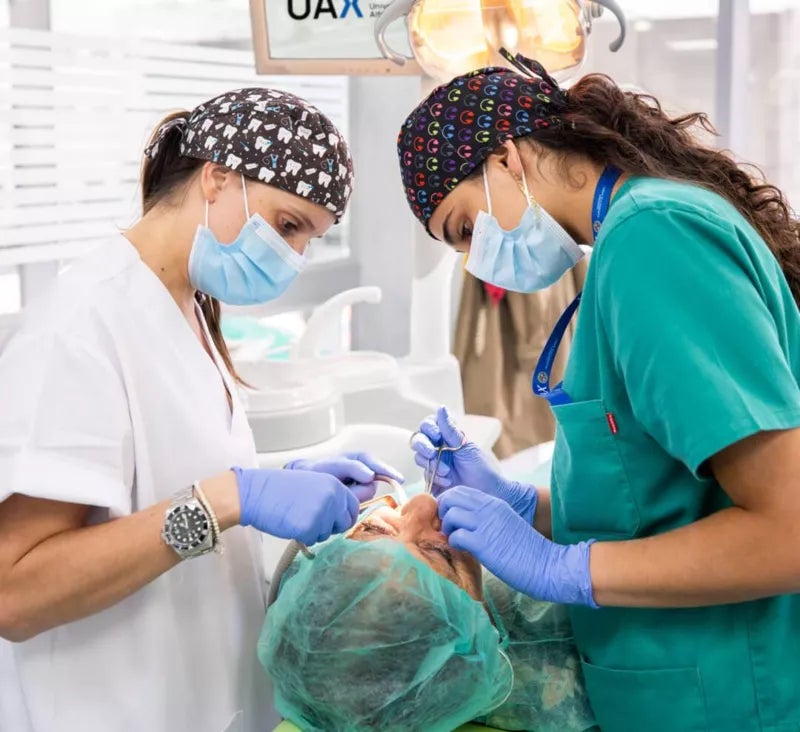
First healthcare facility created by UAX to provide you with the most comprehensive training focused on real-world practice. Find out more
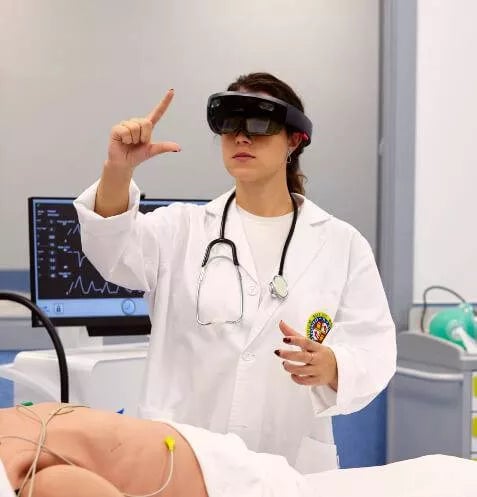
A unique centre in Spain to complete your training in the most innovative, well-rounded way. Find out more
All fields are required


You can view your timetable and indicative timings via the following link .
The degree's Internal Quality Assurance System is led and supervised by the Degree Monitoring and Improvement Committee, the body responsible for analysing, assessing and promoting actions to ensure academic, teaching and training quality. This committee is made up, by name, of the following profiles:
- Dean of the Faculty: Margarita Gómez Sánchez
- Head of Studies: Teresa Gragera
- Clinical Coordinator: Susana Arenas
- Laboratory Technician: Josefa Díaz Martín
- Quality Coordinator of the Centre: Floraligia Arcondo
- Head of the Vice-rectorate for Quality: Ana Oller
- Representative of the Teaching Staff
- Student Representative
In addition, the committee may have invited members when it is necessary to address specific issues or carry out specialised monitoring in specific areas.
You can consult the different indicators in the following links:
Main action plans for the degree:
We respond to the genuine needs of our students and staff, because we believe in the continuous improvement of our results. That is why we are always keen to hear anything you wish to tell us.
Link to the complaints and suggestions inbox.
If you’re already part of UAX, go to the ‘Customer Service: complaints, suggestions and compliments’ section on the virtual campus and log in with your username and password.
Telephone: 91 810 94 00
Email: paramejorar@uax.es
Opening hours: Monday to Friday, 9.00 am to 6.00 pm (no lunch break)
This degree, according to RD 822/2021 (art. 34) must undergo the process of accreditation renewal. During the development of the process, an evaluation team of the Foundation for Knowledge Madrimasd will meet with different stakeholders of the degree. In addition, they provide us with a form so that any interested party can indicate to the Foundation those aspects they consider relevant to the development of this programme.
Master's Degree in Paediatric Dentistry
Start:
September
Length:
1 year
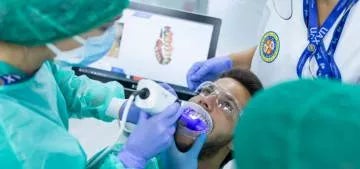
Master's Degree in Dental Aesthetics and Restorative Dentistry
In collaboration with:


Start:
September
Length:
10 months
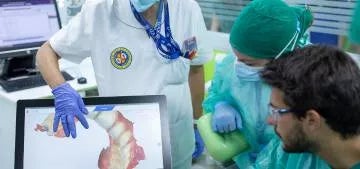
Master's Degree in Digital Dentistry
In collaboration with:

Start:
October
Length:
1 year
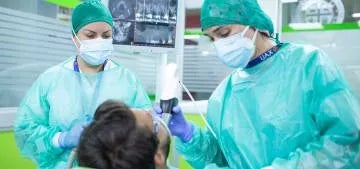
Master's Degree in Oral Implantology and Implant-Supported Prosthetics
In collaboration with:


Start:
September
Length:
2 years
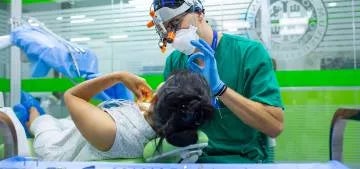
Master's Degree in Oral Surgery, Implantology and Periodontology
In collaboration with:

Start:
September
Length:
2 years
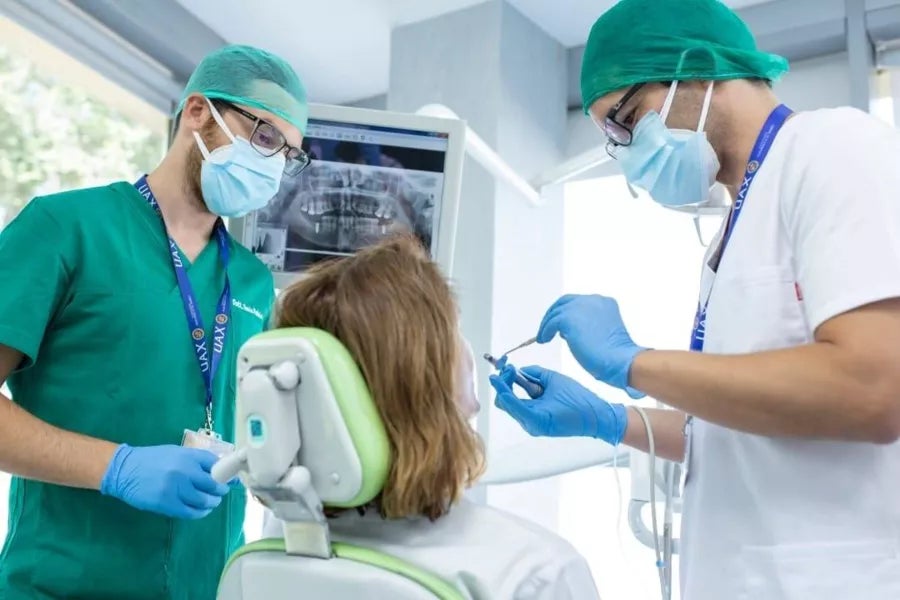
The duration of the postgraduate course in Orthodontics is 2 years and 120 ECTS.
Para estudiar el Máster en Ortodoncia debes cumplir los siguientes requisitos:
- Graduados/Licenciados en Odontología
En caso de alumnos extracomunitarios:
- Nivel C1 de español.
- Seguro personal.
- Documentación de universidad de origen certificada por la Haya.
In the Master's Degree in Orthodontics you will study the diagnosis and planning of malocclusions, the use of fixed, functional and digital appliances, and the use of aligners and advanced techniques. You will combine theory with pre-clinical and clinical practice from the first months. You will end up trained to treat both simple and complex cases with a modern, multidisciplinary approach.
An orthodontist is responsible for the diagnosis, planning and treatment of dental and skeletal malocclusions, using advanced biomechanics, fixed and functional appliances and digital techniques. Their function is to correct dental position and the maxillomandibular relationship to achieve stability, function and aesthetics. In addition, he manages complex cases in a multidisciplinary way, integrating with periodontics, orthognathic surgery and oral rehabilitation.
100% of our orthodontic students find a job in the first year. After completing the master's degree you will be able to work in: