











1. Real impact on society
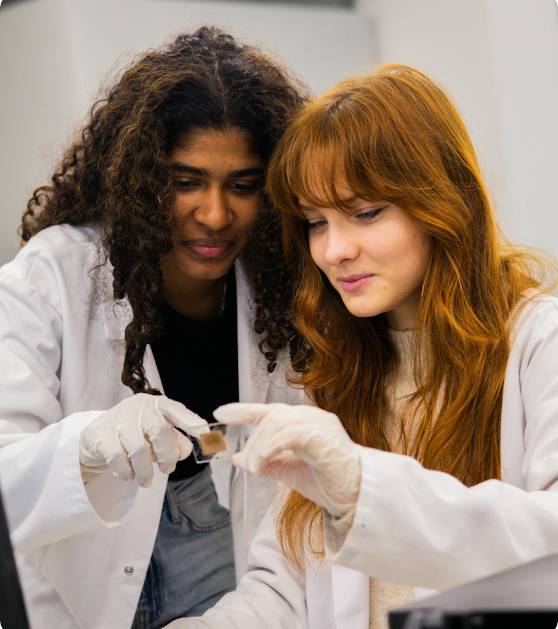
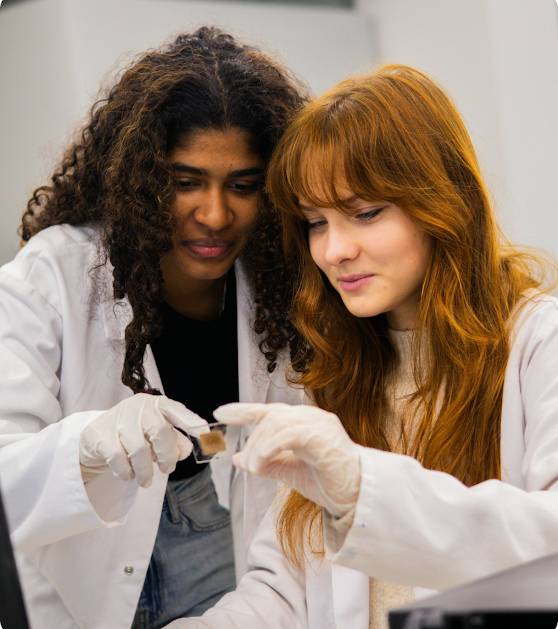
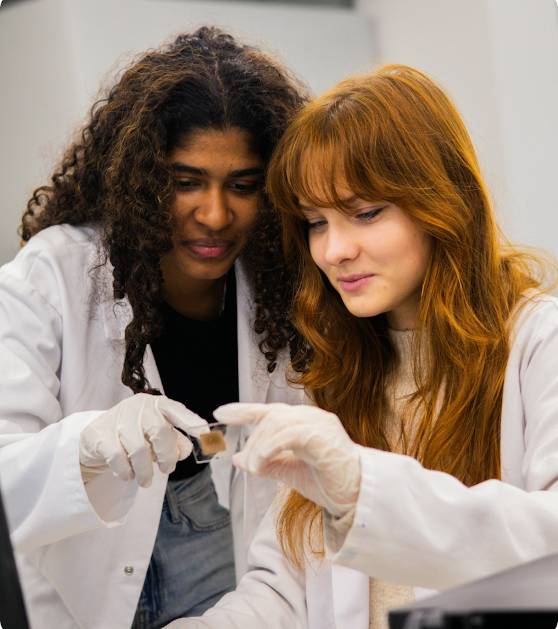
Studying biomedicine allows you to contribute directly to people’s wellbeing and play a part in advances that improve lives. Furthermore, many of these achievements have a lasting impact on the future.
Direct contribution to well-being
One of the most motivating aspects of this academic path is its direct impact on people’s lives. It is not merely about acquiring theoretical knowledge, but about being part of advances that can improve diagnoses, optimise treatments and, in many cases, save lives.
Those who train in this field have the opportunity to help solve real-world problems affecting millions of people worldwide. From common illnesses to global health challenges, such as COVID-19, the work carried out in this field has a clear and tangible purpose.
This link between knowledge and practical application creates a sense of purpose that is hard to find in other disciplines. Knowing that what you do can have a positive impact on society adds significant emotional and ethical value to your career.
A long-term legacy
Beyond the immediate impact, one of the great attractions of biomedicine is the possibility of creating a legacy that endures over time. Many discoveries do not reveal their full potential instantly, but instead become the foundation for future advances.
This long-term impact, moreover, extends beyond the laboratory: scientific knowledge is key to both public health policies and population-based research, enabling the design of large-scale prevention strategies. Being part of this ongoing progress means that your work can influence not only the therapies of tomorrow, but also the health of entire communities.
This means that the work carried out today can influence future generations. Being part of this continuous progress, where every advance adds to a collective body of knowledge, provides a unique perspective on the value of effort and research.
2. Constant innovation and continuous learning
It is a constantly evolving field that requires you to be constantly learning. This fosters the development of critical thinking and the ability to solve complex problems.
A constantly evolving environment
We live in an era where science is advancing at an unprecedented pace. New technologies, methodologies and discoveries are constantly emerging, transforming the way in which problems are tackled.
Studying biomedicine means becoming part of this dynamic environment, where learning never ends. Every day can bring new challenges, new questions and new opportunities for growth.
This dynamism is particularly appealing to people who are curious, inquisitive and keen to explore the unknown. Far from being routine, it is a path characterised by constant evolution.
Development of critical thinking
Another key benefit is the development of analytical and critical thinking skills. In this field, it is not enough simply to memorise information: you need to interpret it, question it and apply it creatively.
During the training, you will learn to:
- Analyse complex data
- Formulate hypotheses
- Design solutions
- Evaluate results
These skills are not only essential in the scientific field, but are also highly valued in other sectors. The ability to think critically and solve complex problems is a key competence in today’s world.
3. Multidisciplinary and versatile training
It offers a broad education that integrates different areas of knowledge. This makes it easier to adapt to different environments and changes in the labour market.
Integration of different fields of knowledge
One of the great strengths of this programme is its multidisciplinary nature. Throughout the educational process, knowledge from different fields—ranging from chemistry to engineering and computer science—is combined, enabling students to develop a broad and comprehensive perspective.
This integration promotes an understanding of problems from multiple perspectives, which is essential in a world where challenges are becoming increasingly complex.
Furthermore, this diversity of knowledge enriches the academic experience, preventing monotony and fostering an open and flexible mindset.
Adaptability to the labour market
The high employability of the Biomedicine programme translates into a wide range of career opportunities.
A recent report by the State Public Employment Service (SEPE) highlights that degrees in health sciences, including the Bachelor’s Degree in Biomedicine, have lower unemployment rates compared with other disciplines. In particular, Biomedicine offers excellent prospects for those specialising in biotechnology, pharmacology or bioinformatics.
Graduates can direct their careers towards the cutting edge of scientific research, the dynamic pharmaceutical and biotechnology industries, or the direct impact of clinical diagnosis, amongst many other fields.
To find out more about each of these career paths, the most in-demand roles, their responsibilities and salaries, we invite you to read our comprehensive guide to the career prospects for the Bachelor’s Degree in Biomedicine.
4. Personal and career development
Motivation and purpose are key on this journey, leading to greater personal fulfilment. Furthermore, skills such as discipline, resilience and teamwork are developed.
Growth beyond the academic sphere
Training in this field is not limited to the acquisition of technical knowledge. It also involves the development of personal skills that are essential in any area of life.
These include:
- Perseverance
- Discipline
- Teamwork
- Time management
- Adaptability
These skills are developed naturally throughout the learning process, preparing students to tackle a range of professional and personal challenges.
5. A stimulating and collaborative environment
Teamwork and collaboration with professionals from different fields are encouraged. It also offers opportunities for international interaction and personal growth.
Teamwork and knowledge networks
Scientific progress is rarely the result of individual effort. On the contrary, it is usually the result of collaboration between different professionals.
Studying biomedicine involves learning to work as part of a team, sharing knowledge and devising solutions together. This collaborative environment not only improves outcomes but also enriches the personal experience.
Furthermore, it enables you to build professional networks that can prove invaluable throughout your career.
International exchange
Another interesting aspect is the global dimension of this field. Science knows no borders, and this translates into opportunities to take part in international projects, academic exchanges and collaborations with institutions around the world.
This exposure to different cultures and ways of working broadens one’s perspective and fosters personal growth.
The UAX Bachelor’s Degree: practical training for a demanding future
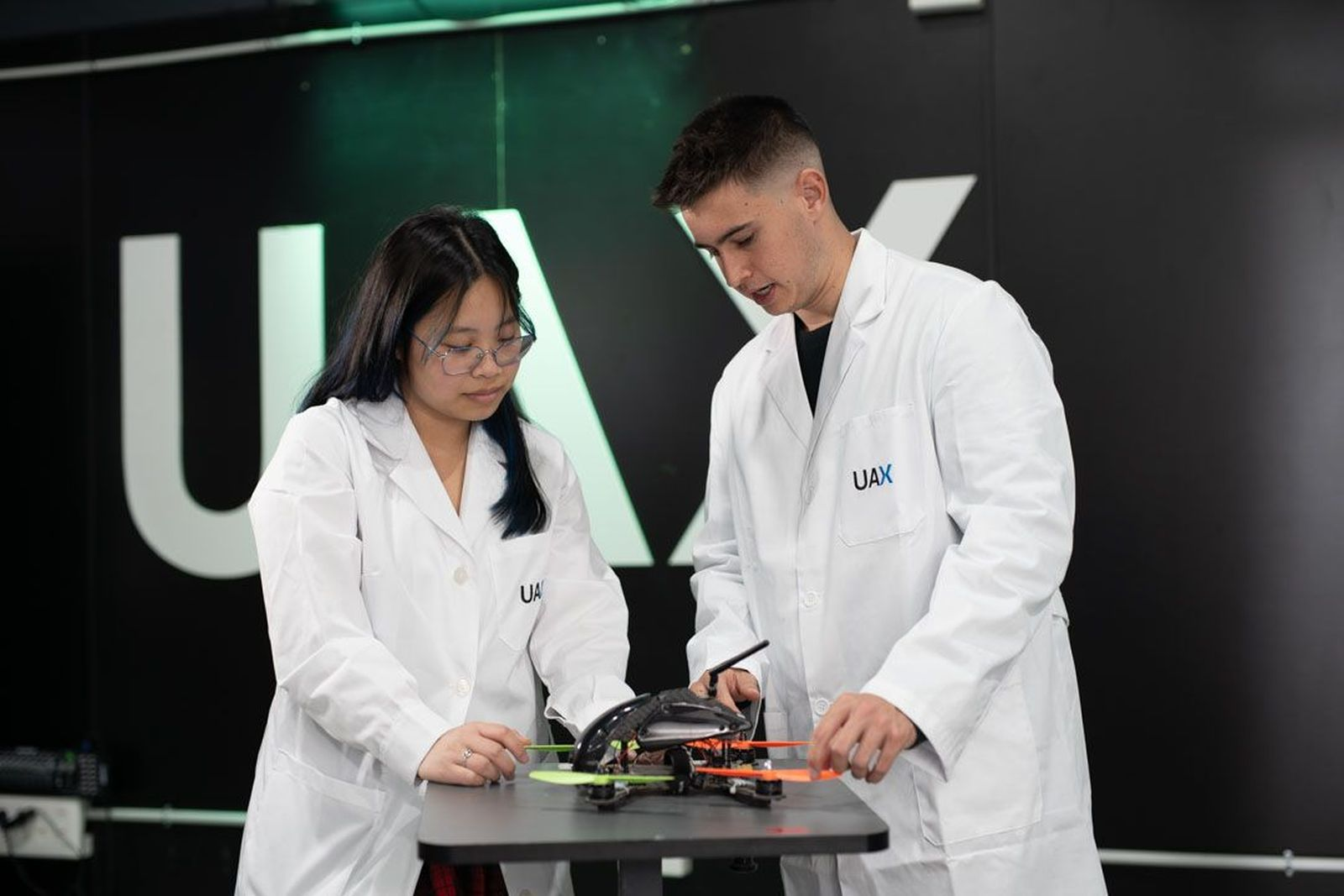
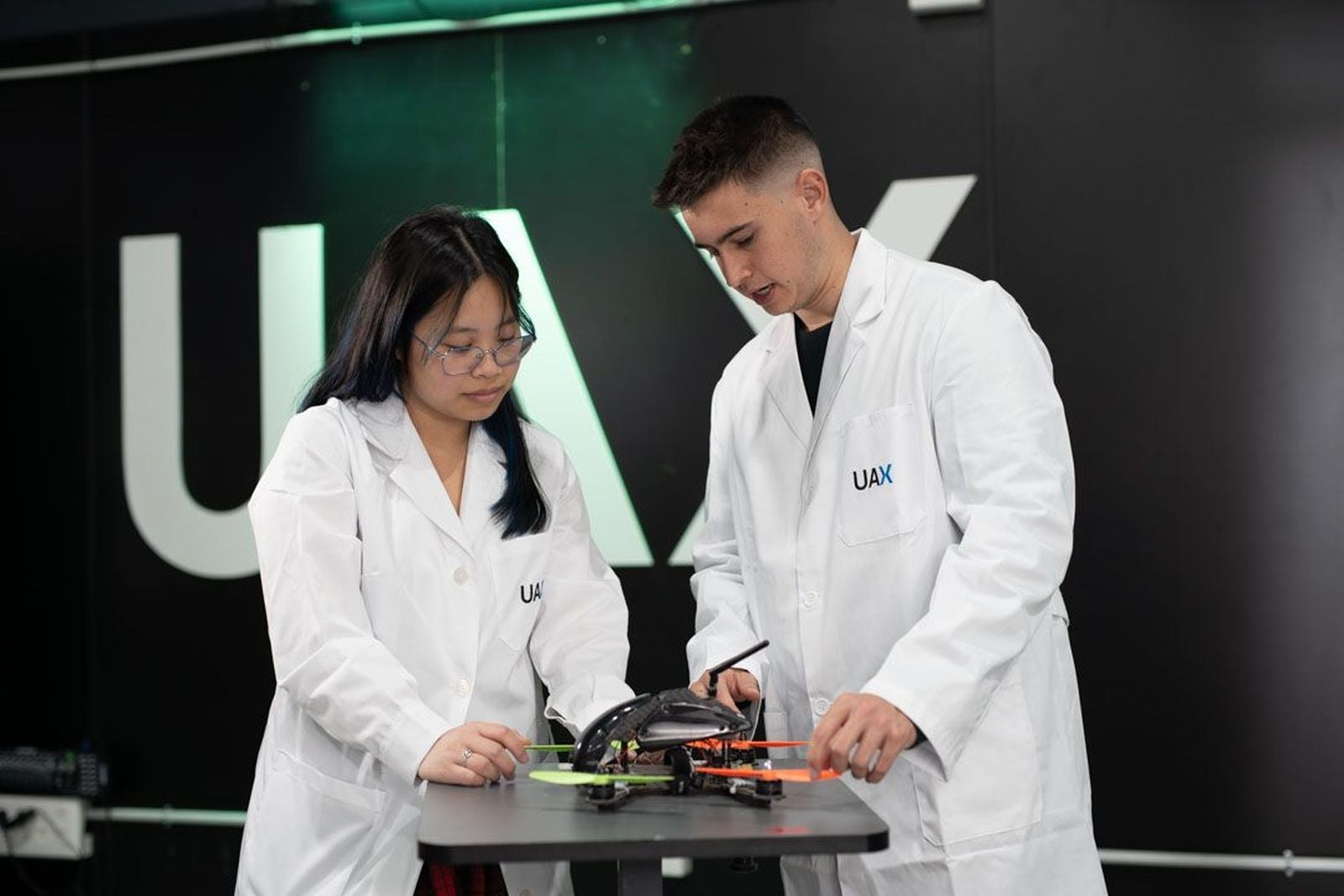
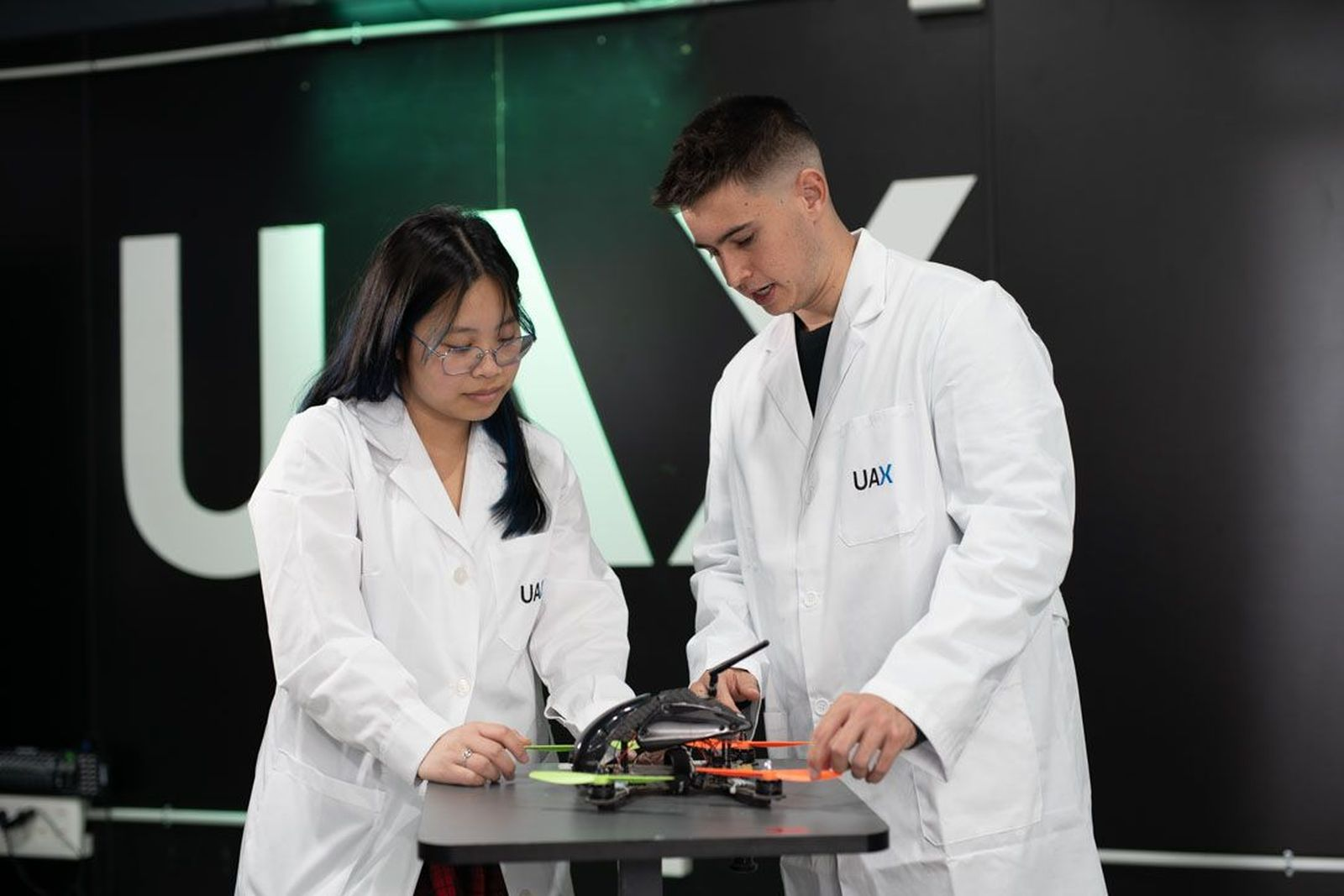
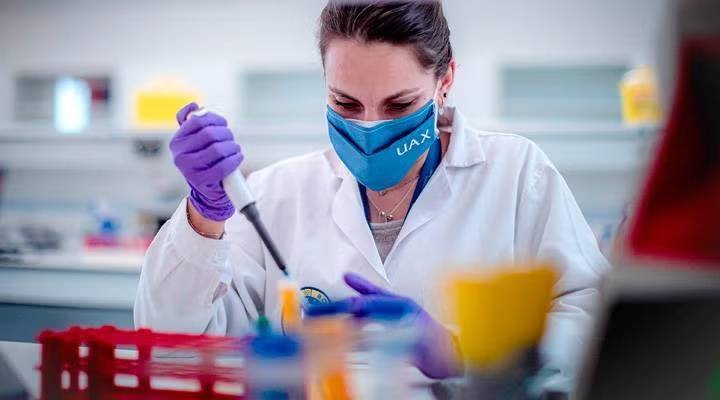
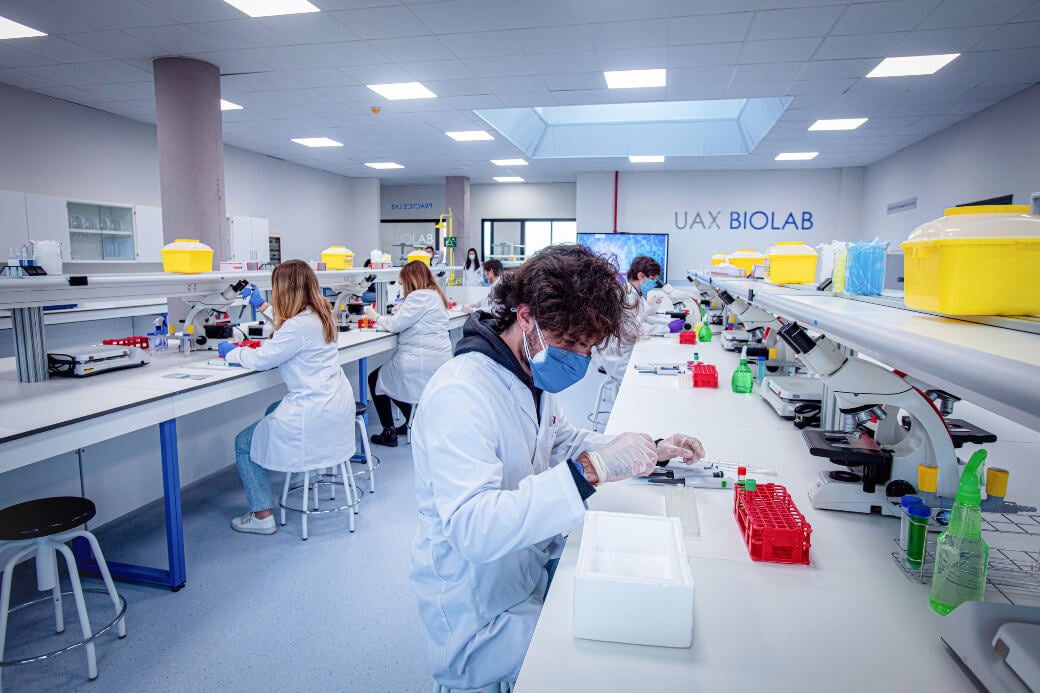
To succeed in such a competitive sector, theoretical training must go hand in hand with extensive practical experience. At Alfonso X el Sabio University, the Bachelor’s Degree in Biomedicine is designed with this in mind. We have the state-of-the-art UAX-BioLAB, where you will be able to work from day one with the tools and methodologies used in cutting-edge research.
Furthermore, we have collaboration agreements with leading research centres:
- Spanish National Research Council (CSIC): Severo Ochoa Centre for Molecular Biology, Sols-Morreale Institute for Biomedical Research, Margarita Salas Centre for Biological Research, National Centre for Biotechnology, Cajal Institute – Cajal Centre for Neurosciences, National Institute of Agricultural and Food Technology, CIEMAT …
- National Centre for Cardiovascular Research (CNIC)
- National Centre for Oncological Research (CNIO)
- Biomedical Research Institutes: Jiménez Díaz Foundation, Hospital de la Princesa, Hospital Puerta de Hierro, Imas12
- Microbiology, Biochemistry and Clinical Analysis, Immunology, Pharmacology and Pathological Anatomy Laboratories at SERMAS hospitals
- Pharmaceutical companies such as ESAME Biomedical, GeneticAI, NIM Genetics, MiRNAX Biosens S.L, ATG Medical, Dezzai, IVI Madrid, Telómera, SL.
Conclusion: a decision with impact and future prospects
Studying biomedicine is much more than simply choosing a university degree. It means committing to a path that combines knowledge, innovation, social impact and personal development.
It offers the opportunity to be part of breakthroughs that can change the world, to grow intellectually in a dynamic environment and to build a career with purpose.
If you’re looking for a path that challenges you, motivates you and allows you to make a meaningful contribution to society, this could be one of the best decisions you make for your future.