






















Table of Contents
Main career paths in physiotherapy within the healthcare sector
Public hospitals and health centres
Private clinics and polyclinics
Career opportunities in sports physiotherapy
Professional sports teams and federations
Sports centres and athlete care
Rehabilitation and treatment of high-level injuries
Entrepreneurship as a career path in physiotherapy
Setting up a physiotherapy clinic
Home-based physiotherapy as a business model
Complementary training to improve employability
Specialisations and career paths with the highest demand in the job market
If you’re thinking of studying for a degree in physiotherapy , it’s natural to wonder what career paths are open to you.
The reality is that the field of physiotherapy is much broader and more dynamic than you might imagine, offering you a vast range of possibilities for developing your professional career. It is not just about treating injuries, but about improving people’s quality of life in a variety of contexts.
Physiotherapy, as a health science, is dedicated to the study of human movement, seeking to prevent, treat and rehabilitate dysfunctions or disabilities that affect people.
If this is your calling, we can tell you right now that the career prospects are very promising.
Main career paths in physiotherapy within the healthcare sector
The healthcare sector is the cornerstone of career opportunities in physiotherapy. Here, your work will be crucial to patients’ recovery and wellbeing, as you work side by side with other healthcare professionals.
Hospitals and public health centres
Working in the public health system is one of the most stable and sought-after options. In hospitals and health centres, physiotherapists are an integral part of multidisciplinary teams.
Your day-to-day work may include the rehabilitation of post-operative patients, the treatment of respiratory, neurological or musculoskeletal conditions, and working in intensive care units.
To gain access to these roles, you will generally need to pass competitive examinations, which requires thorough preparation but ensures a career dedicated to public service and job security. It is an environment where learning is constant and the variety of cases is immense.
Private clinics and polyclinics
Private clinics and polyclinics offer a different working dynamic, often with a more personalised approach to patient care and the opportunity to specialise in specific areas right from the start of your career.
Here, the career paths in physiotherapy are very varied: from general clinics treating common conditions to those specialising in sports injuries , post-surgical rehabilitation or specific treatments such as pelvic floor or respiratory physiotherapy. You can find out more about these areas in our article on specialisms in physiotherapy.
In these types of centres, you could work with a very wide age range, from children to the elderly, applying a variety of techniques and technologies. The flexibility and the opportunity to focus on your interests are major advantages of this career path.
Career opportunities in sports physiotherapy
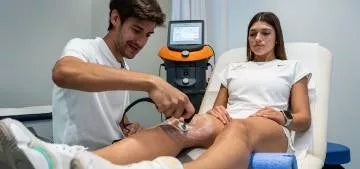
If you’re passionate about sport and health, sports physiotherapy is undoubtedly one of the most attractive career paths in physiotherapy. Sports physiotherapists play a key role in the performance and recovery of athletes at all levels.
Furthermore, degree programmes such as the CAFYD and Physiotherapy dual degree will provide you with all the knowledge you need to combine physiotherapy with sport.
Professional sports teams and federations
Working with elite sports teams – whether in football, basketball, athletics or any other discipline – is the dream of many physiotherapists.
In this role, as a sports physiotherapist , you’ll be involved in injury prevention, post-exercise recovery, returning to sport following a serious injury, and the specific treatment of conditions related to high-performance sport.
Sports federations also require physiotherapists for their national teams, training camps and events. It is a highly demanding environment , but also a deeply rewarding one, where you will see the direct impact of your work on athletes’ careers. If this appeals to you, the Master’s in Sports Physiotherapy could be an excellent choice.
Sports centres and care for athletes
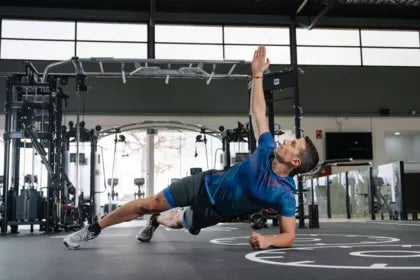
Beyond elite teams, gyms, sports clubs and performance centres also need physiotherapists. Here, the clientele can be more varied, ranging from amateur athletes to those seeking to improve their fitness or recover from common injuries.
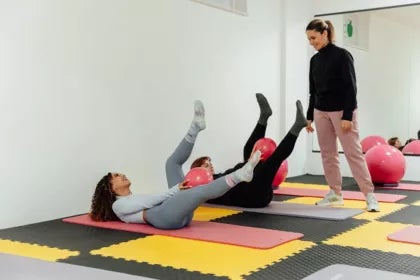
Your role will range from initial assessment to delivering treatments and monitoring specific therapeutic exercise programmes.
Rehabilitation and treatment of high-level injuries
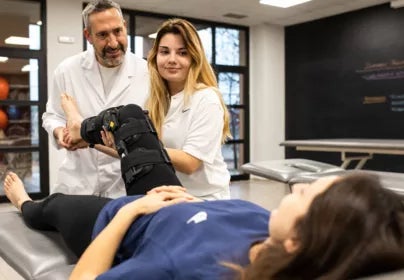
Physiotherapists specialising in sport are experts in sports rehabilitation and the treatment of complex injuries.
They use advanced techniques and highly specific exercise programmes to ensure that athletes return to their optimal level of performance safely and effectively. This includes working with isokinetic equipment, plyometric exercises, and a meticulous progression to prevent relapses. This is one of the areas where continuing professional development and specialisations make a significant difference.

Entrepreneurship as a career path in physiotherapy
Entrepreneurship is one of the career paths in physiotherapy that offers the greatest autonomy and control over your career. If you have a spirit of initiative and enjoy running your own business, this is a very attractive option.
Setting up a physiotherapy clinic
Opening your own clinic allows you to offer the services you consider most relevant, set your own hours and build your personal brand. You’ll need knowledge not only of physiotherapy, but also of business management, marketing, accounting and customer service.
It is a significant challenge, but also very rewarding, as you create a space where you can bring your vision of the profession to life.
Home-based physiotherapy as a business model
Home-based physiotherapy has grown considerably in recent years, offering convenience and personalised care to patients who are unable to travel, or who simply prefer to be treated in their own home. This business model requires less initial investment than a physical clinic and offers you great flexibility. It is ideal for those seeking autonomy and a one-to-one approach with their patients.
Further training to enhance employability
To excel in any of these career paths in physiotherapy, continuous professional development is key. The Bachelor’s Degree in Physiotherapy provides you with a solid foundation, but specialisations will open up a world of opportunities.
If you’re already thinking about your future, the UAX Bachelor’s Degree in Physiotherapy offers you comprehensive, practical training to ensure you’re fully prepared for the job market, whilst our Master’s degrees in physiotherapy will enable you to achieve whatever you set your mind to.
Specialisations and career paths with the highest demand
Some of the specialisations currently in highest demand in Spain, which will give you a highly competitive profile, are:
● Sports physiotherapy: Essential for sports teams, high-performance centres and specialist clinics.
● Neurological physiotherapy focuses on patients with conditions affecting the nervous system, such as stroke, multiple sclerosis, Parkinson’s disease or spinal cord injuries. Your work will be essential in helping them regain mobility, strength and coordination, significantly improving their independence and quality of life. It is a field that requires a great deal of patience, dedication and a deep understanding of neurophysiology. If this area appeals to you, the Master’s in Neurophysiotherapy could be the right path for you.
● Paediatric physiotherapy specialises in the care of babies, children and adolescents with motor development problems, congenital conditions, cerebral palsy or musculoskeletal injuries.
● Geriatric physiotherapy and care homes. In this field, you will be able to work in care homes, day centres or in people’s own homes, helping older people to maintain their mobility, prevent falls, relieve chronic pain and improve their overall quality of life.
● Respiratory physiotherapy is crucial for patients with chronic lung conditions such as COPD, asthma or cystic fibrosis, as well as for those recovering from operations affecting the respiratory system.
● Pelvic floor physiotherapy. This increasingly recognised specialism deals with pelvic floor dysfunction, which affects both men and women. It treats problems such as urinary or faecal incontinence, chronic pelvic pain and sexual dysfunction.
In short, the career prospects for physiotherapists in Spain are numerous and diverse. From hospitals and private clinics to elite sport and various specialisms, you have a future full of opportunities.
Physiotherapy is a constantly evolving profession, and keeping up to date will enable you to adapt to the sector’s new demands.
If you’re passionate about human movement, health and helping others improve their quality of life, physiotherapy is, without a doubt, a career with a bright future.