

See all Online Master's Degrees in Health





See all Master's Degrees in Engineering
Most searched curriculums
Official qualification
Madrid
Boost your career and stand out with 360º clinical training in implantology and implant-supported prostheses. Throughout the master's degree you will acquire the necessary skills to diagnose, plan and carry out comprehensive treatments, from surgery to final prosthetic rehabilitation. You will perform pre-prosthetic surgery, implant placement, bone regeneration and soft tissue management, while developing advanced clinical criteria in the field of prosthetics. You will learn to design, produce and place prostheses on implants - single, partial and complete - mastering the different materials, impression systems, digital flow and loading protocols. You will finish the programme able to solve simple and complex cases in a safe and predictable way, making you a professional in high demand by clinics. Top 5 Best Master's Degrees in Dentistry in Spain (Ranking El Mundo 2023)
The Master's Degree in Oral Implantology and Implant Prosthetics is an intense, high-level training programme that will prepare you for implantology, prosthetic and regenerative therapies, without forgetting research activity and the use of the most cutting-edge technology.
Through two intense courses, students become highly competitive, versatile, multidisciplinary professionals with a truly differentiating preparation.
Top 5 Best Master's Degrees in Dentistry, Ranking El Mundo 2023
Take the step towards a master's degree in implantology that will boost your specialisation and your professional opportunities.




A table with the IMPLEMENTATION SCHEDULE of the latest syllabus, approved in the modification of the memory of 2025, is included.
| Plan | Year 25/26 | Year 26/27 |
| 2023 | 2nd year | - |
| 2025 | 1st year | 1st and 2nd year |
Master's Degree in Oral Implantology and Implant-Supported Prosthetics
First Year
ANNUAL SUBJECTS
| Code | Subjects | Character* | ECTS | ||||||||||||||||||||||||||||||||||||||||||||||||
|---|---|---|---|---|---|---|---|---|---|---|---|---|---|---|---|---|---|---|---|---|---|---|---|---|---|---|---|---|---|---|---|---|---|---|---|---|---|---|---|---|---|---|---|---|---|---|---|---|---|---|---|
| M190100 | Medical, surgical and periodontal principles applied in oral implantology | OB | 6 | ||||||||||||||||||||||||||||||||||||||||||||||||
Medical, surgical and periodontal principles applied in oral implantologyCódigo: M190100 Imprimir Year 1. Annual module. Compulsory. 6 credits. Profesores
Objectives Students should be able to apply the fundamentals of the core disciplines (anatomy, pharmacology, periodontology, surgery, occlusion, physiology and aesthetics) that will enable them to apply these principles to dental implant treatment. Presentation and discussion of case studies. Lectures Interactive distance learning via the virtual campus. Guidance and clarification of queries. Study. Literature review. Oral and written examinations. Competencies BASIC AND GENERAL To obtain and compile a comprehensive clinical history specific to the specialism under study, containing all relevant information. Understand the fundamentals of the basic disciplines (anatomy, pharmacology, periodontology, surgery, occlusion, aesthetics) as they apply to treatment with dental implants. Be able to facilitate the diagnostic assessment and interdisciplinary treatment plan, spanning the fields of surgery and prosthodontics. Possess and understand knowledge that provides a foundation or opportunity for originality in the development and/or application of ideas, often within a research context Students should be able to apply the knowledge they have acquired and their problem-solving skills in new or unfamiliar environments within broader (or multidisciplinary) contexts related to their field of study Students should be able to integrate knowledge and tackle the complexity of making judgements based on information which, whilst incomplete or limited, includes reflections on the social and ethical responsibilities associated with the application of their knowledge and judgements Students should be able to communicate their conclusions, and the underlying knowledge and reasoning that support them, to specialist and non-specialist audiences clearly and unambiguously. SPECIFIC CROSS-CURRICULAR COMPETENCIES To apply physiological knowledge and advanced medical and surgical techniques within a cutting-edge technological context Learning outcomes Be able to apply the knowledge acquired. Be able to integrate knowledge and deal with the complexity of forming judgements. Communicate conclusions “and the knowledge and underlying rationale that support them” to specialist audiences Be able to compile an advanced clinical history containing all relevant information Be able to apply knowledge of anatomy, pharmacology, periodontology, surgery, occlusion, physiology and aesthetics to dental implant treatment. Be able to diagnose and prescribe the appropriate treatment for the conditions presented. To be familiar with the theoretical foundations listed below, as well as their application in clinical practice: Basic course on surgical procedures. Fundamentals of diagnosis and treatment in oral surgery. Fundamentals of periodontal diagnosis and treatment. Fundamentals of oral and systemic medical pathology. Fundamental concepts in oral implantology. Diagnosis in oral implantology. Course content 1. Basic course on surgical procedures. 2. Fundamentals of diagnosis and treatment in oral surgery. 3. Fundamentals of periodontal diagnosis and treatment. 4. Fundamental concepts in oral implantology. 5. Diagnosis in oral implantology. 6. Fundamentals of oral and systemic medical pathology. Training activities Lecture 40 hours 100% face-to-face Seminar: 30 hours, 100% face-to-face Individual and group tutorials 12 hours, 100% face-to-face Assessment: 4 hours, 100% face-to-face Independent study: 64 hours Assessment system and criteria Without prejudice to any other requirements that may be set out in the relevant course syllabus, as a general rule, failure to attend more than 80 per cent of the course’s teaching activities—which require the student’s physical or virtual presence—will result in the loss of the right to continuous assessment during the standard examination period. In this case, the examination to be held during the official period set by the University will be the sole assessment criterion, with the weighting specified in the course syllabus. ---- Presentation of Oral and Written Assignments. Minimum/maximum weighting 5.0/10.0 Written and/or oral examination on theoretical knowledge. Minimum/maximum weighting 60.0/70.0 Participation in debates and seminars. Minimum/maximum weighting 10.0/20.0 Appendix 1. Donado Rodríguez, M. Oral Surgery: Pathology and Technique. Barcelona: Elsevier Masson. (2019). 2. Gay Escola, C. Treatise on Oral Surgery. Madrid: Ergón. (2011) 3. Siervo, S. Suture Techniques in Oral Surgery. Barcelona: Quintessence. (2009). 4. Berini, L. Dental Anaesthesia. Madrid: Avances Médico-Dentales. (2001). 5. Bagán Sebastian, JV. Oral Medicine. Valencia: Medicina Oral. (2010). 6. Norton, N.S. Head and Neck Anatomy for Dentists. Barcelona: Elsevier Masson. (2018). 7. Hupp, J.R. Contemporary Oral and Maxillofacial Surgery. Saint Louis: Mosby Elsevier. (2014). 8. Misch, C.E. Contemporary Implantology. Madrid: Mosby/Doyma Libros 7. (2009). 9. Peñarrocha Diago, M., Peñarrocha Diago, M., Aloy Prósper, A. Surgical Atlas of Oral Implantology. Majadahonda: Ergon. (2013). 10. Lindhe, J. Clinical Periodontology and Dental Implantology. Buenos Aires: Médica Panamericana. (2017). 11. Block, M.S. Colour Atlas of Dental Implant Surgery. Madrid: Editorial Médica Panamericana. (2003). 12. Bullón Fernández, P. Dental Treatment for Special Patients. Madrid: Laboratorios Normon. (2004). 13. Singh, P.P. Atlas of Oral Implantology. Missouri: Mosby Elsevier. (2010). 14. Aragoneses, J.M. Teaching Clinical Cases in Implantology, Periodontology and Oral Surgery. (2022). 15. Deporter, D., Cullum, D. Minimally invasive implant surgery. Barcelona: Elsevier. (2017). 16. Yuan, Q. Dental Implant Treatment in Medically Compromised Patients. Cham: Springer International Publishing: Imprint: Springer. (2020). 17. Peñarrocha-Diago, M., Covani, U., Cuadrado, L. Atlas of Immediate Dental Implant Loading. Cham: Springer International Publishing: Imprint: Springer. (2019). 18. Martínez González, J.M. Anaesthetics and Local-Regional Techniques in Dentistry. Madrid: Laboratorios Normon. (2011). |
|||||||||||||||||||||||||||||||||||||||||||||||||||
| M190102 | Implant prosthesis | OB | 12 | ||||||||||||||||||||||||||||||||||||||||||||||||
Implant prosthesisCódigo: M190102 Imprimir Year 1. Annual module. Compulsory. 12 credits. Profesores
Objectives Students will become familiar with the various clinical and laboratory stages required for the fabrication of implant-supported prostheses. They will demonstrate the ability to diagnose and plan, in a comprehensive and step-by-step manner, treatments involving fixed and removable implant-supported prostheses. In addition, they will acquire the skills to design and fabricate temporary prostheses. They are also expected to develop the ability to understand and resolve the most common errors encountered in prosthodontic treatment relating to dental implants. Competencies BASIC AND GENERAL To obtain and compile a comprehensive clinical history specific to the specialism under study, containing all relevant information. Be able to facilitate the diagnostic assessment and interdisciplinary treatment plan, encompassing the fields of surgery and prosthodontics. Be familiar with the surgical technique for placing implants in different clinical situations. Be competent in the application of the various techniques for prosthetic rehabilitation using osseointegrated implants. To carry out the monitoring and follow-up of patients who have undergone prosthetic rehabilitation using implants. Optimise resources whilst striving to provide patients with high-quality scientific and clinical care at the University Dental Clinic of Alfonso X el Sabio University. To be able to advance scientific development related to the various specialities studied. Possess and understand knowledge that provides a foundation or opportunity for originality in the development and/or application of ideas, often within a research context Students should be able to apply the knowledge they have acquired and their problem-solving skills in new or unfamiliar settings within broader (or multidisciplinary) contexts related to their field of study Students should be able to integrate knowledge and tackle the complexity of forming judgements based on information which, whilst incomplete or limited, includes reflections on the social and ethical responsibilities associated with the application of their knowledge and judgements Students should be able to communicate their conclusions and the underlying knowledge and reasoning to specialist and non-specialist audiences in a clear and unambiguous manner Students should possess the learning skills that enable them to continue their studies in a manner that will be largely self-directed or autonomous. 2) SPECIFIC To understand and apply the necessary and essential prior knowledge in the development and practice of oral implantology, implant-supported prosthodontics, periodontology and oral surgery. To diagnose and plan, in full sequence, a treatment programme for fixed prostheses on implants To diagnose and plan, in full sequence, a treatment programme for removable prostheses on implants Understand the various clinical and laboratory stages involved in the fabrication of implant-supported prostheses. Design and fabricate temporary prostheses. Anticipate and resolve the most common errors in implant-supported prosthodontic treatment. Learning outcomes Understand the various clinical and laboratory stages involved in the fabrication of an implant-supported prosthesis. Be able to diagnose and plan a fixed implant-supported prosthesis treatment, covering the entire sequence of steps. Be able to diagnose and plan, in full sequence, a treatment programme for removable implant-supported prostheses. To be able to design and fabricate temporary prostheses. To be able to understand and resolve the most common errors in implant-supported prosthodontic treatment. Course content 1. Design and fabrication of temporary prostheses 2. Clinical and laboratory stages involved in the fabrication of an implant-supported prosthesis. 3. Clinical practice Training activities Lecture 30 hours 100% face-to-face Seminars 25 hours 100% face-to-face Individual and group tutorials 12 hours 100% face-to-face Assessment 2 hours 100% face-to-face Independent study 28 hours 100% face-to-face Clinical placement 210 hours 100% face-to-face Assessment system and criteria Without prejudice to any other requirements that may be specified in the relevant course syllabus, as a general rule, failure to attend more than 80 per cent of the course’s teaching activities—which require the student’s physical or virtual presence—will result in the loss of the right to continuous assessment during the standard examination period. In this case, the examination to be held during the official examination period set by the University will be the sole assessment criterion, with the weighting specified in the course syllabus. ---- On-site assessment of the student’s clinical placement 70% Presentation of clinical cases 15% Theoretical and practical examination of the training undertaken 15% Appendix BIBLIOGRAPHY 1. Aragoneses, J.M. Teaching clinical cases in implantology, periodontics and oral surgery. (2022). 2. Donado Rodríguez, M. Oral surgery: pathology and technique. Barcelona: Elsevier Masson. (2019). 3. Siervo, S. Suture techniques in oral surgery. Barcelona: Quintessence. (2009). 4. Berini, L. Dental anaesthesia. Madrid: Avances Médico-Dentales. (2001). 5. Bagán Sebastian, JV. Oral Medicine. Valencia: Medicina Oral. (2010). 6. Norton, N.S. Head and Neck Anatomy for Dentists. Barcelona: Elsevier Masson. (2018). 7. Hupp, J.R. Contemporary Oral and Maxillofacial Surgery. Saint Louis: Mosby Elsevier. (2014). 8. Misch, C.E. Contemporary Implantology. Madrid: Mosby/Doyma Libros 7. (2009). 9. Peñarrocha Diago, M., Peñarrocha Diago, M., Aloy Prósper, A. Surgical Atlas of Oral Implantology. Majadahonda: Ergon. (2013). 10. Lindhe, J. Clinical Periodontology and Dental Implantology. Buenos Aires: Médica Panamericana. (2017). 11. Block, M.S. Colour Atlas of Dental Implant Surgery. Madrid: Editorial Médica Panamericana. (2003). 12. Bullón Fernández, P. Dental Treatment for Special Patients. Madrid: Laboratorios Normon. (2004). 13. Singh, P.P. Atlas of Oral Implantology. Missouri: Mosby Elsevier. (2010). 14. Gay Escola, C. Treatise on Oral Surgery. Madrid: Ergón. (2011). 15. Deporter, D., Cullum, D. Minimally Invasive Implant Surgery. Barcelona: Elsevier. (2017). 16. Yuan, Q. Dental Implant Treatment in Medically Compromised Patients. Cham: Springer International Publishing: Imprint: Springer. (2020). 17. Peñarrocha-Diago, M., Covani, U., Cuadrado, L. Atlas of Immediate Dental Implant Loading. Cham: Springer International Publishing: Imprint: Springer. (2019). 18. Martínez González, J.M. Anaesthetics and Locoregional Techniques in Dentistry. Madrid: Laboratorios Normon. (2011). Scientific journals: • Journal of the Illustrious General Council of Colleges of Dentists and Stomatologists (RCOE). http://scielo.isciii.es/scielo.php?pid=1138-123X&script=sci_serial • Advances in Odontostomatology. www.ediciones-avances.com • Oral Medicine http://www.uv.es/medicina-oral/ • International Journal of Oral and Maxillofacial Implants http://www.quintpub.com/journals/omi/gp.htm • Journal of Oral and Maxillofacial Surgery http://www2.joms.org* • Clinical Oral Implant Research http://www.blackwellpublishing.com/journal.asp?ref=0905-7161* • Implant Dentistry http://www.implantdent.org* • Journal of Periodontology http://www.perio.org • Journal of Clinical Periodontology http://www.journals.munksgaard.dk/clinicalperiodontology • Journal of Periodontal Research http://www.blackwellpublishing.com/journal.asp?ref=0022-348 • Periodontology 2000 http://www.journals.munksgaard.dk.perio2000 • Oral Surgery, Oral Medicine and Oral Pathology http://www.elsevier.com/wps/find/journaldescription.cws_home/623240/description#description Journal of Oral Pathology http://www.blackwellpublishing.com/journal.asp?ref=0904-2512 |
|||||||||||||||||||||||||||||||||||||||||||||||||||
| M190103 | New Technologies I: Theoretical and Clinical Foundations | OB | 6 | ||||||||||||||||||||||||||||||||||||||||||||||||
New Technologies I: Theoretical and Clinical FoundationsCódigo: M190103 Imprimir Year 1. Annual module. Compulsory. 6 credits. Profesores
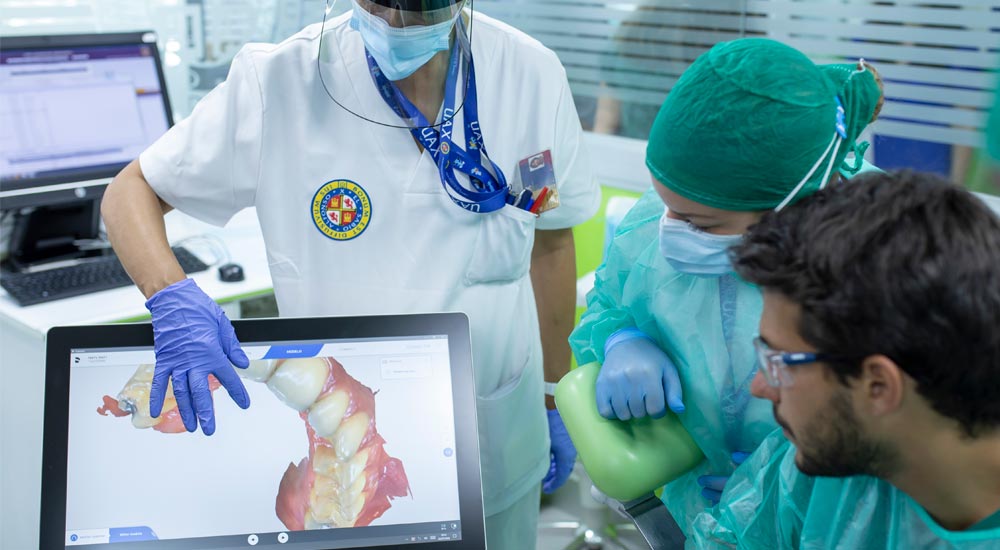
Objectives Students will acquire the skills to operate digital printing systems and capture facial scans. They will also gain knowledge of the techniques and principles of photogrammetry, as well as familiarity with navigation-guided surgery. They will be trained in planning prosthetic restorations using digital design systems and will develop skills in the design and manufacture of guides for guided surgery. Furthermore, students will explore simulation and augmented reality techniques, broadening their understanding of advanced tools used in the field of dentistry. Competencies BASIC AND GENERAL To compile and prepare a comprehensive clinical history specific to the specialism under study, containing all relevant information. Understand the fundamentals of the basic disciplines (anatomy, pharmacology, periodontology, surgery, occlusion, aesthetics) as they apply to treatment with dental implants. Understand the surgical technique for implant placement in different clinical situations. CG8 – Be able to contribute to scientific development related to the various specialities studied. Possess and understand knowledge that provides a foundation or opportunity for originality in the development and/or application of ideas, often within a research context Students should be able to apply the knowledge acquired and their problem-solving skills in new or unfamiliar settings within broader (or multidisciplinary) contexts related to their field of study Students should be able to integrate knowledge and tackle the complexity of forming judgements based on information which, whilst incomplete or limited, includes reflections on the social and ethical responsibilities associated with the application of their knowledge and judgements Students should be able to communicate their conclusions and the underlying knowledge and reasoning to specialist and non-specialist audiences in a clear and unambiguous manner Students should possess the learning skills that enable them to continue their studies in a manner that will be largely self-directed or autonomous. 2) SPECIFIC Apply physiological knowledge and advanced medical and surgical techniques within a cutting-edge technological context To anticipate and resolve the most common errors in implant-supported prosthodontic treatment. To equip students to review, sequence, selection and analysis of articles published in scientific journals relating to the relevant specialism(s), delving deeper into the analysis and interpretation of published data, integrating this with what they have learnt, and putting it into practice where appropriate in response to the clinical cases encountered Ability to implement, in each stage of the process—from initial consultation and diagnosis through to the development, discussion and execution of the treatment plan—the latest cutting-edge technological tools, based on preliminary theoretical and pre-clinical knowledge, with a view to subsequently applying them in clinical practice. Learning outcomes To be able to use digital impression systems and facial registration techniques. Understand the techniques and fundamentals of photogrammetry. Plan prosthetic restorations using digital design systems. Design and learn to fabricate guided surgery guides. Understand the technique of navigated surgery. Understand simulation and augmented reality techniques. Course content 1. Scientific databases and specialist scientific literature. 2. Digital printing systems and facial impressions. 3. Guided surgery, splint fabrication and prosthetically guided planning 4. Navigation systems 5. Photogrammetry and immediate loading 6. Virtual reality and augmented reality systems. Training activities Lecture-based module 30 hours 100% face-to-face Online seminar 20 hours 100% attendance required Individual and group tutorials: 10 hours 100% attendance required Assessment: 2 hours 100% attendance required Independent study 58 hours Laboratory practicals: 30 hours 100% attendance required Assessment system and criteria Without prejudice to any other requirements that may be set out in the relevant course syllabus, as a general rule, failure to attend more than 80 per cent of the course’s teaching activities—which require the student’s physical or virtual presence—will result in the loss of the right to continuous assessment during the standard examination period. In this case, the examination to be held during the official period set by the University will be the sole assessment criterion, with the weighting specified in the course syllabus. ---- Presentation of Oral and Written Assignments 25% Written and/or oral examination on theoretical knowledge 75% Addendum BIBLIOGRAPHY 1. Aragoneses, J.M. Clinical teaching cases in implantology, periodontology and oral surgery. (2022). 2. Donado Rodríguez, M. Oral surgery: pathology and technique. Barcelona: Elsevier Masson. (2019). 3. Siervo, S. Suture techniques in oral surgery. Barcelona: Quintessence. (2009). 4. Berini, L. Dental anaesthesia. Madrid: Avances Médico-Dentales. (2001). 5. Bagán Sebastian, JV. Oral Medicine. Valencia: Medicina Oral. (2010). 6. Norton, N.S. Head and Neck Anatomy for Dentists. Barcelona: Elsevier Masson. (2018). 7. Hupp, J.R. Contemporary Oral and Maxillofacial Surgery. Saint Louis: Mosby Elsevier. (2014). 8. Misch, C.E. Contemporary Implantology. Madrid: Mosby/Doyma Libros 7. (2009). 9. Peñarrocha Diago, M., Peñarrocha Diago, M., Aloy Prósper, A. Surgical Atlas of Oral Implantology. Majadahonda: Ergon. (2013). 10. Lindhe, J. Clinical Periodontology and Dental Implantology. Buenos Aires: Médica Panamericana. (2017). 11. Block, M.S. Colour Atlas of Dental Implant Surgery. Madrid: Editorial Médica Panamericana. (2003). 12. Bullón Fernández, P. Dental Treatment for Special Patients. Madrid: Laboratorios Normon. (2004). 13. Singh, P.P. Atlas of Oral Implantology. Missouri: Mosby Elsevier. (2010). 14. Gay Escola, C. Treatise on Oral Surgery. Madrid: Ergón. (2011). 15. Deporter, D., Cullum, D. Minimally Invasive Implant Surgery. Barcelona: Elsevier. (2017). 16. Yuan, Q. Dental Implant Treatment in Medically Compromised Patients. Cham: Springer International Publishing: Imprint: Springer. (2020). 17. Peñarrocha-Diago, M., Covani, U., Cuadrado, L. Atlas of Immediate Dental Implant Loading. Cham: Springer International Publishing: Imprint: Springer. (2019). 18. Martínez González, J.M. Anaesthetics and Locoregional Techniques in Dentistry. Madrid: Laboratorios Normon. (2011). Scientific journals: • Journal of the Illustrious General Council of Colleges of Dentists and Stomatologists (RCOE). http://scielo.isciii.es/scielo.php?pid=1138-123X&script=sci_serial • Advances in Odontostomatology. www.ediciones-avances.com • Oral Medicine http://www.uv.es/medicina-oral/ • International Journal of Oral and Maxillofacial Implants http://www.quintpub.com/journals/omi/gp.htm • Journal of Oral and Maxillofacial Surgery http://www2.joms.org* • Clinical Oral Implant Research http://www.blackwellpublishing.com/journal.asp?ref=0905-7161* • Implant Dentistry http://www.implantdent.org* • Journal of Periodontology http://www.perio.org • Journal of Clinical Periodontology http://www.journals.munksgaard.dk/clinicalperiodontology • Journal of Periodontal Research http://www.blackwellpublishing.com/journal.asp?ref=0022-348 • Periodontology 2000 http://www.journals.munksgaard.dk.perio2000 • Oral Surgery, Oral Medicine and Oral Pathology http://www.elsevier.com/wps/find/journaldescription.cws_home/623240/description#description Journal of Oral Pathology http://www.blackwellpublishing.com/journal.asp?ref=0904-2512 |
|||||||||||||||||||||||||||||||||||||||||||||||||||
| M190104 | Clinic Reception: Digital Workflow | OB | 12 | ||||||||||||||||||||||||||||||||||||||||||||||||
Clinic Reception: Digital WorkflowCódigo: M190104 Imprimir Year 1. Annual module. Compulsory. 12 credits. Profesores
Objectives The programme focuses on providing detailed knowledge of the pathogenesis of various oral conditions, as well as an understanding and application of essential concepts for practice in oral implantology, implant-supported prosthodontics, periodontics and oral surgery. The aim is for students to be able to carry out comprehensive assessments of patients, taking into account their emotional, intellectual and social characteristics, using medical histories and intra- and extra-oral examinations. Furthermore, they are expected to learn how to confirm or rule out diagnoses through supplementary tests and to develop the skills to analyse and manage emergencies in oral surgery, periodontics, implantology and implant-supported prosthodontics. The course content includes theoretical foundations on the clinical reception of patients, case presentations, and the application of digital methodology in the collection and presentation of clinical data, including legal aspects such as the Organic Law on Data Protection (LOPD). The teaching methodology encompasses theoretical explanation, discussion of practical cases, guidance, clarification of queries, study, literature reviews, and the completion of oral and written assessments, as well as the practical application of the knowledge acquired. The competencies to be developed include the ability to obtain and compile advanced clinical records, facilitate diagnostic assessment and interdisciplinary treatment planning, apply knowledge in new or multidisciplinary settings, communicate conclusions clearly, and demonstrate independent learning skills. Furthermore, students are expected to acquire specific competencies, such as the application of medical and surgical knowledge in an advanced technological context, an understanding of patients’ emotional, intellectual and social characteristics; the comprehensive assessment of patients; the confirmation or ruling out of diagnoses using supplementary tests; an understanding of the pathogenesis of oral conditions; and the ability to analyse and manage emergencies in various areas of dentistry. Competencies BASIC AND GENERAL To obtain and compile a comprehensive clinical history specific to the specialism under study, containing all relevant information. Be able to facilitate the diagnostic assessment and interdisciplinary treatment plan, encompassing the fields of surgery and prosthodontics. Possess and understand knowledge that provides a foundation or opportunity for originality in the development and/or application of ideas, often within a research context Students should be able to apply the knowledge they have acquired and their problem-solving skills in new or unfamiliar settings within broader (or multidisciplinary) contexts related to their field of study Students should be able to integrate knowledge and address the complexity of making judgements based on information which, whilst incomplete or limited, includes reflections on the social and ethical responsibilities associated with the application of their knowledge and judgements Students should be able to communicate their conclusions and the underlying knowledge and reasoning to specialist and non-specialist audiences in a clear and unambiguous manner Students should possess the learning skills that enable them to continue their studies in a manner that will be largely self-directed or autonomous. 2) SPECIFIC To apply physiological knowledge and advanced medical and surgical techniques within a cutting-edge technological context Understand the patient’s emotional, intellectual and social characteristics and how these relate to their clinical condition. Understand and carry out a comprehensive assessment of the patient through the medical history and intra- and extra-oral examination. To learn how to confirm or rule out a diagnosis using supplementary tests. Understand the pathogenesis of the various conditions affecting the oral cavity and their stages. To analyse and manage emergencies in oral surgery, periodontics, implantology and implant-supported prosthetics. Learning outcomes 1. Understand the pathogenesis of the various conditions affecting the oral cavity and their stages. 2. To understand and apply the necessary and essential prior knowledge in the development and practice of oral implantology, implant-supported prosthodontics, periodontics and oral surgery. 3. Be able to assess the patient’s emotional, intellectual and social characteristics and how these relate to their clinical condition. 4. Be able to carry out a comprehensive assessment of the patient through their medical history and intra- and extra-oral examination. 5. To learn how to confirm or rule out a diagnosis using supplementary tests. 6. Be able to analyse and manage emergencies relating to oral surgery, periodontics, implants and implant-supported prostheses. Course content 1. Theoretical foundations of patient reception in clinical practice 2. Clinical Reception of Patients. 3. Case presentations 4. Theoretical and practical digital methodology for reception, data collection and case presentation. 5. Organic Law on Data Protection (LOPD) Training activities Lecture 20 hours 100% face-to-face Seminars 15 hours 100% face-to-face attendance Individual and group tutorials: 5 hours 100% face-to-face Assessment 2 hours 100% face-to-face Independent study 28 hours Clinical placement: 230 hours 100% face-to-face Assessment system and criteria Without prejudice to any other requirements that may be specified in the relevant course syllabus, as a general rule, failure to attend more than 80 per cent of the course’s teaching activities—which require the student’s physical or virtual presence—will result in the loss of the right to continuous assessment during the standard examination period. In this case, the examination to be held during the official period set by the University will be the sole assessment criterion, with the corresponding weighting as specified in the course syllabus. ---- Presentation of clinical cases 15% On-site assessment of clinical reception practice 70% Theoretical and practical examination of the training undertaken 15% Appendix BIBLIOGRAPHY 1. Aragoneses, J.M. Teaching clinical cases in implantology, periodontology and oral surgery. (2022). 2. Donado Rodríguez, M. Oral surgery: pathology and technique. Barcelona: Elsevier Masson. (2019). 3. Siervo, S. Suture techniques in oral surgery. Barcelona: Quintessence. (2009). 4. Berini, L. Dental anaesthesia. Madrid: Avances Médico-Dentales. (2001). 5. Bagán Sebastian, JV. Oral Medicine. Valencia: Medicina Oral. (2010). 6. Norton, N.S. Head and Neck Anatomy for Dentists. Barcelona: Elsevier Masson. (2018). 7. Hupp, J.R. Contemporary Oral and Maxillofacial Surgery. Saint Louis: Mosby Elsevier. (2014). 8. Misch, C.E. Contemporary Implantology. Madrid: Mosby/Doyma Libros 7. (2009). 9. Peñarrocha Diago, M., Peñarrocha Diago, M., Aloy Prósper, A. Surgical Atlas of Oral Implantology. Majadahonda: Ergon. (2013). 10. Lindhe, J. Clinical Periodontology and Dental Implantology. Buenos Aires: Médica Panamericana. (2017). 11. Block, M.S. Colour Atlas of Dental Implant Surgery. Madrid: Editorial Médica Panamericana. (2003). 12. Bullón Fernández, P. Dental Treatment for Special Patients. Madrid: Laboratorios Normon. (2004). 13. Singh, P.P. Atlas of Oral Implantology. Missouri: Mosby Elsevier. (2010). 14. Gay Escola, C. Treatise on Oral Surgery. Madrid: Ergón. (2011). 15. Deporter, D., Cullum, D. Minimally Invasive Implant Surgery. Barcelona: Elsevier. (2017). 16. Yuan, Q. Dental Implant Treatment in Medically Compromised Patients. Cham: Springer International Publishing: Imprint: Springer. (2020). 17. Peñarrocha-Diago, M., Covani, U., Cuadrado, L. Atlas of Immediate Dental Implant Loading. Cham: Springer International Publishing: Imprint: Springer. (2019). 18. Martínez González, J.M. Anaesthetics and Locoregional Techniques in Dentistry. Madrid: Laboratorios Normon. (2011). Scientific journals: • Journal of the Illustrious General Council of Colleges of Dentists and Stomatologists (RCOE). http://scielo.isciii.es/scielo.php?pid=1138-123X&script=sci_serial • Advances in Odontostomatology. www.ediciones-avances.com • Oral Medicine http://www.uv.es/medicina-oral/ • International Journal of Oral and Maxillofacial Implants http://www.quintpub.com/journals/omi/gp.htm • Journal of Oral and Maxillofacial Surgery http://www2.joms.org* • Clinical Oral Implant Research http://www.blackwellpublishing.com/journal.asp?ref=0905-7161* • Implant Dentistry http://www.implantdent.org* • Journal of Periodontology http://www.perio.org • Journal of Clinical Periodontology http://www.journals.munksgaard.dk/clinicalperiodontology • Journal of Periodontal Research http://www.blackwellpublishing.com/journal.asp?ref=0022-348 • Periodontology 2000 http://www.journals.munksgaard.dk.perio2000 • Oral Surgery, Oral Medicine and Oral Pathology http://www.elsevier.com/wps/find/journaldescription.cws_home/623240/description#description Journal of Oral Pathology http://www.blackwellpublishing.com/journal.asp?ref=0904-2512 |
|||||||||||||||||||||||||||||||||||||||||||||||||||
| M190105 | Advanced Literature Review and Research Methodology | OB | 6 | ||||||||||||||||||||||||||||||||||||||||||||||||
Advanced Literature Review and Research MethodologyCódigo: M190105 Imprimir Year 1. Annual module. Compulsory. 6 credits. Profesores
Objectives Students should acquire the ability to review, sequence, select and analyse articles published in scientific journals within their specialism or related specialisms, with a view to subsequently integrating this knowledge, underpinned by scientific evidence, into their clinical practice. Assessment criteria: Presentation of Literature Reviews Preparation and defence of oral and/or written papers and presentations at scientific forums within the specialism Competencies BASIC AND GENERAL Understanding the fundamentals of the basic disciplines (anatomy, pharmacology, periodontology, surgery, occlusion, aesthetics) as applied to dental implant treatment. Be able to contribute to scientific development in the various specialities studied. Possess and understand knowledge that provides a basis or opportunity for originality in the development and/or application of ideas, often within a research context Students should be able to apply the knowledge acquired and their problem-solving skills in new or unfamiliar environments within broader (or multidisciplinary) contexts related to their field of study Students should be able to integrate knowledge and tackle the complexity of forming judgements based on information which, whilst incomplete or limited, includes reflections on the social and ethical responsibilities associated with the application of their knowledge and judgements Students should be able to communicate their conclusions and the underlying knowledge and reasoning to specialist and non-specialist audiences in a clear and unambiguous manner Students should possess the learning skills that enable them to continue their studies in a manner that will be largely self-directed or autonomous. 2) SPECIFIC Ability to review, sequence, select and analyse articles published in scientific journals in the specialism or related specialisms. Learning outcomes Is able to review, sequence, select and analyse articles published in scientific journals in the specialism or related specialisms. They are able to present the results of the literature review effectively and coherently Description of the content CONTENT 1. Use of scientific databases and specialist scientific literature (Scientific articles on the subjects of oral surgery, periodontics and oral implantology. Given their content, these are considered essential for understanding these specialities, which are so closely linked to oral implantology) 2. Foundations for conducting a meta-analysis for research purposes. Training activities Lecture: 15 hours, 100% face-to-face Seminars: 30 hours, 100% face-to-face Individual and group tutorials: 12 hours, 100% face-to-face Assessment 6 hours 100% face-to-face Independent study 88 hours Assessment system and criteria Without prejudice to any other requirements that may be specified in the relevant course syllabus, as a general rule, failure to attend more than 80 per cent of the course’s teaching activities—which require the student’s physical or virtual presence—will result in the loss of the right to continuous assessment during the standard examination period. In this case, the examination to be held during the official period set by the University will be the sole assessment criterion, with the weighting specified in the course syllabus. ---- Submission of Literature Reviews 75% Preparation and defence of papers and oral and/or written presentations at scientific forums within the specialism 25% Addendum BIBLIOGRAPHY 1. Cabello JB. Critical Reading of Clinical Evidence. Elsevier; 2nd ed. Barcelona: Elsevier; 2022. ISBN: 9788490224472. 2. Eco U. How to Write a Thesis. 6th ed. Gedisa, S.A.; 2001. ISBN: 9788474328967. 3. Polit DF, Hungler B. Scientific Research in Health Sciences. McGraw-Hill Interamericana; 2000. ISBN: 970102690X. 4. Polgar S, Thomas SA. An Introduction to Health Sciences Research. Elsevier; 2021. ISBN: 9788490227565. 5. Carrasco Gómez G, Pallarés Martí A. Publish or Perish: A Guide to Writing and Publishing Articles in the Health Sciences. Elsevier; 2017. ISBN: 978-8491132479. 6. Argimón Pallas JM. Clinical and epidemiological research methods. Madrid: Elsevier; 2004. 7. Ramon JM. Research Methods in Dentistry: Scientific Foundations and Applications of Clinical Research Design in Mental Illness. Barcelona: Masson; 2000. |
|||||||||||||||||||||||||||||||||||||||||||||||||||
| M190107 | Pre-clinical workshops and clinical case presentations | OB | 3 | ||||||||||||||||||||||||||||||||||||||||||||||||
Pre-clinical workshops and clinical case presentationsCódigo: M190107 Imprimir Year 1. Annual module. Compulsory. 3 credits. Profesores
Objectives The learning outcomes of this programme focus on the acquisition of manual skills for clinical techniques and procedures, the ability to develop a comprehensive view of a treatment plan, the effective documentation of clinical cases and the proposal of appropriate solutions. The content includes the study of clinical cases, the presentation of treatment plans and practical workshops. The methodology involves lectures, seminars, tutorials and assessments, with an emphasis on the practical application of knowledge. The general competencies are geared towards compiling advanced clinical records, understanding surgical techniques and integrating knowledge within multidisciplinary settings. Specific competences include the development of manual skills, the effective presentation of clinical cases and the ability to assess and propose treatments. Assessment is carried out through the ‘on-site’ evaluation of practical work and the oral presentation and defence of proposed treatments. Competencies BASIC AND GENERAL To obtain and compile an advanced clinical history specific to the specialism under study, containing all relevant information. Understand the surgical technique for placing implants in different clinical situations. Be competent in the application of the various techniques for prosthetic rehabilitation on osseointegrated implants. Students should be able to apply the knowledge they have acquired and their problem-solving skills in new or unfamiliar settings within broader (or multidisciplinary) contexts related to their field of study Students should be able to integrate knowledge and tackle the complexity of forming judgements based on information which, whilst incomplete or limited, includes reflections on the social and ethical responsibilities associated with the application of their knowledge and judgements Students should be able to communicate their conclusions and the underlying knowledge and reasoning to specialist and non-specialist audiences in a clear and unambiguous manner Students should possess the learning skills that enable them to continue their studies in a manner that will be largely self-directed or autonomous. 2) SPECIFIC To develop manual dexterity in clinical techniques and procedures that will subsequently be applied to patients. Ability to present clinical cases and gain an overall understanding of a treatment plan. Learning outcomes 1. Be able to acquire the manual skills required for clinical techniques and procedures that will subsequently be applied to patients. 2. Be able to gain a comprehensive overview of a treatment plan. 3. Be able to document a clinical case using clinical photographs, as well as periodontal charts and X-rays 4. Be able to propose the best solution and the correct treatment. Course content 1. Study of clinical cases 2. Presentation of treatment plans Training activities Lecture: 18 hours, 100% face-to-face Online seminar: 10 hours, 100% face-to-face Individual and group tutorials 5 hours 100% face-to-face Assessment 5 hours 100% face-to-face Independent study 27 hours 100% face-to-face Assessment system and criteria Without prejudice to any other requirements that may be set out in the relevant course syllabus, as a general rule, failure to attend more than 80 per cent of the course’s teaching activities—which require the student’s physical or virtual presence—will result in the loss of the right to continuous assessment during the standard examination period. In this case, the examination to be held during the official period set by the University will be the sole assessment criterion, with the weighting specified in the course syllabus. ---- On-site assessment of practical workshop assignments 50% Presentation and oral defence of the proposed treatments 50% Addendum BIBLIOGRAPHY 1. Aragoneses, J.M. Clinical case studies in implantology, periodontology and oral surgery. (2022). 2. Donado Rodríguez, M. Oral surgery: pathology and technique. Barcelona: Elsevier Masson. (2019). 3. Siervo, S. Suture techniques in oral surgery. Barcelona: Quintessence. (2009). 4. Berini, L. Dental anaesthesia. Madrid: Avances Médico-Dentales. (2001). 5. Bagán Sebastian, JV. Oral Medicine. Valencia: Medicina Oral. (2010). 6. Norton, N.S. Head and Neck Anatomy for Dentists. Barcelona: Elsevier Masson. (2018). 7. Hupp, J.R. Contemporary Oral and Maxillofacial Surgery. Saint Louis: Mosby Elsevier. (2014). 8. Misch, C.E. Contemporary Implantology. Madrid: Mosby/Doyma Libros 7. (2009). 9. Peñarrocha Diago, M., Peñarrocha Diago, M., Aloy Prósper, A. Surgical Atlas of Oral Implantology. Majadahonda: Ergon. (2013). 10. Lindhe, J. Clinical Periodontology and Dental Implantology. Buenos Aires: Médica Panamericana. (2017). 11. Block, M.S. Colour Atlas of Dental Implant Surgery. Madrid: Editorial Médica Panamericana. (2003). 12. Bullón Fernández, P. Dental Treatment for Special Patients. Madrid: Laboratorios Normon. (2004). 13. Singh, P.P. Atlas of Oral Implantology. Missouri: Mosby Elsevier. (2010). 14. Gay Escola, C. Treatise on Oral Surgery. Madrid: Ergón. (2011). 15. Deporter, D., Cullum, D. Minimally Invasive Implant Surgery. Barcelona: Elsevier. (2017). 16. Yuan, Q. Dental Implant Treatment in Medically Compromised Patients. Cham: Springer International Publishing: Imprint: Springer. (2020). 17. Peñarrocha-Diago, M., Covani, U., Cuadrado, L. Atlas of Immediate Dental Implant Loading. Cham: Springer International Publishing: Imprint: Springer. (2019). 18. Martínez González, J.M. Anaesthetics and Local-Regional Techniques in Dentistry. Madrid: Laboratorios Normon. (2011). Scientific journals: • Journal of the Illustrious General Council of Colleges of Dentists and Stomatologists (RCOE). http://scielo.isciii.es/scielo.php?pid=1138-123X&script=sci_serial • Advances in Odontostomatology. www.ediciones-avances.com • Oral Medicine http://www.uv.es/medicina-oral/ • International Journal of Oral and Maxillofacial Implants http://www.quintpub.com/journals/omi/gp.htm • Journal of Oral and Maxillofacial Surgery http://www2.joms.org* • Clinical Oral Implant Research http://www.blackwellpublishing.com/journal.asp?ref=0905-7161* • Implant Dentistry http://www.implantdent.org* • Journal of Periodontology http://www.perio.org • Journal of Clinical Periodontology http://www.journals.munksgaard.dk/clinicalperiodontology • Journal of Periodontal Research http://www.blackwellpublishing.com/journal.asp?ref=0022-348 • Periodontology 2000 http://www.journals.munksgaard.dk.perio2000 • Oral Surgery, Oral Medicine and Oral Pathology http://www.elsevier.com/wps/find/journaldescription.cws_home/623240/description#description Journal of Oral Pathology http://www.blackwellpublishing.com/journal.asp?ref=0904-2512 |
|||||||||||||||||||||||||||||||||||||||||||||||||||
| M190108 | Oral Surgery, Medical Pathology, Joint Pathology and Clinical Periodontology I | OB | 15 | ||||||||||||||||||||||||||||||||||||||||||||||||
Oral Surgery, Medical Pathology, Joint Pathology and Clinical Periodontology ICódigo: M190108 Imprimir Year 1. Annual module. Compulsory. 15 credits. Profesores
Objectives Professionals trained in this subject demonstrate advanced skills in carrying out specialised treatments on hard and soft tissues, facilitating and improving complex situations before or during the placement of implants in the jaws, and ensuring their proper maintenance. Furthermore, they possess the skills to 1) prepare an optimal site for implant placement in an optimal position to achieve a favourable restoration, and 2) prepare periodontal tissues, restore and maintain their health. They are also able to effectively diagnose and treat co-existing oral or systemic medical conditions, and to assess the temporomandibular joint before clinical intervention, stabilising or treating any existing condition in accordance with the rehabilitation plan. Competencies GENERAL COMPETENCIES CG1 – To obtain and compile a comprehensive clinical history specific to the specialism under study, containing all relevant information. CG4 – Be familiar with the surgical technique for placing implants in different clinical situations. CG8 - Be capable of contributing to scientific advancement in the various specialities studied. CB6 - Possess and understand knowledge that provides a basis or opportunity for originality in the development and/or application of ideas, often within a research context CB7 - Students should be able to apply the knowledge they have acquired and their problem-solving skills in new or unfamiliar settings within broader (or multidisciplinary) contexts related to their field of study CB8 – Students should be able to integrate knowledge and address the complexity of making judgements based on information that, whilst incomplete or limited, includes reflections on the social and ethical responsibilities associated with the application of their knowledge and judgements CB9 - Students should be able to communicate their conclusions and the underlying knowledge and reasoning to specialist and non-specialist audiences clearly and unambiguously CB10 - Students should possess the learning skills that enable them to continue their studies in a manner that will be largely self-directed or autonomous. SPECIFIC COMPETENCIES CE5 – To acquire sufficient surgical skill for the proper management of hard and soft tissues, enabling the student both to correctly place dental implants in the jaw and to maintain them appropriately. CE6 – Ability to prepare periodontal tissues and to restore and maintain their health. CE7 – The ability to motivate the patient to engage with their treatment and to attend regular check-ups and carry out the necessary oral hygiene techniques. CE8 - To understand the patient’s emotional, intellectual and social characteristics and how these relate to their clinical condition. CE9 - To understand and carry out a comprehensive assessment of the patient through their medical history and intra- and extra-oral examination. CE10 – Learn to confirm or rule out a diagnosis using supplementary tests. CE11 - Understand the pathogenesis of the various conditions affecting the oral cavity and their stages. CE12 – Analyse and manage emergencies relating to oral surgery, periodontics, implants and implant-supported prostheses. Learning outcomes Understand the foundations of optimal peri-implant health. Be able to achieve optimal peri-implant health and verify that it is maintained in the patient. To manage surgical situations occurring prior to or concurrently with implant placement. To distinguish between co-existing medical conditions and/or medical factors that influence rehabilitation planning and management, and to treat these beforehand. To recognise arthropathies and/or joint conditions, aiming for physiological restoration that enables the patient to achieve optimal function. Description of the content 1. Clinical foundations of peri-implant health 2. Carry out the planned clinical treatments 3. Diagnosis of, and previous and/or current treatment for, any coexisting oral or systemic medical conditions presented by the patient. 4. Diagnosis of the temporomandibular joint condition prior to clinical intervention. 5. Stabilisation and treatment of the existing condition in accordance with the planned rehabilitation. Training activities Virtual seminar Individual and group tutorials Assessment Independent work Clinical placement Assessment system and criteria On-site assessment of the student’s clinical practice Minimum/maximum weighting 85% Written and/or oral examination on clinical work and prior knowledge Weighting: minimum/maximum 15% Appendix Aragoneses, J.M. Teaching clinical cases in implantology, periodontology and oral surgery. (2022). Donado Rodríguez, M. Oral surgery: pathology and technique. Barcelona: Elsevier Masson. (2019). Siervo, S. Suture techniques in oral surgery. Barcelona: Quintessence. (2009). Berini, L. Dental anaesthesia. Madrid: Avances Médico-Dentales. (2001). Bagán Sebastian, JV. Oral Medicine. Valencia: Medicina Oral. (2010). Norton, N.S. Head and Neck Anatomy for Dentists. Barcelona: Elsevier Masson. (2018). Hupp, J.R. Contemporary Oral and Maxillofacial Surgery. Saint Louis: Mosby Elsevier. (2014). Misch, C.E. Contemporary Implantology. Madrid: Mosby/Doyma Libros 7. (2009). Peñarrocha Diago, M., Peñarrocha Diago, M., Aloy Prósper, A. Surgical Atlas of Oral Implantology. Majadahonda: Ergon. (2013). Lindhe, J. Clinical Periodontology and Dental Implantology. Buenos Aires: Médica Panamericana. (2017). Block, M.S. Colour Atlas of Dental Implant Surgery. Madrid: Editorial Médica Panamericana. (2003). Bullón Fernández, P. Dental Treatment for Special Patients. Madrid: Laboratorios Normon. (2004). Singh, P.P. Atlas of Oral Implantology. Missouri: Mosby Elsevier. (2010). Gay Escola, C. A Treatise on Oral Surgery. Madrid: Ergón. (2011). Deporter, D., Cullum, D. Minimally Invasive Implant Surgery. Barcelona: Elsevier. (2017). Yuan, Q. Dental Implant Treatment in Medically Compromised Patients. Cham: Springer International Publishing: Imprint: Springer. (2020). Peñarrocha-Diago, M., Covani, U., Cuadrado, L. Atlas of Immediate Dental Implant Loading. Cham: Springer International Publishing: Imprint: Springer. (2019). Martínez González, J.M. Anaesthetics and Local-Regional Techniques in Dentistry. Madrid: Laboratorios Normon. (2011). Scientific journals: • Journal of the Illustrious General Council of Colleges of Dentists and Stomatologists (RCOE). http://scielo.isciii.es/scielo.php?pid=1138-123X&script=sci_serial • Advances in Odontostomatology. www.ediciones-avances.com • Oral Medicine http://www.uv.es/medicina-oral/ • International Journal of Oral and Maxillofacial Implants http://www.quintpub.com/journals/omi/gp.htm • Journal of Oral and Maxillofacial Surgery http://www2.joms.org* • Clinical Oral Implant Research http://www.blackwellpublishing.com/journal.asp?ref=0905-7161* • Implant Dentistry http://www.implantdent.org* • Journal of Periodontology http://www.perio.org • Journal of Clinical Periodontology http://www.journals.munksgaard.dk/clinicalperiodontology • Journal of Periodontal Research http://www.blackwellpublishing.com/journal.asp?ref=0022-348 • Periodontology 2000 http://www.journals.munksgaard.dk.perio2000 • Oral Surgery, Oral Medicine and Oral Pathology http://www.elsevier.com/wps/find/journaldescription.cws_home/623240/description#description Journal of Oral Pathology http://www.blackwellpublishing.com/journal.asp?ref=0904-2512 |
|||||||||||||||||||||||||||||||||||||||||||||||||||
| TOTAL: | 60 | ||||||||||||||||||||||||||||||||||||||||||||||||||
Second Year
ANNUAL SUBJECTS
| Code | Subjects | Character* | ECTS | ||||||||||||||||||||||||||||||||||||||
|---|---|---|---|---|---|---|---|---|---|---|---|---|---|---|---|---|---|---|---|---|---|---|---|---|---|---|---|---|---|---|---|---|---|---|---|---|---|---|---|---|---|
| M290102 | Oral Implantology, Advanced Diagnosis and Treatment: Digital Workflow | OB | 6 | ||||||||||||||||||||||||||||||||||||||
Oral Implantology, Advanced Diagnosis and Treatment: Digital WorkflowCódigo: M290102 Imprimir Year 2. Annual module. Compulsory. 6 credits. Profesores
Objectives Students on this course will develop the ability to carry out advanced diagnostics and treatments in oral implantology. Furthermore, they will acquire the skills to integrate the sequencing of multidisciplinary treatments, from the patient’s initial consultation through to clinical, photographic and radiological analysis. They will also be prepared to address and resolve common complications in the field of implantology, applying effective treatment strategies. They will routinely apply digital methodologies and tools throughout all phases of advanced diagnosis and treatment, demonstrating their competence in the use of digital technologies applied to clinical practice in this field. Competencies The ability to facilitate diagnostic assessment and an interdisciplinary treatment plan, spanning the fields of surgery and prosthodontics. Be familiar with the surgical techniques for placing implants in different clinical situations. Be competent in the application of different techniques for prosthetic rehabilitation on osseointegrated implants. To carry out the monitoring and follow-up of patients who have undergone prosthetic rehabilitation using implants. Optimise resources whilst striving to provide patients with high-quality scientific and clinical care at the University Dental Clinic of Alfonso X el Sabio University. To be able to advance scientific development related to the various specialities studied. Possess and understand knowledge that provides a foundation or opportunity for originality in the development and/or application of ideas, often within a research context Students should be able to apply the knowledge they have acquired and their problem-solving skills in new or unfamiliar settings within broader (or multidisciplinary) contexts related to their field of study Students should be able to integrate knowledge and tackle the complexity of forming judgements based on information which, whilst incomplete or limited, includes reflections on the social and ethical responsibilities associated with the application of their knowledge and judgements Students should be able to communicate their conclusions and the underlying knowledge and reasoning to specialist and non-specialist audiences in a clear and unambiguous manner Students should possess the learning skills that enable them to continue their studies in a manner that will, to a large extent, be self-directed or autonomous. 2) SPECIFIC OBJECTIVES To equip students with the ability to carry out advanced diagnosis and treatment in Oral Implantology, enabling them to manage the most complex cases. To acquire the ability to plan the sequence of multidisciplinary treatment for a case, from the moment the patient is seen through to their clinical, photographic and radiological assessment. Learning outcomes 1. Is able to carry out advanced diagnosis and treatment in Oral Implantology. 2. Is able to integrate the sequencing of the multidisciplinary treatment plan for a case, from the patient’s initial consultation through to their clinical, photographic and radiological assessment. 3. Is able to resolve common complications in implantology and manage their treatment. 4. Is able to routinely use digital methodology and tools throughout all phases of the patient’s diagnosis and advanced treatment. Course content 1. Application of techniques in Oral Implantology 2. Advanced oral implantology 3. Common complications in implantology and their treatment 4. Long-term maintenance and follow-up 5. Implementation of digital technology and methodology at all stages, from the initial consultation through to the maintenance phases of treatment. Training activities Masterclass 15 hours 100% face-to-face Online seminar: 10 hours, 0% face-to-face attendance Individual and group tutorials: 5 hours, 100% face-to-face Assessment 5 hours 100% face-to-face Independent study 15 hours Clinical placement: 100 hours, 100% face-to-face Assessment system and criteria Without prejudice to any other requirements that may be specified in the relevant course syllabus, as a general rule, failure to attend more than 80 per cent of the course’s teaching activities requiring the student’s physical or virtual presence will result in the loss of the right to continuous assessment during the standard examination period. In this case, the examination to be held during the official period set by the University will be the sole assessment criterion, with the weighting specified in the course syllabus. ---- Oral and Written Assignments 15% Theoretical and practical examination 15% Grade for External Placement Report 70% Appendix BIBLIOGRAPHY 1. Aragoneses, J.M. Clinical teaching cases in implantology, periodontics and oral surgery. (2022). 2. Donado Rodríguez, M. Oral surgery: pathology and technique. Barcelona: Elsevier Masson. (2019). 3. Siervo, S. Suture techniques in oral surgery. Barcelona: Quintessence. (2009). 4. Berini, L. Dental anaesthesia. Madrid: Avances Médico-Dentales. (2001). 5. Bagán Sebastian, JV. Oral Medicine. Valencia: Medicina Oral. (2010). 6. Norton, N.S. Head and Neck Anatomy for Dentists. Barcelona: Elsevier Masson. (2018). 7. Hupp, J.R. Contemporary Oral and Maxillofacial Surgery. Saint Louis: Mosby Elsevier. (2014). 8. Misch, C.E. Contemporary Implantology. Madrid: Mosby/Doyma Libros 7. (2009). 9. Peñarrocha Diago, M., Peñarrocha Diago, M., Aloy Prósper, A. Surgical Atlas of Oral Implantology. Majadahonda: Ergon. (2013). 10. Lindhe, J. Clinical Periodontology and Dental Implantology. Buenos Aires: Médica Panamericana. (2017). 11. Block, M.S. Colour Atlas of Dental Implant Surgery. Madrid: Editorial Médica Panamericana. (2003). 12. Bullón Fernández, P. Dental Treatment for Special Patients. Madrid: Laboratorios Normon. (2004). 13. Singh, P.P. Atlas of Oral Implantology. Missouri: Mosby Elsevier. (2010). 14. Gay Escola, C. Treatise on Oral Surgery. Madrid: Ergón. (2011). 15. Deporter, D., Cullum, D. Minimally Invasive Implant Surgery. Barcelona: Elsevier. (2017). 16. Yuan, Q. Dental Implant Treatment in Medically Compromised Patients. Cham: Springer International Publishing: Imprint: Springer. (2020). 17. Peñarrocha-Diago, M., Covani, U., Cuadrado, L. Atlas of Immediate Dental Implant Loading. Cham: Springer International Publishing: Imprint: Springer. (2019). 18. Martínez González, J.M. Anaesthetics and Locoregional Techniques in Dentistry. Madrid: Laboratorios Normon. (2011). Scientific journals: • Journal of the Illustrious General Council of Colleges of Dentists and Stomatologists (RCOE). http://scielo.isciii.es/scielo.php?pid=1138-123X&script=sci_serial • Advances in Odontostomatology. www.ediciones-avances.com • Oral Medicine http://www.uv.es/medicina-oral/ • International Journal of Oral and Maxillofacial Implants http://www.quintpub.com/journals/omi/gp.htm • Journal of Oral and Maxillofacial Surgery http://www2.joms.org* • Clinical Oral Implant Research http://www.blackwellpublishing.com/journal.asp?ref=0905-7161* • Implant Dentistry http://www.implantdent.org* • Journal of Periodontology http://www.perio.org • Journal of Clinical Periodontology http://www.journals.munksgaard.dk/clinicalperiodontology • Journal of Periodontal Research http://www.blackwellpublishing.com/journal.asp?ref=0022-348 • Periodontology 2000 http://www.journals.munksgaard.dk.perio2000 • Oral Surgery, Oral Medicine and Oral Pathology http://www.elsevier.com/wps/find/journaldescription.cws_home/623240/description#description Journal of Oral Pathology http://www.blackwellpublishing.com/journal.asp?ref=0904-2512 |
|||||||||||||||||||||||||||||||||||||||||
| M290105 | Presentation of Clinical Cases | OB | 6 | ||||||||||||||||||||||||||||||||||||||
Presentation of Clinical CasesCódigo: M290105 Imprimir Year 2. Annual module. Compulsory. 6 credits. Profesores
Objectives To be able to summarise and present treatment plans carried out by the student, using visual material collected throughout all stages of treatment. To demonstrate the competence to deliver clinical presentations suitable for national and international events related to the relevant disciplines. Competencies To obtain and compile a comprehensive clinical history specific to the specialism under study, containing all relevant information. To have the ability to facilitate the diagnostic assessment and interdisciplinary treatment plan, spanning the fields of surgery and prosthodontics. Be familiar with the surgical technique for implant placement in different clinical situations. Possess and understand knowledge that provides a basis or opportunity for originality in the development and/or application of ideas, often within a research context Students should be able to apply the knowledge they have acquired and their problem-solving skills in new or unfamiliar settings within broader (or multidisciplinary) contexts related to their field of study Students should be able to integrate knowledge and tackle the complexity of forming judgements based on information which, whilst incomplete or limited, includes reflections on the social and ethical responsibilities associated with the application of their knowledge and judgements Students should be able to communicate their conclusions and the underlying knowledge and reasoning to specialist and non-specialist audiences in a clear and unambiguous manner Students should possess the learning skills that enable them to continue their studies in a manner that will, to a large extent, be self-directed or autonomous. 2) SPECIFIC To be able to summarise and present treatment plans drawn up by second-year students, drawing on illustrative material gathered throughout all phases of treatment. Ability to prepare clinical presentations suitable for delivery at national and/or international forums in related fields. Learning outcomes 1. Be able to summarise and present treatment plans drawn up by second-year students, using illustrative material collected throughout all phases of treatment. 2. Be able to prepare clinical presentations suitable for delivery at national and/or international forums in related fields. Course content 1. Study of clinical cases 2. Presentation of treatment plans Training activities Lecture: 5 hours, 100% face-to-face Seminars: 22 hours, 100% face-to-face Individual and group tutorials: 12 hours, 100% face-to-face Assessment 12 hours 100% face-to-face Independent study 89 hours Clinical placement: 10 hours, 100% face-to-face Assessment system and criteria Without prejudice to any other requirements that may be specified in the relevant course syllabus, as a general rule, failure to attend more than 80 per cent of the course’s teaching activities—which require the student’s physical or virtual presence—will result in the loss of the right to continuous assessment during the standard examination period. In this case, the examination to be held during the official period set by the University will be the sole assessment criterion, with the weighting specified in the course syllabus. ---- Presentation of clinical cases 50% Presentation of Treatment Plans 50% Addendum BIBLIOGRAPHY 1. Aragoneses, J.M. Teaching clinical cases in implantology, periodontology and oral surgery. (2022). 2. Donado Rodríguez, M. Oral surgery: pathology and technique. Barcelona: Elsevier Masson. (2019). 3. Siervo, S. Suture techniques in oral surgery. Barcelona: Quintessence. (2009). 4. Berini, L. Dental anaesthesia. Madrid: Avances Médico-Dentales. (2001). 5. Bagán Sebastian, JV. Oral Medicine. Valencia: Medicina Oral. (2010). 6. Norton, N.S. Head and Neck Anatomy for Dentists. Barcelona: Elsevier Masson. (2018). 7. Hupp, J.R. Contemporary Oral and Maxillofacial Surgery. Saint Louis: Mosby Elsevier. (2014). 8. Misch, C.E. Contemporary Implantology. Madrid: Mosby/Doyma Libros 7. (2009). 9. Peñarrocha Diago, M., Peñarrocha Diago, M., Aloy Prósper, A. Surgical Atlas of Oral Implantology. Majadahonda: Ergon. (2013). 10. Lindhe, J. Clinical Periodontology and Dental Implantology. Buenos Aires: Médica Panamericana. (2017). 11. Block, M.S. Colour Atlas of Dental Implant Surgery. Madrid: Editorial Médica Panamericana. (2003). 12. Bullón Fernández, P. Dental Treatment for Special Patients. Madrid: Laboratorios Normon. (2004). 13. Singh, P.P. Atlas of Oral Implantology. Missouri: Mosby Elsevier. (2010). 14. Gay Escola, C. Treatise on Oral Surgery. Madrid: Ergón. (2011). 15. Deporter, D., Cullum, D. Minimally Invasive Implant Surgery. Barcelona: Elsevier. (2017). 16. Yuan, Q. Dental Implant Treatment in Medically Compromised Patients. Cham: Springer International Publishing: Imprint: Springer. (2020). 17. Peñarrocha-Diago, M., Covani, U., Cuadrado, L. Atlas of Immediate Dental Implant Loading. Cham: Springer International Publishing: Imprint: Springer. (2019). 18. Martínez González, J.M. Anaesthetics and Locoregional Techniques in Dentistry. Madrid: Laboratorios Normon. (2011). Scientific journals: • Journal of the Illustrious General Council of Colleges of Dentists and Stomatologists (RCOE). http://scielo.isciii.es/scielo.php?pid=1138-123X&script=sci_serial • Advances in Odontostomatology. www.ediciones-avances.com • Oral Medicine http://www.uv.es/medicina-oral/ • International Journal of Oral and Maxillofacial Implants http://www.quintpub.com/journals/omi/gp.htm • Journal of Oral and Maxillofacial Surgery http://www2.joms.org* • Clinical Oral Implant Research http://www.blackwellpublishing.com/journal.asp?ref=0905-7161* • Implant Dentistry http://www.implantdent.org* • Journal of Periodontology http://www.perio.org • Journal of Clinical Periodontology http://www.journals.munksgaard.dk/clinicalperiodontology • Journal of Periodontal Research http://www.blackwellpublishing.com/journal.asp?ref=0022-348 • Periodontology 2000 http://www.journals.munksgaard.dk.perio2000 • Oral Surgery, Oral Medicine and Oral Pathology http://www.elsevier.com/wps/find/journaldescription.cws_home/623240/description#description Journal of Oral Pathology http://www.blackwellpublishing.com/journal.asp?ref=0904-2512 |
|||||||||||||||||||||||||||||||||||||||||
| M290106 | Master’s Thesis | OB | 12 | ||||||||||||||||||||||||||||||||||||||
Master’s ThesisCódigo: M290106 Imprimir Year 2. Annual module. Compulsory. 12 credits. Profesores
Objectives To enable students to summarise and present, in writing, pathologies relevant to clinical practice, underpinning their therapeutic proposals with scientific evidence and case studies. Furthermore, the aim is for students to be able to carry out literature reviews that update and contextualise selected topics, justifying the current state of knowledge using scientifically verifiable facts. Students are also expected to be able to present the proposed topics publicly in a clear and concise manner, highlighting relevant conclusions. With regard to the written presentation of work, students are expected to use appropriate scientific language, draft titles, abstracts and keywords in English, and follow publication guidelines for dissemination in specific journals, courses or conferences. The teaching methodology includes theoretical explanations, the presentation and discussion of case studies, interactive distance learning via the virtual campus, and both oral and written assessments. General competencies range from compiling advanced medical records to optimising resources to provide high-quality care, whilst specific competencies focus on research skills, synthesis and effective communication within the scientific field. Assessment is carried out through the presentation and oral defence of proposed treatments and the on-site assessment of practical work. Competencies To obtain and compile an advanced clinical record specific to the specialism under study, containing all relevant information. Understand the fundamentals of the basic disciplines (anatomy, pharmacology, periodontology, surgery, occlusion, aesthetics) as applied to dental implant treatment. Be able to facilitate the diagnostic assessment and interdisciplinary treatment plan, encompassing the fields of surgery and prosthodontics. Understand the surgical technique for placing implants in different clinical situations. Be competent in the application of the various techniques for prosthetic rehabilitation on osseointegrated implants. To carry out the monitoring and follow-up of patients who have undergone prosthetic rehabilitation using implants. Optimise resources whilst striving to provide patients with high-quality scientific and clinical care at the University Dental Clinic of Alfonso X el Sabio University. To be able to advance scientific development related to the various specialities studied. Possess and understand knowledge that provides a foundation or opportunity for originality in the development and/or application of ideas, often within a research context Students should be able to apply the knowledge they have acquired and their problem-solving skills in new or unfamiliar settings within broader (or multidisciplinary) contexts related to their field of study Students should be able to integrate knowledge and tackle the complexity of forming judgements based on information which, whilst incomplete or limited, includes reflections on the social and ethical responsibilities associated with the application of their knowledge and judgements Students should be able to communicate their conclusions and the underlying knowledge and reasoning to specialist and non-specialist audiences in a clear and unambiguous manner Students should possess the learning skills that enable them to continue their studies in a manner that will be largely self-directed or independent. Learning outcomes 1. Be able to summarise, in a written assignment, one of the pathologies encountered in clinical practice which necessitates the constant updating of knowledge and the integration of such knowledge based on scientific evidence, presenting case studies that support the technique or procedure carried out and thereby justifying the proposed treatment. 2. To be able, in literature review assignments, to provide an up-to-date overview of the chosen topic, reviewing the literature retrospectively to the present day, and to justify the current situation on the basis of scientifically demonstrable facts. 3. Be able to present the proposed topic clearly and concisely in public, highlighting relevant conclusions. 4. Be able to present the work in writing, using scientific language appropriate to the chosen topic, and to draft the title, abstract and keywords in English for submission, in accordance with the publication guidelines of the journal, course or conference chosen for its dissemination. Description of the content 1. Initial proposal by the Research Project Supervisor and a preliminary outline of the research topic, as well as the procedure to be followed in supervising the development of the project. Definition of objectives and task planning 2. Literature review and documentation. Personalised support from the Research Project Supervisor to assist the student in obtaining the information required to successfully complete the project. Review, where appropriate, of the objectives initially set 3. The student’s own work, focused on gathering relevant data for subsequent analysis, report writing, searching for information in databases, analysing biomedical research articles and papers presented at national and international conferences, searching for documentation in patent databases, analysing technical reports, developing an experimental procedure (where applicable) and carrying out experiments (where applicable) 4. A critical analysis of the results obtained and the work carried out, which contributes to improving the field of research within which this research is situated. Detailed discussion of the relevant aspects of the research work and a proposal for its continuation or revision, under the supervision of the Thesis Supervisor. Drafting of the final document and drawing of conclusions. Training activities Lecture: 5 hours; 100% face-to-face attendance Individual and group tutorials: 24 hours; 100% face-to-face attendance Assessment 1 hour 100% attendance Independent study: 270 hours Assessment system and criteria Ongoing assessment by the Master’s thesis supervisor: The supervisor will issue a on suitability, and only those projects rated as ‘SATISFACTORY’ will be assessed by the examination board. (20 per cent) Written report or published work based on the research project: Assessment of the work may be carried out either through the submission of a report on the research project undertaken or through a Master’s Thesis submitted in the form of a publication: Submission of a published article (paper) in national or international journals with a minimum MIAR index level of 3 (or its equivalent in the JCR). (50%) Presentation and defence of the Master’s Thesis before an examination board (30%) The Master’s Thesis (TFM) must be an unpublished document, for which the student is solely responsible. The use of artificial intelligence (AI)-based tools in its preparation is restricted to auxiliary functions such as grammar checking, the generation of outlines or the search for general information. Any use of AI must be properly cited, specifying the tool used, its specific function and the point at which it was applied. The use of AI to draft substantial content, carry out critical analysis or interpret results compromises the originality and authorship of the thesis. Checks for plagiarism and/or the use of AI will be carried out using the tool provided on the virtual campus and will be assessed by the tutor to verify the integrity of the work submitted. Addendum BIBLIOGRAPHY 1. Cabello JB. Critical Reading of Clinical Evidence. Elsevier; 2nd ed. Barcelona: Elsevier; 2022. ISBN: 9788490224472. 2. Eco U. How to Write a Thesis. 6th ed. Gedisa, S.A.; 2001. ISBN: 9788474328967. 3. Polit DF, Hungler B. Scientific Research in Health Sciences. McGraw-Hill Interamericana; 2000. ISBN: 970102690X. 4. Polgar S, Thomas SA. An Introduction to Health Sciences Research. Elsevier; 2021. ISBN: 9788490227565. 5. Carrasco Gómez G, Pallarés Martí A. Publish or Perish: A Guide to Writing and Publishing Articles in Health Sciences. Elsevier; 2017. ISBN: 978-8491132479. 6. Argimón Pallas JM. Clinical and epidemiological research methods. Madrid: Elsevier; 2004. 7. Ramon JM. Research Methods in Dentistry: Scientific Foundations and Applications of Clinical Research Design in Mental Illness. Barcelona: Masson; 2000. |
|||||||||||||||||||||||||||||||||||||||||
| M290110 | Integrated Clinic (PAE) | OB | 30 | ||||||||||||||||||||||||||||||||||||||
| M290111 | New Technologies II: Design and Clinical Application | OB | 6 | ||||||||||||||||||||||||||||||||||||||
| TOTAL: | 60 | ||||||||||||||||||||||||||||||||||||||||
*Character: BT: Basic Training, Ob: Required, Op: Optional
Consult the complete list of the cloister here
The Master's Degree in implantology and implant-supported prostheses, taught over two intense academic years, has a complete theoretical and practical programme consisting of classroom training in Madrid, hours of personal work, attendance at courses, congresses, research and other activities. In addition, students must complete clinical sessions and workshops in both academic years, as well as a Master's Thesis.
- The objective is for students to acquire the most demanded clinical skills in Implants, Prosthetics and Research, through the use of the latest technological advances in these fields.
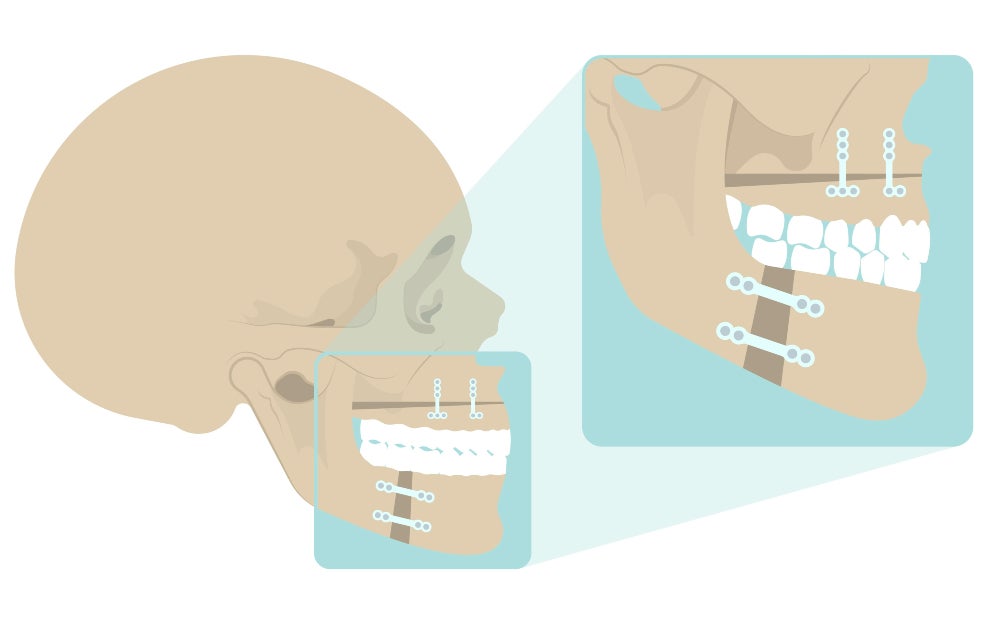
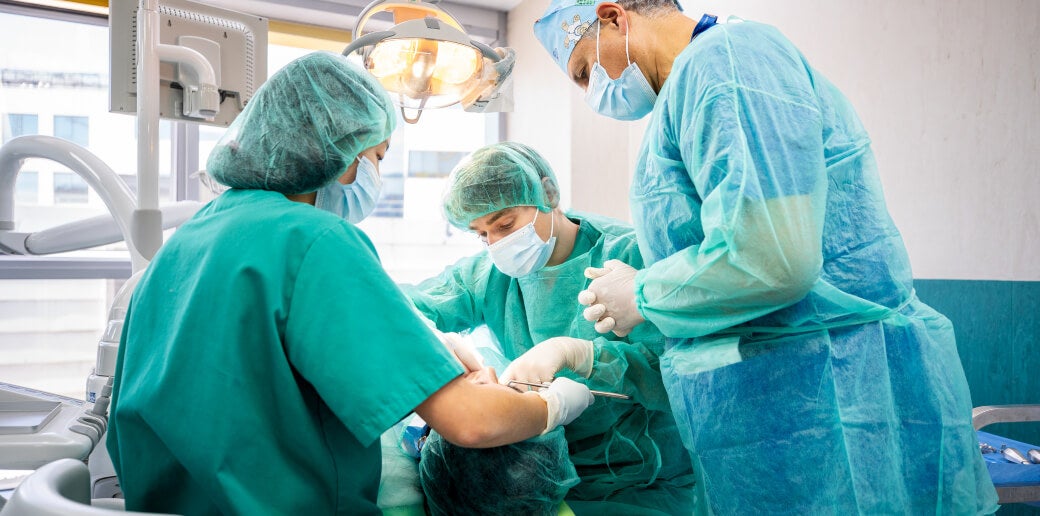
- In the practical programme of the master's degree in implantology, students will attend numerous pre-prosthetic surgeries, implant placement, multidisciplinary treatments, prosthetic rehabilitations and reconstructions of tissue defects from the beginning of the first year.
- In addition, they will be guided in the elaboration of diagnoses and treatment plans, and in the recognition of the different materials and components used.
- The research methodology of our master's degree in implantology, bibliographic reviews, clinical sessions and workshops allow them to maintain an active and multidisciplinary training and establish a work dynamic based on the constant updating of knowledge, something that they must maintain throughout their professional life.
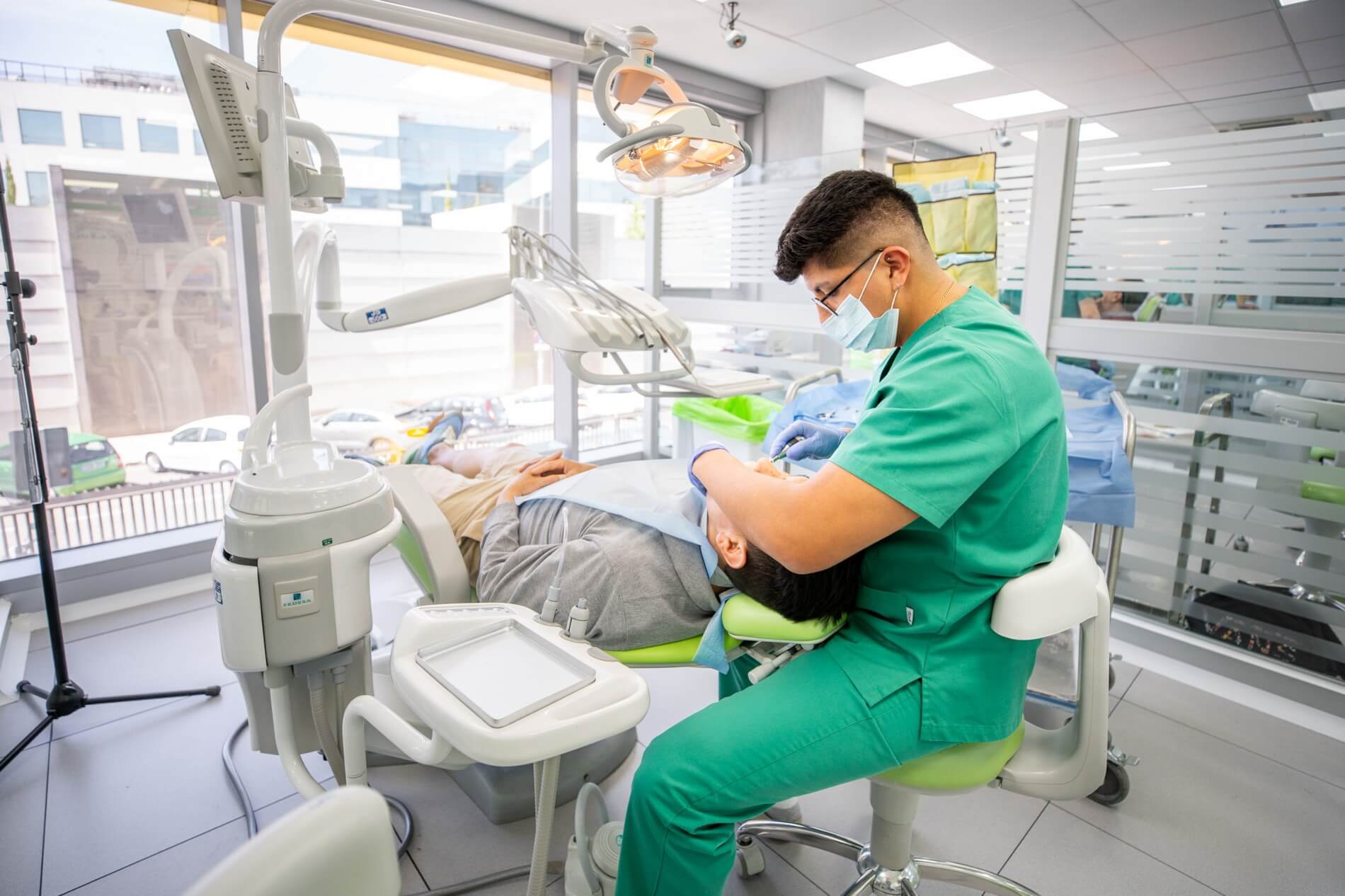
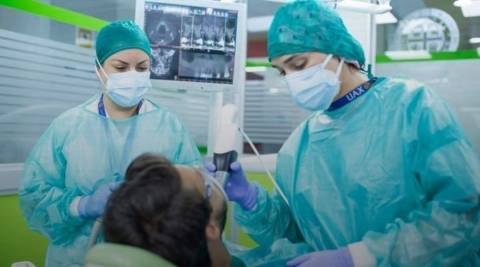
At UAX we have two dental clinics of our own, 9,000 m2 of facilities where more than 125,500 patients a year trust us and we attend to 13,000 patients a month. You will study your Master's degree in dentistry at the Centro Odontológico de Innovación y Especialidades Avanzadas, a pioneer in Spain and the largest in Europe in terms of dental care.
There you will acquire intense practical training by attending to real patients, dealing with cases of varying complexity and forming part of the clinic's great professional team, in a relaxed and collaborative environment. All this will allow you to enjoy training at the highest level, so that you will become a specialist with a great future projection and high employability.
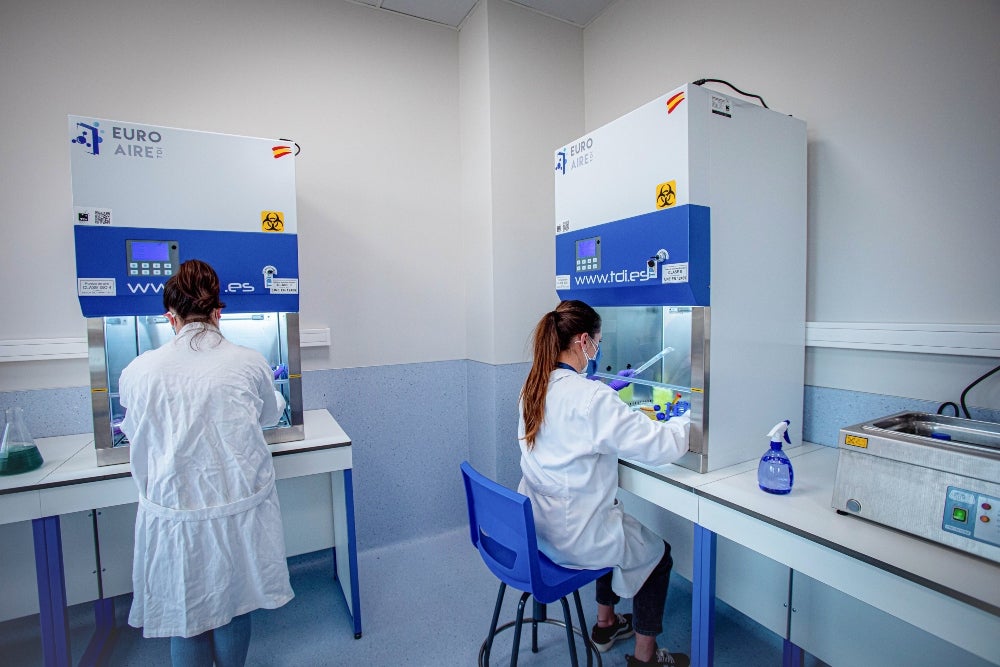
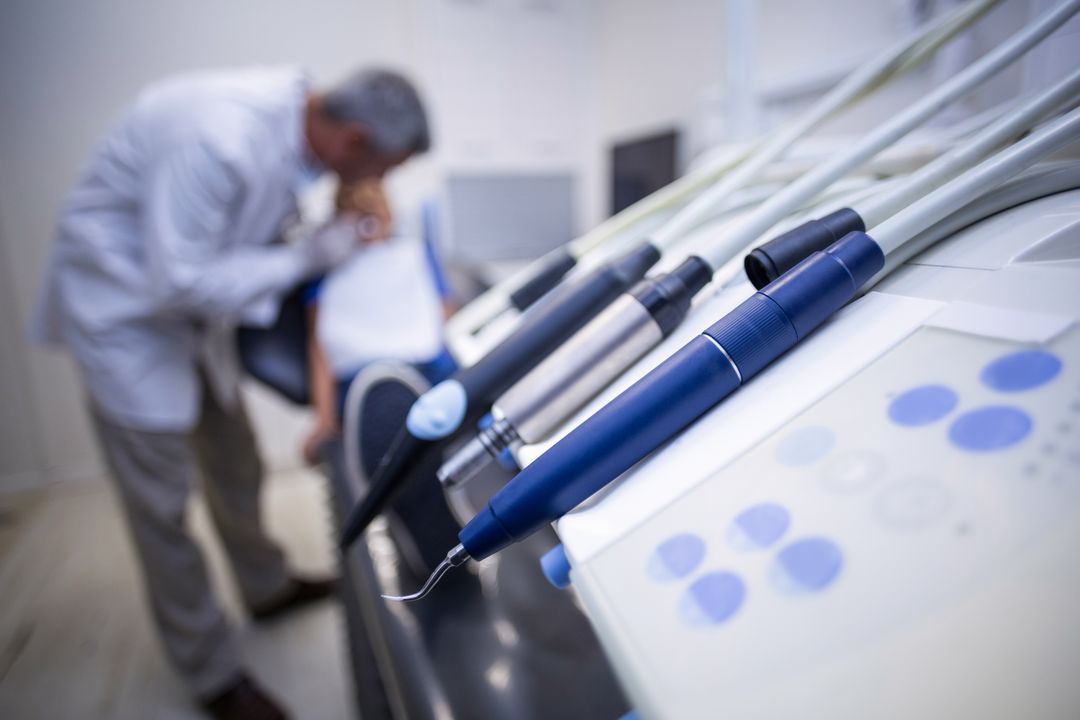
At UAX we pay special attention to the acquisition of state-of-the-art equipment and technology:
In order to establish the conditions for access to this degree, the provisions of Article 18 of Royal Decree 822/2021, of 29 September, which establishes the organisation of university education and the procedure for quality assurance, shall be taken into account:
The possession of an official university degree of Spanish Graduate or equivalent is a condition for access to a University Master's Degree, or where appropriate to hold another University Master's Degree, or degrees of the same level as the Spanish Bachelor's or Master's Degree issued by universities and higher education institutions of an EHEA country that in that country allows access to Master's studies.
Similarly, access to a Master's Degree in the Spanish university system may be granted to persons holding degrees from educational systems that do not form part of the EHEA, which are equivalent to the Bachelor's Degree, without the need for official recognition of the degree, but with verification by the university of the level of training involved, provided that in the country where the degree has been issued it allows access to postgraduate university studies. In no case will access by this route imply the homologation of the previous degree held by the interested party or its recognition for purposes other than that of carrying out the Master's studies.
Admission criteria and tests
Personal interview
A personal interview will be held to assess the candidate's academic transcript containing all the grades obtained in the undergraduate studies that give access to postgraduate studies at the Universidad Alfonso X el Sabio. In this same interview, the C.V. of the candidates (studies completed and qualifications obtained) will be assessed, together with the professional experience accumulated, detailing the different jobs held, the duties performed in each of them and the duration. Participation in congresses or seminars, and other postgraduate qualifications, as well as the professional activity carried out, are highly valued.
Admission assessment:
- Personal interview: 30 %.
- Academic record + Curriculum vitae: 70%.
- Academic record of previous degrees that give access to the Master's Degree: 60%.
- Curriculum vitae: 10%.
24

Complete our form, give us a call or request a visit to UAX. We’re excited to show you everything we’ve prepared for you.

A professional from our university will offer guidance and help you select the path that aligns best with your interests.

Enrol in your courses, meet the deadlines and follow the payment procedures to secure your place and fulfil the legal admission requirements.

You’re now part of UAX! Prepare to embark on a unique educational journey where you’ll take centre stage. Welcome to your university!
With the Master's Degree in Oral Implantology and Implant-Supported Prosthetics you will be able to practice the profession you have always wanted in private and public clinics, where you will apply your knowledge of oral surgery such as:
Not sure?
We'll help you find the right programme for you.

First healthcare facility created by UAX to provide you with the most comprehensive training focused on real-world practice. Find out more
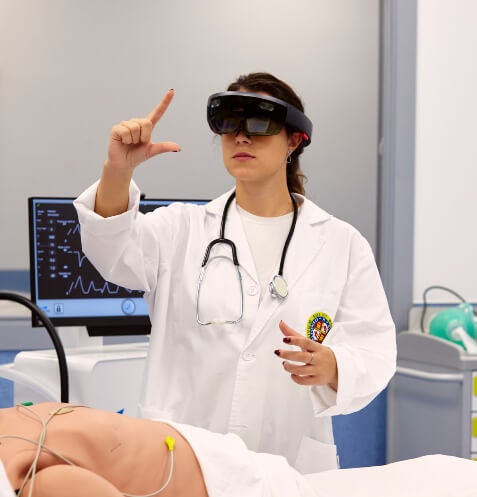
A unique centre in Spain to complete your training in the most innovative, well-rounded way. Find out more
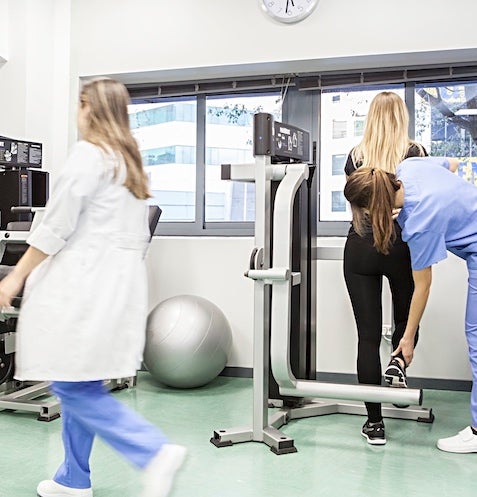
Using the most innovative medical resources, it aims to offer the best diagnosis and treatment of real patients. Find out more
We need to know a little about you so that we can give you a personalised service.
All fields are required
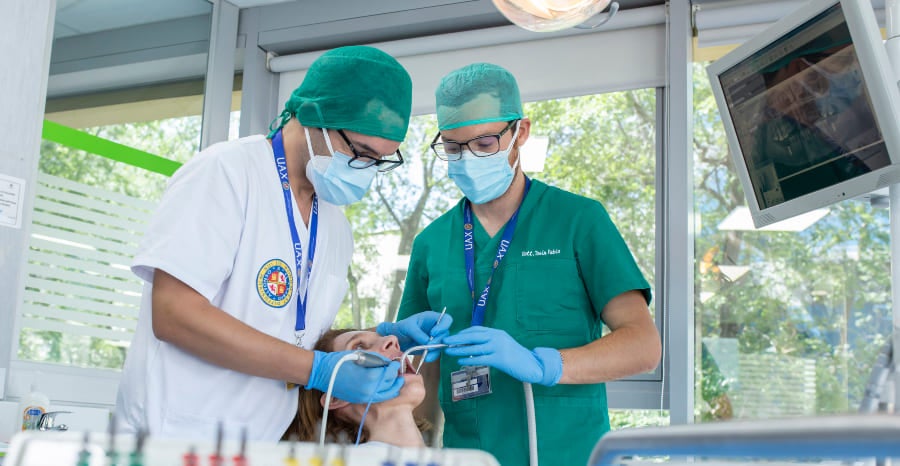
The postgraduate course in implantology and implant-supported prostheses lasts 2 years and 120 ECTS and starts in September.
To take the master's degree in implantology in Madrid you should have an interest in the areas of oral and oral reconstructive surgery and implant rehabilitation.
You will need a good academic level, manual skills and one of the following qualifications:
The master's degree in implantology and implant-supported prostheses is in the TOP 5 of the best master's degrees in dentistry in Spain (Ranking El Mundo 2023). Upon completing your training in implantology, you will enhance your profile and differentiate yourself from the competition.
You will acquire the most sought-after clinical skills in implants, periodontics, oral prosthetics, oral surgery and research. You will attend workshops and projects of more than 30 companies that collaborate with the degree and 4 research chairs (Straumann, Dentsply, Klockner, Galimplant).
All of this will position you above the competition to work in:
An oral implant specialist is responsible for assessing the patient's oral health, planning implant placement, performing the surgical procedure and providing aftercare, as well as treating complications and maintaining the patient's long-term oral health.
Other related qualifications
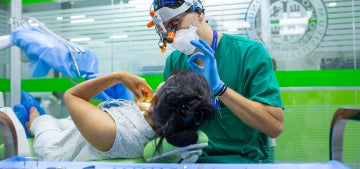
Master's Degree in Oral Surgery, Implantology and Periodontology
In collaboration with:

Start:
September
Length:
2 years
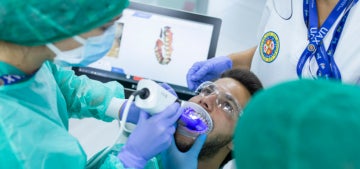
Master's Degree in Dental Aesthetics and Restorative Dentistry
In collaboration with:


Start:
September
Length:
10 months
.jpg)
Master's Degree in Orthodontics
In collaboration with:

Start:
September
Length:
2 años
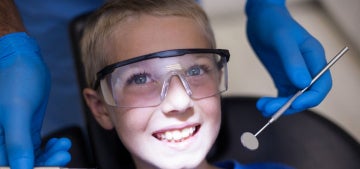
Master's Degree in Paediatric Dentistry
Start:
September
Length:
1 year
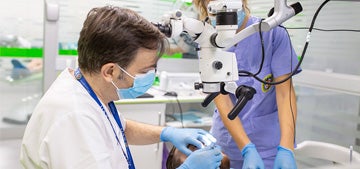
Diploma of Specialisation in Endodontics and Restorative Dentistry
In collaboration with:


Start:
June
Length:
1½ months
You can view your timetable and indicative timings via the following link .
UAX promotes a culture of quality within the university community through the UAX Quality System (SIUAX), for which the University Management bears ultimate responsibility, ensuring that the system’s planning is implemented to effectively meet quality objectives and satisfy the needs, requirements and expectations of customers and stakeholders.
The bodies responsible are:
The Degree Programme Monitoring and Improvement Committee for the 2025–26 academic year is composed of:
You can consult the different indicators in the following links:
Main action plans for the degree:
We respond to the genuine needs of our students and staff, because we believe in the continuous improvement of our results. That is why we are always keen to hear anything you wish to tell us.
Link to the complaints and suggestions inbox.
If you’re already part of UAX, go to the ‘Customer Service: complaints, suggestions and compliments’ section on the virtual campus and log in with your username and password.
Telephone: 91 810 94 00
Email: paramejorar@uax.es
Opening hours: Monday to Friday, 9.00 am to 6.00 pm (no lunch break)
This degree, according to RD 822/2021 (art. 34) must undergo the process of accreditation renewal. During the development of the process, an evaluation team of the Foundation for Knowledge Madrimasd will meet with different stakeholders of the degree. In addition, they provide us with a form so that any interested party can indicate to the Foundation those aspects they consider relevant to the development of this programme.