

See all Online Master's Degrees in Health





See all Master's Degrees in Engineering
Most searched curriculums
Official Master's Degree
Madrid
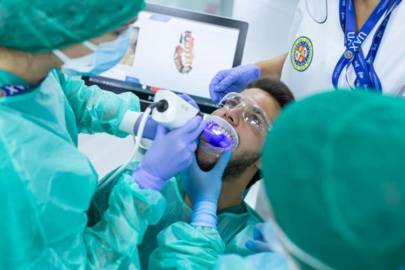
Specialise with an intensive master's degree, with more than 500 hours of practice with real patients in the clinic and compatible with your working day. You will cover everything from the planning of complex and multidisciplinary cases, always with the help of digitalisation, to the performance of: inlays, veneers, full-coverage crowns, whitening, advanced endodontics, soft tissue treatments and orofacial harmonisation techniques with hyaluronic acid. Train at the highest level in Dental Aesthetics and Restorative Dentistry at the UAX. Study at one of the 4 best universities in Spain to study Dentistry (Ranking El Mundo 2024)
In collaboration with:


The demand for aesthetic treatment will increase by 95% in the next 10 years (Study of Oral Health in Spain 2020 by the Council of Dentists). For this reason, you now have the opportunity to train at UAX, in a timetable compatible with your professional activity, with the University Master's Degree in Dental Aesthetics and Restorative Dentistry, one of the most complete master's degrees on the market.
The Master's Degree in Dental Aesthetics and Restorative Dentistry is a specialised programme taught in Spanish, offering a practical approach for professionals who wish to expand their knowledge in this area. Internships are taught at our Centro Odontológico de Innovación y Especialidades Avanzadas, with limited groups of up to 18 students with a 1:6 student-teacher ratio for clinical activities, to guarantee personalised attention. Our programme covers everything from the theoretical foundations to the latest techniques and advances in the field. Through real clinical cases, you will be able to develop your practical skills and knowledge effectively. You will have a personal tutor to accompany you in your learning.
Master's Degree in Dental Aesthetics and Restorative Dentistry
First Year
ANNUAL SUBJECTS
| Code | Subjects | Character* | ECTS | ||||||||||||||||||||||||||||||||||||||||||||||||||||||||||||||||||||||||||||||||||
|---|---|---|---|---|---|---|---|---|---|---|---|---|---|---|---|---|---|---|---|---|---|---|---|---|---|---|---|---|---|---|---|---|---|---|---|---|---|---|---|---|---|---|---|---|---|---|---|---|---|---|---|---|---|---|---|---|---|---|---|---|---|---|---|---|---|---|---|---|---|---|---|---|---|---|---|---|---|---|---|---|---|---|---|---|---|
| M131600 | Scientific Principles in Cosmetic Dentistry | OB | 6 | ||||||||||||||||||||||||||||||||||||||||||||||||||||||||||||||||||||||||||||||||||
Scientific Principles in Cosmetic DentistryCódigo: M131600 Imprimir Year 1. Annual module. Compulsory. 6 credits. Profesores
Objectives ♣ To train and update general dentists in diagnosis and treatment for aesthetic purposes. ♣ To acquire practical skills in current therapeutic techniques used in cosmetic dentistry. ♣ Perioral aesthetics: the use of hyaluronic acid in dentistry (intra- and extra-oral). ♣ To improve manual dexterity in each technique in order to deal with clinical cases effectively. Competencies BASIC COMPETENCIES: - Possess and understand knowledge that provides a foundation or opportunity for originality in the development and/or application of ideas, often within a research context - Students should be able to apply the knowledge they have acquired and their problem-solving skills in new or unfamiliar environments within broader (or multidisciplinary) contexts related to their field of study - Students should be able to integrate knowledge and address the complexity of forming judgements based on information which, whilst incomplete or limited, includes reflections on the social and ethical responsibilities associated with the application of their knowledge and judgements. - Students should be able to communicate their conclusions and the underlying knowledge and reasoning to specialist and non-specialist audiences in a clear and unambiguous manner. - Students should possess the learning skills that enable them to continue their studies in a manner that will be largely self-directed or independent. GENERAL COMPETENCIES: - Have the ability to communicate with patients in order to explain, using scientific criteria and accessible language, the diagnosis, treatment plan and prognosis - To have the autonomy to carry out medical histories and oral examinations of patients, completing the clinical record and documenting the clinical course - Be able to gather relevant data for subsequent analysis, draw up reports, search for information in databases and analyse technical reports SPECIFIC COMPETENCIES: – Be able to record information relating to the patient’s dental aesthetics (such as study models, photographs, bite records, etc.) for subsequent analysis – Be able to apply basic treatment for the most common oral conditions in patients of all ages within the field of cosmetic dentistry. – Be able to make an initial diagnostic assessment and establish a reasoned diagnostic strategy – Know how to carry out a comprehensive oral examination, including the necessary radiographic and supplementary diagnostic tests for appropriate treatment planning and a treatment plan. Learning outcomes Students recognise that reviewing the scientific literature is an essential tool in their professional practice and that all clinical procedures must be based on scientific evidence. Students demonstrate that they are capable of conducting a literature review on specific topics within the field of cosmetic dentistry and show that they take into account its relationships with other areas of dentistry, enabling them to practise in an advanced and multidisciplinary manner. Students demonstrate an understanding of the principles and criteria underlying aesthetic diagnosis and smile analysis Students demonstrate the ability to recognise, diagnose and draw up a treatment plan aimed at improving the patient’s smile. Furthermore, they must demonstrate sufficient skill to design any restoration on anterior and posterior teeth Students maintain professional relationships with the commercial sector and know how to communicate their needs as experts in the advanced and multidisciplinary field of restorative cosmetic dentistry. Course content description Scientific concepts in aesthetic dentistry. Historical development of aesthetic dentistry. Tooth whitening, veneer preparation and cementation Composite veneers and Class IV restorations Photography and Digital Smile Design Inlays and impressions Principles of adhesion, posterior aesthetics and isolation Diagnosis in cosmetic dentistry and treatment planning Dental pathology. Indications for aesthetic restorations. Dental modelling techniques. Pre-clinical workshops Training activities Masterclass: 40 hours Pre-clinical workshops: 25 hours Tutorials: 5 hours Independent study 75 hours Assessment: 5 hours Assessment system and criteria Without prejudice to any other requirements that may be set out in the relevant course syllabus, as a general rule, failure to attend more than 80 per cent of the course’s teaching activities—which require the student’s physical or virtual presence—will result in the loss of the right to continuous assessment during the standard examination period. In this case, the examination to be held during the official period set by the University will be the sole assessment criterion, with the weighting specified in the course syllabus. ---- Assessment System: Oral and Written Assignments: 10% Written Exam: 70% Participation in debates and workshops: 20% Appendix - Peter E. Dawson. Functional Occlusion from TMJ to Smile Design. Elsevier – Health Sciences Division, September 2006. - Marcelo A. Calamita. Integrating occlusal principles into smile design. Napoleao Editora – Quintessence Publishing Brazil. January 2022. - B. V. Sreenivasan Murthy, Niketa Ramani. Evaluation of the natural smile: Golden proportion, RED or Golden percentage. J Conserv Dent | Jan–Mar 2008 | Vol 11 | Issue 1 - Stephen J. Chu. Range and mean distribution frequency of individual teeth in the maxillary anterior dentition. Pract Proced Aesthet Dent 2007; 19 (4): 209–215 - GERARDO BECERRA SANTOS. SOME FACTORS RELATED TO DENTAL AESTHETICS: A NEW APPROACH Journal of the Faculty of Dentistry, University of Antioquia – Vol. 26 No. 2 – First semester, 2015 - José Luis Gutiérrez Quintero, Pablo Gómez Cogolludo. EXPOSURE CONTROL IN DENTAL PHOTOGRAPHY: THE DAF LIGHTING TRIANGLE. 2021 VOLUME 23 · ISSUE 3. Quintessence Spain. - Mauro Fradeani, MD, DDS. Evaluation of Dentolabial Parameters As Part of a Comprehensive Aesthetic Analysis. THE EUROPEAN JOURNAL OF AESTHETIC DENTISTRY VOLUME 1 • NUMBER 1 • APRIL 2006 |
|||||||||||||||||||||||||||||||||||||||||||||||||||||||||||||||||||||||||||||||||||||
| M131601 | Restorative Materials | OB | 6 | ||||||||||||||||||||||||||||||||||||||||||||||||||||||||||||||||||||||||||||||||||
Restorative MaterialsCódigo: M131601 Imprimir Year 1. Annual module. Compulsory. 6 credits. Profesores
Objectives ♣ To train specialists in new technologies applied to restorative dentistry, facilitating the integration of new technological tools into clinical practice: the use of digital workflows and biomaterials. ♣ To improve manual dexterity in each technique so that clinical cases can be tackled effectively. Competencies BASIC COMPETENCIES: - Possess and understand knowledge that provides a foundation or opportunity for originality in the development and/or application of ideas, often within a research context - Students should be able to apply the knowledge they have acquired and their problem-solving skills in new or unfamiliar environments within broader (or multidisciplinary) contexts related to their field of study - Students should be able to integrate knowledge and address the complexity of forming judgements based on information which, whilst incomplete or limited, includes reflections on the social and ethical responsibilities associated with the application of their knowledge and judgements. - Students should be able to communicate their conclusions and the underlying knowledge and reasoning to specialist and non-specialist audiences in a clear and unambiguous manner. - Students should possess the learning skills that enable them to continue their studies in a manner that will be largely self-directed or independent. GENERAL COMPETENCIES: - Be able to apply the protocols established at the University Dental Clinic in relation to diagnosis, diagnostic investigations and patient treatment - Be able to apply the protocols for the use of dental laboratory equipment to carry out the necessary procedures that assist in the fabrication of oral restorations or treatments typical of a restorative dentist. SPECIFIC COMPETENCIES: - To acquire advanced knowledge of the physical, chemical and biological properties, handling and behaviour of restorative materials to ensure their correct use on patients. - Be able to select the appropriate type of material and constantly update one’s knowledge of dental biomaterials used in the field of aesthetic restorative dentistry. Learning Outcomes Students will demonstrate that they understand and are familiar with the physical, chemical and biological behaviour of restorative materials and know how to select the appropriate material for each clinical situation. Students will demonstrate that they know how to handle each material correctly and recognise the clinical consequences of handling errors. Students will demonstrate that they are aware of the factors influencing the wear and degradation of restorative materials in order to achieve their maximum efficiency. Students will demonstrate that they are familiar with the options for repairing restorative materials and know how to recognise when replacement is necessary. Students will demonstrate an understanding of new technologies and trends in dental materials. Students will demonstrate that they are able to recognise and handle the various materials used in the Dental Prosthetics laboratory. Description of the content "Biocompatibility of materials: the oral ecosystem Physical and aesthetic behaviour of restorations in the oral cavity Adhesive dentistry: adhesion and polymerisation Selection and handling of aesthetic materials and those used to protect the dentine-pulp complex Selection and handling of materials used in endodontics. Selection and clinical management of metals. Acrylic resins for relining and temporary crowns. Dental porcelains: selection, indications and types. Selection and handling of materials for model-making and cementing Deterioration, longevity, repair and replacement of restorative materials New materials and state-of-the-art technology: fundamentals and clinical applications. ‘Pre-clinical workshops’ Training activities Masterclass: 40 hours Pre-clinical workshops: 25 hours Tutorials: 5 hours Independent study: 75 hours Assessment: 5 hours Assessment system and criteria Without prejudice to any other requirements that may be set out in the relevant course syllabus, as a general rule, failure to attend more than 80 per cent of the course’s teaching activities—which require the student’s physical or virtual presence—will result in the loss of the right to continuous assessment during the standard examination period. In this case, the examination to be held during the official period set by the University will be the sole assessment criterion, with the weighting specified in the course syllabus. ---- Assessment System: Oral and Written Assignments: 10% Written Exam: 70% Participation in debates and workshops: 20% Appendix - Pascal Magne. Biomimetic Restorative Dentistry. 2 volumes. Quintessence Spain. 2023. - R. Hirata. Recipes: Composite Resin Restorations. Quintessence Publishers. 2022. - Brix, Oliver. The Fascination of All-Ceramic Restorations. Teamwork Media. 2013. |
|||||||||||||||||||||||||||||||||||||||||||||||||||||||||||||||||||||||||||||||||||||
| M131602 | Advanced Dental Procedures and Endodontics | OB | 6 | ||||||||||||||||||||||||||||||||||||||||||||||||||||||||||||||||||||||||||||||||||
Advanced Dental Procedures and EndodonticsCódigo: M131602 Imprimir Year 1. Annual module. Compulsory. 6 credits. Profesores
Objectives ♣ To learn about the latest advances in endodontics and apply them to the field of restorative dentistry: minimally invasive access, use of a microscope, software-guided access, etc. ♣ To improve manual dexterity in each technique in order to tackle clinical cases effectively. Competencies BASIC COMPETENCIES: - Possess and understand knowledge that provides a foundation or opportunity for originality in the development and/or application of ideas, often within a research context - Students should be able to apply the knowledge they have acquired and their problem-solving skills in new or unfamiliar environments within broader (or multidisciplinary) contexts related to their field of study - Students should be able to integrate knowledge and address the complexity of forming judgements based on information which, whilst incomplete or limited, includes reflections on the social and ethical responsibilities associated with the application of their knowledge and judgements. - Students should be able to communicate their conclusions and the underlying knowledge and reasoning to specialist and non-specialist audiences in a clear and unambiguous manner. - Students should possess the learning skills that enable them to continue their studies in a manner that will be largely self-directed or independent. GENERAL COMPETENCIES: - Be able to apply the protocols established at the University Dental Clinic in relation to diagnosis, diagnostic investigations and patient treatment - Be able to apply the protocols for the use of dental laboratory equipment to carry out the necessary procedures that assist in the preparation of oral restorations or treatments typical of a restorative dentist. - Be able to gather relevant data for subsequent analysis, draw up reports, search for information in databases and analyse technical reports. SPECIFIC COMPETENCIES: - Be able to understand the aetiology, pathogenesis, clinical presentation, diagnosis, prognosis, prevention and treatment of pulp and periapical pathology - Be able to carry out the aesthetic and functional restoration of root-canal-treated teeth, using teeth-whitening techniques, aesthetic veneers and inlays. Learning Outcomes Students demonstrate an understanding of the aetiology, pathogenesis, clinical presentation, diagnosis, prognosis, prevention and treatment of hard dental tissue pathologies Students demonstrate that they understand and can correctly apply the surgical techniques and materials indicated for the treatment of each case. Students demonstrate an understanding of the aetiology, pathogenesis, clinical presentation, diagnosis, prognosis, prevention and treatment of pulp and periapical pathologies of moderate complexity Students demonstrate that they can correctly perform the endodontic techniques and use the materials indicated for the treatment of each case. Students demonstrate that they understand the fundamentals of dental aesthetics and their application in dental practice Students demonstrate that they understand and can correctly perform the techniques for the reconstruction of treated teeth. Course content Preventive endodontics. Endodontics in teeth with incomplete root development. Regenerative endodontics. Apical locators. New materials in endodontics. Torque-controlled endodontic motors. Rotary endodontics; principles, design and systems for reciprocating and continuous clockwise rotation files. Irrigation activation systems and techniques. Advanced root canal obturation. Bioceramic materials in endodontics. Update on endodontic surgery. Reconstruction techniques for root-canal-treated teeth. Inlays. CAD-CAM. The operating microscope in conservative dentistry. Pre-clinical workshops Training activities Masterclass: 40 hours Pre-clinical workshops: 25 hours Tutorials: 5 hours Independent study 75 hours Assessment: 5 hours Assessment system and criteria Without prejudice to any other requirements that may be set out in the relevant course syllabus, as a general rule, failure to attend more than 80 per cent of the course’s teaching activities requiring the student’s physical or virtual presence will result in the loss of the right to continuous assessment during the standard examination period. In this case, the examination to be held during the official period set by the University will be the sole assessment criterion, with the weighting specified in the course syllabus. ---- Presentation of Oral and Written Assignments: 10% Written Exam: 70% Participation in debates and workshops: 20% Addendum - Fernando Durán Sindreu. Endodontics Manual: The Definitive Guide. Edra Publishers. 2022. - Patricia Sánchez 1,†, Benedetta Vidi 2,3,†, Jesús Mena-Alvarez 3,* , Javier Gil 1,* , Cristina Rico 3 and Juan Manuel Aragoneses. Effect of Stabilised Martensite on the Long-Term Performance of Superelastic NiTi Endodontic Files. Materials 2023, 16, 4089 - Ronald Ordinola-Zapata1 | W. Craig Noblett1 | Alejandro Perez-Ron2 | Zhou Ye3,4 | Jorge Vera5. Current status and future directions of intracanal medicaments. Int Endod J. 2022;55(Suppl. 3):613–636. - Christos Boutsioukis1 | Maria Teresa Arias-Moliz2. Current status and future directions – irrigants and irrigation methods. Int Endod J. 2022;55(Suppl. 3):588–612. Spanish Endodontic Association (AEDE), with contributions from: Juan José Segura Egea (Coordinator, University of Seville), Benito Sánchez Domínguez (University of Seville), Paloma Montero Miralles (University of Seville), Jenifer Martín González (University of Seville), Oscar Alonso Ezpeleta (University of Zaragoza) and Leopoldo Forner Navarro (University of Valencia). Approved by the AEDE Executive Committee at its meeting held on 13 June 2020. - W. J. Wolters1, H. F. Duncan2, P. L. Tomson3, I. E. Karim4, G. McKenna5, M. Dorri6, L. Stangvaltaite7 & L. W. M. van der Sluis. Minimally invasive endodontics: a new diagnostic system for assessing pulpitis and subsequent treatment needs. International Endodontic Journal, 50, 825–829, 2017 |
|||||||||||||||||||||||||||||||||||||||||||||||||||||||||||||||||||||||||||||||||||||
| M131603 | Clinical Placements | OB | 24 | ||||||||||||||||||||||||||||||||||||||||||||||||||||||||||||||||||||||||||||||||||
Clinical PlacementsCódigo: M131603 Imprimir Year 1. Annual module. Compulsory. 24 credits. Profesores
*Character: BT: Basic Training, Ob: Required, Op: Optional Faculty of the Postgraduate Course in Dental AestheticsConsult the lecturers of the master's degree in Dental Aesthetics and Restorative Dentistry here. Metodología del Postgrado en Estética Dental y Odontología RestauradoraAprenderás a desarrollar todo tu talento, habilidad y potencial para ejercer en la especialidad de la odontología estética y restauradora. Durante los meses que dura esta formación, abordarás:
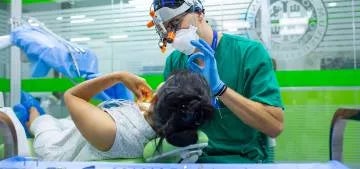
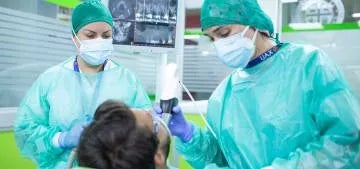
Nuestro objetivo es formarte como odontólogo especializado en la estética dental y restauradora, adaptado a las nuevas exigencias del mercado, con un enfoque estético pero sin dejar de lado el manejo de tejidos blandos, el conocimiento de la anatomía dental, el uso de nuevas tecnologías para facilitar y acortar los tiempos en las prótesis, la realización de endodoncias altamente complicadas, etc. Es decir, brindar a cada alumno una formación integral y multidisciplinar en el campo de la estética atendiendo a sus diferentes ramificaciones en las diferentes especialidades de la odontología, convirtiéndote en un profesional altamente cualificado. Get trained at the dental centre of innovationAt UAX we have two dental clinics of our own, 9,000 m2 of facilities where more than 125,500 patients a year trust us and we attend to 13,000 patients a month. You will study your Master's degree in dentistry at the Centro Odontológico de Innovación y Especialidades Avanzadas, a pioneer in Spain and the largest in Europe in terms of dental care. There you will acquire intense practical training by attending to real patients, dealing with cases of varying complexity and forming part of the clinic's great professional team, in a relaxed and collaborative environment. All this will allow you to enjoy training at the highest level, so that you will become a specialist with a great future projection and high employability.
Internships and company connectionLeading companies in the dental sector collaborate with the postgraduate course in dental aesthetics and are present from the beginning of the training activity so that students receive cutting-edge technological knowledge, through visits and workshops, and participate in research projects and agreements with: - Nemotec You can also take part in international internships, meet new colleagues from all over the world and boost your career in the international sector. For more information you can contact the international relations office. Admission processYou can consult the POSTGRADUATE ADMISSIONS RULES 25 26.pdf The Master's Degree is aimed at the following profiles: Graduates in Dentistry or Doctors with Stomatology.
Be in possession of an official Spanish university degree or another issued by a higher education institution belonging to another member state of the European Higher Education Area that entitles access to Master's degree courses in that country.
You can consult the credit recognition regulations at the following link. Number of placesThe Master's Degree in Dental Aesthetics and Restorative Dentistry has 18 places available. 
Contact usComplete our form, give us a call or request a visit to UAX. We’re excited to show you everything we’ve prepared for you. 
Get guidance from an advisorA professional from our university will offer guidance and help you select the path that aligns best with your interests. 
RESERVE YOUR SPOT AND ENROLEnrol in your courses, meet the deadlines and follow the payment procedures to secure your place and fulfil the legal admission requirements. 
Congratulations!You’re now part of UAX! Prepare to embark on a unique educational journey where you’ll take centre stage. Welcome to your university! Agreements with leading companies in the dental sector


Career opportunities on the Master's Degree in Dental Aesthetics and Restorative DentistryWith the Master's Degree in Dental Aesthetics and Restorative Dentistry you will develop your professional activity in private or public clinics, where you will be able to:
Not sure? The opinion of our UAX students 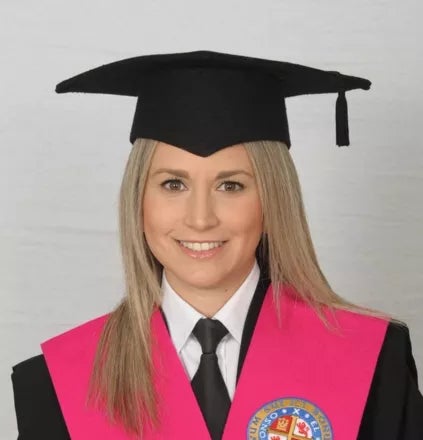
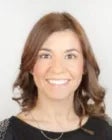
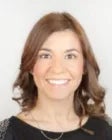
Liset MarmolMaster's Degree in Dental Aesthetics and Restorative DentistryI have studied the degree at UAX and this has partly encouraged me to continue my education at this university. The facilities are excellent, we have the latest technology, the teaching staff are excellent and are always willing to help us with anything we need, and I would definitely recommend both the degree and the Master's degree to anyone. I am delighted to be part of the UAX family. 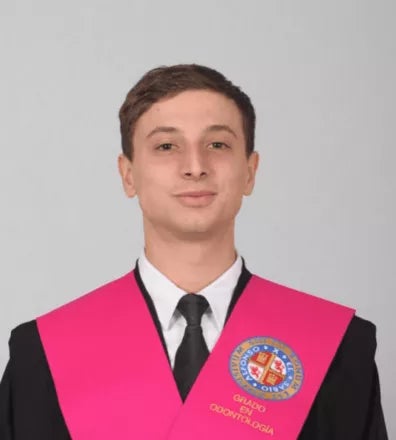
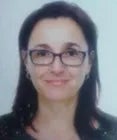
Riccardo SaveriMaster's Degree in Dental Aesthetics and Restorative DentistryThis master's degree allows you to discover, learn and analyse everything from minimally invasive dentistry (conservative and restorative) to indirect dentistry (prosthodontics), including peri-oral aesthetics. The teaching staff transmits the passion of their specialities to the students. You acquire the ability to assess, examine and treat the whole patient. A large number of patients come to the clinic (UAX) and it gives you the possibility to deal with multiple clinical cases and different treatments. 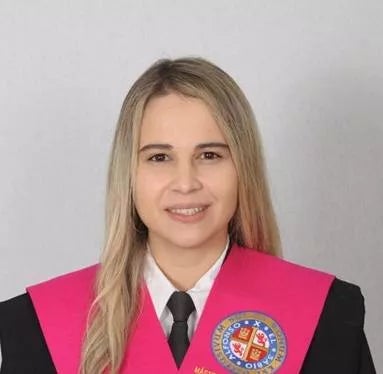
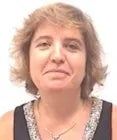
Eliset VelevaMaster's Degree in Dental Aesthetics and Restorative DentistryMy experience at UAX is exceptional. The quality of the teaching is outstanding, as the teachers demonstrate a deep knowledge of the subject and encourage active participation. What stands out is the effective integration between theory and practice. The opportunities to apply theoretical knowledge in real clinical settings have been fundamental to my professional development. This has contributed to improving my skills and confidence in aesthetic and restorative dental practice. It is a comprehensive educational experience that not only focuses on theory, but also provides the tools and support necessary to apply that knowledge effectively in clinical practice. Get to know our facilitiesRequest visit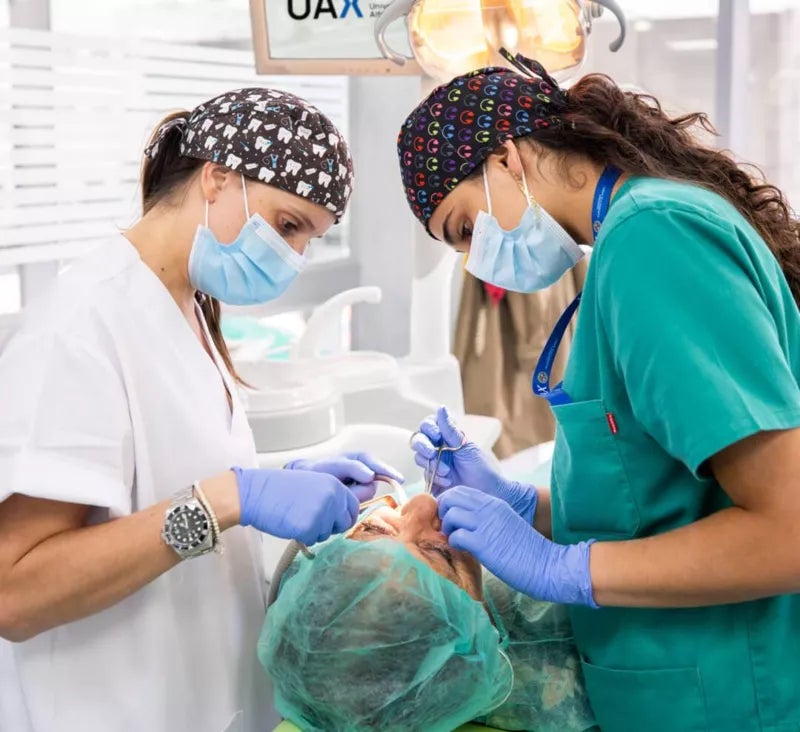
University Dental ClinicFirst healthcare facility created by UAX to provide you with the most comprehensive training focused on real-world practice. Find out more 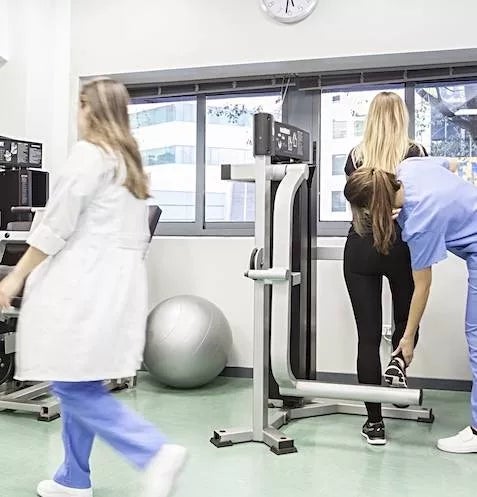
PolyclinicUsing the most innovative medical resources, it aims to offer the best diagnosis and treatment of real patients. Find out more 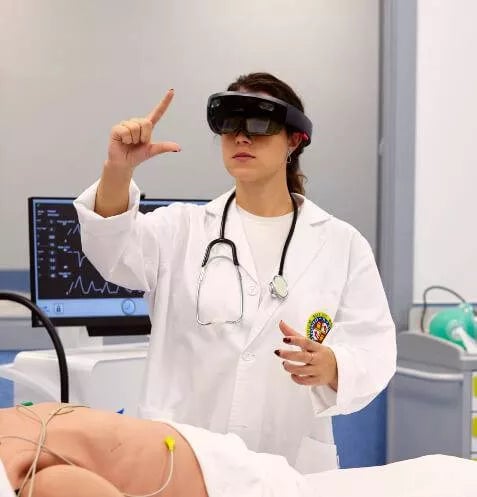
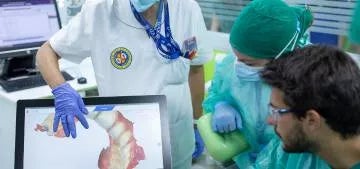
Virtual simulation hospitalA unique centre in Spain to complete your training in the most innovative, well-rounded way. Find out more
Doubts? Don't keep them to yourself, ask us!
We need to know a little about you so that we can give you a personalised service. All fields are required 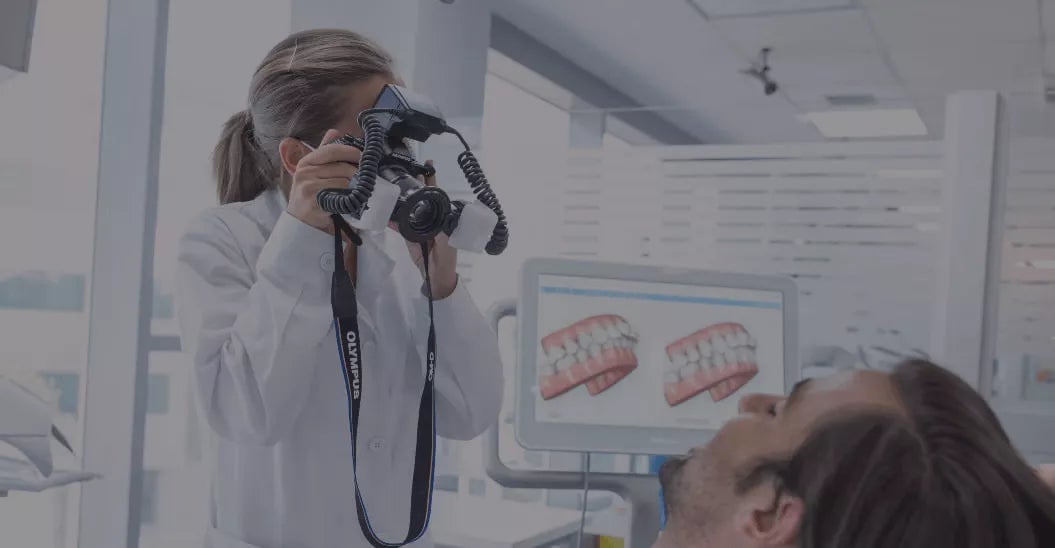
FAQSWhat are the requirements to study this Master's Degree?To study the Master's Degree in Aesthetic Dentistry at UAX, you need the following requirements:
Holding a degree from an educational system outside the European Higher Education Area without the need for homologation of their qualifications, after verification by the University that they accredit a level of training equivalent to the corresponding official Spanish university degrees and that they entitle the holder to access postgraduate studies in the country issuing the degree. Access by this route does not imply, in any case, the homologation of the previous degree held by the interested party, nor its recognition for purposes other than that of studying for the Master's degree. How long does the postgraduate course in dental aesthetics last?This master's degree in dental aesthetics lasts 10 months / 60 ECTS. ¿Cuáles son las salidas laborales del máster en odontología estética?Este postgrado de odontología especializado en estética dental te permite ejercer como especialista en estética, rehabilitación fija y endodoncia en las siguientes profesiones:
What does a specialist in dental aesthetics do?The professional who completes a master's degree in dental aesthetics is prepared to find solutions to oral health problems and improve the aesthetic appearance of the smile.
These are some of the tasks performed by a specialist in dental aesthetics. Content related to the Master's Degree in Dental Aesthetics and Restorative DentistryOther related qualifications
Blended learning
Master's Degree in Digital Dentistry In collaboration with: 
Start: October Length: 1 year
Madrid
Master's Degree in Oral Surgery, Implantology and Periodontology In collaboration with: 

Start: September Length: 2 years
Madrid
Master's Degree in Oral Implantology and Implant-Supported Prosthetics In collaboration with: 

Start: September Length: 2 years QualityRegulationsInternal Qualifications Assurance System (SIGC)Academic calendar and timetablesYou can view your timetable and indicative timings via the following link . System operatorsThe degree's Internal Quality Assurance System is led and supervised by the Degree Monitoring and Improvement Committee, the body responsible for analysing, assessing and promoting actions to ensure academic, teaching and training quality. This committee is made up, by name, of the following profiles: Information on the main results of the titleYou can consult the different indicators in the following links:
Link to the complaints and suggestions inboxWe respond to the genuine needs of our students and staff, because we believe in the continuous improvement of our results. That is why we are always keen to hear anything you wish to tell us. Link to the complaints and suggestions inbox. If you’re already part of UAX, go to the ‘Customer Service: complaints, suggestions and compliments’ section on thevirtual campus and log in with your username and password. Consulta del título en el Registro de Universidades, Centros y Títulos

| |||||||||||||||||||||||||||||||||||||||||||||||||||||||||||||||||||||||||||||||||||||