See all Online Master's Degrees in Health
See all Master's Degrees in Engineering
Most searched curriculums
Official qualification
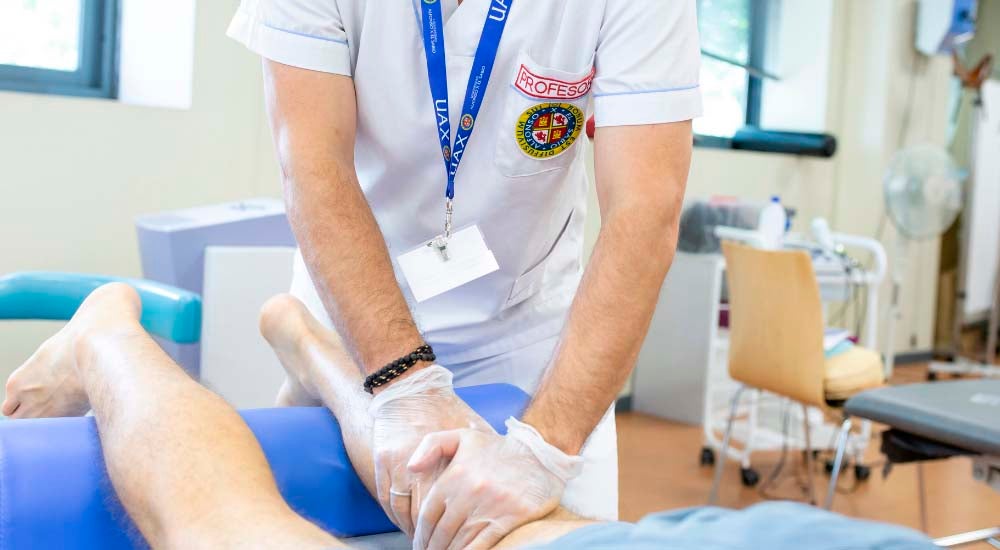
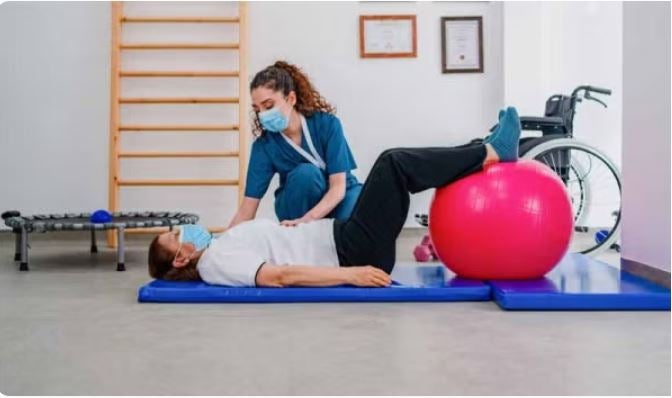
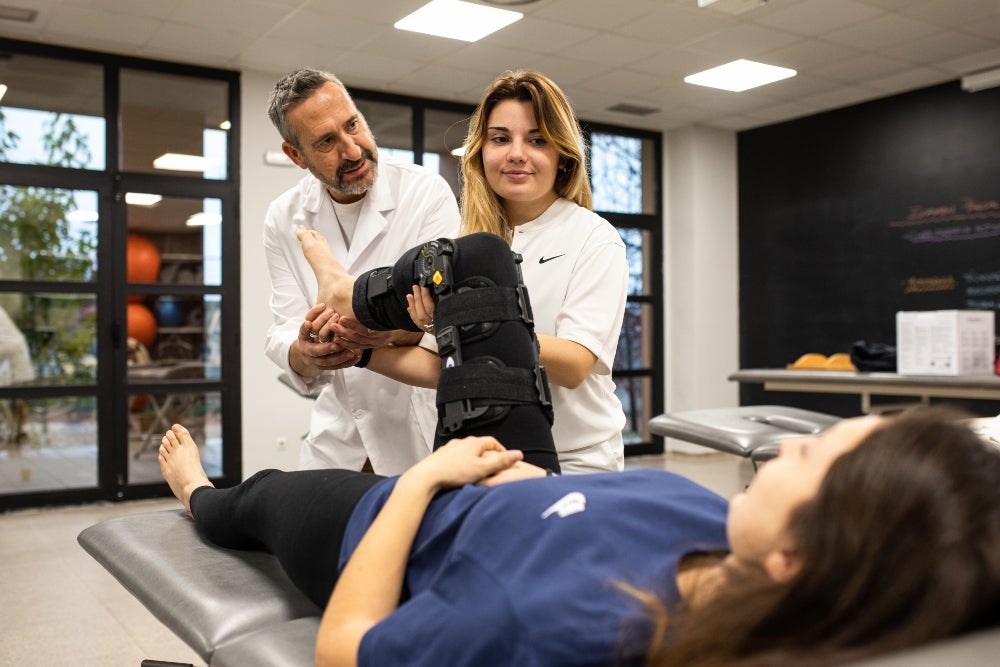
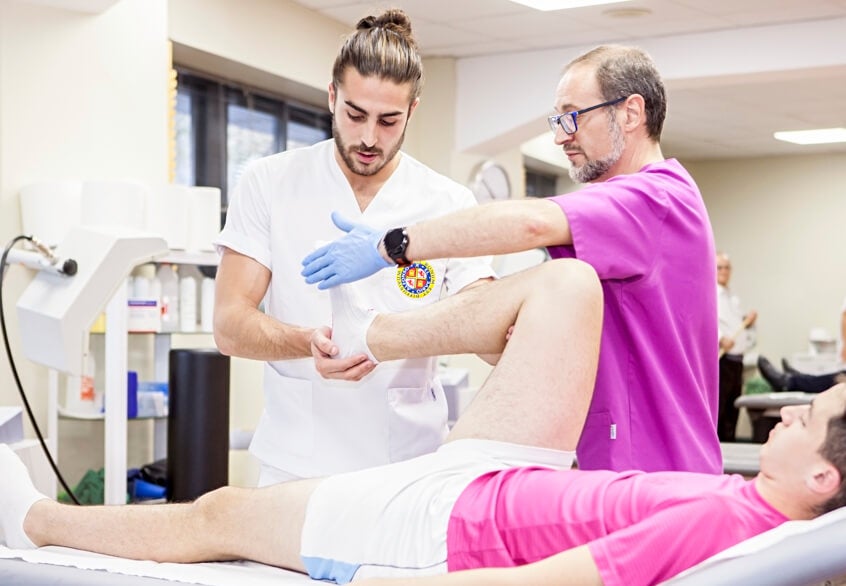
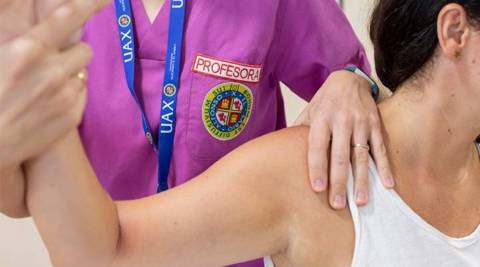
Train with an innovative master's degree that includes the main techniques in orthopaedic manual therapy, osteopathic manipulative techniques, therapeutic Pilates sessions, and 150 hours of clinical practice. You will obtain the most sought-after skills in the professional world and you will enhance your opportunities in the field of health. Degree in Physiotherapy essential
Society is increasingly in need of professionals specialising in the management of musculoskeletal disorders, and clinics are looking for candidates with comprehensive and practical training.
You will become an expert in the manual treatment of musculoskeletal conditions from a holistic perspective based on the biopsychosocial model.
With the Master’s Degree in Orthopaedic Manual Therapy for Common Conditions, you will gain:
Demand for physiotherapists specialising in orthopaedic manual techniques is expected to grow by 15 per cent over the next five years due to increased awareness of the importance of these therapies for the treatment and prevention of injuries (Emagister).
Take the plunge and boost your career prospects and professional opportunities.
At present, there is a growing demand for professionals specialising in manual therapy and therapeutic exercise, as well as all related disciplines: soft tissue treatment, joint mobilisation techniques, motor control, mobilisation of the peripheral nervous system, etc.
Diagnosis and treatment by applying orthopaedic manual therapy techniques, drawing up individualised treatment plans.
Care, assessment and application of therapeutic techniques in acute pain patients up to complex chronic pain patients.
You will be ready to open your own clinic to perform manual therapy treatments for your own patients and provide a specialised service.
Through a modern and innovative curriculum, you will obtain the appropriate training to get to know the patient and the activity they carry out, interact with their psychosocial environment, detect the possible cause of their problem by carrying out a comprehensive assessment, treat the alteration with the appropriate techniques to obtain optimal results, prevent recurrence, and contribute to their recovery.
Likewise, in the Master's Degree in Manual Physiotherapy and Therapeutic Exercise you will integrate with other professionals in the clinical environment and will be able to critically evaluate their practice in relation to new information, designing and developing research work in the field of Manual Physiotherapy.
Master's Degree in Orthopaedic Manual Therapy in Prevalent Pathologies
First Year
FIRST FOUR-MONTH PERIOD
| Code | Subjects | Character* | ECTS |
|---|---|---|---|
| M132300 | Manual therapy and patient assessment for functional diagnosis | OB | 6 |
Manual therapy and patient assessment for functional diagnosisCódigo: M132300 Imprimir Course 1: First-semester module. Compulsory. 6 credits. Objectives - To broaden students’ knowledge of the patient’s physiology and biomechanics in order to improve their physiotherapy diagnostic skills and enable them to apply orthopaedic manual therapy. - To develop clinical reasoning skills to address the various orthopaedic conditions of the musculoskeletal system, along with their signs and symptoms. - To recognise the various conditions of the musculoskeletal system and the nervous, respiratory, digestive and genitourinary systems that can be addressed through orthopaedic manual therapy. -To broaden knowledge of interpreting imaging reports in order to distinguish between different conditions and their signs and symptoms. Prerequisites ability to take a clinical history, knowledge of orthopaedic tests, knowledge of professional ethics Competencies - RC1: Using the biopsychosocial model, relate the various signs and symptoms presented by the patient to formulate a differential physiotherapy diagnosis based on the latest scientific evidence -RC2: Correlate the various signs and symptoms through clinical reasoning and an understanding of diagnostic imaging, in order to develop an appropriate treatment plan for each patient using orthopaedic manual therapy. -RODS: Develops effective communication, teamwork, analytical thinking, creativity and ethical leadership from a cross-disciplinary perspective, clearly inspired by democratic principles and values, as well as the Sustainable Development Goals, in order to conduct themselves with integrity within their professional environment. Learning outcomes RFK1. Expands their physiological and biomechanical knowledge of the patient to improve their physiotherapy diagnostic skills and enable them to apply orthopaedic manual therapy. RK1. Deepens their understanding of clinical reasoning to address the various orthopaedic conditions of the musculoskeletal system, along with their signs and symptoms. RK2. Recognises the various conditions of the musculoskeletal system and the nervous, respiratory, digestive and genitourinary systems that can be addressed through orthopaedic manual therapy. RK3. Expands their knowledge of interpreting imaging reports to distinguish between different conditions and their signs and symptoms Course content -Current considerations in orthopaedic manual therapy -Protocols: Biomedical and biopsychosocial models relevant to orthopaedic manual therapy -Implications of pharmacological treatments for the approach in orthopaedic manual therapy. -Interpretation of imaging tests and radiological reports for patient management. -Functional diagnosis of the patient Training activities Content viewing sessions. Asynchronous 30 hours Interactive classes Synchronous 8 hours Workshop activities. Face-to-face 20 hours Preparation of assignments or projects. 0 hours Self-study, case studies or problem-solving, literature reviews. Independent study 82 hours Compulsory online tutorial Blended 7 hours Knowledge assessments Face-to-face 3h Assessment system and criteria Practical activities 30% Final knowledge assessments 50% Portfolio 20% |
|||
| M132301 | A manual approach to pain management | OB | 6 |
A manual approach to pain managementCódigo: M132301 Imprimir Course 1: First-semester module. Compulsory. 6 credits. Objectives - To broaden participants’ knowledge of the patient’s physiology and biomechanics in order to improve their physiotherapy diagnostic skills and enable them to apply orthopaedic manual therapy. - Carry out a functional differential diagnosis based on the patient’s medical history, understanding the possible source of the pain. Prerequisites Knowledge of physiology and pain pathways Competencies Identify and understand pain and its aetiology from a multifactorial perspective in order to apply the most appropriate approach Learning outcomes RFK1 Expands their physiological and biomechanical knowledge of the patient to improve their physiotherapy diagnostic skills and enable them to apply orthopaedic manual therapy. RK4 Carries out a functional differential diagnosis based on the patient’s medical history, understanding the possible source of the pain. RFS1 Plans an appropriate and effective pain management programme based on a multifactorial approach that incorporates the most up-to-date orthopaedic manual therapy techniques. RS1 Applies orthopaedic manual therapy for pain management, differentiating and analysing in depth its origin and source Links pain mechanisms to the most appropriate orthopaedic manual techniques. Course content • Afferent and efferent mechanisms in pain. • Management of cranio-cervical pain • Management of thoracic pain. • Management of lumbopelvic pain • Management of upper limb pain • Management of lower limb pain Training activities Content viewing sessions. Asynchronous 7 hours Interactive classes Synchronous 8 hours Workshop activities Face-to-face 45 hours Preparation of assignments or projects. 0 hours Self-study, case studies or problem-solving, literature reviews. Independent study 80 hours Compulsory online tutorial Blended 7h Assessments Face-to-face 3h Assessment system and criteria Practical activities 30% Final knowledge assessments 50% Portfolio 20% |
|||
| M132302 | Orthopaedic manual therapy for common musculoskeletal conditions | OB | 6 |
Orthopaedic manual therapy for common musculoskeletal conditionsCódigo: M132302 Imprimir Course 1: First-semester module. Compulsory. 6 credits. Objectives - To deepen participants’ knowledge of musculoskeletal, nervous and genitourinary disorders so that they can address these conditions using orthopaedic manual therapy and resolve them or minimise their signs and/or symptoms. - To identify the most appropriate techniques for treating musculoskeletal conditions within the framework of orthopaedic manual therapy Prerequisites Musculoskeletal anatomy and knowledge of biomechanics Competencies RC5 Demonstrates proficiency in the application of orthopaedic manual therapy to alleviate or resolve the symptoms of common musculoskeletal disorders. Learning outcomes RFK2 Deepens their knowledge of musculoskeletal, nervous and genitourinary conditions in order to address them using orthopaedic manual therapy and to resolve or minimise their signs and/or symptoms. RK5 Identifies the most appropriate techniques for managing musculoskeletal conditions within the framework of orthopaedic manual therapy RS3 Develops individualised treatment plans with the aim of providing the most appropriate intervention for musculoskeletal injuries and conditions. RS4 Applies the most effective orthopaedic manual techniques in physiotherapy for common musculoskeletal conditions, with a view to improving the patient’s health. Course content Advanced orthopaedic manual therapy for cervical musculoskeletal conditions. • Advanced orthopaedic manual therapy for thoracic musculoskeletal conditions. • Advanced orthopaedic manual therapy for lumbopelvic musculoskeletal conditions. • Advanced orthopaedic manual therapy for musculoskeletal conditions of the lower limbs • Advanced orthopaedic manual therapy for musculoskeletal disorders of the upper limbs • Complementary therapies to orthopaedic manual therapy. Training activities Content viewing sessions. Asynchronous 7 hours Interactive classes Synchronous 8 hours Workshop activities Face-to-face 45 hours Preparation of assignments or projects. 0 hours Self-study, case studies or problem-solving, literature reviews. Independent study 80 hours Compulsory online tutorial Blended 7 hours Knowledge assessments Face-to-face 3h Assessment system and criteria Practical activities 30% Final knowledge assessments 50% Portfolio 20% |
|||
| M132303 | Orthopaedic manual therapy for patients with common disorders of the nervous system | OB | 6 |
Orthopaedic manual therapy for patients with common disorders of the nervous systemCódigo: M132303 Imprimir Course 1: First-semester module. Compulsory. 6 credits. Objectives - To deepen participants’ knowledge of musculoskeletal, nervous system and genitourinary disorders, enabling them to address these conditions through orthopaedic manual therapy and to resolve them or minimise their signs and/or symptoms. - To deepen your knowledge of neurology in order to treat conditions affecting these patients using orthopaedic manual therapy Prerequisites Knowledge of neuroanatomy. Competencies Demonstrates the ability to restore health in various conditions within the field of neurorehabilitation using advanced orthopaedic manual techniques Learning outcomes RFK2 Deepens their knowledge of pathologies RFK2 Deepens their knowledge of musculoskeletal, nervous system and genitourinary pathologies in order to address them using orthopaedic manual therapy and to resolve or minimise their signs and/or symptoms. RK6 Deepens their knowledge of neurology to treat conditions affecting these patients using orthopaedic manual therapy. Course content • Assessment and treatment according to the Bobath Concept • Vojta therapy for adult patients with motor impairments • Orthopaedic manual intervention for patients with spinal cord injuries. • Orthopaedic manual techniques for the management of radiculopathies. • Advances in neurodynamics in neurorehabilitation • Intensive therapies in neurorehabilitation. Training activities Content viewing sessions. Asynchronous 7 hours Interactive classes Synchronous 8 hours Workshop activities Face-to-face 45 hours Preparation of assignments or projects. 0 hours Self-study, case studies or problem-solving, literature reviews. Independent study 80 hours Compulsory online tutorial Blended 7 hours Knowledge assessments Face-to-face 3h Assessment system and criteria Practical activities 30% Final knowledge assessments 50% Portfolio 20% |
|||
| M132304 | Manual therapy for genitourinary conditions | OB | 6 |
Manual therapy for genitourinary conditionsCódigo: M132304 Imprimir Course 1: First-semester module. Compulsory. 6 credits. Objectives To distinguish between the different genitourinary conditions affecting men and women in order to carry out a proper examination and apply appropriate manual orthopaedic treatment, both extra- and intracavitary Prerequisites Knowledge of visceral anatomy and the pathology of the genitourinary system. Competencies RC7 Relates the various signs and symptoms presented by the patient to make a specific physiotherapeutic differential diagnosis of male and female genitourinary conditions relevant to physiotherapy. Learning outcomes RFK2 Deepens their knowledge of musculoskeletal, nervous system and genitourinary disorders in order to address them through orthopaedic manual therapy and resolve them or minimise their signs and/or symptoms. RK7 Distinguish between the various male and female genitourinary conditions in order to carry out a correct examination and apply appropriate orthopaedic manual therapy, both extra- and intracavitary. RS7 Develop specific orthopaedic manual therapy treatment plans for addressing male and female genitourinary conditions RS8 Uses orthopaedic manual therapy as a tool for the treatment of female and male genitourinary conditions RS9 Applies the most effective orthopaedic manual techniques in physiotherapy to alleviate or resolve the symptoms of male and female genitourinary conditions. Description of the content • New methods for the physiotherapeutic assessment of the male and female pelvic floor. • Pathophysiology and manual treatment of male sexual dysfunction • Management of chronic pelvic pain using advanced manual techniques. • Intracavitary manual therapy for pelvic floor dysfunction • Intracavitary lymphatic drainage. Training activities Content viewing sessions. Asynchronous 30 hours Interactive classes Synchronous 17 hours Workshop activities Face-to-face 10 hours Preparation of assignments or projects. 0 hours Self-study, case studies or problem-solving, literature reviews. Independent study 83 hours Compulsory online tutorial Blended 7 hours Knowledge assessments Face-to-face 3h Assessment system and criteria Practical activities 30% Final knowledge assessments 50% Portfolio 20% |
|||
| TOTAL: | 30 | ||
SECOND FOUR-MONTH PERIOD
| Code | Subjects | Character* | ECTS |
|---|---|---|---|
| M132305 | Orthopaedic manual therapy for common neonatal and paediatric conditions | OB | 6 |
Orthopaedic manual therapy for common neonatal and paediatric conditionsCódigo: M132305 Imprimir Course 1. Second-term module. Compulsory. 6 credits. Objectives To gain a deeper understanding of paediatric conditions that can be treated using orthopaedic manual therapy Prerequisites Knowledge of infant development Competencies RC8 Relate the various signs and symptoms of neurological, rheumatological, digestive and respiratory conditions likely to occur in early childhood, whilst working with limited information, and be able to identify any associated disorders in order to apply orthopaedic manual therapy to alleviate or restore function. Learning outcomes RFK1 Expands their physiological and biomechanical knowledge of the patient to improve their physiotherapy diagnostic skills and enable them to apply orthopaedic manual therapy. RK8 Deepens their understanding of paediatric conditions that can be treated using orthopaedic manual therapy. RS10 Applies orthopaedic manual techniques to address conditions treatable with physiotherapy in infants and children, whilst understanding their pathology based on limited information. RS11 Develops orthopaedic manual treatment plans for infants and children. RFS2 Applies orthopaedic manual therapy following the selection of the most appropriate treatment protocols for childhood conditions. Description of the content • Advances in orthopaedic manual assessment and intervention for musculoskeletal conditions in childhood. • Assessment and manual treatment of infant colic • Advances in the rehabilitation of paediatric patients with PCI using orthopaedic manual techniques • Orofacial intervention for swallowing and breathing disorders. • Advances in paediatric respiratory techniques. Manual approach Training activities Content viewing sessions. Asynchronous 40 hours Interactive classes Synchronous 10 hours Workshop activities Face-to-face 10 hours Preparation of assignments or projects. 0 hours Self-study, case studies or problem-solving, literature reviews. Independent study 80 hours Compulsory online tutorial Blended 7 hours Knowledge assessments Face-to-face 3h Assessment system and criteria Practical activities 30% Final knowledge assessments 50% Portfolio 20% |
|||
| M132306 | Orthopaedic manual therapy for common sports injuries | OB | 6 |
Orthopaedic manual therapy for common sports injuriesCódigo: M132306 Imprimir Course 1. Second-term module. Compulsory. 6 credits. Objectives To identify sports-related injuries based on scientific evidence and by utilising new technologies to detect and prevent them. -Develop a deeper understanding of sports physiotherapy Prerequisites Knowledge of biomechanics and anatomy Skills RC9 Develops individualised manual treatment protocols for sports injuries, using the most appropriate techniques within orthopaedic manual physiotherapy in sport. Learning outcomes RFK3 Deepens their understanding of sports injuries and the most advanced and effective orthopaedic manual therapy techniques for the optimal recovery of sports patients. RK9 Identifies sport-specific conditions based on scientific evidence and utilises new technologies for their detection and prevention. RK10 Develops in-depth knowledge of sports physiotherapy. RS12 Apply the most appropriate and up-to-date orthopaedic manual therapy techniques to sports patients. RS13 Demonstrates the ability to restore health in relation to various conditions within the field of sports physiotherapy Course content description • New technologies for the biomechanical analysis of athletes. Injury prevention. • An update on sports-related conditions. • Advances in orthopaedic manual therapy and bandaging in sports physiotherapy. • Advances in orthopaedic manual therapy for myofascial pain in athletes. • Manual therapy in competitive sport Training activities Content viewing sessions. Asynchronous 7 hours Interactive classes Synchronous 8 hours Workshop activities Face-to-face 45 hours Preparation of assignments or projects. 0 hours Self-study, case studies or problem-solving, literature reviews. Independent study 80 hours Compulsory online tutorial Blended 7 hours Knowledge assessments Face-to-face 3h Assessment system and criteria Practical activities 30% Final knowledge assessments 50% Portfolio 20% |
|||
| M132307 | Research Methodology | OB | 6 |
Research MethodologyCódigo: M132307 Imprimir Course 1. Second-term module. Compulsory. 6 credits. Objectives - To familiarise oneself with the methodological and literature-search tools required for the preparation of an academic and research paper in the field of manual therapy. -To acquire the knowledge to define and carry out various statistical analyses and to interpret the results obtained correctly in the field of manual therapy research. Prerequisites knowledge of English and literature search skills Competencies RK10 Understands the methodological and literature-search tools required for the preparation of an academic and research paper in manual therapy. Learning outcomes RS14 Applies the knowledge acquired to disseminate research findings at meetings, conferences and symposia, as well as for publication in scientific journals and for applying for research grants in the context of manual therapy. RFC1 Understands the importance of integrating clinical reasoning, scientific evidence and research to develop analytical and critical thinking skills in the field of orthopaedic manual therapy. RODS Develops effective communication, teamwork, analytical thinking, creativity and ethical leadership from a cross-disciplinary perspective, clearly inspired by democratic principles and values, as well as the Sustainable Development Goals, in order to conduct oneself with integrity within one’s professional environment. Course content description • Searching for and managing scientific information sources • Quantitative and epidemiological methods • Qualitative research methods • Data collection, analysis and interpretation • Systematic reviews and scientific evidence • Scientific publication and communication Training activities Content viewing sessions. Asynchronous 15 hours Interactive classes Synchronous 24 hours Workshop activities Face-to-face 0 hours Preparation of assignments or projects. 21 hours Self-study, case studies or problem-solving, literature reviews. Independent study 80 hours Compulsory online tutorial Blended 7 hours Knowledge assessments Face-to-face 3h Assessment system and criteria Practical activities 30% Final knowledge assessments 50% Portfolio 20% |
|||
| M132308 | External academic placements | OB | 6 |
External academic placementsCódigo: M132308 Imprimir Course 1. Second-term module. Compulsory. 6 credits. Objectives To develop the skills acquired during the Master’s programme with real patients under supervision. Prerequisites To have completed the following modules: - Manual therapy and patient assessment for functional diagnosis. - Manual approaches to pain management - Orthopaedic Manual Therapy for Common Musculoskeletal Conditions Competencies RC12. Understands the importance of professional practice and the implications of using manual therapy techniques to improve or restore a patient’s health. Learning outcomes RFK1 Expands their physiological and biomechanical knowledge of the patient to improve their physiotherapy diagnostic skills and enable them to apply orthopaedic manual therapy. RFS1 Plans appropriate and effective pain management based on a multifactorial approach that incorporates the most up-to-date orthopaedic manual therapy techniques. RFK2. Deepens their knowledge of musculoskeletal, nervous system and genitourinary disorders in order to address them through orthopaedic manual therapy and resolve them or minimise their signs and/or symptoms. RFK3 Develops in-depth knowledge of sports injuries and the most advanced and effective orthopaedic manual therapy techniques to ensure optimal recovery for sports patients. RK13. Learn manual therapy techniques for treating patients within the context of supervised clinical practice. RS15. Apply manual therapy across the various areas of physiotherapy intervention through supervised clinical practice. Prerequisites Course content Students will undertake external placements in specialist centres that use manual therapy under the supervision of a qualified physiotherapist. During their placements, students will adopt a holistic therapeutic approach to patients by participating in the processes of assessment, treatment planning and delivery, and the promotion and maintenance of health, taking into account each patient’s individual circumstances. Learning activities Interactive classes Synchronous 2h External placements Face-to-face 120 hours Preparation of assignments or projects. Asynchronous 0h Self-study, case studies or problem-solving, literature reviews. Independent study 23 hours Compulsory online tutorials Blended 5h Assessment system and criteria Report from the external placement tutor 40% Report by the academic supervisor for the external placement 40% External placement report: 20% |
|||
| M132309 | Master’s Thesis | OB | 6 |
Master’s ThesisCódigo: M132309 Imprimir Course 1. Second-term module. Compulsory. 6 credits. Objectives To develop the ability to produce a scientific paper of high quality. Prerequisites Knowledge of English and bibliographic research Competencies RFC1 Understands the importance of integrating clinical reasoning, scientific evidence and research to develop analytical and critical thinking skills in the field of orthopaedic manual therapy. RC13 Conducts research, in accordance with the established work plan, producing original content of scientific quality with the aim of contributing to the advancement of knowledge in the field of Manual Therapy. RODS Develops effective communication, teamwork, analytical thinking, creativity and ethical leadership from a cross-disciplinary perspective, clearly inspired by democratic principles and values, as well as the Sustainable Development Goals, in order to operate with integrity within their professional environment. Learning outcomes RK14 Understands the structure and framework for producing academic and research work RS17 Writes technical and research documents coherently and effectively, and develops the communication skills required to present the project carried out and the conclusions reached Course content • The following types of work are permitted for the Master’s Thesis: i) A literature review or systematic review relating to a clinical case, ii) Research project with partial results, iii) Research project • Preparation and editing of the Master’s Thesis • Defence of the Master’s thesis before a three-member academic panel Teaching activities V2.- Interactive classes Synchronous 4 V8.- Preparation of the Master’s thesis Independent study 135 V6.- Compulsory online tutorial Synchronous 9 V9.- Public oral defence of the Master’s Thesis Face-to-face 2 Assessment system and criteria Master’s Thesis Report 40% Defence and presentation of the Master’s Thesis before the assessment panel 60% |
|||
| TOTAL: | 30 | ||
*Character: BT: Basic Training, Ob: Required, Op: Optional
The objective of the Master's Degree in Manual Physiotherapy and Therapeutic Exercise is for you to deepen, internalise and obtain the highest level of preparation in the following aspects, through an eminently practical methodology:
El Máster Universitario en Terapia Manual Ortopédica en Patologías Prevalentes cuenta con el Career Services, donde ponemos a tu disposición la infraestructura necesaria para que puedas realizar tus prácticas en empresas e instituciones con las que UAX mantiene convenios de colaboración.
Este máster consta de 150 horas de prácticas clínicas en los centros concertados. El calendario de asistencia a esas prácticas se podrá ajustar, en la medida de lo posible, a las necesidades de nuestros alumnos.
Tenemos convenios para que nuestros estudiantes se formen al más alto nivel en centros y clínicas de referencia en Terapia Manual y Ejercicio Terapéutico:
También desde UAX contamos con convenios en el ámbito deportivo:
Train with the best professionals in Orthopaedic Manual Therapy
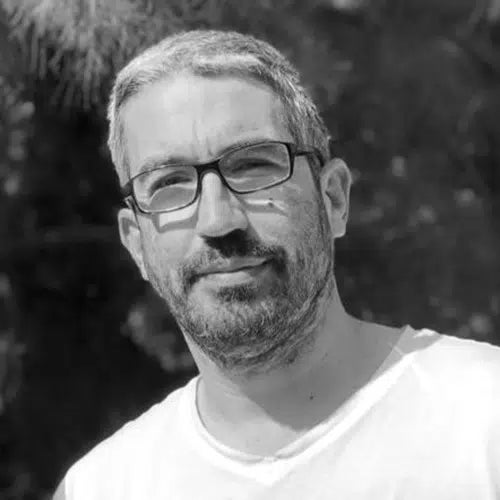
Expert in manual therapy, exercise therapy and invasive techniques
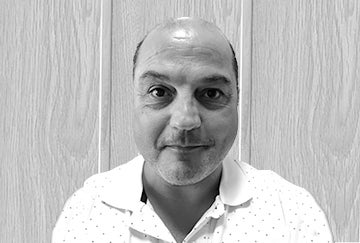
Doctor in Biomechanics and Rehabilitation
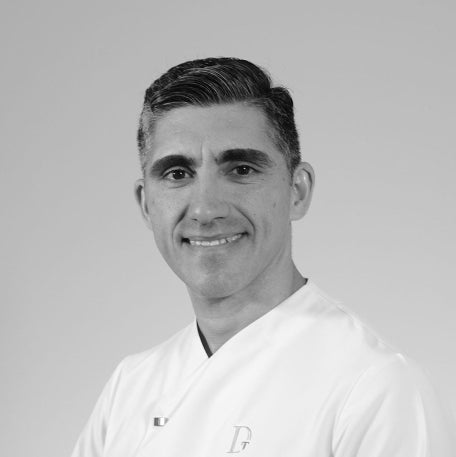
Postgraduate lecturer in Manual Therapy with more than 10 years of experience.
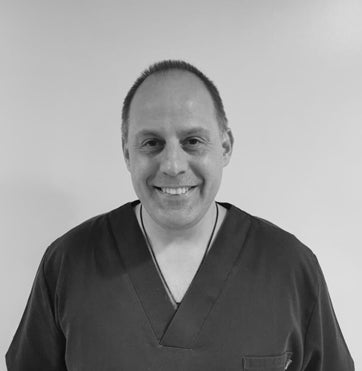
Teacher of Myofascial Therapy for more than 20 years.
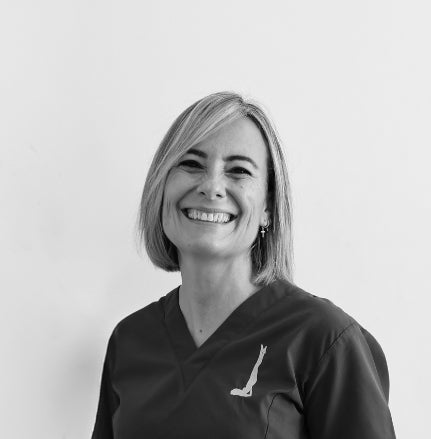
National and international benchmark in postgraduate pelvic floor training.
Complete our form, give us a call or request a visit to UAX. We’re excited to show you everything we’ve prepared for you.
A professional from our university will offer guidance and help you select the path that aligns best with your interests.
Enrol in your courses, meet the deadlines and follow the payment procedures to secure your place and fulfil the legal admission requirements.
You’re now part of UAX! Prepare to embark on a unique educational journey where you’ll take centre stage. Welcome to your university!
We need to know a little bit about you so that we can provide you with a personalised service.
All fields are required
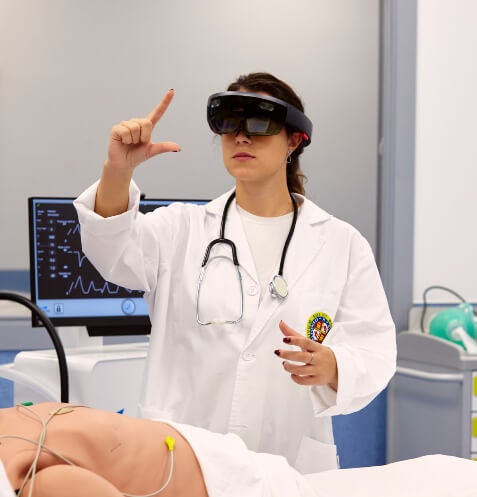
At UAX we know that studying is an investment, which is why we give you the resources to access our qualifications. Learn about some of our scholarships and grants:
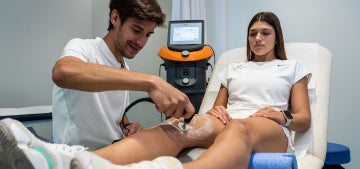
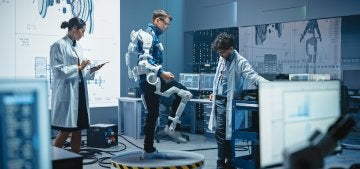
A unique centre in Spain to complete your training in the most innovative, well-rounded way. Find out more
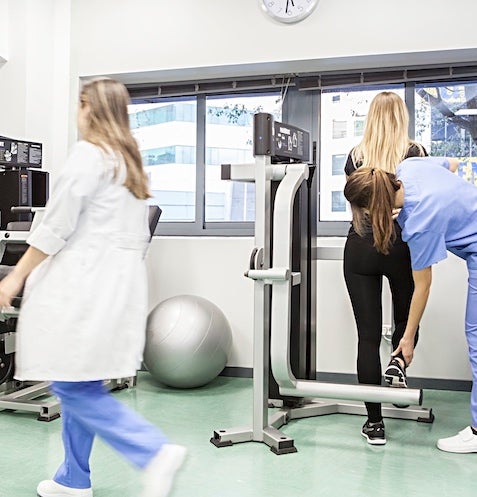
Using the most innovative medical resources, it aims to offer the best diagnosis and treatment of real patients. Find out more
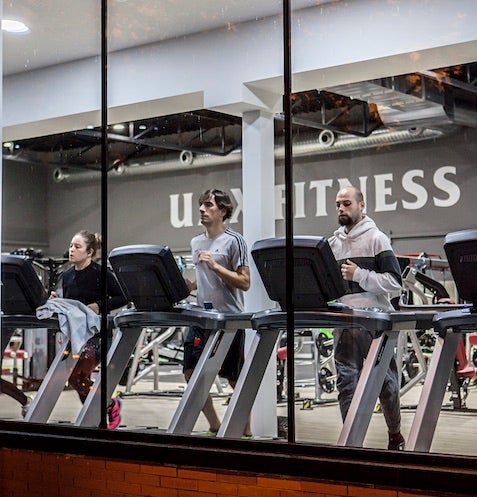
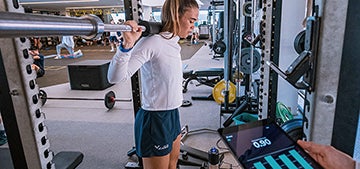
25 indoor and outdoor sports facilities for practicing more than 20 different sports. Find out more
Other related qualifications
Master’s Degree in Sports Physiotherapy
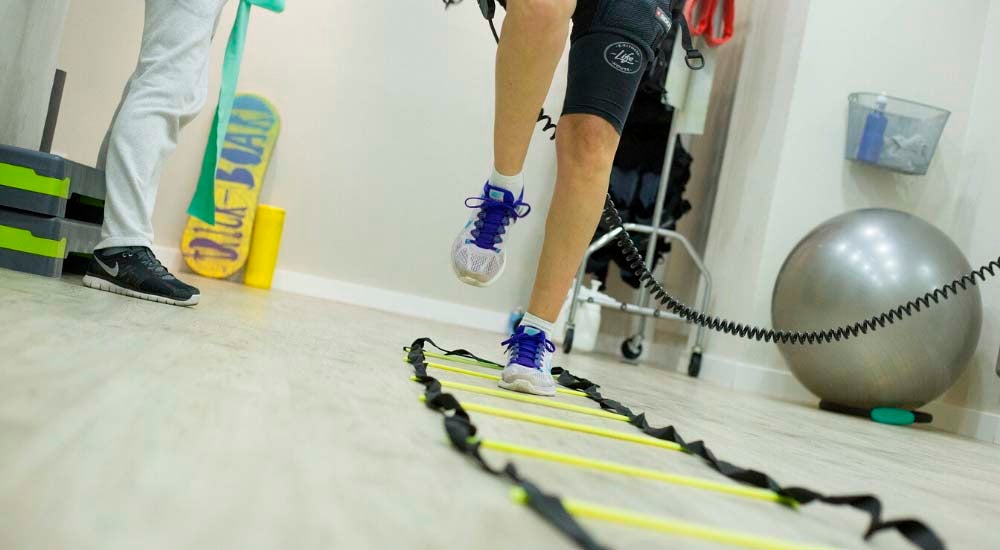
In collaboration with:
Start:
October
Length:
9 months
Master's Degree in Neurophysiotherapy
Start:
October
Length:
9 months
Master’s Degree in Sports Performance and Injury Prevention
In collaboration with:
Start:
October
Length:
9 months
Online Expert in Psychology of High Performance Sport
In collaboration with:
Start:
November
Length:
4 months