See all Online Master's Degrees in Health
See all Master's Degrees in Engineering
Most searched curriculums
Official qualification
Madrid
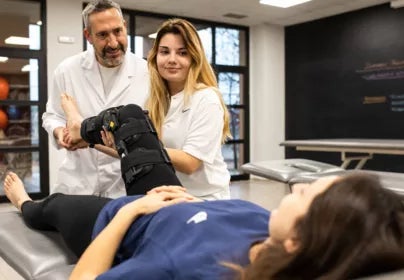
Boost your career with a master's degree that will train you as a professional in the field of neurorehabilitation, one of the areas with the highest demand. You will learn the most effective techniques for treating disorders of the central and peripheral nervous system (multiple sclerosis, Parkinson's, stroke, etc.) in adult and paediatric patients. You will learn from experts in neurology, physics, robotics, intensive therapies, dry needling, etc. You will do 250 practical hours in leading centres (more than in any other master's degree), to specialise at the highest level. Degree in Physiotherapy essential
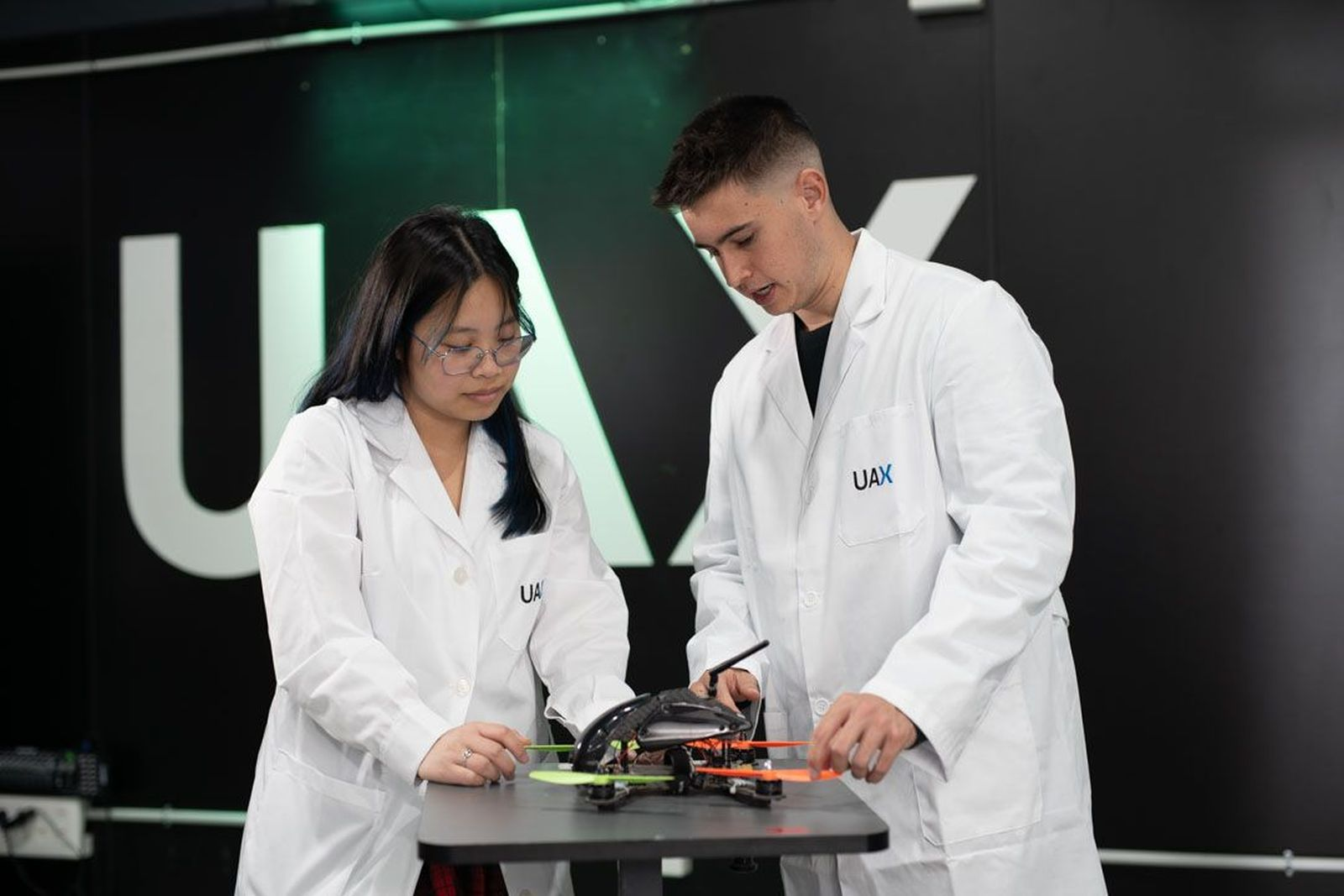
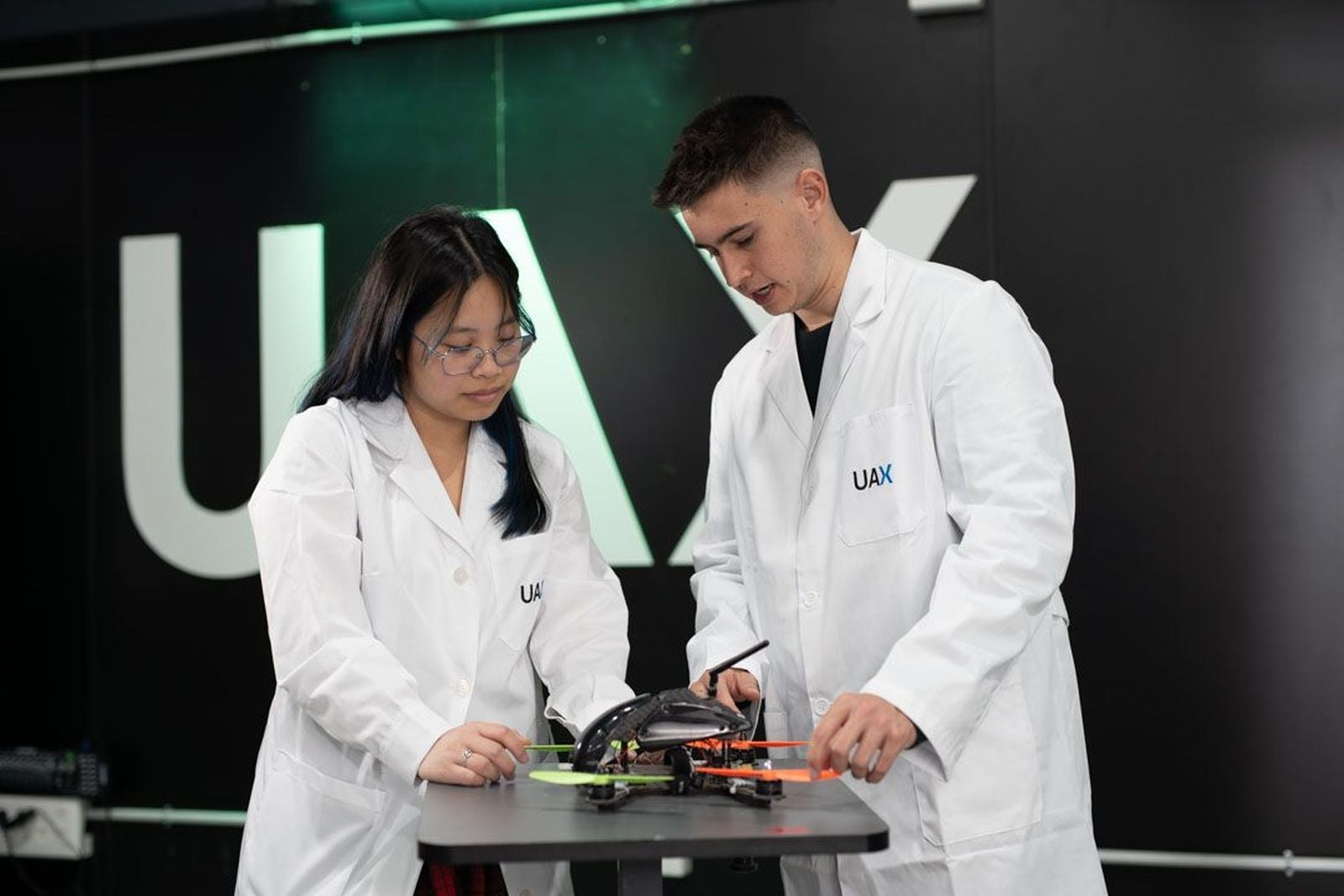
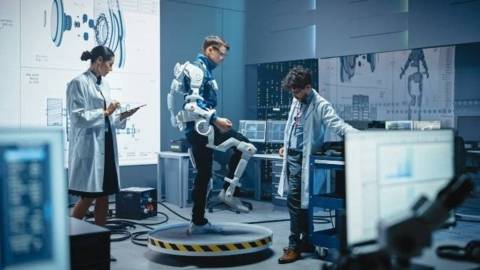
With the UAX Master’s Degree in Neurophysiotherapy, you will complete over 250 hours of practical training to specialise in the most cutting-edge techniques, earning four certifications. You will specialise in the assessment and treatment of neurological disorders and conditions, advances in motor control, neurophysiology, manual therapy and technological approaches (engineering and robotics).
Please consult your academic advisor about grants and personalised funding schemes.
Why study at the UAX Rafa Nadal University College?

You will have the privilege of hearing Rafa Nadal speak firsthand about leadership, effort, and resilience. In an exclusive session, Nadal will share the experiences that shaped his success. Imagine receiving advice directly from the champion to apply to your own career. It will be an inspiring experience that brings meaning and purpose to your learning.
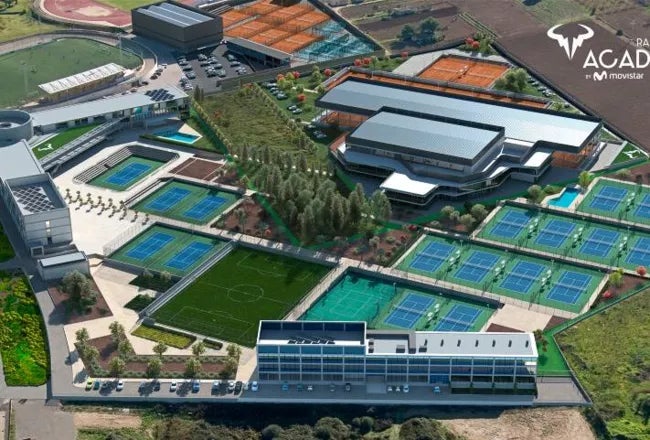
Optionally, you can attend the Rafa Nadal Academy, learning the working methodology of Rafa's companies and team that have led him to success with an analysis of the Rafa Nadal case in the world of tennis.
Discover the experience
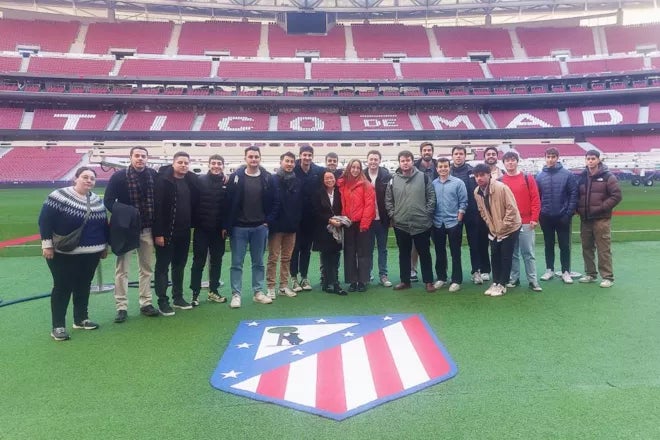
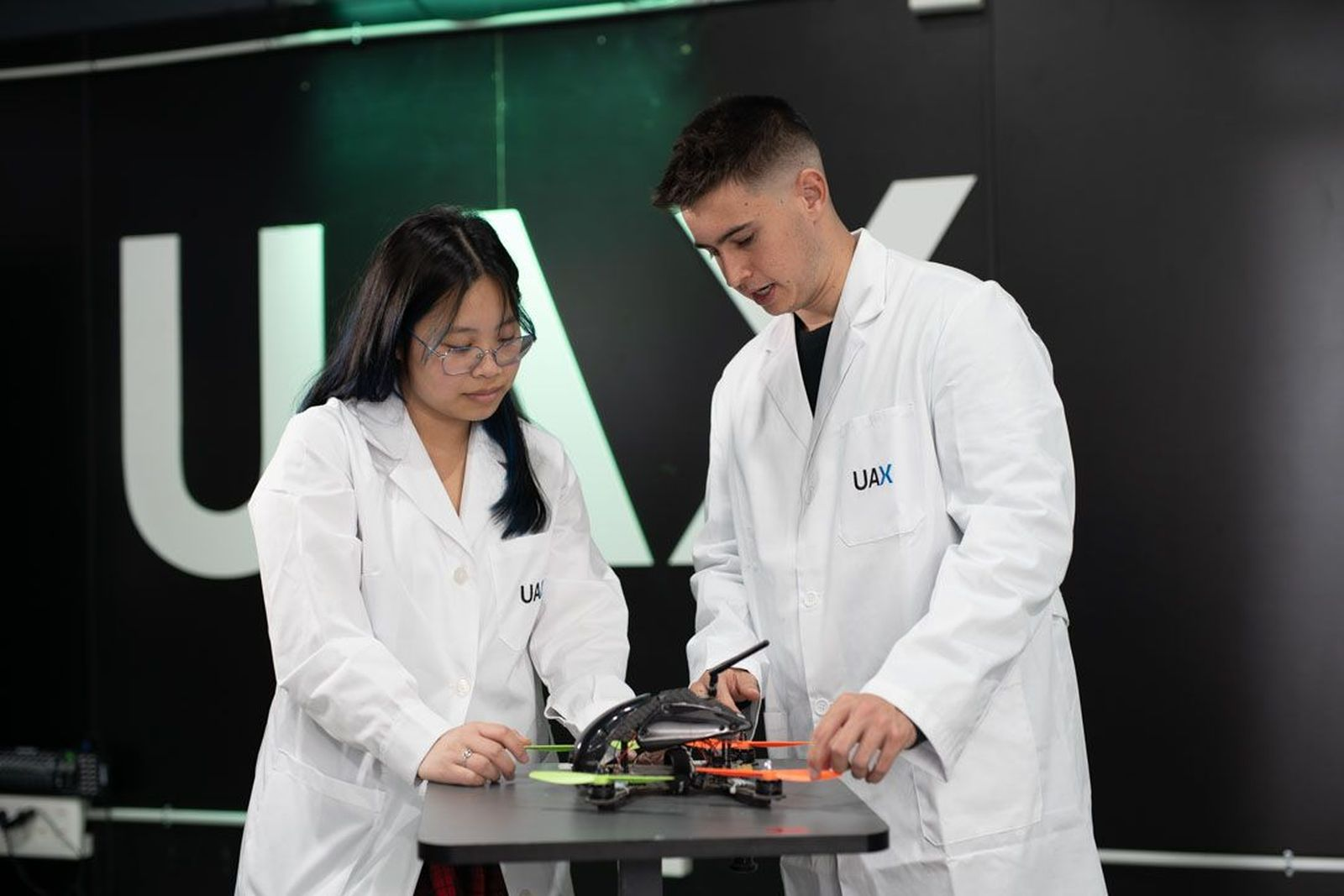
Access to internships at the club and its Sports City, participation of Atlético de Madrid professionals in course delivery, an exclusive immersive experience, and the opportunity to boost your talent through Maker Projects and applied research lines focused on performance and health.
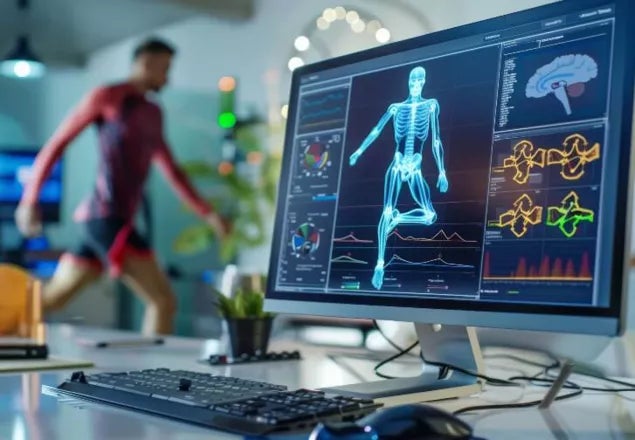
You will acquire the necessary knowledge to specialise in the use of the latest technologies applied in the sector. You will be able to obtain certifications in percussive therapy with Therabody, intermittent hypoxia with iAltitude, or electromyography and surface electro-stimulation with Myoplus.

Exclusive online training programme based on the values that have made Rafa Nadal successful: effort, cooperation, empathy, leadership, professional ethics, resilience, work discipline, among others.
Master's Degree in Neurophysiotherapy
First Year
ANNUAL SUBJECTS
| Code | Subjects | Character* | ECTS | ||
|---|---|---|---|---|---|
| M131800 | Work placements | OB | 12 | ||
Work placementsCódigo: M131800 Imprimir Year 1. Annual module. Compulsory. 12 credits. Profesores
Objectives To work as part of a multidisciplinary team Analysing, synthesising and making decisions through clinical cases Solve problems and adapt to new situations, both individually and as a team. Search for information in the scientific literature using appropriate channels and integrate this information to propose and put an experimental and research protocol into context. Understand the different strategies offered by the patient–therapist relationship. CG6. – Identify and apply the principles of quality assurance in professional practice, whilst being aware of the legal and ethical aspects involved in the practice of the profession. Apply various advanced techniques to achieve optimal results. Possess and understand knowledge that provides a basis or opportunity for originality in the development and/or application of ideas, often within a research context Students should be able to apply the knowledge they have acquired and their problem-solving skills in new or unfamiliar settings within broader (or multidisciplinary) contexts related to their field of study Students should be able to integrate knowledge and tackle the complexity of forming judgements based on information which, whilst incomplete or limited, includes reflections on the social and ethical responsibilities associated with the application of their knowledge and judgements Students should be able to communicate their conclusions and the underlying knowledge and rationale to specialist and non-specialist audiences in a clear and unambiguous manner Students should possess the learning skills that enable them to continue their studies in a way that will be largely self-directed or independent Prerequisites Degree in physiotherapy Competencies To know, identify and understand the various physiological and pathophysiological processes of the central nervous system. To know, identify and understand the theories of motor control, postural control and motor learning, and their application in neuro-rehabilitation. To recognise, understand and identify advances in neuroscience and neurorehabilitation Carry out an accurate physiotherapy assessment using basic and advanced tools. Plan an appropriate therapeutic intervention therapeutic intervention Select the basic physiotherapy techniques most suited to the rehabilitation process for each individual, injury and of the injury, and to master their application. Adopt a holistic approach to the patient, both in collaboration with other professionals and across all areas of the individual, to ensure their successful reintegration into society To understand, develop and apply skills in the assessment procedures for adult neurological patients Possess the specific skills to manage self-directed learning based on scientific evidence, acquiring the ability to critically analyse a scientific article and apply the conclusions drawn from it in clinical practice. Apply the scientific method when carrying out research projects Understand current guidelines for the publication of scientific research papers To understand research methodology in neurophysiotherapy as the foundation of scientific evidence. Learning outcomes The student is able to: · Integrate the knowledge, skills and competences acquired in the other modules of the degree programme, under the supervision of qualified physiotherapists · Develop the professional competencies that enable them to provide effective physiotherapy care through a holistic approach · Participate in the assessment of neurological patients, the planning and implementation of the therapeutic approach, and subsequent re-assessment, designing rehabilitation programmes for the various phases of rehabilitation · Integrate scientific research and evidence-based practice as part of their professional culture · Apply the principles of health promotion Description of the content The clinical placements do not have specific subject-based content, as they build upon, reinforce and complement the content of the other modules within the degree programme. Students will undertake clinical placements in centres specialising in neurological physiotherapy under the supervision of a qualified physiotherapist. During the placements, students will adopt a holistic therapeutic approach to neurological patients, participating in the processes of assessment, planning and delivery of treatments, as well as the promotion and maintenance of health, whilst distinguishing between the different stages of the process. In addition, they will review the available scientific evidence relating to some of the clinical cases analysed during the placements, subsequently producing a reflective report based on Training activities Guided activities: face-to-face teaching and learning in the classroom, led by the lecturer and carried out in groups. They follow a specific timetable which requires the in-person supervision of a teacher and are carried out in groups. 5h Supervised activities: teaching and learning activities which, although can be carried out independently either inside or outside the classroom, require supervision and monitoring, on an ad hoc as and when required, by a teacher. 250h Independent activities: these are activities in which the student organises their own time and effort independently, either individually or in a group. 43 hours Assessment system and criteria The assessment of the activities carried out by the student during the external clinical placements is conducted by the tutors in the departments through which the student has rotated. This assessment will be both formative and summative, aimed at determining the achievement of the competences related to the External Placements module. It will be carried out using a rubric system that takes into account three fundamental aspects of the placements: - Assessment of general overall aspects (30%) - Assessment of specific competences acquired (50%) - Assessment of the proposed synthesis assignment (20%) |
|||||
| TOTAL: | 12 | ||||
FIRST FOUR-MONTH PERIOD
| Code | Subjects | Character* | ECTS | ||||||||||||
|---|---|---|---|---|---|---|---|---|---|---|---|---|---|---|---|
| M131801 | Specialist neurological physiotherapy | OB | 3 | ||||||||||||
Specialist neurological physiotherapyCódigo: M131801 Imprimir Course 1: First-semester module. Compulsory. 3 credits. Profesores
Objectives To learn about advanced active, passive and instrumental techniques in neurological physiotherapy that are supported by the strongest scientific evidence and are tailored to specific, individual treatment plans. To carry out an assessment using standardised tests to draw up an appropriate treatment plan Understand the different phases of the rehabilitation process and set appropriate objectives. To be able to select the most appropriate therapeutic tool for each specific treatment at each stage of recovery identify pelvic floor dysfunction and minimise its side effects to facilitate better integration into society CE6.4 sport as a means of social inclusion Apply the various tests and protocols based on scientific evidence for the diagnosis and treatment of pelvic floor dysfunction in neurological patients Use sport as a recreational and therapeutic tool to facilitate social integration Apply the specialism of pelvic floor physiotherapy to patients with neurological conditions Prerequisites Degree in physiotherapy Competencies • To understand and identify advances in neuroscience and neurorehabilitation • Carry out an accurate physiotherapy assessment using basic and advanced tools. Plan an appropriate therapeutic intervention • Select the basic physiotherapy techniques most suited to the rehabilitation process for each individual, injury and stage of recovery, and master their application • Take a holistic approach to patient care, both in collaboration with other professionals and across all aspects of the individual’s life, to ensure their successful reintegration into society • To understand, develop and apply skills in the assessment of adult neurological patients • Understand and apply the various specialisms within physiotherapy relevant to neurological patients (urogynaecological physiotherapy, sports physiotherapy) • To design a personalised physiotherapy intervention protocol for the various conditions and clinical situations affecting the musculoskeletal system as a result of a neurological injury. • To acquire advanced training in the functioning of the main neurological services: protocols, resources and procedures. Learning outcomes • Understand the different types of pelvic floor dysfunction • Understand the different diagnostic and treatment techniques, as well as hygiene and preventive measures, in the management of neurological patients with pelvic floor dysfunction • Understand the sporting adaptations that can be made depending on the type of disability • Understand the injuries sustained by athletes with disabilities CG6 • To analyse and apply the principles of health promotion for people with disabilities • To analyse the physical and psychological benefits of different types of physical activity, exercise and sport, whilst identifying any contraindications for people with disabilities Course content description 1. Adapted sport BLOCK 1: Disability and sport. 1. Classification of disability. 1.1. Physical disability. 1.2. Sensory disability. 1.3. Cognitive disability. 2. Neurological disability. 2.1. Physiological and biomechanical aspects. 2.2. Deficits associated with neurological injury. 2.3. Most common causes of neurological injury. SECTION 2: Adapted physical and sporting activity. 1. A historical overview of adapted sport. 2. Quality of life and social inclusion. 3. Terminology of adapted sport. 4. Areas of practice. SECTION 3: Assessment and classification. 1. Assessment prior to recommending physical activity. 2. Main methods of assessment for adapted physical activity. 3. Types of classification according to adapted physical activity. SECTION 4: Adapted physical activity in the recreational setting. 1. Description of the recreational setting. 2. Main physical activities for people with neurological disabilities. 3. Adaptations. 4. Organisations. 5. Pool-based practice: adapted aquatic activities and swimming. 6. Adapted padel. BLOCK 5: Adapted physical activity in a therapeutic setting. (4 hours) 1. Description of the therapeutic setting. 2. Main physical activities for people with neurological disabilities. 3. Adaptations. 4. Organisations. 5. Practical session in the gym. MODULE 6: Adapted sport in competition. 1. Description of the competitive environment. 2. Main sports for people with neurological disabilities. 3. Adaptations to the rules. 4. Organisations. 5. Playing boccia. 6. Playing football. Urogynaecological disorders 1. General concepts: anatomical overview, dysfunctions, tests and medical and surgical treatment. Musculature (layers) and neurophysiology of the pelvic floor Lumbar-abdominal-pelvic-perineal biomechanics Urination – dyssynergies Difference between strength and tone 2. Medical history and physiotherapy assessment. Medical diagnostic tests 3. Types of incontinence in patients with neurological conditions and their treatment. Overactive Bladder Neurogenic Bladder Enuresis Understanding electrotherapy and biofeedback, as well as the different types of catheters, and being able to set one’s own parameters Manual techniques for exercises, massage and stretching Posterior tibial muscle technique 4. Anorectal dysfunctions: anatomy, tests and medical and surgical treatment Colonic and rectal physiology and reflexes Constipation, incontinence, pain, posture, ageing and the menopause. Anal fissures and haemorrhoids Assessment 5. Ano-rectal conditions and their treatment using physiotherapy Biofeedback, electrotherapy, rectal balloon, behavioural therapy 6. Paediatric and male conditions 7. Sexuality in neurological patients Peyronie’s disease Vaginismus Dyspareunia Perineal hypotonia and vulvar opening Vulvodynia and chronic pelvic pain Infections 8. Trends and advanced treatment techniques NEAS High-intensity magnetic therapy Laser Radiofrequency Exercise and sport Peripartum Ultrasound Lymphatic drainage Puncture Nutrition Oncological sequelae 3. PAEDIATRIC NEUROLOGY Assessment of paediatric patients Neurological scales in paediatrics Cerebral palsy Neuromuscular disorders Treatment of paediatric patients Training activities Guided activities: face-to-face teaching and learning activities in the classroom, led by the lecturer and carried out in groups. They follow a set timetable that requires the face-to-face supervision of a teacher and are carried out in groups. 19 hours Supervised activities: teaching and learning activities which, although they may be carried out independently inside or outside the classroom, require supervision and monitoring, to a greater or lesser extent, by a teacher. 16 hours Independent activities: these are activities in which students organise their time and effort independently, either individually or in a group. 37.5 hours Assessment system and criteria To assess the ability to resolve different problems or clinical cases, either individually or in groups, during teaching activities, oral, written or computer-based assessments will be used, either individually or in groups, in relation to the competence profile. These will account for between 10% Presentation of assignments, reports and/or activities, either individually or in groups, in relation to the competence profile. This will account for between 10% Continuous assessment throughout the course via oral and/or written theoretical and practical tests. This type of assessment will account for a maximum of 30%. Final theoretical and practical examination covering the content of the entire course. Weighting: 50 per cent. Bibliography Essential: 1.- Paediatric Physiotherapy/ 2nd ed. Editorial Médica Panamericana, 2018. ISBN: 9788491102120 2. Cano de la Cuerda, Roberto Neurorehabilitation: 1st ed. Editorial Médica Panamericana, 2023. ISBN: 9788491104070 3. MARIA TORRES LACOMBA and ANTONIO MELDAÑA SANCHEZ Pelvic Floor Physiotherapy Panamericana. 2022. ISBN: 9788491104537 4. Ramirez-Blanco and Kauffman Female Pelvic Floor Rehabilitation: Evidence-Based Clinical Practice Panamericana. 2021. ISBN: 978-849110475 Supplementary: 5.- Carolina Walker Chao Physiotherapy in Obstetrics and Gynaecology 2nd ed. Elsevier. 2013. ISBN: 9788445821022 6. F.J. Fernández Rego, G. Torró Ferrero Physiotherapy in Early Intervention Panamericana. 2020. ISBN: 9788491109877 7. Kari Bø, Professor; Bary Berghmans; Siv Mørkved Evidence-Based Physical Therapy for the Pelvic Floor: Bridging Science and Clinical Practice Elsevier. 2023. ISBN: 978-070208308 8. Mijna Hadders-Algra, Kirsten R. Heineman Infant Motor Profile (IMP) Panamericana. 2014. ISBN: 978-841106105 9. MONICA YAMILE PINZON BERNAL and LUISA MATILDE SALAMANCA DUQUE Functional Neuropaediatric Assessment: Principles and Methods of Application Panamericana. 2021. ISBN: 9788491108313 Others: 10.- Caraballo – Campistol – Fernández Rubelino NEUROPEDIATRICS. PRACTICAL FUNDAMENTALS Panamericana. 2023. ISBN: 9789500696968 |
|||||||||||||||
| M131802 | Research in Neurophysiotherapy | OB | 3 | ||||||||||||
Research in NeurophysiotherapyCódigo: M131802 Imprimir Course 1: First-semester module. Compulsory. 3 credits. Profesores
Objectives To acquire the specific skills required to manage self-directed learning based on scientific evidence, developing the ability to critically analyse a scientific article and apply the conclusions drawn from it in clinical practice To design, carry out and develop a research project, as well as to know how to communicate it (present and defend it) Prerequisites A degree in physiotherapy Competencies Students will develop critical analysis and research skills in the field of neurological physiotherapy Students will conduct literature reviews of scientific studies providing evidence for the diagnosis and treatment of neurological conditions Students will understand the level of scientific evidence underpinning diagnostic and therapeutic procedures in neurological physiotherapy and will know how to apply this as a basis for developing a clinical approach and for future research projects Students will be able to prepare a research paper in the format of a scientific journal in the field of neurology Learning outcomes Students will acquire the theoretical knowledge necessary to integrate scientific research and evidence-based practice from a critical perspective. · The student is able to develop skills relating to the search for and organisation of literature, as well as the presentation and communication of their work in a manner appropriate to the scientific community. · Students learn to apply data analysis and statistical techniques to research in neurological physiotherapy. · Students demonstrate the ability to use various health sciences databases, select the best available evidence relating to neurological physiotherapy, and manage the information found via search engines Course content Throughout this module, students will be taught the following theoretical and practical content: - Introduction to research techniques in Health Sciences (study designs and types). - Physiotherapy based on scientific evidence. - Searching for and retrieving scientific documents in health sciences databases (EBSCO, PUMED, PeDro, OVID and others). - EndNote® reference management software. - Application and development of research methodology. - Descriptive statistics. Research methodology. Types of research Teaching activities Guided activities: face-to-face teaching and learning activities in the classroom, led by the lecturer and carried out in groups. These follow a set timetable and require the face-to-face supervision of a teacher and are carried out in groups. 9 hours Supervised activities: teaching and learning activities which, although they may be carried out independently inside or outside the classroom, require supervision and monitoring, to a greater or lesser extent, by a teacher. 16 hours Independent activities: these are activities in which students organise their time and effort independently, either individually or in a group. 37.5 hours Assessment system and criteria To assess the ability to resolve different problems or clinical cases, either individually or in groups, during teaching activities, oral, written or computer-based assessments will be used, either individually or in groups, in relation to the competence profile. These will account for between 10% Presentation of assignments, reports and/or activities, either individually or in groups, in relation to the competence profile. This will account for between 10% Continuous assessment throughout the course via oral and/or written theoretical and practical tests. This type of assessment will account for a maximum of 30%. Final theoretical and practical examination covering the content of the entire course. Weighting: 50 per cent. Bibliography Core: 1.- Joaquín Moncho Vasallo & Loreto Maciá Soler Applied Statistics for the Health Sciences 2nd ed. Elsevier. 2021. ISBN: 9788491137214 2. Josep Maria Argimon Pallàs & Josep Jiménez Villa Methods of Clinical and Epidemiological Research 5th ed. Elsevier. 2019. ISBN: 9788491130079 Supplementary: 3.- Adam Bohr and Kaveh Memarzadeh Artificial Intelligence in Healthcare Elsevier. 2021. ISBN: 9788413820170 4. Manuel F Jimenez Navarro Research for Health Panamericana. 2022. ISBN: 9788491108337 5. Miguel Ángel Martínez González, Almudena Sánchez Villegas, Estefanía Toledo Atucha and Javier Faulin Fajardo Biostatistics Made Easy 4th ed. Elsevier. 2020. ISBN: 9788491134077 6. Ricardo Luis Macchi An Introduction to Statistics in Health Sciences Panamericana. 2020. ISBN: 9789500696357 7. Stephen Polgar, BSc(Hons), MSc, and Shane A. Thomas, DipPubPol, PhD, MAPS An Introduction to Research in Health Sciences 7th ed. Elsevier. 1970. ISBN: 9788491138488 Others: 8. Ildefonso Hernández Aguado Handbook of Epidemiology and Public Health for Undergraduate Students in Health Sciences 3rd ed. Panamericana. 2021. ISBN: 9788491101734 9.- Juan Carlos Vázquez, Garrido Morale Research Methods: Foundations of Evidence-Based Clinical Practice Ovid Technologies. 2012. ISBN: 9788415419426 10. Richard Henry Chiara Miranda Biostatistics Applied to the Health Sciences Formacion Alcalá. 2017. ISBN: 9788491663317 |
|||||||||||||||
| M131803 | Functional neuroanatomy | OB | 6 | ||||||||||||
Functional neuroanatomyCódigo: M131803 Imprimir Course 1: First-semester module. Compulsory. 6 credits. Profesores
Objectives • Students will be able to recognise and identify the different structures of the central nervous system and the relationships between them • Students will learn about the physiology of the central nervous system • Students will be able to understand the different circuits of the central nervous system • Students demonstrate a thorough understanding of these neural circuits and their various practical applications in neurorehabilitation in the event of a neurological condition • To ensure that, when faced with a neurological deficit, students can identify its location and interpret the examination findings and reports provided to them. In short, to be able to apply topographical diagnosis in neurology Prerequisites Degree in Physiotherapy Competencies To know, identify and understand the various physiological and pathophysiological processes of the central nervous system. To know, understand and identify advances in neuroscience and neurorehabilitation Learning outcomes - The student is able to recognise and identify the different structures of the central nervous system and the relationships between them · Students will learn about the physiology of the central nervous system · Students are able to understand the different circuits of the central nervous system · Students demonstrate a thorough understanding of these neural circuits and their various practical applications in neurorehabilitation in the context of disease Course content 1. Basic definitions in neuroanatomy: Macroscopic organisation of the nervous system * Orientation of section planes * Cellular basis and neurochemical organisation * Grey matter and white matter * Spinal cord and peripheral nervous system * Basic organisation of the cerebral cortex 2. Neurotransmitters: Receptors * Neurotransmitters and their bases: Acetylcholine, glutamate, GABA, monoamines (dopamine, serotonin) and neuropeptides * Principles of nerve conduction * Understanding motor and sensory conduction velocities. Concepts of denervation, demyelination and axonopathy 3. The neurological examination as a lesson in neuroanatomy: Neuroanatomy of motor control * Neurophysiology of motor control * Introduction to neuroradiology * Understanding CT and MRI planes and sections 4. Skull, ventricles and meninges: Organisation of the meninges and sinuses * Ventricles and cerebrospinal fluid (CSF) communication * Understanding pathology caused by trauma or hydrocephalus 5. Corticospinal Tract and Other Motor Pathways: Motor and sensory cortex and somatotopic organisation * Organisation of the motor system * Lateral corticospinal tract * Overview of the autonomic nervous system * Unilateral weakness or paralysis: face, arm, leg 6. Somatosensory pathways: Main somatosensory pathways * Posterior pathway: medial lemniscus * Anterolateral pathway: spinothalamic tract * The thalamus and its nuclei * Spinal cord and its lesions 7. Nerve roots: Segmental organisation and its relationship with bones, discs, dermatomes and myotomes * Disorders of the nerves, muscles and neuromuscular junction * Back pain and radiculopathies * Simplification: 3 roots in the arm and 3 in the leg 8. Simplified overview of plexuses and peripheral nerves: Anatomy of the brachial and lumbosacral plexuses * 5 nerves to remember in the arm * 3 nerves to remember in the thumb and the intrinsic muscles of the hand * 5 nerves to remember in the leg * Common syndromes * Electromyography and nerve conduction 9. Collateral blood supply to the cerebral hemispheres 10. Visual system: Assessment scales in neurorehabilitation and motor control: - Strength, range of motion and muscle tone - Balance and gait - Dexterity, coordination and manipulation - Upper and lower limb function - Functionality - Health-related quality of life 11. Brainstem: cranial nerves: Anatomical planes of the brainstem * The XII cranial nerve pairs * Organisation and exit points, their relationship with the skull * Examination and lesions 12. Brainstem: Internal structures and vascular collateralisation * Main components of the brainstem * > Cranial nerve nuclei and related structures * > Long veins * > Cerebellar circuits * > Reticular formation and related structures * Vascular collateralisation of the brainstem 13. Cerebellum: Cerebellar lobes, peduncles and deep nuclei * Inputs and outputs of the cerebellar tracts * Vascular supply to the cerebellum 14. Basal ganglia: Afferents and efferents of the basal ganglia * Their relationship with motor functions, cognition and movement * The four major cerebral circuits: * Motor * Oculomotor * Prefrontal and limbic 15. Higher cortical functions: Anatomy of mental states. Principles of localisation and lateralisation * Functions of the dominant and non-dominant hemispheres * Language and common lesions * Non-dominant hemisphere: Attention, hemineglect and visuospatial processing * Frontal lobe: Anatomy, functions, assessment * Visual association cortex: hallucinations * Attention, consciousness and other functional brain networks 16. Biomechanics of gait: Normal gait * Parameters of abnormal gait * Biomechanical analysis of gait * Gait in neurological patients Training activities Guided activities: face-to-face teaching and learning activities in the classroom, led by the lecturer and carried out in groups. They follow a set timetable requiring the in-person supervision of a teacher and are carried out in groups. 30 hours Supervised activities: teaching and learning activities which, although they may be carried out independently inside or outside the classroom, require supervision and monitoring, to a greater or lesser extent, by a teacher. 28 hours Independent activities: these are activities in which students organise their time and effort independently, either individually or in a group. 90 hours Assessment system and criteria To assess the ability to resolve different problems or clinical cases, either individually or in groups, during teaching activities, oral, written or computer-based assessments will be used, either individually or in groups, in relation to the competence profile. These will account for between 10% Presentation of assignments, reports and/or activities, either individually or in groups, in line with the competence profile. This will account for between 10% Continuous assessment throughout the course via oral and/or written theoretical and practical tests. This type of assessment will account for a maximum of 30%. Final theoretical and practical examination covering the content of the entire course. Weighting: 50 per cent. Bibliography Essential: 1.- Alan R. Crossman & David Neary Neuroanatomy. Text and colour atlas 6th ed. Elsevier. 2019. ISBN: 9788491135708 2. Bisbe-Santoyo-Segura Physiotherapy in Neurology Panamericana. 2019. ISBN: 9788491105572 Supplementary: 3.- Jahangir Moini, Pirouz Piran Functional and Clinical Neuroanatomy Academic Press. 2019. ISBN: 9780128174258 4.- Joseph Jankovic, John C Mazziotta, MD, PhD, Scott Pomeroy, MD, PhD and Nancy J. Newman, MD Bradley and Daroff. Clinical Neurology Elsevier. 2022. ISBN: 9788413822259 5. Juan Antonio García Porrero Pérez Human Neuroanatomy Panamericana. 2020. ISBN: 9788491107453 Others: 6. Duane E. Haines, Gregory A. Mihailoff Principles of Neuroscience: Basic and Clinical Applications 5th ed. Elsevier. 2019. ISBN: 9788491133421 7. Fernando Maestú, Ernesto Pereda and Francisco del Pozo Functional and Anatomical Connectivity in the Human Brain Elsevier. 2015. ISBN: 9788490225257 |
|||||||||||||||
| M131804 | Neurorehabilitation units: multidisciplinary treatment | OB | 3 | ||||||||||||
Neurorehabilitation units: multidisciplinary treatmentCódigo: M131804 Imprimir Course 1: First-semester module. Compulsory. 3 credits. Profesores
Objectives To work as part of a multidisciplinary team To analyse, synthesise and make decisions based on clinical cases. Solve problems and adapt to new situations, both individually and as a group. Understand the different strategies offered by the patient-therapist relationship. Identify and apply the principles of quality assurance in professional practice, whilst being aware of the legal and ethical aspects of professional practice. Possess and understand knowledge that provides a basis or opportunity for originality in the development and/or application of ideas, often within a research context Students should be able to apply the knowledge they have acquired and their problem-solving skills in new or unfamiliar environments within broader (or multidisciplinary) contexts related to their field of study Students should be able to integrate knowledge and address the complexity of making judgements based on information which, whilst incomplete or limited, includes reflections on the social and ethical responsibilities associated with the application of their knowledge and judgements Students should be able to communicate their conclusions and the underlying knowledge and reasoning to specialist and non-specialist audiences in a clear and unambiguous manner Prerequisites Degree in Physiotherapy Competencies . To be familiar with the main disorders affecting patients with brain injury in each of the relevant areas. Identification, treatment and involvement in physiotherapy treatment • Understand the impact of these conditions on physiotherapy practice and the strategies to be employed • To develop, in collaboration with other professionals, a comprehensive treatment plan for each individual. Teamwork: planning and shared short-, medium- and long-term objectives Learning Outcomes The student is able to understand and interpret the various diagnoses across the different areas of treatment for neurological patients and the impact these have on the patient’s life. • Students are able to understand and develop holistic treatment programmes with the aim of reintegrating the patient into society • Students are able to understand the basic terminology used in the other disciplines involved in neurological units • Students will be able to understand the diagnoses made within each discipline and their implications for the physiotherapist’s practice. Description of the content Neuropsychology • Introduction to neuropsychology and cognitive performance in multidisciplinary practice. • Cognitive processes that affect patient performance: • Attention • Processing speed • Executive functions and social cognition • Memory • Perception • Behavioural problems associated with brain damage • Conclusions Speech and Language Therapy The role of the speech and language therapist Definition The speech and language therapist’s role within a multidisciplinary team Speech and language therapy intervention for neurogenic dysphagia Definition of dysphagia Stages of normal swallowing. Swallowing safety and efficacy. We identify impairments in the safety and efficiency of swallowing across its different phases. Volume-viscosity assessment (MECV-V). Instrumental assessment of dysphagia (swallowing videofluoroscopy, FEES). Dietary adjustments or alternative feeding methods. Swallowing techniques and manoeuvres for the rehabilitation of dysphagia. Vitalstim therapy Evidence-based practice Practical sessions: videos, clinical cases. Speech and language therapy for speech disorders Definition of dysarthria. Classification of dysarthria (flaccid, spastic, ataxic, hypotonic, hyperkinetic). Assessment of dysarthria. Importance of intelligibility. Intervention methods for dysarthria. Behavioural-speech and language therapy approach. Intervention objectives: breathing, phonation, resonance, articulation, speech rate, prosody, intelligibility. Evidence-based practice. Speech apraxia: definition. Treatment. Differences between dysarthria and apraxia. Practical session: videos, clinical cases, speech samples. Speech and language therapy for language disorders Speech and language therapy for aphasia Classification of aphasia. Common types of errors in spoken production: stereotypies, paraphasia, jargon, perseverations, echolalia, circumlocutions, anomia. Needs of people with aphasia. General objectives of speech and language therapy. Evidence-based guide to good practice. Counterproductive behaviours for people with aphasia. Techniques to promote communication with aphasiic speakers. Speech and language therapy intervention for pragmatic disorders. Speech and language therapy intervention for severe communication impairment (minimal consciousness states). Practical component: clinical cases, identifying errors in speech samples, videos Augmentative and Alternative Communication (AAC) system Communication notebook Tablet: the Grid 2 Tobii PC Eye Dichotomous communication systems Context-based communication boards. Transdisciplinary work between speech and language therapy and physiotherapy. Occupational therapy Occupational Therapy Person-centred care. • Occupational performance: areas of focus. • Activity analysis. • Clinical reasoning regarding activity: objectives. • Assessment: GAS scale. Wheelchairs • Posture, position and positioning. • Points to bear in mind: o Injury. o Context/environment. o Functionality. o Objective(s). o Cost. • Wheelchairs: o Dimensions. o Types of wheelchairs. o Types of adaptations. o Financial assistance from the Community of Madrid. • Transdisciplinary approach: common short-, medium- and long-term objectives. Home adaptations and assistive devices. • Home assessment. • Home adaptations. • Assistive devices for the home. • Functionality: objectives. • Transdisciplinary approach: common short-, medium- and long-term objectives. Splints: • Types of splints. • When, how and why to use splints. • Upper and lower limb splints • Transdisciplinary approach: common short-, medium- and long-term objectives. Clinical cases: • Clinical reasoning when fitting a wheelchair. • Clinical reasoning when carrying out home adaptations and implementing assistive products. • Clinical reasoning when fitting splints Training activities Guided activities: face-to-face teaching and learning activities in the classroom, led by the tutor and carried out in groups. They follow a set timetable that requires the face-to-face supervision of a teacher and are carried out in groups. 19 hours Supervised activities: teaching and learning activities which, although they may be carried out independently inside or outside the classroom, require supervision and monitoring, to a greater or lesser extent, by a teacher. 16 hours Independent activities: these are activities in which students organise their own time and effort independently, either individually or in a group. 37.5 hours Assessment system and criteria To assess the ability to resolve different problems or clinical cases, either individually or in groups, during teaching activities, oral, written or computer-based assessments will be used, either individually or in groups, in relation to the competence profile. These will account for between 10% Presentation of assignments, reports and/or activities, either individually or in groups, in relation to the competency profile. This will account for between 10% Continuous assessment throughout the course via oral and/or written theoretical and practical tests. This type of assessment will account for a maximum of 30%. Final theoretical and practical examination covering the content of the entire course. Weighting: 50 per cent. Bibliography Essential: 1.- Physiotherapy in Neurological Rehabilitation. / 3rd ed. Amsterdam, 2013. ISBN: 9788490223062 2.- Fernando Vázquez Sánchez, Beatriz García López Manual of Neurology for Occupational Therapy Panamericana. 2022. ISBN: 978-841106107 3. Olga Bruna Rabassa, Teresa Roig Rovira, Miguel Puyuelo Sanclemente, Carmen Junqué Plaja and Ángel Ruano Hernández Neuropsychological Rehabilitation Elsevier. 2011. ISBN: 9788445820667 4. Roberto Cano de la Cuerda Neurorehabilitation: Specific Methods of Assessment and Treatment Panamericana. 2012. ISBN: 9788491104070 Supplementary: 5.- Begoña Polonio López, Dulce Mª Romero Ayuso Occupational therapy applied to acquired brain injury Panamericana. 2022. ISBN: 978-849110411 6. Elena Muñoz Marron Cognitive stimulation and neuropsychological rehabilitation: 145 (Handbooks) UOC Publishing. 2009. ISBN: 978-849788862 7. James C. Grotta, Gregory W. Albers, Joseph P. Broderick, Arthur L. Day, Scott E. Kasner, Eng H. Lo, Ralph L. Sacco and Lawrence K.S. Wong Comprehensive Management of Stroke Elsevier. 2023. ISBN: 9788413822754 8.- Jorge Iriarte Franco, Julio Artieda González-Granda Manual of Clinical Neurophysiology Panamericana. 2021. ISBN: 978-849110481 Others: 9. I. Sánchez, A. Ferrero SERMEF Handbook of Rehabilitation and Physical Medicine Panamericana. 2020. ISBN: 9788491104933 10.- Juan Carlos Arango Lasprilla Principles of Neuropsychological Rehabilitation Manual Moderno. 2021. ISBN: 9786074488395 |
|||||||||||||||
| M131805 | Assessment and treatment in basic neurophysiotherapy for adult patients | OB | 9 | ||||||||||||
Assessment and treatment in basic neurophysiotherapy for adult patientsCódigo: M131805 Imprimir Course 1: First-semester module. Compulsory. 9 credits. Profesores
Objectives To apply the concept of neuroplasticity and motor learning as a therapeutic tool. Carry out a biomechanical analysis, identifying the patient’s primary and secondary problems. Carry out an assessment using standardised tests Draw up an appropriate treatment plan To assess the patient holistically (across all areas of life) and in their individuality Understand the different phases of the rehabilitation process and set appropriate objectives. Apply the most appropriate techniques in line with the objectives set. Carry out a holistic analysis and treatment, taking into account other areas of the patient’s life and their impact on physiotherapy treatment Involve the family and primary carer as integral parts of the rehabilitation process Understand the philosophy behind the Bobath concept. Prerequisites Degree in physiotherapy Competencies - Apply the concept of neuroplasticity and motor learning as a therapeutic tool. -Carry out a biomechanical analysis, identifying the patient’s primary and secondary problems. -Carry out an assessment using standardised tests -Develop an appropriate treatment plan -To analyse the patient holistically (across all areas of life) and in terms of their individuality -Understand the different phases of the rehabilitation process and set appropriate objectives. -Apply the most appropriate techniques in line with the objectives set. CE6.1 Carry out a holistic assessment and treatment, taking into account other areas of the patient’s life and their impact on physiotherapy treatment CE6.2 Involve the family and primary carer as integral parts of the rehabilitation process CE8 Understand the philosophy behind the Bobath concept. Learn the techniques and skills associated with this concept Learning outcomes - Assess, diagnose, analyse and observe the patient in accordance with the Bobath concept. - Develop and identify the most appropriate treatment plan in accordance with the Bobath concept - Analyse the patient’s individual characteristics across all areas that affect them - Carry out an analysis and propose an appropriate treatment plan for any splints and/or technical aids required - Carry out a holistic treatment programme involving the patient’s family and wider support network - Work towards the patient’s reintegration - Work as part of a multidisciplinary team - Understand the approach to aquatic therapy for neurological patients - Assess the neurological patient holistically, including specific treatments for sequelae such as respiratory physiotherapy+ - Learn about Vojta therapy and its application to neurological patients Course content description Introduction to the Bobath Concept Course Clinical reasoning in the Bobath concept Upper limb and functional activities Physiotherapy applications based on neuroscience (spasticity, pusher syndrome, painful shoulder, biomechanical, physiological and pathophysiological applications) Training Activities Guided activities: face-to-face teaching and learning activities in the classroom, led by the tutor and carried out in groups. They follow a set timetable and require the in-person supervision of a teacher and are carried out in groups. 40 hours Supervised activities: teaching and learning activities which, although they may be carried out independently either inside or outside the classroom, require supervision and monitoring—to a greater or lesser extent—by a teacher. 56 hours Independent activities: these are activities in which students organise their time and effort independently, either individually or in a group. 124 hours Assessment system and criteria To assess the ability to resolve different problems or clinical cases, either individually or in groups, during teaching activities, oral, written or computer-based assessments will be used, either individually or in groups, in relation to the competence profile. These will account for between 10% Presentation of assignments, reports and/or activities, either individually or in groups, in relation to the competency profile. This will account for between 10% Continuous assessment throughout the course via oral and/or written theoretical and practical tests. This type of assessment will account for a maximum of 30%. Final theoretical and practical examination covering the content of the entire course. Weighting: 50 per cent. Bibliography Core: 1.- Beate Krenek Respiratory Physiology in Physiotherapy Elsevier. 2024. ISBN: 9788413827261 2. BETTINA PAETH ROHLFS Experiences with the Bobath concept Panamericana. 2012. ISBN: 9788498350340 3. Marta Bisbe Gutiérrez Physiotherapy in Neurology: Panamericana Medical Publishers, 2018. ISBN: 9788491105572 4. Cano de la Cuerda, Roberto Neurorehabilitation: 1st ed. Editorial Médica Panamericana, 2023. ISBN: 9788491104070 5. Javier Güeita Rodríguez & María Alonso Fraile Aquatic Therapy: Approaches from Physiotherapy and Occupational Therapy Elsevier. 2021. ISBN: 9788491135791 6. Marta Bisbe and Carme Santoyo PHYSIOTHERAPY IN NEUROLOGY. Panamericana. 2019. ISBN: 9788491105572 7. Vaclav Vojta The Discovery of Ideal Motor Skills Ediciones Morata SL. 2011. ISBN: 9788471126467 Further reading: 8. Andrew B. Lumb, Caroline R. Thomas, Peter Slinger Nunn and Lumb, Applied Respiratory Physiology, 9th ed. Edera. 2022. ISBN: 9788418706523 Others: 9. Vaclav Vojta, Anegrett Peters THE VOJTA PRINCIPLE: MUSCULAR GAMES IN REFLEX LOCOMOTION AND MOTOR ONTOGENESIS Springer-Verlag Iberica. 1999. ISBN: 9788407001417 |
|||||||||||||||
| TOTAL: | 24 | ||||||||||||||
SECOND FOUR-MONTH PERIOD
| Code | Subjects | Character* | ECTS | ||||||||||||||||||||||
|---|---|---|---|---|---|---|---|---|---|---|---|---|---|---|---|---|---|---|---|---|---|---|---|---|---|
| M131806 | Engine control | OB | 6 | ||||||||||||||||||||||
Engine controlCódigo: M131806 Imprimir Course 1. Second-term module. Compulsory. 6 credits. Profesores
Objectives To provide a neurophysiological basis for motor control as the foundation of neurorestorative processes. • To provide students with a basic understanding of the role of motor control in the neurorehabilitation process. • To acquire a basic understanding of the professionals involved, the assessment process, objectives and the design of interventions focused on improving human movement. • To understand the neurophysiological basis of motor control. • To understand the forms of learning, the key concepts of motor learning and the variables that affect motor learning. • To distinguish between recovery processes and motor compensation processes. • To understand the principles of neuroplasticity in relation to motor control. • To understand the main theories relating to motor control. • To understand the main impairments of the motor, sensory and perceptual systems, as well as the cognitive impairments that affect motor control • Understand the key concepts related to postural control, as well as their importance in standing and walking, and their impact on the ageing process. • To identify the main therapeutic applications based on theories and models of motor control. Prerequisites Degree in Physiotherapy Competencies To know, identify and understand the theories of motor control, postural control and motor learning, and their application in neurorehabilitation. - To know, understand and identify advances in neuroscience and neurorehabilitation - To design a personalised physiotherapy intervention protocol for different conditions and clinical situations affecting the musculoskeletal system as a result of a neurological injury Learning outcomes • Understand the specific terminology of the subject • Understand the physiology of motor strategies relating to movement, locomotion, balance and the upper limb • Understand motor control strategies in older adults • Understand the pathophysiology of movement disorders • Carry out a neurological physiotherapy assessment using validated scales • Understand motor learning strategies and task-oriented therapy, and their practical application Course content 1. Introduction and general overview Introductory Background Neurorehabilitation Key concepts: -Multidisciplinary team -Assessment process -Setting objectives -Intervention 2. Neurophysiological basis of motor control Neuroanatomy of Motor Control Neurophysiology of Motor Control 3. Learning, recovery and compensation of motor function Forms of learning Motor Learning Variables Affecting Motor Learning Recovery versus motor compensation 4. Neuroplasticity Neuroplasticity and motor control 5. Foundations of Clinical Methods in Neurorehabilitation Theories of motor control: -Reflex Theory -Hierarchical Theory -Theories of Motor Programming -Schmidt’s Schema Theory -Systems Theory -Dynamic Action Theory (or Dynamic Systems Theory) -Parallel Distribution Processing Theory -Activity-Oriented Theories -Ecological Theory 6. Postural Control Definition. Key concepts Biomechanics of Postural Control Sitting. Standing. Walking Postural Control and Ageing 7. Neurological impairment and motor control Motor system impairments Sensory and perceptual system impairments Cognitive impairments 8. Therapeutic applications based on theories and models of motor control 1. Facilitation techniques 2. Modern techniques: -Task-oriented motor learning -Restraint-based therapy -Partial suspension walking on a treadmill 3. New technologies in neurorehabilitation 9. Functional assessment in neurorehabilitation and motor control Assessment scales in neurorehabilitation and motor control: -Strength, range of motion and muscle tone -Balance and gait - Dexterity, Coordination and Manipulation -Upper and lower limb function -Functionality -Health-related quality of life Training activities Guided activities: face-to-face teaching and learning activities in the classroom, led by the teacher and carried out in groups. They follow a specific timetable which requires the in-person supervision of a teacher and are carried out in groups. 30 hours Supervised activities: teaching and learning activities which, although can be carried out independently either inside or outside the classroom, require supervision and monitoring, on an ad hoc as needed, by a teacher. 28 hours Independent activities: these are activities which the student organises their time and effort independently, either individually or in a group. 90 hours Assessment system and criteria To assess the ability to solve different problems or clinical cases, either individually or in groups, during teaching activities, oral, written or computer-based assessments will be used, either individually or in groups, in line with the competence profile. This will account for between 10% Presentation of assignments, reports and/or activities, either individually or in groups, in line with the competency profile. This will account for between 10% Continuous assessment throughout the course via oral and/or written theoretical and practical tests. This type of assessment will account for a maximum of 30%. Final theoretical and practical examination covering the content of the entire course. Weighting: 50 per cent. Bibliography Essential: 1.- Cano De La Cuerda, R. — Martínez, R. — Miangolarra, J. Motor Control and Learning. Fundamentals, Development and Re-education of Human Movement Panamericana. 2016. ISBN: 9788491105374 Supplementary: 2.- ANNE SHUMWAY COOK MOTOR CONTROL: FROM RESEARCH TO CLINICAL PRACTICE 5th ed. Ovid Technologies. 2019. ISBN: 9788417370855 |
|||||||||||||||||||||||||
| M131807 | Master’s Thesis | OB | 6 | ||||||||||||||||||||||
Master’s ThesisCódigo: M131807 Imprimir Course 1. Second-term module. Compulsory. 6 credits. Profesores
Objectives To carry out and understand research work. To search for information in the scientific literature using appropriate channels and to integrate this information in order to devise and put an experimental and research protocol into context. To possess and understand knowledge that provides a basis or opportunity for originality in the development and/or application of ideas, often within a research context Students should be able to communicate their conclusions and the underlying knowledge and reasoning to specialist and non-specialist audiences in a clear and unambiguous manner Students should possess the learning skills that enable them to continue their studies in a way that will be largely self-directed or independent. Prerequisites A degree in physiotherapy. In order to defend the Master’s dissertation, it is an essential requirement to have passed all the modules of the Master’s programme Competencies - Possess and understand knowledge that provides a basis or opportunity for originality in the development and/or application of ideas, often within a research context. -Students should be able to communicate their conclusions – and the knowledge and underlying reasoning that support them – to specialist and non-specialist audiences clearly and unambiguously. - Students must possess the learning skills that enable them to continue their studies in a manner that will be largely self-directed or independent. -To search for information in the scientific literature using appropriate channels and to integrate this information in order to devise and contextualise an experimental and research protocol. -To possess the specific skills to manage self-directed learning based on scientific evidence, acquiring the ability to critically analyse a scientific article and apply the conclusions drawn from it in clinical practice. -To design, carry out and develop a research project, as well as to know how to communicate it (present and defend it). -Apply the scientific method when carrying out research work. -To be familiar with current guidelines for the publication of scientific research papers. -Understand research methodology in physiotherapy as the foundation of scientific evidence. Learning outcomes To be able to summarise, in a written piece of work, one of the conditions encountered in clinical practice which necessitates the constant updating of knowledge, integrating this knowledge based on scientific evidence, presenting case studies that support the technique or procedure carried out and thereby justifying the proposed treatment. · Be able, in literature review papers, to provide an up-to-date overview of the chosen topic, conducting a retrospective review of the literature to reach the current state of the field and, likewise, to justify the current situation based on scientifically demonstrable facts. · Be able to present the proposed topic clearly and concisely in public, highlighting relevant conclusions. Be able to submit the work in writing, using scientific language appropriate to the chosen topic, and to draft the title, abstract and keywords in English for submission, in accordance with the publication guidelines of the journal, course or conference chosen for its dissemination. Training activities Independent activities: these are activities in which the student organises their own time and effort independently, either individually or in a group. 143 Assessment system and criteria The assessment of the activities carried out by the student in the completion of the Master’s final project will be a final summative assessment, aimed at determining the achievement of the subject-related competences (outlined in the previous point), which will take into account: 0–20% participation and engagement in seminars and tutorials, 0–30% written report, 0–45% presentation and defence of the project, 0–5% dissemination and potential for relevant criticism. The overall mark will take into account, at a minimum, the scientific and technical quality of the Master’s thesis submitted, and the quality of the material submitted. The assessment of the project will include aspects such as: • Achievement of the objectives initially set • The student’s level of independence • The student’s commitment to the Final Year Project • Deductive reasoning • Initiative and creativity • Research skills • Technical ability • Clarity of written expression Addendum The Final Year Project (FYP) or Master’s Thesis (MT) must be an unpublished document, for which the student bears full responsibility as the sole author. The use of artificial intelligence (AI)-based tools in its preparation is restricted to auxiliary functions such as grammar checking, the generation of outlines or the search for general information. Any use of AI must be properly cited, specifying the tool used, its specific function and when it was applied. The use of AI to draft substantial content, carry out critical analysis or interpret results compromises the originality and authorship of the work. Checks for plagiarism and/or the use of AI will be carried out using the tool provided on the virtual campus and will be assessed by the tutor to verify the integrity of the work submitted. |
|||||||||||||||||||||||||
| M131808 | Assessment and treatment in advanced neurophysiotherapy for adult patients | OB | 12 | ||||||||||||||||||||||
Assessment and treatment in advanced neurophysiotherapy for adult patientsCódigo: M131808 Imprimir Course 1. Second-term module. Compulsory. 12 credits. Profesores
Objectives . To gain an understanding of advanced active, passive and instrumental neurological physiotherapy techniques with the strongest scientific evidence, adapted to specific, individualised treatment plans. To carry out diagnoses, assessments and treatments based on therapeutic exercise. To carry out assessments, analyses and treatments based on intensive therapy. To be able to select the most appropriate therapeutic tool for each specific treatment. To be able to combine all physiotherapy strategies for neurological patients and deliver a specific, individualised treatment. Understand the use and management of new technologies to promote patient independence Understand the use and management of technology within the multidisciplinary team Carry out assessments and treatments in line with intensive care principles Be able to identify objectives when applying new technologies Be able to apply new technologies in neurological treatments To be able to apply myofascial techniques based on scientific evidence Be able to apply dry needling to neurological patients based on scientific evidence Be able to apply exercise as a therapeutic tool based on scientific evidence Prerequisites Degree in physiotherapy Competencies - To know, understand and identify advances in neuroscience and neurorehabilitation - Carry out an accurate physiotherapy assessment using basic and advanced tools. Plan an appropriate therapeutic intervention therapeutic - Select the basic physiotherapy techniques most suited to the rehabilitation process for each individual, injury and of the injury, and to master their application. Adopt a holistic approach to patient care, both in collaboration with other professionals and across all areas of the individual, to ensure their successful reintegration into society To acquire, develop and apply skills in assessment procedures for adult neurological patients Design a personalised physiotherapy intervention protocol for the various conditions and clinical situations that affect the musculoskeletal system as a result of a neurological injury. To acquire advanced training in the functioning of the main neurological services: treatment protocols, resources and procedures. Learning outcomes Students must understand and be able to apply the advanced physiotherapy procedures and techniques used in neurology · Students must be able to understand, apply and interpret the various assessment tests. · Students will be able to integrate the application of advanced procedures and techniques with other therapeutic approaches aimed at patient recovery, in line with the intensive care approach · Students will be able to implement an approach and treatment using virtual systems and robotics · Students will master basic and advanced myofascial techniques in the management of neurological patients · Students will acquire the knowledge, skills and analytical ability to apply invasive techniques · Students will be able to apply therapeutic exercise in accordance with motor control Course content description NEW TECHNOLOGIES IN NEUROREHABILITATION • An introduction to the concept of neurorehabilitation o Definition o Traditional concepts o Limitations • Neuroplasticity o Mechanisms of nervous system plasticity o Types of neuroplasticity o Therapeutic principles for activating neuroplasticity mechanisms • New technologies o Definition o New technologies in neurorehabilitation o Requirements and types of devices (robotics, VR, video games, webcam content, LEAP, MYO and apps) • Emotional and cognitive aspects of therapy based on new technologies o New technologies and health-related quality of life o Models of cognitive tasks associated with therapy based on new technologies. • Robotics applied to neurorehabilitation o Applications for the upper limb o Applications in the lower limb • Mobile applications (apps) in neurorehabilitation • Practical session 1: designing treatment plans in neurorehabilitation • Practical Session 2: Technological devices in neurorehabilitation • Practical session 3: designing treatment plans using standard equipment • Practical Session 4: Designing treatment plans using new technologies. • Practical Session 5: Designing treatment plans using apps. INTENSIVE THERAPIES 1. Introduction to Intensive Therapies (TIN) Introduction to intensive therapies in neurorehabilitation. Past, present and future. Scientific evidence in IIT. 2. Assessment: Justification and rationale for the assessment process in NIC. Assessments of balance, gait and upper limb function. 3. Treatment Principles of paediatric neonatal intensive care treatment Strength training, preparatory activities. Functional training, adapted training. Environmental enrichment. MANUAL THERAPY AND THERAPEUTIC EXERCISE: Specific manual therapy applied in the treatment of muscle tone abnormalities, myofascial restrictions and the resulting loss of alignment in adult patients with acquired brain injury. Applications to the head, neck, upper trunk and affected upper limb. Application to the lumbopelvic region and lower limbs Practical application DRY NEEDLING IN NEUROLOGICAL PATIENTS 1. MYOFASCIAL PAIN AND THE BASICS OF DRY NEEDLING - Diagnostic criteria for myofascial trigger points - Neurophysiology of the myofascial trigger point - Deep needling: flushing of algogenic substances, mechanical stimulation, local spasm response, entry and exit technique 2. Deep dry needling - Deep dry needling of the main muscles of the lower limb - Deep dry needling of the main muscles of the upper limb - Deep dry needling of the main muscles of the thoracolumbar spine - Deep dry needling of the main neck muscles 3. Deep dry needling in neurological patients - Characteristics of neurological patients - Analysis of neurological patients - Practical application in neurological patients Training activities Guided activities: face-to-face teaching and learning activities in the classroom, led by the teacher and carried out in groups. These follow a set timetable requiring the face-to-face supervision of a teacher and are carried out in groups: 47 hours Supervised activities: teaching and learning activities which, although they may be carried out independently inside or outside the classroom, require supervision and monitoring, to a greater or lesser extent, by a teacher: 78 hours Independent activities: these are activities in which students organise their time and effort independently, either individually or in groups: 166 hours Assessment system and criteria To assess the ability to resolve different problems or clinical cases, either individually or in groups, during teaching activities, oral, written or computer-based assessments will be used, either individually or in groups, in relation to the competence profile. These will account for 10% of the mark Presentation of assignments, reports and/or activities, either individually or in groups, in relation to the competence profile. This will account for between 10% Continuous assessment throughout the course via oral and/or written theoretical and practical tests. This type of assessment will account for a maximum of 30%. Final theoretical and practical examination covering the content of the entire course. Weighting: 50 per cent. Bibliography Core: 1. Colby Kisner Therapeutic Exercise: Fundamentals and Techniques Panamericana. 2010. ISBN: 978-950060096 2. Fermín Valera, Francisco Minaya Invasive Physiotherapy 2nd ed. Elsevier. 2016. ISBN: 9788491130994 3. Manuel Albornoz Cabello, Julián Maya Martín Transcutaneous and Neuromuscular Electrostimulation and Neuromodulation Elsevier. 2020. ISBN: 978-849113606 4. Orlando Mayoral, Isabel Salvat Invasive Physiotherapy for Myofascial Pain Syndrome: A Manual on Dry Needling of Trigger Points Panamericana. 2021. ISBN: 978-849110395 5. Roberto Cano de la Cuerda New Technologies in Neurorehabilitation: Diagnostic and Therapeutic Applications Panamericana. 2018. ISBN: 9788491102397 |
|||||||||||||||||||||||||
| TOTAL: | 24 | ||||||||||||||||||||||||
*Character: BT: Basic Training, Ob: Required, Op: Optional
Puedes consultar el claustro completo en el siguiente enlace: Biodata Profesores
The objective of the Master's Degree in Neurophysiotherapy is for you to deepen, internalise and obtain the highest level of preparation, through an eminently practical methodology, in the following aspects:
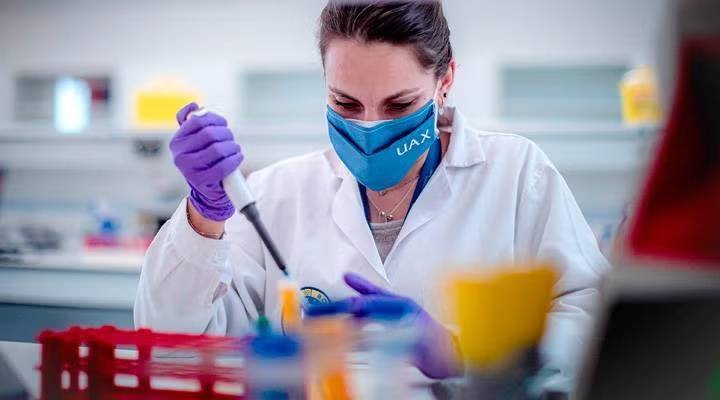
And you will be able to acquire all this through intense practical training in our state-of-the-art facilities:
El Máster Universitario en Neurofisioterapia cuenta con el Career Services, donde ponemos a tu disposición la infraestructura necesaria para que puedas realizar tus prácticas en empresas e instituciones con las que UAX mantiene convenios de colaboración.
Este máster consta de un 60% de aprendizaje práctico, 20% teórico y 20% investigador. El calendario de asistencia a esas prácticas se podrá ajustar, en la medida de lo posible, a las necesidades de nuestros alumnos.
Podrás realizar más de 250 horas prácticas en centros punteros en neurofisioterapia como:
- Number of new admission places: 30 places
- Admission conditions
In order to establish the conditions of access, the provisions of Royal Decree 822/2021, of 28 September, which regulates access and admission to official Master's degree courses, in article 18, will be taken into account.
- Admission profile
To access the official teaching of the Master's Degree in Neurophysiotherapy it will be necessary to be in possession of a university degree in Physiotherapy, or another of the same training characteristics issued by a higher education institution of the European Higher Education Area (EHEA) that entitles the holder to access Master's degree courses in the country issuing the degree.
Likewise, graduates from educational systems outside the EHEA may also be admitted without the need to have their degrees recognised, subject to verification by the University that they accredit a level of training equivalent to the corresponding official Spanish university degrees and that they are recognised in the country issuing the degree for access to Master's degree courses. Access by this route does not imply, in any case, the homologation of the previous degree held by the interested party, nor its recognition for purposes other than that of studying the Master's degree.
- Admission criteria and tests
When demand exceeds supply, the following merit assessment will be applied:
- Recognition of credits
The Alfonso X El Sabio University has approved and published a regulation adapted to Royal Decree 822/2021 to deal with the transfer and recognition of credits. https://www.uax.com/download/9959/file/Normativa-TRC.pdf
Thanks to the partnership agreement with BTL, students will be able to train using state-of-the-art professional equipment used in clinical settings. The partnership includes the provision of specialised equipment, the delivery of masterclasses and the development of joint initiatives. In addition, students will be able to obtain training certificates relating to the use of various pieces of technological equipment, thereby enhancing their professional profile and employability.

Spain and other European countries require specialised professionals to attend to the progressive increase in the number of patients with neurological disorders, which is expected to increase considerably at over the next 10 years.
You will be able to develop your professional activity as a neurophysiotherapist in:
Not sure?
We can help you find the right programme for you.
We train professionals under the guidance of experts who are already transforming the world of healthcare and the sports industry, drawing on UAX’s DNA and Rafa Nadal’s working model.
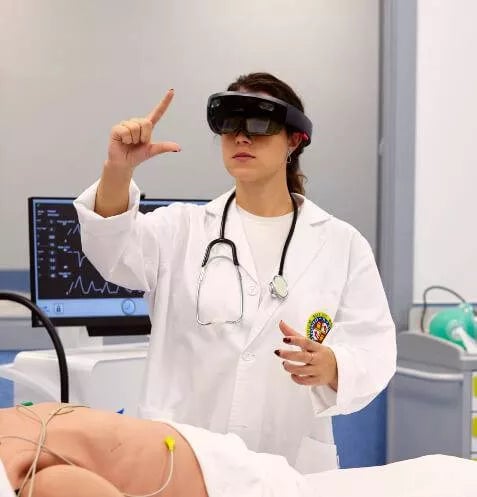
A unique centre in Spain to complete your training in the most innovative, well-rounded way. Find out more
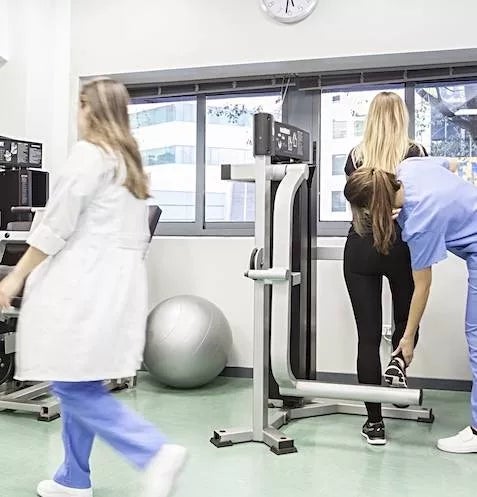
Using the most innovative medical resources, it aims to offer the best diagnosis and treatment of real patients. Find out more

25 indoor and outdoor sports facilities for practicing more than 20 different sports. Find out more
We need to know a little bit about you so that we can provide you with a personalised service.
All fields are required
At UAX we know that studying is an investment, which is why we give you the resources to access our qualifications. Learn about some of our scholarships and grants:
Other related qualifications
We offer a wide range of courses, so you’re sure to find a programme that suits you.
Master’s Degree in Sports Physiotherapy
In collaboration with:
Start:
October
Length:
9 months
Bachelor Degree in Physiotherapy
In collaboration with:
Start:
September
Length:
4 years
Master’s Degree in Sports Performance and Injury Prevention
In collaboration with:
Start:
October
Length:
9 months
Online Master's Degree in Sports Nutrition and Training
In collaboration with:
Start:
October
Length:
9 months
You can view your timetable and indicative timings via the following link .
The UAX promotes the culture of quality among the university community through the UAX Quality System (SIUAX), for which the University Management is ultimately responsible, ensuring that the planning of the system is implemented to effectively meet the quality objectives, the satisfaction of needs, requirements and expectations of customers and interested parties.
The responsible bodies are:
- Governing Council: the highest decision-making body in the academic field and responsible for the deployment of improvement in academic processes. It is made up of the Rector, the Vice-Rectors, the Deans, the Secretary General and the Directorate of Student Services. Those responsible for the areas of Talent and Technology also participate.
- Faculty/Centre Board: body for monitoring the deployment of academic processes at faculty level. It is made up of the head of the faculty, the heads of studies of the degree programmes and the quality coordinator.
- Centre Monitoring and Improvement Committee (SIM centre): body responsible for the deployment and monitoring of the initiative plan and the centre's improvement plan. It is made up of the heads of the faculty, the heads of studies, PDI, PTGAS, students and quality coordinators.
- Degree Monitoring and Improvement Commissions (SIM degree): body responsible for ensuring the academic quality of the degree and compliance with the verified report, as well as promoting a culture of continuous improvement in the programme. It is made up of the head of studies, PDI, PTGAS, quality manager and students. It analyses results, identifies areas for improvement and proposes actions to strengthen the training experience and the deployment of the degree.


The Degree Monitoring and Improvement Committee for the 2025-26 academic year is made up of:
Puedes consultar los distintos indicadores en los siguientes enlaces:
Acciones de mejora desarrolladas en el título:
We listen to the real demand of our students and employees, because we believe in continuous improvement of results. Therefore, we always want to hear what you want to tell us.
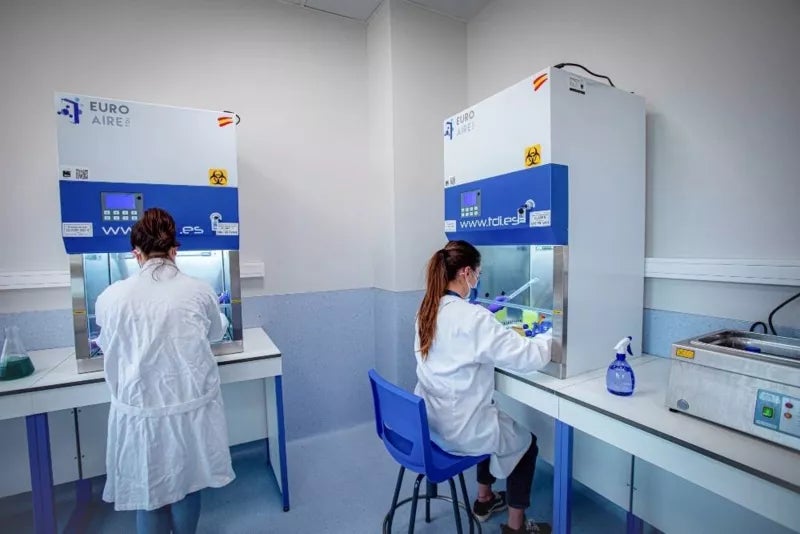
Link to the complaints and suggestions mailbox.
If you already belong to UAX, through the virtual campus in the section Customer service: complaints, suggestions and congratulations, entering your username and password.
Telephone: 91 810 94 00
E-mail: paramejorar@uax.es
Opening hours: Monday to Friday from 9:00 am to 6:00 pm
This degree, according to RD 822/2021 (art. 34) must undergo the process of accreditation renewal. During the development of the process, an evaluation team of the Foundation for Knowledge Madrimasd will meet with different stakeholders of the degree. In addition, they provide us with a form so that any interested party can indicate to the Foundation those aspects they consider relevant to the development of this programme.